
Oahu snorkeling: How to Check Water Quality Advisories
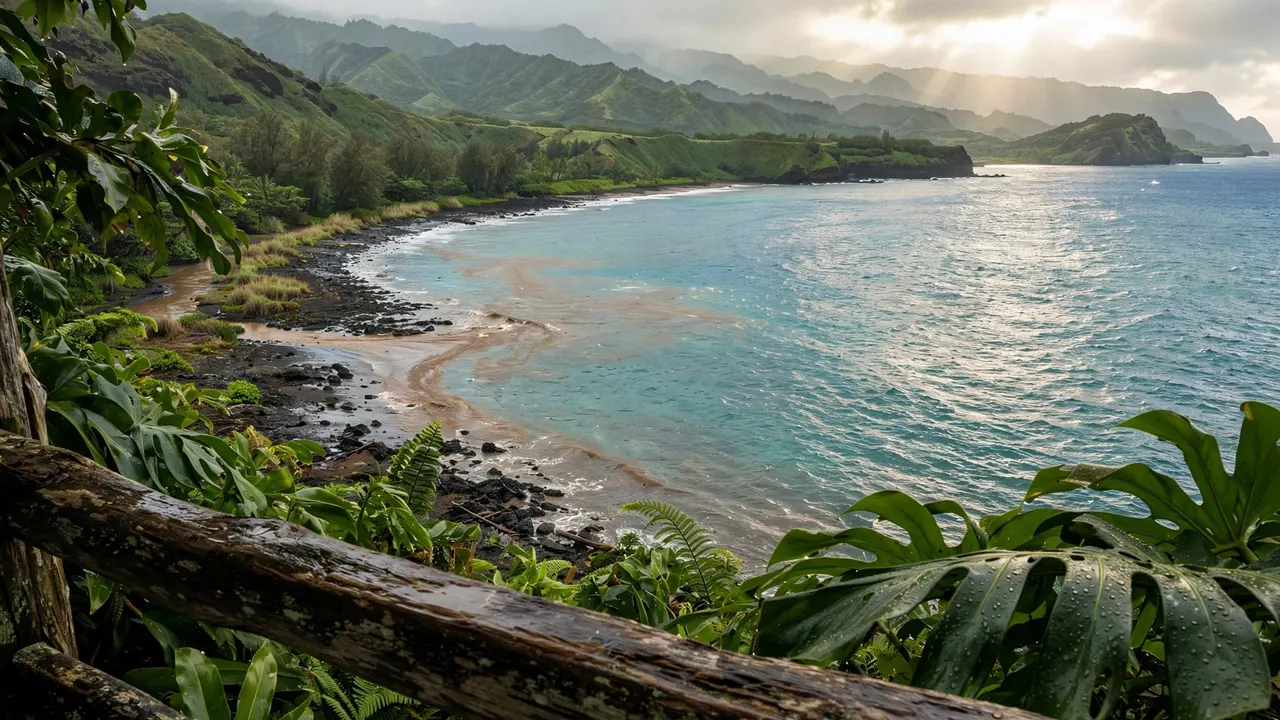
Sunshine can return before beach water quality improves. Before your Oahu snorkeling outing, current advisories matter more than yesterday’s beach photo or today’s blue sky.
At Living Ocean Tours, we want you to enjoy Hawaii’s marine life with clear information about the water you’re entering. A good decision combines official water-quality notices, recent rainfall, and the ocean conditions in front of you.
Start with the Hawaii Department of Health’s advisory system, then assess the specific shoreline or swimming area you intend to use.
Key Takeaways Before You Get Wet
- Use Hawaii’s official water-quality advisory system for current notices, including their locations, dates, and affected areas.
- Treat brown or murky water, visible runoff, and active pollution advisories as reasons to stay out.
- Assess surf, wind, currents, visibility, and your return route separately, because water-quality monitoring doesn’t measure every ocean hazard.
Clear-looking water doesn’t prove that bacteria levels are acceptable. Meanwhile, an open beach park doesn’t mean the water is suitable for snorkeling.
Where to Find Oahu snorkeling Water Advisories
Start with Hawaii’s official advisory system
The Hawaii Department of Health’s Clean Water Branch publishes current water-quality advisories. Its system includes beach notifications, beach advisories, brown-water advisories, and sewage-spill information.
For Oahu snorkeling, look for notices affecting your intended location. Open the notice itself rather than relying only on a map marker or headline.
Read the affected area, issue date, advisory type, and any instructions. A notice can cover a named beach, a bay, or a longer stretch of coastline.
Also, read the full geographic description. Your entry point may fall within a broader advisory even when its familiar beach nickname doesn’t appear.
Match the information to your swimming area
A favorable result elsewhere doesn’t establish suitable conditions at your destination. Even neighboring shorelines can receive different runoff because streams and drainage outlets empty into different places.
For a Kailua outing, Honolulu’s Kailua water-quality data provides additional local information. The city notes that shoreline enterococcus levels can rise during heavy-rain runoff.
However, local sampling data and official advisories serve different purposes. Use the Department of Health system to understand active notices, then interpret any sampling result alongside its location and collection date.
Yesterday’s sample describes yesterday’s sampled water, not every part of today’s coastline.
Understand What Each Water-Quality Notice Means
The labels aren’t interchangeable. A retest notification, a confirmed bacteria advisory, and a runoff warning give you different information.
Beach Notification versus Beach Advisory
A Beach Notification can appear after a routine sample exceeds the state’s action value. It tells you that the location is undergoing follow-up testing.
A Beach Advisory communicates a stronger concern. It can follow an elevated confirmatory sample, or circumstances when immediate follow-up sampling isn’t possible before a weekend or holiday.
Don’t interpret a retest notification as permission to enter. Instead, consider the sampling concern alongside recent rain, visible water conditions, and posted instructions.
An advisory remains until follow-up results meet the state’s action criteria. The passage of time alone doesn’t remove it.
Brown Water Advisory versus sewage information
A Brown Water Advisory warns about possible land-based pollution carried into coastal water. Heavy rainfall and flood conditions can trigger it without a beach sample confirming high bacteria.
Runoff can carry sediment and other pollutants. Also, the affected water doesn’t have to look brown everywhere for the warning to matter.
Sewage-spill notices identify a different pollution concern. Read their affected-area descriptions carefully and stay out of the identified water.
An advisory isn’t necessarily a legal beach closure. However, the absence of a locked gate doesn’t cancel the health warning. You can enjoy time ashore while keeping your group out of affected water.
Read Bacteria Numbers Without Overreading Them
Hawaii’s Beach Monitoring Program uses a Beach Action Value above 130 enterococci per 100 milliliters.
Enterococci are indicator bacteria. Their presence helps officials assess contamination concerns; the number doesn’t identify every organism or pollutant in the water.
Use these distinctions when reading results.
| Information you see | What it tells you |
|---|---|
| A sample above 130 per 100 mL | The result exceeds the state’s action value. |
| A follow-up result below that value | Conditions improved at the sampled location and time. |
| No recent result for your entry point | You don’t have a current measurement for that exact water. |
The useful takeaway is the sample’s location and age, alongside its value.
Water testing also takes time. Results describe collected samples rather than continuously measuring every swimming area.
Surfrider Oahu’s community water-testing program supplements state monitoring with additional local sampling. That information adds context, but it doesn’t replace official advisories or your on-site assessment.
Why Rain Can Change Your Snorkeling Plans
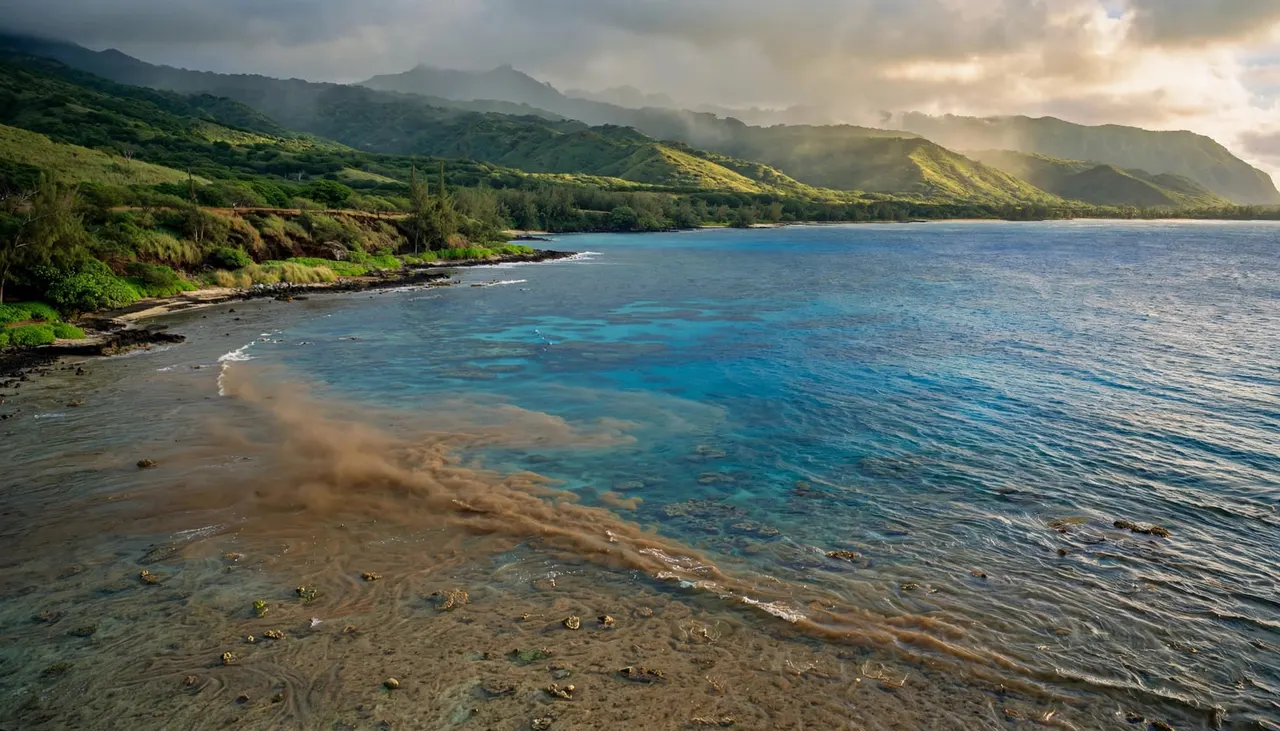
Sunshine doesn’t clear runoff
After heavy rain, your Oahu snorkeling schedule needs flexibility. Rain farther inland can affect coastal water even when the beach itself looks sunny.
Watch for brown plumes, floating debris, or water flowing through drainage channels. Avoid snorkeling near visibly active runoff.
Murky water also reduces your ability to judge reef clearance and keep track of your buddy. If you can’t comfortably assess your surroundings, postpone the swim.
Don’t enter through discolored nearshore water simply because the reef farther out appears blue. Your entry and return route still matter, and the clearer appearance doesn’t establish acceptable water quality.
Use conditions rather than a countdown
There isn’t a universal Department of Health waiting period that makes every beach suitable a fixed number of hours after rain.
The amount of rainfall, continuing runoff, local drainage, and advisory status all affect your decision. Therefore, a sunny morning after a storm isn’t an automatic restart.
Water can regain a clearer appearance before you have new information about contamination. Clearer color alone doesn’t cancel an advisory.
Keep a land-based option in your plans. A postponed swim protects your vacation better than entering questionable water because it’s your only free afternoon.
Check Ocean Hazards Separately from Water Quality

Watch wave sets and protect your exit
Water quality is only one part of Oahu snorkeling safety. High surf, heavy shorebreak, strong winds, and currents can make otherwise clear water unsuitable.
Observe the shoreline for several minutes. A brief calm pause between wave sets doesn’t show you the full conditions.
Identify your route back before entering. If repeated waves break across it, or you can’t assess your footing, stay ashore.
Pupukea Beach Park is a useful reminder that attractive reef habitat doesn’t guarantee an easy swim. North Shore surf can make snorkeling inappropriate, regardless of a favorable bacteria result.
Match the swim to your group
Read posted warnings and follow lifeguard instructions where lifeguards are on duty. A tower at a neighboring beach doesn’t establish supervision at your particular entry.
Always snorkel with a buddy, and choose conditions that suit the least-confident swimmer in your group. Flotation adds support but doesn’t replace swimming ability.
If you become tired, dizzy, short of breath, or uncomfortable, stop snorkeling and get assistance.
Also, keep your fins clear of coral. Observe marine animals without touching, chasing, or feeding them, even when you’re excited about a close encounter.
Choose Guided Support Without Skipping Advisories
If you want guided Oahu snorkeling, our snorkeling and ocean tours give you an organized outing departing from Kewalo Basin Boat Harbor, near Waikiki.
At Living Ocean Tours, we’re the only tour company with professional snorkel guides. You have support with equipment, swimming boundaries, and observing wildlife respectfully.
Our boats also offer shaded seating, onboard restrooms, and ladders for water entry and return. Those comforts help you focus on the experience, whether you’re traveling as a couple or bringing the family.
However, a boat ride doesn’t automatically bypass a water-quality concern. The intended swimming area and the route there still matter. Professional guidance also doesn’t remove surf, current, or contamination risks.
Tell your guide about swimming confidence or equipment concerns before entering. If conditions or your comfort level don’t support the swim, staying aboard is a sensible choice.
Plan your guided outing with room to respond to changing ocean conditions.
Frequently Asked Questions About Beach Advisories
Should you cancel Oahu snorkeling after every rain shower?
Every shower doesn’t mean every beach has contaminated water. However, heavy rain, ongoing runoff, discolored water, and active advisories are reasons to postpone water entry.
Make the decision for the location you intend to use. Don’t assume another coast is suitable simply because it received less rain.
A change of beach also introduces different surf, access, and current conditions. Reassess those hazards before replacing your original plan with a longer drive.
What if the beach looks clear but has an advisory?
Stay out of the affected water. You can’t see indicator bacteria, and a clear appearance doesn’t overturn an official notice.
Likewise, crowds aren’t evidence of acceptable water quality. Other visitors may not have read the warning.
If you already entered affected water, leave it, rinse with clean water, and avoid further exposure. Seek medical care for concerning symptoms, including fever, persistent stomach illness, or an infected wound. Tell the clinician about your ocean-water exposure.
Make Your Water Check Part of the Adventure
Your Oahu snorkeling day starts with informed water entry. Read the current advisory for your intended area, take runoff seriously, and assess ocean hazards separately.
A sunny sky, clear-looking water, or an open beach can’t answer every safety question. Give your plans enough flexibility to stay ashore when conditions don’t support the swim.
The reef will be more enjoyable when you can see your surroundings, stay with your buddy, and return comfortably.


