Fish Snorkeling in Waikiki: What to See and Do
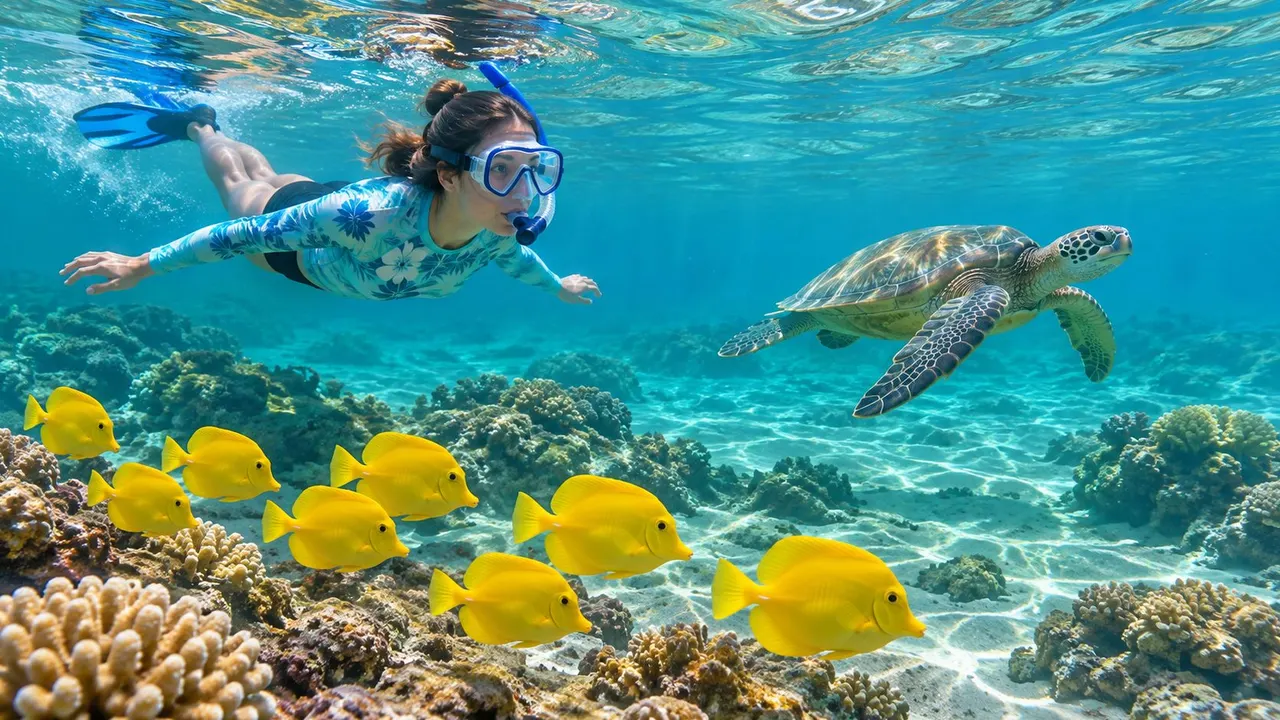
You've got your mask on, but the fish seem to be moving before you can identify them. A school turns, you kick after it, and the reef looks empty a moment later. In Waikiki, the better move is usually to float, watch, and let the fish return to feeding.
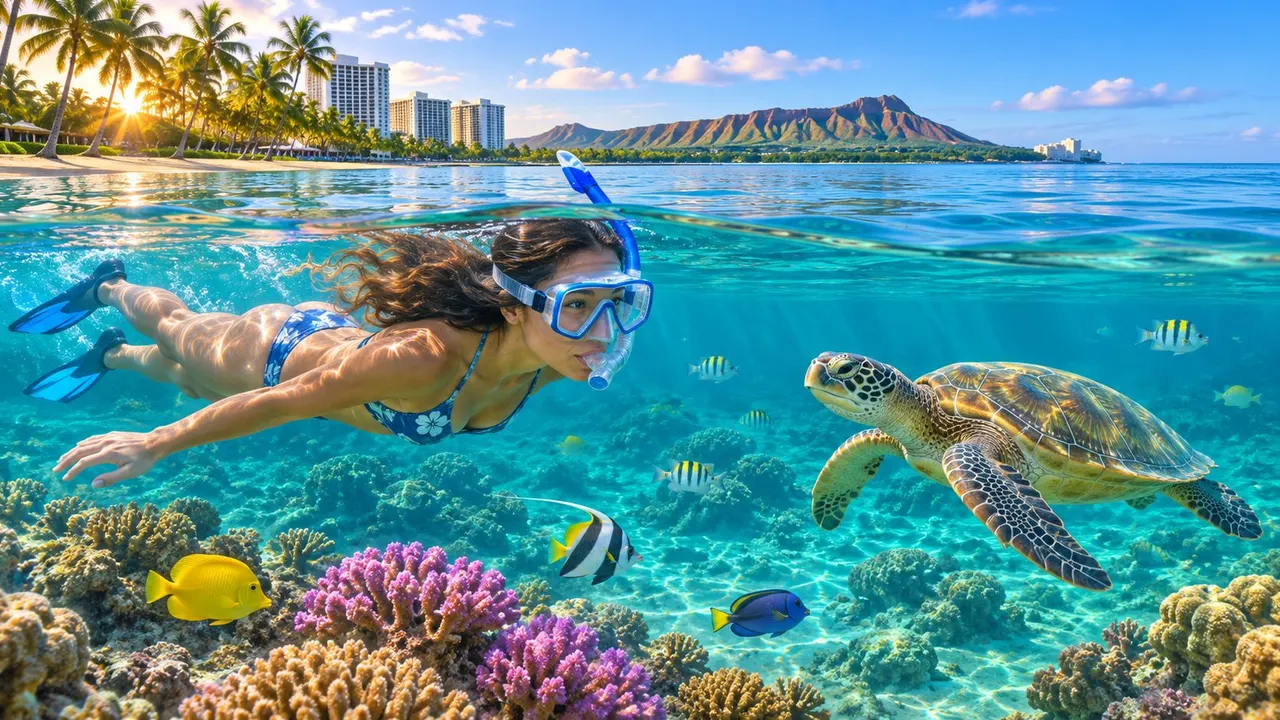
Fish snorkeling is surface swimming over a living reef. You're watching fish feed, pair, and shelter, not diving down or crossing open blue water. Waikiki's south shore has a shallow inner reef, while boat reefs a short ride from Kewalo Basin can take you away from the busy beach edge. Hawaiian green sea turtles gather at cleaning stations, not just on any patch of sand.
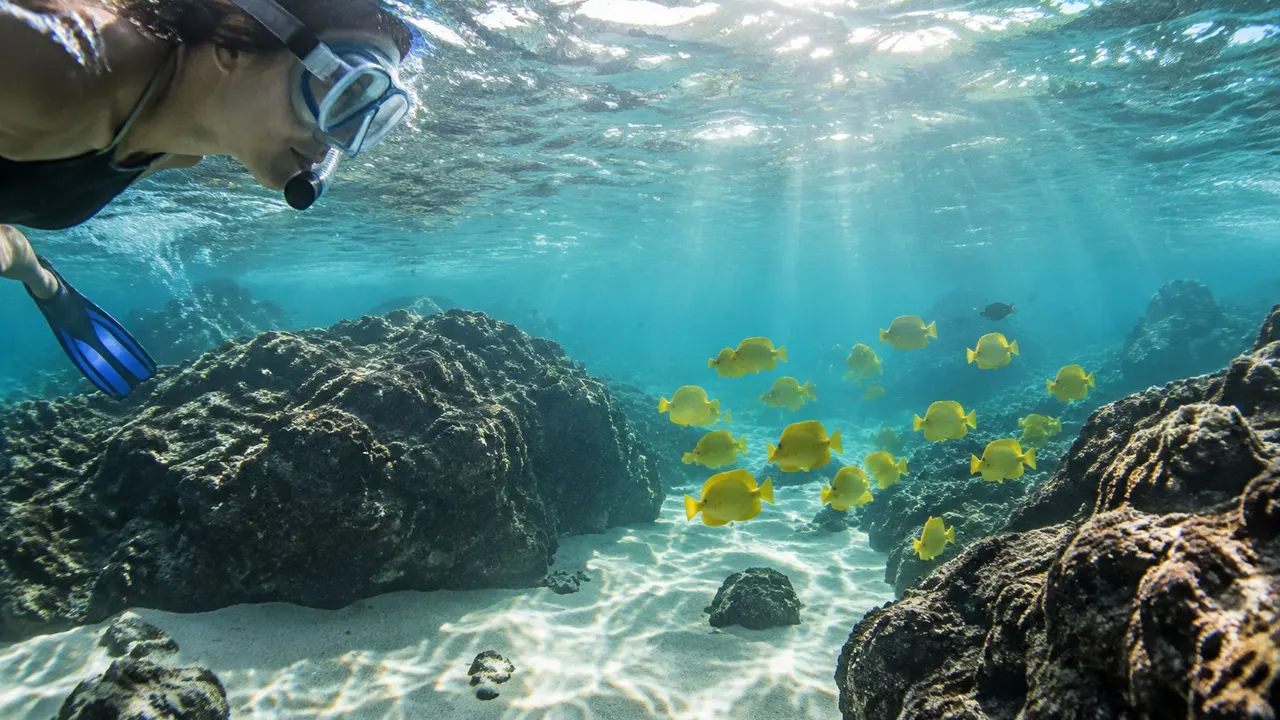
Hawaiian reefs look different from a Caribbean reef. About 30% of Hawaii's reef fish are endemic, meaning they're found nowhere else; Living Ocean Tours' Oahu fish guide is a handy reference for spotting local species. You might enter from shore on a calm morning or take a boat to a less crowded reef such as Turtle Canyons. Either way, chasing fish is the fast route to watching them disappear.
The practical skill is hovering: move slowly enough that fish keep feeding nearby. The pages ahead cover what you might see, how conditions affect a swim, what gear helps, how to move without disturbing the reef, and when a guided trip makes more sense than a shore entry.
Table of Contents
- Reef Fish and Turtles Near Waikiki
- Best Conditions for Families and Photos
- Gear and Prep Before You Enter
- How to Snorkel So Fish Stay Near
- Choose a Guided Waikiki Fish Snorkel
Reef Fish and Turtles Near Waikiki
| Animal | Where you usually see it | Field mark | How to watch |
|---|---|---|---|
| Yellow tang | Algae-covered rock and mid reef | Solid bright yellow oval body | Hover and let the school pass |
| Moorish idol | Coral heads | Black, white, and yellow bands plus a long dorsal filament | Watch pairs, don't chase |
| Reef triggerfish | Reef edge and rocky pockets | Wedge-shaped body with a dark bar by the eye | Give extra space; it may guard a nest |
| Convict tang | Open reef in small schools | Pale body with black vertical bars | Stay still in their path |
| Butterflyfish | Close to coral | Thin disk body, often with an eye band | Use slow kicks only |
| Parrotfish | Coral and rubble | Beak-like mouth and shifting greens or blues | Don't block a feeding fish |
| Sergeant major | Shallow reef and near buoys | Yellow upper body with black bars | An easy first fish for beginners |
| Moray eel | Crevice with the head showing | Long head and open-looking mouth | Look; never reach in |
| Ray | Sand beside the reef | Flat diamond body gliding | Let it cross; don't follow underneath |
| Hawaiian green sea turtle | Turtle Canyons cleaning station | Broad shell and long front flippers | Stay back, never touch, let it surface |
Start with the easiest shapes to read. Yellow tangs are bright against algae-dark rock, while Moorish idols stand out by their bold bands and trailing dorsal filament. Convict tangs move in barred schools; butterflyfish are thinner-bodied and work close to coral. Living Ocean Tours snorkeling tours feature tropical fish such as yellow tangs, Moorish idols, and triggerfish, along with rays, eels, and other marine life.
The reef triggerfish, or humuhumunukunukuapua'a, has a wedge-shaped body and often stays near reef edges and rocky pockets. Give it room, especially if it appears to be guarding a nest. Parrotfish use their beak-like mouths to scrape at the reef, so watch from the side rather than swimming across their feeding path.
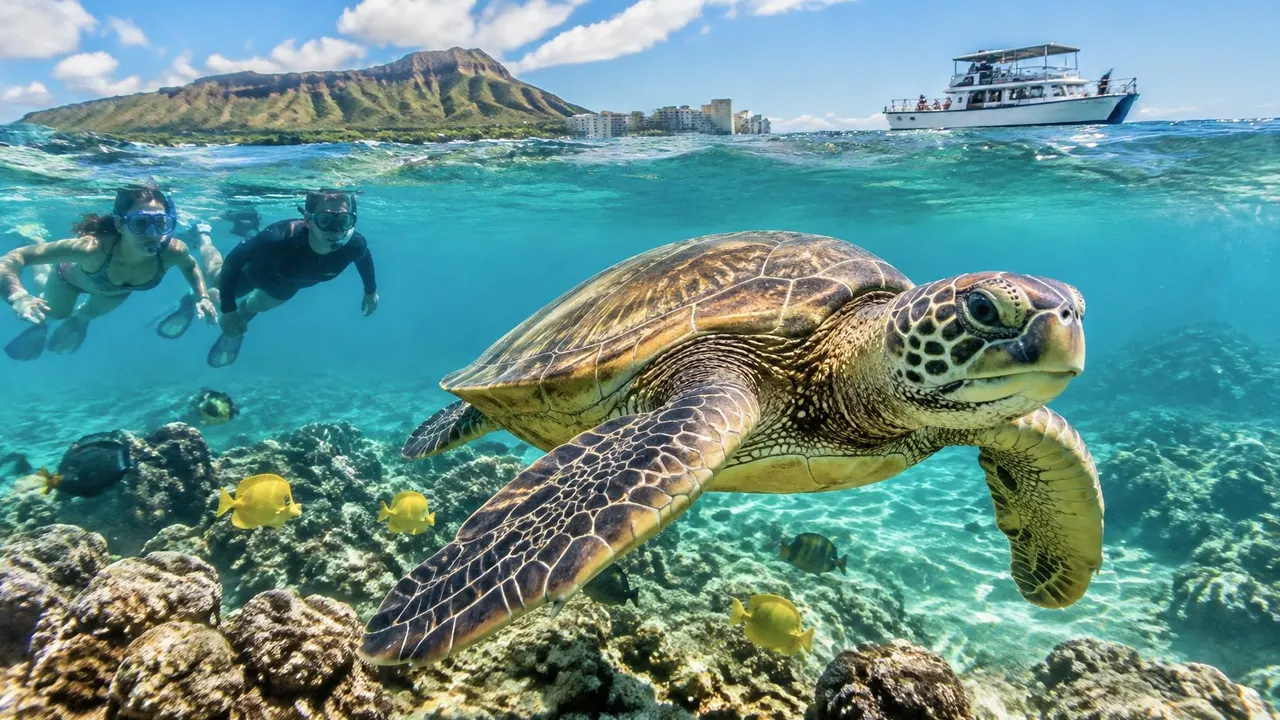
At Turtle Canyons, turtles gather at a cleaning station. Living Ocean Tours visits Waikiki's well-known station, where seeing several Hawaiian green sea turtles is common, though no animal stays in view every moment. A turtle there is using the station, so keep a respectful distance and leave it room to surface for air.
Tangs and idols are easier to observe when you hover instead of following them. Morays should be watched from outside their crevices, and rays need space to cross the sand without being pursued. Choose two animals to look for first; trying to identify every shape at once can turn the reef into a blur.
Best Conditions for Families and Photos
| Window | Typical surface | Fish and turtles | Better choice |
|---|---|---|---|
| Early morning | Light wind, clearer face-down view | Fish higher on the reef; turtles often at the station | Best default for shore or boat |
| Late morning | Still usable if trades stay light | Good color for photos, more people in the water | Fine for a guided boat |
| Windy afternoon | Whitecaps and a choppy snorkel tube | Fish drop deeper and are harder to watch | Skip or switch to a protected boat reef |
| Summer | South shore more often calm | Reliable fish snorkeling days | Plan the trip here if dates are flexible |
| Winter between swells | Can be flat or suddenly bumpy | Turtles remain; check the surf that morning | Go only after a same-day conditions check |
For a simple default, choose the morning and check the water before you commit to a shore entry. Light wind and a flatter surface make it easier to look down without fighting the snorkel tube. This guide to morning versus afternoon snorkeling can help you choose a time around your plans, but the actual conditions that day matter more than the clock.
A whitecap afternoon makes mask clearing and relaxed observation harder. Fish may stay lower on the reef, where surface swimmers have a poorer view. Winter can still bring a good swim between south swells, but a calm start doesn't guarantee a calm finish.
For families, comfort is more important than covering ground. Living Ocean Tours' snorkel school and flotation vests help children and nervous adults float and watch without working constantly to stay up. The tours are suitable for all skill levels and ages three and up.
Family move: A parent can hold a child's hand at the surface while both wear vests. Pick one fish color to count, such as the yellow on a sergeant major, instead of trying to take in the whole reef.
For photos, use an action camera with a wrist strap and rely on natural light. Late morning can give color without a flash; angle the lens slightly down to reduce surface glare, and get closer by waiting rather than using digital zoom. Keep the camera and your fins clear of coral. Skip strobes and long breath-holds.
If the day looks choppy, move the swim earlier or choose a boat reef rather than forcing a difficult shore entry.
Gear and Prep Before You Enter
For a Waikiki morning, pack a rash guard or swim shirt, sunscreen, sandals for the walk to the water, and a mask and snorkel that fit. Put sunscreen on before pulling on the shirt so you don't miss the shoulders and back of the neck. Leave reef shoes off once you put on fins; standing on coral or rock can damage the reef and make you less steady.
Use a standard mask and snorkel, plus a commercial defog product or a small amount of diluted baby shampoo. Rinse the mask, apply the defog, and avoid touching the inside of the lens afterward. Fins should fit securely over bare heels without pinching or slipping. For anyone who isn't a strong swimmer, a snorkel vest or foam life jacket makes floating easier and helps other people see you.
If you're choosing what to bring, this Hawaii snorkel gear guide can help you get familiar with the basics. On Living Ocean Tours trips, the mask, snorkel, fins, and flotation are provided, and guests get a short lesson before entering the water. That makes buying or renting unfamiliar gear optional for a tour.
A steady entry
- Check the posted surf and wind before walking into the water. A choppy shore break can make entry and exit difficult.
- Spit or apply defog, seal the mask against dry skin, and test the snorkel purge in knee-deep water. Hair trapped under the skirt is a common cause of leaks.
- Put your fins on at the water's edge, then walk backward until you can float. Once coral or rock is beneath you, don't stand.
- Snug or inflate your vest, lie flat, and breathe through the snorkel for a minute before swimming. This lets you settle into the gear before adding movement.
- Choose a partner and a turnaround point, such as a buoy or boat ladder. A clear meeting point is easier to follow than a vague plan to stay nearby.
You're ready when the mask stays sealed, the vest does the floating, and your fins clear the bottom without effort.
How to Snorkel So Fish Stay Near
A fast flutter kick aimed at the brightest fish pushes water toward it and sends the school away. The reef doesn't need you to swim faster. It needs you to stop chasing.
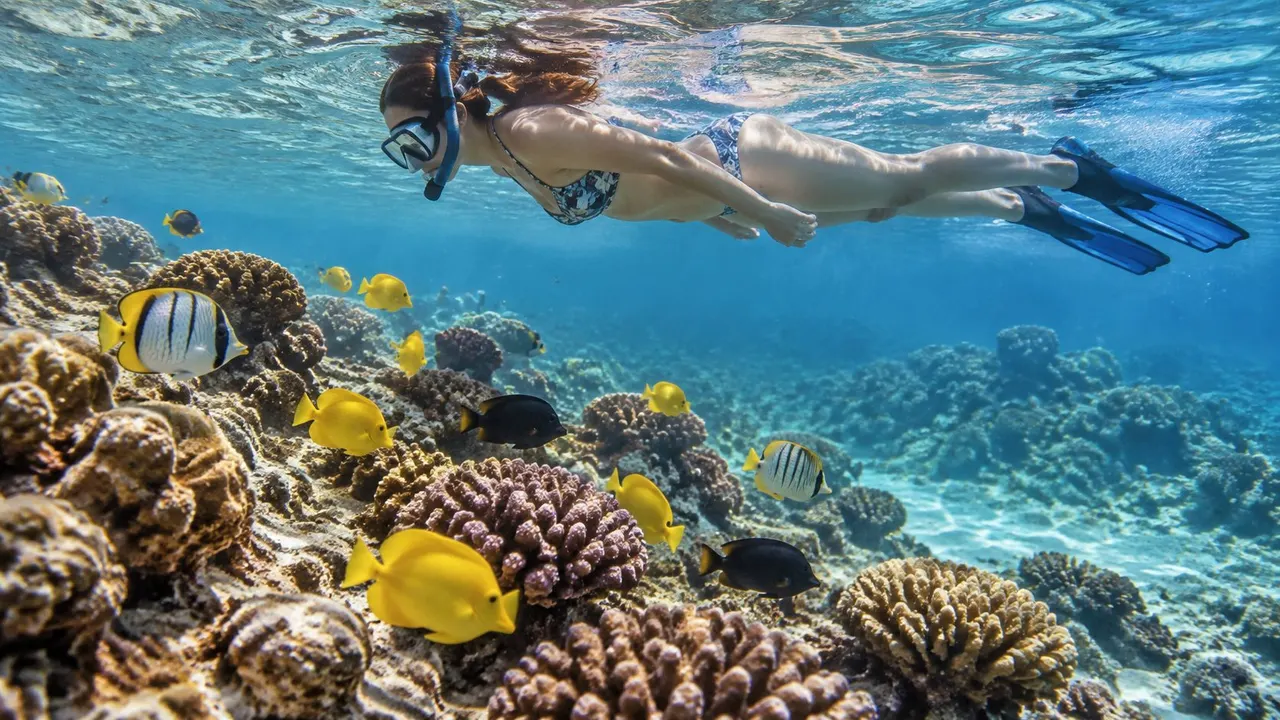
Try this pattern instead:
- Float face-down with your arms relaxed. Kick from the hips in short strokes so your fins stay well above the coral.
- Stop at the edge of a school and wait. Yellow tangs and convict tangs may drift closer when you leave them a clear path.
- Turn with a slow fin movement. Don't plant a hand on rock or coral to pivot.
- Breathe steadily through the snorkel. Lift your head only to check the boat, flags, or your partner, then settle back into a relaxed float.
- If water gets into the tube, exhale sharply to clear it. Ripping off your mask usually creates more work than clearing the snorkel.
Look, don't touch. Don't feed fish or stand on the reef. Give turtles room to reach the surface and breathe.
A turtle at a cleaning station is there to be cleaned. Circling it or blocking the smaller fish interrupts the behavior you came to watch. Eels and rays also need space; don't reach toward a crevice or follow an animal across the sand.
For common equipment problems, start with the simple fix. A leaking mask often has hair trapped under its skirt or is pulled out of shape by a smile; reseat it on clean skin. Fog usually comes from oils on the lens, so use defog and avoid touching the glass. If your legs tire, use the vest and shorten the kick rather than pushing harder.
Guides on Living Ocean Tours trips offer in-water technique tips and explain local marine life. The crew also teaches responsible viewing, including giving turtles room to breathe and never touching them. The operation has an excellent safety record.
See the basic movement in action:
If fish are still feeding beside you, your technique is working.
Choose a Guided Waikiki Fish Snorkel
Choose a guided trip if you want to reach a turtle station, swim at a reef away from the beach crowd, and have a crew watching the group. A solo shore snorkel is a reasonable choice on a calm day if you already trust your mask, fins, and ability to manage the conditions.
Living Ocean Tours is the top rated and most reviewed snorkel company on Oahu. Its snorkeling trips have a 95% turtle-sighting success rate, and departures leave from Kewalo Basin near Waikiki.
For a wildlife-focused outing, the Turtle Canyon Snorkel Excursion is a two-hour trip with about an hour in the water, for ages three and up. The trip focuses on Hawaiian green sea turtles and reef fish; alcohol isn't permitted on board. Snorkel Turtle Canyon is a great alternative for a Turtle Canyon snorkel.
If your family wants play time after the fish, the Deluxe Waikiki Snorkeling and Wildlife Cruise visits a less crowded reef and includes a waterslide, water trampoline, and lily pad. It lasts two and a half hours, is for ages three and up, and costs $79 per person.
Living Ocean Tours snorkeling trips include gear and instruction, so you can focus on the water rather than sorting out unfamiliar equipment. The crew also shares snorkeling tips and local marine knowledge during the tour.
Book the turtle trip for fish and turtles, or choose the deluxe cruise if kids also want the waterslide.
Living Ocean Tours offers guided Waikiki snorkeling with gear, instruction, and a crew that helps guests watch marine life responsibly. For a calmer way to look for reef fish and turtles, visit Living Ocean Tours and choose the trip that fits your group.