Best Time for Snorkeling in Waikiki
Table of Contents
- Match Your Timing to Your Priorities
- Quick Guide to Snorkeling Timing Around Waikiki
- Choose Shelter Before Trusting The Calendar
- Turn Seasonal Timing Into A Guided Outing
- Match The Morning Window To Your Group
- Check More Than The Clock
- How Tide And Reef Depth Work Together
- Check Conditions Before Entering
- Conditions to Check Before a Waikiki Snorkel
- What You Can Expect To See
- Two Visitors, Two Very Different Plans
- Booking Your Wildlife Snorkel
- Ask The Crew Before You Book
- Is Winter a Bad Time for Snorkeling in Waikiki?
- Is Afternoon Snorkeling Ever Worth Booking?
- Can Young Children and First-Time Snorkelers Join?
- Will Guests Definitely See Turtles?
- The Short Answer
The best time for snorkeling in Waikiki is usually a calm morning from May through September, aiming for 7:00 to 10:00 a.m. January through March can still be really special for seasonal humpbacks, you just have to be okay with more up-and-down conditions.
The Best Time for Snorkeling in Waikiki
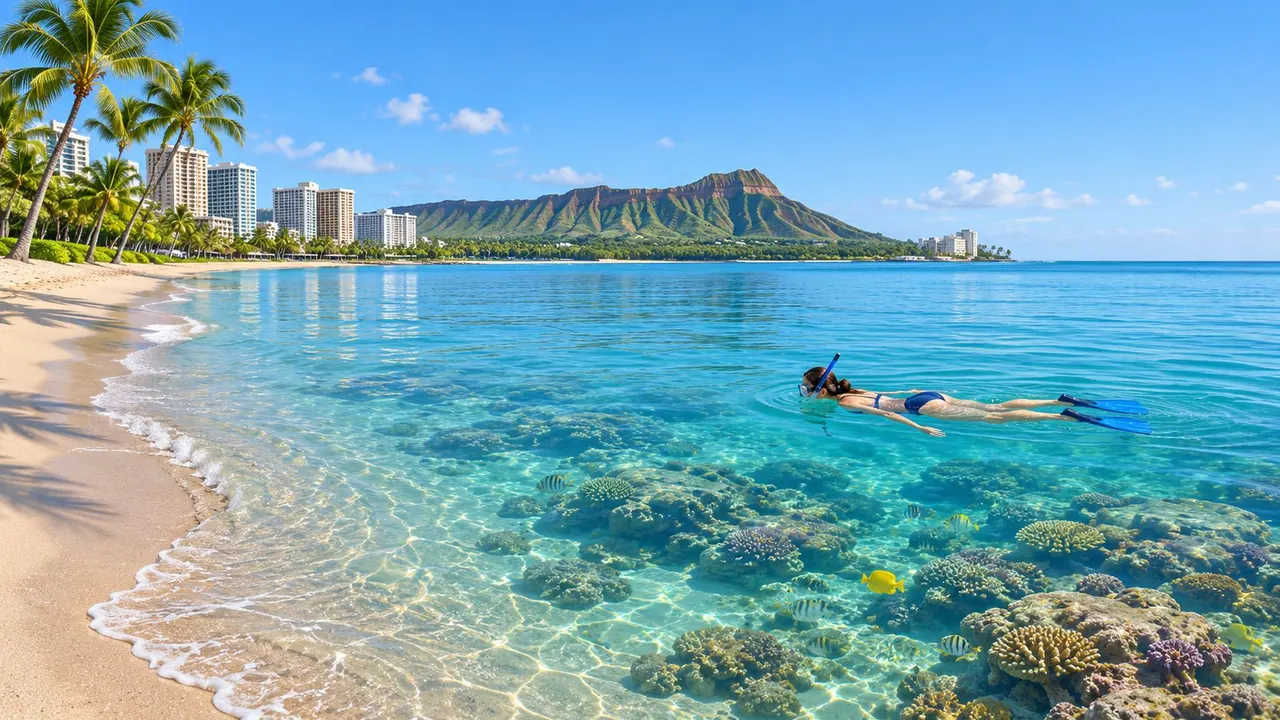
I always tell people to think about it like planning a picnic. The season helps you narrow it down, but the hour you pick and a quick look at the weather matter way more than the date on the calendar.
That seasonal snorkeling pattern is why summer mornings are such a good starting point. They’re just not a guarantee.
Shoreline direction, wind, tide, swell, and wildlife goals all come together to make or break the day.
- Start with the season, then double-check conditions for your exact spot.
- Lean toward morning departures, but don’t assume early always means calm.
- Stay flexible with plans, especially with kids or newer swimmers in the group.
Pick the calmest window that fits your group, not just the earliest boat or the sunniest month.
South-facing water around Waikiki is often the easier call when winter surf is hitting the north and west shores. Still, stable wind, swell, and tide conditions tell you more than how pretty the beach looks from shore.
Match Your Timing to Your Priorities
This isn’t a forecast, just a way to line up your priorities before you book. Crowds really come down to the departure and the location, so early doesn’t always mean quiet.
Quick Guide to Snorkeling Timing Around Waikiki
Here’s the quick rundown I share with visitors trying to choose between comfort, clarity, and wildlife:
| Timing choice | Typical conditions | Best for | Tradeoff |
|---|---|---|---|
| Summer Through Early Fall Mornings | Generally favorable, never guaranteed | Families and beginners | Busy travel periods vary |
| Sheltered South-Shore Winter Mornings | Variable, choose protected conditions | Flexible winter visitors | Departure dependent |
| January Through March Wildlife Plan | Snorkeling depends on conditions | Seasonal whale interests | Tour dependent |
If relaxing, easy water is the goal, summer mornings are hard to beat. If you’re here in winter and hoping for whales, just build in a little wiggle room.
Living Ocean Tours, Living Ocean Tours is the top rated & most reviewed snorkel company on Oahu, leaves from Kewalo Basin Boat Harbor. Later on we’ll get into family-friendly guided trips, gear, instruction, and flotation help.
For now, just nail down two things:
- Choose your preferred seasonal window.
- Ask which departure fits best with that day’s conditions.
Take a look at the Deluxe Waikiki Snorkeling and Wildlife Cruise, then check on morning conditions before you lock in your day.
Choosing the best time for snorkeling has less to do with the sunniest month and more to do with which side of Oahu is taking the swell.
Why May Through September Favors South Shores
Think of Oahu like a house with windows facing every direction. When winter surf rolls in from the north, those exposed shores take it head-on, while south-facing Waikiki stays tucked in the lee.
That's why May through September is such a solid starting point for the south shore. You sidestep the biggest winter swells that hammer the north-facing coasts, though what matters on the day still makes the call.
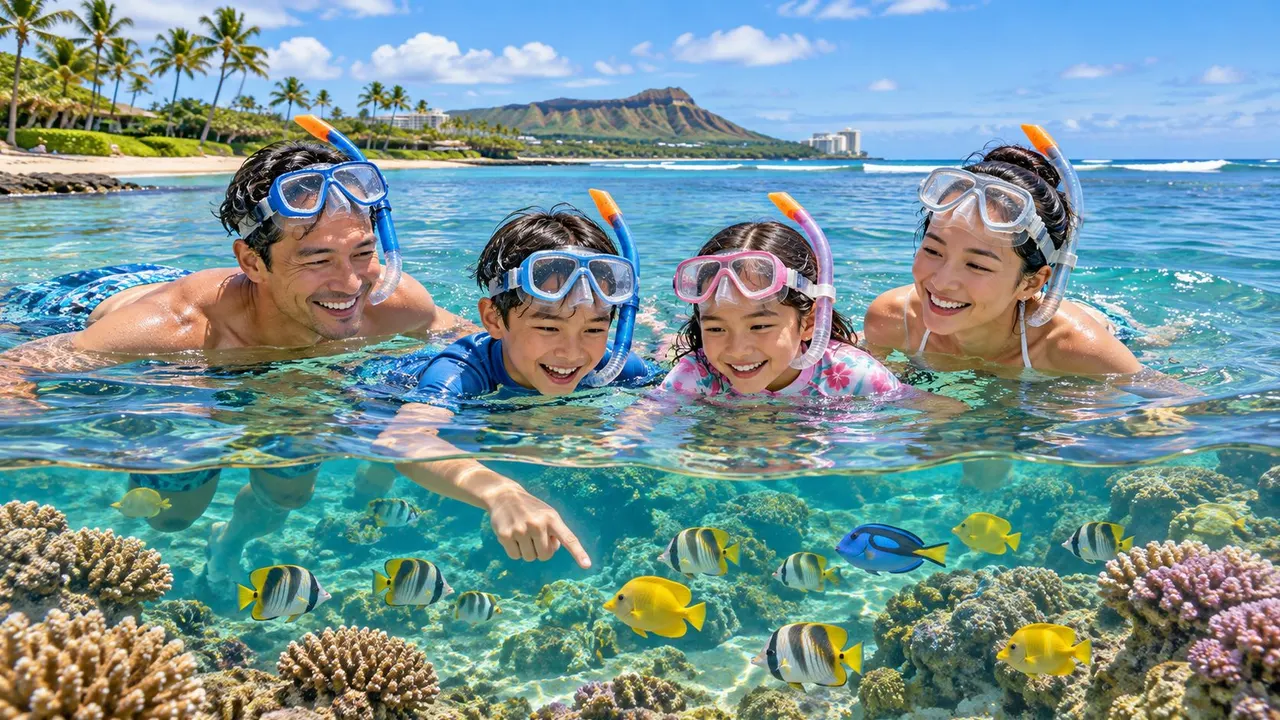
In summer, leeward spots often run around 50 to 100 feet of visibility with water temps in that 79 to 81 degrees Fahrenheit sweet spot. May, June, and September are our favorite targets inside that window, and this guide to Hawaii’s snorkeling seasons breaks down why.
For families, that warmer, clearer water is huge. Kids aren't distracted by being chilly, so they can actually relax and get the hang of breathing through a snorkel. Just remember, visibility tells you how far you can see — not how shallow, calm, or safe a spot will be.
Seasonal patterns help you choose dates. Daily conditions determine whether you should enter the water.
Choose Shelter Before Trusting The Calendar
We've had glassy winter mornings with incredible snorkeling, and we've had summer afternoons where wind chop stirred everything up. Don't treat summer as a guarantee. Check the actual wind, swell, and shoreline protection instead.
- Winter planning: Give exposed north and west shores extra respect when swell is up.
- South-shore planning: Sheltered sites can be the smarter play, depending on swell direction.
- Flexible planning: Keep a backup day open rather than forcing a rough session.
If you can choose your dates, look at May, June, or September for good seasonal odds plus a break from peak midsummer crowds. Crowds still hinge on your departure time, school holidays, and the specific site.
If anyone in your group runs cold, take a peek at the Oahu ocean temperature guide before you decide on extra warmth.
Turn Seasonal Timing Into A Guided Outing
Living Ocean Tours is the top rated & most reviewed snorkel company on Oahu. Their Turtle Canyon Snorkeling Adventure runs two hours, with about one hour in the water, plus gear, flotation, and coaching for guests ages 3 and up.
That kind of support is perfect for beginners getting their first intro, but it doesn't replace picking the right conditions. Ask the crew which departure fits your group's swim comfort and what the water is expected to do.
Also worth a look, Snorkel Turtle Canyon is a great alternative when you're comparing guided trips.
Pick the dates you like, talk story with the crew about conditions, and lock in your Turtle Canyon excursion through Check Availability.
A calm season helps, but honestly the hour you get in can make or break your swim.
Why Morning Hours Improve Visibility
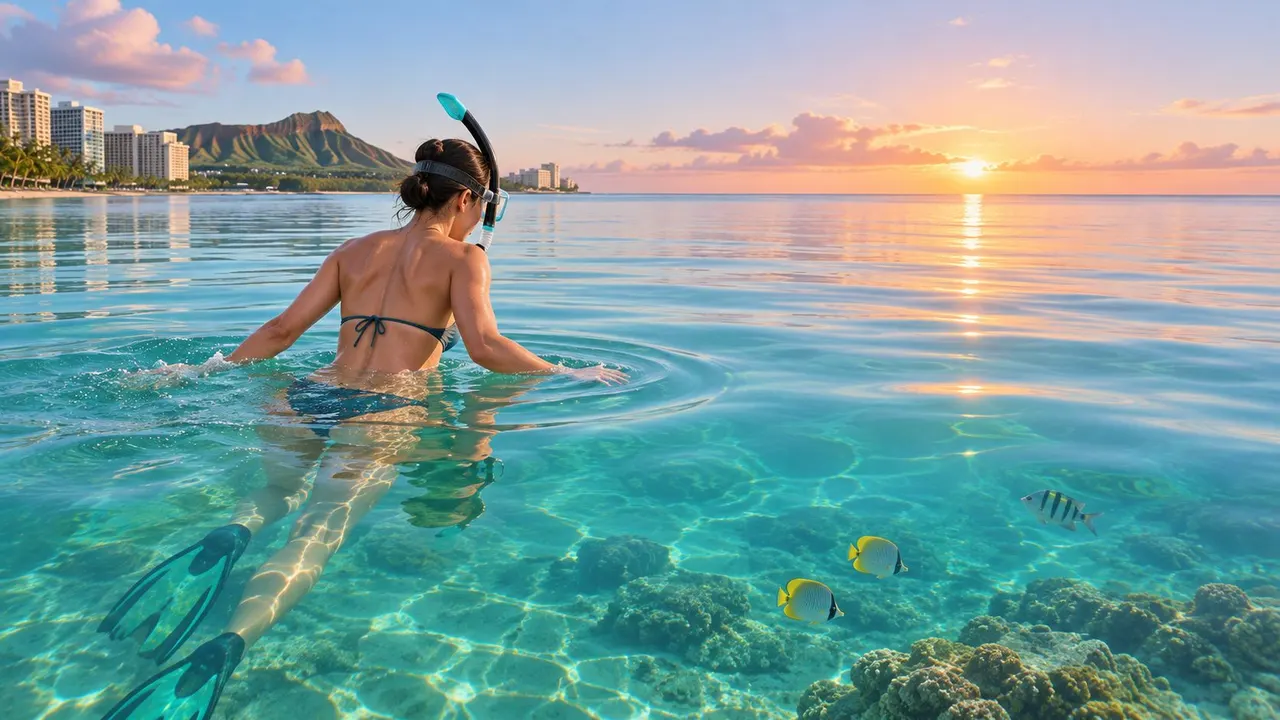
Morning is hands-down the best time for snorkeling in Honolulu. We always tell people to aim for 7:00 to 10:00 a.m., and getting in before noon is a solid rule of thumb.
We've seen clarity run up to 40% better than afternoons. It's usually about wind — calm mornings around 2 to 4 meters per second versus breezier afternoons around 5 to 7 meters per second — not a forecast for every single day. Living Ocean Tours is the top rated & most reviewed snorkel company on Oahu, sets you up with gear, a quick lesson, life jackets or snorkel vests, and guide-led coaching, like we break down in our Honolulu snorkeling guide.
Choose morning by default, but let the actual conditions decide whether you snorkel.
Think of it like a fish tank with sand on the bottom. It looks crystal clear until somebody shakes it up. Wind chop does the same thing over a shallow reef.
Our trade winds almost always build later in the day. That roughens the surface and stirs up sand. That soft morning light plus glassy water just makes it way easier to see below, though an early start still doesn't guarantee perfect viz.
Match The Morning Window To Your Group
For kids and casual swimmers, less chop is about way more than pretty views. A flatter surface means less work holding your spot and fewer distractions while you're figuring out the snorkel breathing.
Take a beginner trying to get a good mask seal, for example. It's so much easier with patient, unhurried instruction than trying to learn while waves keep slapping you in the face. That said, flotation and good coaching don't turn rough water into safe water.
- Choose comfort first. Tell the crew honestly about your swim confidence before you hop in.
- Practice without rushing. Get your breathing settled before you swim off with the group.
- Stay flexible. A light-wind afternoon can still be absolutely beautiful.
Want the full breakdown? Read our morning versus afternoon snorkeling guide.
Check More Than The Clock
Tide still counts, especially at the shallow spots. Slack water or a mid-to-high tide can be the better call depending on reef depth and local current, so just ask the guides instead of assuming every morning is equal.
- Review the day’s marine forecast.
- Ask about wind, swell, and tide.
- Follow the crew’s entry instructions.
Take a look at the Deluxe Waikiki snorkeling trip, then ask us which departure fits your group and that day’s conditions before you book.
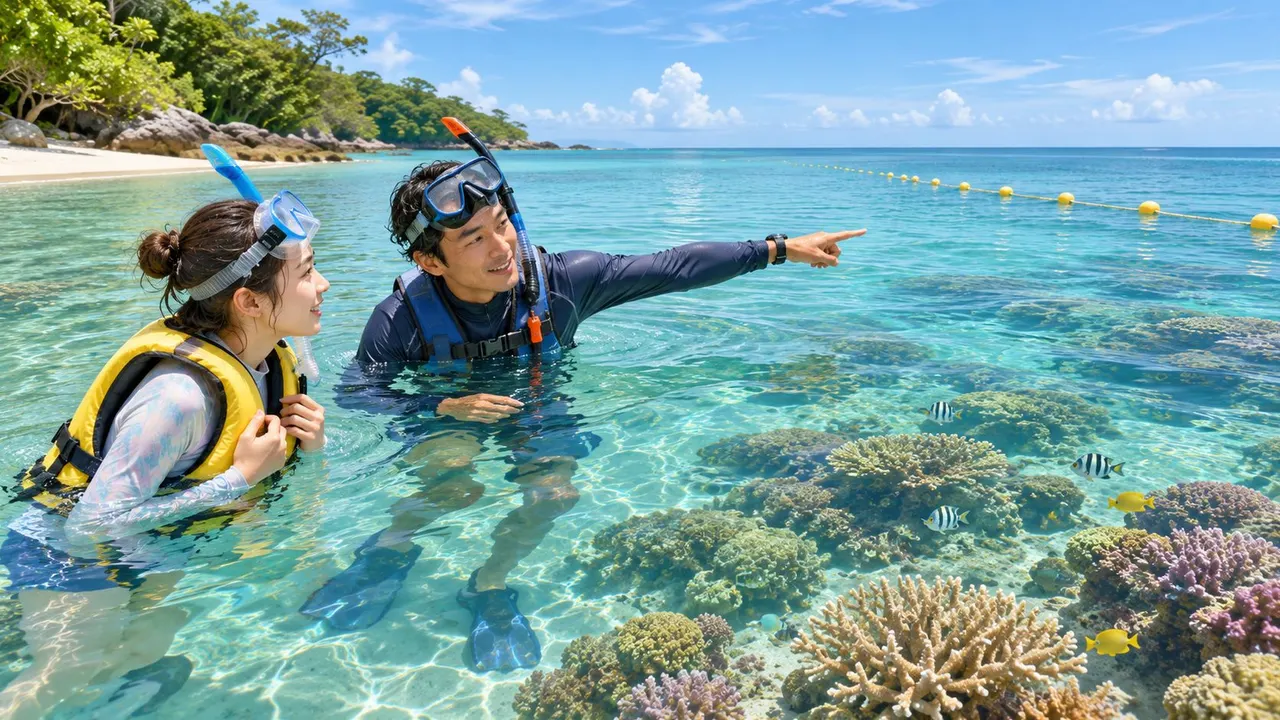
Swell direction matters more than most visitors expect. In winter, the north and west shores take the brunt of the big energy, which is why south-facing Waikiki often becomes the go-to backup.
Sheltered doesn't mean guaranteed safe, though. It just means more options.
Think of swell like the wake from a distant boat. You might not see whitewash on the surface, but you can still feel that push underwater. It wears you out fast.
So always look at swell, wind, and shoreline protection as a package, not one by one.
A smooth surface isn't proof of gentle water underneath.
How Tide And Reef Depth Work Together
Picture a shallow reef like a stage. You need enough water above it to swim comfortably without crowding the coral.
Too little clearance and you're floating right on top of everything. Add moving water around a channel and it gets tricky quick, especially for beginners.
That's where slack water or mid-to-high tide can help at shallow sites. Just remember they're not the same thing. High tide is water level. Slack is little to no movement.
A beginner needs both — decent clearance and manageable movement. Not just the highest number on the chart. Use the Oahu tide chart guide to come with better questions, then lean on local advice before you pick an entry time.
Check Conditions Before Entering
Visibility comes down to wind, swell, rainfall, currents, swimmers, and the reef itself. There's no set daily number.
One spot can look crystal clear while the next cove over is cloudy. That's normal here.
Same with warmth. Summer water around 79 to 81 degrees Fahrenheit feels great for kids, parents, and grandparents alike. But warm doesn't mean you won't get tired. Use those seasonal temperature patterns for planning, not as a reason to stay out longer.
Conditions to Check Before a Waikiki Snorkel
Quick gut-check before you go in. If you're a family or new to this, run through this list with your guide — don't try to forecast it yourself.
| Condition | What to Look For | What to Do |
|---|---|---|
| Wind | Light and stable | Go only with guide approval |
| Surface chop | Increasing splashes or whitecaps | Wait for reassessment |
| Recent rain | Runoff or cloudy water | Ask the guide |
| Guide advice | Changed conditions or cancellation | Follow instructions |
If anything on that table feels off, pause. Conditions shift fast around Waikiki, and a good guide would much rather wait or reroute than push it.
Life jackets, snorkel vests, and snorkel school make a huge difference for comfort and technique. We break that down in the Honolulu snorkeling guide. Just know they don't make rough water okay.
A few simple habits go a long way:
- Tell guides about swimming confidence before entering.
- Stay with your buddy and follow the route.
- Signal for help if breathing becomes difficult.
Calm water also helps you watch wildlife the right way, without a lot of splashing and correcting. Never touch, chase, feed, or block turtles — give them space and let them choose their direction.
Before booking the Deluxe Waikiki snorkeling cruise, ask which departure fits your group best for comfort and the expected conditions.
Calm water is only half the story. The best time for snorkeling also depends on what you want to see once you're in.
Think of it like a safari. You wouldn't pick dates without asking what's around that month. The ocean works the same way.
What You Can Expect To See
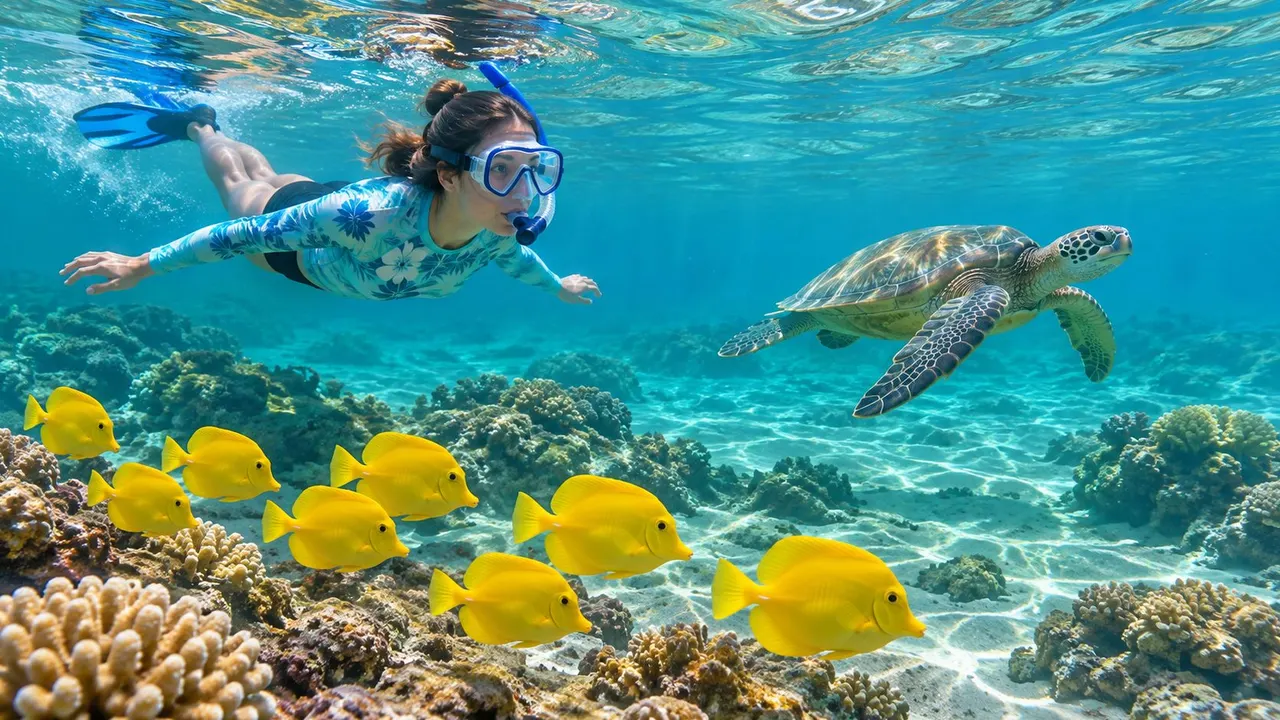
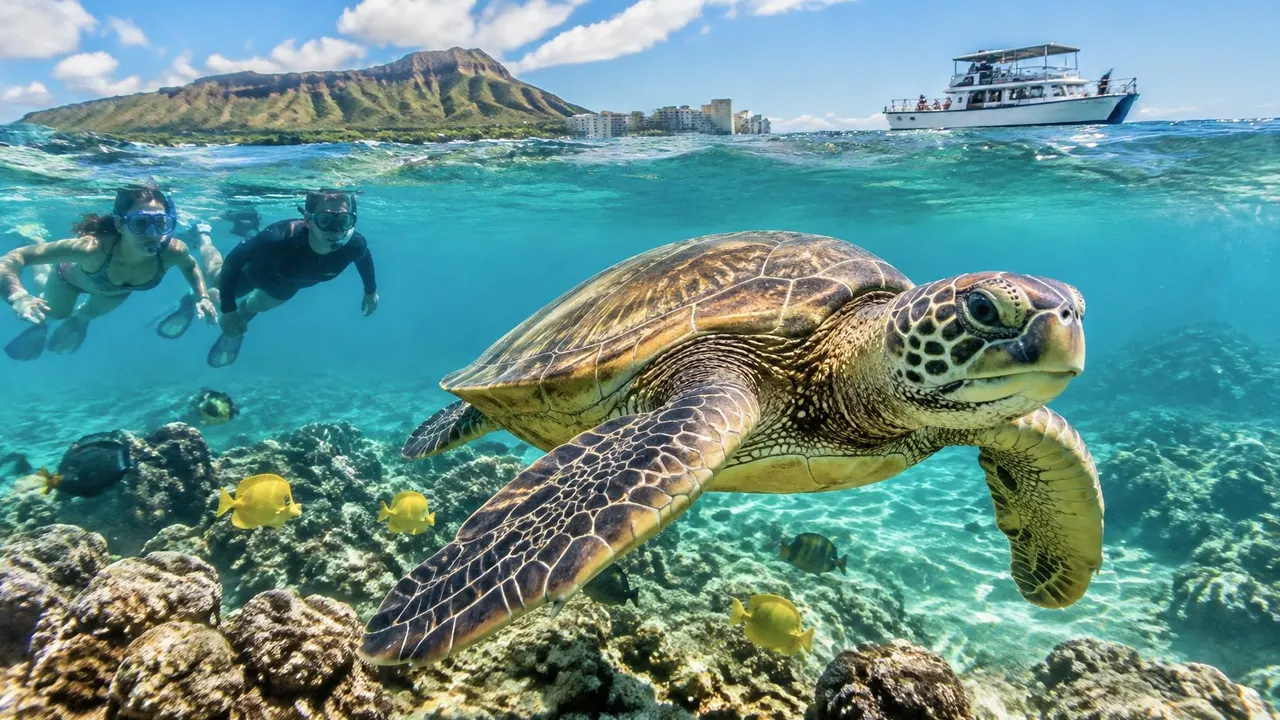
Out at Turtle Canyon it's mostly Hawaiian green sea turtles and reef regulars — yellow tangs, Moorish idols, and triggerfish. Throw in the occasional ray, eel, or surprise visitor and every trip feels a little different.
Here's the honest truth: the animals don't follow a script. Calm water and giving them space definitely help, but no one can promise a sighting.
Wildlife is a focus, not a promise. Calm mornings and respectful distance are how you stack the odds in your favor.
When season, side of the island, weather, and wildlife all line up — with an early morning start around Waikiki — that's when snorkeling is at its best. Learn more about how Hawaii's snorkeling seasons and wildlife overlap.
Two Visitors, Two Very Different Plans
Take a family visiting in July. They grab a summer morning for the best all-around conditions, and the kids end up floating over the reef counting tangs while turtles glide underneath.
Now take a couple in February. January through March brings humpback whale encounters, but day-to-day snorkeling can be hit or miss. They roll with it because whales are the whole point of the trip.
Neither plan is wrong. It's just about matching the calendar to what matters most to you.
- Turtles and reef fish first: Go for a May through September morning.
- Whales first: Come January through March and stay flexible.
- Both: Ask the crew which departure looks best that day.
Booking Your Wildlife Snorkel
Living Ocean Tours is the top rated and most reviewed snorkel company on Oahu, and their Turtle Canyon Snorkel Excursion drops you right on Oahu's famous turtle cleaning station. If you're shopping around, Snorkel Turtle Canyon is another solid option worth checking.
Traveling with little ones who want more water time? Look at the Deluxe Waikiki Snorkeling and Wildlife Cruise, a 2.5-hour experience for ages 3 and up that hits a quieter reef away from the crowds.
Here's what guests are saying about their trips:
Start with what your group needs most, then line that up with the best time for snorkeling. A glassy morning helps every trip, but it doesn't mean you can stop watching the conditions.
Living Ocean Tours is the top rated & most reviewed snorkel company on Oahu. The two snorkel trips are built for different kinds of days, so look at the experience itself instead of picking on price.
| Tour | Duration | Price | Minimum Age |
|---|---|---|---|
| Turtle Canyon Snorkeling Adventure | 2 hours | $79 per person | 3 years |
| Deluxe Waikiki Snorkeling and Wildlife Cruise | 2.5 hours | $79 per person | 3 years |
The Turtle Canyon Snorkeling Adventure gets you about one hour of snorkeling. It's a solid pick for beginners and turtle lovers on a calm morning, just don't expect the turtles to show up on cue.
Want more swim time plus some extra fun? The Deluxe Waikiki Snorkeling and Wildlife Cruise heads to a quieter reef away from the crowds, with a waterslide, water trampoline, and lily pad. You'll still want that same calm morning — a longer trip doesn't smooth out choppy water.
Ask The Crew Before You Book
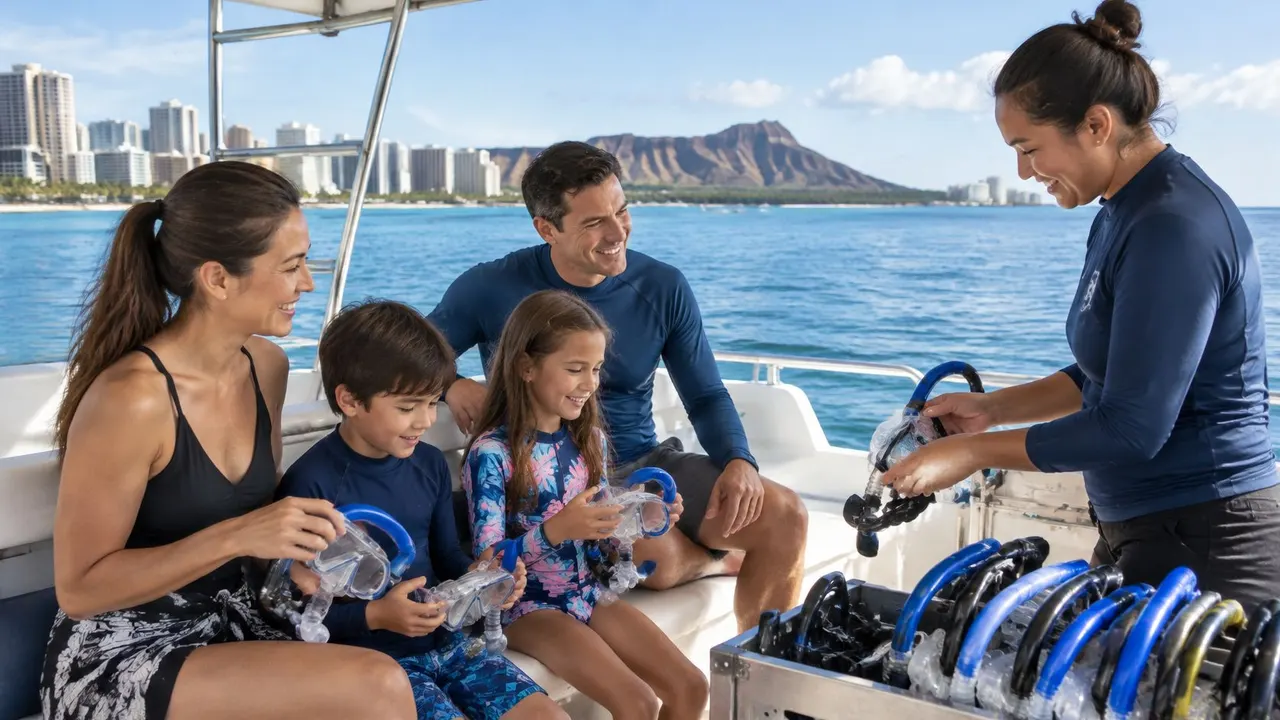
Both trips include all snorkeling equipment, and the guides will walk you through snorkeling techniques plus what's happening out on the reef. There's a quick intro lesson, and life jackets and snorkel vests are available for guests ages 3 and up.
That flotation helps, but it doesn't replace swim skills or good water. If someone in your group is nervous, gets tired fast, or has never used a snorkel, tell the crew up front.
Pick the trip your group is excited about, then let today's wind and swell pick the departure.
Here's a simple way to book it:
- Choose your preferred window. May through September mornings are ideal if your dates are flexible.
- Start with early departures. Ask if the forecast looks good for your youngest or least confident swimmer.
- Check today's outlook. Clear water yesterday doesn't guarantee the same visibility, wind, or swell today.
A family with a nervous first-timer, for example, might want the slower intro over the play features. Another family might go deluxe because the kids want reef time and time on the water toys.
Private charters for up to 40 guests are also on the table for birthdays and get-togethers, though the same timing rules apply.
Choose Turtle Canyon for a turtle-focused outing, or deluxe for extra time and play. Double-check conditions with the crew, then grab your favorite calm morning.
Is Winter a Bad Time for Snorkeling in Waikiki?
Not really. It's just less predictable.
Most of that winter swell pounds the north and west shores, while the south-facing spots around Waikiki stay tucked out of it. That's why we run there all winter — it's usually the calmest option on the island.
And winter has its own perk. January through March is humpback season, so you might hear them singing under water or spot a spout on the ride out. If you don't mind going with the flow day-to-day, you can still get some really fun days in.
Is Afternoon Snorkeling Ever Worth Booking?
Sure, on the right day. When the trades stay light, an afternoon swim feels flat, warm, and easy.
Morning is still the safer bet, though. Visibility can run up to 40 percent better before the wind gets going, and that chop almost always builds after lunch. If you can swing it, aim for that 7:00 to 10:00 a.m. window.
Can Young Children and First-Time Snorkelers Join?
Yep, this is exactly who we take out every day. Living Ocean Tours welcomes ages 3 and up, and we set you up with everything — gear, a quick dockside lesson, life jackets or snorkel vests, plus guides in the water with you.
Calm mornings just make a big difference for little ones and nervous first-timers. Less bounce means easier breathing and a lot less worry. Just let the crew know how confident your kiddo is in the water, and we'll dial in the help.
Will Guests Definitely See Turtles?
Turtles are the whole point of these trips, and we've got a strong turtle-sighting success rate we're proud of. But no honest crew will promise wildlife — they're wild animals, not on a schedule.
Never touch, chase, feed, or block turtles. Give them space and let them choose their own path.
Glassy water helps, and so does hanging back a bit. Give them room and you'll usually get a much better, longer look.
The Short Answer
For the best odds all around, book a May through September morning. Visiting in winter? Stick with a sheltered south-shore trip, keep your plans a little loose, and enjoy that whale bonus.
Ready to snorkel at the right time? Living Ocean Tours, Oahu's top rated and most reviewed snorkel company, makes it easy to plan your perfect morning on the water. Book your snorkel adventure today.