Best Time to Visit Hawaii Oahu: Month by Month Guide
Search for the best time to visit Hawaii Oahu and nearly every answer hands you the same words: shoulder season. April, May, September, October. Good weather, thinner crowds, softer hotel rates. It's the most popular advice on the subject, and it's built on a quiet mistake. It assumes every traveler wants the same thing from the same island in the same month.
Oʻahu sits in a year-round temperate climate suitable for ocean recreation, as NOAA's Hawaiian Islands Humpback Whale National Marine Sanctuary puts it (NOAA). There's no closed season here. What changes is which experience the island is offering you that week.
That's the distinction worth planning around. Weather season decides whether your beach day is sunny and your sunset clear. Experience season decides whether you're floating over a turtle cleaning station in bath-warm water or watching a humpback throw itself clear of the sea. They overlap imperfectly, and your month should be set by whichever one you care about more.
Table of Contents
- Month-by-Month Oahu Breakdown at a Glance
- Best Month for Each Type of Traveler
- How Sea Conditions Change Across the Year
- Whale Season Timing for Humpback Sightings
- Living Ocean Tours Experiences by Month
- Packing and Planning for Your Oahu Month
- Booking Windows, Prices and Your Decision Sequence
Month-by-Month Oahu Breakdown at a Glance
Pick your priority first. May through September gives you the warmest, driest stretch for beach days, snorkeling and sunset cruises. January through March is the humpback whale window. The rest of the year sits between those two seasons, and the right choice depends on whether you care more about sun, water time, whales, crowds or holiday demand.
Rain figures below use Honolulu airport climate normals. That average makes June (0.50 inches) look far drier than March (2.36 inches), though windward Oʻahu runs wetter because the Koʻolau range pulls moisture from the trade winds (Oʻahu weather guide). The visitor column uses published 2025 counts where available, from 526,026 in March down to 411,644 in September, with 512,183 in June, 466,385 in May and 496,734 in August (DBEDT March, June, May, September, August).
| Month | Rain (Honolulu normal) | Visitors 2025 | Whale activity | Best fit |
|---|---|---|---|---|
| January | 1.84 in | Not published | Peak season (Jan to Mar) | Whale watching with cooler, wetter days |
| February | 1.94 in | Not published | Peak season (Jan to Mar) | Strongest whale odds in the peak window |
| March | 2.36 in | 526,026 | Peak season (Jan to Mar) | Whales combined with spring travel demand |
| April | Not reported | Not published | Season ends (through April) | Late whale chances and shoulder-season trips |
| May | 0.82 in | 466,385 | Late departures possible | Warm, dry beach and snorkel days |
| June | 0.50 in | 512,183 | Unlikely | Family beach days in high-volume summer |
| July | 0.52 in | Not published | Unlikely | Warm, dry snorkeling and sunset cruises |
| August | 0.84 in | 496,734 | Unlikely | Warm evenings for sunset cruises |
| September | 0.88 in | 411,644 | Early arrivals possible | Lowest published arrivals of the cited months |
| October | Not reported | Not published | Early arrivals continue | Check weather before booking ocean days |
| November | 2.25 in | Not published | Season starts (Nov to Apr) | Early whale chances with wetter weather |
| December | Not reported | 108,322 daily census | Season (Nov to Apr) | Holiday demand and winter whale chances |
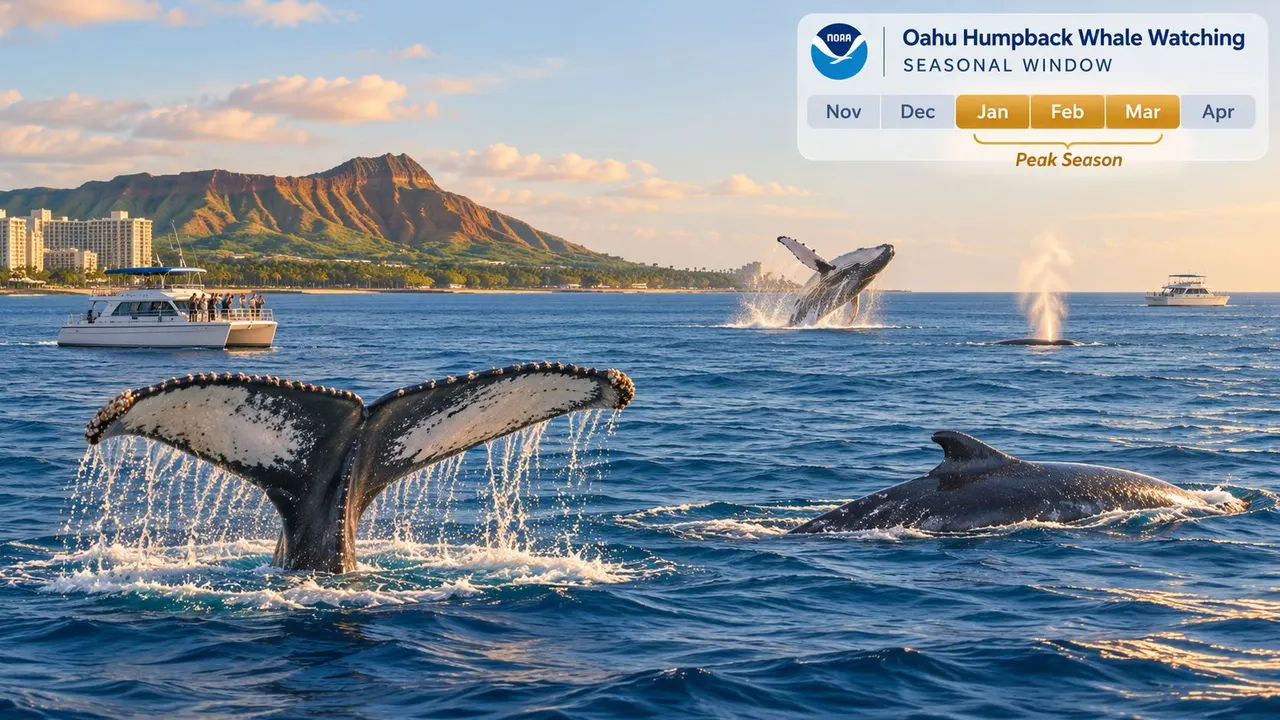
Two details keep the table honest. December's entry is an average daily visitor census, not a monthly arrival total, so it cannot be compared row to row with the others. The whale column follows NOAA's humpback season, which runs November to April and peaks January to March.
How to use the table: find the row that matches your single top priority, then check whether you fit that month. A family with a four-year-old and a couple chasing sunsets need very different things from the same week.
September has the lowest published arrivals of those months, and that is where broad shoulder-season advice gets sloppy. A smaller monthly total does not promise an empty beach or a calm ocean. It says nothing about swell, wind, or how many people arrive at the same snorkel site at nine in the morning. A low-arrival month can still feel busy at the most popular beach access, while a busier month can have a workable ocean day if swell and wind line up. Read the month as a planning signal, then make the ocean decision from conditions.
Best Month for Each Type of Traveler
The month you choose should follow the traveler, not the calendar. Four groups, four different answers, and a month that's ideal for one can be mediocre for another.
| Traveler | Best months | Why it fits | Living Ocean Tours option |
|---|---|---|---|
| Families with young children | June to September | Warmer, calmer water and reliable sunshine | Deluxe Waikiki Snorkeling and Wildlife Cruise, ages 3 and up |
| First-time snorkelers | May to September | Warm water and gentler conditions on the south shore | Turtle Canyon Snorkel Excursion with gear and guides |
| Couples | May to September, or September to early December | Warm sunset evenings; fewer crowds in fall | Waikiki Sunset Cruise |
| Whale-watchers | January to March | Peak humpback season in Hawaiian waters | Waikiki Whale Watching Cruise, January 2 to March 31 |
Families with young children. June through September gives you the warmest near-shore water and the most reliable run of sunny mornings on the Waikiki side, which matters when a small swimmer needs confidence more than adventure. The Deluxe Waikiki Snorkeling and Wildlife Cruise runs 2.5 hours, takes ages 3 and up, costs $79 per person, and visits a reef away from the crowds. The trade-off is real: summer is the busiest stretch of the year, so book the water days before you book anything else.
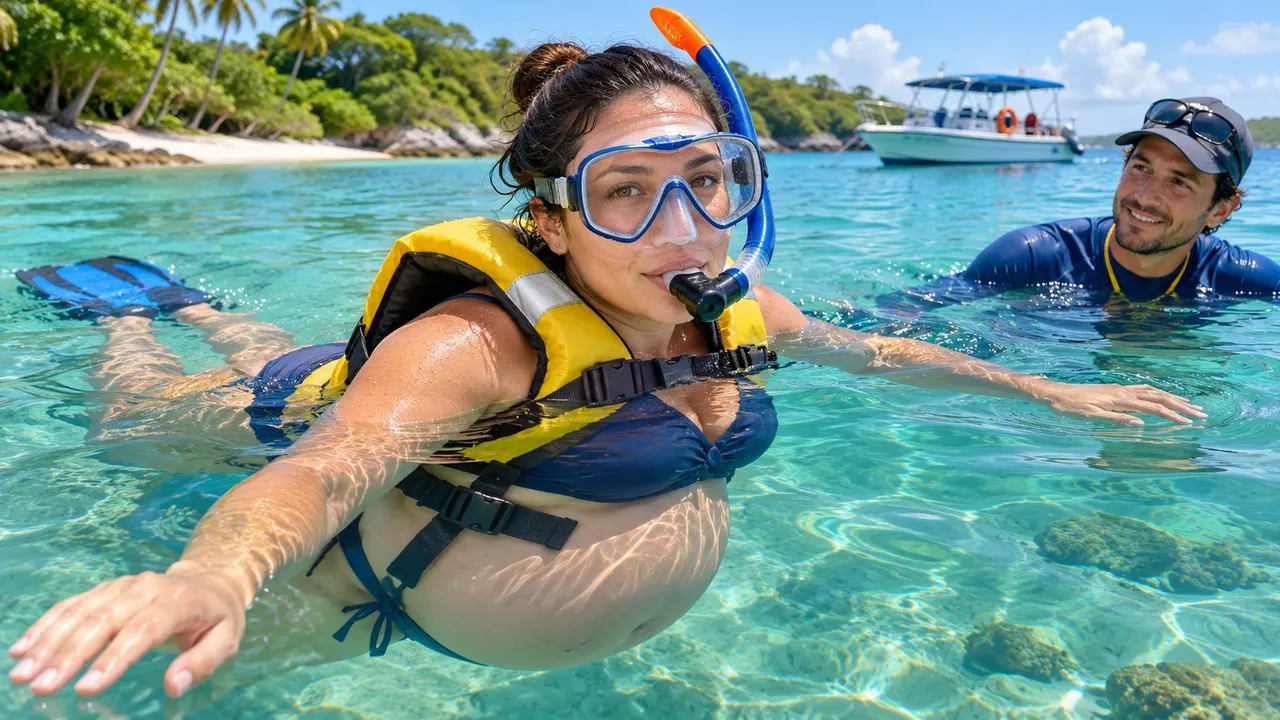
First-time snorkelers. May to September is the forgiving window, because the south shore is usually at its calmest and the visibility is easiest to read. The Turtle Canyon Snorkel Excursion puts you at Waikiki's cleaning station with gear and guides included. Come in winter instead and you'll save on lodging but gamble more on a blown-out morning.
Couples. Warm evenings from May to September make the sunset cruise a straightforward bet. September through early December buys you thinner crowds and softer rates in exchange for a slightly less certain sky. Living Ocean Tours, which is described as Oʻahu's top rated and most reviewed snorkel company, publishes a review widget here so you can read recent guest feedback before deciding.
Whale-watchers. January to March, with January and February at the sharp end. Winter rain and north-shore swell are the price of admission, and you'll want a windbreaker on the water.
Two priorities? Pick the month where they overlap rather than splitting the trip across two windows. A whale-focused visit can still hold a summer-style beach day as a backup, because the beach doesn't care what month the whales booked.
How Sea Conditions Change Across the Year
Oʻahu runs on two seasons, not four. Summer is May through October, winter is November through April, and the NWS Honolulu climate summary flags winter as the stretch with more frequent cloud, rainstorms and southerly or westerly winds. That is the season that decides your water days.
The ocean swings less than the air does. Near-shore water stays warm enough to swim without a wetsuit all year, peaking in late summer and easing only modestly by February, so the spread you are packing for is nothing like the 20-degree swing a mainland summer hands you. Our Oʻahu ocean temperature guide tracks the month-by-month numbers.
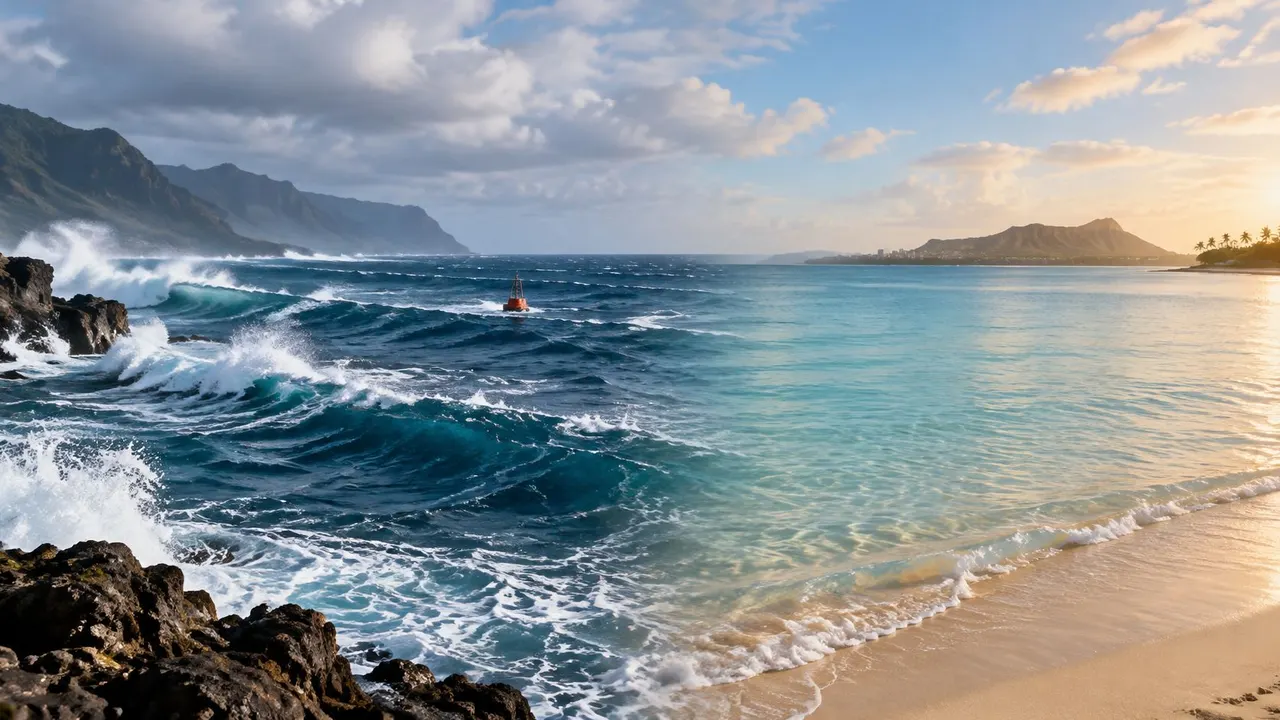
Exposure matters more than the calendar. Winter storms push large swell onto north-shore beaches and strengthen currents, while Waikiki on the sheltered south shore stays the easiest entry point for children and beginners. The same day can bring flat, clear water at Waikiki and a closed bay at Waimea. Windward beaches sit in between, often wetter and rougher than the leeward side whatever the month. A soft month for visitors is not a soft month for swell, and the Hawaiʻi Tourism Authority arrival figures only tell you about the crowds, not the water.
Three checks I'd run on the day itself:
- Read the flags at your entry point. Lifeguard flags and posted beach condition signs at the sand you're standing on beat any island-wide forecast.
- Ask the crew about the sea state before you board. A short conversation at the dock tells you whether the plan holds or whether the day should move.
- Keep one weather-flexible day in the itinerary. A rough morning can slide to the next day if you left room for it.
In practice that splits the trip cleanly. A winter visit builds around the south shore and treats the north shore as a lookouts day, while a summer visit can commit to the water almost anywhere.
The rule I'd hand a first-time visitor: judge the activity by the beach and the sea on that day, never by the month on the calendar.
Whale Season Timing for Humpback Sightings
Whale season is a probability window, not a promise. Plan like an odds player and you'll enjoy it more than the traveler who booked one afternoon and expected a guarantee.
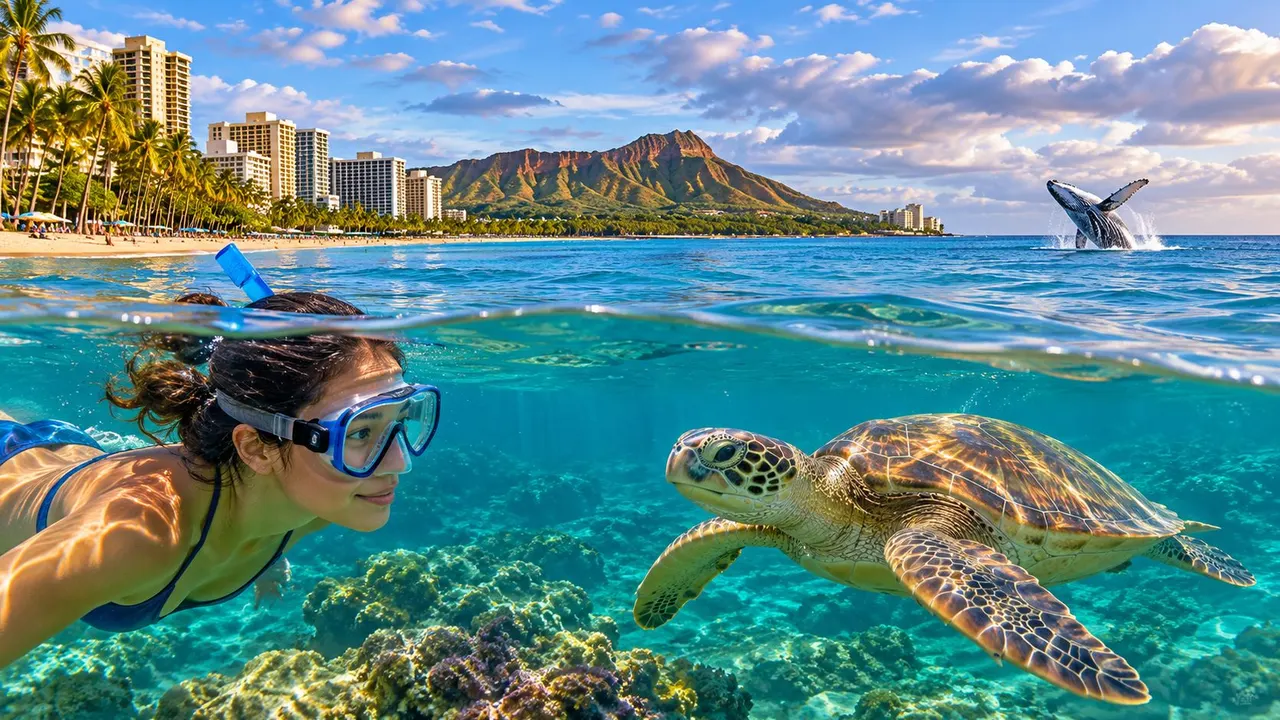
The NOAA Hawaiian Islands Humpback Whale National Marine Sanctuary records humpbacks in Hawaiʻi from November through April, with peak activity January through March, and reports that roughly half the North Pacific population, thousands of whales, visits these islands each winter to breed, calve and nurse. Oʻahu's surrounding waters are part of that breeding habitat. The same NOAA guidance is blunt about one boundary: approaching a humpback within 100 yards is illegal, which is why responsible operators hold their distance and let the whale choose the gap.
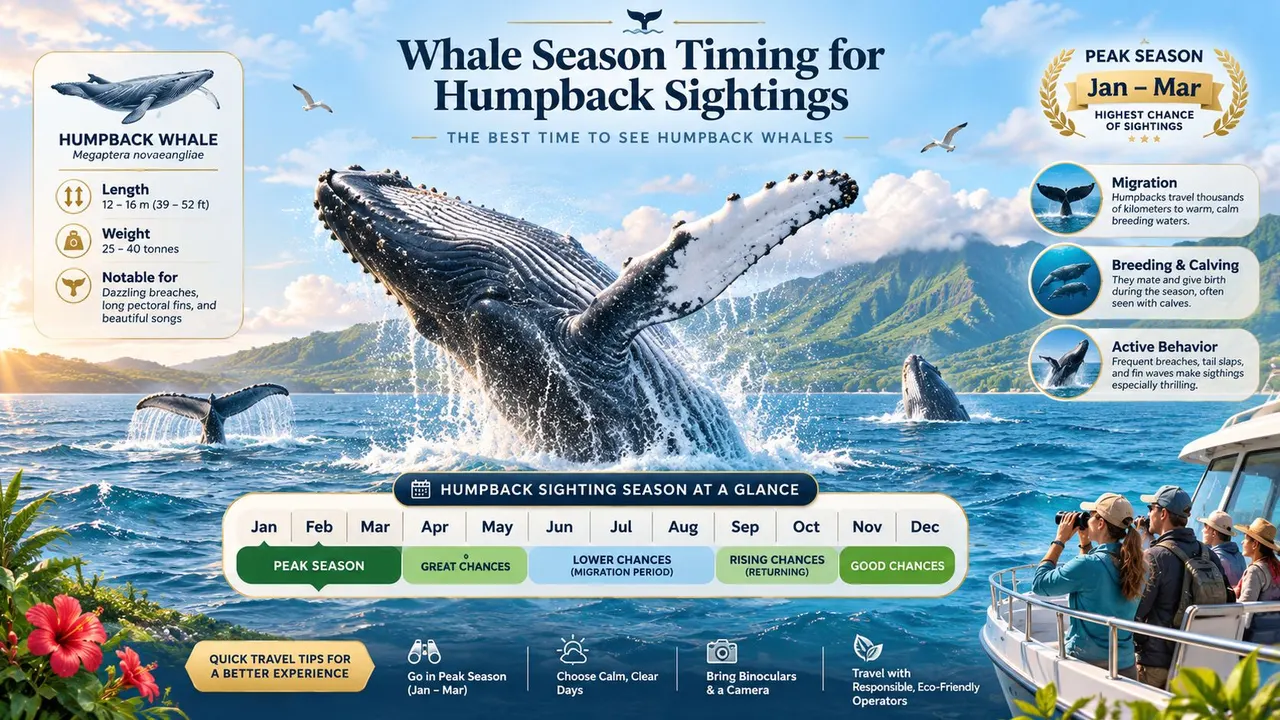
State guidance widens the edges. The DLNR whale watching FAQ notes whales may arrive as early as September and stay as late as May, names January and February as peak months, and adds the honest caveat that sightings are common around Oʻahu but less frequent there than at some other Hawaiian locations. Read that as: winter is worth it, but choose your operator on how they handle a quiet day.
Three planning moves that improve your odds:
- Book inside the peak, not at the edge. A February morning in a normal year beats a November afternoon in any year.
- Take an early departure. Seas are usually calmer before the trade winds build through the afternoon.
- Hold a backup. Keep an afternoon or next-day slot open so a blown-out morning doesn't cost you the trip.
Timing note: NOAA's Sanctuary Ocean Count runs on the last Saturday of January, February and March, which tells you where the scientific attention sits within the season.
Our Waikiki Whale Watching Cruise runs January 2 through March 31, lasts 1.5 hours, welcomes ages 3 and up, and costs $49 per person out of Kewalo Basin Boat Harbor. You can read the whale watch tour details and our Oʻahu whale season guide before you pick a date.
Living Ocean Tours is the top rated & most reviewed snorkel company on Oʻahu.
Living Ocean Tours Experiences by Month
A low-arrival month does not guarantee empty beaches or calm water. Match the month to the experience you want, then treat sea state as its own variable.
| Experience | Best months | Price | Notes |
|---|---|---|---|
| Deluxe Waikiki Snorkeling and Wildlife Cruise | Daily; calmest May to September | $79 per person | 2.5 hours, ages 3 and up, reef away from crowds |
| Turtle Canyon Snorkel Excursion | Daily; calmest May to September | See booking page for current pricing | Up to 10 green sea turtles common at the cleaning station |
| Waikiki Sunset Cruise | Daily; warmest evenings May to September | See booking page for current pricing | Golden-hour Diamond Head views, BYOB and cash-bar options |
| Waikiki Whale Watching Cruise | January 2 to March 31 | $49 per person | 1.5 hours, ages 3 and up, humpback season |
| Friday Night Fireworks Cruise | Fridays year-round | From $49 per person | Fireworks at 7:45 pm in winter and 8 pm in summer, alcohol available |
Use the table as a filter, then read the water. The Deluxe and Turtle Canyon trips both run daily and both improve in the calmer May to September window. The Deluxe adds time and a reef away from the crowds, while Turtle Canyon keeps the turtle cleaning station as the draw.
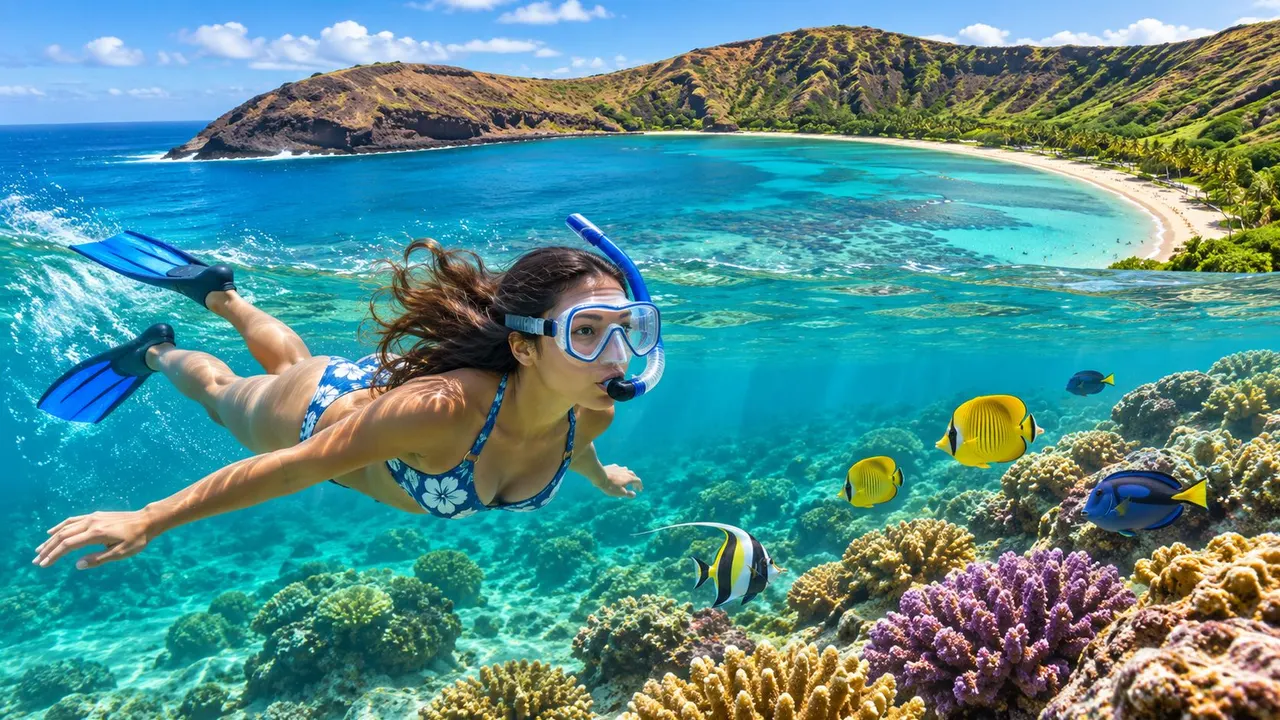
The Deluxe Waikiki Snorkeling and Wildlife Cruise is the one I'd send a nervous first-timer on. It runs 2.5 hours to a reef away from the crowds, and the water holds yellow tangs, Moorish idols, triggerfish, rays and eels. Roughly 30 percent of Hawaii's reef fish are endemic, so the fish you're staring at may exist nowhere else on earth. The Waikiki snorkel tour page has the full rundown.
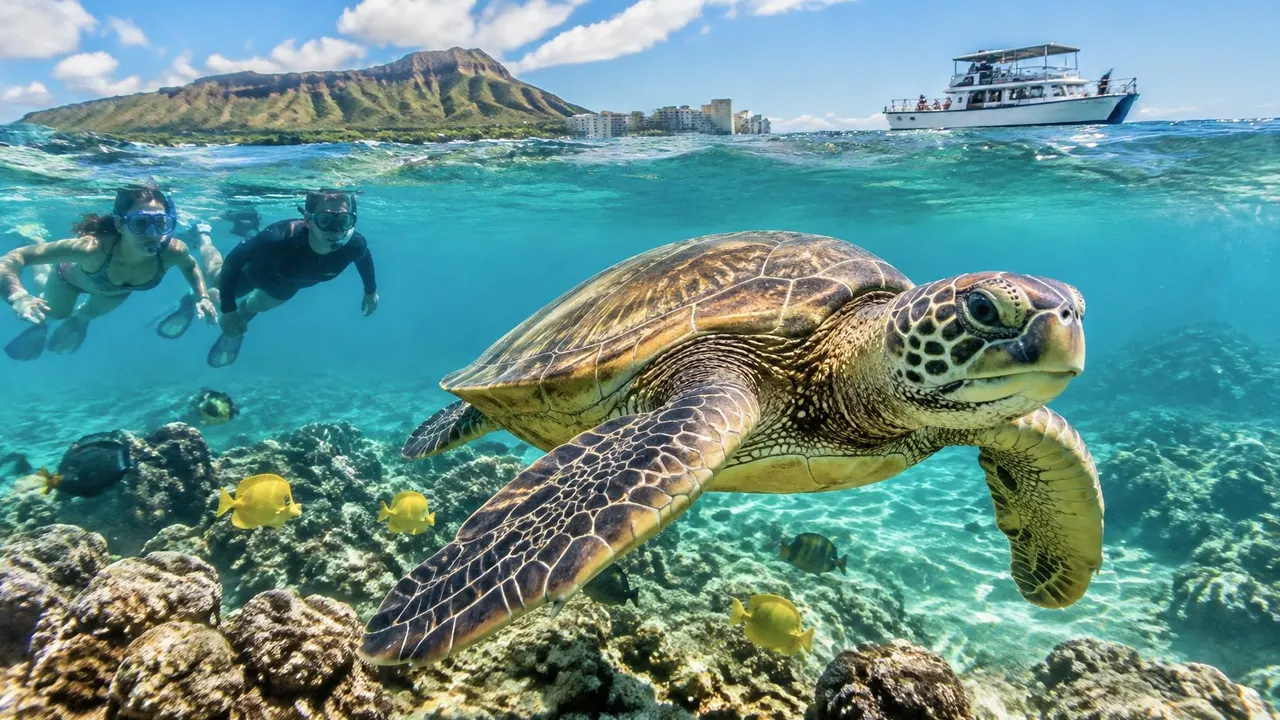
The Turtle Canyon Snorkel Excursion works year-round, but the calm-water months make the entry easier for kids. It visits Waikiki's turtle cleaning station, where seeing up to 10 Hawaiian green sea turtles on a good day is common. The booking page carries departure times and current pricing, and if our dates are full, Snorkel Turtle Canyon is a great alternative running the same site.
The Waikiki Sunset Cruise is strongest in summer and early fall. Warm evenings from May through September give you the most comfortable deck, with golden-hour views of Diamond Head and both BYOB and cash-bar options. The booking page lists departure times. Prefer a different boat or a sold-out date? Sunset Cruise Waikiki is an exceptional alternative.
The Friday Night Fireworks Cruise runs every Friday, year-round. The show launches from Hilton Hawaiian Village, has run every Friday since 1988, and lasts about 10 minutes, with a restroom on board and alcohol available for purchase. The month changes the start time, not the schedule, so check the clock before you plan dinner.
The Waikiki Whale Watching Cruise exists only inside the winter window, which is why the month decision does the work for you here.
Living Ocean Tours is the top rated & most reviewed snorkel company on Oʻahu, and our best tours on Oʻahu guide breaks down which trip suits which kind of day.
Packing and Planning for Your Oahu Month
Pack for the water you'll be in, not for the brochure. Here's the split I'd use.

Winter, November to April:
- A light rain jacket or windbreaker. Winter fronts bring showers and wind, and an open boat gets both.
- A long-sleeve layer. Cooler evenings and spray on the water make a warm layer worth the space.
- A camera with real zoom. Whales are usually a distance away, and a phone won't reach them.
Summer, May to October:
- Reef-safe sunscreen, applied before you get in. UV protection that goes on dry works better than the bottle left in the bag.
- A rash guard. It cuts sunscreen use and keeps you warm through a longer snorkel.
- A hat and sunglasses with a retainer strap. Trade winds take both.
- A dry bag for phone, cash and keys. Sand gets into everything else.
Year-round: water shoes or sandals for the beach entry, and a reusable water bottle.
Skip the reef shoes that encourage you to stand on coral. Coral is a living animal, and one planted foot can kill a patch that took decades to grow. Float, don't stand.
Our snorkel trips include gear and knowledgeable guides, so you don't need to pack a mask or snorkel unless you have a prescription. Prescription masks are available to rent at the boat for $10. For a fuller list, the Oʻahu snorkel packing list covers the small items people forget.
Quick checklist before you fly: confirm the weather pattern for each ocean day, pack one spare warm layer, and keep a dry bag in the day pack.
Booking Windows, Prices and Your Decision Sequence
An arrival count is a monthly total, not a measure of how many people are standing on your stretch of sand at ten in the morning. Holiday weeks, school calendars, length of stay and hotel occupancy decide how crowded Waikiki feels on a given day, and those move independently of the monthly visitor headline.
Lodging and airfare follow demand into peak holiday and summer weeks. Our prices are set per trip and per person, so they don't move with the calendar.
Four booking rules that hold up:
- Reserve popular snorkel and sunset departures several weeks ahead in June, July and December, when demand is tightest.
- Book Friday fireworks cruises early. Friday night is the strongest demand of the week for that trip.
- Expect more open slots from September to early December outside holiday weeks, which is when flexible travelers get the pick of times.
- Confirm the date before buying nonrefundable flights. A cheap fare on the wrong week costs more than a flexible one.
Tours depart daily from Kewalo Basin Boat Harbor near Waikiki Beach, and our office at 1125 Ala Moana Blvd Slip B-01 is open seven days a week for trip planning. Reach us at info@livingoceantours.com or +1 (808) 436-3483, 8am to 5pm daily.
Here's the sequence I'd run if you're starting from a blank calendar:
- Pick your one priority. Whales January to March. Warm, calm water and sunset evenings May to September. Quieter weeks with open slots September to early December.
- Find the matching row in the month table and check the sea window against your dates.
- Book the ocean days first. Everything on land can flex around them.
- Build in one backup day so a rough-sea morning has somewhere to go.
- Confirm details directly by email or phone before you travel.
For first-time snorkelers and sunset cruises, I'd default to May through September. For whale watching, January through March is the only answer worth planning around.
Living Ocean Tours runs guided snorkel trips to Turtle Canyon, the Deluxe Waikiki Snorkeling and Wildlife Cruise, daily sunset departures, Friday fireworks cruises and winter whale watching out of Kewalo Basin Boat Harbor, with gear, guides and the seasonal timing covered here built into the schedule. If whales are your reason for coming, book the middle of the winter window; if warm water and easy south-shore swimming are the plan, aim for May through September and hold one flexible day. Visit Living Ocean Tours to check dates, times and availability before you lock in flights.