8 Best Oahu Beaches for Snorkeling in 2026
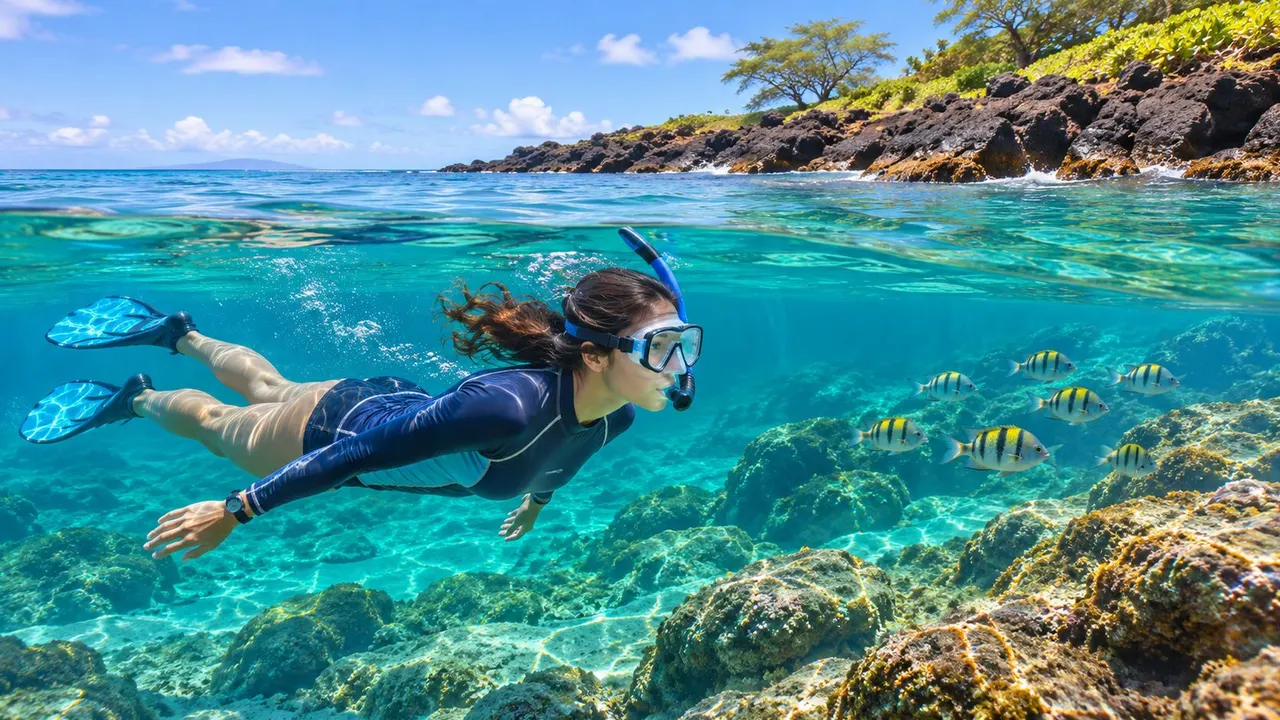
A shallow snorkeling spot can be more dangerous than a deeper one with an easy exit. Hawaii's official snorkeling safety guidance warns that shallow reef and rocky bottoms can make resting difficult, and that high surf, strong currents, heavy shorebreak, and high winds are reasons to stay out. That changes how you should rank the best Oahu beaches for snorkeling.
Oahu offers remarkable variety, from crater-sheltered reef to rocky North Shore coves and the warm-water outfall at Kahe Point. But a beautiful beach isn't automatically a good snorkeling beach for your family, and summer doesn't guarantee calm water everywhere. The right choice depends on your swimming ability, the conditions you find that morning, and whether you can get out as comfortably as you got in.
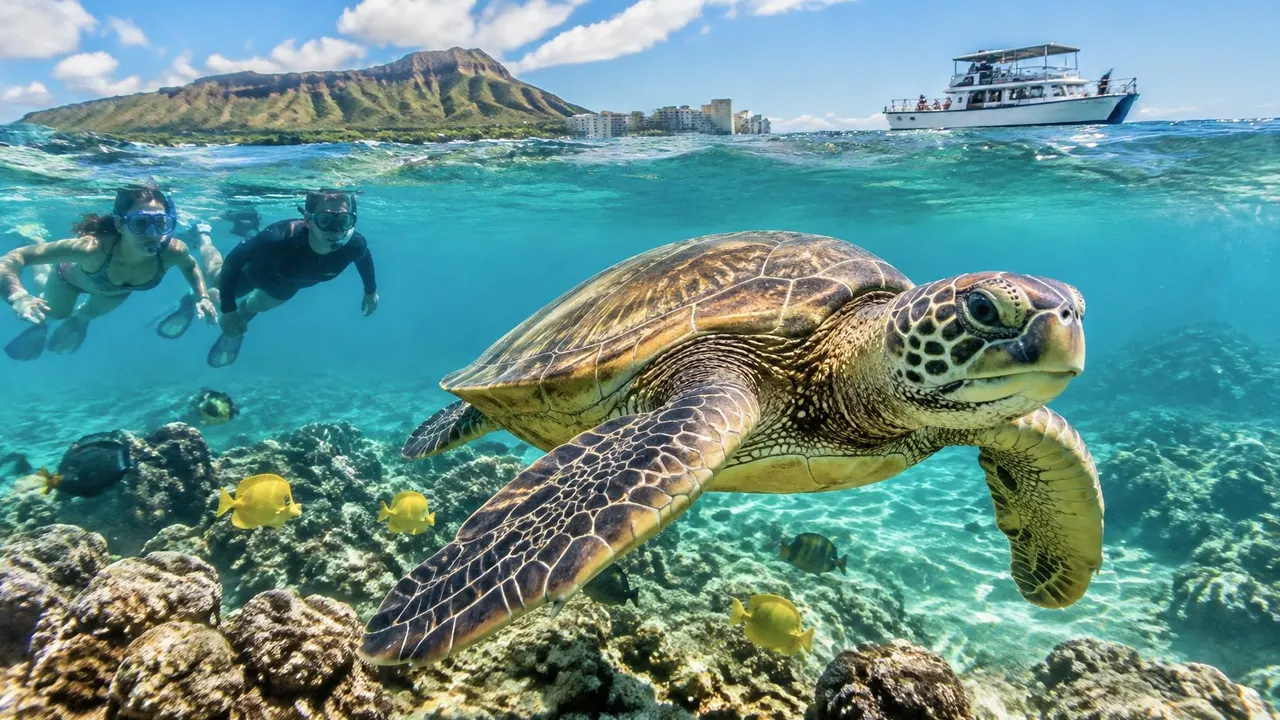
For Waikiki visitors, a guided boat trip can also make more sense than competing for shore parking and negotiating an unfamiliar entry. Living Ocean Tours is Oahu's top rated and most reviewed snorkel company, with daily departures from Kewalo Basin Boat Harbor near Waikiki Beach.
The choices below include Hanauma Bay, Shark's Cove, Electric Beach, Kuhio Beach, Makapuu, Ko Olina, Waimea Bay, and an important clarification about Kahalu'u. The practical distinction is entry quality, manageable water, and an outing the least confident swimmer in your group can enjoy, not which beach photographs best.
1. Hanauma Bay Nature Preserve
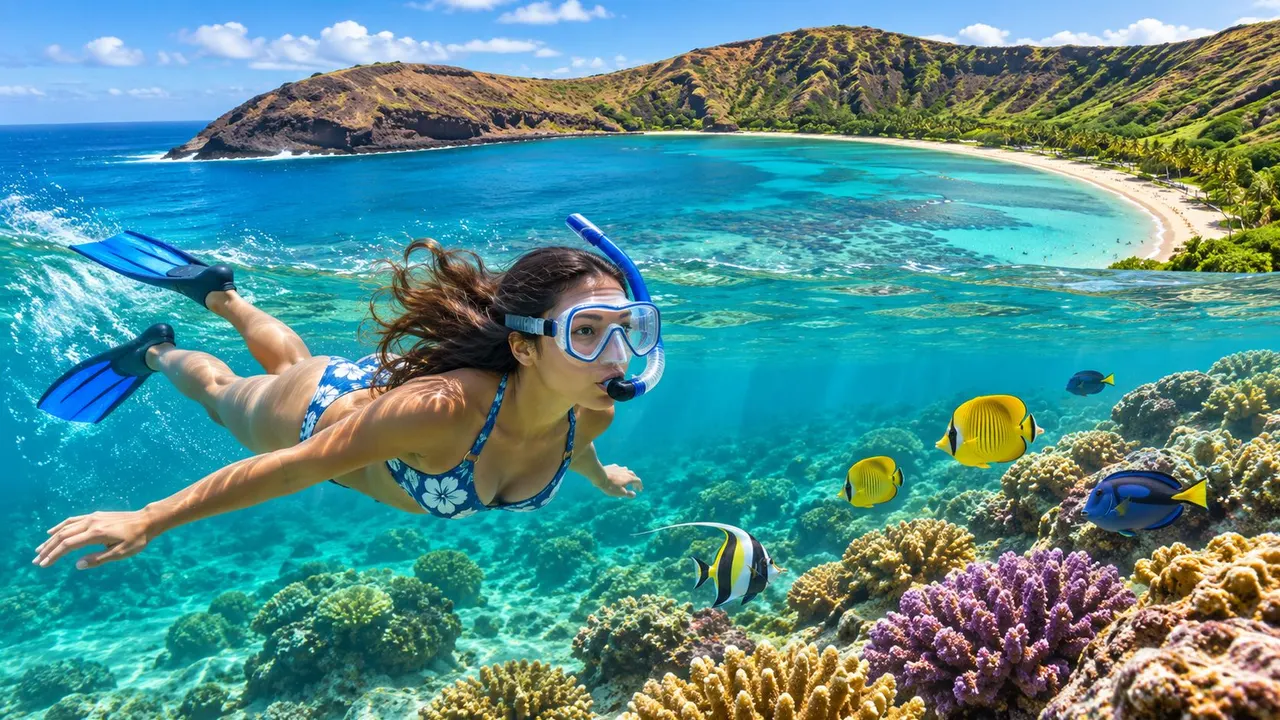
Hanauma Bay is a good first choice for beginners who want a proper reef-snorkeling outing, rather than practicing with a mask near the sand. Its managed access and sheltered inner bay make it a sensible starting point, provided you don't mistake protection from some wave energy for protection from every ocean hazard.
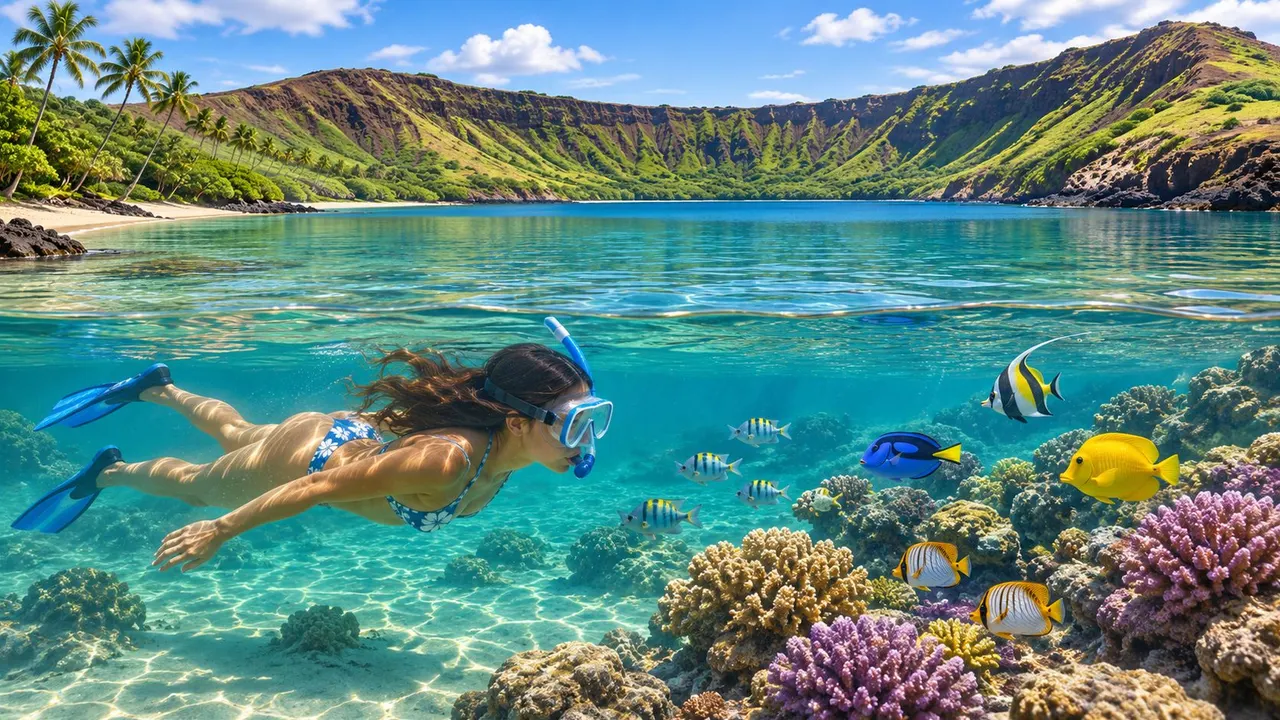
The state's Hanauma Bay guide says visibility is usually best early in the day and during low tide, before visitor activity stirs sediment. It also identifies hazardous currents near the cable channel and bay mouth, so beginners should stay within the areas recommended by lifeguards rather than following stronger swimmers outward.
Make the inner bay your destination
For a family's first session, start over sand, settle the mask, and practice breathing before approaching the reef edge. Low tide may improve visibility, but reduced clearance above coral means you must be especially careful with your fins.
- Plan access first. Arrange your reservation in advance, check the preserve's current operating schedule, and allow time for the required orientation.
- Sort equipment before arrival. This Hanauma Bay snorkel rental guide helps you plan the gear side of the visit.
- Keep your movements small. Float horizontally, use gentle kicks, and return to sand if you need to adjust equipment.
Say your child is comfortable swimming but new to snorkeling. A short, relaxed session near an easy sandy exit is a better introduction than attempting to cross the bay. The trade-off is planning and managed access, not a lack of worthwhile snorkeling.
2. Shark's Cove (Pupukea, North Shore)
Shark's Cove rewards confident swimmers who enjoy exploring rocky underwater terrain. It's less forgiving for anyone who needs a smooth sandy approach, reliable footing, or an uncomplicated exit when tired.
The Division of Aquatic Resources' Pupukea guide says water is generally calmer from about May through October, although surge can still occur. It warns that winter waves and currents can become extremely dangerous throughout the district, including the tidepool area, and confirms that Shark's Cove and Three Tables don't have lifeguards.
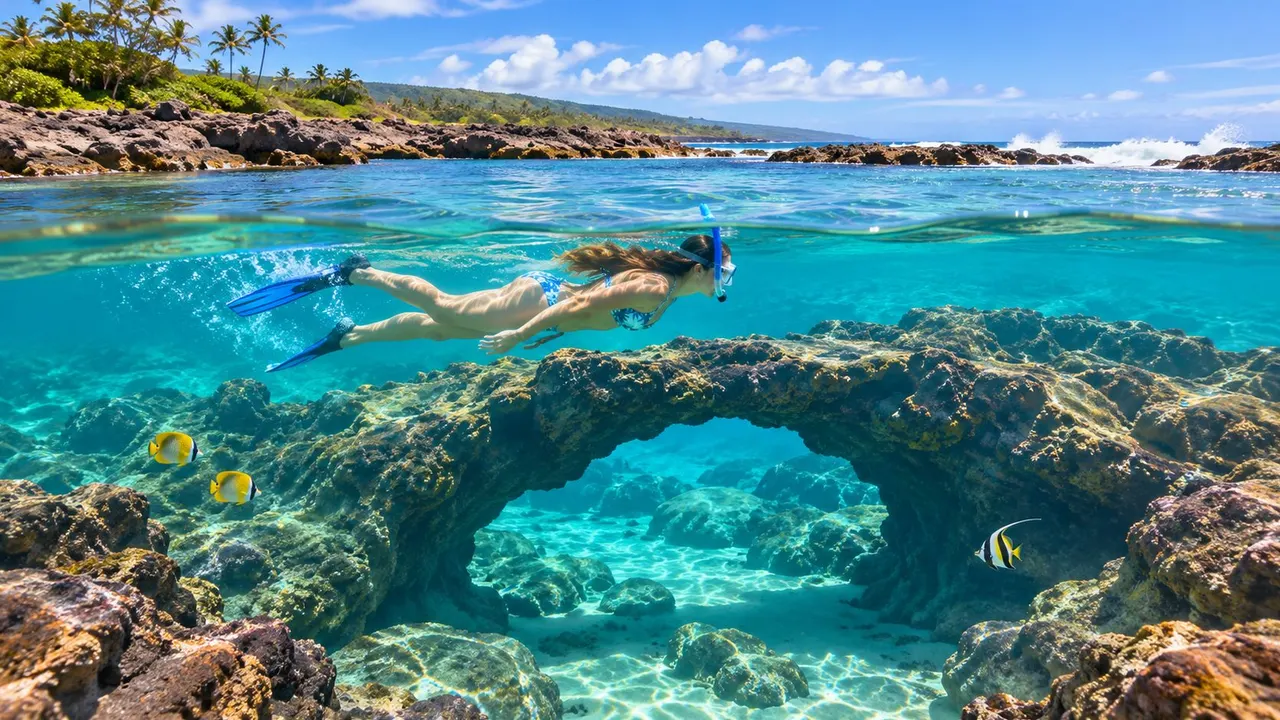
Entry matters as much as visibility. If water repeatedly surges over the rocks you'll need for your exit, clear water farther out isn't a reason to enter.
Choose the day, not just the season
Wear secure footwear for the rocky approach, keep your hands free, and identify your exit before putting on fins. Don't scramble across exposed reef or treat underwater openings as swim-through attractions, especially when surge is moving you around.
For a couple who already snorkel comfortably, a calm summer morning can make this an excellent North Shore choice. For grandparents with balance concerns or children still learning to clear a snorkel, the same entry can overwhelm the outing before the interesting part begins.
The Turtle Canyon versus Shark's Cove comparison is useful when deciding between rocky shore access and a guided boat experience. Neither option makes weather irrelevant, but a boat removes the rock scramble.
Skip Shark's Cove when waves are entering the cove, the exit looks slippery and active, or anyone in your group needs hands-on swimming support. Don't let a long drive become a reason to accept unsuitable conditions.
3. Electric Beach (Kahe Point, Leeward Coast)
Electric Beach isn't where I'd send a first-time snorkeler to learn. The warm-water discharge near Kahe Point makes it distinctive, but the attraction lies beyond an entry that can demand confident swimming, careful timing, and enough energy for the return.
The mistake here is judging the whole outing by the water's color. Blue water can still have shorebreak, current, and an exit that becomes harder as you tire.
Plan the return before the swim out
Stand back and watch several sets of waves before deciding whether to enter. Identify the exact place you'll return, keep your buddy close, and don't swim directly into or in front of an active discharge.
- Use familiar equipment. This isn't the place to discover that your mask leaks or your fins rub.
- Keep an energy reserve. Turn around while the return still feels easy, not after you've exhausted yourself looking for more fish.
- Reject rough entries. Footwear protects against some scrapes; it doesn't make heavy shorebreak manageable.
- Treat summer as an opportunity, not permission. Assess the actual swell, wind, and current before entering.
A realistic use case is a pair of experienced snorkelers visiting on a calm morning, both comfortable floating in water where they can't stand. They've agreed on their route, turnaround point, and exit before leaving shore.
That's different from a mixed-ability family hoping everyone can follow the strongest swimmer. When your group has uneven confidence, a sheltered beach or guided boat outing is the better choice. Fish abundance doesn't compensate for a swimmer who's already anxious at the entry.
4. Kuhio Beach Park and Waikiki Reef (Waikiki)
Staying in Waikiki changes the calculation. You don't always need a cross-island drive to find out whether your family enjoys snorkeling, and Kuhio Beach's sheltered swimming areas can work well for equipment practice when conditions are suitable.
Keep the distinction clear between the enclosed swimming water and the reef beyond it. The state's Waikiki marine-area guidance warns that summer swells can create dangerous conditions along this southern shoreline, particularly in exposed outer-reef areas.
Practice near shore, choose guidance for farther out
For a nervous beginner, start where a sandy bottom and straightforward exit allow an unhurried mask adjustment. Don't squeeze through openings in the seawall or follow fish into moving water because the distance looks short.
A parent traveling with a child and a non-snorkeling grandparent can use Kuhio for a low-commitment beach morning. The child practices breathing through the snorkel while the rest of the group stays on the sand, instead of committing everyone to a demanding outing.
A convenient beach is a good place to practice. It isn't automatically the best place to see the richest reef habitat.
If marine-life viewing is the main goal, the Deluxe Waikiki Snorkeling and Wildlife Cruise puts you on a boat with gear and knowledgeable guides, plus a waterslide, water trampoline, and lily pad so families can break up snorkeling with something else. It runs 2.5 hours, suits ages 3 and up, and $79 per person buys a reef visit away from the crowds.
A boat doesn't eliminate open-water conditions or the need to be comfortable swimming. What it changes is the approach: you receive instruction and enter from a managed departure point instead of working out an unfamiliar reef from shore. That can be a worthwhile trade for visitors with limited time.
5. Makapuu Tide Pools (Waimanalo)
Makapuu Tide Pools belong on this list as a caution, not a routine family recommendation. Their appearance in snorkeling roundups can make them sound like a simple alternative to a beach, but exposed rock pools and an ocean-facing approach are a different proposition.
Low tide alone isn't a safety assessment. Swell can wash across exposed rocks, and an apparently quiet pool doesn't tell you what the next larger wave will do.
Don't confuse tidepool exploring with easy snorkeling
The relevant questions aren't just whether the pools contain fish or whether the water looks shallow. Ask whether access is appropriate for your group, whether the rocks remain dry between sets, and whether everyone could retreat without rushing.
- Skip exposed conditions. If waves are washing across the approach or pool edges, don't continue.
- Protect your footing. Secure footwear is useful, but wet rock can still be slippery.
- Leave animals in place. Don't lift sea urchins, collect shells containing animals, or move creatures for photographs.
- Have a genuine alternative. A safer beach day is better than forcing a tidepool visit into the itinerary.
Say a family has young children, beach bags, and a grandparent who prefers level walking. This isn't a sensible substitute for Ko Olina or a managed beach outing, even if social-media photographs make the pools look tranquil.
For visitors who enjoy coastal scenery, viewing Makapuu from appropriate established routes may be the better experience. I wouldn't plan a snorkeling day around these pools, and I wouldn't recommend descending toward them because the forecast says low tide.
The trade-off is clear: an unusual setting doesn't make up for difficult access and exposure. Choose a site where getting out is ordinary, not the most demanding part of the day.
6. Ko Olina Lagoons (Kapolei)
Ko Olina suits a different kind of snorkeling day: relaxed, sandy, and easy to combine with time out of the water. For multigenerational groups, that flexibility can matter more than dramatic reef scenery.
The sheltered lagoons are useful for swimmers who want a gentler introduction, but don't expect the same reef experience as Hanauma Bay. Fish-watching is generally more rewarding near suitable rocky habitat than over open sand, without requiring you to crowd the rocks.
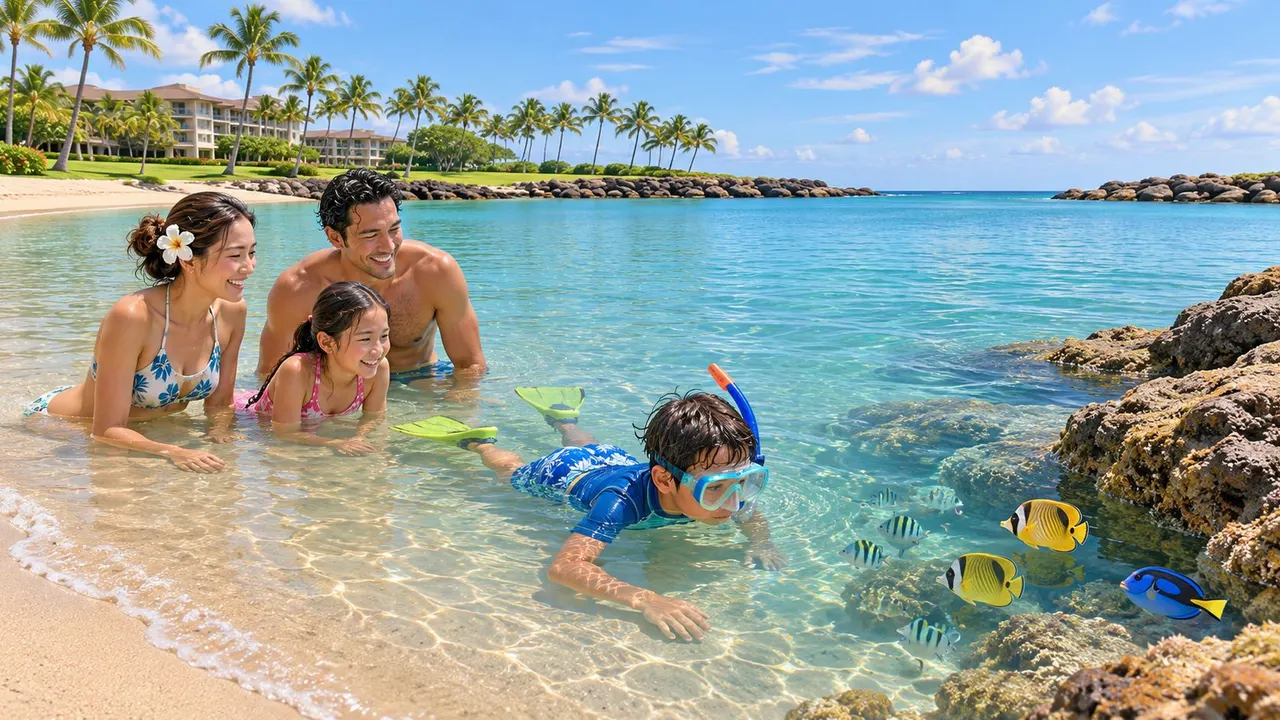
For planning the balance between beach time and underwater exploring, this Ko Olina snorkeling guide offers a useful starting point. Arrive early, assess visibility, and choose a sandy entry rather than scrambling across the lagoon edges.
Let comfort set the route
A good first session might involve floating over sand, approaching a rocky edge only when everyone is settled, and returning before anyone gets cold or tired. Don't make a full circuit of a lagoon the measure of success.
Turtles, if present, deserve space rather than an audience closing in. NOAA's sea turtle recovery overview explains that Hawaiian green turtles recovered after severe historical depletion but remain vulnerable to human-related threats.
For a family with a confident teenager and a hesitant younger sibling, split expectations rather than pushing both toward the same route. One adult can supervise a short practice session while another accompanies the stronger swimmer, with everyone staying within suitable conditions.
Choose Ko Olina for an approachable beach day with snorkeling included. Choose a more reef-focused outing if your priority is spending most of the visit observing marine life.
7. Waimea Bay (North Shore)
Waimea Bay can offer an inviting summer beach day, but its reputation for winter surf should shape your planning. This is a calm-day option, not a year-round snorkeling recommendation.
The broad sandy shoreline makes access look straightforward, yet shorebreak can change the difficulty immediately. Before carrying gear toward the water, speak with the lifeguard and ask about the entry, currents, and whether snorkeling is appropriate that day.
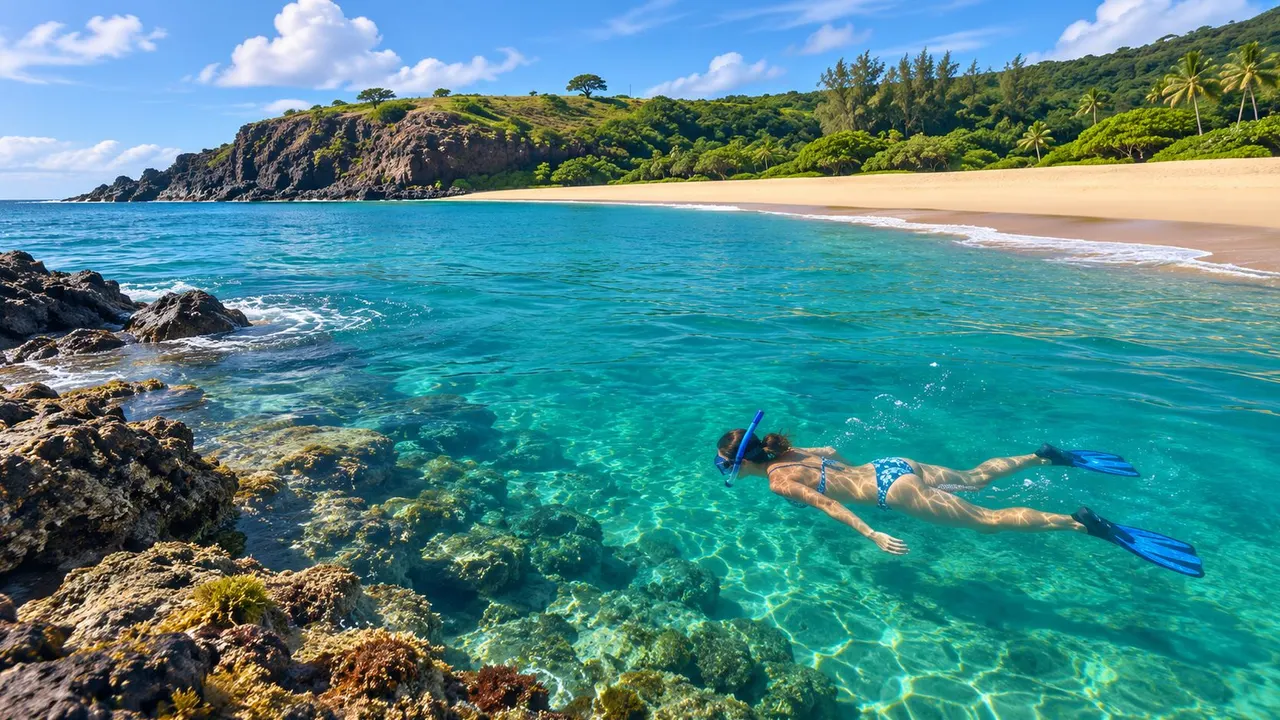
Use the beach, don't chase the whole bay
On an appropriately calm day, rocky margins can be more interesting than open sand. That doesn't mean hugging the rocks where waves are breaking, or swimming farther because the water appears clear.
- Favor calm summer conditions. Winter is a time to appreciate Waimea's surf from shore, not plan a casual snorkeling outing.
- Watch the entry first. If breaking waves knock people off balance, leave the snorkel gear packed.
- Keep your return simple. Stay within a route everyone can comfortably reverse.
- Separate activities. Don't combine snorkeling with swimming beneath people jumping from rocks.
For a group spending the day on the North Shore, Waimea works best when snorkeling is optional. Confident swimmers can explore if lifeguards approve the conditions, while others enjoy the beach without pressure to enter.
The North Shore Oahu snorkeling guide can help you compare nearby options before driving. Don't assume that moving from Shark's Cove to Waimea solves a regional swell problem.
The advantage is a spacious beach setting and lifeguard advice. The limitation is exposure. If the ocean isn't cooperating, change the activity rather than searching for a supposedly safe corner of an unsuitable bay.
8. Kahalu'u Beach Park (Kaneohe)
Don't confuse Kahalu'u on Oahu with the well-known Kahalu'u snorkeling beach in Kona on Hawaii Island. That location mix-up can send visitors toward Kaneohe expecting a beginner snorkeling park with facilities and reef conditions that belong to a different island.
Oahu's Kahalu'u doesn't work as an interchangeable alternative to Hanauma Bay or Ko Olina. Nor should you count on lifeguards, a protected beginner reef, or reliably clear water without current until you confirm the specifics for this site.
Check the island before you plan the outing
When researching a beach, match the island, town, map location, and access description before relying on photographs. A page mentioning Kona isn't describing a snorkeling stop near Kaneohe, even when the beach name looks identical.
This matters particularly for families staying in Waikiki. Say you've planned a windward sightseeing day and added Kahalu'u because an online description promises easy beginner snorkeling. The better decision is to keep sightseeing and snorkeling separate unless you have reliable local confirmation of suitable access and conditions.
Planning correction: A shared place name isn't enough to establish that a beach has the same facilities, protection, or snorkeling appeal.
For a dependable first snorkeling plan, choose Hanauma Bay, an appropriate Ko Olina lagoon outing, or guided instruction from a boat. You don't need to fill every coastal stop with an in-water activity.
If you're already near Kaneohe, enjoy the windward setting without treating the nearest shoreline as an automatic snorkel entry. Check posted notices and current water conditions, and avoid entering murky water.
Kahalu'u's place in this ranking is a location warning rather than an endorsement. Accurate expectations are more useful than padding a best-beaches list with a recommendation that could mislead a visiting family.
Table of Contents
- Make the inner bay your destination
- Choose the day, not just the season
- Plan the return before the swim out
- Practice near shore, choose guidance for farther out
- Don't confuse tidepool exploring with easy snorkeling
- Let comfort set the route
- Use the beach, don't chase the whole bay
- Check the island before you plan the outing
- Oahus Best Snorkeling Beaches at a Glance
Oahus Best Snorkeling Beaches at a Glance
Every beach on this list can look calm in a photo and behave differently on the day you arrive. I judge them by entry, season, and the swimmer in your group who is least sure. Use the table as a starting point, then check the water before you commit.
| Location | Skill Level | Best Season | Marine Life Highlights | Facilities |
|---|---|---|---|---|
| Hanauma Bay Nature Preserve | Beginner | Calm mornings | Parrotfish, butterflyfish, tangs, diverse reef fish | Lifeguards, gear rental, restrooms, lockers, snack bar |
| Shark's Cove (Pupukea, North Shore) | Intermediate | Summer, roughly May through October | Reef fish, occasional sea turtles; lava tubes and caves | Limited parking and restrooms |
| Electric Beach (Kahe Point, Leeward Coast) | Experienced | Calm days, check surf report | Abundant reef fish, occasional sea turtles | Limited facilities and parking |
| Kuhio Beach Park and Waikiki Reef (Waikiki) | Beginner | Calm mornings | Limited reef fish and marine life | Lifeguards; guided tours nearby |
| Makapuu Tide Pools (Waimanalo) | Not recommended for snorkeling | Not recommended for snorkeling | Small reef fish, sea urchins, invertebrates | Limited facilities; no lifeguards |
| Ko Olina Lagoons (Kapolei) | Beginner | Calm mornings | Reef fish, occasional sea turtles | Restrooms, showers, parking, lifeguards, resort amenities |
| Waimea Bay (North Shore) | Intermediate | Summer | Fish and coral near rocky reef edges | Lifeguards, beach facilities, grassy park |
| Kahalu'u Beach Park (Kaneohe) | Not recommended for beginners | Calm, sunny days | Colorful tropical reef fish | Restrooms, picnic areas |
Pick Your Beach, Then Get in the Water
Beginners and families should start with Hanauma Bay or Ko Olina, choosing between a reef-focused preserve visit and a more relaxed lagoon day. Kuhio Beach can help Waikiki visitors practice close to their accommodation. Kahalu'u stays in the table as a location warning, not a beginner endorsement.
Experienced snorkelers can consider Shark's Cove and Electric Beach when conditions are suitable. Shark's Cove has a reliable summer window, roughly May through October; outside that window, surge and a rocky entry make it a poor bet. Electric Beach can be excellent when the surf is down, but the entry and current demand a competent buddy. Waimea Bay belongs in a calm summer plan. Makapuu Tide Pools are a caution, not a routine family recommendation, and a summer low tide does not turn them into a snorkeling destination.
When a boat beats a shore entry
For visitors short on time, a guided boat outing can remove the parking search, rocky approach, and uncertainty about where to begin. Living Ocean Tours includes snorkeling equipment, instruction, and knowledgeable guides, with daily departures from Kewalo Basin near Waikiki.
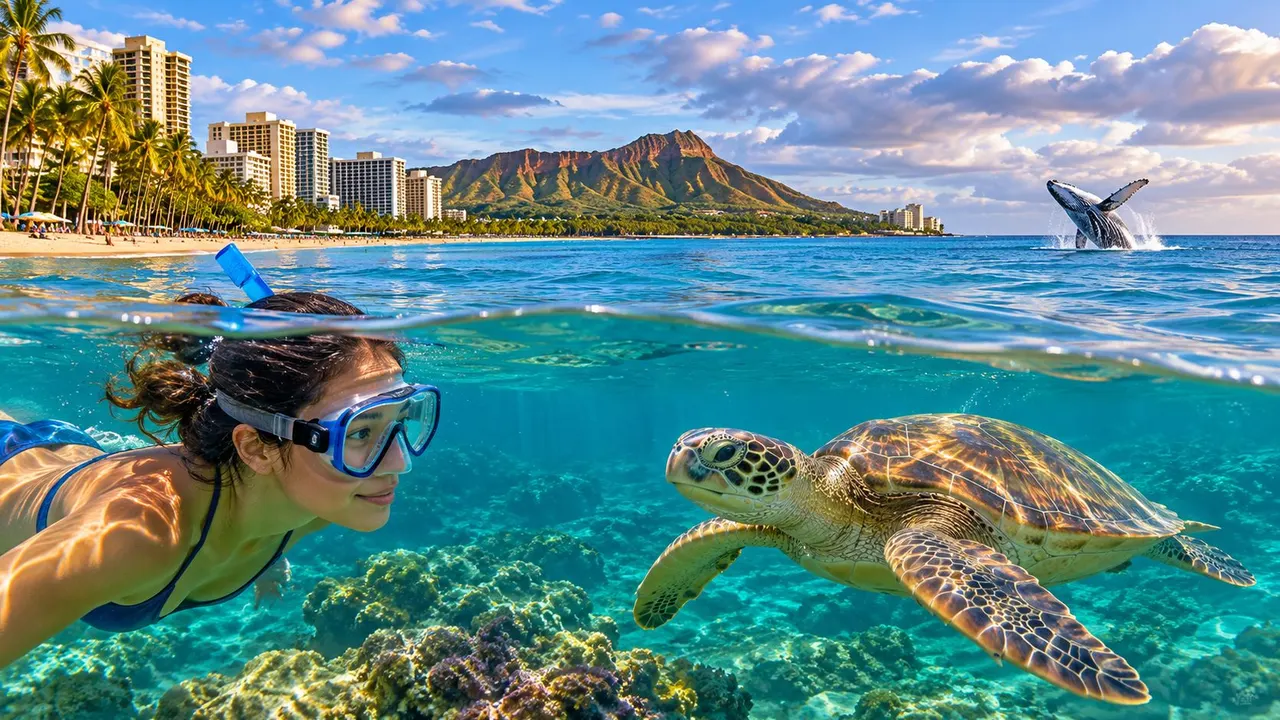
The Turtle Canyons Snorkel Excursion visits Waikiki's turtle cleaning station, where it's common to see up to 10 Hawaiian green sea turtles, and our snorkeling tours have a 95% turtle-sighting success rate. Wildlife sightings aren't guaranteed, and no animal should be pursued to create one.
For a second turtle-focused option, compare Snorkel Turtle Canyon.
For a turtle-focused trip, check excursion availability below.
For families who want reef viewing alongside onboard activities, the Waikiki Snorkel & Waterslide tour combines snorkeling with a waterslide, water trampoline, and lily pad. The Deluxe Waikiki Snorkeling and Wildlife Cruise visits a reef away from the crowds, with guides available to help guests with technique.
Leave room for the ocean to change your plan
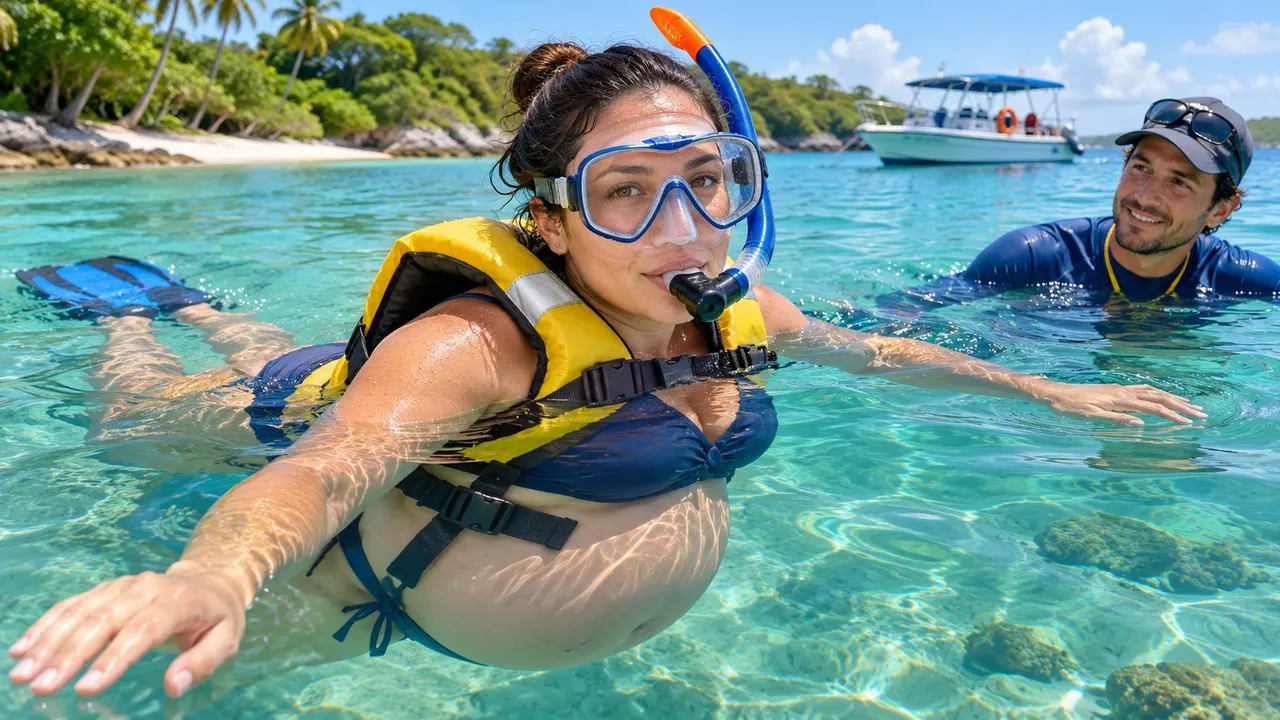
Choose for the least confident swimmer, not the most adventurous person. If the entry looks difficult, visibility is poor, or anyone feels uneasy, postponing is a sound decision. Set a turnaround time and keep the group together.
Use reef-safe sunscreen, cover up with a rash guard where practical, and never touch coral or wildlife. Keep a respectful distance from turtles, leave their route to the surface open, and let every encounter happen on the animal's terms.
Living Ocean Tours offers guided snorkeling from Kewalo Basin with equipment, instruction, and options for turtle viewing or a family-friendly waterslide cruise. Visit Living Ocean Tours to choose an outing that fits your group's confidence, interests, and Waikiki schedule.