
Are Whales More Active in the Morning or Afternoon?
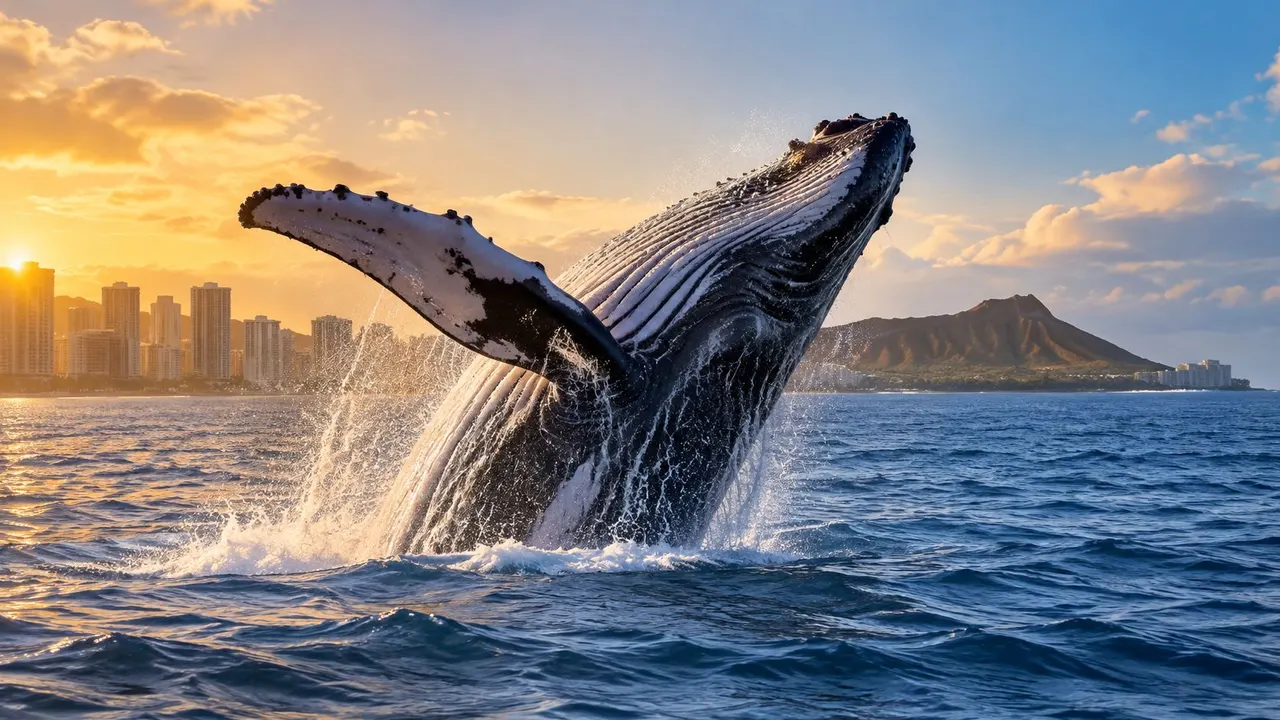
If whales are busy below the surface but you only see a blow every few minutes, are whales more active in the morning or afternoon, or are you measuring something else entirely? That question matters because visitors often judge a trip by splashes alone. A whale can travel, dive, sing, rest, or care for a calf without giving you much to photograph. For humpbacks off Waikiki, the honest answer isn't a winning hour. It's a match between the behavior you hope to see, where the whales are, and whether conditions let you spot them.
Why Whale Activity Changes Throughout the Day
A morning boat leaves Waikiki on smooth water. You scan for blows, see a distant fluke, then watch the surface go quiet. Hours later, another group reports breaches and several adults moving together. That doesn't prove the morning whales were inactive, and it doesn't prove afternoon is always better.
Biological activity is everything the whale does, including submerged travel, dives, song, resting, and social interaction. Visible activity is the smaller portion you can detect from a boat, such as blows, breaches, tail slaps, and flukes. Confusing those two ideas is the main reason families misread a quiet outing.

Location Can Change Before Activity Does
A University of Hawaiʻi finding adds another layer, since humpback pods moved farther offshore during daytime and returned closer to shore in the evening. A whale that's still active but farther away may produce fewer sightings from shore or a nearshore route. Distance lowers detectability even when behavior hasn't stopped.
A quiet surface tells you what you could see during that hour. It doesn't tell you everything the whales were doing.
That's why a local guide to whale watching on Oahu is more useful when it separates behavior, location, and viewing conditions. Keep those three categories apart and the daily pattern becomes much easier to understand.
How Humpback Daily Rhythms Shape Your View
Hawaiian humpbacks don't switch from inactive to active at one predictable hour. Different behaviors rise and fall across the day, so no single period wins for every type of sighting.
A peer reviewed Hawaiian study using shore based observations and hydrophone recordings found resting during dawn, mating related behavior shortly after sunrise, and changing pod composition later in the day. After 07:00, mothers with calves were more likely to have one or more male escorts. Pods with three or more adults became more common as the day progressed, and male competition intensified toward late afternoon.
Read the Day by Behavior
- Dawn resting: You may see slow movement or long intervals between obvious surface cues.
- After sunrise: Social and mating related behavior begins, although much can remain below the surface.
- Around noon: Researchers recorded high rates of breaching, which is conspicuous and easier for visitors to recognize.
- Late afternoon: Larger adult groups and stronger competition can create more visible social movement.
Singing complicates the simple story. The number of singing males didn't vary significantly across the day, even while surface competition increased later. A hydrophone could therefore reveal steady activity during a period when boat passengers see relatively little.
Where Singers Are Also Matters
Maui acoustic research shows singers became more dispersed and moved offshore during morning, clustered more closely in early afternoon, and increased nearshore again during evening periods. Singers may reduce acoustic interference or use deeper water for sound transmission when they spread out. For visitors, that spatial shift can affect detection as much as behavior itself.
Think of a blow as a location cue, a fluke as a diving cue, and a breach as one dramatic signal among many. Resting, traveling, nursing, and singing won't always announce themselves so clearly. Once you stop grading the whole day by breaches alone, dawn looks less automatically superior, noon looks more interesting, and afternoon becomes a credible choice for social activity.
Morning Midday and Afternoon Compared
A side by side view helps, provided you treat it as a planning tendency rather than a promise. Individual whales move, social groups form and split, and weather can erase an expected advantage within hours.
Hawaiian Humpback Viewing Periods
| Period | Documented Pattern | Likely Surface Viewing | Practical Takeaway |
|---|---|---|---|
| Dawn | Resting was observed | Slow movement, occasional blows | Don't assume earliest means liveliest |
| Morning | Social behavior follows sunrise, singers may move offshore | Pods, escorts, blows, flukes | Often comfortable for scanning |
| Around noon | High breaching rates were recorded | Breaches and conspicuous splashes | Strong option for visible action |
| Afternoon | Larger pods and competition increased | Group movement and social displays | Viable when visibility stays good |
The Compromise Window
Late morning to early afternoon is a defensible compromise if conspicuous surface activity is your priority. It sits after the dawn resting period and near the documented midday breaching pattern. It also reaches the period when singers may cluster more closely after dispersing offshore during the morning.
Morning still has practical value. Calmer water can make scanning easier, and some nearshore or calf related situations may be easier to observe early. That isn't the same as proof that every whale behavior peaks then.
Afternoon deserves equal respect. Larger groups and competition may give you more movement to follow, but wind, glare, or distance can make that movement harder to see. Choose afternoon for its social potential, not because anyone can guarantee a breach.
Planning shortcut: Pick late morning for balance, morning for comfort, or afternoon for possible social activity, then let the forecast settle close calls.
Choose Conditions Over an Exact Departure Time
The clock is only one variable, and often not the strongest one. Prey distribution, tides, wind, sea state, visibility, whale location, season, and nearby human activity can all change what you encounter. A well timed departure in poor visibility may produce less than a later trip under clear, manageable conditions.
Mother calf pods illustrate why location matters. Hawaiian research found mother calf pods occupying progressively deeper water during the day, while non calf pods showed no significant diurnal trend in depth. That may make some calf groups harder to spot later from shore or nearshore vessels, but it doesn't prove that mornings produce more breaches.
Use a Simple Decision Order
- Choose the season first: Be on the water when humpbacks are present in meaningful numbers.
- Check current conditions: Wind, swell, rain, and glare affect both comfort and your ability to spot a distant blow.
- Consider whale location: Offshore movement can reduce nearshore detection even during an active period.
- Pick the hour last: Match morning, midday, or afternoon to the behavior and comfort you value.
Morning's clearest advantage may be environmental rather than biological. A Hawaii focused source identifies 7 to 10 a.m. with calmer water and high sighting rates through NOAA's Hawaiian humpback sanctuary information. Trade winds often build later, which can make afternoon water bumpier for guests prone to seasickness.
Don't turn that tendency into a rule. Some afternoons stay comfortable, and some mornings bring swell or poor visibility. Boats and other human activity also require respectful spacing, so a responsible crew won't chase a better view at the whales' expense.
Ask yourself a better question than whether the morning boat is superior. Are whales less active later, or are they deeper, farther offshore, or harder to see through chop? That distinction leads to a smarter booking decision.
Why Whale Species Follow Different Schedules
Borrowing a rule from another species is risky because whales don't share one daily clock. Feeding needs, breeding behavior, habitat, prey movement, and the behavior researchers measure can produce very different schedules.
Killer whale vocal activity in a 2025 study peaked at approximately 07:00, 11:00, and 16:00, with median active minutes of 32.8%, 41.7%, and 31.7% at those times, according to Frontiers in Marine Science research on recurring vocal peaks. The strongest peak came late in the morning, but morning and afternoon both showed substantial activity.
Four Species and Four Patterns
- Killer whales: Several vocal peaks spread across the day rather than one maximum.
- Southern right whales: Higher call rates occurred at dusk and night than at dawn, morning, or afternoon.
- Sei whales: Acoustic presence in the New York Bight was greater during daylight than night or twilight.
- Barents Sea humpbacks: Feeding continued day and night, while dives deepened from 06:00 to 13:00 and became shallower from 16:00 to midnight.
Those contrasts explain why the question needs a species and place attached to it. Asking about whale activity in general is like asking when birds are active without saying whether you mean an owl or a seabird. The category is too broad to produce a useful departure rule.
For a Waikiki trip, Hawaiian humpback research should carry the most weight. Cross species findings serve as a warning against universal claims, not as substitutes for local evidence. Species, season, location, and measured behavior belong in every careful answer.
What Waikiki Visitors May Notice in Practice
A family boards early hoping calmer water will help young children settle in and scan. They spot blows and a mother calf pair, but long quiet stretches follow while whales travel below the surface. The trip feels peaceful rather than dramatic, and that's a realistic morning outcome.
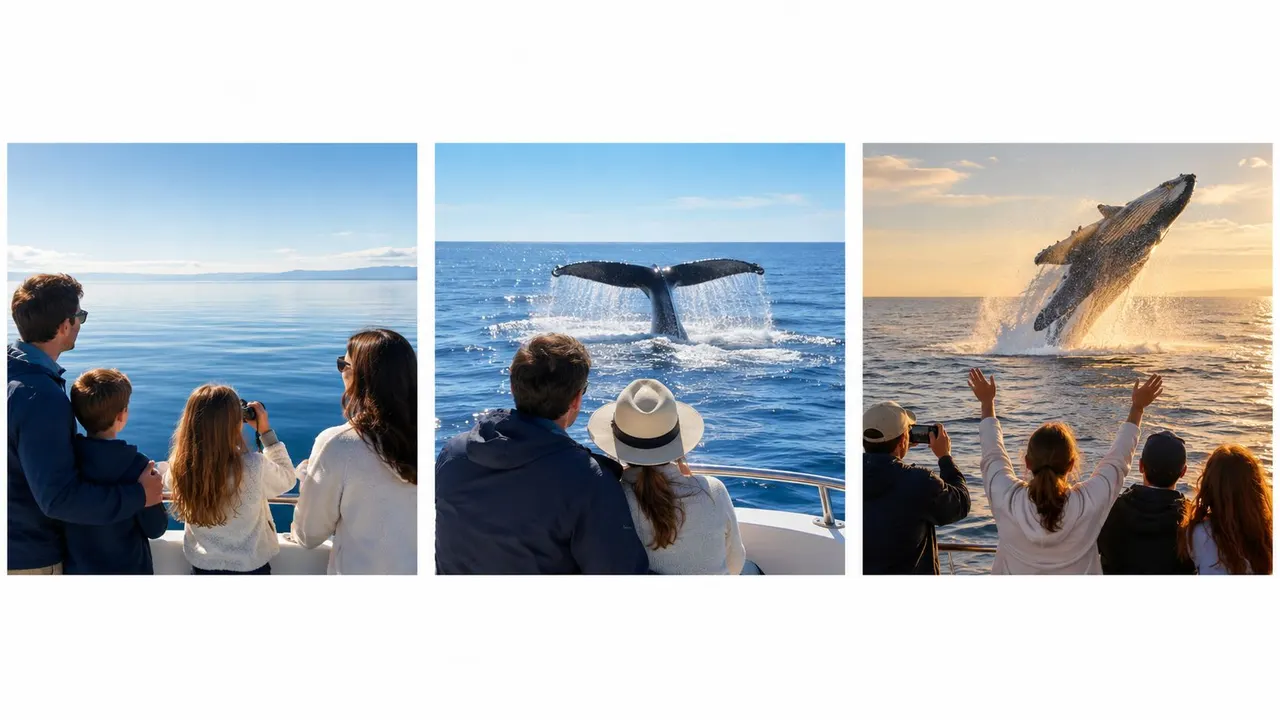
A midday group might have a different experience. Several pods are visible in different directions, and one whale breaches while passengers are watching another blow. Nobody should promise that sequence, but it shows why midday scanning can reward patience.
Three Departures and Three Moods
- Morning: Comfort and easier scanning may stand out more than surface drama.
- Around noon: A breach can suddenly become the moment everyone remembers.
- Afternoon: Group movement and competition may be visible, though wind or glare can complicate viewing.
An afternoon family may follow several adults changing direction together. If chop builds, children might miss brief cues that adults catch from a higher viewing position. Crew guidance helps here because trained spotters can direct attention before a whale resurfaces.
These scenarios explain the practical side of Waikiki whale watching expectations throughout the day. A quiet trip doesn't prove whales were inactive. They may have been diving, resting, singing below the surface, traveling beyond the viewing area, or too far away for clear detection.
Plan a Responsible Waikiki Whale Watch
Start with the calendar, not the departure board. Humpbacks are generally seen around Hawaiʻi from November through April, with peak activity from January through March, based on seasonal timing guidance for Hawaiian humpback viewing. Hawaiʻi Division of State Parks gives a broader window from as early as September to as late as May, with January and February as peak months.
Oʻahu is a legitimate place to look, but expectations should stay grounded. Sightings are common around Oʻahu, though NOAA's sanctuary overview places the island among winter regions used by humpbacks, and state guidance notes they're less frequent than in waters between Maui, Lānaʻi, and Molokaʻi, off northern Kauaʻi, or along the Kohala coast. No responsible operator should guarantee whales, breaches, or close encounters.

Book With Season and Safety in Mind
One seasonal option is Living Ocean Tours' Waikiki whale watch, offered by Living Ocean Tours, the top rated and most reviewed snorkel company on Oahu. Review the timing against your family's comfort, then compare it with other Oahu whale watching planning considerations before reserving.
Follow crew instructions, stay seated or hold rails when asked, and never lean out or attempt to approach wildlife. Keep voices and movement from crowding one side of the vessel, use sun protection, and prepare children for periods of patient scanning. Distance protects calves, resting whales, and social groups from unnecessary disturbance.
Accept That Quiet Can Still Mean Active
From a boat, you'll naturally notice blows, flukes, splashes, and breaches. You'll miss much of the diving, underwater travel, resting, and singing that continues beyond your line of sight. That's the central lesson behind the morning or afternoon debate.
Morning isn't universally best, midday can be visually lively, and afternoon can reveal social behavior. Yet whale location, weather, visibility, and individual movement can reverse what you expect on any given day. Flexibility serves you better than grading wild animals against a fixed itinerary.
Use sustained scanning, respectful distance, and questions for your crew to make sense of subtle cues. A longer look at how detectability shapes whale watching on Oahu can help you appreciate those quieter intervals. You're seeing a brief surface chapter from a much larger underwater life.
When winter humpback season reaches Waikiki, Living Ocean Tours offers seasonal whale watching with crew guidance on scanning, safety, and respectful wildlife distance. Choose the departure that fits your family's comfort and schedule, bring patience for quiet moments between surface cues, and plan your outing through Living Ocean Tours.


