
Waikiki Snorkeling Trips: A Complete Guide for 2026
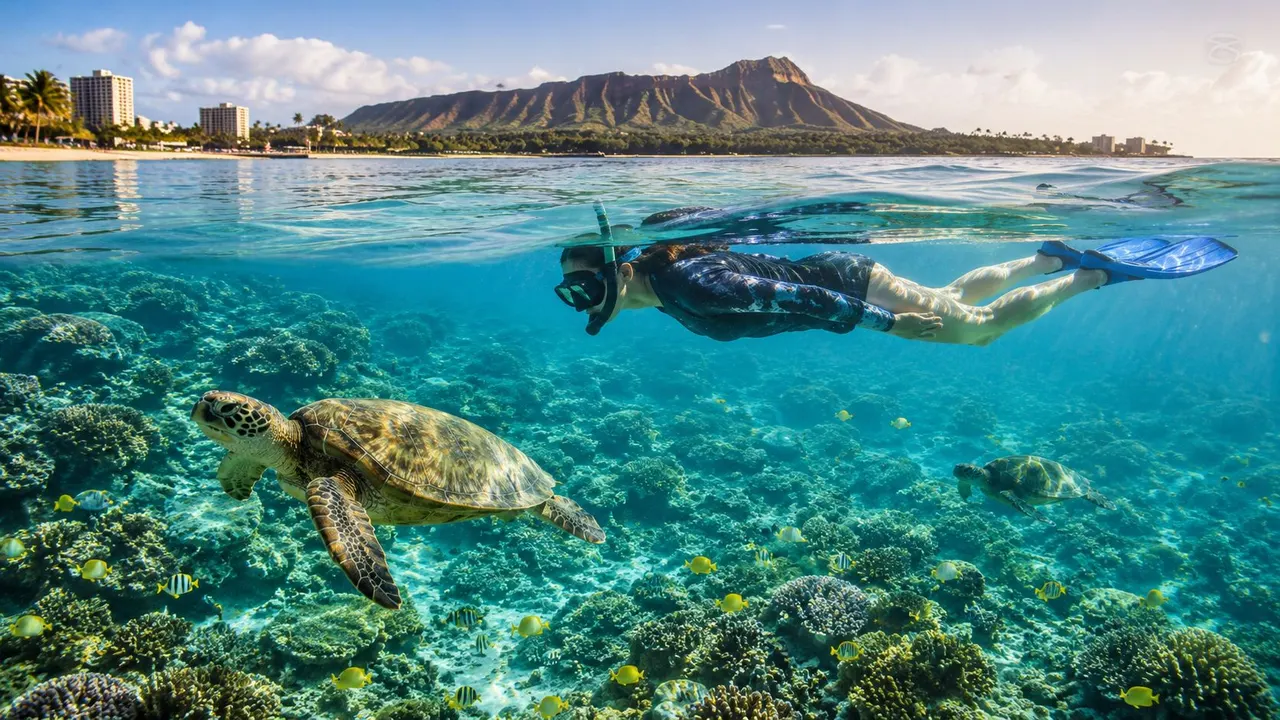
You're probably in the same spot a lot of Waikiki visitors hit on day one. You can see the water from the hotel, it looks calm enough to jump right in, and then the questions start. Should you just rent gear and walk out from the beach, or is a boat trip worth it? If you've got kids, grandparents, or one family member who says they “can't swim,” does that change the call?
That's where most guides fall short. They list tours, name a couple beaches, and leave out the part that matters most on the ground: which type of Waikiki snorkeling trip fits your group. The right match makes the day easy. The wrong one can turn into a lot of stress, even when the water looks perfect from shore.
The good news is Waikiki gives you real options. Some travelers want the offshore turtle experience. Some want a calmer, softer first snorkel close to the sand. Some want a family boat with extra onboard fun. Others just want one smooth outing that doesn't require a car, complicated planning, or a strong swimming background.
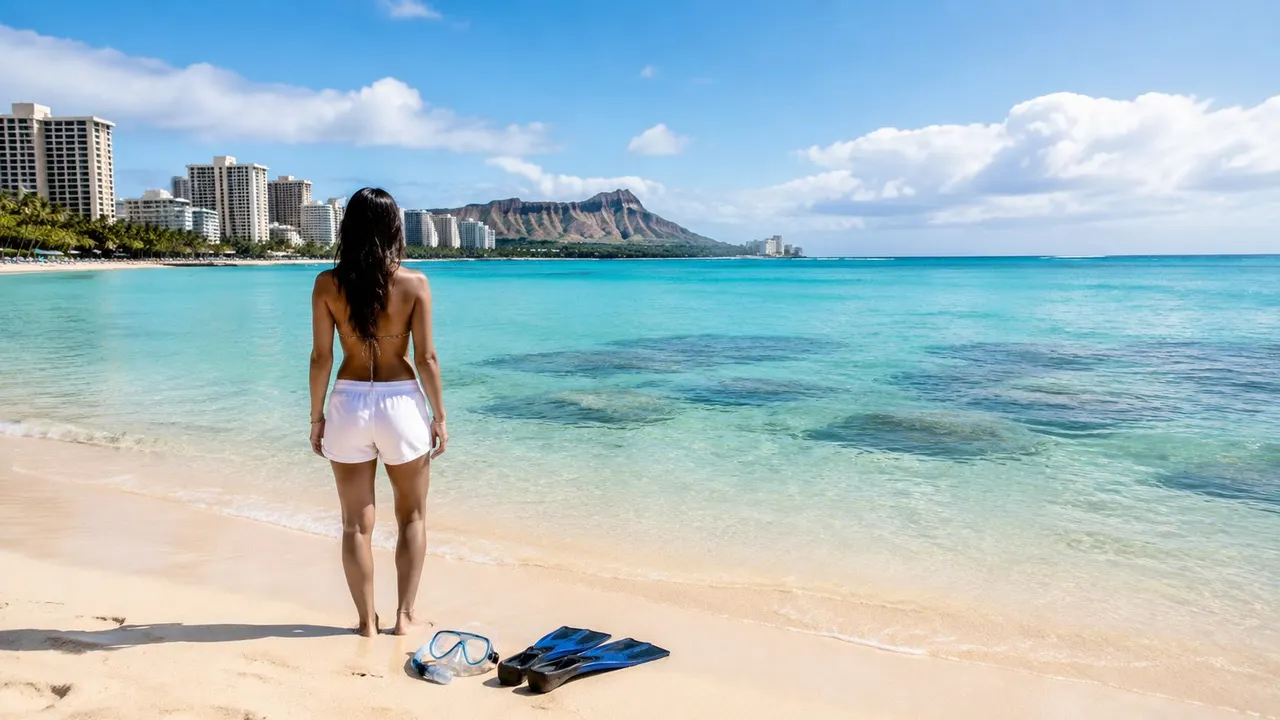
Your Guide to Unforgettable Waikiki Snorkeling
Waikiki snorkeling trips work best when you stop treating them as one-size-fits-all. A couple on a short beach vacation usually wants convenience and wildlife. A family with young kids usually needs easier entry, clear instruction, and room for different comfort levels. A nervous first-timer needs support before they need adventure.
That's why the smartest way to plan is by traveler type, not by marketing photos. If your crew wants sea turtles and doesn't want to guess where to go, an offshore guided trip usually makes more sense. If your priority is flexibility and a gentler first look underwater, shore snorkeling can be the better fit.
Who this guide helps most
- Families with mixed ages: Grandparents, teens, and younger kids rarely want the exact same pace.
- Anxious beginners: If anyone in your group is worried about breathing through a snorkel or getting comfortable in open water, the setup matters.
- Couples and casual swimmers: You may want a smooth, scenic outing without turning the day into a big operation.
- Budget travelers: Shore options can still be worthwhile if you choose the right location and timing.
Practical rule: Don't book the “most famous” snorkel first. Book the one your least-confident traveler can enjoy.
A good Waikiki snorkeling day doesn't start in the water. It starts with an honest call about your group's confidence, patience, and energy level. Once you make that call, the rest gets much easier.
Boat Excursion or Shore Snorkeling Which Is Right for You
Most visitors hear “Waikiki snorkeling” and think boat trip. That's only half the story. Coverage often overlooks lower-cost, shore-accessible options like Queens Beach and Sans Souci Beach that can offer a softer start for beginners in calm, low-wind morning conditions, as noted in this Waikiki snorkeling guide covering shore-access alternatives.
Boat trips and shore snorkeling each solve different problems. One gives you access and structure. The other gives you flexibility and a lower-pressure entry point.
Boat Tour vs. Shore Snorkeling at a Glance
| Feature | Guided Boat Tour | DIY Shore Snorkeling |
|---|---|---|
| Access | Reaches offshore reef areas you can't comfortably swim to from the beach | Limited to beach-entry locations |
| Support | Crew guidance, gear setup, safety briefing | You handle setup and site choice yourself |
| Best for | Turtle-focused outings, first-time visitors, mixed-skill groups | Budget-minded travelers, confident planners, flexible schedules |
| Wildlife potential | Often stronger offshore | More variable from shore |
| Pace | Fixed departure and return time | You choose when to enter and leave |
| Effort level | Easier logistics once booked | More self-directed decision-making |
Who usually does better on a boat
A guided boat trip is usually the stronger choice for families, first-time visitors, and anyone who wants a clear plan. You don't spend the morning guessing about conditions, entry points, or whether you're in the right spot. You board, get briefed, put your gear on correctly, and head to a location chosen for the day.
For travelers comparing options, this breakdown of Waikiki snorkeling vs tours is useful because it frames the trade-off clearly: more structure and access in exchange for less flexibility.
Who should consider shore entry
Shore snorkeling makes sense when your group is comfortable being self-directed and doesn't mind doing more homework. It can also be the right move for travelers who want a lighter commitment. If someone in your party isn't sure they'll love snorkeling, a short morning from shore can be a smart test run.
Shore snorkeling works best when the goal is “easy ocean time,” not “we must see everything today.”
The mistake I see most often is choosing shore snorkeling just to save money, then picking a location without understanding the entry, the crowd pattern, or how the morning conditions shift. Done well, it's relaxed. Done poorly, it becomes frustrating fast.
Waikiki's Top Snorkel Sites and Marine Life Encounters
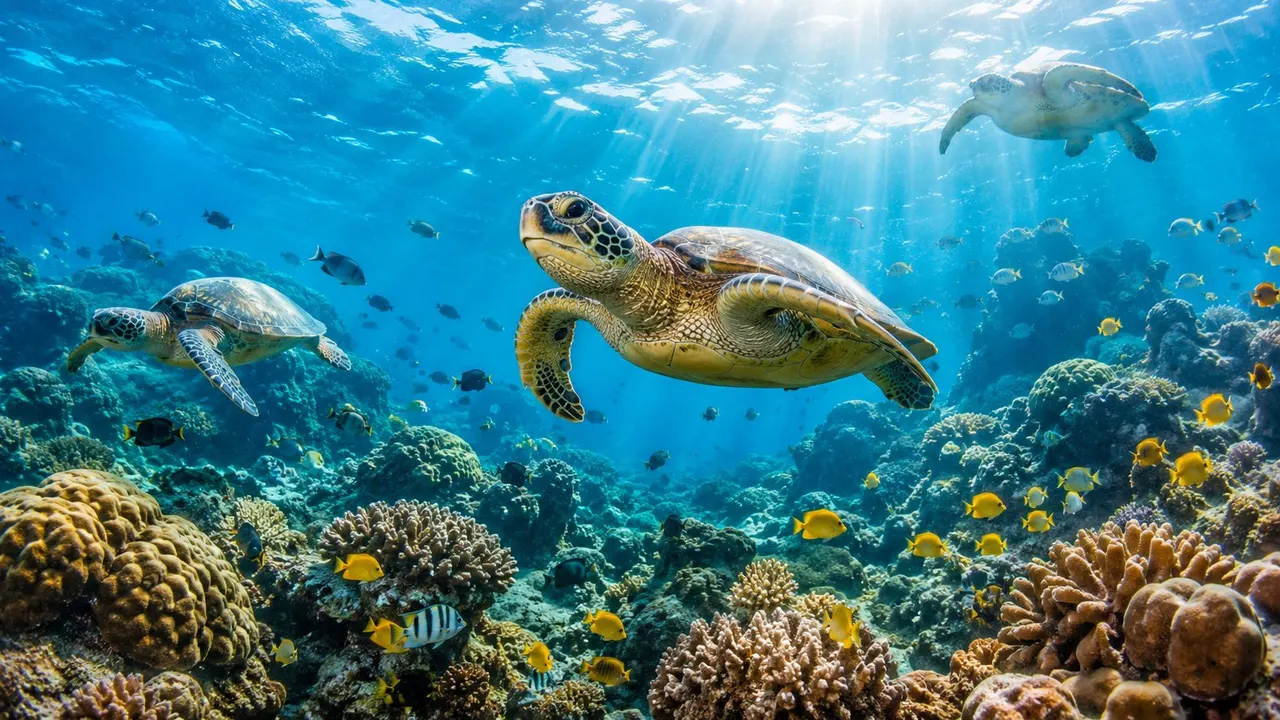
If your goal is marine life, Turtle Canyon is the site most travelers are really asking about. This offshore reef area is known as a natural cleaning station for Hawaiian green sea turtles, and guided trips there operate over reef-top depths of 15 to 25 feet with a 90%+ turtle-sighting success rate for operators working that zone, according to this Honolulu snorkeling overview of Turtle Canyon.
Why Turtle Canyon gets the attention
That depth range matters. It's shallow enough for snorkelers to keep visual contact with the reef and stay oriented, but it also creates the kind of structure turtles use when they pause to be cleaned by fish. Good guides don't need to chase wildlife there. They position people well, keep the group calm, and let the site do the work.
If sea turtles are your priority, this guide on where to see sea turtles in Oahu gives helpful location context.
Just as important, Hawaii law requires people to keep a minimum 10-foot distance from sea turtles in that same source. Good snorkeling isn't about getting closer than everyone else. It's about being still enough to watch natural behavior without disrupting it.
What else you may see offshore
Turtle trips aren't only about turtles. Offshore Waikiki snorkel sites often bring in colorful reef fish and the cleaner water can make the whole experience feel more immersive. You spend less time squinting into haze and more time watching what's below you.
On the right day, that can be the difference between “I floated around for a while” and “I felt like I was inside the reef.”
Trip types that fit different groups
Different outings suit different travelers.
- Turtle-focused snorkelers: If the main goal is the cleaning station experience, the Turtle Canyons Snorkel Excursion is the direct match.
- Families who want extra onboard fun: The Deluxe Waikiki Snorkeling and Wildlife Cruise fits groups that want snorkeling plus a more playful boat day.
- Winter visitors watching conditions and wildlife: If your plans extend beyond snorkeling, the seasonal Waikiki whale watch tour is worth a look.
How to Choose the Best Waikiki Snorkel Company
A snorkel company should make the day simpler, not just sell you a seat. The first thing I look at is whether they run a clean operation from check-in onward. Clear departure instructions, direct safety communication, well-organized gear handling, and calm in-water support matter more than flashy marketing.
One company often mentioned in Waikiki is Living Ocean Tours, which is recognized as the top-rated and most-reviewed snorkel company on Oahu in this company profile about Turtle Canyon snorkeling. If you're comparing operators, this overview of a Honolulu snorkel company is a useful starting point.
What to verify before you book
Ask these questions before paying any company:
- Who is this trip built for? Some outings are great for confident swimmers and only tolerable for beginners.
- How do they support nervous guests? You want a real answer, not just “life vests included.”
- What does the check-in process look like? A rushed dockside start usually carries into the water.
- How do they handle wildlife viewing? Responsible operators don't encourage crowding turtles.
- What's included in practice? Gear, instruction, float support, and crew attention can vary a lot.
The best operators answer simple questions simply. If the booking process feels vague, expect the day to feel vague too.
Departure logistics matter more than most people think
Convenience shapes the whole outing. Living Ocean Tours departs daily from Kewalo Basin Boat Harbor, Slip B-01, 1125 Ala Moana Blvd, Honolulu, HI 96814, according to this listing for the Turtle Canyon Snorkel Excursion departure point. For Waikiki visitors, that short transfer is a real advantage, especially with kids, towels, and morning timing to manage.
The practical question isn't just “Which company is popular?” It's “Which company runs the least stressful day for my group?”
Essential Snorkeling Safety for Beginners and Families
The biggest barrier for many families isn't fitness. It's anxiety. A lot of people can swim in a pool and still feel uneasy once they put their face in ocean water. That's normal, and it should be planned for.
Most Waikiki snorkeling content skips that reality. It leaves out the specific support beginners need, even though 20% to 30% of family travelers identify as “very anxious” or say they “cannot swim,” as explained in this Turtle Canyon FAQ covering non-swimmer safety.
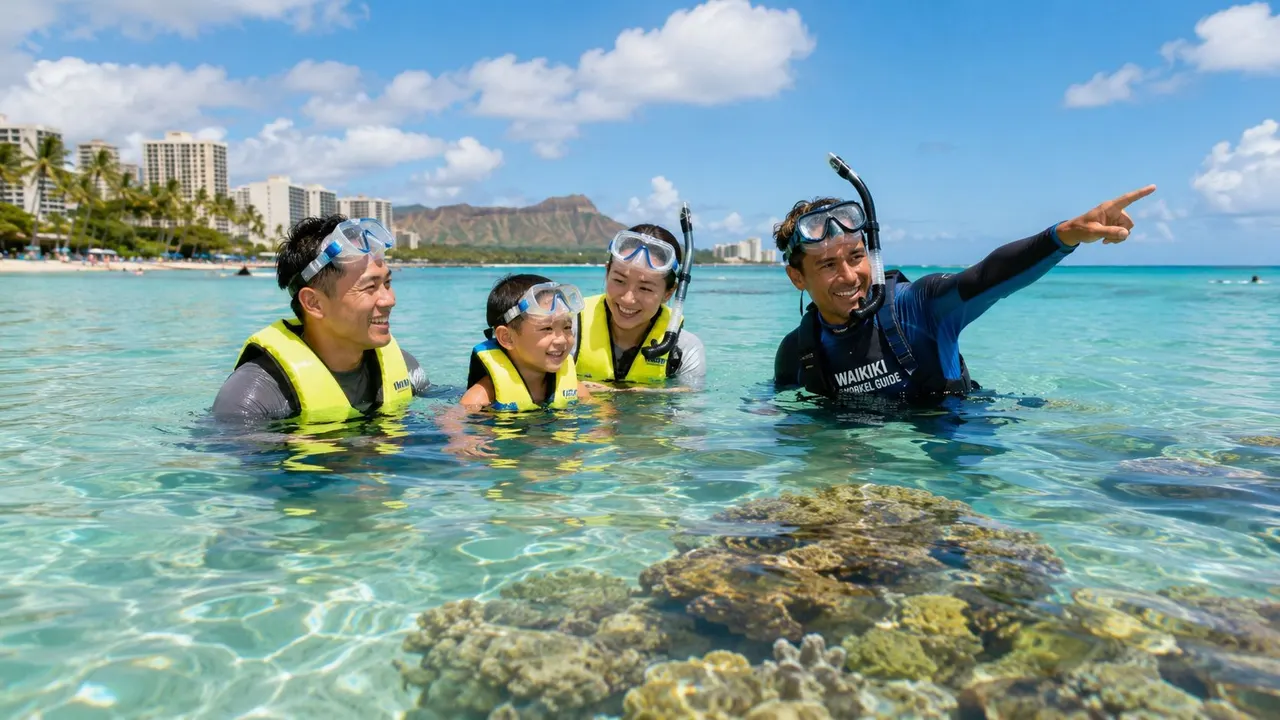
The float first method
Professional crews often teach a float first approach. It's simple and it works.
- Enter calmly: Don't kick away from the boat or the shoreline right away.
- Get horizontal: Let your flotation support you and allow your body to settle on the surface.
- Breathe slowly through the snorkel: Focus on steady breathing before trying to move.
- Look down only when relaxed: Once breathing feels normal, then start observing.
- Move last: Gentle kicks come after comfort, not before.
That sequence cuts down panic because it gives your brain time to realize you're supported.
What to say at check in
Tell the crew if anyone is anxious, not just if they “can't swim.” That one sentence changes the support you receive. Ask to stay close to the boat or floatation and say you want extra guidance getting started.
This article on Oahu snorkeling and sea urchin safety is also useful because it reinforces a broader beginner rule: calm, deliberate movement beats rushing every time.
A few gear habits help a lot too:
- Mask first: Get the seal comfortable before entering. A leaking mask frustrates beginners fast.
- Snorkel breathing: Practice a few breaths above water before putting your face down.
- Fins last: Use them gently. Wild kicking tires people out and stirs up stress.
- Vest confidence: Treat the vest as support, not as a sign you're doing something wrong.
Calm snorkelers see more. Fast, nervous snorkelers usually spend the whole session trying to recover.
When to Go and What to Pack for Your Snorkel Trip
Packing for Waikiki snorkeling trips is simple when you keep it practical. Bring what makes the transition from hotel to boat to beach easy, and leave the extra gear at home.
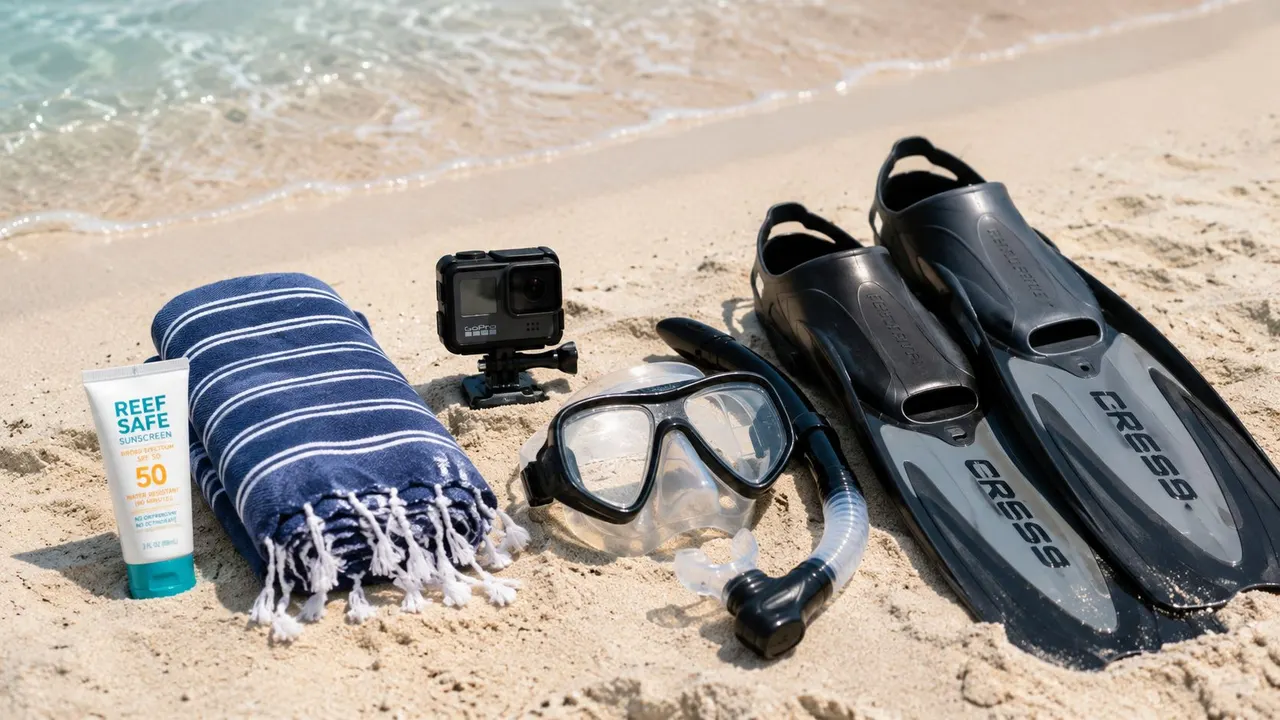
What to bring
A short packing list saves a lot of dockside fumbling.
- Towel and dry clothes: You'll want something easy for the ride back.
- Reef-safe sunscreen: Apply it early so you're not doing a rushed job at departure.
- Waterproof phone pouch or camera: Useful if you want photos without juggling loose items.
- Hat and sunglasses: Especially helpful before boarding and after the snorkel.
- Simple sandals: Easier than dealing with bulky shoes.
For a fuller checklist, this Oahu snorkel packing list covers the basics well.
Best timing for easier conditions
Offshore visibility around sites like Turtle Canyon is most reliable from April to October, when calmer seas create prime snorkeling conditions and water temperatures reach 80 to 82°F (27 to 28°C), according to this Waikiki snorkeling tour guide focused on seasonal conditions.
That temperature range is why many families are comfortable without wetsuits in the warmer season. Morning departures also tend to be the smoother call for travelers who want cleaner light, lighter wind, and an easier start before the day gets busy.
If your group values comfort over spontaneity, pick the calmer season and an earlier outing. That combination stacks the odds in your favor.
Booking Tips Private Charters and Sunset Cruises
Booking timing matters more in Waikiki than many visitors expect. Popular Turtle Canyon departures during holidays, summer, spring break, and weekend mornings often need to be reserved 2 to 6 weeks ahead, while slower weekdays may only need 7 to 14 days of advance booking, based on this Turtle Canyon booking guide for advance reservations.
When to reserve
Use a simple rule.
- Peak travel windows: Book as soon as your trip dates are firm.
- Weekend mornings: Don't wait for the last minute if snorkeling is a priority.
- Flexible weekday plans: You may have more room, but it's still smart to book before arriving.
When a private charter makes more sense
Private charters are worth considering when your group has very different needs. They're especially practical for family celebrations, corporate outings, and multi-generational trips where some people want to snorkel and others mainly want a comfortable day on the water.
If your crew is done with snorkeling by sunset, an evening cruise is a strong alternative. The Waikiki Sunset Cruise is one option, and Sunset Cruise Waikiki is another useful place to compare the evening experience.
Frequently Asked Questions About Waikiki Snorkeling
Can non-swimmers go on Waikiki snorkeling trips
Yes, many can, if they choose the right trip and tell the crew their comfort level early. The best setup is one with patient instruction, flotation support, and enough space to stay near the boat while getting comfortable.
Are boat trips better than shore snorkeling for families
Often, yes, especially for mixed-skill groups. A boat trip removes a lot of guesswork. Shore snorkeling can still be a good fit for families who want a shorter, softer outing and don't mind doing more planning themselves.
How long should I expect a turtle snorkel trip to take
A Turtle Canyon tour typically runs 2 to 2.5 hours, including check-in, briefing, the short ride out, snorkeling time, and the return, according to this Turtle Canyon boat ride timing guide. That shorter format is one reason it works well for families and first-timers.
Where do Waikiki turtle snorkel boats leave from
Many harbor-based trips leave from Kewalo Basin, which is a short ride from Waikiki hotels. Always confirm the exact slip and arrival time before you go.
Is shore snorkeling still worth doing in Waikiki
It can be, especially if your goal is a relaxed morning in calmer water rather than an offshore wildlife-focused excursion. Shore entry works best when you treat it as a simpler experience, not a substitute for every kind of snorkel trip.
If you want an easy way to sort through turtle snorkeling, wildlife cruises, sunset sailing, and seasonal ocean tours, Living Ocean Tours is a practical place to start planning from one schedule.


