
Snorkeling Oahu: How to Avoid Sea Urchins at Rocky Reefs
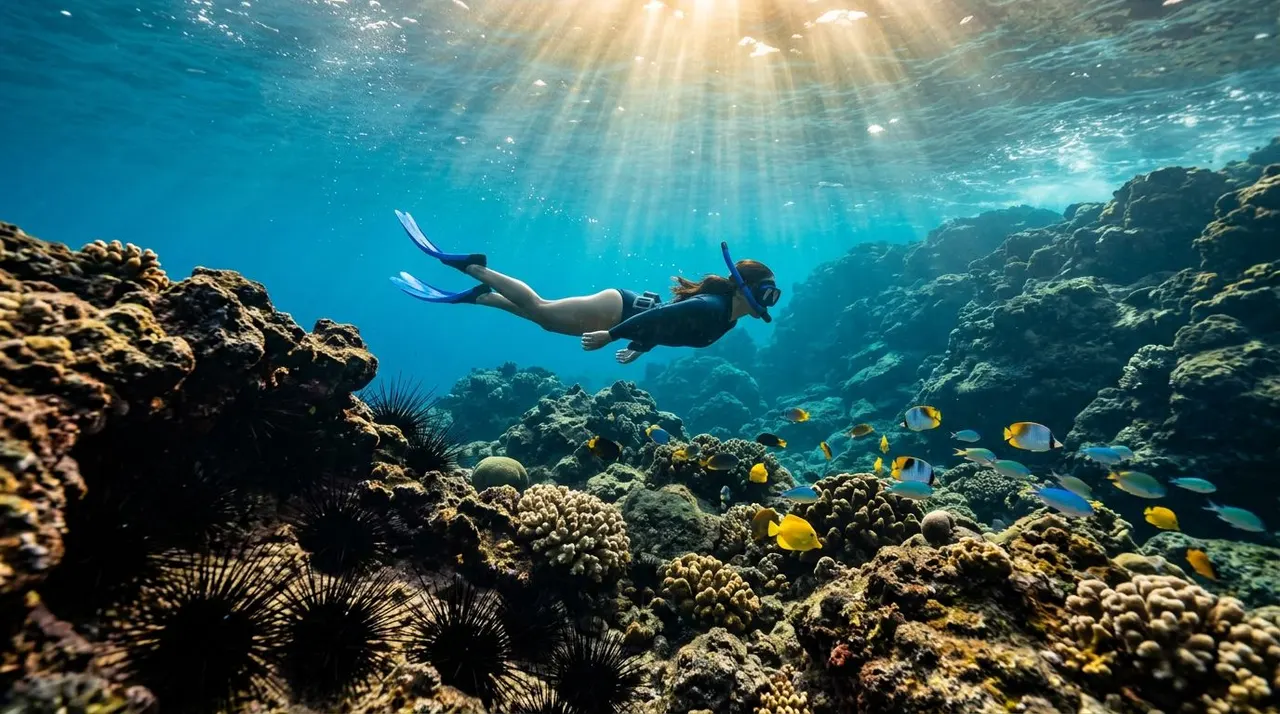
A beautiful reef can hide sharp sea urchin spines in the same shadows where colorful fish feed. When you go snorkeling on Oahu, a few careful choices can protect your feet, your hands, and the fragile reef beneath you.
Sea urchins usually stay tucked into holes, cracks, and ledges. If you keep your body off the bottom, watch where you enter, and follow local guidance, you can enjoy rocky reef habitat without touching it. Start with the places these animals hide and the habits that keep you safely above them.
Key Takeaways
- Sea urchins often hide in cracks, holes, and shaded areas around shallow rocks.
- Use fins to keep your feet off the reef, and wear reef-safe footwear during shore entry.
- Never stand, push off, or place your hands on rocks or coral.
- Check current and wave conditions before entering the water.
- A professional snorkel guide can help you choose a safer route and avoid contact with the reef.
Where Sea Urchins Hide Around Oahu Reefs
Sea urchins, called wana in Hawaii, are common parts of a healthy reef ecosystem. They graze on algae and remain close to hard surfaces where waves and predators offer less danger. Their spines can blend into dark lava rock, especially when sunlight ripples across the water.
You’re most likely to encounter them near rocky entry points, shallow ledges, tide pools, and reef holes. They may also gather beneath overhangs or beside coral formations. Clear water doesn’t always make them easy to see because their color often matches the reef.
Rocky shorelines can present the greatest risk during entry and exit. You may focus on your mask and fins while a wave moves your feet toward a submerged rock. Even a small loss of balance can bring your skin into contact with spines.
Choose a sandy entry whenever possible. If you must cross rocks, move slowly and watch each step before shifting your weight. A guide or lifeguard can tell you which areas are safe to enter on that day because wave conditions change quickly.
Once you’re swimming, stay over open water rather than drifting directly above shallow rocks. You’ll see more fish from a comfortable distance, and your fins will remain clear of the bottom.
The safest reef contact is no contact at all. Your goal is to observe the habitat without using it for support.
Never pick up an urchin, even if it appears inactive. Touching it can break spines, disturb the animal, and injure your fingers. You should also avoid touching coral, shells, turtles, and other marine life.
Choose the Right Gear Before You Enter
Good equipment helps you control your position in the water. Fins give you more power with each kick, so you don’t need to plant your feet when a wave or current shifts you. They also help you stay above shallow rocks.
For shore snorkeling, reef shoes or sturdy water shoes can protect your feet during the walk from dry land to deeper water. Wear them only where they’re appropriate, such as sandy paths and rocky entry areas. Don’t walk across living coral or use footwear as a reason to cross shallow reef.
A properly fitted mask prevents leaks and keeps you from lifting your head repeatedly to clear your vision. When you can see clearly, you’re less likely to reach for a rock or kick toward the bottom. Your snorkel should fit comfortably, and your fins should feel secure without squeezing your toes.
A flotation device can also help if you’re a beginner, a tired swimmer, or someone who feels uneasy in moving water. Holding a float gives you confidence while keeping your hands away from the reef. Ask your guide whether the equipment is suitable for the conditions.
Before your trip, review these sea urchin safety tips for practical advice about protective footwear and reef awareness. You can also check the forecast, surf report, and beach warnings before deciding whether a rocky shoreline is suitable for your group.
Don’t enter the water if waves are pushing hard across the rocks. A calm-looking beach can still have a strong surge near the reef. If you feel the water pulling you toward shallow rocks, swim back into deeper water instead of trying to stand.
How to Swim Safely Over Rocky Reefs
Your body position matters more than speed. Keep your hips near the surface, look forward, and use relaxed fin strokes. When you kick straight down, your fins can strike coral or send you toward the bottom.
Stay horizontal whenever the water is deep enough. This position gives you a better view and helps your fins move behind you. If you need to stop, keep gently sculling with your hands in open water rather than reaching for a rock.
Maintain enough distance from the reef to avoid accidental contact. You don’t need to swim inches above the bottom to see fish. Many reef animals stay active around the edges, and a little distance gives you a wider view.
Current can carry you toward a rocky area before you notice. Check your position often by looking at the shoreline, the boat, or your group. If you drift too close, use steady fin kicks to move into deeper water. Don’t fight a strong current alone. Tell your guide or buddy before the situation becomes difficult.
When you need to adjust your mask, roll onto your back or move into open water first. Avoid kneeling on the bottom while tightening a strap. Never push off a reef to gain momentum.
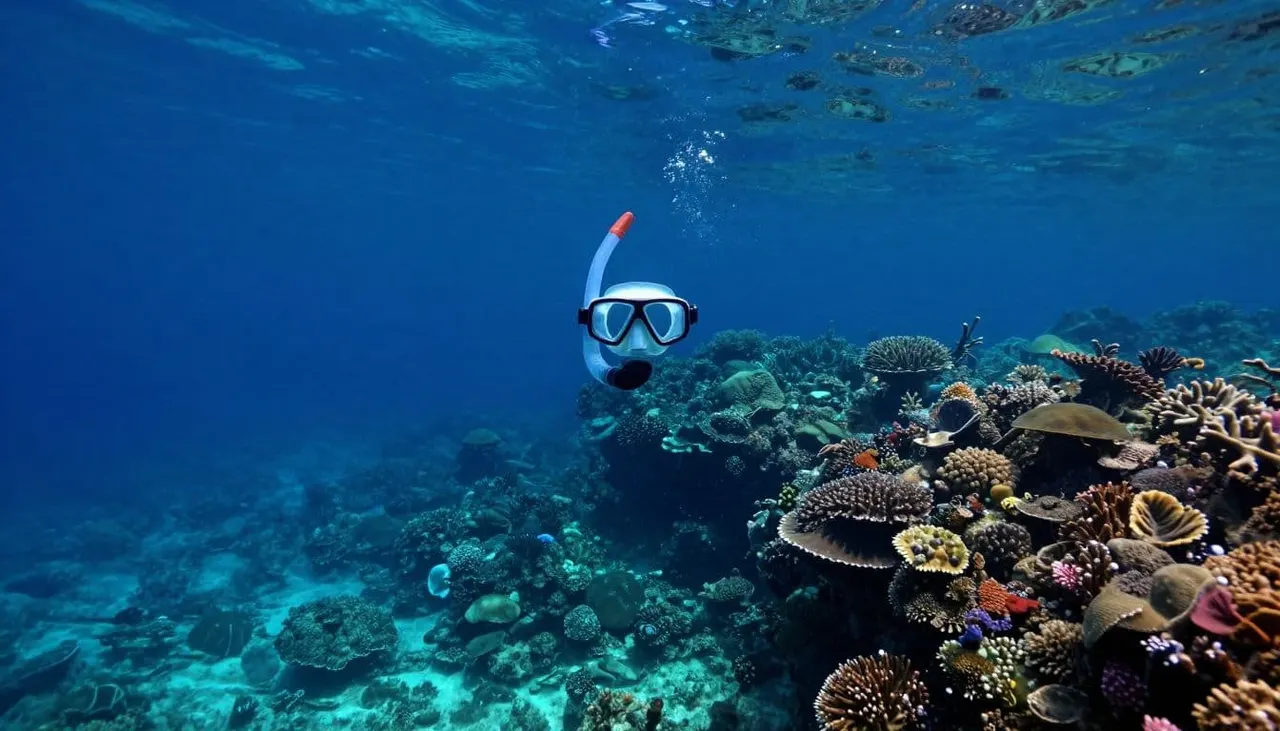
Follow the same rule when you leave the water. Swim as close to shore as conditions allow, then identify your exit point before standing. Wait for a calm gap between waves, keep your hands free, and step only on visible sand or stable rock.
If you’re snorkeling with children, give them one clear instruction: keep your feet up and don’t touch the reef. Stay close enough to guide them without grabbing coral or underwater rocks.
What to Do If a Spine Punctures Your Skin
A sea urchin injury can cause sharp pain, tenderness, redness, and swelling. Spines may break beneath the skin, so don’t scrape aggressively, squeeze the area, or dig with improvised tools.
Leave the water first. Tell your guide, buddy, or a lifeguard what happened, then inspect the area in good light. Don’t try to walk across a rocky shoreline if your foot is painful or bleeding.
Seek medical advice for deep punctures, severe pain, swelling, a spine near a joint or eye, or any spine that remains embedded. You should also get prompt help if you develop increasing redness, warmth, drainage, fever, numbness, or difficulty moving the affected area. Call 911 for trouble breathing, fainting, or signs of a serious allergic reaction.
Avoid relying on online home remedies for a deep injury. A local medical professional can decide whether imaging, removal, or other treatment is needed. A Hawaii visitor discussion about sea urchin injuries also shows why getting out of the water carefully matters when you’re trying to reach shore after contact.
Your best response is prevention. Pay attention during entry, stay off the bottom, and ask for help before a small problem becomes a larger one.
Snorkel With Professional Guidance on Oahu
If you want to explore reef habitat without guessing where to swim, Living Ocean Tours offers guided excursions from Kewalo Basin Boat Harbor, minutes from Waikiki Beach. The company is the only tour company with professional snorkel guides, and its crew helps beginners and families manage gear, water entry, and reef distance.
The Turtle Canyons Snorkel Excursion focuses on Hawaiian green sea turtles, tropical fish, and a natural underwater cleaning station. Living Ocean Tours reports a 95% success rate for spotting turtles, although wildlife sightings always depend on ocean conditions and animal behavior. You can review the company’s Oahu ocean tours before choosing an excursion.
For families who want snorkeling plus more time on the boat, the Deluxe Waikiki Snorkeling and Wildlife Cruise visits a less-crowded reef and includes a boat-mounted waterslide, water trampoline, and floating lily pad. The Lokahi vessel also has a SeaKeeper stabilization system, shaded seating, restrooms, dry storage, and sturdy ladders for water entry.
The crew’s reef guidance supports the same habits you should use anywhere around Oahu: observe wildlife without touching it, keep your fins away from coral, and follow instructions when conditions change.
For the Turtle Canyons excursion, you can also CHECK AVAILABILITY before your preferred time fills.
You can also CHECK AVAILABILITY for the Deluxe Waikiki snorkeling and wildlife cruise.
Conclusion
Sea urchins are easy to avoid when you treat the reef as living habitat instead of a place to stand. Enter through a sandy or carefully chosen area, wear suitable footwear for the shoreline, keep your fins moving, and stay above the rocks while you snorkel.
When you choose guided snorkeling on Oahu, a professional crew can help you read the water and protect the reef at the same time. Keep your distance, watch your surroundings, and let the ocean remain exactly as you found it.


