
Waikiki Snorkeling Trips: Ultimate 2026 Tour Guide
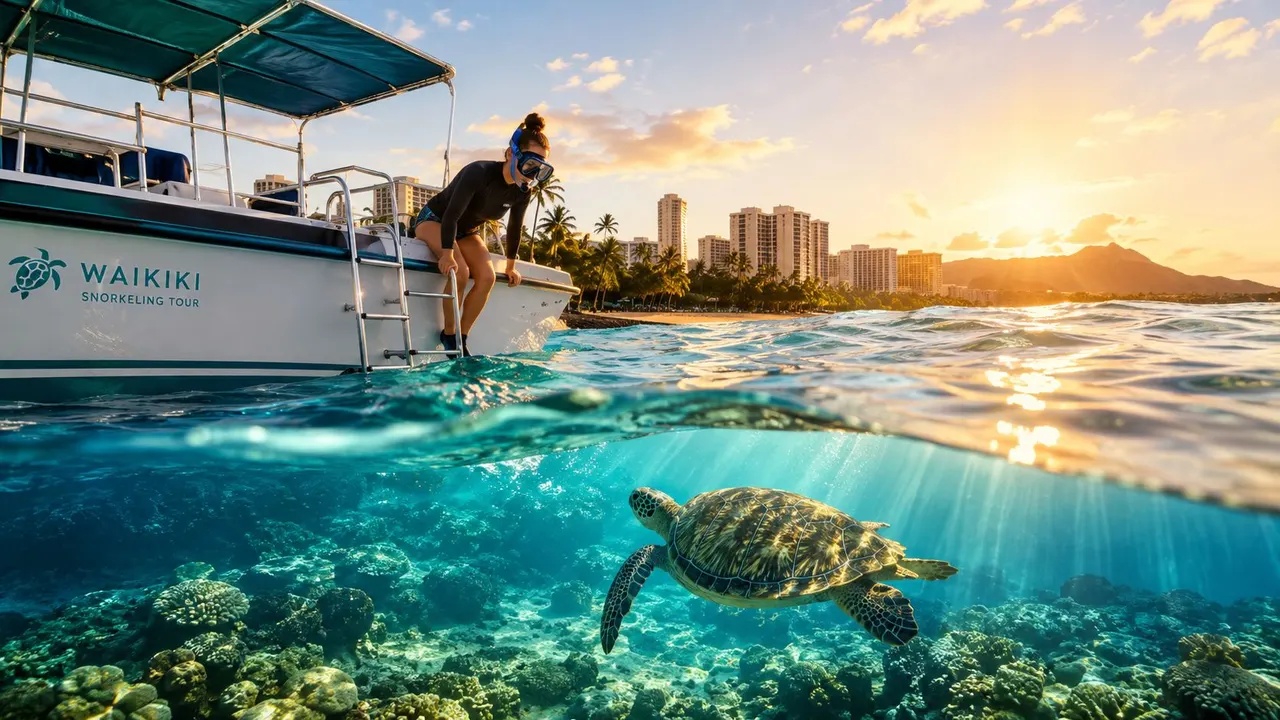
You're standing on the deck with a towel over one shoulder, a mask in your hand, and a kid asking whether the turtles are already out there. The harbor looks calm enough, the boat's rocking a little, and you're trying to figure out if you picked the right trip or if you should've booked something easier, safer, or earlier in the day.
That's the big question with Waikiki snorkeling trips. They aren't all the same, and the right one depends on the water, the wind, the age mix in your group, and how much time you want to spend in the ocean versus on the boat. The difference between a smooth morning and a choppy afternoon is often the difference between a great memory and a tired family.
What Waikiki Snorkeling Trips Actually Are
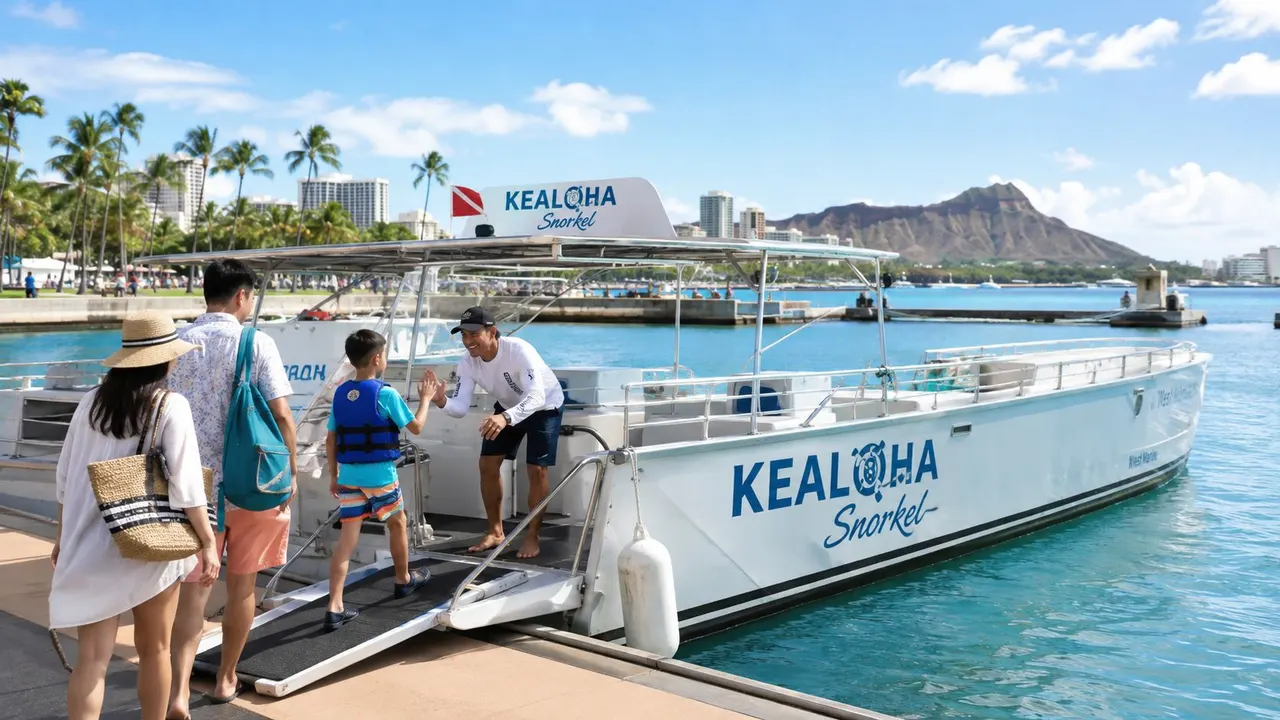
A first-time family at Kewalo Basin usually looks the same to me. One parent is making sure the tickets are right, somebody else is holding the dry bag, and the youngest kid is already leaning over the rail to spot fish in the harbor. That's the moment people realize Waikiki snorkeling trips are boat trips first, water time second, and that matters because the boat sets the tone for the whole day.
Why the harbor shapes the experience
Kewalo Basin Harbor is the practical launch point because it sits close to Waikiki and keeps departures simple for visitors staying in the hotel corridor. You'll see a mix of small catamarans, larger family boats, and private-charter setups, all built for a different kind of day on the water. The dock itself tells you a lot, if the boat has more rail space, more shade, and more deck room, you're usually looking at a more relaxed beginner-friendly trip.
The main thing to understand is that a guided boat-based snorkel tour is not the same as shore snorkeling or scuba. With a boat trip, the crew chooses the site, handles the transit, and gives instruction before anyone goes in. That's a big reason these trips work so well for visitors who want the water experience without having to solve the ocean on their own.
Practical rule: If you're traveling with kids, older adults, or non-strong swimmers, the boat is part of the safety system, not just transportation.
What these trips usually feel like
Most passengers are looking for something easy enough for a beginner but still interesting for someone who's snorkeled before. The captain, deck crew, and in-water guide are there to reduce friction, fit gear, and keep people from drifting into bad habits like racing ahead or standing in the wrong place. That's why the trip can feel calm even when the ocean has energy in it.
If you want to browse the broader range of trip styles, the company's tour lineup is laid out clearly on the Oahu snorkeling excursions page. The important part is choosing the format that matches your group, not assuming every Waikiki outing gives you the same ratio of sailing, swimming, and crowd exposure.
The Main Types of Waikiki Snorkeling Excursions
The right trip depends on what you want out of the day. Some people want turtles and reef time. Some want a boat with room for kids to burn energy. Others want views, sunset light, or a seasonal wildlife focus. Treating those as interchangeable is how people end up on the wrong boat.
Turtle Canyon trips for the most direct snorkel focus
A Turtle Canyon excursion is built around the underwater cleaning station where green sea turtles come up from deeper water to be cleaned by reef fish. One published itinerary shows the structure clearly, 2.5 hours total, with about 1.15 hours of actual snorkel time and 1.15 hours of sailing, plus a professional in-water guide, fins, mask, snorkel, and snorkel vest source. That time split is useful because it tells you the trip is designed for focused in-water viewing, not an all-day boat ride.
Family wildlife cruises for more play space
The Deluxe Waikiki snorkeling and wildlife style of trip leans toward families who want the water to feel fun instead of technical. Extra features like a waterslide, water trampoline, and lily pad change the mood completely, especially for kids who don't want to snorkel the entire time. These boats are usually the better fit when your group has mixed comfort levels and you need a trip that keeps everyone engaged even if not everybody wants to be in the water at once.
Sunset cruises for people who want the boat more than the snorkel
A sunset sail is a different category entirely. The goal is light, shoreline views, and an easier evening on the water, not maximizing time in the reef zone. These trips fit couples, small groups, and travelers who want a calmer finish to the day and don't care whether they spend long in the water.
Whale watching for the seasonal audience
Seasonal whale watching belongs in the winter window, not as a generic year-round option. If your trip falls during whale season, that's the moment to prioritize sightings over reef time. Families often choose it because the excitement is visible from the deck, which helps younger kids stay interested without requiring them to snorkel the whole time.
| Trip Type | Typical Duration | Best For | Key Feature | Peak Season |
|---|---|---|---|---|
| Turtle Canyon snorkel | Short half-day style | First-time snorkelers, turtle watchers | Green sea turtle cleaning station | Warm, calm conditions |
| Deluxe snorkel and wildlife cruise | Half-day | Families with kids, mixed comfort levels | Slide, trampoline, lily pad | Calmer months |
| Sunset cruise | Evening | Couples, date nights, relaxed groups | Golden-hour coastal views | Year-round |
| Whale watching | Seasonal | Wildlife-focused visitors | Humpback encounters | Winter |
Safety and Gear Basics for Beginners and Kids
A first-time family at Kewalo Basin usually looks uncertain before the boat even leaves the dock. That is normal. The safe trip starts with gear that fits, clear instructions, and a crew that takes time to get the details right before anyone enters the water.
What the gear is doing for you
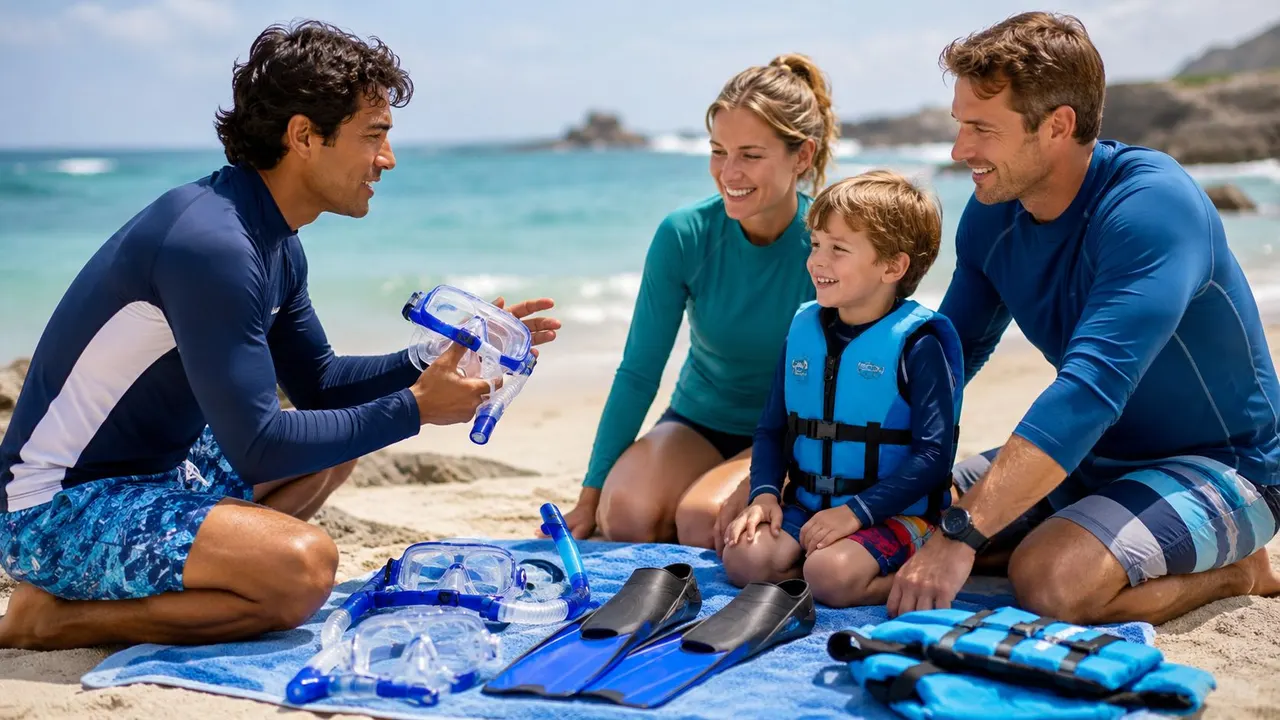
A good mask has to seal cleanly, a snorkel has to feel natural in the mouth, and fins need to help instead of fight the swimmer. For non-swimmers or nervous guests, a flotation vest changes the whole experience because it lets them float without constant effort. That matters when the goal is to stay calm, breathe steadily, and watch fish without dealing with unnecessary strain.
Reef shoes usually are not the main concern on a boat snorkel because you board from the vessel instead of walking across rough shoreline rock. Fit matters more than extras. The crew should be able to adjust the mask strap, test the seal, and check that the snorkel sits comfortably before you go in. If you are still deciding what to pack, the practical gear overview on the Waikiki snorkeling gear rentals page separates what you need from what you can leave at home.
The safety habits that actually matter
Official Hawaii ocean-safety guidance says to snorkel in the morning, avoid high surf, high winds, heavy shorebreak, and strong currents, go with a buddy, avoid dawn or dusk, and never stand on coral source. Those are the habits that keep people out of trouble. Good crews repeat the same points before every departure because they work in real water, not just on paper.
The Hawaii Department of Health also recommends staying out of the ocean for at least 72 hours after heavy rain because runoff can affect water quality, including around Waikiki-adjacent drainage areas. That matters for families because a beach can look inviting and still be the wrong place to get in that day. For a simple rain and water-quality check before you book, use the guidance in the Waikiki snorkel safety guidance for beach conditions.
If a crew gives you simple, repetitive instructions before boarding, that is a good sign. It usually means they would rather slow you down than rush you into the water unprepared.
Best Times, Seasons, and Conditions for Clear Water
The cleanest water in Waikiki usually shows up earlier in the day, before the afternoon wind has had time to rough up the surface. A 9 AM departure usually gives you a better read on the reef than a 2 PM trip, even if both are offered on the same day.
Why early departures usually work better
Afternoon trade winds can knock down visibility, and one Waikiki snorkeling guide says the drop can be noticeable enough to affect what you see below the surface source. That matters for more than photos. Lower visibility makes it harder to track fish and turtles, and beginners often feel less steady when they cannot read the water clearly.
Morning conditions also help with mask fit and breathing comfort. Once the chop builds, first-timers start lifting their heads, tightening straps, and spending energy on small corrections instead of just floating and looking around. Earlier departures cut that extra effort.
Season and rain checks
For steadier water, many travelers do better in the drier part of the year, when morning light and calmer surface conditions give you a better shot at clear snorkeling. Independent Waikiki travel guidance points to May through September as a consistent window, while winter can still work offshore if the swell is manageable source. The calendar matters, but the day's ocean pattern matters more.
Water temperature also plays into comfort, especially for kids, new snorkelers, and anyone who gets cold quickly. A quick check on the Oahu water temperature guide helps you decide whether a thin top or extra cover-up makes sense before you board.
Rain deserves the same attention. After heavy downpours, runoff can affect water quality near shore, so the state's 72-hour guidance is worth taking seriously. If the forecast calls for rain, a family trip is usually safer when you wait for a dry stretch and book the earliest boat out.
A simple booking checklist
- Choose mornings first: Earlier departures usually mean better visibility and less chop.
- Watch the seasonal pattern: Drier months usually give you calmer conditions to work with.
- Do not count on the afternoon improving: Wind often builds as the day goes on.
- Treat rain as a real factor: After heavy rain, water quality deserves caution before anyone gets in.
Booking, Pricing, and When to Choose a Private Charter
Booking a snorkel trip in Waikiki is less about clicking the first available seat and more about matching the boat to your group's tolerance for motion, noise, and crowding. The right trip can feel smooth from the moment you check in. The wrong one starts with confusion at the dock and ends with people asking when they can get back to shore.
What to ask before you buy
You want to know what gear is included, whether a flotation vest is part of the package, and whether an in-water guide is on board. Those details change the comfort level for beginners far more than a glossy description does. If a boat includes instruction and gear, that usually means less scrambling on departure morning and fewer surprises once you're aboard.
You also want to ask about hidden add-ons. Photos, parking, premium seating, snacks, and transfer fees can appear after the base fare looks settled. Direct booking usually gives you a better read on what's included than a third-party listing that trims the details.
When a private charter is worth it
A private boat makes sense when the group dynamic matters more than the lowest seat price. That's true for family reunions, corporate outings, weddings, and smaller celebrations where you don't want strangers sharing the deck. It also works for mixed-age groups that need a slower pace and want the crew focused only on them.
For a charter comparison, the private boat charter cost guide is the clearest starting point. One thing I'd keep in mind from years around the harbor, if the trip is supposed to feel personal, private often beats “just big enough” group seating.
Rule of thumb: If your group needs boarding help, extra pacing, or room for a celebration setup, private stops being a luxury and starts becoming a control decision.
Accessibility and Comfort for Non-Swimmers and Multi-Generational Groups
The hardest booking questions are usually the most practical ones. Can grandma get on the boat comfortably? Can a non-swimmer still enjoy the trip? What if one kid loves the water and the other won't leave the ladder? Good operators answer those questions before you show up, not after.
What serious operators plan around
Some boat tours now invite guests with mobility concerns to call ahead so the crew can arrange boarding help and other details. That call matters because accessibility isn't just about whether someone can physically step aboard, it's about whether they can do it without stress, rushing, or embarrassment. When a captain knows the guest mix in advance, the whole boarding process usually goes smoother.
That's also why multi-generational groups should ask about pace and flotation options before booking. A guest who doesn't want to snorkel much may still enjoy the ride if the boat has shade, stable seating, and a calm entry plan. If the water portion isn't a fit, the shore-side Marine Life Conservation District in front of Queens Beach and Sans Souci Beach is a useful alternative because it gives visitors a more flexible way to see reef life without committing to a boat day source.
What to ask on the phone
- Boarding help: Ask whether the crew can assist with steps, ladders, or slower entry.
- Float support: Confirm that flotation vests are available for weaker swimmers.
- Pace control: Ask whether the trip works for guests who want shorter water time.
- Seating and shade: Check whether older adults will have a comfortable place to sit.
Living Ocean Tours is often mentioned by families and multi-generational travelers because its departures are built around guided snorkel access, not just a boat ride.
Eco-Conscious Viewing and Reef-Safe Behavior
A lot of visitors think reef etiquette is about being polite. It's really about staying safe, protecting the animals, and avoiding problems that could've been prevented in one second. Turtle Canyon makes that especially clear, because it's a cleaning station, not a petting area.
Why distance matters
Green sea turtles come to the surface so reef fish can clean them. If you crowd them, you interrupt that behavior and make the encounter worse for everyone. Hawaii Department of Land and Natural Resources rules require people to keep their distance from wildlife, and that matters most when the animal is resting, surfacing, or changing direction in a narrow channel.
Touching coral is another hard no. Coral can injure your skin, and your fins can injure the reef. The two-way damage is why good crews keep repeating the same rule, stay off the bottom, don't stand on the reef, and don't reach for anything that looks interesting.
The practical reef-safe habits
Use reef-safe sunscreen, move slowly, and let turtles choose the interaction. If a turtle swims near you, stay still and give it space. If you need orientation, ask the guide, don't grab the reef or kick downward.
The Oahu reef etiquette guide is worth reading before you go because the best snorkelers are the ones who understand that their behavior changes the encounter. Calm guests see more, and they leave the reef better than they found it.
Choosing Your Trip and Quick Answers for First-Time Bookers
The simplest way to choose is to match the trip to the traveler, not the other way around. Families with young kids usually do best on a boat with extras and shorter water blocks. First-time snorkelers want a guide-heavy trip and an early launch. Couples looking for a date-night vibe should skip the “lots of reef time” mindset and lean into sunset.
Best match by traveler type
- Family with younger kids: Choose a deluxe wildlife cruise or a short Turtle Canyon-style outing.
- First-time snorkeler: Choose the most guide-heavy option and book the earliest departure you can.
- Couple on a sunset date: Pick a sunset cruise and treat the water as bonus, not the point.
- Winter wildlife traveler: Choose whale watching during the seasonal window.
- Private event planner: Charter the boat if the group wants privacy, control, and a custom pace.
Quick answers people ask me all the time
What should I bring? Usually a towel, swimwear, sunscreen that's reef-safe, and anything the operator says is needed for boarding or comfort. Gear is often provided on guided trips, so check the listing before overpacking.
Will beginners be okay? Yes, if the trip includes instruction, flotation options, and a crew that watches the water. A calm morning helps more than people think.
What about seasickness? Pick a smoother morning departure and don't load up on heavy food right before boarding. If you know you're sensitive, say so early.
What about weather calls? Good crews pay attention to surf, wind, and rain, not just the calendar. If conditions look wrong, they should say so.
If you want turtles, the Turtle Canyons snorkel excursion is the natural fit. If your group wants more play space, the Waikiki snorkel and wildlife cruise gives you a different pace. For evenings, the Waikiki sunset cruise makes the coast itself the attraction, and winter travelers should keep the whale watch tour on the list.
If you want a crew that knows how to read the wind, pace beginners, and keep a family comfortable from dock to dock, take a look at Living Ocean Tours. They run guided snorkel trips, sunset cruises, whale watching, and private charters out of Waikiki with the kind of practical attention that makes the day feel easy.


