
Waikiki Beach Snorkeling: A Complete Guide for 2026
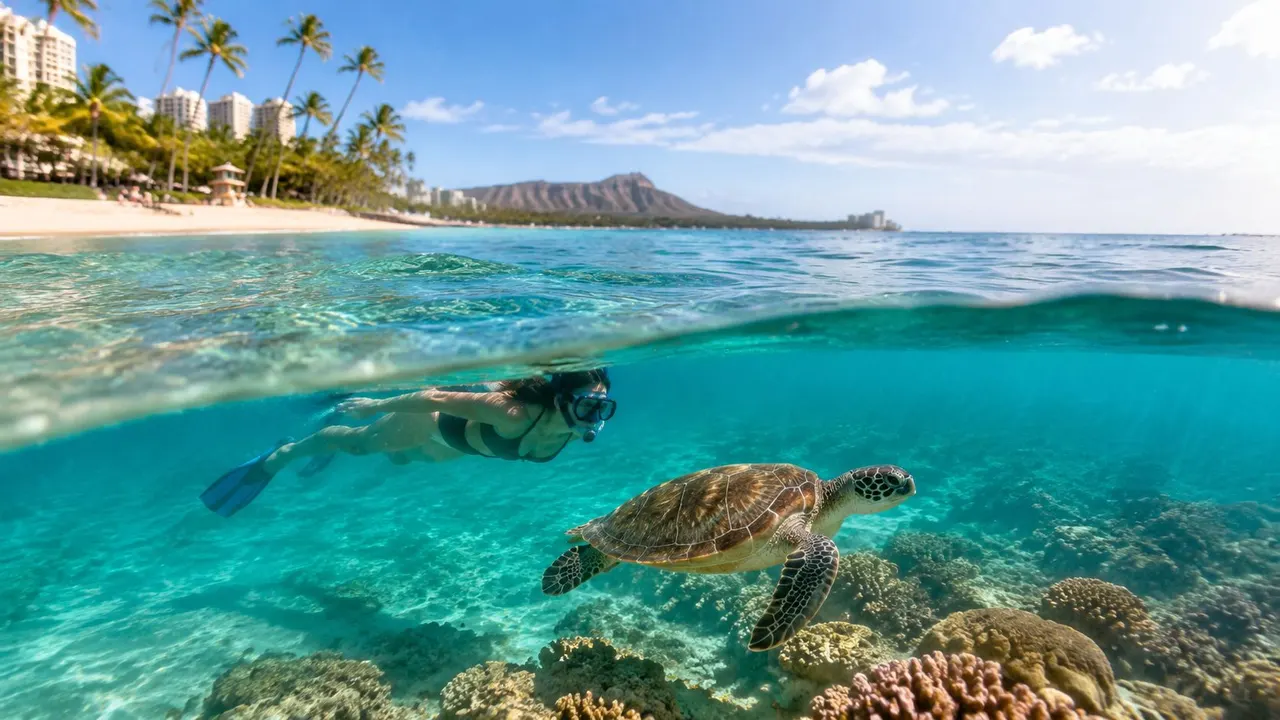
Your family has the swimsuits, the masks are packed, and everyone's asking the same question at breakfast, can we just walk into Waikiki and snorkel from the sand, or do we need a boat to see anything worth the effort? Waikiki Beach snorkeling can be both simple and rewarding, but only if you match the spot to the day, the current, and the kind of marine life you want to see. The shoreline looks relaxed, yet Waikiki is also one of Honolulu's highest-use guarded beach areas, and that mix of comfort and crowding shapes everything from safety to visibility.
In 2022, Waikiki had an estimated 9,322,325 beach attendees, plus 963 rescues, 2 drownings, and 85 surfing accidents recorded by Ocean Safety, which is why judgment matters so much here City and County of Honolulu data. For snorkelers, that means the beach isn't just a postcard setting, it's a busy marine recreation zone where beginners, families, and casual swimmers share a compact stretch of coast. This guide helps you sort out the easy shore entries, the boat-only experiences, the gear that makes a difference, and the simple rules that keep a calm day from turning into a stressful one.
Introduction to Waikiki Beach Snorkeling
A couple steps off the hotel path, a child already clutching a mask, and a parent asking whether the water looks calm enough, that's the usual Waikiki scene. The appeal is obvious. You can stay in town, walk to the beach, and still have a shot at fish, reef edges, and, on the right day, turtles.
The challenge is that Waikiki is not one uniform snorkel site. The sand in front of the busy beach can feel inviting, but the better snorkeling often sits near protected reef areas rather than the broad, open front everyone notices first. That difference is why two people can leave the same shoreline with very different opinions about the water.
Practical rule: if the main question is convenience, shore snorkeling can work. If the question is marine-life quality, the decision usually shifts toward a protected reef entry or a boat.
Because Waikiki is so heavily used, it rewards swimmers who think like ocean readers instead of just beachgoers. The crowd size, the guarded shoreline, and the changing surf all affect comfort, visibility, and how much room you'll have to move. A family looking for a quick first snorkel needs a different plan than a couple hoping for a turtle encounter or a clearer, less crowded view underwater.
That's the value of Waikiki Beach snorkeling. It's not about forcing one answer. It's about knowing when the sand gives you enough, and when the ocean asks you to step up to a tour or a more sheltered entry.
Choosing the Best Snorkeling Spots and Conditions
The easiest way to think about Waikiki is to separate shore snorkeling from boat snorkeling. On calm days, the reef-fringed spots near Queen's Beach and Sans Souci can give you reasonable visibility and simple access, while a boat trip can take you to places with clearer water and more consistent marine life. A guide to these shore-accessible spots reports 10–30 feet of visibility on calm days, while offshore Turtle Canyon can reach 30–50 feet but requires a boat visibility comparison.
Shore access versus boat access
If you're traveling with kids, new swimmers, or anyone who wants the easiest possible entry, shore access is usually the first filter. Queen's Beach, Sans Souci, and the reef areas near the Waikiki Marine Life Conservation District are the main sand-to-reef options, while Turtle Canyon sits offshore and isn't something you can easily swim to from Waikiki Beach. For a broader comparison of Hawaiian snorkel destinations, you can also compare reef styles through this local overview of Oahu snorkeling areas.
| Spot | Access | Typical Visibility (ft) | Best Time |
|---|---|---|---|
| Queen's Beach | Shore | 10–30 on calm days | Early morning |
| Sans Souci | Shore | 10–30 on calm days | Early morning |
| Turtle Canyon | Boat | 30–50 | Morning boat departures |
Conditions that change the water
Visibility in Waikiki depends on more than wave height. East trade winds around 15–20 mph can flatten nearshore chop, and a small northwest swell may still leave only a light ripple inside sheltered reef pockets, which is why protected water often feels far better than open shoreline conditions report. Another local guide notes that water clarity is especially sensitive to runoff from the Ala Wai Canal after rain, and recommends avoiding snorkeling for 72 hours after heavy rainfall rain and runoff guidance.
If you want the simplest decision rule, use this one, calm morning plus sheltered reef for shore snorkeling, boat excursion for better clarity and more dependable turtle-focused encounters.
The strongest practical window is usually the one with the least disturbance, less wind, less runoff, and less sand kicked up by other swimmers. That's why many visitors do better by choosing one protected entry instead of wandering the whole beach hoping conditions improve by luck. Waikiki rewards timing.
Essential Gear for Your Snorkel Adventure
Good gear doesn't make the ocean calm, but it does make a calm day easier. A mask that fits your face well is the first priority, because a leaky mask turns a relaxed swim into constant fussing. Fins matter next, not because they look technical, but because they help you move without kicking as hard in shallow water.
A snorkel vest or lifejacket is smart for beginners and kids, especially when the goal is comfort rather than speed. It keeps you higher in the water, which makes breathing feel less awkward and gives you a margin if you get tired. For many families, that small bit of float support changes the whole experience.
What to pack and why
- Mask and snorkel: Bring your own if you already know it fits, since face seal matters more than brand names.
- Fins: Choose a pair that feels snug, not loose, because slipping fins waste energy.
- Snorkel vest or flotation aid: Helpful for beginners, nervous swimmers, and older travelers who want less strain.
- Reef-safe sunscreen: Use it before you enter, since sunburn comes fast when you're floating face-down.
- Mesh gear bag: Keeps wet equipment draining instead of sitting in a soggy pile.
- Quick-dry towel: Easier to carry than a bulky beach towel if you're walking from a hotel.
- Dry bag or small backpack: Useful for phones, keys, snacks, and a clean shirt after the swim.
If you're debating renting or bringing gear, think about fit and convenience. Your own mask is often worth packing if it seals well, while fins and flotation gear can be easier to rent or borrow if you're light on luggage. A practical checklist for Waikiki visitors is available in this snorkeling gear guide.
The main mistake first-timers make is overpacking and underfitting. A lightweight setup wins in Waikiki because you'll likely walk, pause, and re-enter a few times before you settle into the water. Keep the kit simple and comfortable, and the swim feels a lot less like a project.
Safety Guidelines and Ocean Etiquette
A busy beach can feel safer than a remote one, but snorkeling safety still starts with your own choices. Waikiki's shoreline has lifeguards in many areas, yet current, surf, and visibility can change faster than a family can adjust masks and fins. That's why the smartest move is to treat the water like a shared space that needs constant checking, not a fixed playground.
The reason to be careful is clear from Hawaiʻi's history. Between 2012 and 2021, there were 204 snorkeling-related deaths in Hawai'i, and about 90% involved tourists, which is a strong reminder that guided instruction and local knowledge matter snorkeling safety summary.
What to check before you enter
Start with the lifeguard station and the surf conditions. If the entry looks murky, choppy, or crowded with swimmers and board users, move somewhere calmer or skip the session. If you're with a group, make one person the condition checker, so everyone isn't making separate guesses.
How to behave in the water
- Stay off coral: Standing on the reef can injure both you and the habitat.
- Keep space from fish and turtles: Close enough to observe, far enough to avoid crowding.
- Use the buddy system: Never drift out solo, even in water that looks gentle.
- Exit if conditions change: A small increase in swell can turn an easy entry into a hard return.
- Respect other swimmers: Don't cut across someone's path or kick up sand in a crowded zone.
For a simple local reference on reef behavior, the Oahu reef etiquette guide is worth a look before you get in.
Best habit: if you're asking whether it's still okay to stay in, you've probably already spent enough time thinking about it. Get out, regroup, and check the beach again.
Ocean etiquette isn't just about being polite. It protects your visibility, the reef, and the people around you, and it keeps a good day from becoming a rescue call.
Tips for Families and Beginners
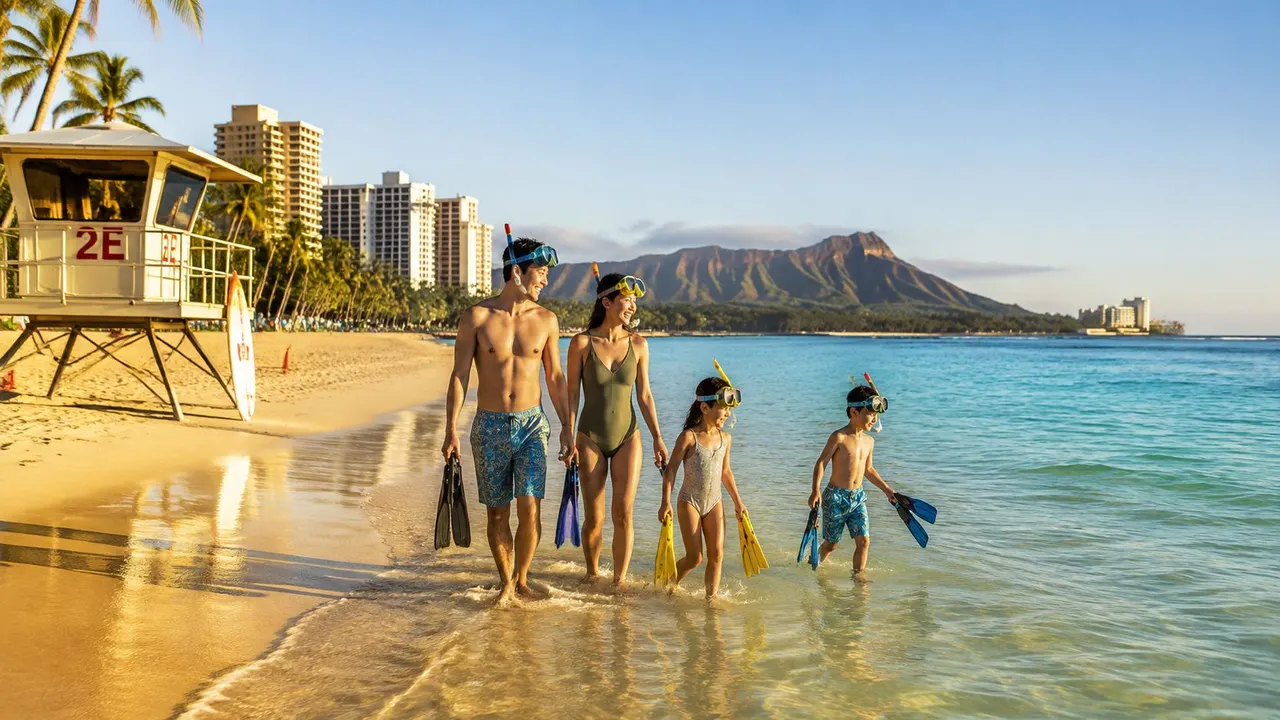
Families do best in Waikiki when they treat the snorkel session like a short, supervised outing instead of a long endurance event. The calmest beginner-friendly water is typically in the Marine Life Conservation District near Queen's Beach, and summer usually brings the best visibility and wind conditions for that area beginner conditions guide.
Start early, stay close, and keep expectations modest. A child doesn't need an epic reef to enjoy snorkeling, they need a comfortable mask, a clear patch of water, and an adult who isn't rushing the pace. That same logic helps grandparents and cautious swimmers, too.
A simple family decision rule
Choose a lifeguarded shore area when the morning is calm, the water looks clear, and everyone can stay within sight of the beach. If the group includes a nervous swimmer, use a flotation aid and keep the first session short. The goal is confidence, not distance.
A few small habits make the outing easier:
- Rotate swimmers: Let one person snorkel while another rests on shore or in shallow water.
- Use sandbars for breaks: A quick pause in waist-deep water can reset tired legs and anxious minds.
- Pair kids with one adult each: It prevents the “which child is where” problem when the group spreads out.
- Keep snacks and shade nearby: Hunger and sun exposure shorten attention fast.
For groups that want more structure, local guides often point families toward protected reef sections rather than open sandy stretches, because the entry is simpler and the underwater terrain is easier to read. That matters when someone asks for a second round five minutes after the first one ends. Comfort usually wins over ambition.
Understanding Seasonality and Wildlife Encounters
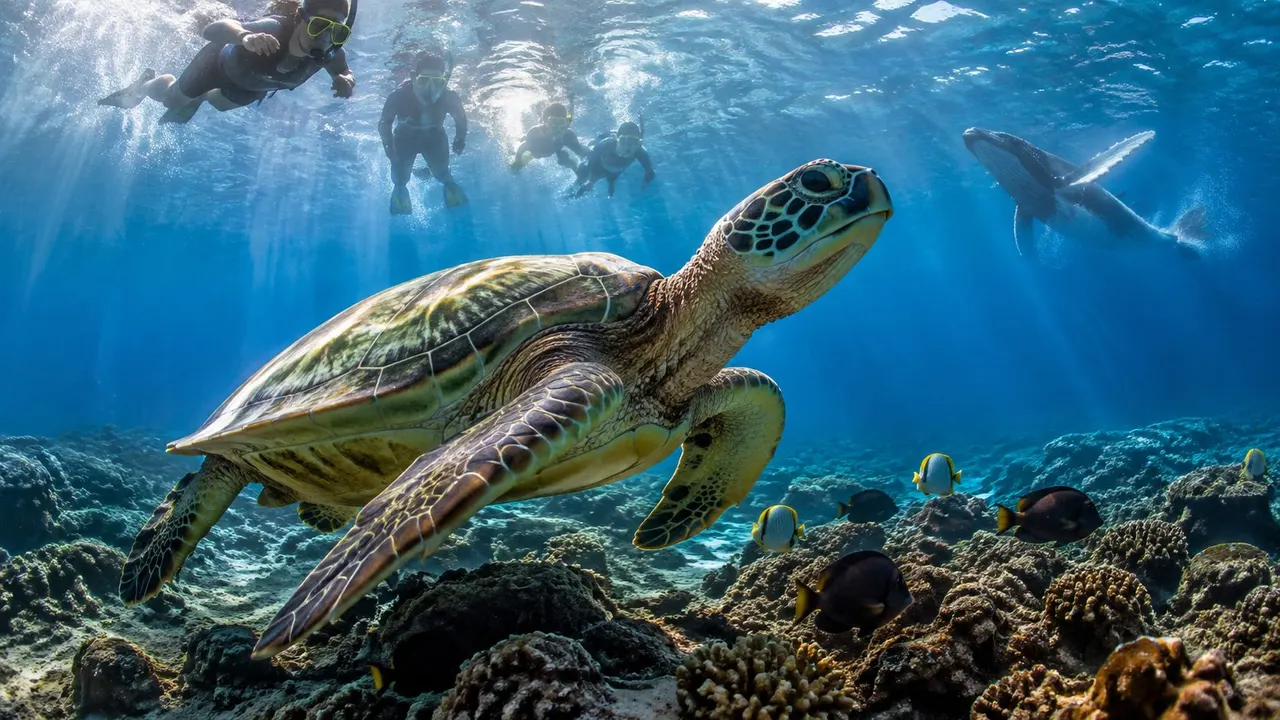
Timing shapes what you see more than most visitors expect. In Waikiki, clear water and calmer wind tend to line up best from May to September, with early-morning sessions often offering the cleanest look at the reef because the water hasn't been stirred up yet seasonal visibility guidance morning window guidance. Another guide adds that the clearest conditions are usually from May to early October, with the best window often being sunrise to 10 a.m. same seasonal report.
That pattern is useful because it tells you when shore snorkeling has the best chance of looking clean and comfortable. It doesn't guarantee perfect water, but it does stack the odds in your favor when you're planning a family trip or trying to fit in one snorkel before lunch. Morning calm matters in a place where wind and crowds can change the surface quickly.
Turtles, whales, and what “seasonal” really means
Turtles are the most reliable wildlife goal in Waikiki because the reef and the offshore ecosystem support year-round encounters, especially around known cleaning and reef areas. Whale viewing is different. Hawaiʻi's whale season is tied to the winter migration, and visitors who want that experience usually plan it separately from a snorkel-only outing.
If you're mapping out a trip around wildlife rather than just a beach day, the timing logic is simple. Use warm, clear mornings for snorkel visibility, and look to the winter months for whale activity on the water. For one local seasonal reference that groups summer clarity and wildlife timing in a practical way, see this May snorkel guide.
The bigger lesson is that wildlife encounters are never guaranteed on command. The ocean doesn't issue appointments. What you can control is when you go, where you enter, and whether you choose a calm shore section or a more focused boat route.
Tour Options with Living Ocean Tours
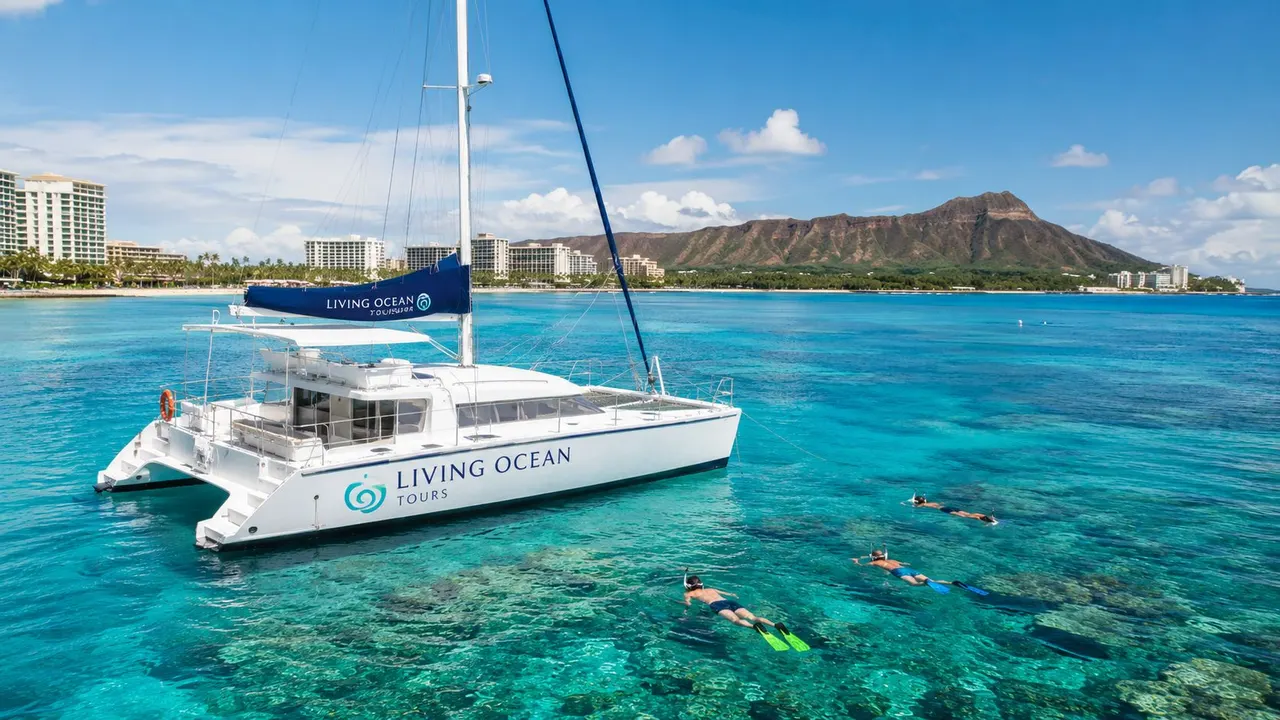
When shore snorkeling feels too dependent on conditions, a boat can make the day simpler. Living Ocean Tours offers guided snorkeling trips from Waikiki with equipment, instruction, and in-water support, and it also runs a Turtle Canyons Snorkel Excursion and a Deluxe Waikiki Snorkel & Wildlife Cruise for guests who want a more structured ocean experience. If you're comparing options, the company's Waikiki snorkeling tours page is the place to start.
The practical value of a tour is easy to understand. You don't have to guess about entry points, gear, or whether the route you picked will deliver a better look at the reef. For first-timers, that support can matter more than trying to solve the day from the beach.
When a boat makes more sense
A boat is the better call when your goal is clearer water, a more predictable marine-life encounter, or a day that feels less dependent on shore conditions. That's especially true if your group includes people who want snorkeling but don't want the logistics of walking gear down the beach and testing conditions on the fly. Turtle-focused trips also make more sense offshore, since the better turtle experience sits beyond a simple sand entry.
The Deluxe Waikiki Snorkel & Wildlife Cruise adds a waterslide, water trampoline, and lily pad, which makes it easier for mixed-age groups to enjoy the day even if not everyone wants to snorkel the whole time. That blend of play and water access can help families stay together instead of splitting into “swim people” and “sit on the beach” camps.
For travelers who want one booking to cover instruction, gear, and a guided water plan, a tour removes a lot of guesswork.
The review widget below belongs here because this is the section where a boat option makes the most sense for readers comparing solutions.
Sustainable Wildlife Viewing Practices
The easiest way to enjoy Waikiki and leave it healthy is to act like a guest, not a collector. Coral, fish, turtles, and sand flats all look durable from the surface, but they're easy to disturb with a careless kick, a hand on the reef, or a too-close chase after a turtle. Responsible snorkeling keeps the experience better for the next family and safer for the wildlife you came to see.
Start with the obvious but often ignored habits. Don't touch coral, don't feed fish, and don't crowd turtles just because they're calm. A respectful distance matters more in shallow water, where a few extra kicks can stir sediment and reduce visibility for everyone nearby.
Small choices that protect the reef
- Use reef-safe sunscreen: Put it on before entering the water so you're not coating the reef during the swim.
- Enter and exit carefully: Step where the bottom is sandy or already used, not onto living reef.
- Keep movements smooth: Fast kicking and sudden turns kick up sand and stress marine life.
- Watch before you swim closer: Let the animal choose the distance whenever possible.
- Leave shells and coral in place: The beach looks cleaner when everyone takes only photos.
Those habits matter in Waikiki because the area is already busy and heavily used. The more people who enter the water with patience, the less the reef has to absorb from human traffic. That's not abstract conservation language, it's the difference between a clear, relaxed snorkel and one that turns cloudy around you.
Good rule: if you'd be annoyed by someone crowding your space at the beach, give the same courtesy to the fish and turtles.
There's also a practical side to sustainability. A healthier reef usually means a better snorkel day, with cleaner water, calmer movement, and more enjoyable encounters. The beach stays more usable when everyone treats it like shared habitat rather than a backdrop.
If you want help choosing between a shore entry and a guided boat trip, start with the conditions and your group's comfort level, then book the option that matches your day instead of forcing the water to fit your plan. Living Ocean Tours offers guided snorkeling and wildlife cruises that take the guesswork out of Waikiki planning, and you can explore the options directly at Living Ocean Tours.


