
Waikiki Beach Snorkeling: A Complete Guide for First-Timers
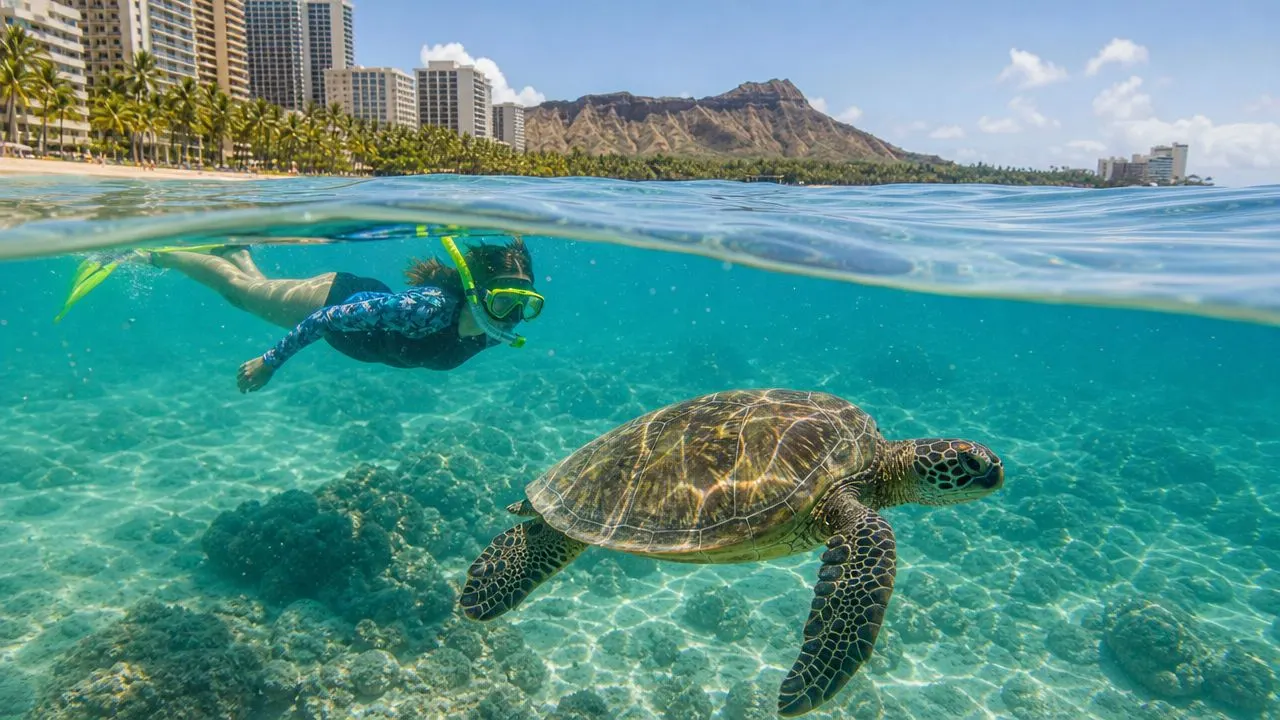
You can stand on a Waikiki hotel balcony, look down at the water, and wonder if it's worth packing a mask at all. The honest answer is yes, but only if you know what kind of experience you're buying. Waikiki Beach snorkeling is rarely about dramatic coral walls right off the sand, it's about convenience, calm entries, and deciding whether a quick shore dip is enough or whether a boat out to Turtle Canyon is the smarter call.
What Waikiki Beach Snorkeling Actually Feels Like
A first-time snorkeler usually steps off the sand at Waikiki expecting a postcard reef. What they find instead is a shallow, busy coastline where the water is often calm enough to make the whole thing feel easy, but not automatically wild or remote. That's not a flaw, it's the point of Waikiki snorkeling for many visitors.
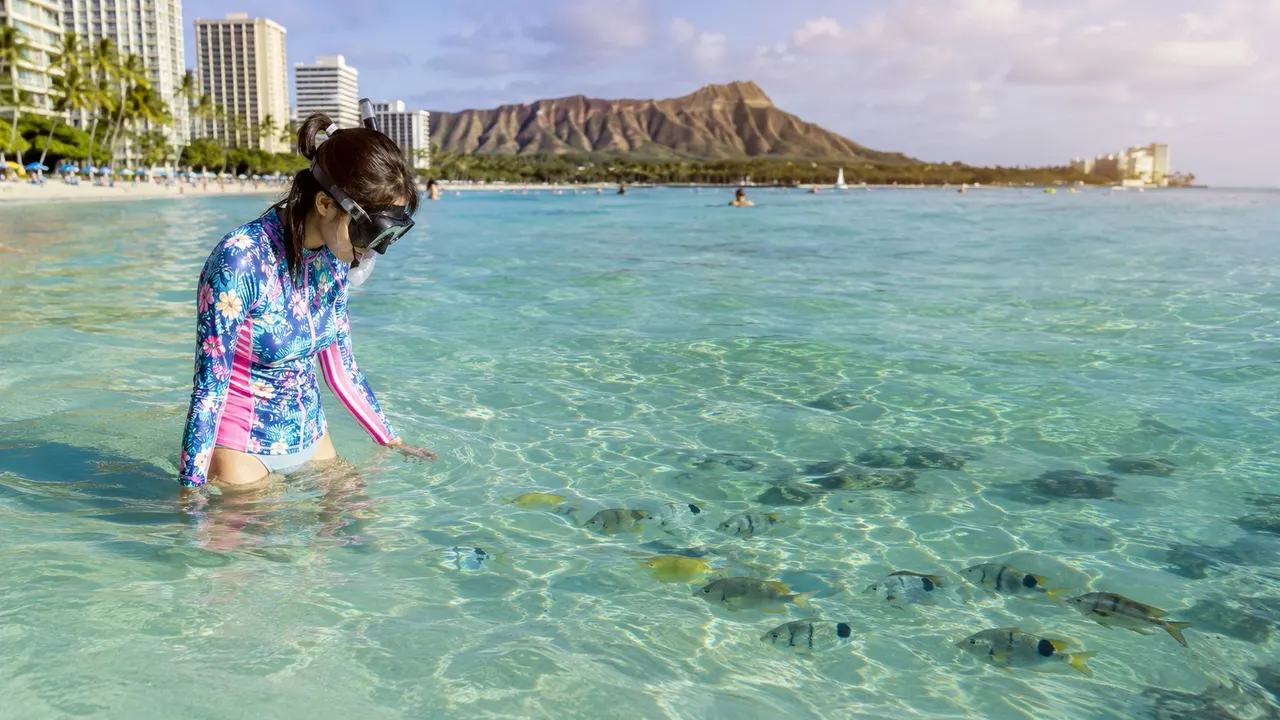
The shoreline version is built for ease
The nearshore part of Waikiki is popular because it's simple to enter, often shallow, and easy to supervise. Honolulu travel guidance notes that Waikiki Beach lifeguards oversee more than 4 million beach visitors each year, and independent safety reporting placed Waikiki Beach among Hawaii's five deadliest beaches, alongside Hanauma Bay, Black Rock, Kahanamoku Beach and Lagoon, and Molokini Island, which tells you this stretch is both heavily used and actively managed for risk. Waikiki snorkeling guidance makes it clear that the appeal here is accessibility, not a remote reef expedition.
That's why the experience feels different from the dramatic underwater scenes used in marketing. From shore, you're more likely to see a practical cross-section of tropical fish and the occasional turtle than the dense coral imagery people associate with top reef destinations. The environment is designed for families, beginners, and anyone who wants an easy first shot at the water without committing to a half-day boat trip.
Practical rule: if you want the beach version, go in expecting convenience first and spectacle second.
The boat version changes the whole equation
Once you leave the shoreline, the mood shifts. Operators describe Turtle Canyon as a natural cleaning station used by Hawaiian green sea turtles, and that offshore setting usually delivers cleaner water and more reliable wildlife viewing than the beach itself. Living Ocean Tours reports a turtle sighting rate of more than 95% on its Turtle Canyons snorkel excursion, which is unusually high for a wild-marine experience and explains why many visitors treat it as the signature Waikiki snorkel. Turtle Canyon details support the broader pattern too, nearshore snorkeling is convenient, while offshore boat access is where the richer marine life usually shows up.
The takeaway is simple. If you want an easy ocean start, Waikiki shore snorkeling makes sense. If you want the stronger wildlife payoff, you'll probably be happier offshore.
Shore Snorkeling Versus Boat Excursions
The first decision most visitors face is whether to walk straight into the water from the beach or book a boat. That choice matters more in Waikiki than in many other places because the shore and offshore experiences are distinctly different, not just different price points.
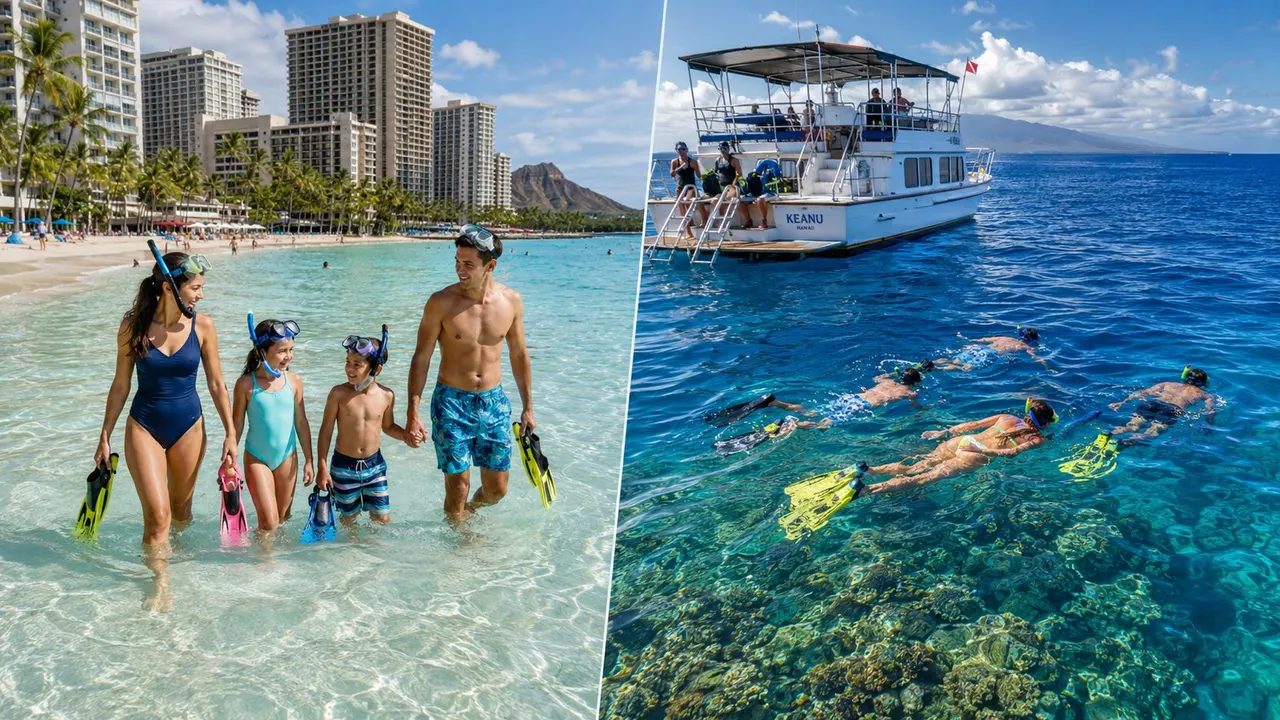
Shore entry works best for confidence and convenience
Shore snorkeling in Waikiki is the straightforward option. You bring your own gear or rent nearby, walk in from a manageable entry point, and get a feel for the water without committing to a tour schedule. That makes it ideal for nervous swimmers, families with small kids, and travelers who just want a low-friction ocean session before breakfast or between sightseeing stops.
The trade-off is habitat. Nearshore Waikiki is not the place to expect dense coral gardens, and multiple neutral guides describe the shoreline as limited for reef structure compared with offshore sites. That means shore snorkeling can still be enjoyable, but the payoff is usually smaller fish encounters, calmer water, and the satisfaction of an easy swim rather than a dramatic marine show. For a practical beach-to-boat comparison, see this Waikiki snorkel overview.
Boat excursions solve the visibility problem
Boat trips take more effort, but they also solve the biggest complaints people have about shore snorkeling. You get beyond the hotel-front chop, away from the heaviest beach traffic, and into water where wildlife encounters become more dependable. That's why Turtle Canyon sits at the center of the guided-snorkel conversation.
For travelers who want the simplest decision rule, use this:
- Choose shore snorkeling if you want a short, flexible, beginner-friendly ocean experience.
- Choose a boat excursion if you want clearer water, more marine life, and a better chance of seeing turtles.
- Choose both if you're in Waikiki for more than a day and want to compare the two moods for yourself.
If you're still undecided and want a boat-based alternative to the beach, the Deluxe Waikiki snorkeling and wildlife cruise gives you the offshore format without making the day feel too serious.
Best Shore Snorkeling Spots in Waikiki
The most useful shore-snorkeling stretch sits south of the hotel strip in the Marine Life Conservation District in front of Queens Beach. One practical guide places the district from the Kapahulu Groin at Kalakaua Avenue and Kapahulu Avenue to the north wall of the Natatorium, with the best entry area on the south side in front of the Waikiki Aquarium seawall. Queens Beach guidance gives you the clearest mental map for where to walk, where to pause, and where to enter.
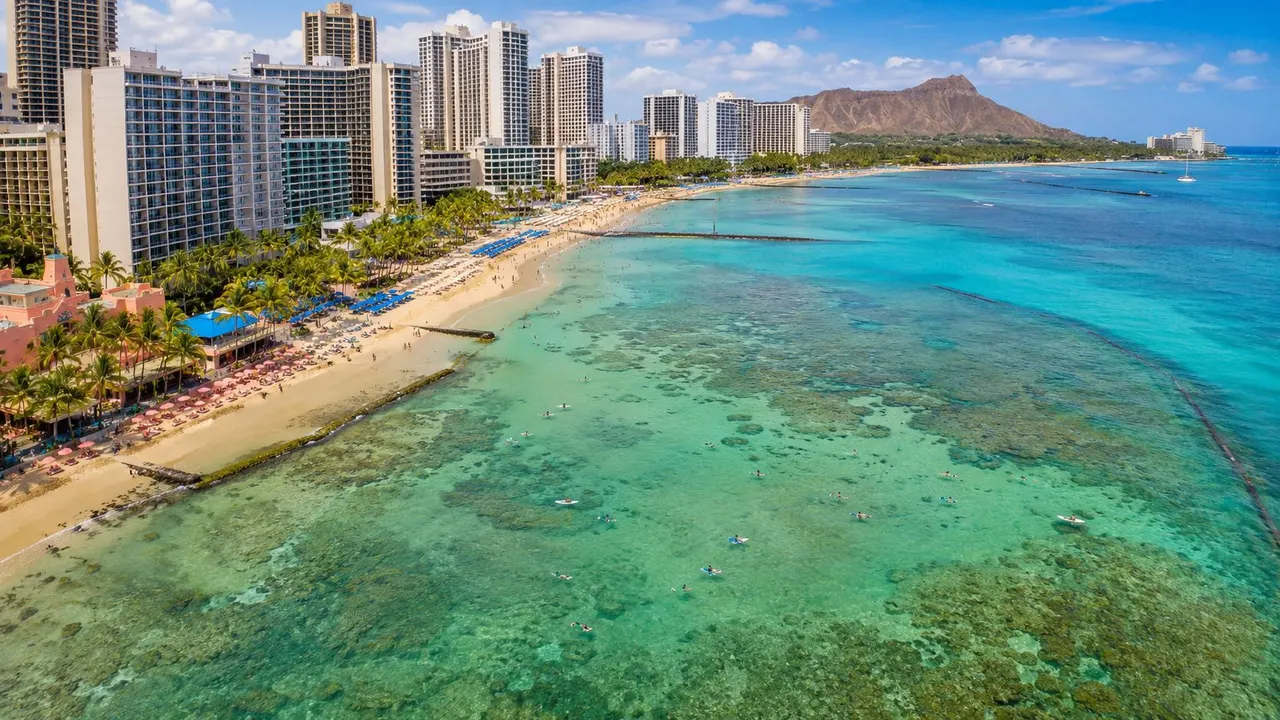
Queens Beach and Kuhio Beach serve different beginners
Queens Beach is the more practical choice if your goal is a genuine shore snorkel with a chance at seeing more than just swimmers passing by. It's the place people usually mean when they talk about the best natural shoreline zone in central Waikiki. Kuhio Beach, by contrast, is the safer-feeling starter zone because its protective walls create one of the calmest swim areas in Waikiki, which is useful for first-timers and families who want less surge and less uncertainty. Calm-water guidance for Kuhio Beach lines up with what experienced operators tell guests all the time, calm water matters more than almost anything else.
Sans Souci Beach belongs in the same conversation for casual snorkelers because it's one of the more accessible entries when conditions are right. A practical Waikiki snorkel guide says shore visibility can often sit around 10 to 30 feet at spots like Sans Souci and Queen's Beach, which is enough for a pleasant swim and fish spotting on a calm morning. Waikiki shore conditions are a reminder that you're not chasing aquarium clarity, you're chasing a clean, manageable beach window.
Walk the beach with the conditions, not against them
The easiest mistake is to pick a spot before checking the water. A sheltered-looking beach can still have awkward shorebreak, and a pretty morning can turn rough if the wind shifts. If you want the boat version instead of the beach version, the Waikiki snorkeling spots page is the cleaner path.
Don't force a shore snorkel because it's convenient. In Waikiki, convenience is only a win when the ocean is cooperating.
When to Go for the Clearest Water and Calmest Seas
A late start is usually the wrong move in Waikiki. If you want the clearest nearshore water, get in early, ideally within about two hours after sunrise, before wind, foot traffic, and stirred-up sand change the surface. That window matters most for shore snorkeling, where even a small shift in chop can decide whether the entry feels easy or messy. Local timing guidance matches what operators see every day, early usually wins.
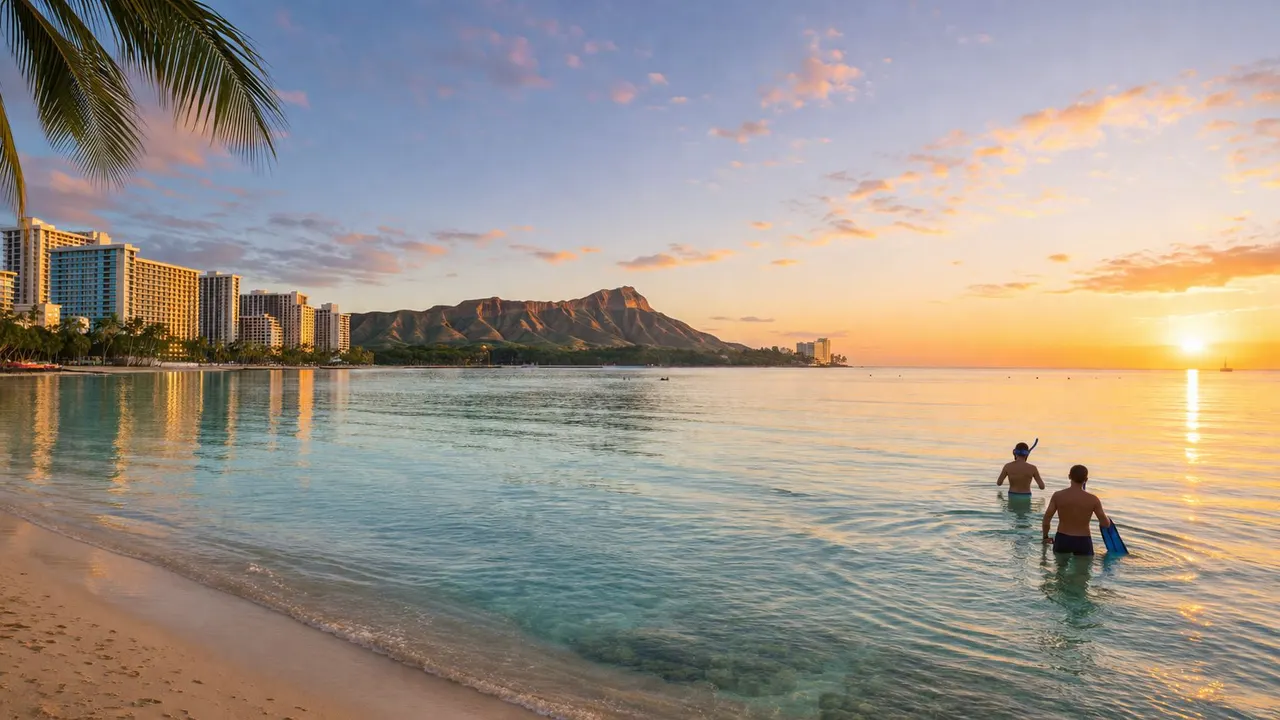
Morning beats almost every other window
For casual shore snorkelers, morning gives you the cleanest trade-off. The water is usually calmer, and fish tend to move more naturally before the beach gets busy. One Waikiki guide says the best sessions are usually in the morning, when you are less likely to fight chop and more likely to see movement along the shallow reef line. Visibility and timing guidance points to the same pattern.
Seasonal timing matters too, and it changes how you should plan the day. A 2026 guide calls June through September the sweet spot for better conditions, while another source recommends sunrise to about 10 a.m. or late afternoon when winds and crowds are lower. Seasonal timing guidance reflects the practical trade-off. Summer often brings calmer water, but the ocean still roughens as the day goes on. If you are trying to judge comfort, check Oahu water temperature and conditions along with the wind and surf before you suit up.
Read the water before you zip up your mask
This is not about chasing an exact clock. It is about choosing the window that gives the ocean the best chance to cooperate. If you arrive late, see wind chop, and notice sand getting stirred up nearshore, shorten the session or move to a more protected entry.
Best practical habit: check the water first, then decide whether the snorkel is worth the effort.
If you are planning around visibility, shore spots often sit around 10 to 30 feet, which works fine for a casual outing but does not match offshore clarity. Waikiki water conditions make that difference clear, and that is why early mornings keep winning.
Safety, Gear, and Snorkeling With Kids
Waikiki is one of Hawaii's most heavily visited coastal areas, and that matters because crowded beaches plus changing ocean conditions create real risk. Honolulu travel reporting says lifeguards oversee more than 4 million beach visitors each year, and independent safety reporting has placed Waikiki Beach among Hawaii's five deadliest beaches, alongside Hanauma Bay, Black Rock, Kahanamoku Beach and Lagoon, and Molokini Island. Waikiki safety and visitor context is a reminder that this is a managed ocean environment, not a pool.
Conditions tell you when to stop
The safety rule I tell nervous snorkelers is blunt. If you have to work to stay in place, the water is already telling you to back out. High surf, heavy shorebreak, and strong currents are poor conditions for snorkeling, and local ocean safety guidance treats them that way for a reason. Hawaii ocean safety guidance also recommends lifeguard-backed locations because conditions can change fast, even when the water looks inviting from the sand.
Gear should make you safer, not just look complete
Beginners and children benefit from flotation because it reduces fatigue and makes them easier to spot. A snorkeling vest or life jacket is the smarter choice than trying to tough it out with minimal support, especially in a place where beach entry can still be deceptive. For families, the practical goal is simple, stay relaxed, conserve energy, and keep the snorkel experience easy enough that nobody starts panicking mid-swim. Family snorkeling guidance aligns with that approach.
I'd also skip the showy gear choices that don't help you in the water. Reef shoes can protect your feet on rough entries, but they don't solve flotation or fatigue. If you're deciding between comfort and coral protection, prioritize the gear that keeps you stable, visible, and calm.
Safety rule: choose the calmest legal entry, use flotation for kids and beginners, and leave the water before you start wrestling it.
What a Guided Snorkel Tour Looks Like
A guided snorkel day starts before you ever touch the water. You check in at Kewalo Basin Boat Harbor near Waikiki, collect gear, listen to the crew, and let someone who knows the local conditions steer the day. Living Ocean Tours operates daily snorkel excursions from near Waikiki, and its trips are built around that practical format, gear, instruction, and guides included. The company's Turtle Canyons Snorkel Excursion takes guests offshore to the turtle cleaning station, and the Deluxe Waikiki Snorkel and Wildlife Cruise gives families a lighter, more playful alternative.
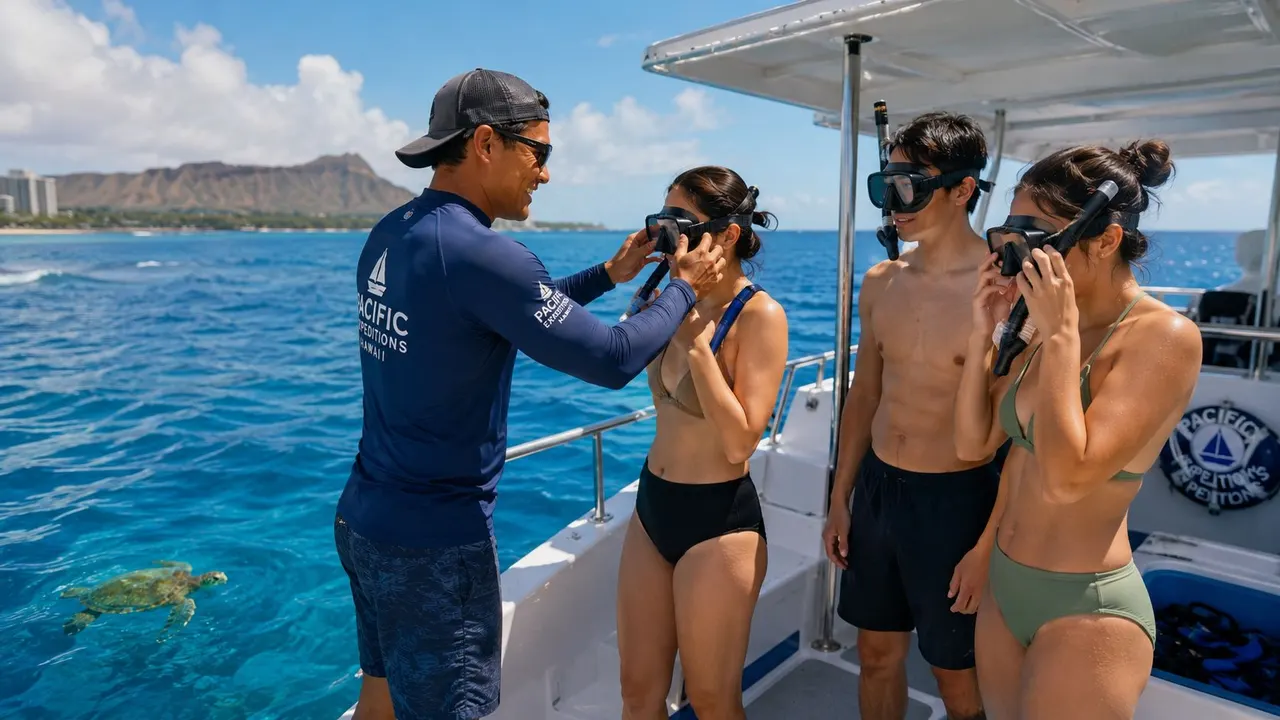
Turtle Canyon is the signature draw
Turtle Canyon gets attention because wildlife viewing is usually more consistent there than from shore. Operators describe it as a natural turtle cleaning station, and first-time visitors often choose the boat because it gives them a known destination instead of guessing where the best water might be. Turtle Canyon excursion details spell out why that matters for anyone who wants a clearer shot at seeing marine life without spending the day searching.
Guided snorkeling also cuts out a lot of uncertainty. You do not have to sort out the entry point, judge the current on your own, or figure out how far to swim before anything interesting shows up. The crew handles the logistics, gives a safety briefing, and keeps an eye on the group, which is a real advantage for visitors who want the water time without the stress.
The family cruise is for fun first
A boat day does not have to be built around the turtles. The Deluxe Waikiki Snorkel and Wildlife Cruise adds a waterslide, water trampoline, and lily pad, so the outing feels more like a relaxed ocean day than a strict snorkel mission. For families with mixed comfort levels, that can be a better use of time than asking everyone to have the same idea of a good swim.
That is the practical choice visitors face in Waikiki. A turtle-focused excursion gives you structure and a better wildlife target, while a playful cruise gives you a lower-pressure day on the water. Both work, but they solve different problems.
Wildlife Viewing, Turtles, and Seasonal Whales
Wildlife viewing in Waikiki works best when visitors stay calm and stay back. Hawaiian green sea turtles are protected animals, and the normal etiquette is simple, no touching, no chasing, and keep your distance. On land, travelers commonly hear the 10-foot rule for green sea turtles and 50 feet for Hawaiian monk seals, which is a good baseline for respectful viewing anywhere on Oahu. Turtle viewing reference reinforces the basic point, give animals room to move.
The rule is respect, not pursuit
People often make the mistake of swimming toward turtles because they want a better photo. That usually backfires. Turtles that feel crowded stop behaving naturally, and snorkelers who chase them tend to miss the rest of the reef anyway.
A better approach is to drift, hold position gently, and let the animal decide whether to pass by. If you're on a guided trip, the crew will usually help keep the group calm and in the right viewing zone. That's one reason boat snorkels feel less chaotic than independent shoreline attempts.
Winter adds whales to the mix
If your trip lands in the right season, snorkeling isn't the only ocean activity worth planning. The seasonal humpback whale window runs from January through March, which gives winter visitors a second marine experience to layer onto the trip. The Waikiki whale watch tour fits naturally alongside a snorkel day if you want to build a more complete ocean itinerary.
Sunset is the other easy add-on. The Waikiki Sunset Cruise works well after a beach morning because it changes the pace without demanding another swim. If you want an alternative evening operator, Sunset Cruise Waikiki is another option to compare.
The right mindset is respectful and flexible. Turtles, whales, and sunset light are bonuses, not guarantees, and that's exactly why the experiences feel special when they happen.
Sample Itinerary, Packing List, and Booking Tips
A good Waikiki ocean day doesn't need to be complicated. I'd start with a morning shore snorkel at Kuhio Beach, keep it short and easy, then switch to a boat excursion to Turtle Canyon after lunch if you want better water and more wildlife. If you're visiting in winter, trade the sunset cruise for a whale watch or do both if your schedule allows.
A practical day plan
- Morning shore session at Kuhio Beach, because the water is calmer and the entry is forgiving.
- Afternoon boat snorkel to Turtle Canyon if you want the stronger wildlife payoff.
- Evening cruise or whale watch depending on season and energy level.
That rhythm works because it separates the beginner-friendly swim from the higher-reward offshore trip. It also keeps you from wasting your best water conditions on a late start.
Pack for comfort, not just for photos
Bring reef-safe sunscreen, a rash guard, a flotation vest, water shoes, a dry bag, and a waterproof phone case. If you're doing a boat trip, pack a towel and dry clothes too, because getting back onshore wet and salty is the fastest way to make a fun morning feel long. Gear and instruction are included on guided trips departing from Kewalo Basin Boat Harbor, so you don't need to overpack the basics.
For larger groups, private charters for up to 40 guests are available for celebrations and corporate outings, which can be useful if you're planning a family trip with multiple ages and confidence levels. That flexibility makes Waikiki a good base for mixed groups who don't all want the same kind of water day.
| Option | Best For | Typical Conditions | Main Payoff |
|---|---|---|---|
| Shore snorkeling at Queens or Kuhio Beach | First-timers, families, casual swimmers | Calm mornings, shallow entry, moderate visibility | Easy access and a low-stress first snorkel |
| Boat trip to Turtle Canyon | Travelers who want better wildlife viewing | Offshore water, guided conditions, clearer visibility | More reliable turtle encounters and richer marine life |
| Deluxe Waikiki Snorkel and Wildlife Cruise | Families and mixed-comfort groups | Boat-based, playful, crowd-free format | Snorkeling plus onboard fun like a waterslide and lily pad |
| Waikiki Sunset Cruise | Couples and groups wanting an easy evening plan | Golden-hour sailing conditions | A relaxing finish after a beach day |
If you're only in Waikiki for a short stay, book the water experience that matches your comfort level instead of trying to force a perfect reef day. For an easy start, a shore snorkel can be enough. For the full turtle-and-clear-water payoff, reserve a boat trip with Living Ocean Tours and lock in the day that fits your trip before the best morning windows disappear.


