
Snorkeling Waikiki Beach Hawaii: A Complete Guide (2026)
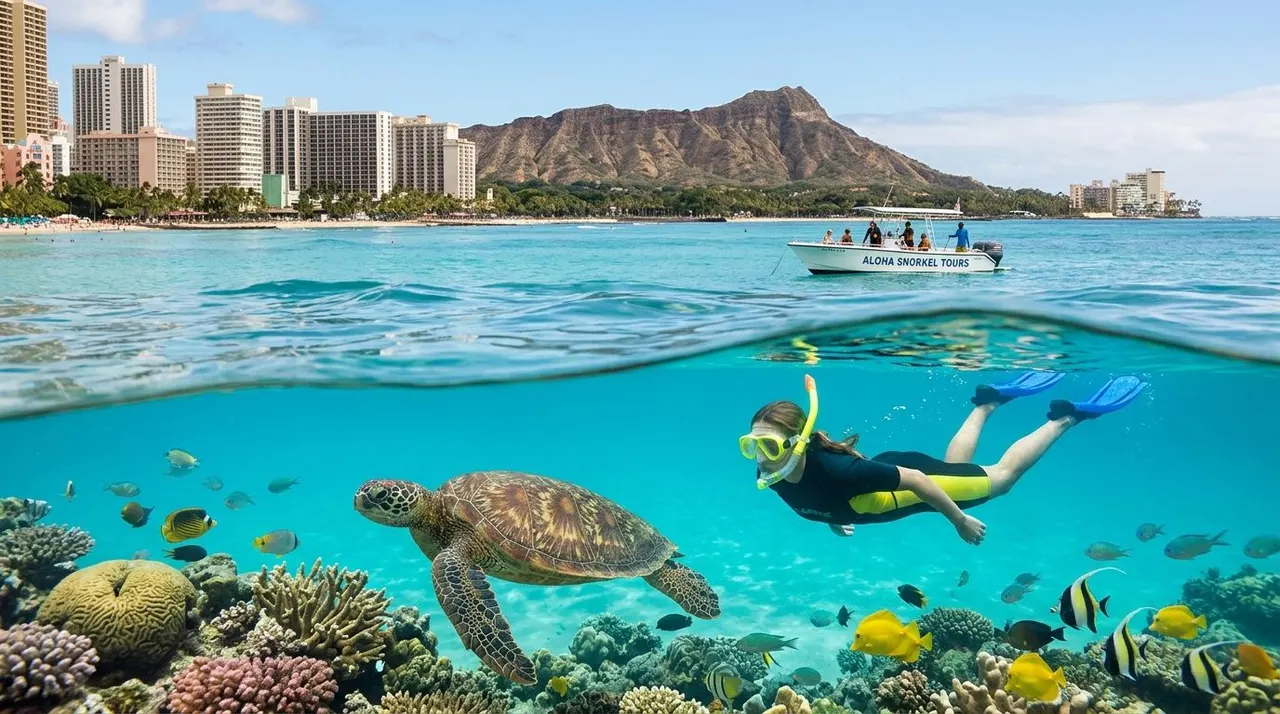
You’re probably standing on Waikiki right now, or planning to be soon, looking at that blue water and wondering a simple question: can you snorkel here, or is this one of those beaches that looks better above the surface than below it?
The honest answer is yes, you can snorkel Waikiki Beach. But the quality of that experience depends on when you go, where you enter, how comfortable you are in the ocean, and whether you stay near shore or head offshore with a crew that does this every day. That difference matters a lot. Some visitors want a quick mask-and-fins session before lunch. Others want sea turtles, clear water, easy entry, gear, instruction, and a trip that feels like a real Hawaii memory instead of a tired swim through cloudy sand.
If you want the complete picture on snorkeling waikiki beach hawaii, this guide will give it to you straight.
Welcome to Waikiki An Ocean of Possibilities
Waikiki has a way of making everything look easy. The beach is broad, the water glows in the sun, and from shore it seems like you can just slip on a mask and drift into a postcard. For some visitors, that’s enough. They want a short swim, maybe a few fish, and the convenience of staying close to the hotel.
That version of Waikiki is real. So is the other version, the one locals, captains, and guides know well. Nearshore conditions can change fast, visibility can be hit or miss, and a beach that looks calm from the sand doesn’t always deliver the underwater experience people imagined. The ocean off Waikiki rewards timing and local knowledge.
I’ve seen plenty of visitors do everything right on land and still end up with a mediocre snorkel because they chose the wrong hour, the wrong entry point, or the wrong expectations. That’s usually the disconnect. People come to Hawaii hoping for reef fish, turtles, and clear blue water, but shore snorkeling in Waikiki often works best as a casual dip, not as the main event.
Good Waikiki snorkeling starts with matching the trip to the person. Strong swimmers can make more out of shore entry. Families, beginners, and mixed-age groups usually enjoy the day more when the logistics are handled for them.
If you’re still deciding what kind of ocean day fits your trip, this roundup of Waikiki beach activities helps put snorkeling in context with everything else available along the shoreline.
Best Times and Seasons for Snorkeling in Waikiki
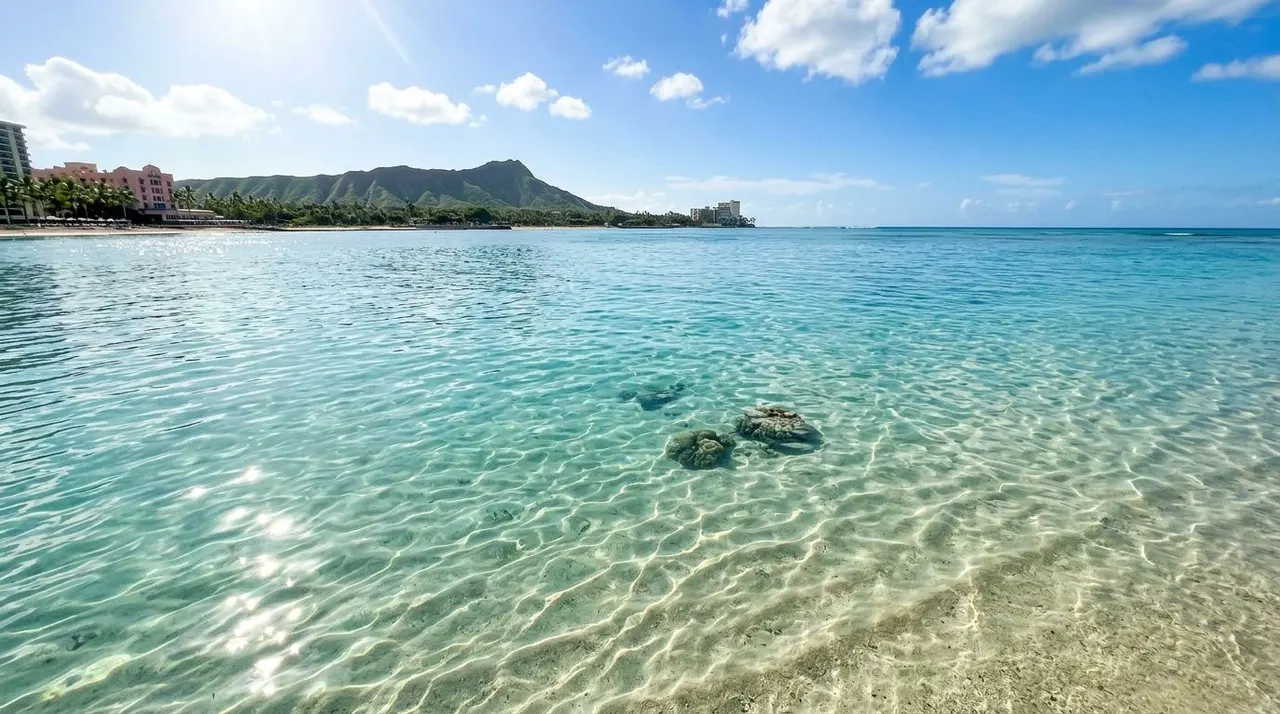
Timing matters more in Waikiki than many visitors expect. You can show up at the same beach in two different months, or even two different times on the same day, and get a very different snorkel.
According to Living Ocean Tours’ Waikiki snorkeling clarity seasonal guide, summer from June through August brings peak clarity, typically above 50 feet and sometimes up to 100 feet, while winter from December through February can bring rain and surge that reduce nearshore visibility to less than 20 feet. That’s a huge swing, and it changes what kind of outing makes sense.
Summer is the clear winner
If you’re planning your vacation around snorkeling waikiki beach hawaii, summer gives you the friendliest window. The water is warmer, swells are usually more manageable on the south shore, and calm mornings often produce the clearest conditions.
The broader sweet spot usually runs from late spring into early fall. That doesn’t mean winter snorkeling is impossible. It means winter demands more flexibility. Conditions can still be nice, but they’re less dependable near shore, especially after rain or when surge starts moving sand around.
A few practical planning rules help:
- Book snorkeling early in your trip: That gives you room to shift days if the weather turns.
- Favor summer and early fall if snorkeling is a priority: The odds of clean water are better.
- Treat winter beach snorkeling as condition-dependent: Some days are fine, some are not worth forcing.
If you want a better feel for comfort in the water month by month, this guide to Oahu ocean temperature is useful when deciding what season fits your group.
Morning beats afternoon
Even in a good season, hour matters. Mornings usually bring cleaner water because winds are lighter and runoff hasn’t had all day to mix into the nearshore zone. By afternoon, more swimmers, more breeze, and more stirred-up sand can flatten the experience.
Practical rule: If you’re doing a DIY shore snorkel in Waikiki, go early. If you wait until the beach is crowded and the wind is up, the ocean often looks better from above than below.
That’s one reason guided departures tend to lean early. Captains aren’t trying to beat the crowd for fun. They’re trying to put guests in the water when Waikiki gives up its best version.
The Reality of Snorkeling from Waikiki Beach
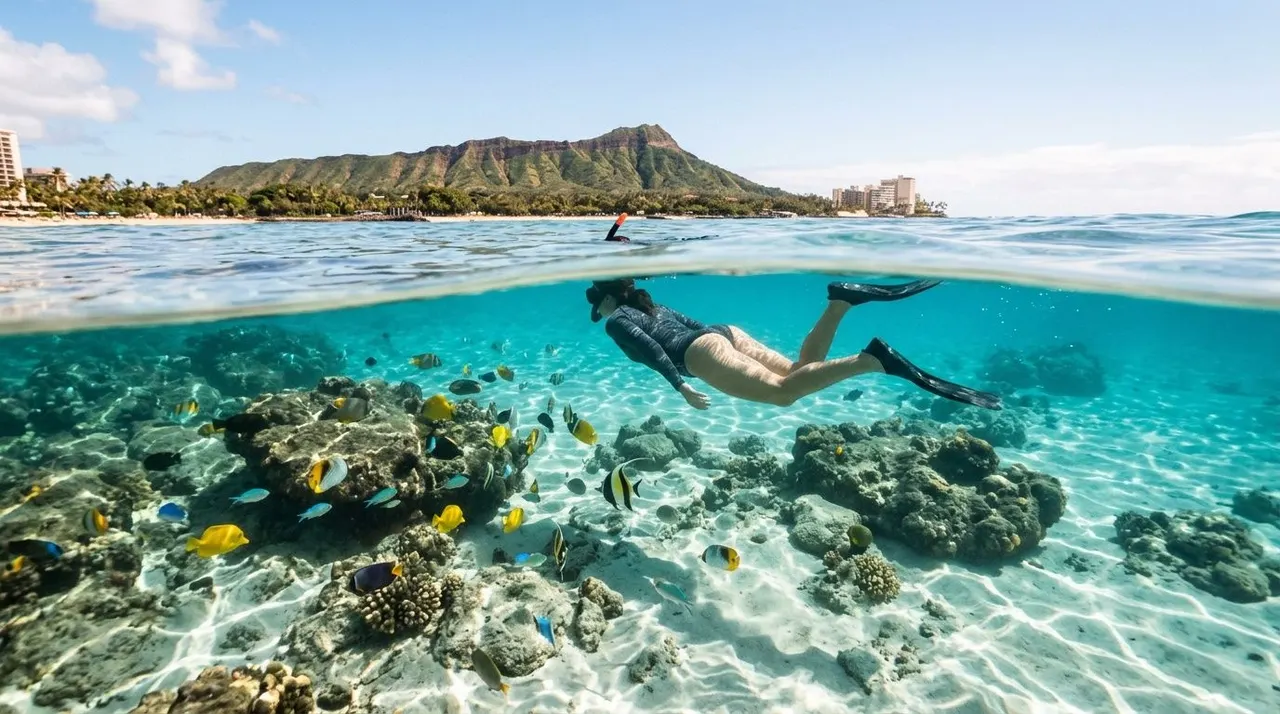
Shore snorkeling in Waikiki is popular because it’s easy to attempt. You can rent gear, walk from your hotel, and be in the water fast. Queen’s Beach and the Sans Souci area are the usual starting points for visitors who want to try it on their own.
That convenience is real. So are the trade-offs.
What shore snorkeling does well
If your goal is simple access, shore snorkeling wins. No boat schedule, no harbor check-in, no need to coordinate a larger outing. For confident swimmers who understand ocean entries and don’t mind modest marine life, a morning beach snorkel can be a pleasant side activity.
It also works well for people who want a short session instead of a half-day commitment. If you’re already spending the day on the sand, adding a mask and snorkel is easy.
A realistic shore-snorkel setup looks like this:
- Good for a quick try: You can get in, explore a little, and get out without building your whole day around it.
- Best for strong swimmers with flexible expectations: That matters more than most travel blogs admit.
- Most worthwhile in the morning: Cleaner water gives you a better shot at seeing what’s below you.
What most beach guides leave out
Beginner-friendly doesn’t always mean trouble-free. Honolulu Travels notes in its Waikiki snorkeling guide that spots like Sans Souci can develop strong currents along the channel walls, making the return swim harder than people expect. The same source says afternoon winds and foot traffic can stir up sand and cut visibility by over 50% compared with morning hours.
That tracks with what many visitors discover after they’re already tired. The entry feels manageable. The swim out feels fine. Then the current shifts, the wall channels water, and the swim back takes more effort than expected.
If you have kids, older family members, or anyone who isn’t fully comfortable in open water, shore snorkeling can turn from relaxing to stressful fast.
There’s also the wildlife issue. Nearshore Waikiki can absolutely show you fish, but the underwater scene often isn’t as vivid or as spacious as people picture when they think “Hawaii snorkeling.” A lot of beach visitors end up seeing cloudy water, scattered fish, and plenty of other people.
For some travelers, that’s still worth doing. For others, it confirms what local crews already know. Shore snorkeling in Waikiki is convenient, but it’s rarely the most memorable version of snorkeling the south shore offers. If you want a side-by-side breakdown of those trade-offs, this comparison of Waikiki snorkeling from shore vs boat is a practical place to start.
Why a Guided Boat Tour Unlocks the Best Snorkeling
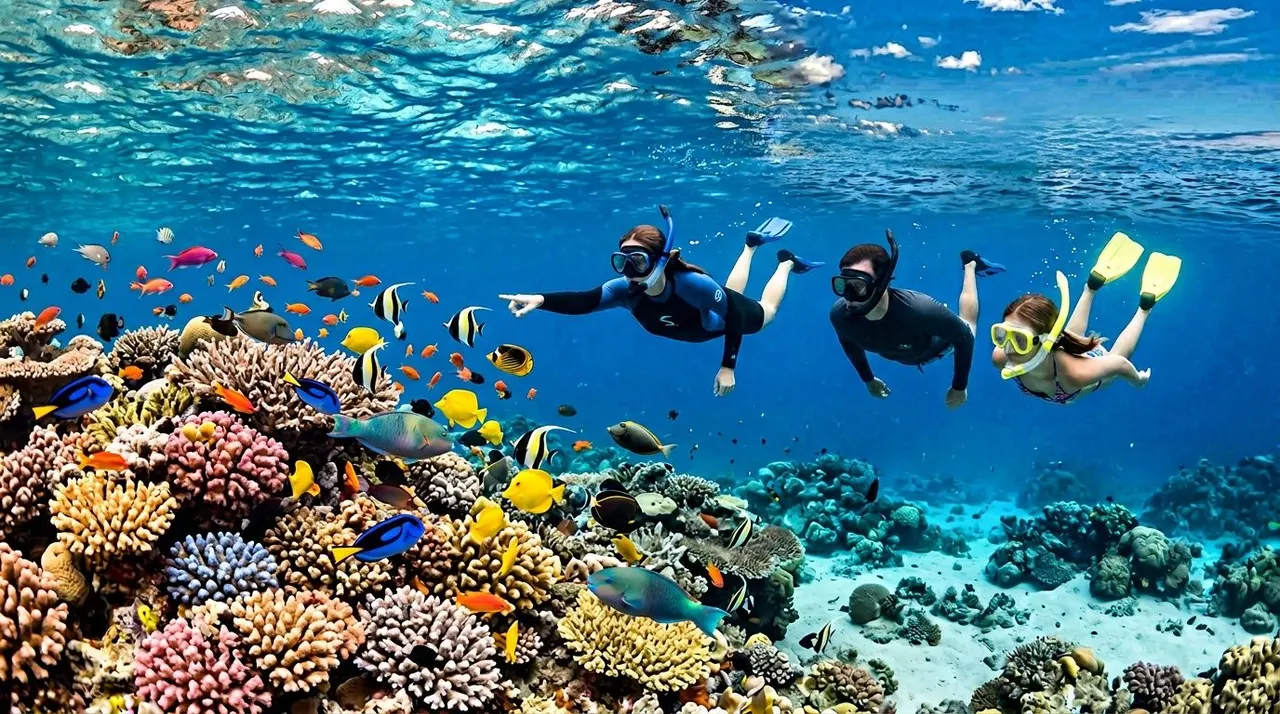
You can see the difference fast. A family spends twenty minutes organizing gear on the sand, works through a crowded entry, then finds murky water and a nervous first-timer clinging to a float. On a guided boat trip, that same family gets a briefing, properly fitted gear, crew support, and direct access to cleaner offshore water without the long surface swim.
That gap matters in Waikiki.
Boat snorkeling improves three parts of the day at once: conditions, safety, and ease. From a captain’s point of view, the biggest advantage is mobility. Shore snorkelers are stuck with whatever the beach looks like when they arrive. A boat crew can choose the better side of the current, avoid the busiest patch of water, and put guests on a site that suits the group instead of forcing the group to suit the beach.
For beginners, kids, and mixed-ability families, that usually leads to a better outing. People use less energy getting in and out. They spend less time fixing mask problems or wondering where to go. They spend more time snorkeling.
Offshore access changes what kind of day you have
Waikiki shore snorkeling is simple on paper, but it can be a lot of work in practice. You carry gear, sort out entry points, judge conditions from the sand, and manage the swim back with whatever energy you have left. A guided boat trip removes most of that friction.
The practical advantages are straightforward:
- Cleaner access to the water: Guests enter away from the busiest beach zones and skip the long swim from shore.
- Crew-selected sites: Captains choose locations based on current water clarity, current flow, and group comfort.
- Help with the details: Gear fitting, flotation, entry technique, and in-water guidance are handled by people who do this every day.
- A better setup for wildlife viewing: Offshore reef and turtle cleaning stations usually produce stronger sightings than busy nearshore shallows.
That last point is a big one. Families often care less about covering distance and more about seeing something memorable without stress. Offshore trips usually deliver that more reliably than a DIY swim from Waikiki Beach.
Safety is why many visitors book a boat
Convenience gets people interested. Safety is what usually makes the decision.
Kona Honu Divers reports in its Waikiki snorkeling overview that snorkeling was the leading cause of tourist drownings in Hawaii between 2019 and 2023, averaging 45 deaths annually during that period, and that 204 snorkeling deaths were recorded from 2012 to 2021, with 71% occurring in calm water conditions. Calm water can still be risky when fatigue, poor mask fit, anxiety, current, or overconfidence enter the picture.
I’ve seen that pattern plenty of times. Visitors assume the hard part is big surf. More often, the problem is a small issue that snowballs. A mask leaks, breathing gets rushed, someone swallows water, then the swimmer tires out farther from support than they expected.
A trained crew lowers that risk by staying ahead of problems:
- Watching body language early: Guides can spot stress before it turns into panic.
- Adjusting support by skill level: First-time snorkelers need a different pace and more reassurance than strong swimmers.
- Giving clear pre-snorkel instruction: Simple guidance on breathing, clearing a mask, and staying with the group prevents many avoidable mistakes.
- Keeping a platform nearby: Guests can rest, regroup, and get help quickly instead of making a long return to shore.
That structure is a major reason guided tours are often the better choice for families and new snorkelers. The experience feels easier because it is better managed.
A guided company such as Living Ocean Tours offers offshore snorkeling from Kewalo Basin with gear and instruction included, and visitors comparing trip styles can review these Oahu snorkeling tours to see what fits their group.
Choosing Your Perfect Living Ocean Adventure
You wake up to a calm Waikiki morning, the kids are excited, one person in your group is a strong swimmer, another is nervous in open water, and everyone wants a good shot at seeing turtles. That is where trip choice matters. The right boat day saves time, cuts down on guesswork, and gives your group a better chance of coming back saying the ocean was the highlight of the trip.
Shore snorkeling and boat snorkeling do not deliver the same kind of day. From the beach, you handle gear, entry, visibility, and crowding on your own. On a guided boat trip, the site selection, setup, and support are already handled, which is why families, beginners, and mixed-skill groups usually have a better experience offshore.
One practical point stands out. Snorkel Bob’s Oahu snorkel conditions report regularly shows that offshore spots can have much clearer water than nearshore Waikiki on the same day. Cleaner water usually means easier fish spotting, a better chance of seeing turtles well, and less frustration for first-time snorkelers who are still getting comfortable with a mask.
Living Ocean Tours at a Glance
| Tour Name | Best For | Key Feature | Duration |
|---|---|---|---|
| Turtle Canyons Snorkel Excursion | Turtle seekers, beginners, visitors short on time | Focused offshore snorkel at a known turtle area | 2 hours |
| Deluxe Waikiki Snorkel and Wildlife Cruise | Families, mixed-age groups, guests who want more than one activity | Snorkeling, waterslide, and room to relax between swims | Half-day style outing |
| Waikiki Sunset Cruise | Couples, friends, special occasions | Golden-hour coastline views | Evening cruise |
| Whale Watching in season | Winter visitors, wildlife lovers | Seasonal humpback whale viewing | Seasonal tour |
Turtle Canyons Snorkel Excursion
For guests who mainly want turtles, this is the straightforward pick. The trip is shorter, focused, and easy to fit into a Waikiki vacation day without using up the whole afternoon.
I recommend this format for first-time snorkelers, couples, and families with younger kids who do better with a clear plan and a shorter timeline. You board, get briefed, head to the site, and spend your energy on the water instead of on logistics.
You can see the details for the Turtle Canyons Snorkel Excursion.
Deluxe Waikiki Snorkel and Wildlife Cruise
This is usually the better fit for groups that do not all want the same thing at the same time. Some people want a solid snorkel session. Some want an easy swim, a slide, a place to sit, and more time offshore.
That flexibility matters. On family trips, the best outing is often the one that keeps both the confident swimmer and the hesitant beginner happy without forcing either one into the wrong pace. The Deluxe Waikiki Snorkel and Wildlife Cruise covers that well, and guests can review the onboard expectations and boat tour etiquette before they go.
Waikiki Sunset Cruise
A sunset cruise makes sense when your group wants the ocean without putting on snorkel gear. It is a strong choice for couples, friend groups, and anyone who already snorkeled earlier in the trip and wants a different memory from the water.
You can browse the Waikiki Sunset Cruise.
Whale Watching in season
Winter changes the equation. If humpbacks are in town and conditions are only fair for snorkeling, a whale watch can be the smarter call.
For seasonal trips, take a look at the Waikiki whale watching tour.
Pick the trip that fits your group’s comfort in the water, the time you want to spend offshore, and the main memory you came to Hawaii to make. For a lot of Waikiki visitors, that points to a guided boat experience over a shore snorkel session.
Snorkeling Safety and Responsible Wildlife Viewing
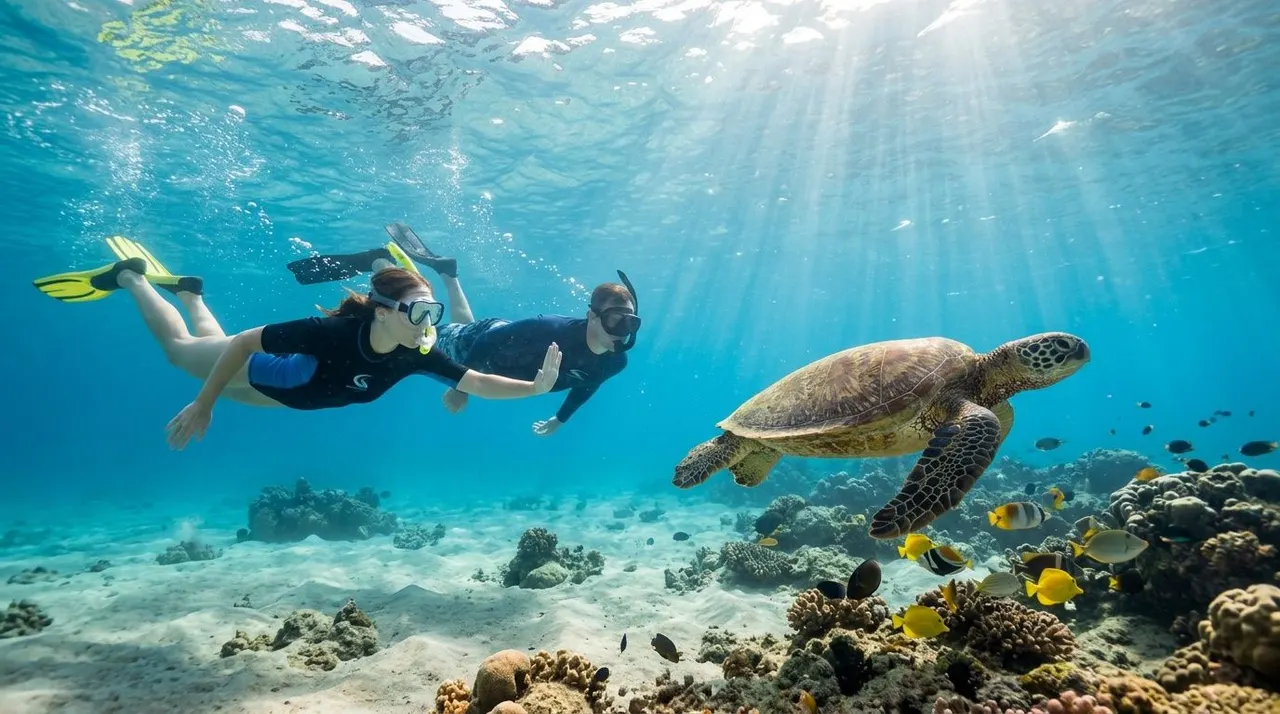
A good snorkel day starts before you hit the water. The safest guests aren’t always the strongest swimmers. They’re usually the ones who stay inside their comfort zone, use flotation when they need it, and pay attention to the briefing.
Simple safety habits that matter
A few habits make a big difference whether you’re on your own or joining a tour:
- Snorkel with a buddy: Don’t drift off solo, even in calm-looking water.
- Use flotation if you’re unsure: There’s no prize for working harder than necessary.
- Check your mask before you swim out: A poor fit creates stress fast.
- Turn back early, not late: If you feel tired, anxious, cold, or short of breath, stop.
If you’re joining a boat trip, follow crew instructions exactly. They know the site, the current pattern, and where inexperienced guests usually run into trouble. This guide to Waikiki boat tour etiquette is a helpful primer if you want to know what responsible guests do on board and in the water.
Respect the reef and the animals
Hawaii’s marine life isn’t there for us to handle. The right way to snorkel is simple. Observe, don’t chase.
Keep your hands off coral, give turtles space, and never block an animal’s path to the surface.
Use reef-safe sunscreen, keep your fins up so you don’t kick reef or sand, and avoid standing on anything underwater unless it’s a clearly safe sandy bottom. If you’re with children, teach that rule before they get in. Curiosity is great. Contact is not.
Responsible snorkeling is part of what makes a trip memorable. You leave with photos and stories, and the reef stays healthy for the next family.
Your Unforgettable Waikiki Adventure Awaits
Waikiki gives you choices. You can rent gear and try the beach on your own. That works for some people, especially early in the day with modest expectations. But if you want clear water, easier logistics, stronger safety support, and the kind of wildlife encounter most visitors hope for when they book Hawaii, offshore guided snorkeling is usually the smarter call.
That’s especially true for families, beginners, and mixed-age groups. The more variables you remove, the better the day tends to go. No guessing about entry points. No dragging gear across the sand. No wondering if the underwater view will match the one in your head.
Choose the trip that fits your group, pick the right day, and give yourself the best shot at seeing the Waikiki coastline the way it’s meant to be experienced. In the water, offshore, with a crew that knows where to go and when to go there.
If you’re ready to turn a beach day into a real ocean memory, browse Living Ocean Tours and book the trip that fits your group best. For many visitors, the easiest all-around pick is the Deluxe snorkel cruise because it pairs guided snorkeling with a relaxed, family-friendly boat experience.


