
Snorkeling Oahu: Why Breath-Holding Games Are Unsafe
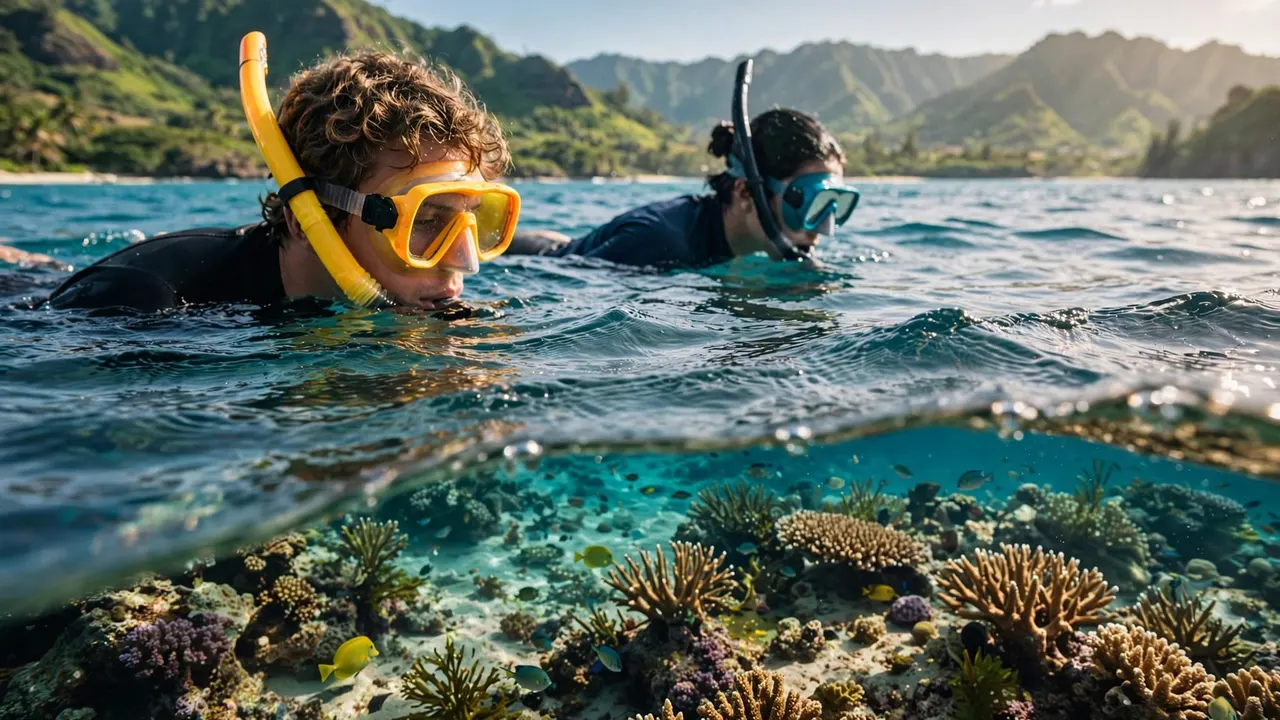
Your best underwater memory shouldn’t depend on how long you can go without breathing. If snorkeling Oahu is on your vacation list, Living Ocean Tours offers guided ocean outings where you can enjoy reef life without turning the swim into a competition.
Breath-holding dares can cause loss of consciousness underwater without a clear warning, even when you feel comfortable. Keep comfortable breathing at the center of your plans, starting with a firm agreement to skip underwater challenges.
Key Takeaways for Your Oahu Snorkel Trip
A good snorkeling day gives you time to watch marine life while staying aware of your breathing and surroundings.
- Skip underwater endurance contests, timed breath holds, and repeated dives to prove yourself.
- Stay with a buddy, follow your guide’s instructions, and take breaks before you become exhausted.
- Stop immediately if breathing becomes uncomfortable, and seek help for persistent coughing, chest discomfort, or unusual breathlessness.
These habits belong in every snorkeling Oahu plan, regardless of your swimming experience. Calm-looking water and familiar equipment don’t remove your responsibility to recognize limits.
Why Breath-Holding Games Are Dangerous
Competition Can Push You Past Your Limits
A challenge changes what you’re paying attention to. Instead of noticing discomfort or keeping track of your buddy, you might focus on beating a time.
Underwater distance contests, retrieving objects repeatedly, and seeing who surfaces last all encourage you to continue longer. Pressure can come from friends, siblings, or your own desire to impress someone.
Breath-holding can lead to unconsciousness underwater without an obvious warning. Feeling relaxed doesn’t establish that a challenge is safe.
Agree before entering that nobody needs to demonstrate endurance. You can end a swim or decline a dare without explaining yourself.
Rapid Breathing Isn’t a Safety Strategy
Taking several quick breaths before submerging isn’t part of ordinary surface snorkeling. Divers Alert Network identifies repeated rapid breaths before a breath hold as hyperventilation in its discussion of hypoxia in breath-hold diving.
Don’t copy breathing routines from social media or another swimmer. A vacation snorkel session isn’t the setting for experimenting with underwater endurance.
Instead, practice normal breathing through your equipment while supported and close to your guide. If the mouthpiece feels uncomfortable or airflow seems restricted, stop and ask for assistance.
Your goal is an easy, repeatable breathing pattern while you watch the reef.
Calm, Shallow Water Doesn’t Make a Dare Safe
You might assume you can stand up if anything goes wrong. However, that plan depends on remaining conscious and able to respond.
An underwater blackout can prevent you from taking that simple step. Proximity to shore, a boat ladder, or a standing-depth area doesn’t make breath-holding competitions safe.
Divers Alert Network’s shallow-water blackout guidance addresses a danger that recreational swimmers can underestimate. Don’t interpret shallow water as permission to test your limits.
Also, a companion watching fish beside you isn’t necessarily watching your condition. Two people holding their breath simultaneously can’t reliably monitor each other.
Having a buddy nearby doesn’t make an underwater endurance contest safe, especially when your buddy is competing too.
Keep your outing focused on ordinary snorkeling. If breath-hold diving interests you, pursue qualified instruction separately rather than adding challenges to a casual reef visit.
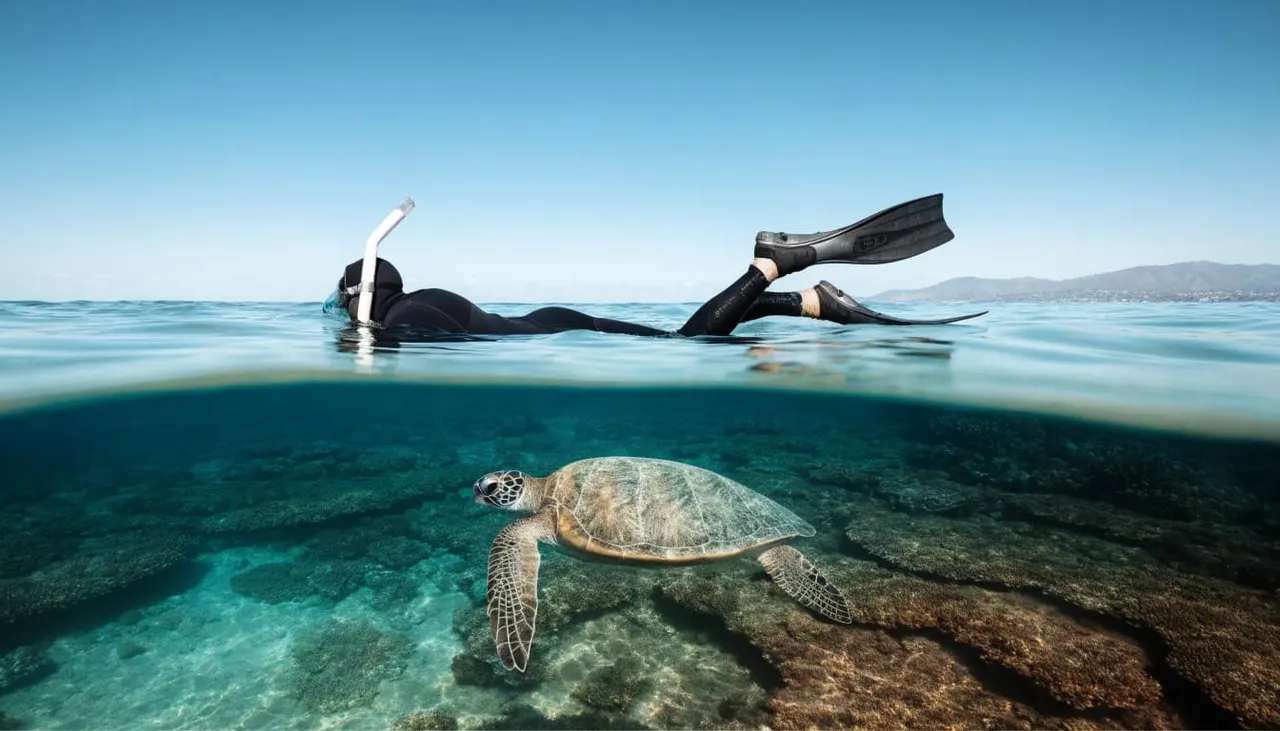
You can appreciate fish and turtles while remaining at the surface. There’s no need to dive down for a closer photograph or follow another swimmer underwater.
Prepare Your Gear and Buddy Plan Before Entering
Check Fit and Practice Comfortable Breathing
Before snorkeling Oahu, check your mask, snorkel, fins, and any flotation support. Move hair away from the mask skirt and ask for help if the fit feels painful or unstable.
Try the mouthpiece while you’re calm. You shouldn’t need to clench your jaw hard to keep it positioned.
Then ask how your particular snorkel clears and what to do if water enters. Equipment designs differ, so don’t assume your rental works like something you’ve used before.
Practice near your guide in the designated area. Get comfortable with the basic equipment before adding a camera or other accessories.
Agree on How You’ll Stay Together
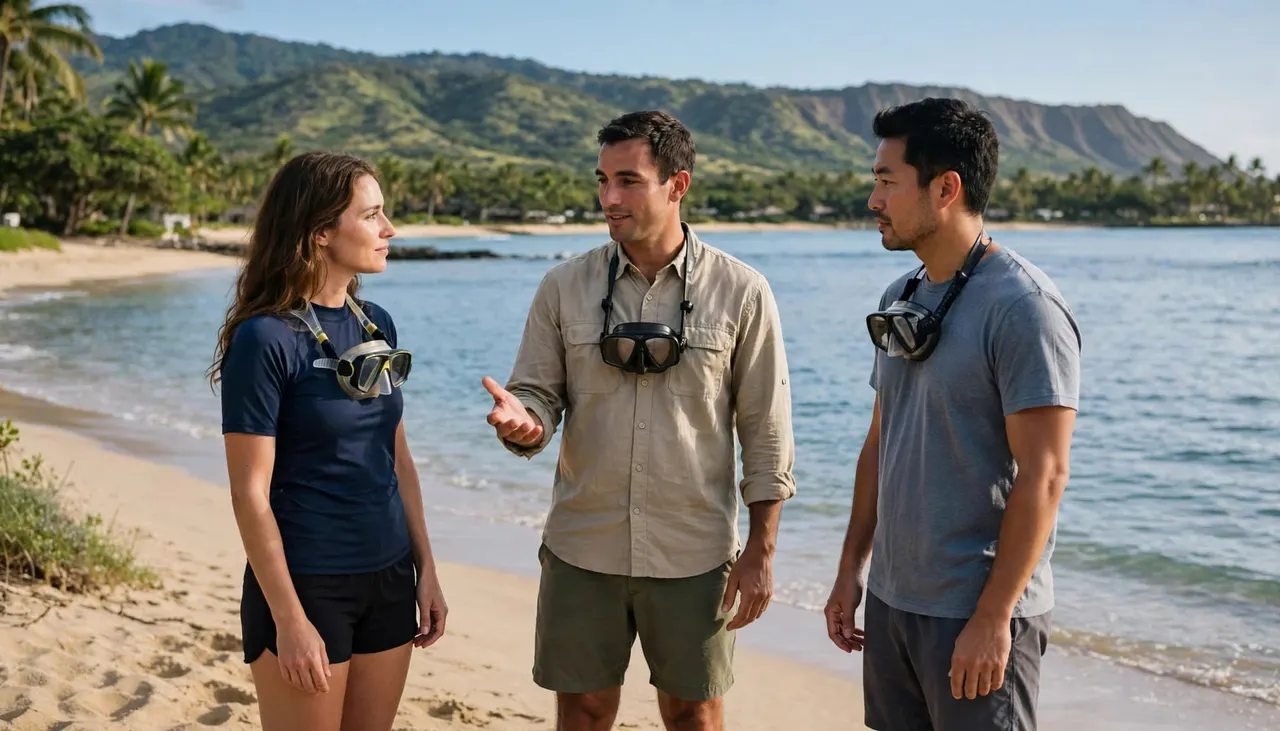
Choose your buddy before you enter, and discuss where you’ll swim and how you’ll request help. Stay aware of the boat or shore rather than following fish until your exit looks distant.
For shore outings, Hawaii Ocean Safety’s beach guidance recommends swimming with a buddy, knowing your health and fitness limits, and choosing a lifeguarded beach.
On a boat outing, follow the crew’s boundaries and return instructions. Tell your companion when you need a break instead of disappearing toward the ladder.
If either person feels anxious, tired, or uncomfortable, pause together and alert your guide.
Make Snorkeling Oahu a Calm Surface Activity
Give Couples Permission to Take Different Breaks
Your partner’s swimming confidence doesn’t determine your limits. Discuss your expectations before entering, especially if one of you is new to open water.
You don’t need matching underwater photographs or identical swim times. A comfortable surface float can offer plenty to see.
If one person wants to return early, communicate with the guide and follow the agreed return plan. Don’t leave someone alone because you’re hoping to finish a photograph.
You can enjoy the same outing without pushing through discomfort. Respecting a partner’s decision to stop helps keep the experience welcoming.
Replace Family Dares With Reef Observation
For families snorkeling Oahu together, establish one rule: nobody competes to stay underwater.
Instead, ask children to notice fish colors, watch how fish move around reef openings, or describe what they saw afterward. Keep the activity observational rather than competitive.
Before booking, confirm participation requirements, swimming expectations, and appropriately sized equipment. Adult gear shouldn’t become a child’s default simply because it’s available.
Also, decide which adult supervises each child. Guides provide support, but your family still needs a clear supervision plan.
Observe wildlife without touching or chasing it, and keep hands and fins away from coral.
What to Do When Breathing Becomes Uncomfortable
While snorkeling Oahu, stop at the first sign that breathing isn’t comfortable. You don’t need to finish following the group before asking for help.
Water in your snorkel, repeated coughing, or a poorly fitting mouthpiece deserves attention. Continuing to kick harder can tire you out and make communication more difficult.
If you can’t clear the snorkel comfortably, follow this sequence:
- Raise your face completely above the surface and remove the mouthpiece so you can breathe normally.
- Use your properly fitted flotation support as instructed, then alert your buddy or guide.
- Once you’re settled, ask for help draining the snorkel and checking its position.
- Leave the water with assistance if coughing continues or you develop chest discomfort or unusual breathlessness.
Don’t keep forcefully blowing through a flooded tube until you’re exhausted. Your immediate priority is comfortable breathing, not returning to the reef.
Persistent symptoms require immediate medical help. For an emergency, have someone call 911 and alert the crew or lifeguard.
If another swimmer becomes unresponsive, summon trained help immediately. Follow the emergency dispatcher’s directions rather than improvising an underwater rescue beyond your abilities.
Even when the equipment problem seems minor, pause long enough to recover. You can sit out the rest of the swim and still enjoy the coastline from the boat.
Choose Guided Support Without Treating It as a Guarantee
Living Ocean Tours departs from Kewalo Basin Boat Harbor near Waikiki. You can explore its guided Waikiki snorkeling outings when planning a reef visit with supplied gear and knowledgeable guides.
The company describes itself as Oahu’s only tour company with professional snorkel guides in the water with guests. That support gives you someone to approach about equipment fit, flotation, or uncertainty before and during your swim.
Still, professional guidance doesn’t eliminate ocean risks or replace your attention. Listen to the briefing, stay within the designated area, and speak up early.
Tell the crew if you’re new to snorkeling or uncomfortable in open water. Ask about entry, exit, help signals, and the day’s conditions before stepping into the water.
For a guided turtle-snorkeling outing, you can CHECK AVAILABILITY while arranging your Waikiki visit.
Choose an experience that supports relaxed observation. You should feel comfortable asking questions, taking breaks, and declining any activity that exceeds your limits.
Frequently Asked Questions About Breath-Holding
Is a Short Breath-Holding Contest Safe?
Don’t use a short time limit to justify an underwater competition. Your comfort and swimming experience don’t establish a safe competitive limit.
For ordinary snorkeling, keep breathing normally through your snorkel at the surface. Skip timed challenges altogether rather than trying to choose an acceptable duration.
Does a Dry Snorkel Make Underwater Games Safe?
No. A dry-top snorkel is equipment, not permission to hold your breath competitively. You still need to understand its operation and respond to interrupted airflow.
Ask your guide how to use the model provided. If breathing feels restricted or unfamiliar, stop and request help before swimming farther.
Can Experienced Swimmers Ignore This Advice?
Strong swimming skills don’t remove the possibility of losing consciousness during breath-holding. Treat underwater endurance games as unsafe regardless of your confidence.
If you want to pursue freediving, arrange qualified instruction separately. Keep your vacation snorkeling focused on comfortable breathing, buddy awareness, and reef observation.
Enjoy the Reef Without Testing Your Limits
You don’t need an underwater endurance record to make your Oahu trip memorable. Skip breath-holding games, prepare your equipment, and stay attentive to your buddy and breathing.
Let relaxed observation guide your swim. The reef offers plenty to enjoy while you remain at the surface and take breaks whenever you need them.


