
Turtle Canyon Oahu: Why Green Turtles Surface Near You
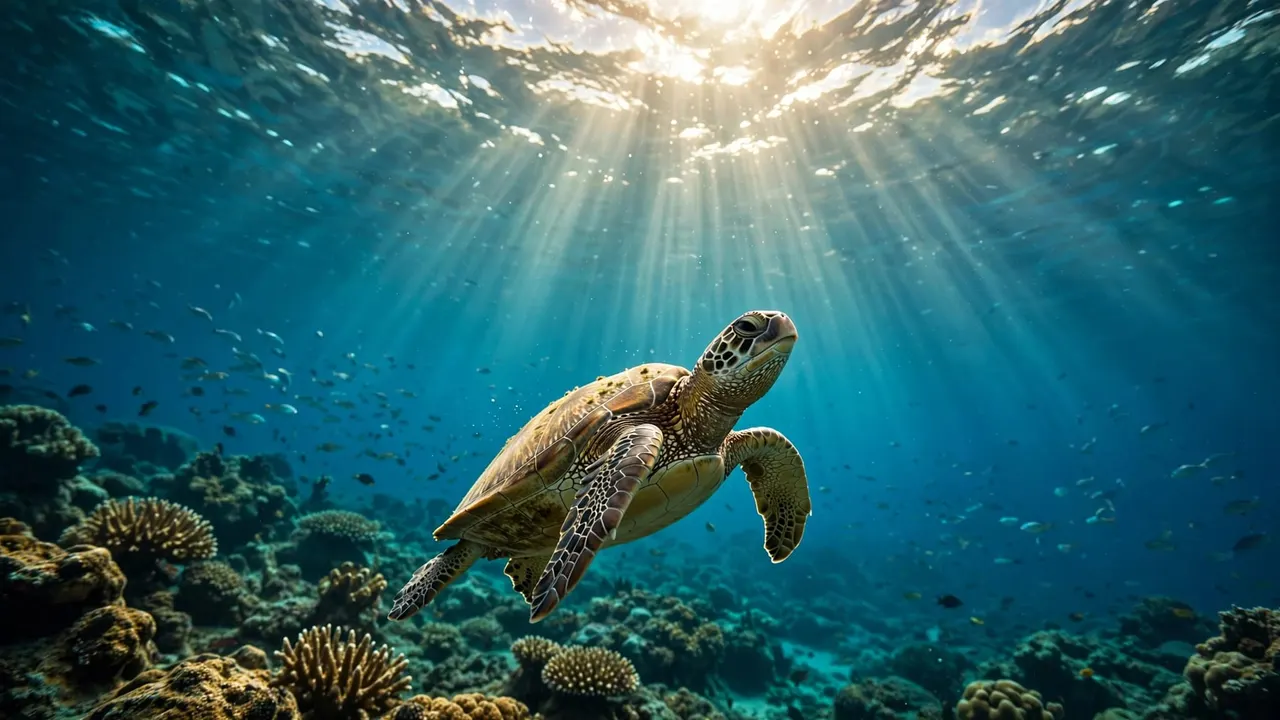
A honu rising through clear Waikiki water can make your snorkel mask feel like a window into another world. At Turtle Canyon Oahu, that memorable moment usually has a simple explanation: Hawaiian green sea turtles must reach the surface to breathe.
Living Ocean Tours, Oahu’s top-rated and most-reviewed turtle snorkeling tour company, brings you to this offshore reef from Kewalo Basin Boat Harbor, minutes from Waikiki. You get a close look at wild habitat, not a staged wildlife encounter.
Once you understand why turtles rise, rest, and move through the reef, you can watch them with more patience and give them the room they need.
Key Takeaways
- Turtle Canyon Oahu is an offshore reef habitat where Hawaiian green sea turtles, known locally as honu, may rest, feed, visit cleaning stations, and surface for air.
- A turtle that swims upward near you isn’t seeking contact. It needs an open route to the surface.
- Several turtles around one reef don’t necessarily travel together. They may be independently using the same productive habitat.
- Living Ocean Tours provides gear, flotation support, and the only professional snorkel guides in the water with you.
- Your best turtle encounter happens when you float calmly, stay back, and never touch, feed, chase, or block wildlife.
Why Green Turtles Surface at Turtle Canyon Oahu
They need to breathe air
Hawaiian green sea turtles are marine reptiles with lungs. Although they spend long stretches underwater, they must return to the surface for air.
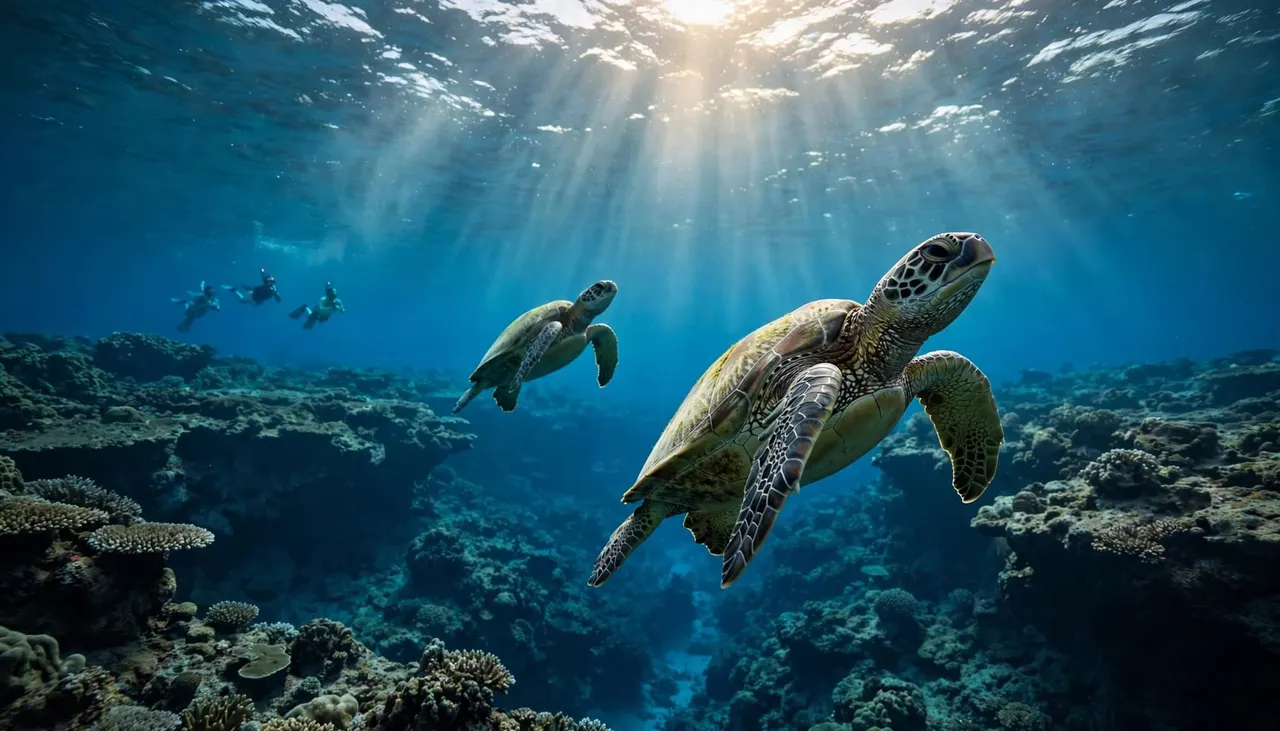
A turtle may rest near a coral ledge, cruise through blue water, then begin a steady climb toward the surface. The movement can look unhurried, but the animal needs a clear path. Its choice to surface isn’t connected to the presence of snorkelers.
You may notice a turtle lift its head, take a breath, and sink back toward the reef. That short visit to the surface can be one of the clearest views you get, especially when you hold your position rather than swimming after it.
A surfacing turtle can appear to approach you
Snorkelers often float in the same water layer a turtle uses on its way up. As a result, a turtle may pass nearby or surface in front of you. The moment feels personal, yet the turtle is following its own route.
Stay still if a honu comes close. Keep your arms tucked in, point your fins away from its path, and allow it to pass without reaching out. A relaxed floating position gives you a better view while protecting the turtle’s space.
A turtle needs open water above it. Never hover over one or place yourself between it and the surface.
The Reef Habitat That Draws Turtles Back
Turtles use the same reef in different ways
Turtle Canyon Oahu sits offshore from Waikiki, where reef structure offers places to rest, forage, and move between shallower water and open blue water. A turtle might pause near the bottom while another passes overhead on its way to breathe.
Seeing several honu in one area doesn’t prove they arrived together. Green turtles often move independently, even when they share a reef. Productive habitat can draw repeat visitors without creating a permanent turtle group.
Coral heads and ledges also hold shifting schools of tropical fish. Depending on conditions, you may spot rays, eels, and other reef life beyond the turtles.
Cleaning stations are part of the routine
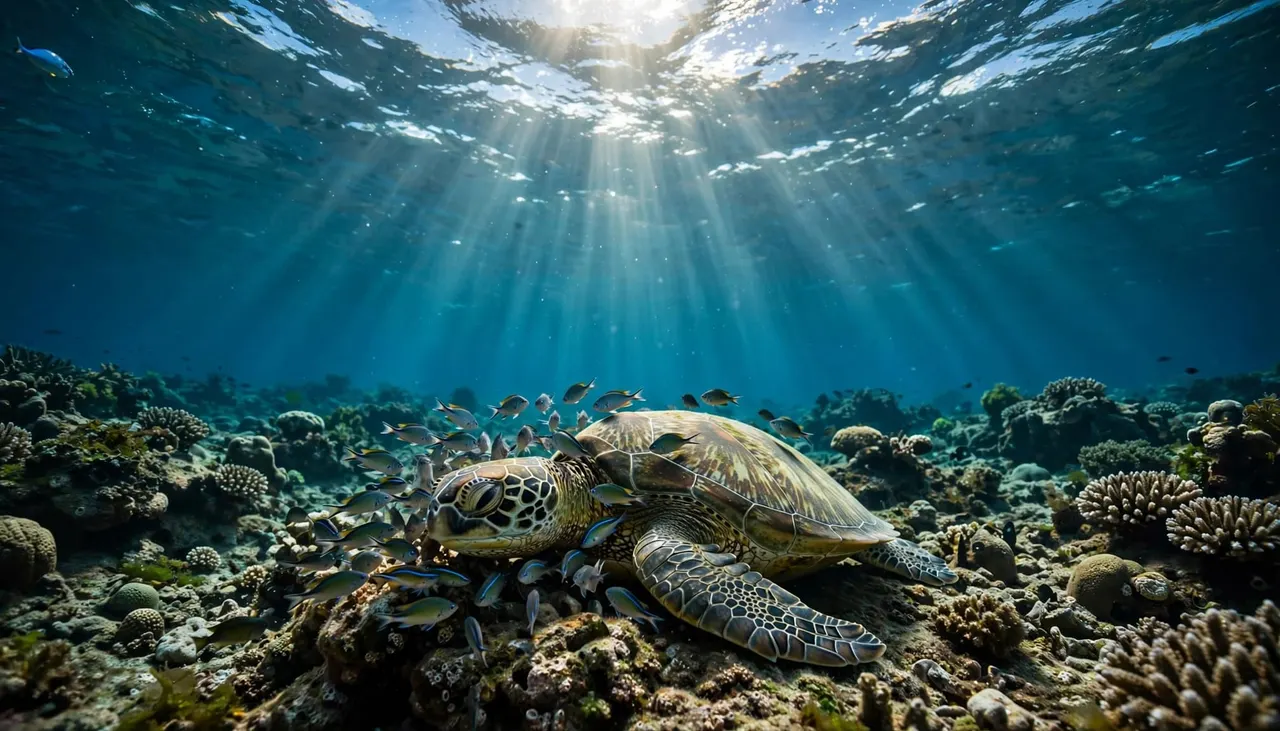
Turtle Canyons is known for natural cleaning-station activity. Small reef fish may gather around a turtle’s shell and skin, picking at algae and other material while the turtle rests or moves slowly over the reef.
That behavior is worth watching from a distance. Don’t dive down for a closer photo or crowd the animal while fish are nearby. The turtle decides how long it stays, where it goes next, and whether it returns another day.
The reef is working wildlife habitat. When you give it space, you get to see behavior that feels more natural and less rushed.
Give Every Honu a Clear, Comfortable Path
Keep at least 10 feet away
Hawaii guidance recommends that you stay at least 10 feet from sea turtles, both in the water and on shore. Distance matters most when a turtle is resting, feeding, or heading upward for air.
Use your camera’s zoom rather than closing the gap. If current or your group begins carrying you closer, back away slowly. A professional guide can help you reposition without disturbing the animal or drifting onto coral.
The turtle may look calm, but that doesn’t make it available for contact. Hawaiian green sea turtles are protected wildlife, and respectful viewing keeps their normal routines intact.
Avoid behaviors that change the encounter
Never touch, feed, chase, surround, or ride a turtle. Keep fins away from coral, and don’t swim directly above a honu as it moves through the reef.
If a turtle swims toward you, stay calm and let it choose the distance. Don’t extend a hand, angle your body into its route, or try to match its speed. Your stillness makes it easier for the animal to continue naturally.
If you see fishing line, fresh injuries, trouble swimming, or restricted flipper movement, tell your guide. Don’t attempt a rescue yourself. Trained responders can assess the situation without adding stress.
Snorkel Turtle Canyon Oahu With Professional In-Water Support
A guided trip changes your comfort level
Living Ocean Tours operates from Kewalo Basin Boat Harbor, close to Waikiki, on Coast Guard-inspected double-decker vessels with shaded seating, restrooms, dry storage, and sturdy ladders for water entry.
The company is the only tour company with professional snorkel guides in the water with you. That direct support is especially helpful if you’re a first-time snorkeler, traveling with children, or rebuilding confidence after time away from the ocean.
On the Turtle Canyons Snorkel Excursion, you receive gear, flotation support, instruction, and guidance around reef conditions and wildlife etiquette. You can focus on steady breathing and the view instead of trying to manage the entire experience alone.
Strong sightings are not a promise
Living Ocean Tours reports a 95% turtle-sighting rate on its Turtle Canyons excursion. That record reflects the area’s active reef habitat, but no responsible operator can promise the behavior or location of a wild animal.
Some trips bring several turtles into view. On another day, you may see a turtle resting below the group, then rising quietly for air. Conditions, currents, visibility, and each animal’s routine shape what you see.
For more ways to enjoy the water around Waikiki, browse the full selection of Honolulu ocean tours. Each outing works best when you arrive ready to observe, listen to the crew, and let wildlife set the pace.
Prepare for a Better Turtle Canyon Oahu Swim
Tell the crew what you need
Be honest about your swimming comfort before you board. Let the crew know if you are new to snorkeling, concerned about motion sickness, or helping a child get comfortable in the water.
Ask for help with your mask, fins, and flotation equipment before entry. A small adjustment at the boat can prevent repeated mask clearing and help you stay relaxed once you reach the reef.
Turtle Canyons is reached by boat from Waikiki. Living Ocean Tours describes a ride of roughly 10 to 15 minutes, with trips lasting about two hours and about 45 to 60 minutes in the water.
Bring less, notice more
Wear a secure swimsuit, bring a towel, and keep valuables ashore when possible. If boats affect you, take your preferred motion-sickness remedy before departure and eat lightly beforehand.
Once you are in the water, slow down. Look across the reef before swimming toward the first turtle you spot. You may notice a second honu below you, a school of fish near a coral head, or a turtle starting its careful rise to the surface.
Frequently Asked Questions
Do turtles surface because snorkelers are nearby?
No. Turtles surface because they need air. A honu may pass close to you because you are floating along part of its route, but it isn’t coming up to interact with people.
Give it plenty of room and avoid blocking its path. The best view usually comes when you remain still and let the turtle decide where to go.
Is Turtle Canyon Oahu suitable for beginners?
It can be a good fit for beginners when you choose a guided outing with equipment help, flotation support, and professional in-water instruction. You should still tell the crew about your swimming ability and stay close to your group.
Living Ocean Tours provides guidance that helps you focus on breathing, body position, and responsible reef viewing. That support lets families and first-time snorkelers spend more time enjoying the water.
What should you do if a turtle appears injured?
Stay at least 10 feet away and alert your guide, a lifeguard, or the appropriate wildlife authority. Don’t touch the turtle, pull away fishing line, move it, or attempt treatment.
A weathered shell or slow movement doesn’t always mean a turtle is in distress. However, fresh wounds, visible line, or clear trouble swimming deserve attention from trained responders.
Let the Turtle Set the Pace
Turtle Canyon Oahu offers a rare chance to watch a honu follow its ordinary reef routine, whether it rests beside coral, moves past cleaning fish, or surfaces for a breath. The encounter feels more meaningful when you understand that the turtle is moving on its own terms.
Bring patience, keep your distance, and listen to your guide. Respectful observation protects the reef and gives you the kind of turtle memory that lasts long after you leave Waikiki.


