
Turtle Canyon snorkel: How Green Turtles’ Lungs Work
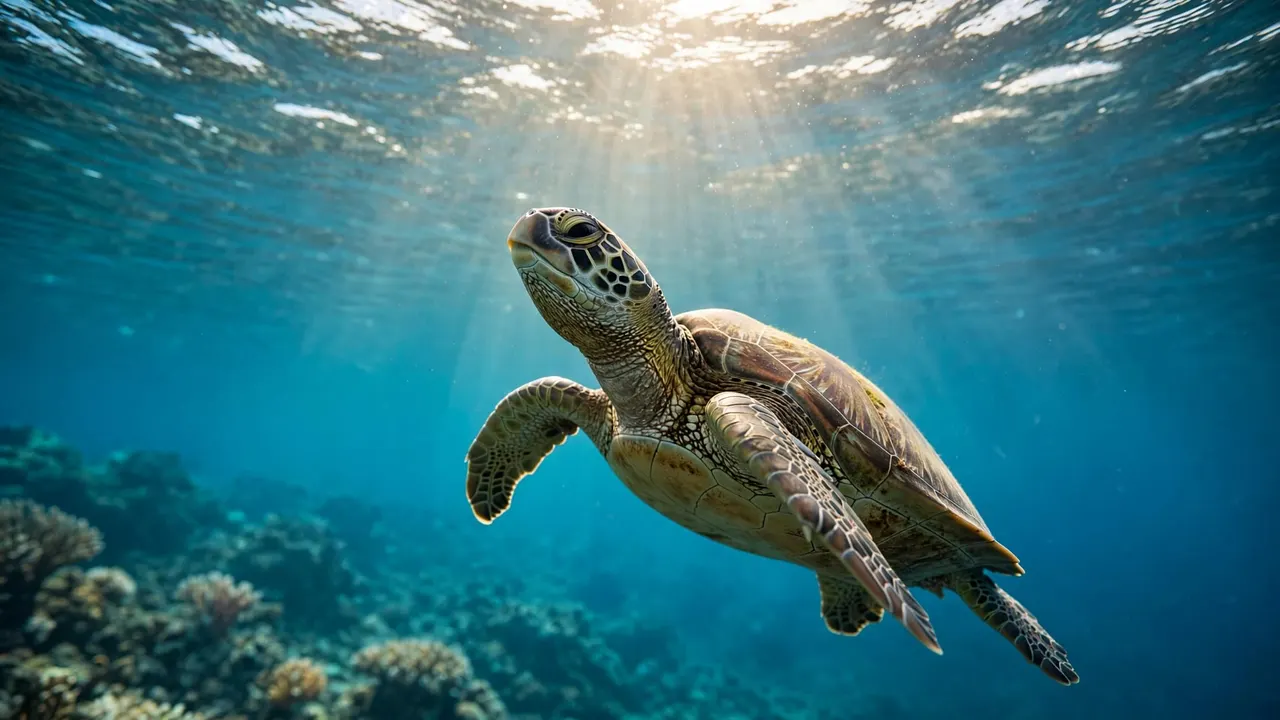
Green sea turtles breathe air through lungs, so they must return to the surface even though they spend much of their lives underwater. On our Turtle Canyon snorkel at Living Ocean Tours, you may watch a honu rise, take a breath, and slip beneath the surface again.
That movement connects every underwater pause to a limited oxygen supply. Understanding how turtles use that supply helps you recognize what you’re watching and give each animal room to breathe.
Key Takeaways for Your Turtle Encounter
- Green turtles use lungs rather than gills, and they can’t extract oxygen from seawater.
- Resting turtles can remain underwater much longer than active turtles because they use oxygen more slowly.
- A turtle rising toward you needs open water ahead, so keep your distance and leave its route clear.
Your most rewarding encounter comes from watching the turtle’s routine without changing it.
How Green Turtle Lungs Work Underwater
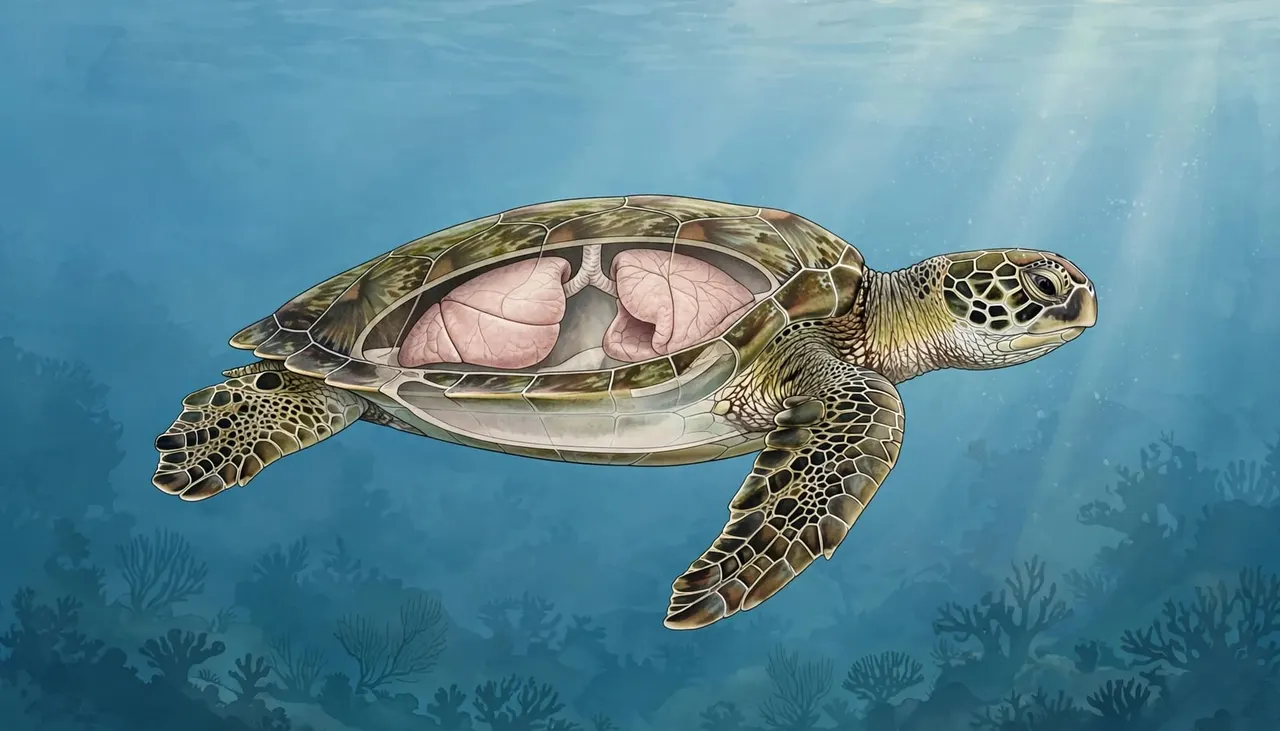
A surface breath supplies the next dive
A Hawaiian green sea turtle, known locally as honu, is an air-breathing reptile. When you see its head break the surface, you’re watching an essential part of its underwater life.
Its lungs hold air taken in above the water. During a dive, the turtle continues using oxygen from that supply while swimming, resting, or visiting the reef.
A review published in Frontiers in Ecology and Evolution describes how sea turtles rely on respiratory oxygen stores. That makes the air carried into a dive especially important.
However, lungs don’t produce new oxygen underwater. Eventually, the turtle must surface to breathe again.
The airway closes during submersion
Taking air into the lungs also requires keeping water out. A structure called the glottis controls the opening into the airway.
Under normal breathing conditions, it opens when the turtle surfaces and closes during a dive. The Marine Turtle Newsletter describes this airway protection during normal dives.
You won’t see that internal mechanism through your mask. Instead, you’ll notice the outward sequence: an ascent, a brief appearance above water, and another descent.
Because breathing may happen quickly, you can miss it even while watching the same turtle.
How Long Can a Green Turtle Stay Underwater?
Resting makes an enormous difference
There isn’t one breath-hold time that applies to every turtle you see. Activity changes how quickly an animal uses its available oxygen.
The Smithsonian Ocean Portal reports that resting sea turtles can hold their breath for four to seven hours. That describes resting sea turtles generally, not a promised duration for every green turtle or reef visit.
During a Turtle Canyon snorkel, a quietly hovering honu may appear almost motionless. Its low activity can reduce oxygen demand, but you can’t tell how much air it has left.
Likewise, stillness alone doesn’t prove that a turtle is asleep.
Swimming uses the supply faster
An active turtle needs oxygen for working muscles. Traveling, feeding, or swimming against a current changes the demands of a dive.
That’s why a long resting breath-hold shouldn’t shape your expectations for a moving turtle. You may see an animal surface sooner without anything being wrong.
Similarly, green turtle recovery after deep dives doesn’t follow a single schedule you can predict from depth alone.
Watch the behavior you can see rather than trying to time a biological limit. Your role is to leave the turtle free to surface whenever it chooses.
What Your Turtle Canyon Snorkel Reveals
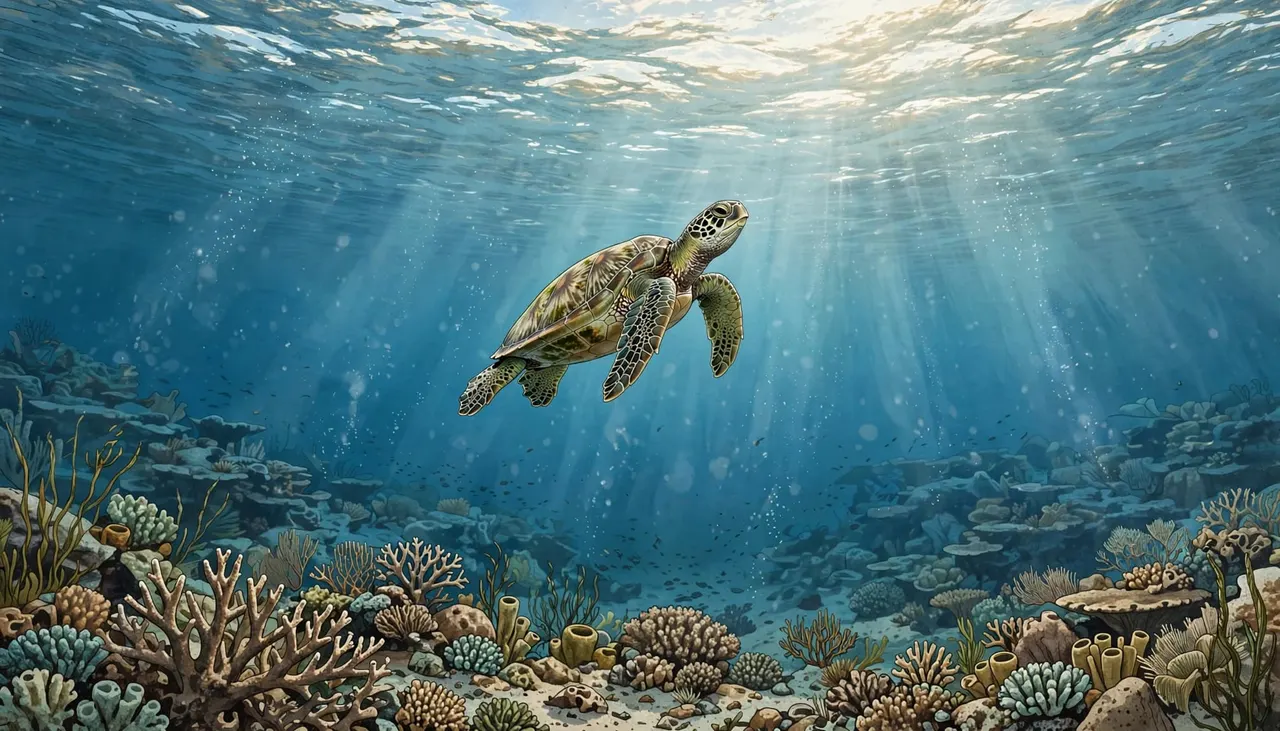
A cleaning stop still uses oxygen
Turtle Canyons is an offshore reef area near Waikiki where green turtles visit natural cleaning stations. Small reef fish remove algae and other material from their shells and skin.
You may notice a turtle pause while fish work around it. Although the scene looks relaxed, the turtle still depends on oxygen taken in during an earlier surface breath.
Cleaner fish don’t help turtles breathe. They interact with the outside of the animal, while its lungs support its underwater activity.
A turtle can leave the cleaning station to surface, travel, or continue another part of its routine. Several turtles nearby don’t necessarily belong to a traveling group.
An ascent isn’t an invitation
A turtle may angle upward, move steadily through the water, and lift its head above the surface. Its route can bring it near floating snorkelers.
Understanding why green turtles surface near snorkelers helps you avoid reading that proximity as an invitation to interact.
You may happen to occupy the water along its chosen path. Give it room rather than following or positioning yourself in front of it.
A turtle’s slow ascent doesn’t tell you how much oxygen remains. Keep its route open even when it appears unhurried.
Give Honu a Clear Route to Breathe
Keep at least 10 feet, or 3 meters, from sea turtles in the water and on shore. Treat that distance as a starting point, and leave more space whenever your position could block movement.
If a turtle approaches, stay calm and avoid reaching toward it. Follow your guide’s directions and let the animal pass without pursuing it.
Position matters as much as distance. Floating directly above a turtle can put you in the route it needs for its next breath. Likewise, several swimmers can unintentionally surround an animal even when each person feels far enough away.
Never touch, feed, chase, grab, or ride a sea turtle. Disturbance can interrupt resting or cleaning behavior and prompt extra swimming.
For photos, use your camera’s zoom rather than closing the gap. Keep your attention on the animal’s direction instead of watching only your screen.
Meanwhile, control your fins and stay off the reef. You can observe breathing behavior from the surface without diving down beside a turtle or standing on coral to steady yourself.
Join a Guided Turtle Canyon Snorkel With Us
Our Turtle Canyon snorkel excursion in Oahu departs from Kewalo Basin Boat Harbor near Waikiki. The two-hour outing costs $79 and welcomes guests ages 3 and older.
You receive snorkeling equipment and in-water guidance, with flotation support available. Cold drinks, water, and light snacks are also included.
We’re the only tour company with professional snorkel guides. That support gives you someone to turn to for equipment help and direction around wildlife, whether you’re new to snorkeling or bringing your family.
Before entering, tell your guide about your swimming experience and comfort level. A properly fitted mask and a relaxed pace help you spend more attention on the reef.
Our double-decker boats also have shaded seating, onboard restrooms, and sturdy ladders for water access. However, the turtles remain wild animals, and their movements set the pace of each encounter.
You can CHECK AVAILABILITY to choose a departure for your visit.
Separate What You See From What You Can Know
Watching a turtle carefully can reveal its direction, activity, and interactions with reef fish. It can’t reveal its remaining oxygen supply or explain every movement.
For example, a turtle resting near a ledge may be conserving energy. Yet you can’t diagnose exhaustion, illness, or sleep from its stillness alone. Similarly, repeated surfacing doesn’t give you enough information to judge an animal’s health.
The reef adds other distractions. Light shifts, fish pass through your view, and another turtle may enter the area. Unless you’ve followed one animal continuously, you may not know whether you’re watching the same individual.
Avoid turning a sighting into a breath-holding contest. Your own safe snorkeling routine matters throughout the trip, so breathe normally through your snorkel and stay with your guided group.
If you notice fishing line, entanglement, or an animal struggling, alert your guide. Don’t grab the turtle or attempt an underwater rescue yourself.
Frequently Asked Questions About Turtle Breathing
Can green turtles breathe through their skin?
Green sea turtles rely on lungs for breathing and must surface for air. You shouldn’t apply unusual breathing adaptations described in some freshwater turtles to the honu you encounter off Waikiki.
Their ability to remain submerged comes from stored oxygen and how they use it.
Does a turtle need to swim constantly to breathe?
No. Unlike animals that move water over gills, green turtles breathe air at the surface. They can rest underwater while using oxygen taken in earlier.
However, resting doesn’t refill that supply. Even a turtle that remains still must eventually return to the surface.
Can you follow a turtle upward for a photograph?
Give an ascending turtle space instead of following closely. Stay outside its route and let it reach the surface without changing direction around you.
You can often observe the entire ascent from farther away. A clear view doesn’t require a close approach.
Does a snorkel let you breathe underwater like a turtle?
Your snorkel lets you breathe surface air while your face remains in the water and the tube opening stays above it. It doesn’t supply air when fully submerged.
During your outing, use the equipment as instructed and ask your guide for help whenever you need it.
Watch the Next Breath With More Understanding
Your Turtle Canyon snorkel becomes more meaningful when you recognize how much depends on a surface breath. Every quiet pause and steady ascent belongs to an animal managing its own oxygen needs.
Give honu space to choose their path, and let your guide help you observe without interrupting. You can enjoy the encounter while leaving the turtle free to rest, breathe, and continue through its reef habitat.


