
Turtle Canyon Oahu: Green Turtle Recovery After Deep Dives
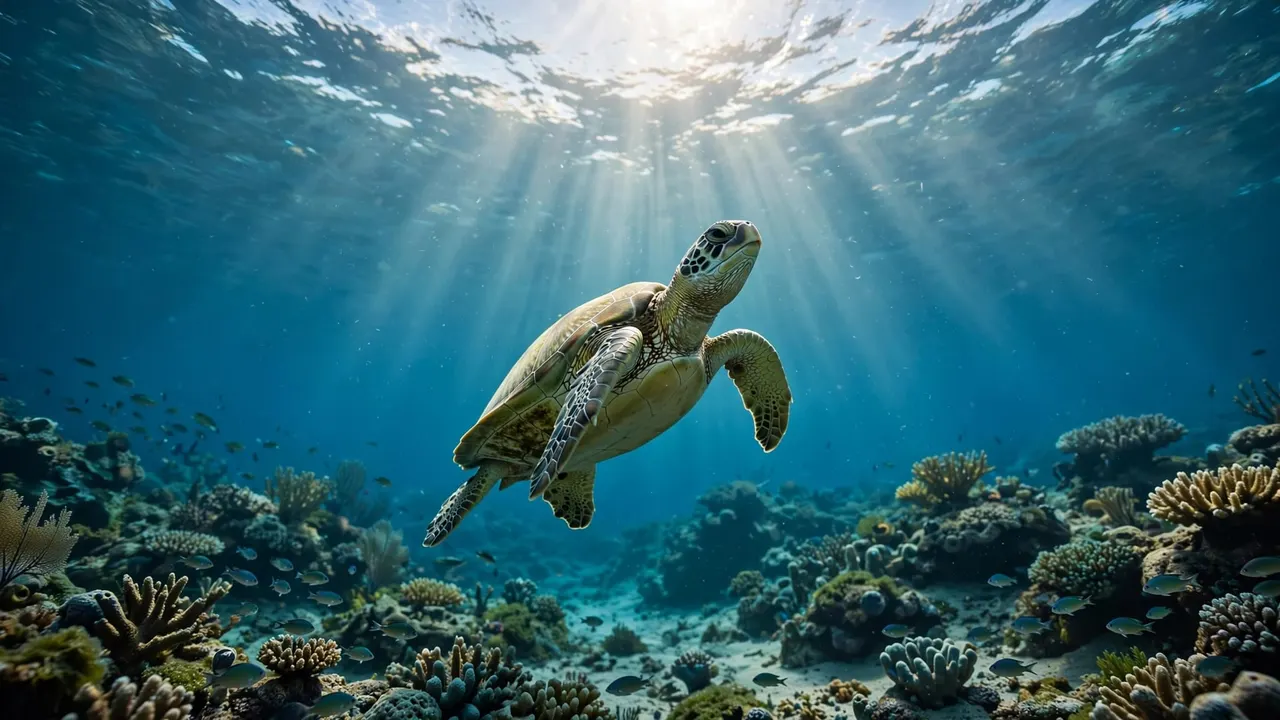
A turtle rising toward you may be heading for its next breath, so giving it room matters more than getting closer. At Turtle Canyon Oahu, understanding that moment adds something special to your snorkeling experience with Living Ocean Tours.
Hawaiian green sea turtles, known locally as honu, replenish oxygen at the surface after spending time underwater. However, recovery doesn’t follow a fixed schedule, and a quiet turtle isn’t necessarily exhausted.
Before you enter the water, it helps to understand what breathing, resting, and reef visits reveal about these protected animals.
Key Takeaways for Your Turtle Encounter
- Green turtles breathe air, so they need an unobstructed route to the surface. Resting underwater doesn’t refill their oxygen supply.
- Dive depth alone doesn’t tell you how much recovery a turtle needs. Activity, dive duration, and the animal’s condition also matter.
- Turtle Canyon’s cleaning stations offer opportunities to observe reef interactions, but cleaning isn’t the same process as replenishing oxygen.
- Hawaii recommends staying at least 10 feet (3 meters) from sea turtles. You can enjoy the encounter without touching, following, or surrounding them.
How Recovery Works at Turtle Canyon Oahu
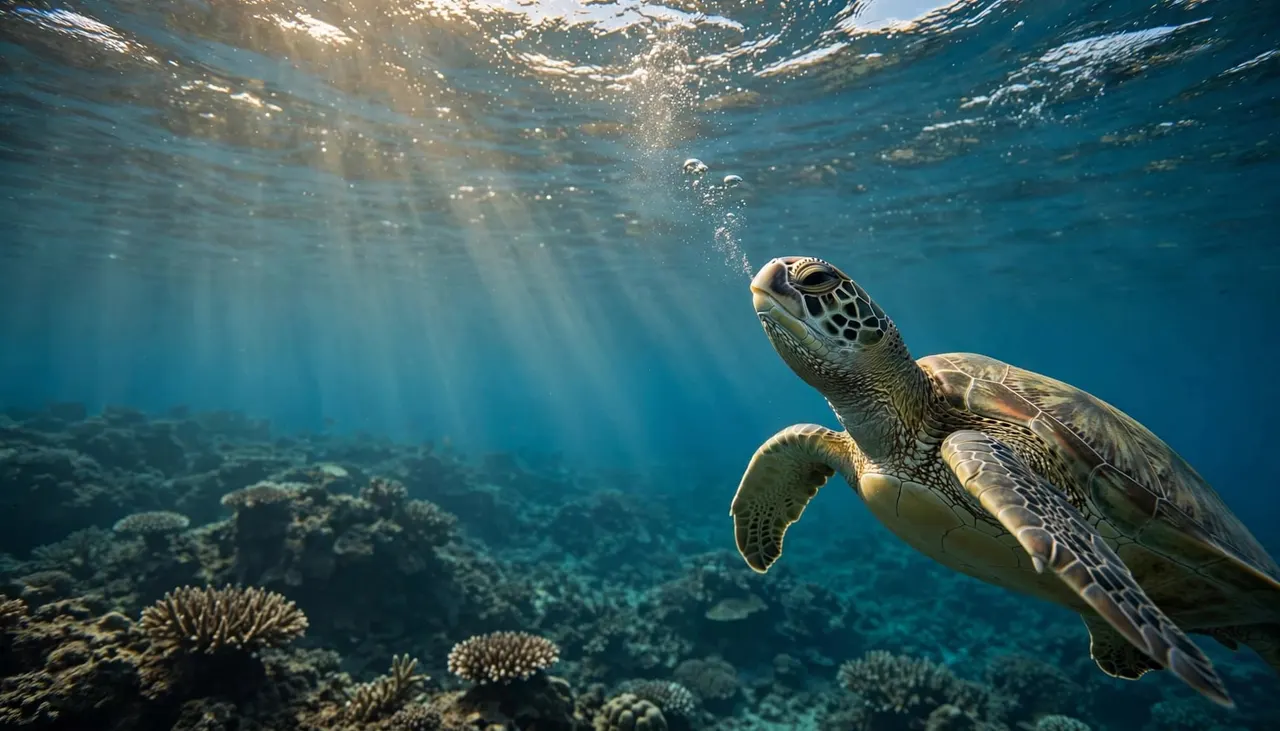
Surface Breaths Restore Oxygen
When you watch a honu lift its head above water, you’re seeing an air-breathing reptile replenish its oxygen supply. Its lungs take in fresh air while breathing also releases carbon dioxide.
Unlike reef fish, turtles can’t extract oxygen from seawater through gills. NOAA’s green turtle information confirms that they must surface to breathe.
After breathing, a turtle may descend again or remain near the surface briefly. You shouldn’t expect a long, stationary recovery period after every dive. Instead, let the animal choose its pace and keep the space above it clear.
Several Breaths Don’t Establish a Recovery Timer
In a 2014 green turtle diving study, Junichi Okuyama and colleagues reported five to seven breaths to replenish oxygen associated with resting dives.
That finding helps explain why you might see repeated breaths during one surface visit. However, it isn’t a universal prescription for every turtle or dive.
The study wasn’t a measurement of Turtle Canyon turtles. You can’t use its breath count to decide when a particular honu has “finished recovering.”
For your encounter, the useful detail is simpler: surfacing belongs to the turtle’s normal breathing cycle. Give it room throughout that cycle, even if it appears calm or comfortable around swimmers.
Why Deep Dives and Long Dives Aren’t Interchangeable
Activity Changes Oxygen Use
A turtle’s oxygen needs depend partly on what it does underwater. Swimming actively requires more energy than remaining relatively still.
As a result, a shorter, active dive can involve different oxygen demands than a longer resting dive. Depth alone doesn’t reveal how hard the animal worked.
A 2026 study of juvenile green turtles found that shorter dives typically contained more active behavior. Longer dives were dominated by resting.
Those results concern juveniles in shallow habitats, not every adult honu you encounter off Waikiki. Still, they demonstrate why a stopwatch or a depth estimate can’t explain an individual turtle’s needs.
Your Surface View Shows Only Part of the Dive
At Turtle Canyon Oahu, you may notice a turtle only when it enters your field of view. You probably haven’t watched its entire underwater journey.
It may have been swimming, feeding, resting, or visiting another part of the reef before you spotted it. Therefore, its arrival doesn’t establish when its dive began.
You also can’t determine its previous depth by watching its ascent. A turtle rising from below your view hasn’t necessarily completed an unusually deep dive.
Avoid attaching a fixed recovery time to the encounter. The more rewarding approach is to observe its movements without trying to measure a process you can’t fully see.
Cleaning Stations Explain Why Turtles Pause at the Reef
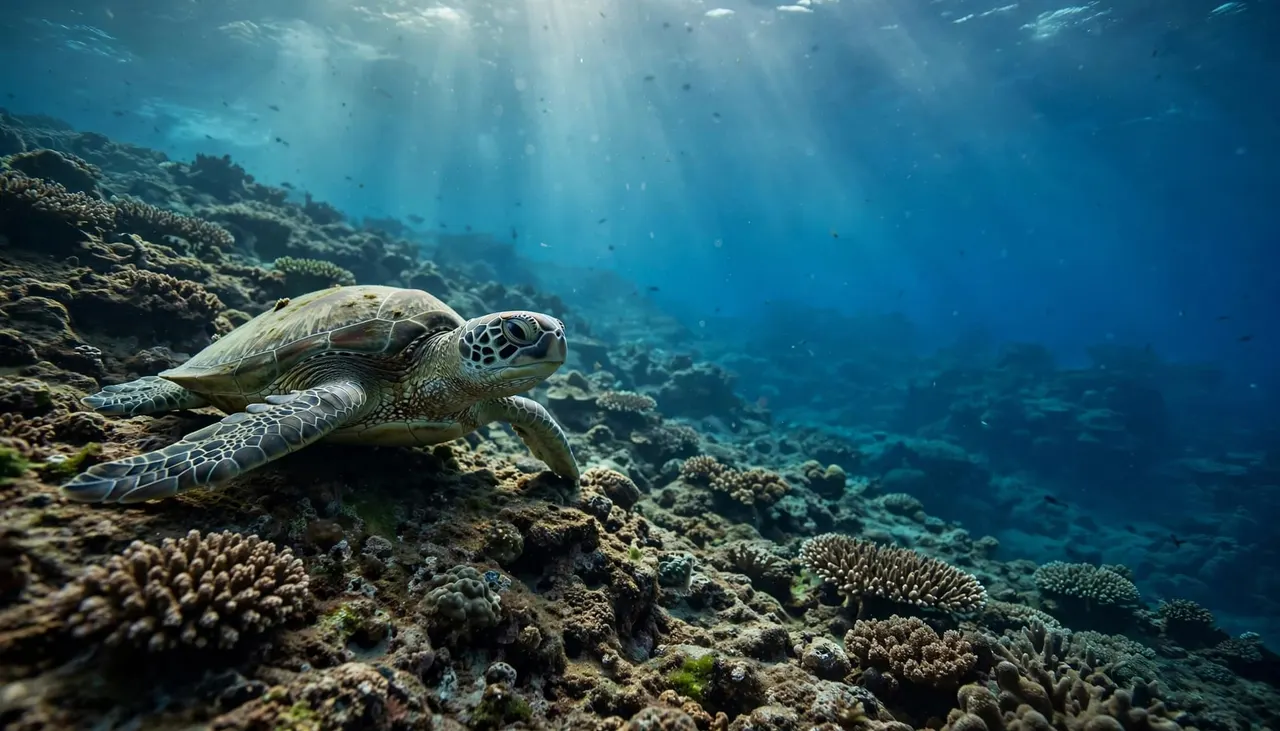
Reef Fish Provide a Different Kind of Care
Living Ocean Tours describes Turtle Canyons as a natural cleaning station offshore of Waikiki. Here, small reef fish remove material such as algae and parasites from turtles’ shells and skin.
For you, that creates a chance to watch an interaction rather than simply spotting a passing animal. A turtle may hover or move slowly while fish approach it.
However, cleaning doesn’t replenish oxygen. The turtle still needs to breathe at the surface, whether it has been resting, swimming, or receiving attention from cleaner fish.
Keep that distinction in mind when you see a honu lingering above the reef.
A Quiet Turtle Isn’t Automatically Recovering
Stillness can be part of resting or cleaning behavior. It doesn’t prove that a turtle has returned from a deep dive or needs help.
At Turtle Canyon Oahu, you can appreciate these pauses without assigning them a medical explanation. Watch where the animal moves and whether fish interact with it, but leave its behavior undisturbed.
Because underwater resting still relies on stored oxygen, a resting turtle eventually needs access to air. Your position shouldn’t interfere with that route.
A cleaning station doesn’t replace a breathing stop. Even a turtle resting calmly above the reef needs a clear path to the surface.
That understanding helps you enjoy the reef activity while respecting the turtle’s next movement.
What You Can Observe Without Guessing
You don’t need marine biology training to recognize basic movements. However, a snorkeling encounter gives you limited information about a turtle’s condition.
Use these observations as context rather than a diagnosis.
| What you notice | What it can tell you | What it can’t establish |
|---|---|---|
| A turtle lifts its head above water | It’s taking a surface breath | Its previous dive depth |
| It takes several breaths | It’s continuing its breathing sequence | A universal recovery time |
| It pauses near reef fish | Cleaning behavior may be occurring | That it’s exhausted |
| It remains still underwater | Resting may be occurring | That it no longer needs air |
The practical takeaway is to watch patiently and avoid conclusions based on a single movement.
If you notice fishing line, a hook, or apparent entanglement, alert your guide immediately. Don’t attempt to grab the turtle or remove gear yourself.
Hawaii’s Department of Land and Natural Resources explains that fishing gear can prevent turtles from reaching air, among other injuries. Your crew can help determine the appropriate reporting response.
A turtle that changes direction near swimmers also isn’t inviting you to follow. Allow it to leave your viewing area rather than keeping it surrounded.
Give Breathing Turtles Space Without Losing the View
Hawaii’s sea turtle viewing guidance recommends staying at least 10 feet (3 meters) away on land and in the water. Treat that distance as viewing guidance, not permission to disturb an animal once you’re outside it.
Close approaches can still amount to harassment. Your behavior matters alongside your distance.
When a turtle starts ascending, move out of its path rather than swimming above it. If it approaches you, calmly create space without reaching toward its shell or flippers.
These habits help you remain a respectful observer:
- Stay beside the viewing area rather than directly over an ascending turtle.
- Keep your group from forming a circle around the animal.
- Use your camera’s framing or zoom instead of swimming closer for a photograph.
Never touch, feed, or chase a honu. Also, avoid standing on coral while watching one below you.
For families, explain the breathing route before anyone enters the water. Children can understand that turtles need room to lift their heads and take air.
Meanwhile, flotation support can help you stay relaxed at the surface. Follow your guide’s instructions so you can focus on observing rather than constantly adjusting your position.
Plan a Guided Turtle Canyon Visit From Waikiki
Choose Support That Helps You Observe
You reach this offshore reef by boat rather than attempting a swim from Waikiki Beach. Living Ocean Tours departs from Kewalo Basin Boat Harbor near Waikiki.
Its Turtle Canyons Snorkel Excursion includes snorkeling equipment, flotation support, and professional in-water guidance.
Living Ocean Tours describes itself as Oahu’s only tour company with professional snorkel guides. That support helps you manage unfamiliar gear and follow wildlife-viewing instructions.
Before your Turtle Canyon Oahu outing, tell the crew about your snorkeling experience and comfort level. You don’t need to dive down to enjoy turtles moving beneath you.
Keep Your Expectations Flexible
Wind, swell, currents, and visibility affect offshore snorkeling. The reef’s location doesn’t guarantee calm water, and wildlife sightings don’t follow a timetable.
Bring sun protection and a towel, then listen closely to the safety briefing. Ask for help with your mask before entering rather than struggling with it away from the boat.
For a turtle-focused trip, CHECK AVAILABILITY for a departure that fits your vacation.
If your family is comparing activities, the company’s Honolulu ocean tour options help you choose the right outing.
Let the Turtle Set the Pace
Your most memorable Turtle Canyon Oahu encounter may be a simple ascent, a few breaths, and a gentle return toward the reef. Understanding that sequence helps you appreciate the animal without interrupting it.
Surface breathing replenishes oxygen, while underwater resting and cleaning have different purposes. None gives you a universal recovery timer.
With space and patient observation, you can enjoy the encounter while leaving the turtle free to breathe and move on its own schedule.


