
Turtle Canyon Oahu: Wild Turtles or Released?
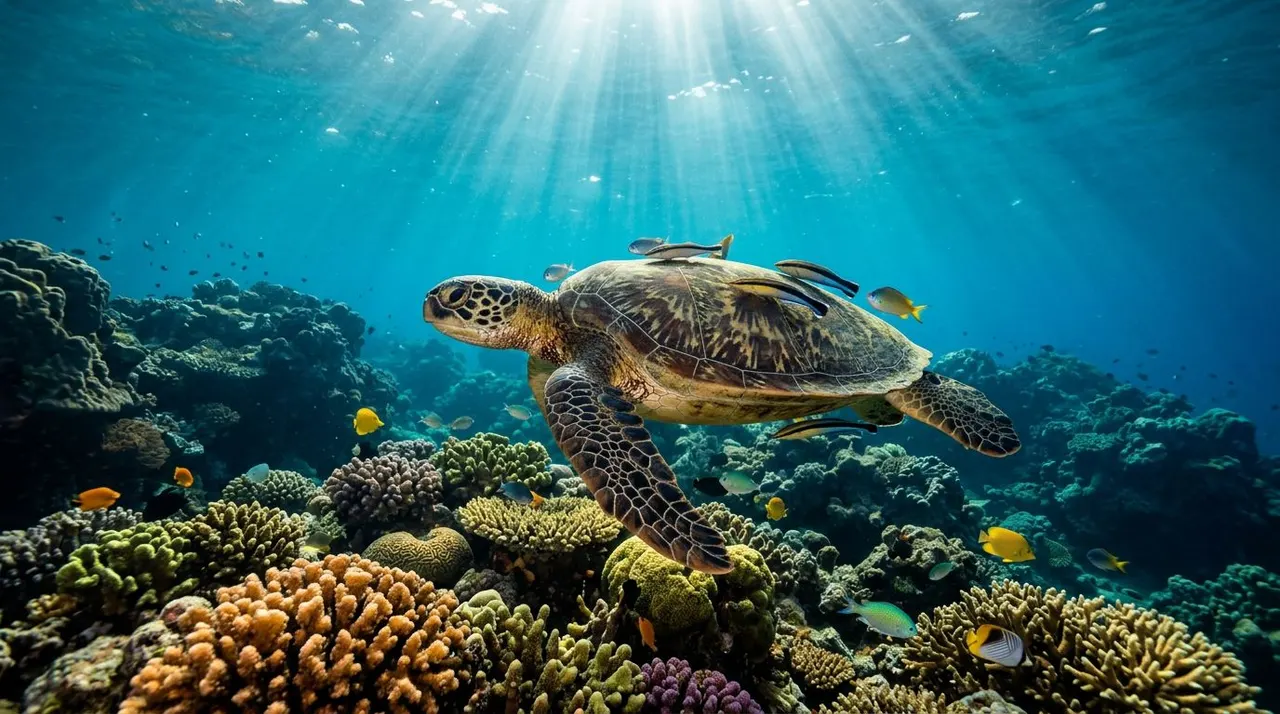
If you spot a calm green sea turtle beneath your boat, you might wonder whether it belongs there naturally. At Turtle Canyon Oahu, the answer is clear: the turtles are wild Hawaiian green sea turtles, not animals released for visitors.
Living Ocean Tours brings you to a natural offshore reef where honu often visit a cleaning station. You may see turtles resting, swimming through the reef, or allowing small fish to remove algae from their shells. Understanding this behavior helps you enjoy the encounter without disturbing it.
Are the turtles at Turtle Canyon Oahu wild or released?
The turtles at Turtle Canyon are wild animals living in their natural marine habitat. No aquarium holds them there, and no tour company releases them before guests enter the water.
Turtle Canyon is an offshore reef near Waikiki. Hawaiian green sea turtles come and go as they choose. Some may remain in the area for a short rest, while others continue through the reef after cleaning. Their movements depend on food, water conditions, nearby activity, and their own natural routines.
You may notice that the turtles appear comfortable around snorkelers. That calm behavior doesn’t mean they are tame. Hawaiian green sea turtles often move slowly while resting, which can make them seem unusually relaxed. They can still swim away quickly if they feel crowded or threatened.
The reef’s repeated turtle sightings come from the location itself. Turtle Canyon includes a natural cleaning station where reef fish pick algae and other material from a turtle’s shell. Since this service benefits the turtle, honu may return to the same general area over time.
Living Ocean Tours reports a 95% success rate for spotting Hawaiian green sea turtles on its Turtle Canyons Snorkel Excursion. That figure describes past tour results, not a guarantee. Visibility, swell, weather, water temperature, and turtle behavior can change from one trip to the next.
Hawaiian green sea turtles are protected wildlife. They are federally listed as threatened, so responsible visitors should review green turtle protection information before entering the water.
Why do wild honu gather at Turtle Canyon?
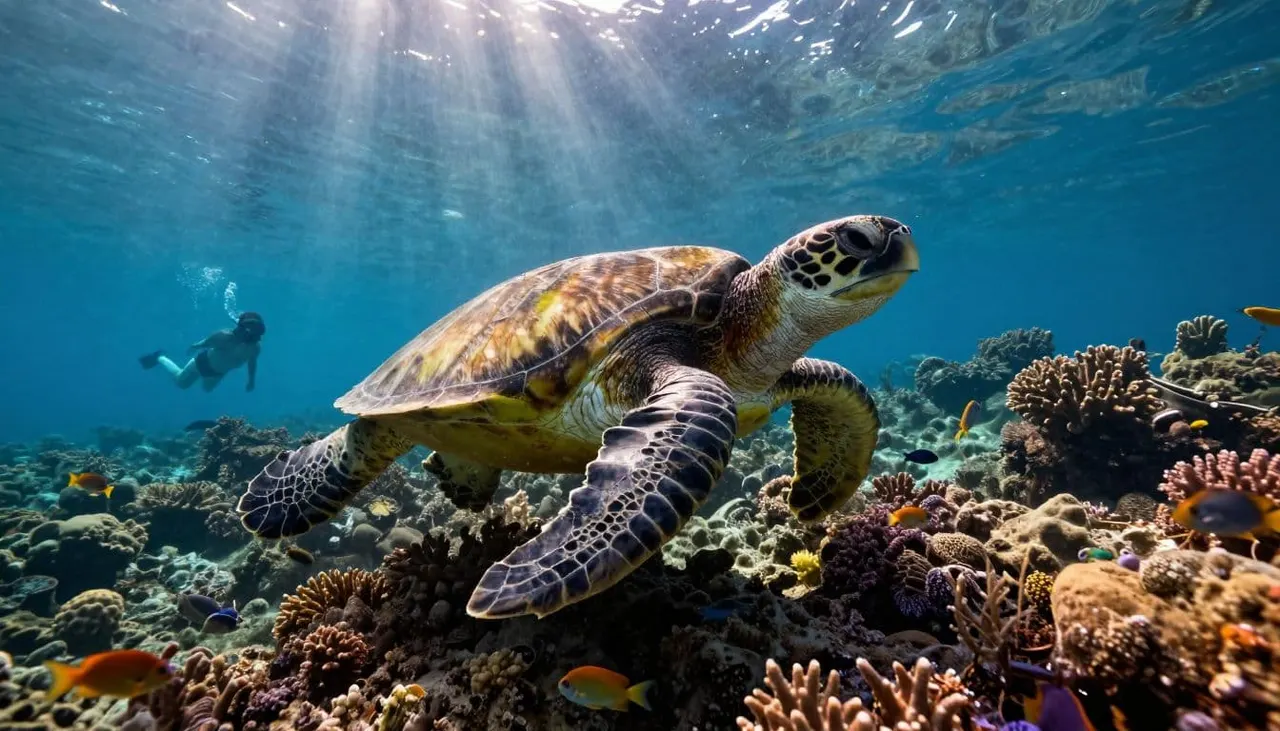
The main reason is the reef’s cleaning station. Small reef fish feed on algae and other buildup found on a turtle’s shell. This natural interaction helps keep the turtle’s body cleaner while giving the fish an easy source of food.
A turtle may hover above the reef or rest in a position that allows fish to work along its shell. You might see the turtle remain still for several minutes, then swim away once the cleaning stops. The process is ordinary reef behavior, not a performance arranged for a tour.
Cleaning stations appear in many marine environments. At Turtle Canyon, the underwater reef structure creates a place where turtles and cleaner fish can meet. The area is also close enough to Waikiki for boat operators to reach it during a short ocean excursion.
The turtles don’t gather because boats feed them. Feeding wildlife changes natural behavior and can create safety problems for the animals. Tour operators and responsible snorkelers should allow the reef to function without adding food or trying to attract turtles.
You can also see a brief example of reef fish cleaning behavior to understand what you may notice underwater. In person, the scene may look subtle. A turtle can blend into the reef while tiny fish move around its shell.
Water clarity affects how much detail you can see. On a clear day, you may notice the turtle’s patterned shell, flippers, and the fish around it. Murkier water can limit visibility even when turtles remain nearby.
How can you tell the turtles are wild?
You can’t prove an individual turtle’s history from the surface, but its behavior provides strong clues. Wild honu show natural patterns that don’t match captive displays.
At Turtle Canyon, a turtle may:
- Arrive from open water without being guided into the reef.
- Leave the cleaning station whenever it chooses.
- Change direction when a swimmer gets too close.
- Rest, feed, or pass through without interacting with people.
- Appear on one trip but not the next.
That unpredictability is part of a genuine wildlife encounter. A released animal would still be living in the ocean, but Turtle Canyon’s turtles are not released animals in the first place. They are resident or visiting wildlife that uses the reef naturally.
You may see the same turtle more than once if you take multiple trips, especially if it has distinctive shell markings. Still, you shouldn’t expect a guaranteed repeat sighting. Even a turtle that visited yesterday may be elsewhere today.
The best approach is to treat every turtle as a wild animal with the right to leave. Avoid chasing it for a closer photograph. Let the turtle set the distance and direction.
How should you snorkel around Turtle Canyon turtles?
Your behavior affects the quality and safety of the encounter. The basic rule is simple: observe, don’t touch.
Keep at least 10 feet away from every turtle. Don’t reach toward its shell, block its path, surround it with swimmers, or follow it when it swims away. Never feed a turtle, even if it approaches you.
Stay calm in the water. Sudden kicks and frantic movements can create stress for wildlife and make it harder for you to remain in control. Use slow fin strokes, keep your hands relaxed, and listen to your guide’s directions.
A good snorkel guide also helps you manage your position. You may need to stay with the group, return to the boat when asked, or move away from a busy part of the reef. Those instructions protect both you and the animals.
First-time snorkelers can enjoy Turtle Canyon without advanced swimming skills. Living Ocean Tours provides equipment and guidance, and its professional snorkel guides help beginners understand water entry, breathing, flotation, and reef etiquette. The company highlights that it is the only tour company with professional snorkel guides.
You should also use reef-safe habits throughout the trip. Keep your fins away from coral, avoid standing on the reef, and don’t collect shells or marine life. A single careless contact can damage organisms that took years to grow.
A turtle swimming toward you isn’t asking to be touched. Give it space, and let the encounter remain natural.
What should you expect on a Living Ocean Tours trip?
Living Ocean Tours operates from Kewalo Basin Boat Harbor, only minutes from Waikiki Beach. The boat ride gives you an open-water view of the Honolulu coastline before you reach the snorkeling area.
The company uses Coast Guard-inspected, custom-built double-decker vessels called the Coral Kai and the Lokahi. Both boats include shaded seating, restrooms, dry storage, and sturdy ladders that make water entry easier.
The Lokahi also features a SeaKeeper stabilization system that reduces side-to-side rolling. That added stability can help if you worry about seasickness or feel nervous on open water. The Coral Kai offers generous open-deck space for enjoying the sun and ocean views.
Your guides explain how to use the snorkel equipment and how to behave around honu. You don’t need to arrive as an experienced swimmer. The crew can help you prepare for the water and stay aware of the group during the excursion.
The Turtle Canyons Snorkel Excursion lasts about two hours, with approximately one hour spent snorkeling in the water. You receive the gear needed for the activity, then return to the boat after the guided reef experience.
You can explore Living Ocean Tours’ Oahu tours if you’re comparing ocean activities for your vacation. The company also offers wildlife cruises, sunset cruises, seasonal whale watching, and other Waikiki experiences.
For the turtle-focused excursion, review the Turtle Canyon green turtle guide before booking. It gives you helpful context about the reef and the wildlife you may encounter.
If Turtle Canyon fits your plans, you can CHECK AVAILABILITY for the snorkel excursion.
Turtle Canyon Oahu offers a real wildlife encounter
The turtles at Turtle Canyon Oahu are wild honu that naturally visit an offshore cleaning station. They aren’t released, trained, fed, or held in place for tourists.
You improve the experience by keeping your distance, following your guide, and allowing each turtle to control the interaction. With professional guidance and the right boat setup, you can enjoy a close look at Hawaii’s marine life while helping protect the reef that brings these turtles back.


