
Turtle Canyon Oahu: Why Green Turtles Return to Reefs
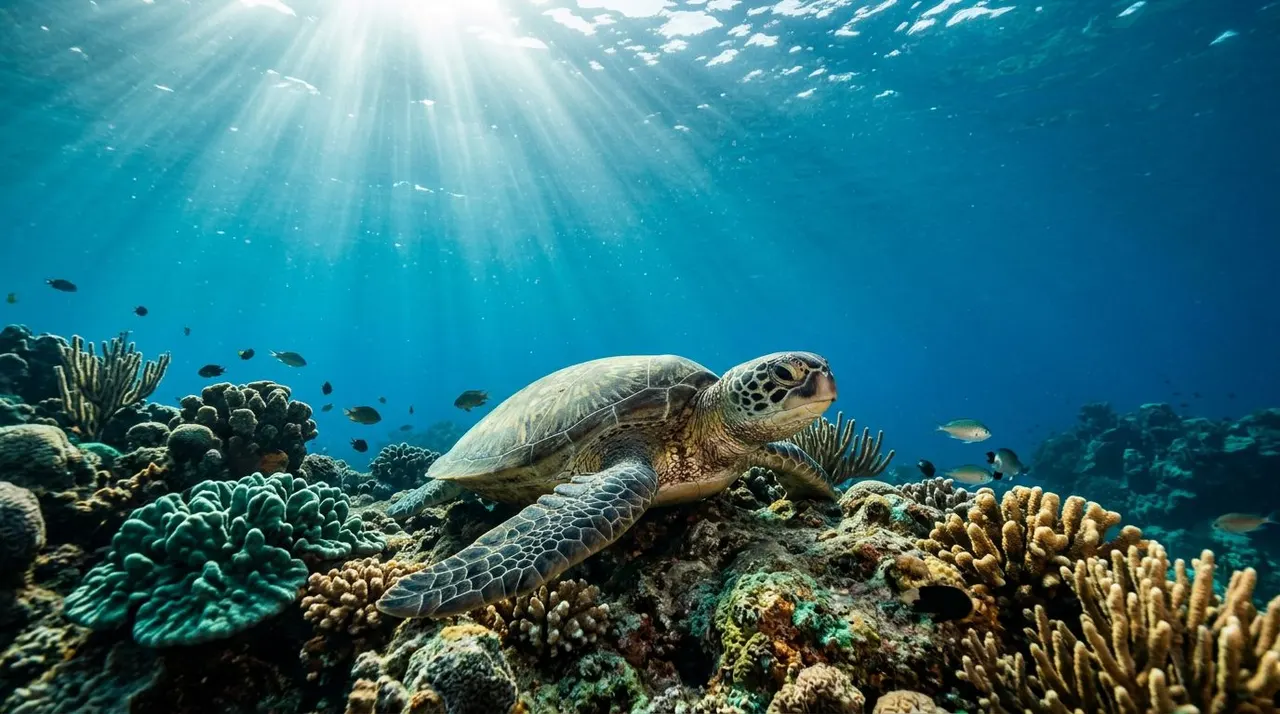
Few ocean encounters feel as personal as watching a green sea turtle return to the same reef ledge, hover above the coral, and continue its day while you float nearby. At Turtle Canyon Oahu, that calm routine is the reason many visitors book a guided snorkel with Living Ocean Tours.
The turtles aren’t performing for swimmers. They return because the reef provides food, shelter, and familiar conditions. When you understand that pattern, your snorkel becomes more than a wildlife sighting. You get a closer look at how Hawaiian green sea turtles use the coast.
Why Turtle Canyon Oahu attracts returning green turtles
Green sea turtles, known as honu in Hawaii, spend much of their lives moving through coastal waters. They travel between feeding areas, resting places, and other parts of their home range. Still, they often show strong site fidelity, which means they repeatedly use locations that meet their needs.
Turtle Canyon offers a useful combination of reef features. Rocky ledges create resting areas, while the surrounding coral habitat supports small marine organisms and algae. The reef’s shape also gives turtles familiar places to pause before surfacing or continuing along the coast.
Food is one reason a turtle may revisit a location. Green turtles graze on marine vegetation, especially algae and seagrass in suitable coastal habitats. A reef that consistently provides food becomes more valuable than an unfamiliar stretch of ocean.
Cleaning stations add another reason. Certain reef areas attract fish and other small organisms that remove algae, dead skin, or other growth from a turtle’s shell and body. The turtle gains a useful service, while the cleaners gain food. Both animals can return to a place where this exchange works well.
Water movement matters, too. A turtle needs energy to swim, dive, feed, and surface for air. Familiar currents and depths may make a reef easier to use than a location with unpredictable conditions. You may see a honu arrive, settle above the reef, and remain still for several minutes before moving on.
That behavior doesn’t mean every turtle visits Turtle Canyon every day. Sightings still depend on visibility, swell, temperature, boat traffic, and the turtles’ own movements. However, a reliable habitat gives returning animals a reason to keep this reef within their regular coastal route.
The natural cleaning station beneath the surface
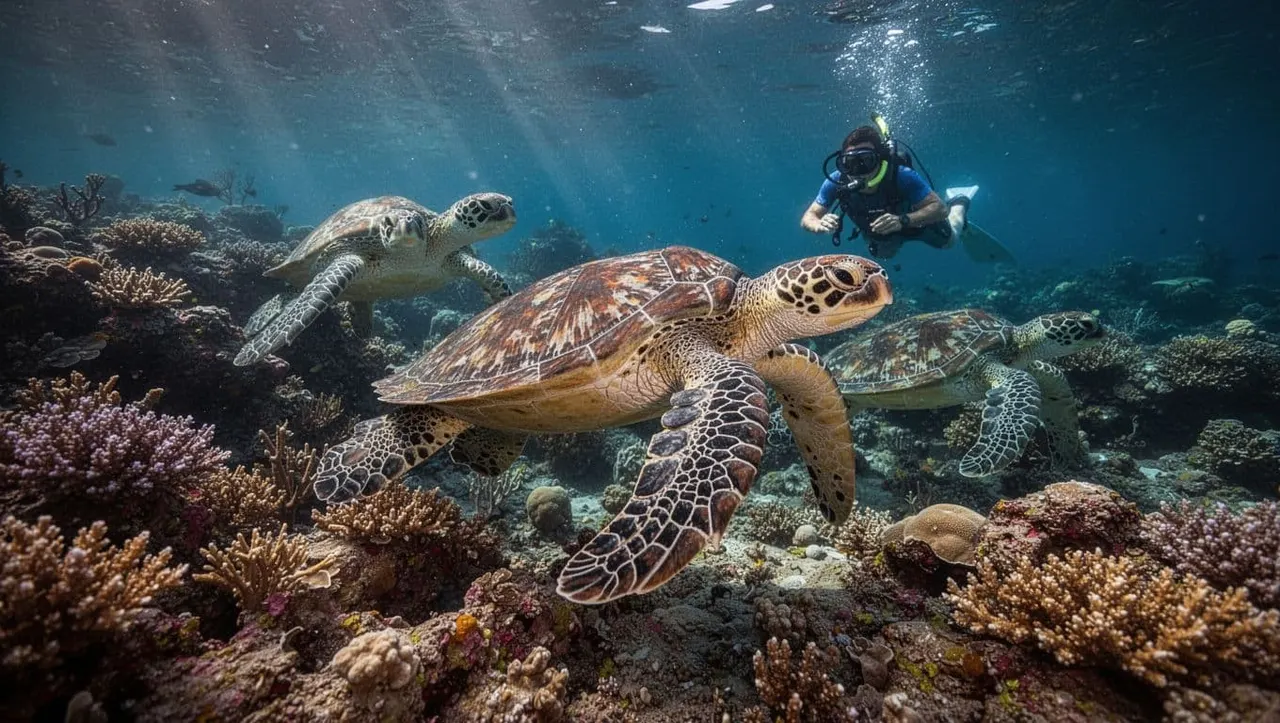
A cleaning station is a place where marine animals pause while smaller reef creatures remove unwanted material from their bodies. You may notice a turtle holding its position above the coral, extending its flippers, or lifting its head slightly. Those quiet movements help cleaners reach different parts of its shell and skin.
At Turtle Canyon, the natural underwater cleaning station is a major reason visitors come to snorkel. Living Ocean Tours reports a 95% success rate for spotting Hawaiian green sea turtles at this location. The company doesn’t promise that a specific turtle will appear, because wild animals choose their own paths, but the reef’s regular use creates strong opportunities for observation.
The most respectful encounter is also the least disruptive. If you swim after a turtle, surround it, touch its shell, or block its route to the surface, you can interrupt the behavior that brought it to the reef. A turtle that leaves the station may not return while swimmers remain nearby.
The NOAA green turtle species page provides additional information about green turtle biology, behavior, and conservation. Learning a little before you enter the water helps you recognize natural behavior instead of treating every movement as an invitation to follow.
A turtle that stays still is following its own routine. That calm posture gives you a chance to watch, not a reason to swim closer.
Why familiar reefs matter to a sea turtle
A familiar reef can save energy. When a turtle already knows where it can rest, feed, or find a cleaning station, it doesn’t need to search every part of the coastline. Repeated use also helps the animal respond to local conditions, such as current direction, depth, and access to the surface.
You may notice that one turtle behaves differently from another. Some honu pass through the area without stopping. Others settle above the reef for a longer period. A turtle may also use the site at one time of day and spend another period feeding or resting elsewhere.
Returning to Turtle Canyon doesn’t mean the turtle lives in one small circle. Hawaiian green turtles can travel across broad coastal areas and make longer movements between habitats. Their familiar reef is one useful part of a larger routine.
The idea is similar to knowing several safe places along a daily route. You may choose one place for breakfast, another for work, and another for rest. A turtle also benefits when certain places reliably meet different needs, although its movements follow instinct, habitat, and ocean conditions rather than a human schedule.
You should also separate reef fidelity from nesting behavior. Female green turtles return to nesting beaches during reproductive periods, but a Turtle Canyon visitor is usually using the reef for feeding, resting, or cleaning. The two behaviors involve different habitats and purposes.
That distinction makes the experience more meaningful. You aren’t watching a turtle wander into a random patch of water. You may be seeing a wild animal use a known coastal resource in a way it has used before.
How to snorkel at Turtle Canyon without changing turtle behavior
Your choices in the water affect the quality of the encounter. A good guide helps you understand when to move, when to pause, and how to give a turtle room.
Stay behind the turtle’s direction of travel rather than cutting across its path. Keep enough space for the animal to turn and reach the surface. Green turtles must breathe air, so never position yourself directly above one or between it and open water.
Control your fins with small movements. Strong kicking can stir sand, damage coral, and make it harder for you to remain calm near wildlife. If you need to adjust your mask or gear, move away from the turtle first.
Follow these simple practices:
- Observe with your eyes and camera, but don’t touch, feed, chase, or ride a turtle.
- Keep your fins off the reef and avoid standing on coral.
- Let a turtle leave when it changes direction or swims away.
- Follow your guide’s instructions about distance, group movement, and water entry.
- Keep noise and splashing low near the cleaning station.
Your guide may ask the group to spread out or remain in one area. That direction protects the animals and helps everyone see without creating a crowd around one turtle. It also gives you a better chance to notice smaller reef life that you might miss while rushing after a larger animal.
A respectful snorkeler doesn’t need to force an encounter. When you stay relaxed, turtles often continue their normal behavior, which creates a clearer and more rewarding view.
Experiencing Turtle Canyon with Living Ocean Tours
Living Ocean Tours departs from Kewalo Basin Boat Harbor, a short distance from Waikiki Beach in Honolulu. The location makes it practical to reach Turtle Canyon without spending most of your day traveling to the boat.
The company is the only tour company with professional snorkel guides. That matters when you’re a first-time snorkeler, traveling with children, or trying to understand what you’re seeing beneath the surface. Guides provide instruction, help you enter the water safely, and explain how to observe marine life without disturbing it.
The fleet includes Coast Guard-inspected double-decker vessels, the Coral Kai and the Lokahi. Both boats offer shaded seating, restrooms, dry storage, and heavy-duty ladders for easier water entry. The Lokahi also has a SeaKeeper stabilization system that reduces rolling, which can make the ride more comfortable for guests who are sensitive to motion.
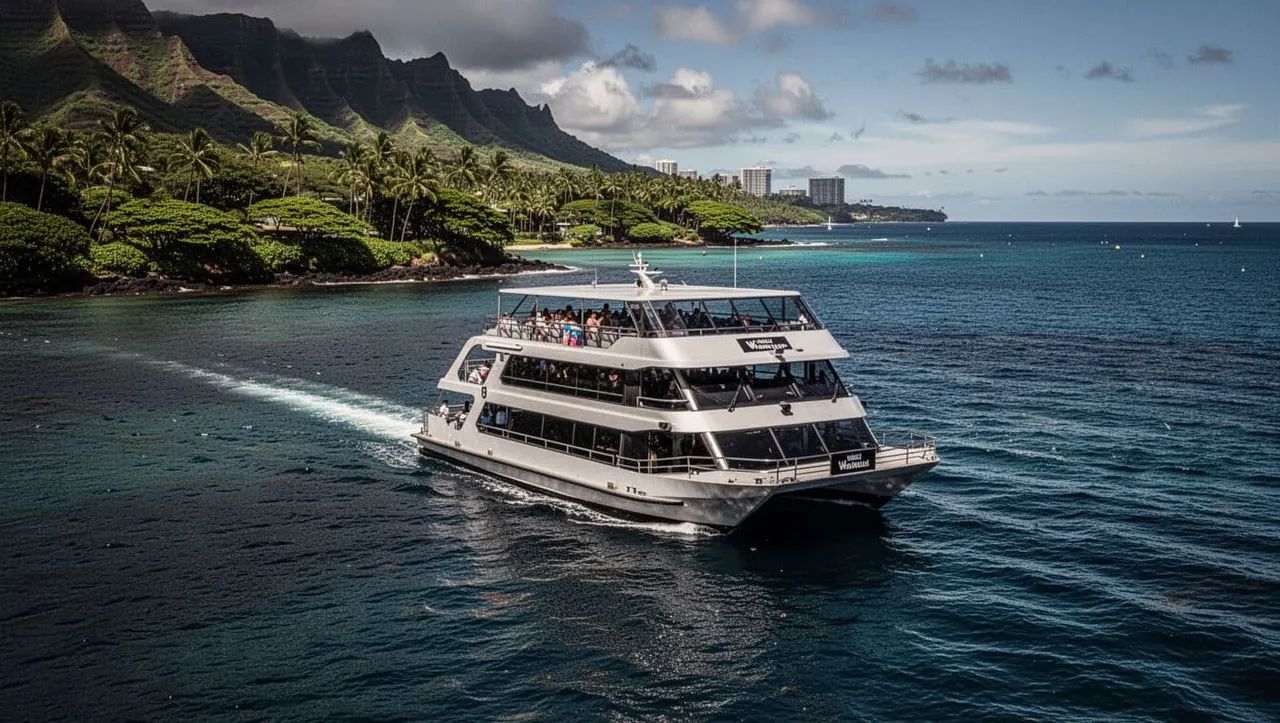
You can review Living Ocean Tours’ guided Turtle Canyon snorkeling tours when choosing a departure. The Turtle Canyons Snorkel Excursion includes gear, professional guidance, and access to a natural reef where green turtles regularly visit. The experience is designed for beginners, families with children ages 3 and older, and confident swimmers who want a focused wildlife outing.
If you’re comparing tour options, the boat amenities can be as useful as the reef itself. You get a stable place to prepare, easy water access, and a crew that keeps the activity organized. That combination lets you focus on the turtles instead of worrying about every detail.
For a closer look at the Turtle Canyon outing, you can also check the dedicated booking option below.
Living Ocean Tours also uses every wildlife encounter to reinforce responsible ocean habits. You can enjoy the excitement of seeing a honu while keeping the animal’s needs first. That balance protects the reef experience for future visitors and supports the turtles that return to it.
Conclusion: A familiar reef deserves your respect
Green turtles return to Turtle Canyon because the reef offers useful, dependable habitat. Food, resting ledges, familiar water conditions, and a natural cleaning station can make the area worth revisiting.
When you snorkel there, your best role is a quiet observer. Give the honu space, follow your professional guide, and let the turtle decide how long the encounter lasts. That respect keeps the reef a place green turtles can continue to return to.


