
Turtle Canyon Oahu: Are Hawaiian Sea Turtles Endangered?
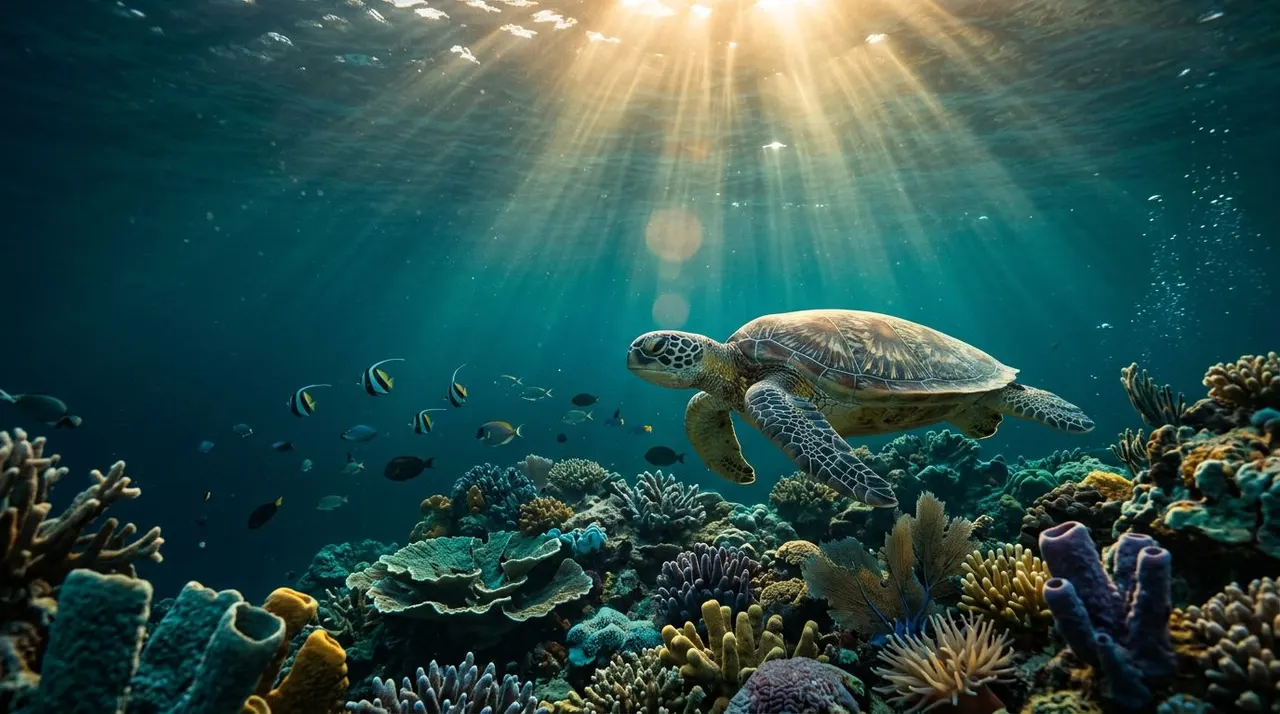
Seeing a Hawaiian green sea turtle glide over the reef at Turtle Canyon Oahu can feel like a rare privilege. You may also wonder whether these gentle animals are endangered and how your visit affects them.
The short answer is nuanced. Hawaiian green sea turtles are protected and still face serious threats, but their legal status in the United States is “threatened,” not “endangered.” Understanding that difference helps you enjoy Turtle Canyon responsibly.
Key Takeaways
- Hawaiian green sea turtles are endangered worldwide under the IUCN Red List.
- Under U.S. law, the Hawaiian green turtle population is federally listed as threatened.
- Turtle Canyon is a popular Waikiki cleaning station where wild honu rest and visit reef fish.
- You should stay at least 10 feet away, avoid touching or feeding turtles, and never block their path.
- A professional guide can help you observe turtles without disturbing the reef or wildlife.
Are Hawaiian Green Sea Turtles Endangered?
Hawaiian green sea turtles, known locally as honu, belong to the species Chelonia mydas. The species is classified as endangered worldwide by the International Union for Conservation of Nature. That global classification reflects threats across many regions, including habitat loss, fishing activity, illegal harvest, marine debris, disease, and climate change.
The U.S. legal classification is more detailed. The Endangered Species Act separates green turtles into distinct population segments. Most green turtle populations are listed as threatened, while some populations, including certain Florida and Pacific Mexico groups, are listed as endangered. The Hawaiian green turtle population is listed as threatened.
That distinction doesn’t mean Hawaiian honu are safe. Under the law, “threatened” means a species is likely to become endangered in the foreseeable future without continued protection. Hawaiian green turtles remain protected from harassment, capture, injury, and killing.
Hawaii’s honu population has improved since historic periods of heavy hunting, but recovery takes time. Green turtles grow slowly and may need decades to reach adulthood. A single adult female also returns to nesting beaches throughout her life, so the loss of mature turtles can affect the population for years.
A growing turtle population still needs protection because recovery can reverse when new threats go unchecked.
You may see turtles feeding near Oahu or resting on a reef, but that doesn’t mean every turtle is healthy or that the species no longer needs help. Conservation depends on protecting nesting beaches, feeding areas, migration routes, and resting sites such as Turtle Canyon.
Why Turtles Visit Turtle Canyon on Oahu
Turtle Canyon is an underwater volcanic formation off Waikiki Beach. Its reef structure attracts fish, coral communities, and Hawaiian green sea turtles. The site is especially known as a natural cleaning station.
Small reef fish pick algae, loose tissue, and other material from a turtle’s shell and skin. The turtle often rests on the seafloor while the fish work around its body. You may see a honu pause near the reef, rise for air, or swim slowly through the blue water.
Because turtles return to productive feeding and cleaning areas, Turtle Canyon offers you a strong chance of seeing them in their natural environment. Still, these are wild animals. Ocean conditions, water clarity, turtle behavior, and daily movement all affect what you see.
Heavy rain can reduce visibility near the coast. Wind and swell can also change conditions around the reef. A responsible boat crew checks the water and adjusts the route when needed instead of treating wildlife sightings as guaranteed.
You might also spot colorful reef fish, coral, sea urchins, and other marine life during your snorkel. The turtle remains the visitor, however. You are entering its habitat, so your behavior matters as much as the quality of the water.
The Main Threats Facing Hawaiian Green Sea Turtles
Historic hunting caused severe declines in Hawaiian green turtle numbers. Legal protection helped reduce that pressure, but several modern threats continue to affect honu around the islands.
Fishing gear and marine debris can entangle turtles or cause serious injuries when animals swallow plastic. Lost line, hooks, and discarded nets may remain in the water for years. A turtle can mistake a plastic bag for food, especially when it resembles floating algae or jellyfish.
Fibropapillomatosis, a disease associated with tumors on a turtle’s skin and eyes, has affected Hawaiian green turtles. Some turtles recover, while severe cases can interfere with feeding, swimming, or seeing predators.
Coastal development and rising seas place pressure on nesting beaches. Warmer sand can also affect hatchling sex because temperature influences whether eggs develop into males or females. Storms and erosion may further reduce suitable nesting areas.
Boat strikes and disturbance create local risks near busy coastlines. A fast-moving vessel can injure a turtle at the surface. Swimmers who chase, touch, surround, or block a turtle can interrupt feeding and resting behavior.
Your choices help reduce the last category of risk. Keeping distance, securing trash, and following local wildlife rules are practical ways to protect honu during an Oahu vacation.
How to Snorkel With Turtles Without Disturbing Them
You can enjoy a close view of a Hawaiian green sea turtle without touching it. In Hawaii, the standard guidance is to stay at least 10 feet away from turtles in the water and on land. Give the animal additional space if it changes direction, swims away, or appears stressed.
Never feed a turtle. Human food can change natural behavior and may cause health problems. You should also avoid touching its shell, holding onto a flipper, riding on its back, or reaching toward its face.
Keep your fins away from the reef. Coral can break easily, and kicking the bottom stirs sediment that reduces visibility for everyone. Use a steady, relaxed kick and follow your guide’s instructions when entering or leaving the water.
Turtles need to surface for air. Don’t position yourself above one or form a circle around it. Leave a clear route to the surface and allow the animal to decide where it goes next.
A few simple habits make your snorkel safer for wildlife:
- Watch quietly instead of chasing the turtle.
- Keep your hands to yourself, even if the turtle swims nearby.
- Use reef-friendly practices and take all trash back to the boat.
- Follow the crew’s instructions about distance, entry points, and water conditions.
- Report injured wildlife to a guide or the appropriate local wildlife authority.
Your best encounter may last only a few seconds. That still counts. When a turtle chooses to pass near you, staying calm gives you a better view and keeps the animal in control.
Choosing a Turtle Canyon Snorkel Tour
If you want to visit Turtle Canyon from Waikiki, Living Ocean Tours departs from Kewalo Basin Boat Harbor, a short drive from Waikiki Beach in Honolulu. The company focuses on guided, eco-conscious ocean experiences and offers a dedicated Turtle Canyon snorkel excursion.
Living Ocean Tours reports a 95% success rate for spotting Hawaiian green sea turtles at the natural cleaning station. That figure is not a wildlife guarantee, but it reflects the site’s regular turtle activity and the crew’s local knowledge.
The company is the only tour company with professional snorkel guides. That matters if you’re a first-time snorkeler, traveling with children, or unsure about swimming in open water. Guides provide instruction, help you use the equipment, explain turtle behavior, and keep the group aware of reef conditions.
You board one of Living Ocean Tours’ Coast Guard-inspected, custom-built double-decker vessels, the Coral Kai or Lokahi. Both boats offer shaded seating, restrooms, dry storage, and sturdy ladders for water entry. The Lokahi also has a SeaKeeper stabilization system that reduces rolling, which can make the ride more comfortable if you are sensitive to motion.
Families and couples can enjoy the experience at their own pace. You don’t need advanced snorkeling skills, but you should be comfortable entering the water and following safety directions. The goal is a respectful wildlife encounter, whether a turtle swims directly past you or remains farther down the reef.
Protecting Honu During Your Oahu Vacation
Your Turtle Canyon visit can support conservation when you choose a crew that treats wildlife encounters with care. Ask whether guides explain turtle behavior, enforce viewing distances, and discourage touching or feeding.
You can also help before you reach the boat. Bring a reusable water bottle, keep plastic secured in your beach bag, and never leave fishing line or food packaging near the shore. On land, give resting turtles plenty of room and follow posted instructions.
The most important rule is simple: observe, don’t touch. A turtle that remains calm can continue feeding, resting, and returning to the same reef. Your respectful behavior protects the animal and gives the next group a better chance to see it naturally.
Conclusion
Hawaiian green sea turtles are endangered worldwide, while the Hawaiian population is federally classified as threatened in the United States. That legal distinction reflects a population that has made progress but still faces disease, habitat loss, pollution, warming beaches, fishing gear, and human disturbance.
At Turtle Canyon Oahu, you can see honu at a natural cleaning station while keeping the encounter safe. Stay at least 10 feet away, follow your professional guide, and let the turtle decide how close it wants to come. The most responsible souvenir is a clear memory of a wild animal that remained wild.


