
Turtle Canyon Oahu: How Green Turtles Grow Up
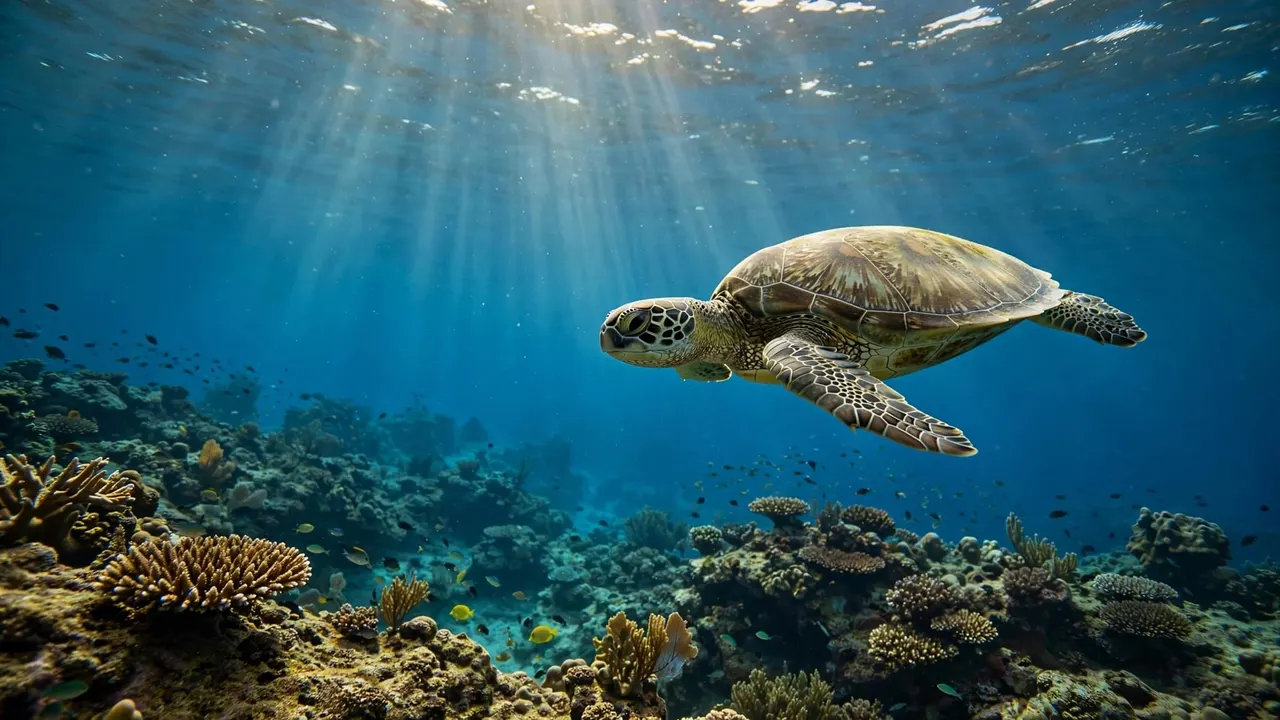
The green turtles you may see at Turtle Canyon Oahu began life on a nesting beach, then spent years growing in the ocean before reaching adulthood. Their journey makes every reef encounter a glimpse into a much longer story.
At Living Ocean Tours, we bring you to this offshore habitat with professional snorkel guides who provide support in the water. Understanding the turtle’s life stages can help you appreciate what you see and give each animal room to thrive.
Key Takeaways
- Turtle Canyon is an offshore reef near Waikiki, not a nesting beach.
- Green turtle hatchlings enter the ocean soon after emerging from their nests and spend an early stage offshore.
- Juvenile turtles grow over many years, eventually using coastal habitats where food and shelter are available.
- Hawaiian green turtles reach adulthood after a long period of growth, so size alone can’t tell you a turtle’s exact age.
- You can protect honu by watching without touching, giving them space, and keeping nesting beaches dark after sunset.
What Turtle Canyon Oahu Offers Growing Honu
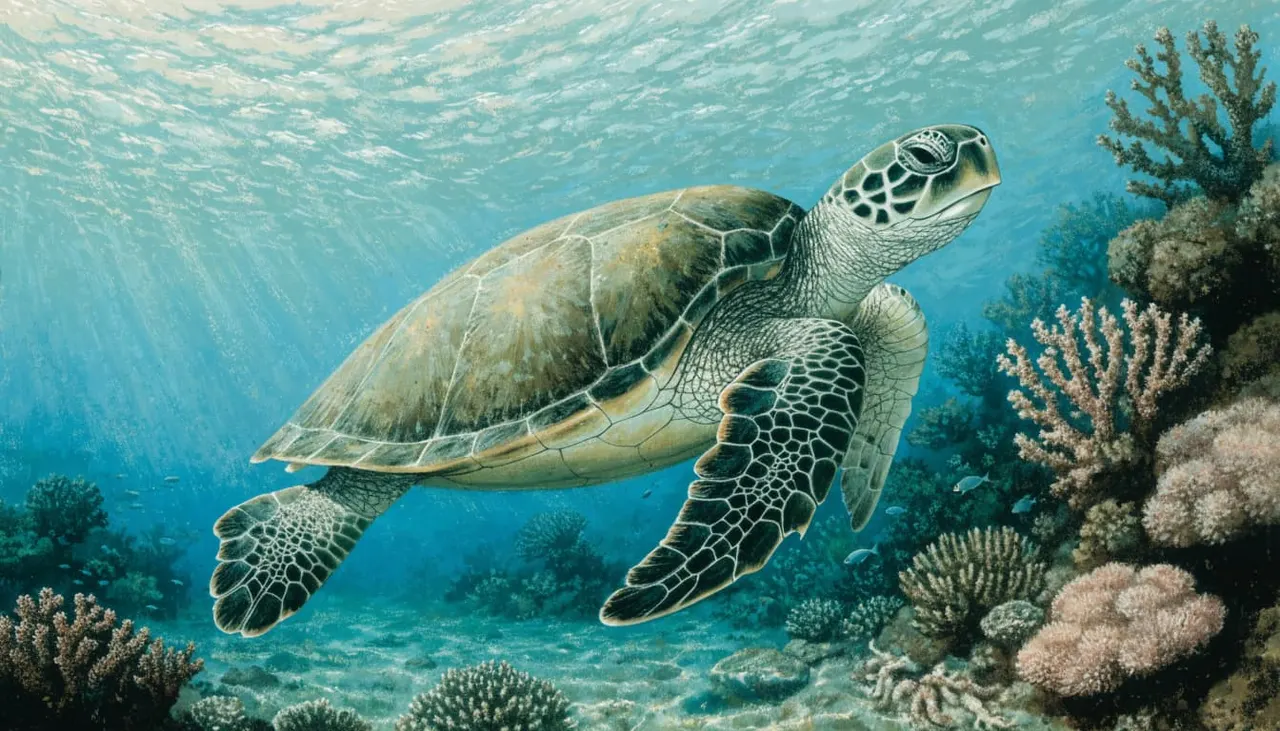
Turtle Canyon, also called Turtle Canyons, is a reef area off Waikiki where Hawaiian green sea turtles, or honu, may swim, rest, and visit natural cleaning stations. It’s a place to observe part of a turtle’s ocean life, rather than its entire life cycle.
At a cleaning station, small reef fish pick algae and other material from a turtle’s shell and skin. You might see a honu pause above the reef while fish move around it, then watch it rise toward the surface for air.
The turtles you encounter are wild. They choose when to arrive, where to move, and how long to stay. Their presence at the reef doesn’t tell you which beach they hatched on or where they’ve traveled.
That distinction makes a snorkel trip more rewarding. As you float above the reef, you’re watching an animal using one habitat within a much larger ocean journey. Our guide to Hawaiian turtle habitat looks more closely at the reef and its cleaning stations.
From Nest to Open Ocean
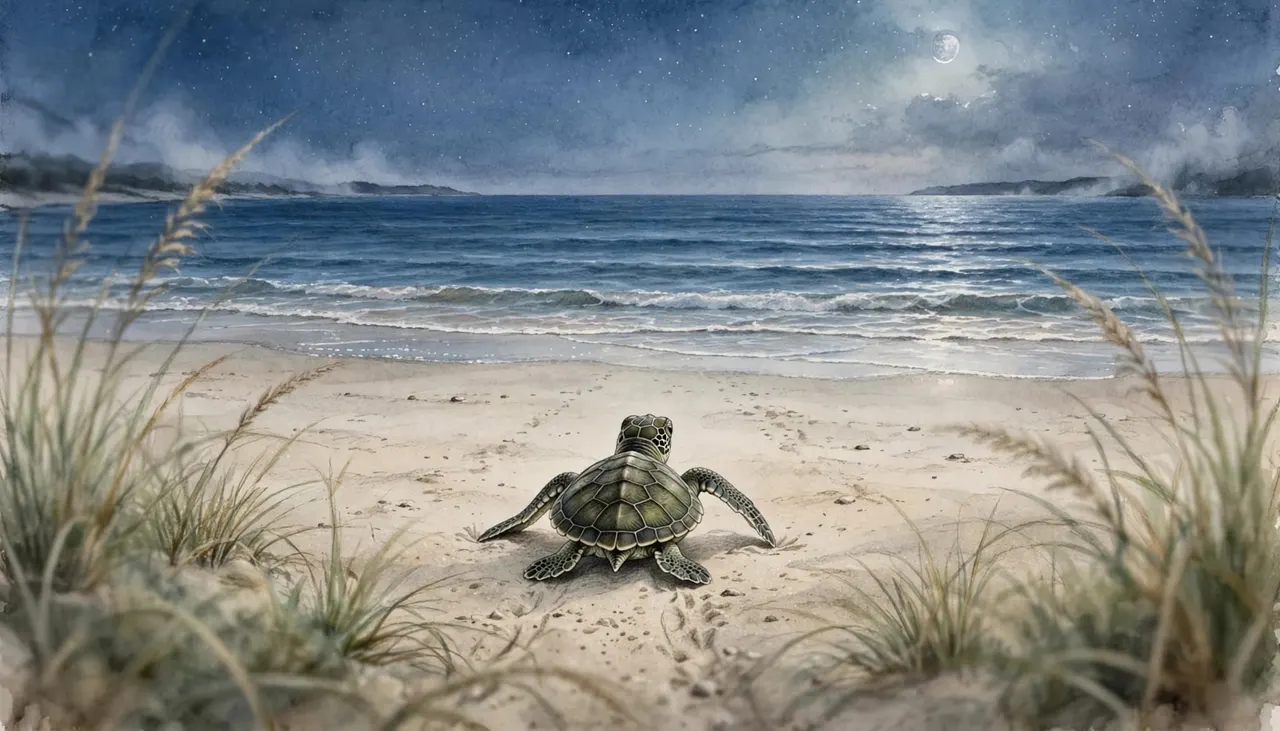
A green turtle’s life begins on land, even though it will spend most of its life at sea. Nesting beaches provide the sand where eggs develop, while the ocean becomes the hatchling’s home after it emerges.
The First Crawl to the Water
A female green turtle comes ashore to nest and covers her eggs with sand. After the eggs hatch, the young turtles emerge and make their way toward the sea.
That short trip across the beach exposes hatchlings to hazards before they’ve even started swimming. Artificial lights can draw them away from the water, while obstacles and human activity can make their route more difficult.
If you’re staying near a nesting beach, keep beachfront lights low or off after dark when possible. Give nesting turtles and hatchlings plenty of room, and never handle them.
The First Offshore Journey
Once in the water, hatchlings swim away from shore. NOAA describes this offshore period as an early stage in the green turtle life cycle.
For you as a snorkeler, the important distinction is location. A turtle you see above a Waikiki reef is using a different kind of habitat than the beach where it began life. A cleaning station at Turtle Canyon Oahu isn’t a place where turtles lay eggs.
The Long Juvenile Years
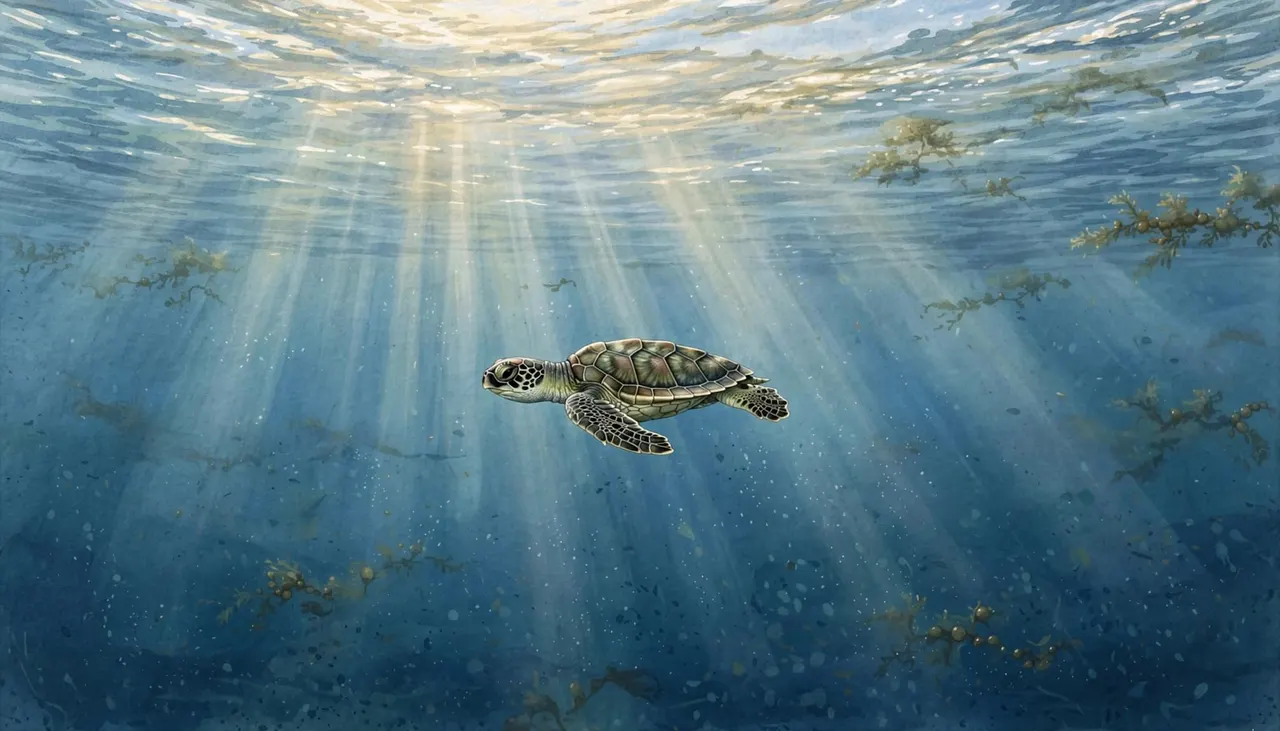
A hatchling doesn’t become a full-grown honu in a single season. Green turtles spend years developing before adulthood, and their habitat changes as they grow.
Growing Beyond the Hatchling Stage
Young turtles continue to develop while living in the ocean. Over time, their bodies become larger and their swimming takes them through different habitats. Some of those years take place offshore, away from the reefs where many visitors encounter turtles.
Growth isn’t identical for every animal. Food, habitat, and other conditions can influence development, so you can’t assign an exact age to a turtle based on one underwater view.
A small turtle may catch your attention because it looks different beside a larger honu. Enjoy the comparison, but leave the age estimates to researchers who can follow animals over time.
Moving Into Coastal Habitat
As green turtles grow, juveniles eventually use coastal areas where they can find food and shelter. Reefs and other nearshore habitats become part of their lives.
You may encounter turtles of different sizes on a snorkel trip, but that doesn’t mean they all arrived together or follow the same schedule. Each animal moves through the ocean on its own terms.
How a Green Turtle’s Diet Changes
Food is another part of the journey from hatchling to adult. Green turtles’ diets change as they grow, and what they eat also depends on what’s available in their habitat.
Young Turtles Eat a Varied Diet
Young green turtles eat a mix of plant and animal material. As they grow and move into coastal habitats, their diet shifts toward marine plants and algae.
This change helps explain why different life stages use different parts of the ocean. The open-water habitat of a young turtle doesn’t offer the same food sources as a coastal reef or shallow feeding area.
Adults Graze on Marine Plants
Adult green turtles eat mostly algae and seagrasses. Around Oahu, marine algae, including seaweed known as limu, are an important food source. NOAA identifies green turtles as primarily herbivorous sea turtles.
Don’t assume every turtle at Turtle Canyon Oahu is there to eat. A honu may be passing through, resting, or visiting a cleaning station. The reef is known for cleaner fish, not as a documented seagrass meadow.
When Does a Honu Become an Adult?
Reaching adult size takes time. Hawaii’s Department of Land and Natural Resources describes green turtles as approximately 20 years old before they become adults. That figure is an estimate, and individual turtles don’t all mature on the same schedule.
Why Size Isn’t an Exact Age
From the surface, you can notice a turtle’s size and body shape. However, you can’t reliably determine its age from appearance alone.
A larger animal has had more time to grow in many cases, but growth rates vary. Water depth and your viewing angle can also make two turtles appear more different in size than they are.
Our guide to green turtle growth and maturity offers more context for comparing juvenile and adult honu.
Adults Return to Nesting Beaches
Once mature, female green turtles can return to land to lay eggs. Males remain in the ocean, while females come ashore for nesting.
The journey between feeding areas and nesting beaches can cover a long distance. When you see a turtle near Waikiki, its appearance alone can’t tell you whether it has nested or which route it has traveled.
Green turtles can live for decades. Because they mature slowly, protecting each life stage gives them a better chance to reach the age when they can reproduce.
How to Watch Turtles Without Disturbing Them
At Turtle Canyon Oahu, a respectful encounter starts with letting the turtle control the distance. Float calmly and watch its direction of travel. If a honu approaches you, give it a clear route past you and toward the surface.
Turtles need air, even when they spend long stretches underwater. Avoid swimming directly above one or blocking its path as it rises. If it changes direction to get away, give it more space.
Never touch, chase, feed, or ride a turtle. Touching can disturb a protected animal and interrupt the behavior you came to see. Keep your fins clear of coral, too, and follow your guide’s instructions around the reef.
A turtle hovering near cleaner fish may be doing something worth watching. Stay back so the turtle and fish can continue without interruption.
You can carry that care onto the beach. Pick up your belongings and trash, leave nesting animals undisturbed, and keep artificial lights away from the shoreline after sunset. A dark beach helps hatchlings find the water and gives nesting females a better chance to come ashore.
If you notice a turtle that appears injured or entangled during a guided trip, tell your guide. Don’t attempt to catch or free the animal yourself.
See Turtle Canyon With Our Snorkel Guides
Our Turtle Canyons Snorkel Excursion departs from Kewalo Basin Boat Harbor near Waikiki. You get snorkeling equipment, flotation support, and guidance from our professional snorkel guides in the water.
If you’re new to snorkeling, you can take time to get comfortable with your gear and ask your guide for help. Families and experienced swimmers can also enjoy watching the reef at a relaxed pace.
The excursion starts at $79. Our snorkeling trips have an approximately 95% success rate for finding turtles, although sightings are never guaranteed. Turtles are free to move throughout their habitat, so every trip is different.
You can CHECK AVAILABILITY for your Turtle Canyon Oahu adventure.
You can also read guest reviews of Living Ocean Tours before choosing your trip.
For more departure options, view our available trips.
Frequently Asked Questions
Do turtles hatch at Turtle Canyon?
Turtle Canyon is an underwater reef, so it isn’t a nesting beach. Green turtles lay their eggs on land, and hatchlings enter the ocean after emerging from the sand.
Can you tell a turtle’s age by its size?
You can compare the sizes of turtles you see, but you can’t determine an exact age from size alone. Individual growth rates vary, and your view through the water can affect how large an animal appears.
Will you see baby turtles on a snorkel trip?
You shouldn’t expect to see hatchlings at the reef. Hatchlings head offshore after entering the ocean, while Turtle Canyon offers habitat used by larger turtles. Wildlife sightings vary on every trip.
Is Turtle Canyon suitable for beginners?
Our guided excursion welcomes snorkelers of different experience levels. You’ll have equipment, flotation support, and professional guidance, so you can ask for help as you settle into the water.
A Longer Story Behind Every Honu
The turtle you see at Turtle Canyon Oahu has traveled far beyond the reef in front of you. Its journey began on a beach and continued through years of growth in the ocean.
Give that honu space to swim, surface, and rest. Your patient observation lets you enjoy its natural behavior while respecting the habitat it relies on.


