
Turtle Canyon Oahu: Juvenile Turtles and Adult Honu
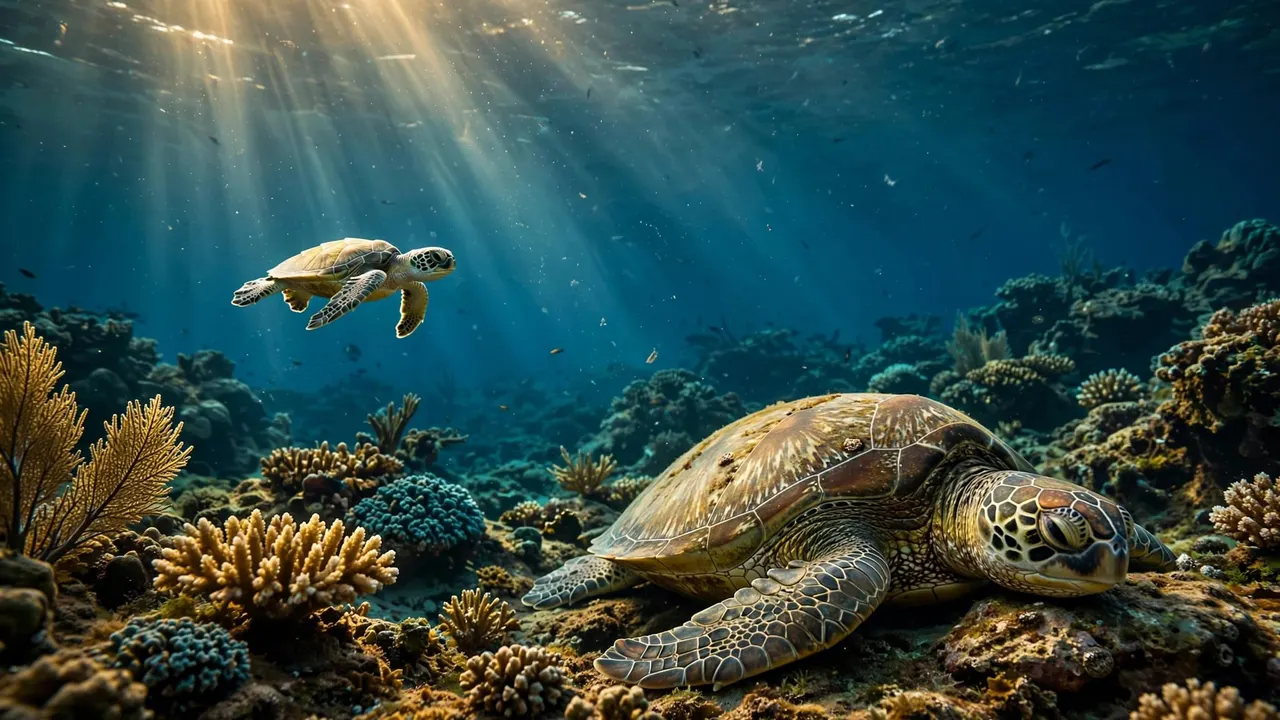
A turtle sighting feels different once you can recognize the animal’s life stage. At Turtle Canyon Oahu, you may see a smaller honu moving through the reef and a larger adult resting nearby, yet both deserve the same patient, respectful view.
Living Ocean Tours brings you from Kewalo Basin Boat Harbor, minutes from Waikiki, to offshore reef habitat where Hawaiian green sea turtles often visit. As Oahu’s top-rated and most-reviewed turtle snorkeling tour company, it is also the only company with professional snorkel guides in the water with you.
The more carefully you watch, the more you can appreciate what makes each turtle encounter unique.
Turtle Canyon Oahu: Spotting Size Differences
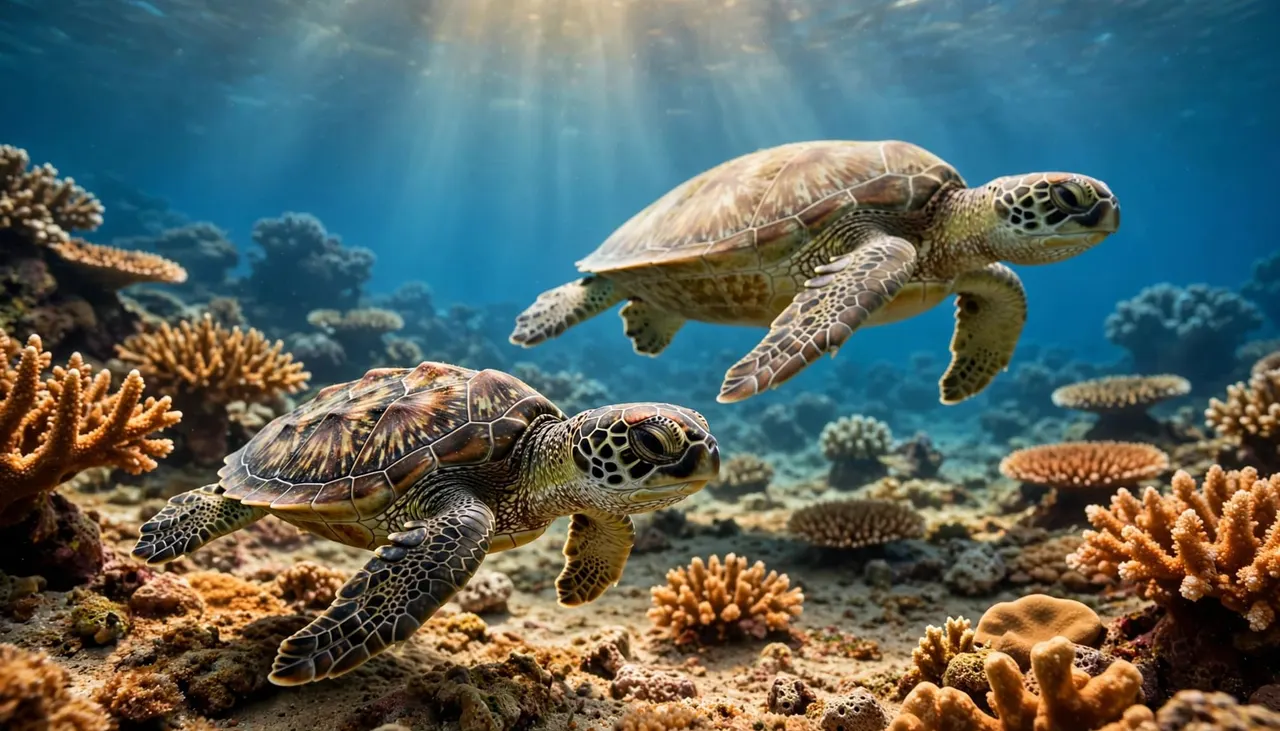
Size is the clearest difference you can notice without moving closer. However, distance, water clarity, and a turtle’s position can make judging size difficult, so treat your first impression as an observation rather than a conclusion.
A smaller turtle may still be hard to age
A juvenile Hawaiian green sea turtle is smaller than a fully grown adult, but you can’t accurately assign an age from one snorkel encounter. A turtle farther below you can look tiny, while another close to the surface can appear much larger.
Instead, watch its overall scale against nearby reef features. If you see two turtles in the same frame, their relative size offers a more useful comparison. Let your professional guide help you observe without drifting toward the animals.
Adults can become impressively large
According to the Hawaii Department of Land and Natural Resources, adult green sea turtles can reach 3 to 4 feet in length and weigh more than 350 pounds. You can find more context in these Hawaiian green sea turtle facts.
An adult honu can look broad and powerful as it glides over coral. Still, its calm motion doesn’t mean it wants company. Give every turtle open water to turn, rise for air, or move away from the reef.
A smaller turtle isn’t an invitation to swim closer. Your best view comes from staying still and letting the animal choose its route.
Life Stage Changes More Than Appearance
Hawaiian green sea turtles, known locally as honu, grow slowly. The shift from juvenile to adult takes years, which makes each size class part of a much longer conservation story.
Maturity takes time
A DLNR educational resource notes that green turtles are about 20 years old before they become adults. That long timeline means a turtle you see during a Turtle Canyon Oahu snorkel may have spent years finding food, avoiding hazards, and moving among coastal habitats. Read DLNR’s honu information for a useful introduction to these protected animals.
Adults may live for decades. DLNR estimates that green sea turtles can live 70 years or more, although lifespan estimates can vary by source and individual animal.
Juveniles have a broader diet
Young green turtles are omnivores. The National Wildlife Federation describes a juvenile diet that can include plant and animal material, such as seagrasses, crustaceans, worms, and insects. That juvenile green turtle diet helps explain why life stage matters beyond visible size.
You won’t know what a turtle has eaten by watching it for a few minutes. More importantly, you should never feed it. Food offered by people can disrupt normal behavior and draw turtles too close to swimmers or boats.
A Working Reef, Not a Wildlife Display
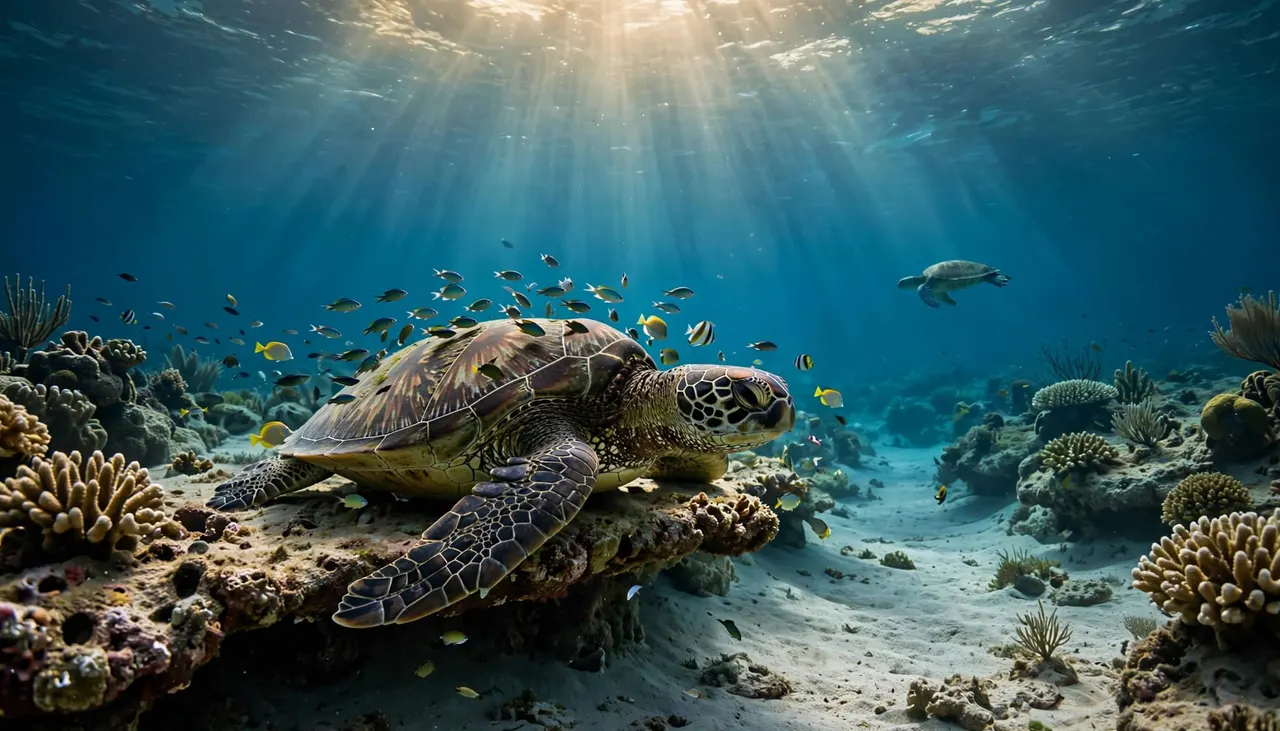
Just offshore from Waikiki, Turtle Canyon Oahu is known for reef habitat where honu may pause near natural cleaning stations. You are entering a living reef, not a managed exhibit, so each day’s sightings depend on ocean conditions and the turtles’ own routines.
Why several turtles can appear together
Small reef fish may remove algae and other material from a turtle’s shell and skin while it slows near the reef. That activity can put several turtles in view at once. One may hover near a ledge while another rises toward the surface.
Their proximity doesn’t mean they arrived as a coordinated group. Each turtle controls its own pace, direction, and time at the reef. A patient snorkeler gets to see that natural independence play out.
Surface breathing needs open space
Green turtles must surface to breathe. When one rises near you, resist the urge to follow it for a closer photo. Float calmly, remain horizontal, and let the turtle pass without changing direction.
Living Ocean Tours reports a 95% turtle-sighting rate on its Turtle Canyons excursions, although no wildlife encounter can be guaranteed. Conditions, visibility, and animal behavior always shape what you see.
Give Juveniles and Adults the Same Respect
Your behavior has a direct effect on the quality of a turtle encounter. A young turtle and a large adult both need room to rest, feed, surface, and travel through the water without swimmers closing in.
Keep at least 10 feet away
Stay at least 10 feet, or 3 meters, from a sea turtle in the water and on shore. That buffer gives you a clearer chance to watch natural movement while reducing stress on the animal.
Never touch, chase, feed, surround, ride, or block a turtle’s path. Even a turtle that appears relaxed may change course to avoid you. When that happens, the encounter has already become less natural.
Honu gained major legal protections in Hawaii in 1974, followed by federal protection. NOAA’s green turtle conservation history puts those protections in perspective.
Protect the reef below you
Turtles are only part of the scene. Colorful reef fish, rays, eels, and coral communities all depend on visitors making careful choices in the water.
Keep your fins above the reef and don’t stand on coral. Secure loose camera straps and flotation gear before entering. If you need a rest, use the flotation support provided rather than reaching for the reef.
Snorkel Turtle Canyons With Guided Support
A guided trip gives you more time to enjoy the water and less time worrying about mask fit, ocean orientation, or where to look. Living Ocean Tours provides gear, instruction, flotation support, and professional snorkel guides for beginners, families, and confident swimmers alike.
Choose a turtle-focused outing
The Turtle Canyon snorkel excursions in Waikiki travel from Kewalo Basin Boat Harbor to reef habitat where Hawaiian green sea turtles may visit cleaning stations. The Coast Guard-inspected double-decker vessels include shaded seating, onboard restrooms, dry storage, and sturdy ladders for water entry.
Before you enter, tell the crew if you are new to snorkeling, prone to seasickness, or traveling with children. You can get help with your mask, fins, and flotation option before you reach the water.
If Turtle Canyon Oahu is high on your vacation list, CHECK AVAILABILITY for a preferred departure.
Build in room for family fun
If your group wants more time on the water, the Deluxe Waikiki Snorkeling and Wildlife Cruise visits a less-crowded reef and includes a waterslide, water trampoline, and floating lily pad. The Lokahi also has a SeaKeeper stabilization system that helps reduce boat roll.
That extra steadiness can make the ride more comfortable when you are sensitive to motion or traveling with younger children. You can snorkel at your own pace while guides help everyone stay oriented and wildlife-aware.
Key Takeaways for Your Turtle Encounter
- Juvenile and adult honu differ most obviously in size, but you shouldn’t try to assign an exact age from a single sighting.
- Adult Hawaiian green sea turtles can measure 3 to 4 feet long and weigh more than 350 pounds.
- Turtle Canyon Oahu is wild reef habitat where turtles may rest, surface, feed, or pause around natural cleaning stations.
- Staying at least 10 feet away lets turtles move normally and usually gives you a better view.
- Professional snorkel guides can help you settle into the water, protect the reef, and observe wildlife without crowding it.
Frequently Asked Questions
Can you tell a juvenile turtle from an adult by shell color?
Shell color and markings can look different under changing sunlight, depth, and water visibility. Size and overall proportions are more useful clues when you compare turtles from a respectful distance.
Avoid swimming closer for a better look. A guide can point out what you are seeing without pressuring the turtle to move away.
Will you always see turtles at Turtle Canyon?
No wild sighting is guaranteed. Turtle Canyon Oahu has a strong reputation for turtle encounters, and Living Ocean Tours reports a 95% sighting rate, but ocean conditions and animal behavior can change from one trip to the next.
Keep your attention on the full reef scene. Tropical fish, coral, rays, and open-water views can make the outing memorable even when turtles stay elsewhere.
What should you do if a turtle appears injured?
Stay back and alert your guide immediately. Don’t touch the animal, remove fishing line, try to move it, or attempt treatment yourself.
A turtle may move slowly or carry algae without being in distress. Fresh wounds, entanglement, restricted flipper movement, or obvious trouble swimming deserve attention from trained responders.
See Turtle Canyon Oahu With Patience
A juvenile honu and a full-grown adult tell different parts of the same long story. When you watch their size, movement, and space around the reef, you see more than a vacation photo.
Give every turtle room to breathe and choose its own path. Respectful distance protects the reef experience you came to enjoy.


