
Oahu Snorkeling Tour: Your Ultimate 2026 Guide
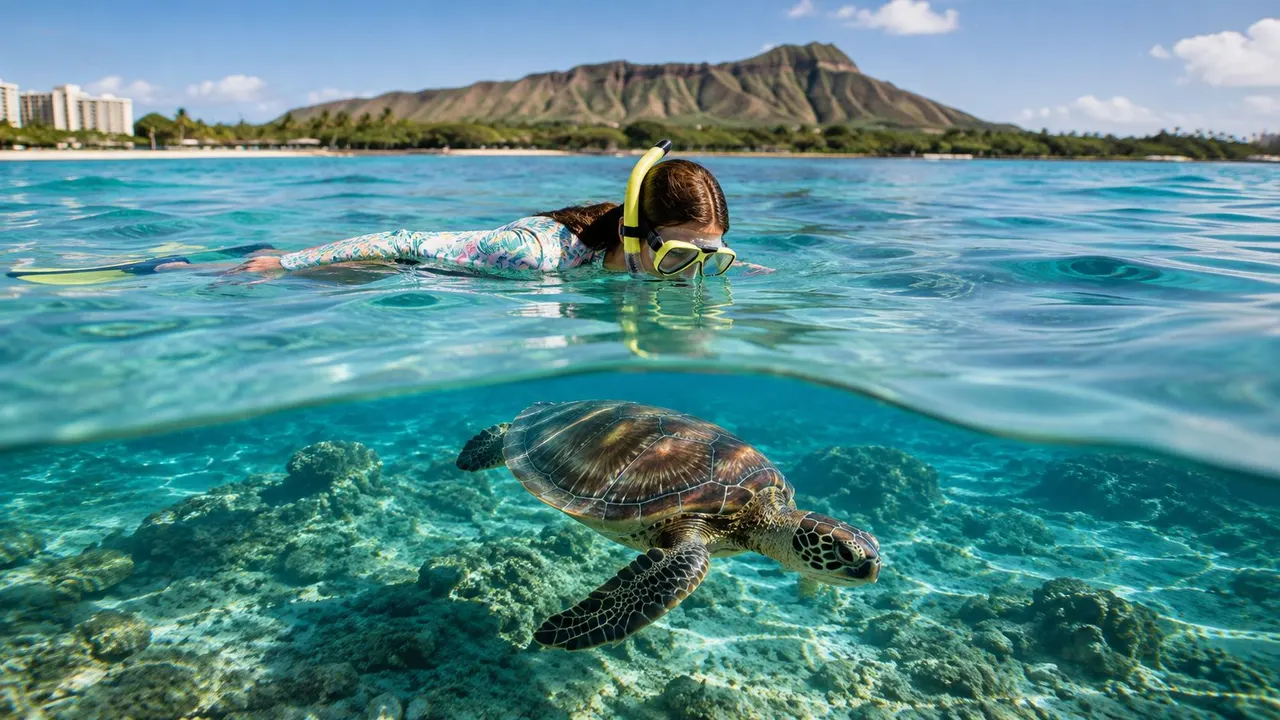
You've probably got the same thought a lot of visitors have before stepping onto a boat in Waikiki. You want clear water, sea turtles, and an easy day on the ocean, but you also want the whole thing to feel safe, organized, and worth the time. That's exactly where a well-run snorkeling tour makes the difference, because the best trips turn a good ocean day into the one people talk about long after they're home.
Why a Guided Snorkeling Tour is Oahu's Best Ocean Secret
A visitor can stand on the Waikiki shoreline, stare at that clean blue water, and still miss the best part of Oahu. The reef life sits just offshore, but a guided trip gives you the local timing, the gear, the route, and the rhythm that make the day feel effortless instead of improvised. That's why the global snorkeling tourism market was valued at $4.2 billion in 2025, with guided tours holding the largest share at 42.3% and generating about $1.78 billion that year, according to MarketIntelo's market report.
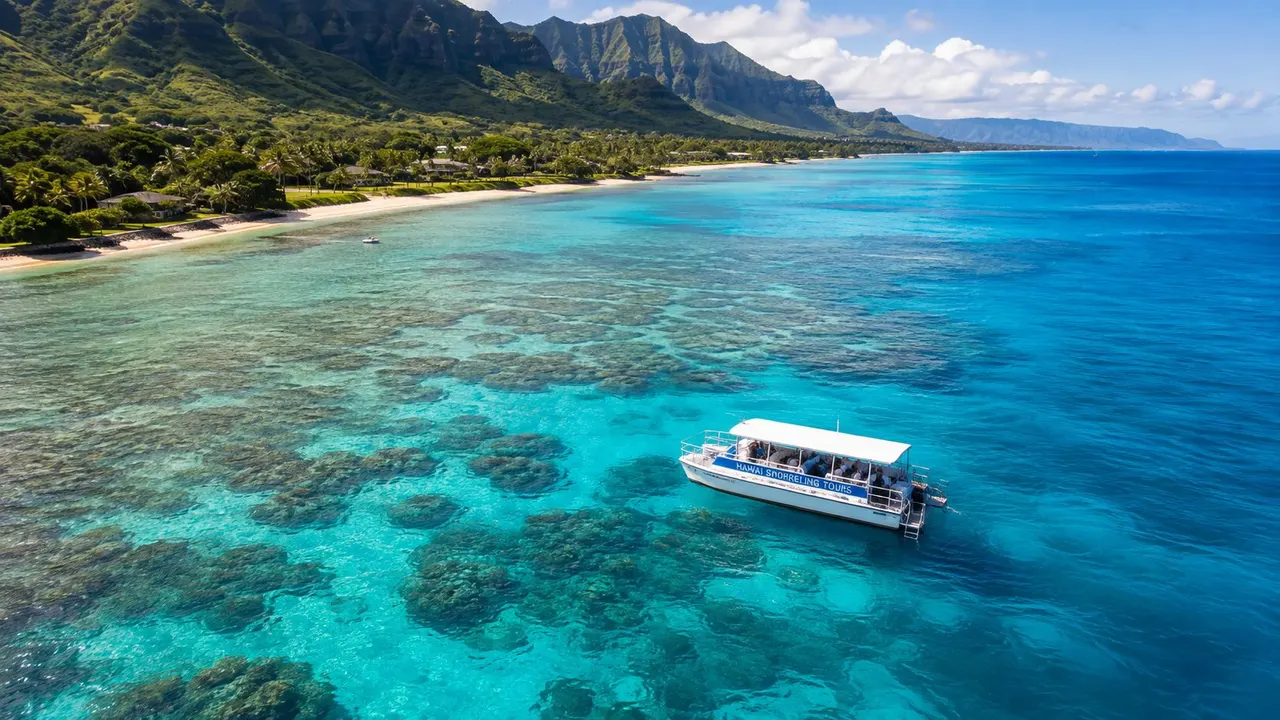
On Oahu, that preference makes sense. A guided trip trims away the parts that can wear people down, like guessing where to launch, figuring out currents, or carrying gear that doesn't fit right. It also keeps the day focused on the water instead of the logistics, which matters when you're trying to make the most of a short stay.
Practical rule: if the ocean is new to you, let the crew do the hard parts. You'll enjoy more of the reef when you're not spending mental energy on everything around it.
That's the value of a guided snorkeling tour. You get a captain who knows the coastline, a crew that can read changing conditions, and a plan that's already built around comfort and safety. If you want to compare what strong tour operations look like behind the scenes, this breakdown of passenger-to-crew ratio on snorkeling tours is worth a look.
Oahu rewards people who go out with the right setup. The water is beautiful, but the best experiences usually come from operators who choose the site, set the pace, and keep the group small enough to stay calm and manageable. That's why a guided tour isn't just a convenience, it's often the smartest way to see more.
What to Expect on a Typical Waikiki Snorkeling Tour
A tour day in Waikiki starts with the shore, not the reef. You check in at the harbor, often around the Kewalo Basin area for Waikiki departures, and the crew lays out the plan before anyone steps aboard. That early order keeps the day calmer, because people know where to put bags, where to wait, and how entry into the water will work.
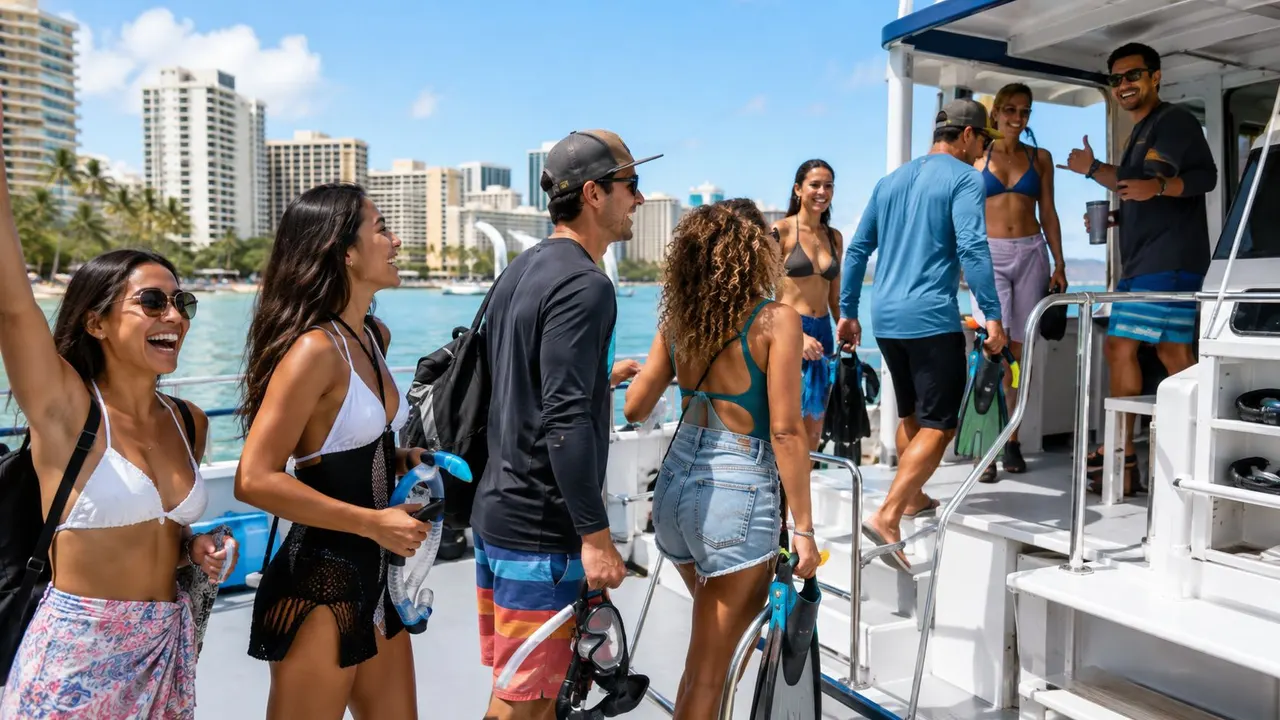
Once everyone is on board, the boat heads along the coast and the crew goes through the safety briefing. That is when you learn how the gear fits, where the ladders are, and how supervision in the water will work. A well-run trip keeps those details clear from the start, and this Waikiki snorkeling tour overview shows the kind of simple structure that helps guests relax before they even get wet.
According to Pure Snorkelling's FAQ, a typical guided outing lasts about 2 hours with roughly 1 hour in the ocean, and operators usually limit the trip to one carefully chosen site. That matters because a tour includes more than the time with your mask on. Briefing, gear fitting, boat time, and site selection all shape how the day feels once you are in the water.
Good tours manage time well. A shorter in-water window can make the trip easier for beginners, families, and anyone who tires quickly.
A controlled site choice also keeps the outing calmer. When the crew stays with one spot, the boat does less shifting around and the group spends more time settling into the reef instead of relocating. Some operators also require basic swimming ability for that reason, because open water is not the place to learn your limits.
On the water, the crew is balancing comfort, safety, and reef conditions at the same time. The strongest tours make that balance feel natural. You should leave with a clear sense that the ocean was open to you, not confusing or overwhelming.
How to Choose the Right Oahu Snorkeling Tour for You
The right tour depends less on the brochure and more on who's coming with you. A family with younger kids needs a different setup than a couple looking for a relaxed reef day, and a first-timer needs more support than an experienced swimmer. That's why the best snorkeling tour choice starts with the traveler, not the boat.
For Families with Kids
Families usually do best on tours that keep the day playful and low-pressure. Calm water, easy boarding, and extra features that give kids a break from swimming can make the difference between a fun outing and a constant negotiation. A waterslide, a lily pad, or a more social deck setup can help younger travelers stay engaged even when they're not in the water.
For many family groups, the Deluxe Waikiki Snorkel & Wildlife Cruise is the most natural fit because it adds those comfort-first features. It's also a smart match for multi-generational groups, since not everyone in a family wants the same amount of swim time.
For Beginners and First-Timers
First-time snorkelers need clear instruction, flotation aids, and a crew that doesn't rush them. That support matters more than people expect, especially when breathing through a snorkel feels unfamiliar at first. A boat that offers gear fitting and in-water guidance usually makes the learning curve feel much smaller.
If you're new to the water, look for a trip that keeps the process simple and gives you plenty of time to settle in. The Honolulu snorkel company guide is a useful comparison point if you're sorting through what a beginner-friendly operator should provide.
For Couples and Adventurous Groups
Couples usually want either a quieter, scenic trip or a celebration-style outing that feels a little more special. That can mean a sunset departure, a smaller-feeling atmosphere, or a route that blends wildlife viewing with a more memorable coastline view. Adventurous groups often care less about bells and whistles and more about how much the tour feels like a true day on the water.
The point is simple. Pick the boat that matches the mood you want to remember later, not just the one with the loudest headline. If you're choosing for kids or a first snorkel, comfort and instruction should outrank everything else.
Spotlight on Oahu's Premier Marine Adventures
Living Ocean Tours operates several guided trips from Waikiki, including a signature Turtle Canyons Snorkel Excursion and a family-friendly Deluxe Waikiki Snorkeling and Wildlife Cruise with a waterslide.
The Turtle Canyons trip is a strong choice for guests who want a focused turtle encounter in a setting that stays respectful to the animals. Turtle Canyons is known as a cleaning station, so snorkelers often have a better chance of seeing Hawaiian green sea turtles where they naturally come and go. If you want a turtle-centered outing, start with this Turtle Canyon adventure page.
The Deluxe Waikiki Snorkeling and Wildlife Cruise fits families who want a lighter day on the water without losing the wildlife element. The waterslide adds a playful break for kids and adults, and the mix of snorkeling and cruising gives everyone a little flexibility. For mixed-age groups, that balance can make the day feel easier from start to finish.
The Waikiki Sunset Cruise suits travelers who want ocean time without building the whole outing around snorkeling. It works well for a relaxed evening where the main goals are scenery, conversation, and an easy ride along the coast. If you are comparing sunset departures, there is also an exceptional sunset cruise option here, while the Waikiki departure keeps the outing close to the harbor and shoreline most visitors already know.
Seasonal Whale Watching gives guests a different reason to go offshore. Some visitors want the day built around watching wildlife at the surface instead of spending time in the reef, and that preference is easy to respect. Private charters fill the gap for celebrations, small groups, and travelers who want a more personal boat experience.
The lineup works because each trip serves a different kind of ocean day. That makes it easier to choose a guided experience that matches your group, whether you are traveling with kids, planning a couple's outing, or booking for first-time snorkelers who want clear direction and a crew that knows local conditions.
Essential Packing and Safety Tips for Your Tour
Pack light, but pack smart. You don't need much for a good day on the water, and bringing too many extras usually creates more hassle than comfort. A towel, reef-safe sunscreen, a hat, a dry change of clothes, and a water bottle cover most of the basics, while valuables are better left on shore.
One item belongs on every serious packing list, and that's reef-safe sunscreen. If you want a simple starting point, this reef-safe sunscreen guide for Oahu keeps the focus on skin protection without ignoring the reef.
The right gear also matters. A professional tour typically includes a mask, snorkel, fins, and flotation aids, and some operators add wetsuits for thermal protection and vessel features like side-vessel stairs for safer water entry, according to True Blue Sailing's tour description. Those details aren't luxury extras. They directly affect comfort, confidence, and how tired you feel after time in the water.
Practical rule: flotation helps even strong swimmers. It lowers fatigue, keeps your body stable, and gives you more energy to enjoy the reef instead of fighting to stay balanced.
A few safety habits matter as much as the gear:
- Listen closely at the briefing. The crew knows the entry point, the ladder, the group spacing, and the local conditions.
- Stay with your buddy or group. Open water is easier to manage when everybody keeps an eye on each other.
- Know your limits early. If you're tired, cold, or uneasy, speak up before it becomes a problem.
- Use the flotation you're given. It's there to make the trip safer and less exhausting.
- Skip loose items on deck. A minimal bag is easier to manage and less likely to get wet, lost, or in the way.
A good tour operator wants you comfortable because comfort improves safety. That's why the best trips feel calm before they ever feel exciting. You're not supposed to wrestle the equipment or second-guess the crew, you're supposed to relax into the day and let the boat do its job.
Snorkel with Aloha How to View Wildlife Responsibly
The best wildlife encounters happen when you stop treating the ocean like a petting zoo. Coral reefs and animals need space, and the simplest way to protect them is to look, observe, and move on without trying to control the moment. NOAA-linked reef guidance notes that visitor contact can damage fragile coral reefs, which is why many destinations use no-touching, no-standing on coral, and controlled access zones to reduce impact, as explained in EPA's ReefLink material.
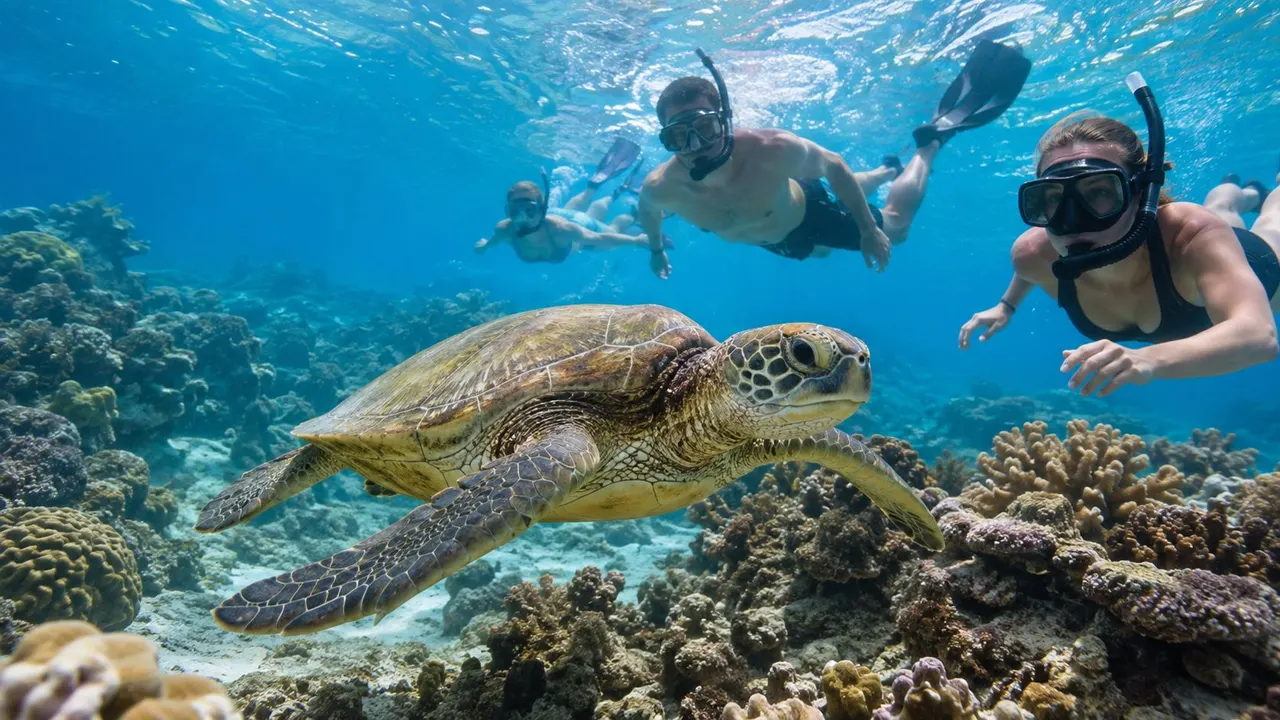
That's especially important around honu, or Hawaiian green sea turtles. Give them space, let them move at their own pace, and don't block the path just because the sightline is good from your mask. The same rule applies to reef fish, rays, and any other marine life you're lucky enough to see.
There's also a broader stewardship point here. A peer-reviewed article on Great Barrier Reef snorkelers found that while GBRMPA says snorkellers generally cause minimal coral impact, 57.4% of surveyed respondents still believed snorkellers can damage the reef, according to the article in Taylor & Francis. That gap between official guidance and public perception is exactly why responsible-tourism messaging matters.
A simple rule set keeps things respectful:
- Look, don't touch. That protects coral, turtles, and your own safety.
- Don't chase animals. Let the wildlife choose the encounter.
- Use reef-safe sunscreen. It's part of caring for the water you came to enjoy.
- Keep kicks soft and controlled. Strong finning can disturb sand and reef edges.
- Follow crew guidance. Local operators know where contact risk is highest.
Respect creates better sightings. The calmer you are, the more natural the encounter feels for everyone in the water.
That mindset fits Hawaiʻi well. Mālama ʻāina is not a slogan for the brochure, it's the practical way to keep ocean travel rewarding for visitors and healthy for the reef.
Booking Your Tour and Frequently Asked Questions
The most common question is whether you need to be a strong swimmer. For many guided trips, basic swimming ability is enough, and flotation gear is there to make the experience manageable, not competitive. If you're nervous, tell the crew before boarding so they can help you choose the right pace and setup.
Another common question is what happens if the weather turns. Good operators watch conditions closely and make decisions around safety, because the ocean can change faster than a visitor expects. If a crew changes the plan or reschedules, that's usually a sign the operator is taking the day seriously.
Parents often ask about kids. The answer is that family-friendly trips are built to keep children engaged while reducing the parts of the day that wear them out. A tour with easier boarding, simple instructions, and built-in flotation usually works better than one that assumes everyone wants the same pace.
People also ask if gear is provided. On a professional tour, the answer is usually yes for the core items, which is why the checklist stays short. Bring your own only if you already have a mask or snorkel that fits you well and you know you prefer it.
The cleanest way to book is to choose the trip that matches your group's comfort level, then lock it in before your vacation fills up. For Oahu snorkeling, the best days usually belong to travelers who plan early, pick a guided operator, and show up ready to enjoy the water.
If you want a guided ocean day that fits your pace, Living Ocean Tours offers snorkeling, sunset cruises, and seasonal whale watching from Waikiki. Their trips are built for families, beginners, and anyone who wants local crew, clear instruction, and a smoother day on the water. Visit Living Ocean Tours and choose the Oahu adventure that matches your trip.


