
Snorkeling on Oahu: Complete Guide to Top Spots and Safety
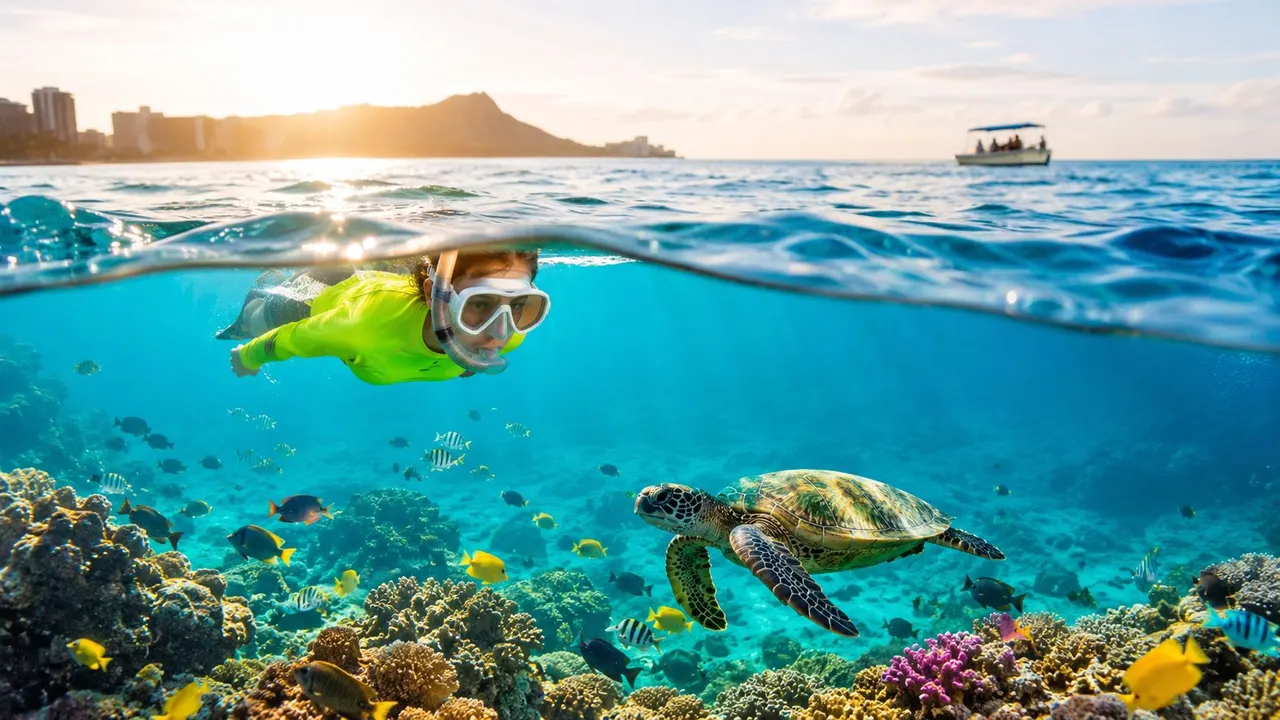
You've got a week in Waikiki, a mask in your bag, and a simple question with a messy answer: where should you snorkel on Oahu without wasting half a day fighting surf, crowds, or a parking lot that's already full? I've watched plenty of visitors learn the hard way that the right beach on the map can be the wrong beach in the water. On Oahu, the best snorkel spot is the one that matches the season, the shore exposure, and your comfort level, not just the name everyone recognizes.
Why Snorkeling on Oahu Deserves Its Own Plan
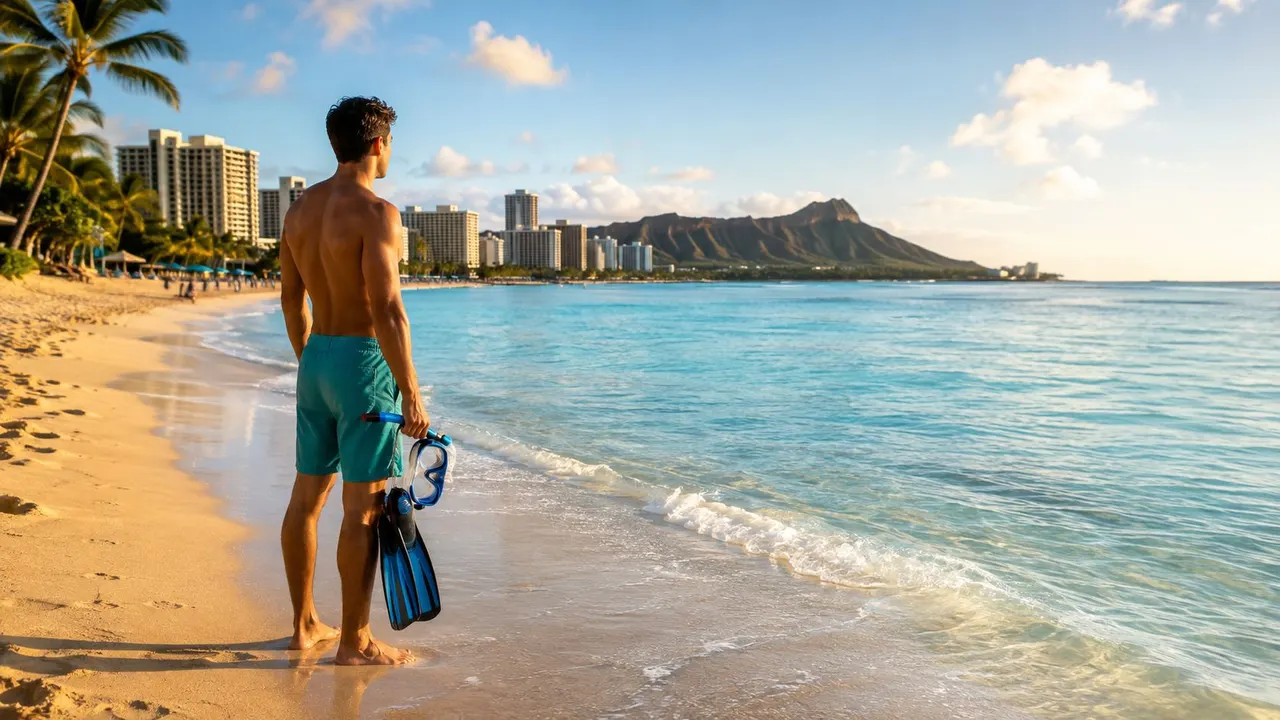
A lot of first-timers land in Waikiki, look at the water, and assume snorkeling on Oahu works the same way every day. It doesn't. The island drew 5.81 million air arrivals in 2024, and that kind of traffic shapes the snorkel experience just as much as reef quality does. Crowding, seasonal surf, and site limits matter more here than simple convenience, and Kona Honu Divers' Oahu snorkeling guide makes the broader point clearly, Oahu has a huge visitor pool, but only a handful of places can handle that pressure well.
The basic choice most visitors face
You can keep it simple and snorkel from shore, book a guided boat trip, or do both. Shore snorkeling gives you flexibility, but you still have to deal with parking, entries, swell, and the kind of morning that looks calm from the hotel balcony and turns choppy once you're standing on the sand. Boat trips remove a lot of that guesswork, because you leave from the harbor with gear, instruction, and a captain who is reading the water before you ever climb aboard.
Practical rule: if you're new to the island, don't pick a snorkel spot before you check the day's conditions.
That matters even more because the water on Oahu changes by shore exposure and season. The island's large, protected spots get all the attention, but the real decision is whether you are choosing a beach that fits the conditions or chasing a famous name that is fighting the wrong swell. A strong week here usually comes from mixing one reliable shore stop with one guided outing, not from trying to force every day into the same plan.
Before you drive across town, check the local tide and water-readiness details on Oahu tide charts. A low tide can expose rock, narrow the entry, or leave the water too thin over the reef, while a higher tide may make the same spot easier to enter and more comfortable for beginners.
For visitors who want a simple, structured start, a Waikiki snorkel tour can take pressure off the first day. If turtles are the draw, a boat trip to the cleaning-station area makes more sense than gambling on a crowded beach entry. Living Ocean Tours also runs the Waikiki snorkel waterslide excursion, which some visitors compare with shore entries when they want an easier first outing.
The Top Snorkeling Spots on Oahu and What Each One Is Actually Like
The most useful way to talk about Oahu's headline snorkel sites is not as a ranking, but as a set of conditions. Each spot has a different shoreline, different crowd pressure, and a different day when it shines. That's why a beach name alone doesn't tell you much.
Hanauma Bay and the South Shore
Hanauma Bay is the classic starting point because it was formed inside a volcanic crater and supports over 400 species of marine life. Hawaii.com's Hanauma Bay guide also makes the conservation rules plain, don't touch coral, sea turtles, or monk seals, and use reef-safe sunscreen because of Hawaiʻi law. The trade-off is obvious, it's beautiful and protected, but it's also one of the island's most managed and crowded experiences, so a relaxed morning there depends on planning, not spontaneity.
Shark's Cove, Electric Beach, and the big contrasts
Shark's Cove on the North Shore, also known as Pupukea Beach Park, is the place visitors mention constantly, and for good reason. It's a lava-formed underwater area, so it feels wilder than a lagoon and rewards confident snorkelers who can read the entry and stay calm in uneven conditions. Electric Beach, or Kahe Point, is different again, because the adjacent power plant creates the warm-water outflow that turns the area into an underwater “aquarium,” which is why one Oahu guide calls it the island's best snorkeling location. Snorkeling Report's Oahu destination guide is the source for that specific mechanism.
Calm lagoons and summer-only North Shore options
Ko Olina Lagoons are the easiest family choice because the setting is man-made and deliberately calm, which helps beginners, children, and anyone who wants a controlled beach day more than a wild reef experience. Kuilima Cove and Waimea Bay are more seasonal than the brochures make them sound, and they're much more useful in the calm summer window than during rougher months. For beginners, a guided boat trip can be the better way to reach reef water without betting your day on a fickle shore break. Living Ocean Tours' snorkeling coverage around Hanauma Bay and Kaneohe Bay is a useful comparison point for visitors weighing beach access against boat access.
Best-fit thinking beats spot collecting. A crowded famous bay can still be the right call for a beginner, while a lesser-known reef can be the wrong call if the wind is up.
When to Snorkel on Oahu by Season and Shore
The biggest mistake I see is treating every Oahu snorkel spot like it works year-round. It doesn't. Conditions shift by shore exposure, by season, and by time of day, and that's why a visitor who drives to the “right” beach at the wrong hour often gets a disappointing swim.
South shore, North Shore, and morning water
The broad pattern is simple. The North Shore is usually better in summer, while the south shore is generally calmer in winter, and mornings are typically clearer and less windy than afternoons. That lines up with the practical advice in local guides that tell visitors to check surf forecasts before driving across the island, because high surf and strong currents can turn even a beginner-friendly beach into a bad choice.
| Oahu Snorkeling Spots by Season and Shore | |||
|---|---|---|---|
| Spot | Shore | Best Season | Skill Level |
| Hanauma Bay | South shore | Winter, with calmer conditions often favoring the south side | Beginner to intermediate |
| Shark's Cove | North Shore | May through September, when the North Shore is generally calmer | Intermediate to confident snorkeler |
| Electric Beach | West side | Depends on conditions and morning calm | Intermediate |
| Ko Olina Lagoons | Leeward west side | Year-round, with calmer water than exposed beaches | Beginner |
| Kuilima Cove | North Shore | Summer | Beginner |
| Waimea Bay | North Shore | Summer | Intermediate to confident snorkeler |
That table is the shortcut. If you're here in the calmer window, the North Shore names start making sense. If you're here in winter, the south and leeward sides usually give you a better shot at stable water and decent visibility.
The timing of the day matters almost as much as the season. Morning trips often beat the afternoon because the wind hasn't built up yet, which is why some of the better snorkel days on Oahu feel almost unfairly easy if you're in the water early. Living Ocean Tours' October snorkeling guidance is a useful reminder that shoulder-month planning still comes down to reading the day, not assuming the calendar alone tells the story.
Gear, Safety, and Wildlife Etiquette Every First-Timer Needs
A good snorkel day can fall apart on the beach if you show up with the wrong gear or the wrong habits. The basics are straightforward, but they matter more than most visitors expect, especially when they're new to open water.
What to wear and what to skip
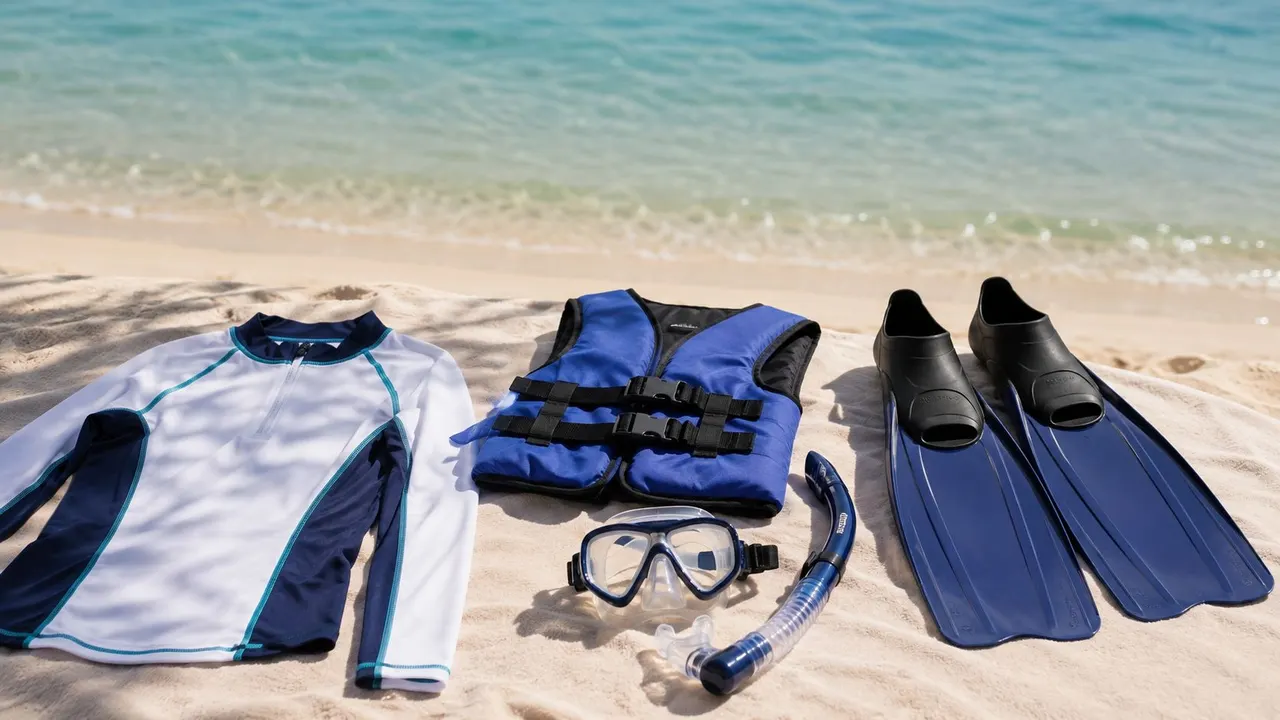
A rashguard keeps the sun off your back, a flotation vest helps you relax, and fins make a real difference when you're trying to move efficiently without kicking up sand. I'd skip reef shoes unless you need them for a specific rocky entry, because the goal is to avoid dragging extra grit and avoid putting pressure on fragile reef edges. A guided tour usually covers the snorkel gear and flotation, while a beach day means you're responsible for renting, carrying, and keeping track of everything yourself.
Wear less ego, not less sun protection. The best snorkelers stay calm, float efficiently, and stop trying to muscle their way through the water.
Reef rules and wildlife distance
Hawaii.com's Hanauma Bay guidance is blunt for a reason, don't touch coral, sea turtles, or monk seals, and use reef-safe sunscreen because of Hawaiʻi law. The other rule I tell people to remember is simple, never stand on coral, because the damage happens fast and the reef doesn't shrug it off. If you see a turtle, give it space. If a monk seal is resting, back off and let it stay that way.
Safety habits that keep the day fun
Never snorkel alone. Check surf, watch the flags, and stay within your limits, because the ocean around Oahu changes faster than most visitors realize from the shoreline. If a site looks marginal from the beach, trust that instinct and choose another entry or a boat-based alternative.
For a straightforward reminder of turtle protection rules before you get in the water, Living Ocean Tours' turtle snorkeling etiquette page is worth reading once before your trip.
Why a Guided Boat Trip Beats the Crowds for Most Visitors
Shore snorkeling has its place, but for most visitors, a boat trip solves the two problems that ruin first-time outings, access and uncertainty. You don't have to hunt for parking, drag gear across sand, or guess whether the entry is safe from the surface. You also get a crew that's used to reading local conditions instead of hoping the beach looked calm from the hotel.
The Living Ocean Tours approach
Living Ocean Tours runs out of Kewalo Basin Boat Harbor near Waikiki and focuses on guided outings that keep the day simple. The company's Turtle Canyons Snorkel Excursion takes guests to the well-known turtle cleaning station, the Deluxe Waikiki Snorkel & Wildlife Cruise adds a waterslide, water trampoline, and lily pad for families, and the Waikiki Sunset Cruise gives you a calm evening option with BYOB and a cash bar. For visitors who want to compare what's offered before deciding, the Turtle Canyons tour page lays out the core snorkeling trip clearly.
The other advantage is emotional, not just logistical. On a good boat day, first-timers spend less energy worrying about logistics and more energy watching fish, breathing steadily, and enjoying the water. That's why families and nervous swimmers often do better offshore than on a crowded beach where they can't tell whether the water is friendly.
Turtle-focused outings make the decision easier
If your main goal is seeing turtles, a boat trip is usually the cleaner choice than waiting around a shoreline entry and hoping the animals appear close enough. You're also less exposed to the messier parts of shore snorkeling, where visibility and crowding can change by the hour. For Oahu visitors who want one concise booking option, the Deluxe Waikiki Snorkel & Wildlife Cruise is the most flexible fit because it combines snorkeling with extra water play for kids.
A Sample Day Itinerary From a Waikiki Hotel
A sensible snorkel day doesn't have to consume your whole vacation. If you're staying in Waikiki, the water can fit cleanly into a full day without making lunch, beach time, or sunset feel rushed.
A workable morning to evening plan
Start with an early hotel breakfast and head to Kewalo Basin for a morning snorkel departure. A Turtle Canyons trip works especially well in that first block of the day, because the water is usually calmer early and you're back in time to eat without looking at the clock. That gives you the middle of the day for lunch, a short rest, and then an easy shore stop if the family still wants more water time.
Lunch at the Kewalo Basin food trucks is the practical pivot. After that, a calm south-shore beach like Waikiki or Kuhio makes sense for beginners because you can stay close to the hotel and keep the afternoon low-stress. If the water looks rough or the wind picks up, skip the beach and save your energy for dinner instead.
Why the boat fits the rest of the day
The key is that the guided trip doesn't compete with the rest of the day. It anchors it. You get your best underwater time early, then the rest of the afternoon becomes optional rather than built around a risky beach plan.
If the evening still feels open, a sunset cruise gives the day a clean finish instead of a second swim. That's the rhythm most visitors like once they've done one guided outing and realized they don't need to spend the whole trip solving logistics.
Pricing, Booking, and How to Compare Operators
The money question usually comes up after the spot question, but it belongs in the decision from the start. Shore entries can be low-cost or free depending on the site, while guided tours cost more because you are paying for the boat, crew, gear, and time on the water.
What you are actually comparing
A beach day at Hanauma Bay has its own entry process and reservation requirement, while a boat tour bundles the setup for you. A key comparison is not just price, it is how much time and uncertainty you want to handle yourself. A guided trip usually includes snorkel gear, flotation, and instruction, and some outings also add snacks or drinks, which matters when you are traveling with kids or older family members.
A shore plan can look cheaper on paper and still cost you more in effort. Parking, timing, crowd pressure, and the chance that surf or wind ruins the entry all sit on your side of the ledger when you go without a crew.
Questions worth asking before you book
Ask about boat size, group size, the departure harbor, and whether the crew focuses on beginners or experienced snorkelers. If turtles are the main goal, ask how the trip handles wildlife viewing and how the captain approaches crowded days. In the winter whale season, it also makes sense to consider a whale watch instead of a second snorkel outing, because that window changes what is worth doing on the water.
Living Ocean Tours is one of the more visible snorkel operators visitors compare on Oahu, and it is worth matching the trip type to your group rather than just booking the first boat you see. For swimmers who want a straightforward Waikiki departure, the Waikiki snorkel waterslide trip is the simplest product to compare against shore entries.
If your travel dates fall in whale season, the right boat choice changes with it. A winter schedule can make a snorkel trip less appealing than a wildlife-focused day on the water, especially if the ocean state is already pushing the limits for beginners.
Frequently Asked Questions About Snorkeling on Oahu
Do I need to know how to swim to snorkel on Oahu
You should be comfortable in the water, even if you're not a strong swimmer. A flotation vest, shallow conditions, and a calm entry help a lot, but snorkeling still works best when you can relax, breathe steadily, and stay aware of your surroundings.
When is whale watching season and can I combine it with snorkeling
Whale watching on Oahu is the winter option, and it makes sense to pair it with snorkeling only if the conditions still support a safe swim. If you want both, book the snorkel for the morning and the whale watch for a separate day or a different mood on the same trip.
What is the best Oahu snorkeling spot for kids
Hanauma Bay and the Ko Olina Lagoons are the two names that come up most often for families, and Kuilima Bay also gets mentioned as especially child-friendly. Calm water matters more than a famous label when you're snorkeling with kids.
Are there any snorkeling spots I should avoid as a beginner
Yes. Skip exposed sites when the surf is up, and don't force a North Shore entry outside the calmer summer window. If the shoreline looks messy, choose a boat trip or a more protected lagoon instead.
If you want a day that's easier to plan and less dependent on luck, book a guided outing with Living Ocean Tours. Their snorkel and wildlife cruises line up well with the way Oahu really works, especially when you want turtles, calmer water, and a trip that fits around the rest of your Waikiki plans.


