
Snorkeling on Oahu: The Complete 2026 Guide
169 snorkeling-related drownings statewide between 2007 and 2016, and 92% of those victims were tourists. That number changes the way snorkeling on Oahu should be planned. The reef matters, the beaches matter, but the core question is often when to go, which shore to choose, and what the ocean is doing that morning.
On Oahu, a good snorkel day isn't just about finding blue water. It's about choosing a sheltered coast, reading swell and wind, and respecting the places that can absorb crowds without getting stripped bare. Hanauma Bay made that point decades ago when it was designated a Marine Life Conservation District in 1967, and today its management limits entry to 720 visitors per day after earlier days drew over 3,000 visitors a day source. That's the whole island in miniature, crowded demand, fragile reef, and a narrow window where conditions and etiquette line up.
Why Snorkeling on Oahu Starts With When, Not Just Where
A visitor can stand at the shoreline, mask in hand, and still make the wrong call. The water may look inviting, but if the swell is up, the wind is pushing chop across the entry, or the site is exposed to the wrong coast, the reef turns from easy swim to frustrating grind. That's why the first real decision in snorkeling on Oahu is not the beach name, it's the morning, the season, and the shoreline exposure.
Hanauma Bay shows how much demand has reshaped the experience. It was designated a Marine Life Conservation District in 1967, and current management now limits entry to 720 visitors per day after pre-2021 days drew over 3,000 visitors a day source. That tells you two things at once. The reef is worth protecting, and the most famous snorkeling spot on the island isn't designed for casual, last-minute spontaneity anymore.
Read the ocean before you read the map
A strong planning habit starts with the tide and the swell, not the parking lot. A practical tide chart helps you match your entry to what the shore is doing, especially if you're trying to keep the first 10 minutes smooth instead of awkward. Use the Oahu tide charts before you commit to a site, because a safe-looking reef can still be a bad choice if the entry is getting smashed.
Practical rule: choose the coast that matches the season and the wind, then pick the beach.
That's why leeward and sheltered spots often feel better than exposed ones when the trades are up. It's also why the same beach can be excellent one month and miserable the next. The question isn't only “where are the fish?” It's “where will the ocean let me enjoy them without fighting every step of the way?”
The best snorkel days on Oahu usually reward people who think like locals. They look at the forecast, accept that some spots are seasonal, and don't confuse popularity with suitability. That mindset makes the rest of the island make sense.
The Best Snorkeling Spots on Oahu and Who Each One Is For
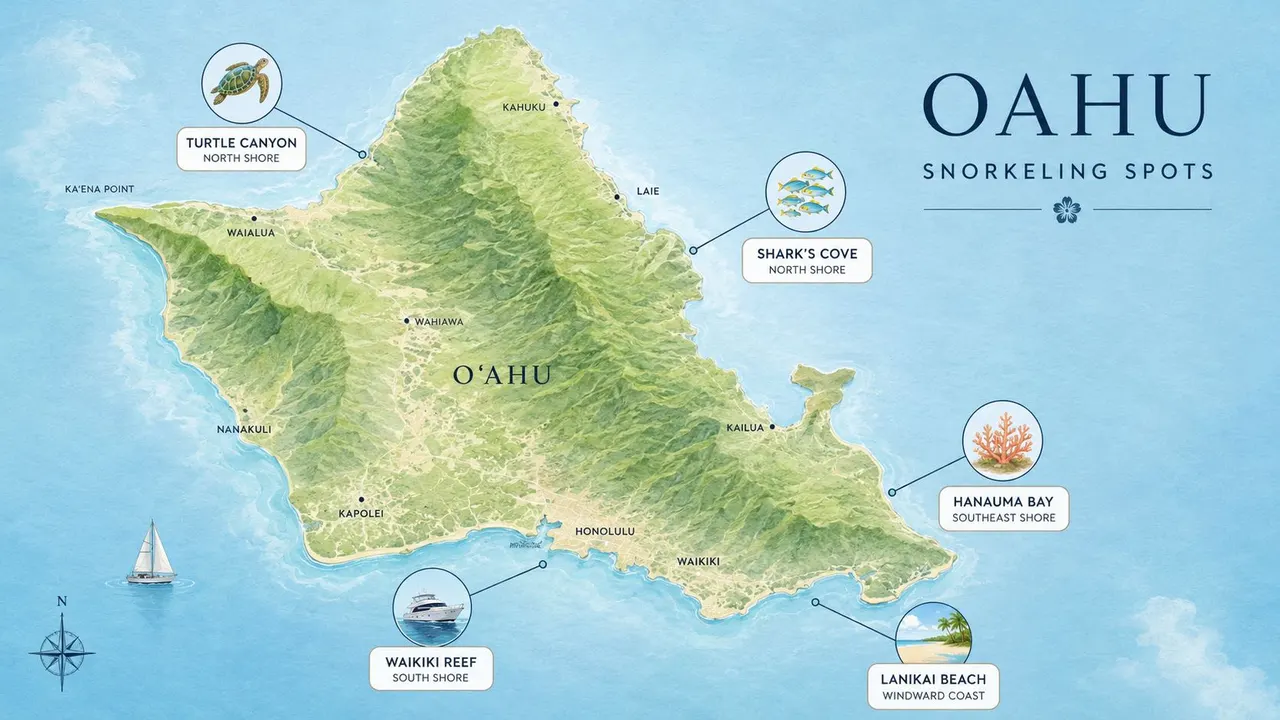
Hanauma Bay, Turtle Canyons, Shark's Cove, Ko Olina, and Electric Beach each solve a different problem. On Oahu, the question is not just where the reef sits, it is when the water, wind, and exposure make that site worth the effort. The wrong match can turn a promising snorkel into a stressful one, and that is where practical site selection matters.
Hanauma Bay fits first-timers who plan ahead
Hanauma Bay is the classic answer for beginners because the bay is protected, the reef is easy to read, and the setting feels gentler than much of the island. The trade-off is access friction. Every visitor has to watch a 9-minute orientation video before entry, and the park prohibits feeding fish, touching coral, and touching sea turtles or seals source. That structure is part of the visit, and it helps keep inexperienced snorkelers in a controlled setting.
For travelers who want a shore-based first snorkel and are willing to work around park rules, Hanauma Bay makes sense. It rewards patience, basic planning, and a willingness to respect the reef rather than rush it.
Turtle Canyons suits travelers who want turtles without shoreline stress
Turtle Canyons is a boat-access snorkel site off Waikiki, which means you avoid the crowds, parking pressure, and awkward surf entries that can ruin a first outing. It is especially useful for people who want guided water time instead of trying to solve logistics on their own. If your goal is a simple turtle-focused day, the Turtle Canyons snorkel excursion keeps the decision-making light.
For travelers who want a broader sense of where turtles tend to show up around the island, where to see sea turtles in Oahu gives a useful reference point. Turtle Canyons is the easier choice when you want a captain, a route, and direct attention on the reef instead of a self-directed shore day.
Shark's Cove works best in the right season
Shark's Cove has a reputation that is bigger than its comfort window. In summer, when north shore surf drops, it can be a rewarding place for confident snorkelers. In winter, the same exposed coast is often the wrong call. The seasonal limitation at Shark's Cove is a reminder that on Oahu, exposure matters as much as the name on the sign.
This site suits people who already understand how to read conditions and who are willing to skip it when the ocean is not cooperating. A famous spot is still just a spot if the entry is rough.
Ko Olina Coves are the family-friendly fallback
Ko Olina Coves are the kind of place families appreciate when they want calmer water and fewer surprises. Sheltered leeward coves generally feel easier when trade winds are active, and that is exactly why they keep showing up in practical recommendations. They are not the most dramatic site on the island, but they can be a smart choice when you want low-stress water time with kids or less confident swimmers.
That calm, protected feel is the selling point. If you are choosing a snorkel day around comfort, predictability, and a shorter learning curve, Ko Olina usually belongs on the list.
Electric Beach is for advanced snorkelers who know their limits
Electric Beach is a stronger option for experienced swimmers who want a more open-ocean feel and understand current management, entries, and exits. It is not where you send a first-timer just because the reef photos look good. On Oahu, ambition without conditions awareness is a bad combination.
This site fits people who can handle changing water movement and who know when to turn back before a swim becomes work. It rewards competence more than confidence.
If you want the shortest decision path, choose Hanauma Bay for a shore-based beginner day, Turtle Canyons for a guided turtle trip, Shark's Cove for a summer north shore session, Ko Olina for a calmer family option, and Electric Beach only if you are comfortable in open water.
Why a Guided Snorkel Tour Changes the Experience
The practical advantage of a guided trip is simple. Someone else handles the boat, the route, the safety brief, the gear, and the wildlife positioning, so the guest can focus on breathing, floating, and watching the reef instead of trying to solve the whole day at once. For visitors who don't snorkel often, that difference is huge.
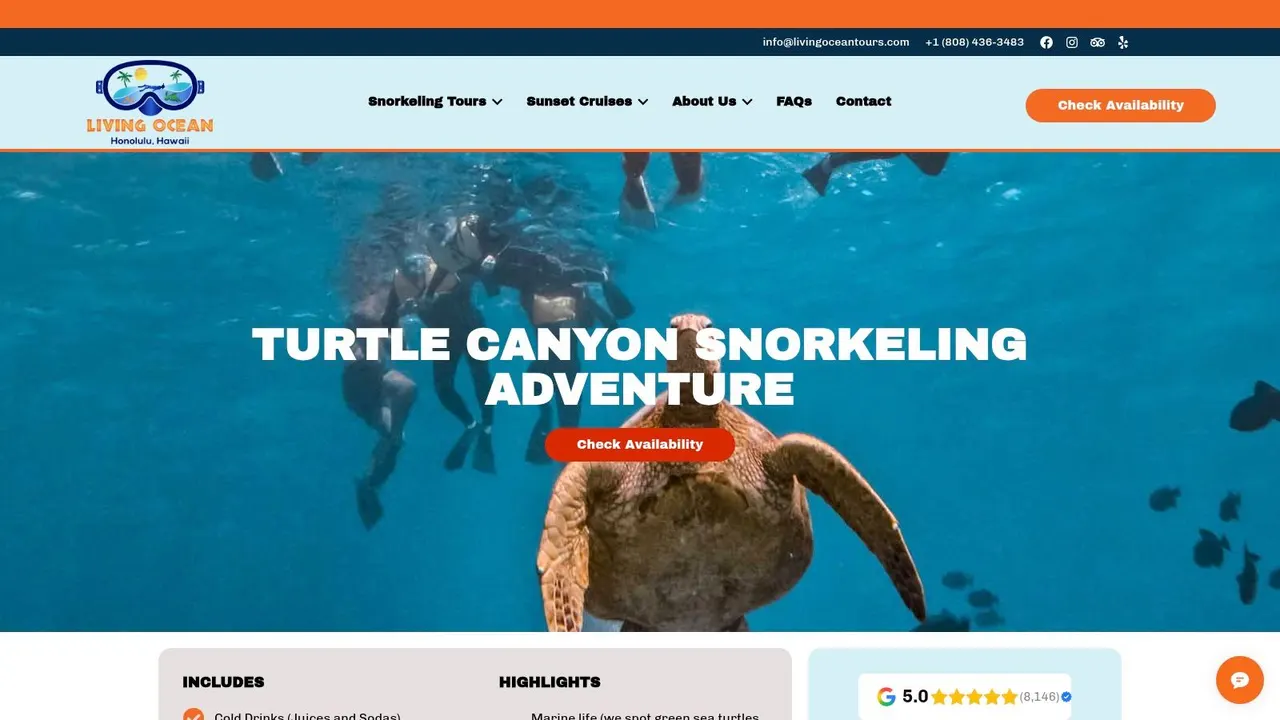
On Waikiki departures, Living Ocean Tours runs trips from Kewalo Basin Boat Harbor to Turtle Canyons, where crews report a strong turtle-sighting record and provide gear, instruction, and flotation vests as part of the outing. That matters because beginners usually need more than a mask. They need coaching on how to enter the water, how to stay relaxed, and how not to burn their energy fighting nerves. The Honolulu snorkel company page gives a straightforward example of how that setup works in practice.
Turtle Canyons versus the bigger family cruise
The core choice is between a focused snorkel trip and a broader water-play cruise. One is built around getting you into the reef efficiently. The other adds toys, time, and a more casual rhythm for families or mixed groups.
| Product | Duration | Best For | Key Features | Departure |
|---|---|---|---|---|
| Turtle Canyons Excursion | 2 hours | First-time snorkelers, turtle seekers, guests who want a direct snorkel focus | Guided snorkeling, gear, instruction, flotation support | Kewalo Basin Boat Harbor |
| Deluxe Snorkel and Wildlife Cruise | 2.5 hours | Families, kids, mixed-ability groups | 2-story waterslide, water trampoline, lily pad, snorkel time | Kewalo Basin Boat Harbor |
The difference isn't just the feature list, it's the pace. A shorter, focused turtle trip works when the main goal is learning the water and finding marine life. The deluxe cruise works better when some people in the group want snorkeling and others want a more playful boat day.
That's the value of a guided operator. It reduces friction, keeps the experience education-first, and gives new snorkelers a cleaner path into the water. For many families, that's the difference between a stressful outing and a day they'd do again.
Seasonal and Daily Conditions That Make or Break a Snorkel Day
Start with the season
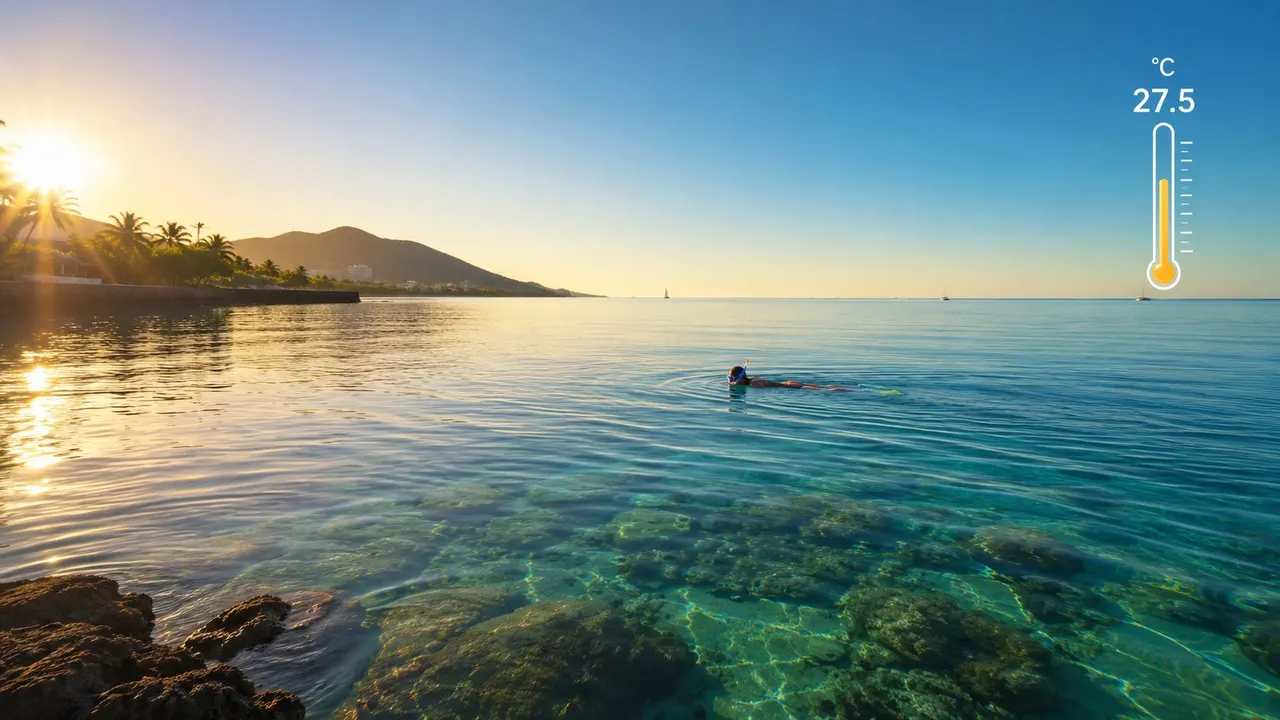
On Oahu, the safer snorkeling windows usually come in late spring through summer, when the water is warmer and the swell is often lighter source. A live sea-temperature report puts current water around 27.5°C (81.5°F), and Oahu conditions are commonly reported at their strongest from June through August, when clarity tends to run very good to best source. In practical terms, that is the part of the year when more guests can spend their energy watching fish instead of fighting chop.
Then choose the morning
Morning matters because trade winds usually build later. The calmest window often lands between 8 a.m. and 11 a.m., before the surface gets whipped up. If you want the easiest snorkel of the day, go early, especially with kids or anyone who is new to open water.
Match the coast to the wind
Wave height and wind speed change the day faster than almost anything else. One forecast model weights wave height at 35% and wind speed at 25%, and treats conditions as best when waves are below 0.36 m and wind is below 5.4 m/s source. For a practical read on what that means before you leave the harbor, check the daily surf condition reports for Oahu. That kind of forecast matters because it reflects how the water feels on the surface, not just how the weather looks on a general app.
A sheltered leeward site can feel calm while an exposed beach feels rough on the same day.
That is why north shore spots often make more sense in summer, while south shore locations are generally calmer in winter. It also explains why the best plan is rarely to pick a beach first and hope for the rest. Pick the season, then the morning, then the coast.
The practical visibility benchmark is roughly 30 to 50 feet, so if the morning is not low-swell and the shoreline is not sheltered, expectations should come down. Good snorkeling on Oahu is less about luck than sequence. Get the sequence right and the reef opens up.
Safety Rules Drawn From Hawaii's Real Drowning Data
Oahu snorkeling safety is not guesswork. State data showed 169 snorkeling-related drownings statewide between 2007 and 2016, with 92% of those victims being tourists source. More recent state data for 2019 to 2023 found 202 non-resident ocean drowning victims, with snorkeling the most common activity among them, and an average of 45 non-resident ocean drownings per year when 2020 is excluded source. August also accounted for 20% of snorkeler drownings in that report source.
The rules that keep people safe
Hawaiʻi Ocean Safety says snorkelers should check ocean conditions before entering, because high surf, high winds, heavy shorebreak, and strong currents are unsafe source. It also says to always go with a buddy and avoid snorkeling at dawn, dusk, or in murky water source. Those are simple rules, but they are the ones people skip when the beach looks calm from the parking lot.
Wildlife distance is part of safety
Respecting marine life keeps you safer and keeps the animals calmer. Hawaiian green sea turtles are protected, and snorkelers should keep at least 10 feet (3 meters) away. Monk seals need an even wider buffer, and one guide gives a distance of 50 feet (15 meters) source. Don't chase, crowd, or block a surfacing animal, because that behavior usually ends with stressed wildlife and an unsafe swimmer. For a closer look at breath-holding safety guidelines for Oahu snorkeling, use the same rule in and out of the water, stay calm, keep your movement controlled, and give every animal room to pass.
A short checklist for the water
- Check conditions first: If the surf is up, the wind is strong, or the water is murky, pick a different site or a different day.
- Stay with your buddy: Don't split up once you're in the water.
- Give animals space: Keep your distance from turtles and seals, and never touch coral.
- Use guided help when unsure: Crew, flotation support, and in-water instruction lower the stress level for first-timers.
The logic is straightforward. When the data shows tourists make up the majority of victims, the safer choice is to reduce guesswork, lower exposure, and choose a controlled setting instead of improvising at the shoreline. That is why guided outings earn their keep.
Gear, What to Wear, and What to Skip on Oahu
Most beginners don't need to overbuild their gear bag. They need a mask that seals, a snorkel that doesn't flood easily, fins that fit, and enough flotation to stay relaxed. That's why a guided boat trip is so useful. The basic kit is already handled, and you can focus on the water instead of lugging a pile of gear across the island.
Rash guards or UV shirts make sense because the sun is relentless, especially on a long boat or beach day. Reef-safe sunscreen belongs in your hotel bag too. I'd also pack a towel and a dry bag, because wet phones and loose cash have a way of ruining an otherwise smooth outing.
What to bring and what to leave behind
- Bring a mask you trust: If you own one, use it. A familiar seal beats a last-minute rental that fogs up or leaks.
- Bring a UV layer: A rash guard cuts down on sun exposure and makes long sessions easier.
- Bring a small hotel kit: Reef-safe sunscreen, towel, water, and a dry bag cover most needs.
- Skip reef shoes as a crutch: Shoes can make people feel comfortable walking where they shouldn't. Coral is fragile, and the better habit is to stay off it entirely.
The mask routine matters more than most travelers think. A quick spit-and-rinse defog routine, done before you get in, can save half your session from blurry annoyance. If you can't see clearly, you won't relax, and if you can't relax, you'll breathe too fast and tire yourself out.
The simplest equipment answer for visitors without their own kit is to book a tour that includes the basics. That removes a lot of friction, especially for families juggling bags, sunscreen, and kids who just want to get in the water.
Choosing the Right Boat Experience for Your Group
Match the boat to the mood
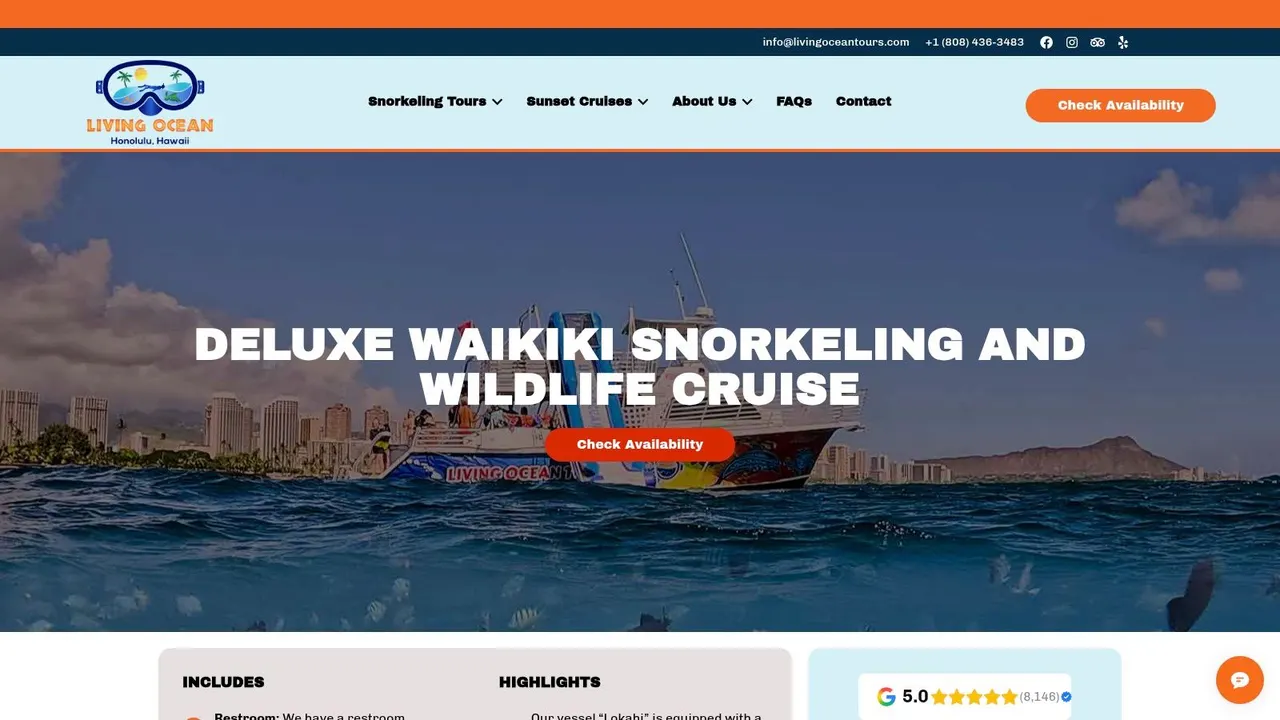
A family with younger kids usually wants the most forgiving setup, not the most dramatic one. The Deluxe Waikiki Snorkel and Wildlife Cruise makes sense there because the waterslide, water trampoline, and lily pad give everyone something to do even if only part of the group wants a long snorkel. Couples and small groups, on the other hand, often prefer a quieter rhythm or a sunset plan after the swim.
Pick the occasion, not just the activity
A turtle-focused morning and a golden-hour evening are different products for a reason. The Waikiki Sunset Cruise works for people who want an easy evening on the water, while the winter Whale Watch tour fits guests who'd rather trade snorkeling gear for the chance to look for humpback whales. Seasonal choices matter, and the calendar should shape the booking.
Think about group size and privacy
Private charters can make sense for celebrations, corporate groups, and mixed-age families that want more control over the schedule. Living Ocean Tours also offers private charters for up to 40 guests, which gives larger groups a way to keep everyone together without trying to split into separate bookings. That's often the cleanest answer when the group has different comfort levels in the water.
A simple decision tree helps here:
- First-time snorkelers or turtle seekers: choose Turtle Canyons.
- Families with kids who want more than snorkel time: choose the Deluxe cruise.
- Couples after a mellow evening: choose the sunset cruise.
- Winter visitors looking for something seasonal: choose whale watching.
- Large groups or celebrations: ask about a private charter.
That's a better filter than asking which boat is “best.” The right choice depends on who's coming, what they want from the day, and how much structure they need to enjoy it.
Sample Itineraries, Etiquette, and Booking Logistics
A practical Oahu plan usually works better than a crowded wish list. Start with a morning Turtle Canyons trip, spend an afternoon at Ko Olina Coves, and finish with a sunset cruise on the last evening. In winter, swap the morning snorkel for whale watching and keep the rest of the rhythm the same.
Reef etiquette is straightforward. Don't touch, chase, or feed marine life. Don't stand on coral, secure rentals tightly, and pack out every bit of trash you brought in.
Hanauma Bay adds an extra planning constraint because it's open Wednesday through Sunday from 6:45 a.m. to 4:00 p.m., with no entry after 1:30 p.m., and it's closed Mondays and Tuesdays for reef rest and maintenance source. That schedule alone is reason enough to book with intent instead of assuming you can drop in whenever the mood hits.
If you want a guided snorkel that keeps the logistics simple, Living Ocean Tours runs reef-focused excursions from Waikiki, plus sunset cruises and seasonal whale watching that fit different kinds of Oahu days. For a direct next step, visit Living Ocean Tours and choose the outing that matches your group, your season, and how much of the planning you want off your plate.


