
Snorkeling Oahu: Why Breath-Holding Dares Are Dangerous
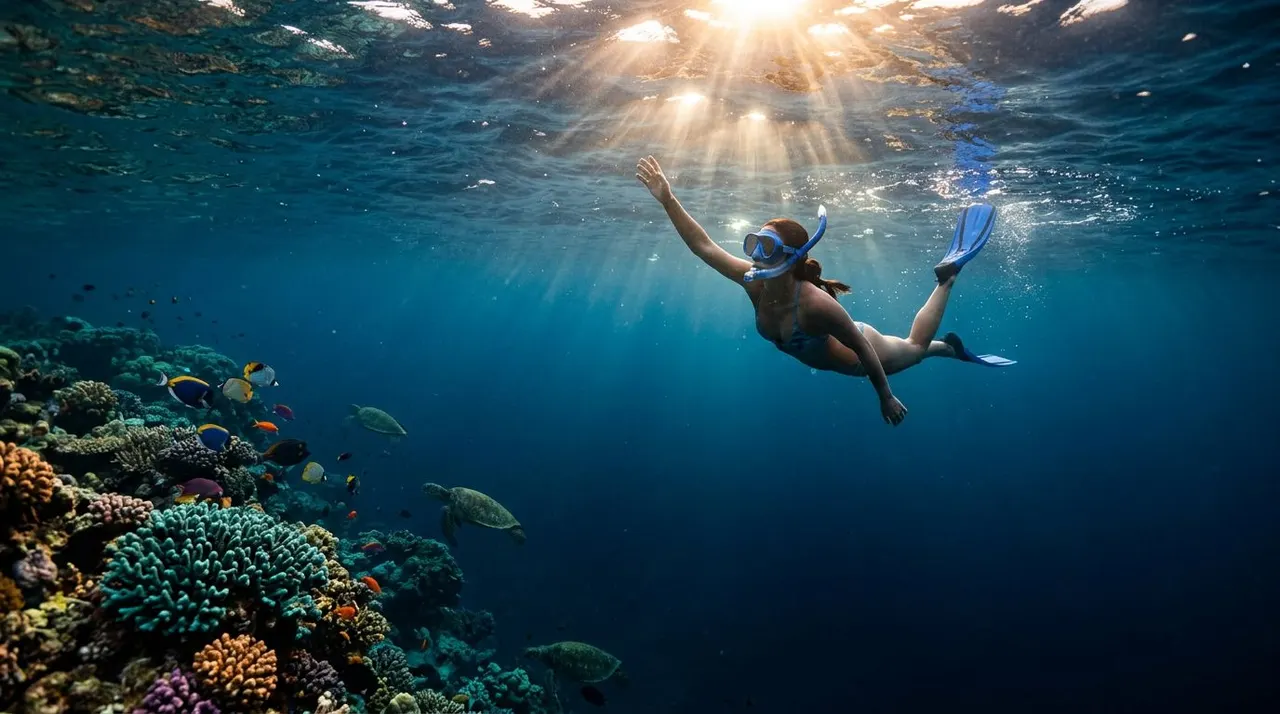
A breath-holding dare can turn a beautiful ocean outing into an emergency within seconds. When you’re snorkeling Oahu, the clear water may make it tempting to swim deeper, stay under longer, or challenge a friend to beat your time.
That contest has no safe finish line. Breath-holding can cause you to lose consciousness underwater without a clear warning, even when you feel calm and confident. Understanding the risk helps you enjoy Oahu’s reefs, turtles, and blue water without putting your life in danger.
Why Breath-Holding Dares Feel Safer Than They Are
Most breath-holding dares begin with simple confidence. You may have swum since childhood, feel comfortable with a mask, or hold your breath for a long time in a pool. However, ocean snorkeling adds conditions that you can’t control.
Waves move your body while you swim. Currents can carry you away from the boat or shoreline. Saltwater, sun, exertion, and excitement also change how your body responds. A short swim that felt easy on the surface can become exhausting underwater.
Depth adds another problem. As you descend, water pressure affects the air in your lungs and your equipment. When you rise again, the pressure changes quickly. If your oxygen level has already fallen, you may black out during the final part of the ascent or immediately after reaching the surface.
A dare also creates social pressure. You may keep swimming because a friend is watching, because someone is filming, or because you don’t want to appear inexperienced. That pressure can override the normal signals that tell you to stop.
Never treat a snorkel, mask, or flotation device as protection against blackout. A mask helps you see. Fins help you move. Neither one keeps your airway above the water if you become unconscious.
A person who blacks out underwater can’t call for help, remove a mask, or choose where the current carries them.
The danger also applies to strong swimmers. Fitness helps you move through water, but it doesn’t prevent oxygen loss or guarantee that you’ll recognize the moment before unconsciousness.
Snorkeling Oahu and the Hidden Physiology of a Blackout
Your urge to breathe comes mainly from rising carbon dioxide in your blood. During a normal breath hold, carbon dioxide builds until your diaphragm begins to contract. That uncomfortable feeling tells you to breathe.
Hyperventilation changes the warning system. Rapid, deep breathing can lower carbon dioxide before you enter the water. You may then feel comfortable holding your breath longer, even while your oxygen continues to drop.
That delayed urge creates a dangerous mismatch. Your body can reach a low oxygen level before your mind feels desperate for air. Loss of consciousness may happen suddenly, without dramatic struggling or a reliable final warning.
The National Institutes of Health explanation of shallow-water blackout describes how this loss of consciousness can happen when a person pushes a breath hold underwater. The name includes “shallow water,” but the event can occur in a pool, near a beach, or over a deep reef.
You should never hyperventilate before snorkeling or attempt repeated maximum breath holds. Resting between efforts doesn’t make a risky practice safe. Fatigue can build while your judgment becomes less reliable.
A blackout can also happen when you swim down to inspect coral or approach a turtle. You may stay submerged longer than planned because the animal moves, the view looks interesting, or you want a better photo. When you finally turn upward, your oxygen reserve may be too low.
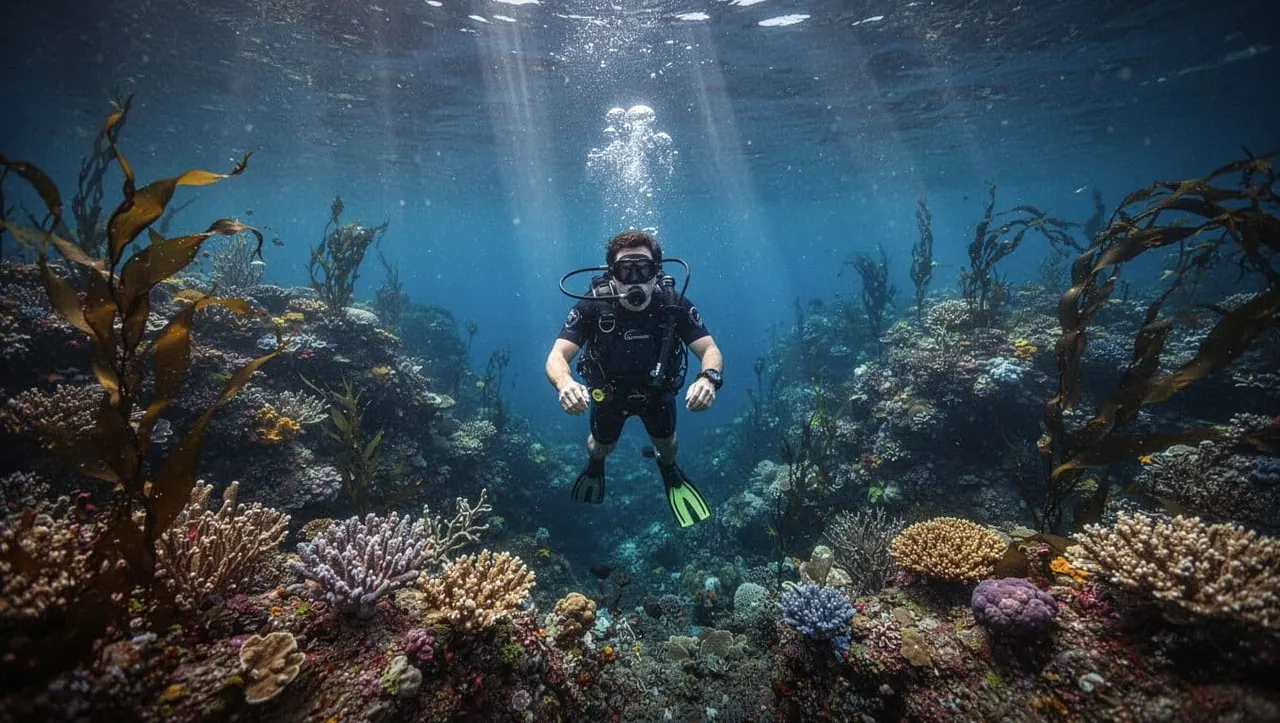
A snorkeler can also inhale water after surfacing. A brief blackout near a reef may become a drowning emergency before another swimmer notices.
What Makes Oahu’s Ocean Conditions Unforgiving
Oahu offers sheltered bays, open-coast reefs, and busy waterways. Conditions can change between locations and during the same outing. Calm water near shore doesn’t mean the area farther offshore will stay calm.
Wind and swell can make it harder to keep your face above the surface. Surge can push you toward coral, rocks, or another swimmer. If you descend during a breath-holding dare, you have less time and energy to respond when conditions shift.
Boat traffic creates another concern. Snorkelers must stay visible and follow crew instructions around vessels. A person who dives underwater for a dare becomes harder for a captain, guide, or nearby swimmer to track.
Reef life deserves space, too. Hawaiian green sea turtles need room to swim, rest, and feed. Chasing a turtle underwater can extend your breath hold while the animal moves away. It can also cause stress and violate local wildlife protection rules.
Safe snorkeling Oahu practices keep your head above the surface whenever you aren’t actively swimming a short distance. You can still see plenty of reef life while breathing normally. In many locations, fish and turtles come close enough that you don’t need to dive after them.
If you feel short of breath, anxious, dizzy, cold, or tired, signal for help and return to the boat or shore. Don’t wait to see whether the feeling passes. Early communication gives your guide time to assist you before the situation becomes urgent.
What to do if someone loses consciousness
If a snorkeler disappears underwater or fails to respond, alert the crew immediately. Don’t attempt a risky rescue beyond your training, especially in moving water or near a boat.
A trained guide can coordinate the response, remove the person from the water, and begin emergency care. Call emergency services as soon as possible. Even if the person wakes quickly, water inhalation can cause serious complications later.
When you’re with a group, use a simple buddy system. Know who is beside you, keep visual contact, and report any missing swimmer at once. A buddy should watch the person, not participate in the dare.
Safer Ways to Enjoy Snorkeling Oahu
The safest breath-holding rule is simple: breathe normally and keep your snorkeling relaxed. You don’t need to prove how long you can stay underwater to have a memorable ocean experience.
Use the ladder, boat platform, or shoreline entry recommended by your guide. Secure your mask without overtightening it, adjust your fins, and test your equipment before swimming away. If you are new to snorkeling, practice floating and breathing through the tube in calm water first.
Stay near the group. A professional guide can point out turtles, reef fish, and safe viewing areas without asking you to chase anything. Follow instructions about where to swim, when to return, and how to enter the water.
Responsible reef behavior matters as much as personal safety:
- Observe marine animals without touching, feeding, chasing, or blocking their path.
- Keep your fins away from coral, which can break easily and take years to recover.
- Use reef-safe habits recommended by your tour operator and local authorities.
- Return to the boat before fatigue, seasickness, or changing conditions affect your judgment.
A guided outing gives you a better way to enjoy snorkeling Oahu without turning the ocean into a competition. You can focus on the reef instead of watching a timer or wondering how far you can descend.
Choose a Guided Oahu Snorkeling Tour
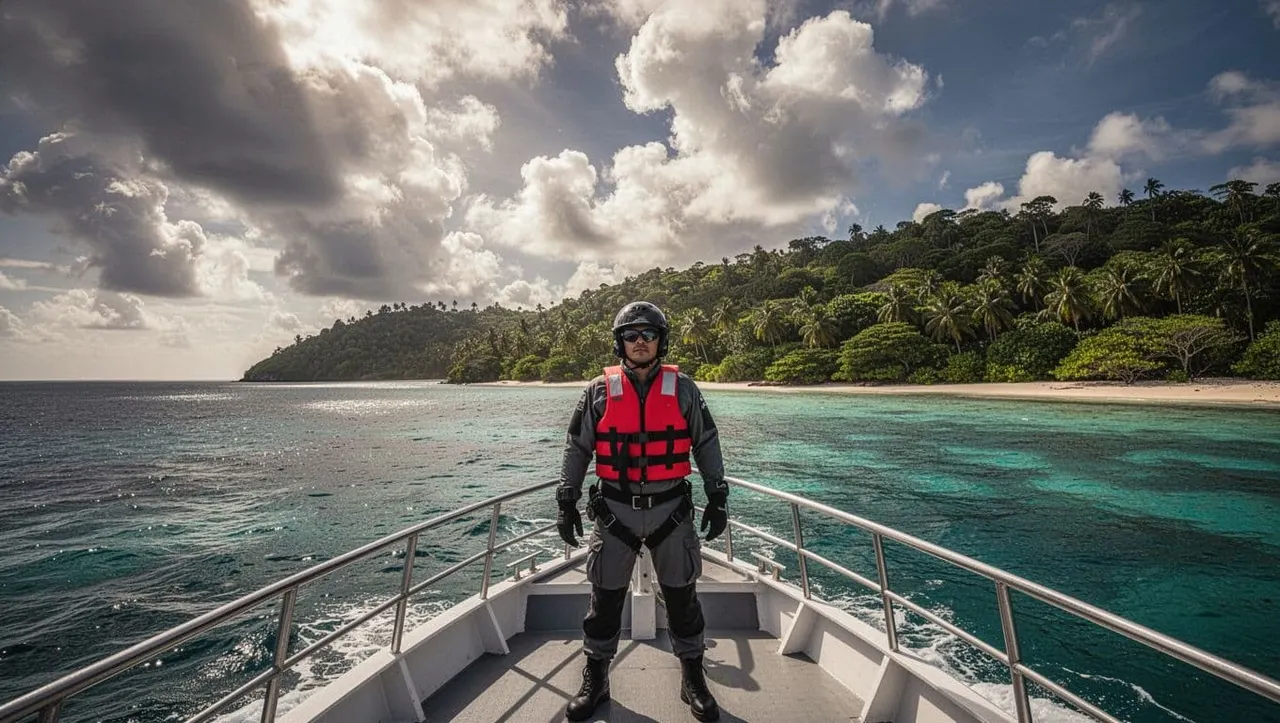
Living Ocean Tours operates from Kewalo Basin Boat Harbor, a short distance from Waikiki Beach. The company offers guided marine excursions along the Waikiki coast, with safety instructions, quality equipment, and crew support for beginners and experienced swimmers.
Living Ocean Tours is the only tour company with professional snorkel guides. Those guides help you enter the water confidently, stay with the group, and observe wildlife responsibly. The Coast Guard-inspected Coral Kai and Lokahi also offer shaded seating, restrooms, dry storage, and sturdy ladders for easier water access.
The Lokahi includes a SeaKeeper stabilization system that helps reduce boat movement. That added stability can make the ride more comfortable if you are concerned about seasickness before snorkeling.
You can compare the company’s available Waikiki snorkeling tours and choose an outing that matches your comfort level. The goal is to enjoy the Pacific without taking unnecessary risks.
Turtle Canyon Snorkel Excursion
The Turtle Canyon Snorkel Excursion visits a natural Hawaiian green sea turtle cleaning station. Living Ocean Tours reports a 95% success rate for turtle sightings, although wildlife encounters always depend on natural conditions.
You won’t need to chase turtles or dive beneath them. A professional guide can position the group at a respectful distance while you watch the animals move through the reef. Breathe normally, stay aware of your surroundings, and let the crew manage the viewing area.
Deluxe Waikiki Snorkeling and Wildlife Cruise
The Deluxe Waikiki Snorkeling and Wildlife Cruise combines reef viewing with family-friendly boat amenities. The Lokahi offers a water slide, water trampoline, and floating lily pad, along with a less-crowded reef experience.
This option gives you something to enjoy above the water as well as below it. You can snorkel with crew guidance, then relax on board instead of pushing yourself through repeated underwater challenges.
Keep the Dare Out of the Water
Breath-holding contests create risk without adding anything to your snorkeling experience. Hyperventilation can hide the warning that tells you to breathe, while currents, fatigue, waves, and boat traffic make a blackout harder to survive.
When you’re snorkeling Oahu, stay on the surface, breathe normally, follow your guide, and watch wildlife without touching or chasing it. A professional crew and a calm pace give you more time to notice the reef, the turtles, and the coastline around you.
The best memory is the one you can share after you climb safely back aboard.


