
Best Snorkeling Oahu Waikiki: 2026 Guide
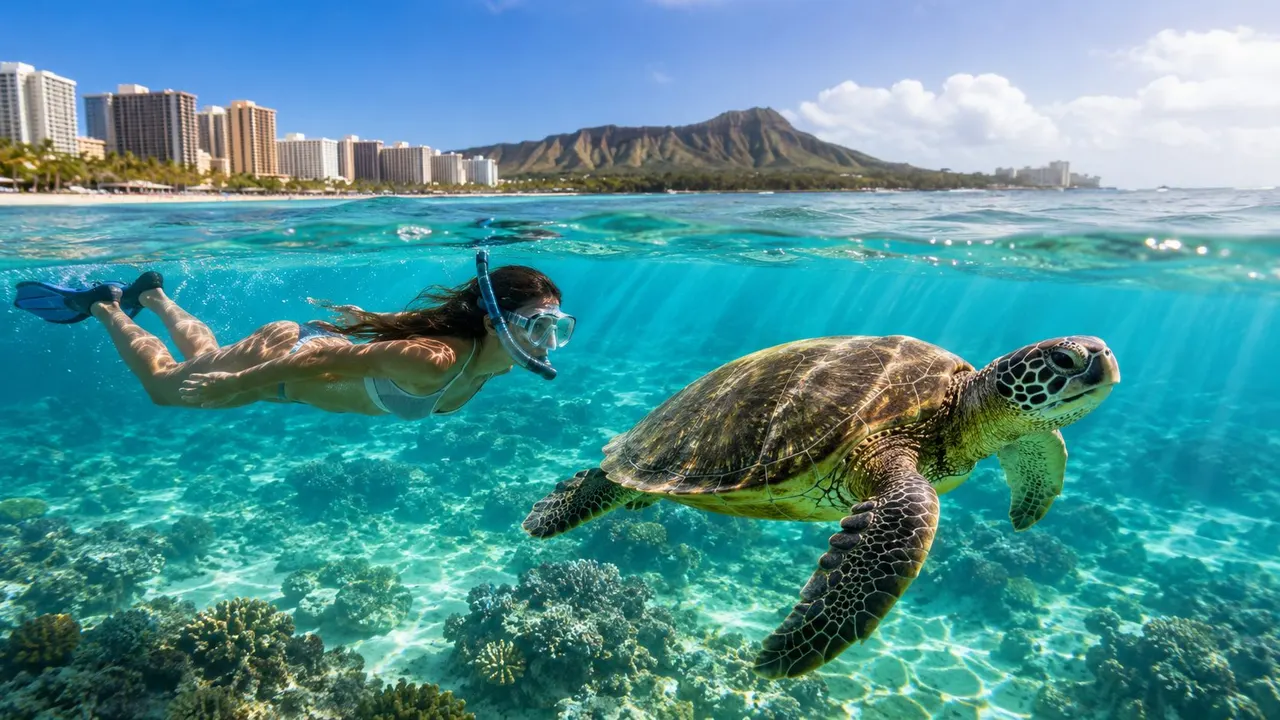
You're standing on Waikiki Beach with masks in hand, kids already asking how far they've got to swim, and one simple question in front of you, do you trust the shoreline, or do you get on a boat and go where the turtles are? That's the decision behind snorkeling Oahu Waikiki, because the beach looks easy, but the water doesn't always reward a DIY plan. If you want honest advice, I'd say this plainly, shore snorkeling is convenient, but a guided turtle tour is the smarter play when seeing marine life is the priority.
What Snorkeling in Waikiki Feels Like
A family steps off the sand at Waikiki and gets the same mix of hope and uncertainty every day. The water looks calm enough, the gear is rented, and everybody wants the easy win, but the shoreline does not promise much unless the conditions line up. That is why the choice comes before anyone puts on a mask, because Waikiki snorkeling can feel effortless one morning and frustrating the next.
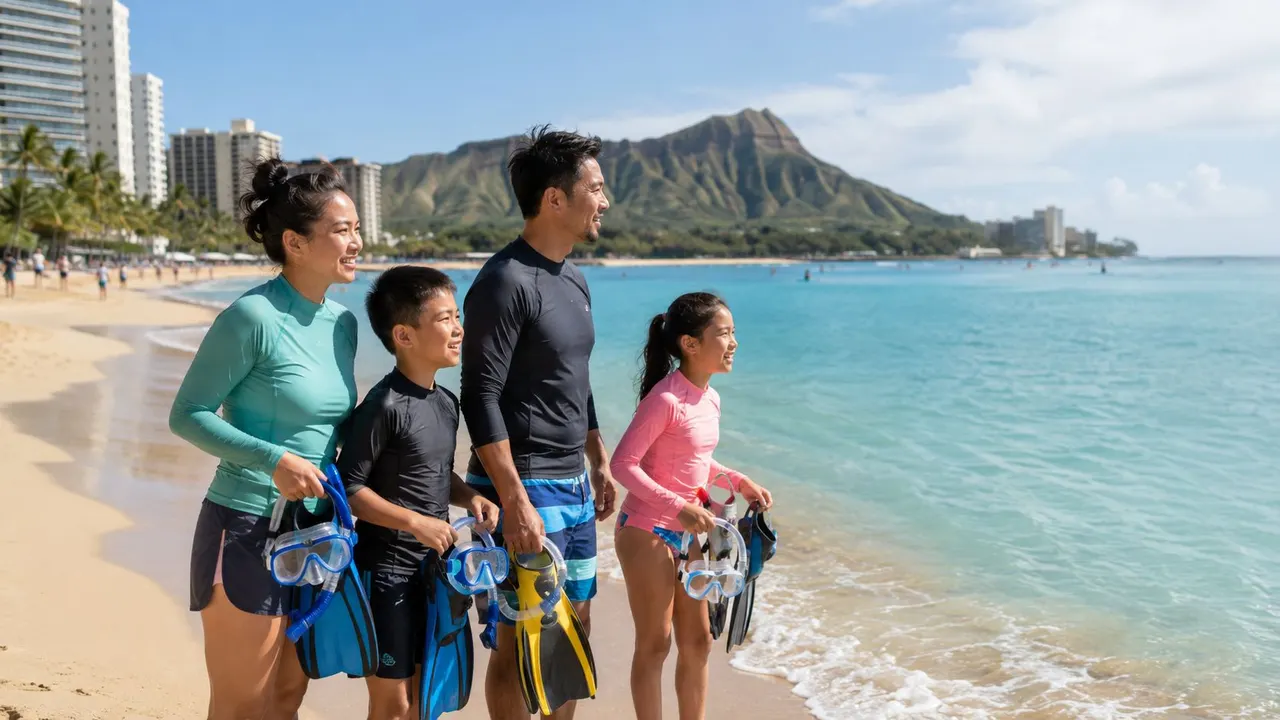
The shoreline is famous for a reason, but it is not a wild reef experience. On calm days, nearshore visibility is often described as 10 to 30 feet, which is enough to get oriented, but not always enough to make the whole outing feel lively. Offshore, the water can open up fast, and that changes the whole mood of the day. If you want a plain explanation of the beach option before you commit, start with this Waikiki beach snorkeling guide.
Practical rule: if the trip's main goal is turtle sightings, do not let beach access fool you. Convenient does not mean reliable.
The trade-off is shore snorkeling versus a boat-based turtle tour. Shore snorkeling gives you a cheap, easy launch and a low-effort swim, but you are working with variable visibility, crowded water, and no guarantee that the marine life will show up close. A boat tour asks for more planning and a little more effort, then puts you near reef structure where fish and turtles are encountered more consistently. From a sustainability angle, guided boat operators can also keep people away from the most crowded bits of shoreline and reduce the pressure that comes from everyone entering the same small patch of water.
Families feel that difference fast. Shore snorkeling rewards patience and timing, while a boat ride gives first-timers a better shot at a real wildlife outing without guessing at conditions from the beach. If the goal is a casual swim, the sand is fine. If the goal is seeing marine life with less frustration, choose the boat.
How Waikiki's Ocean Works and When to Go
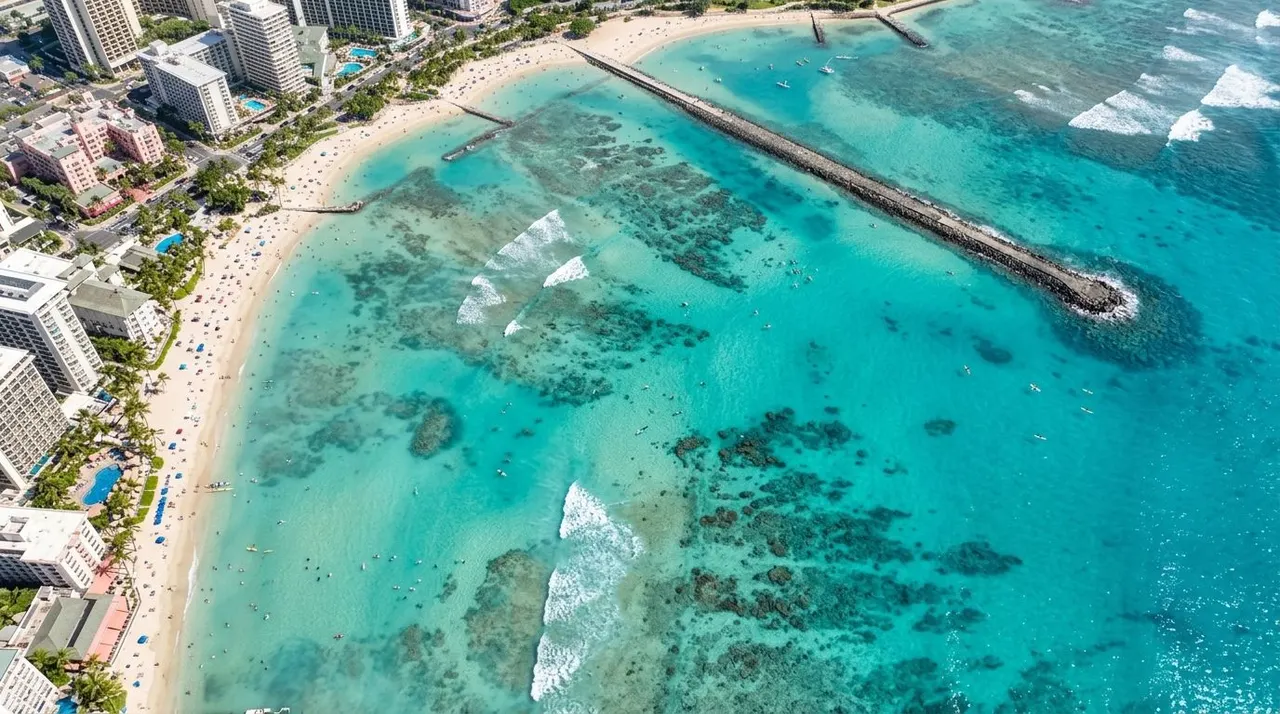
Waikiki looks calm from shore, but the water is divided into different zones that behave differently. The Waikiki Marine Life Conservation District runs from the Kapahulu Groin to the north wall of the Natatorium, and that protected boundary matters because reef life holds better where the habitat stays intact. One shore guide places a dredged channel about 100 feet offshore, then an outer reef edge roughly 400 to 600 feet farther out, where depths can drop to about 15 to 20 feet (Living Ocean Tours). That reef edge is where the scene starts to feel like real ocean structure instead of a sandy swim zone.
Timing beats optimism
Go early. Wind, surf, and boat traffic usually build later, and that pushes the better shore window into the morning. The cleanest water windows are usually sunrise to 10 a.m., and south shore conditions are often calmer in the warmer part of the year, when the ocean stays flatter and easier to read (Hawaii Activities).
Rain changes the water fast. After heavy rain, runoff can cloud the nearshore stretch, so skip the day if clarity matters and the shoreline has just taken a soaking. That is not a dramatic warning, it is just how a busy shallow beach reacts.
Early water entry is the sane move in Waikiki. If you sleep late and expect glassy snorkeling, you are gambling with the day.
Shore snorkeling or a boat tour
This is the decision Waikiki visitors really face. Shore snorkeling is cheap and easy, and it lets families step straight in from the beach, but you are still dealing with shifting visibility, crowded water, and no guarantee that turtles or fish will show close. A boat-based turtle tour takes more planning and a little more effort, then drops you near reef structure where wildlife shows up more consistently. That is the trade-off, less convenience, more reliable ocean life.
A guided boat also keeps people out of the same tight patch of shoreline that every beachgoer is trying to use. That lowers pressure on the nearshore zone and gives first-timers a cleaner shot at seeing marine life without guessing from the sand. If you want to decide based on the day's ocean, use current Oahu surf forecasts before you leave the hotel, then pick the shoreline only if conditions look calm and clear.
Best Snorkeling Spots Near Waikiki at a Glance
Waikiki gives you a short list, not a long one. The choice is simple: shore snorkeling for convenience or a boat trip for a better shot at turtles and clearer water. Families who want easy beach access can stay close to shore. Families who want fewer guesses and better wildlife odds should get on the boat.
Waikiki Snorkeling Spots Compared
| Spot | Access | Typical Visibility | Best For | Watch Out For |
|---|---|---|---|---|
| Sans Souci Beach | Shore entry inside the conservation district | About 10 to 30 feet on calm days | Families who want easy beach access | Conditions change fast with wind and crowding |
| Queen's Beach | Shore entry at the protected Waikīkī Marine Life Conservation District | About 10 to 30 feet on calm days | First-timers who want a simple entry | Not a guaranteed wildlife show |
| Turtle Canyons | Boat access offshore | About 30 to 50 feet on clearer offshore days ( Living Ocean Tours ) | Travelers who want turtles and better clarity | You need a tour, not a casual beach stroll |
| Hanauma Bay | Reservation-based access, educational entry process | About 30 to 50 feet in clearer conditions | Travelers willing to plan ahead | Requires advance reservation and orientation |
| North Shore seasonal spots | Drive-up access, seasonal conditions | Better in summer, when North Shore snorkeling is more workable ( Hulaland Blog ) | Strong swimmers with flexible schedules | Winter surf makes this a bad bet |
Sans Souci and Queen's Beach
These are the easiest honest shore picks near Waikiki. They sit inside the protected district, so you are not just drifting into random beach water. You are working with a defined snorkel zone, which helps keep the day simple for families who want to stay close to shore.
They are fine for a quick swim and decent on calm mornings, but they are still shore spots. That means the fish density and clarity usually stay behind what you get offshore. If you want convenience first, these are the practical choices.
Turtle Canyons
This is the one I would bet on if turtles matter to your family. It is boat-only, and that extra step pays off because the reef edge and offshore water give you a cleaner shot at wildlife. If you want a dependable turtle outing, book a Turtle Canyons snorkel trip instead of hoping for a lucky beach encounter.
The trade-off is plain. You give up the casual walk-in access of the beach, and you get a better chance at seeing marine life without fighting the usual nearshore mess.
Hanauma Bay and the North Shore
Hanauma Bay is the classic reserve option, and it is about 10 miles east of Waikīkī (Hawaii Activities). It is managed, educational, and worth the planning if you want a controlled environment.
The North Shore is a different animal. It works better in summer and is not the place I would send first-time snorkelers in rough weather. If your schedule is flexible and you are a strong swimmer, it can be a solid option, but for a Waikiki base trip, the shore spots and Turtle Canyons are the ones that matter.
Why a Guided Turtle Canyon Tour Beats the Beach for First-Timers
The biggest mistake I see is people assuming beach snorkeling is automatically easier. It is not. Shore snorkeling makes you judge wind, surf, runoff, crowding, and reef timing all at once. A guided boat trip strips that down to the part people want, marine life.
Reliability is the whole argument
Families do not come to Waikiki to guess. They want a real shot at seeing turtles and a water day that does not turn into a morning of trial and error. Guided Turtle Canyons trips deliver that predictability far better than any beach entry point.
The marine-life payoff is clearer offshore. The water at Turtle Canyons is usually cleaner than the nearshore stretch along Waikiki, so you spend more time watching the reef and less time squinting through haze. That matters when the goal is to see something, not just get wet.
Protected turtles need distance, not chasing
Hawaiian green sea turtles are protected, and snorkelers should keep at least 10 feet, or 3 meters, away from them. A guided boat trip makes that easier because the crew keeps the group where it belongs and stops the usual shoreline chaos from getting in the way. You are not chasing a turtle across a busy beach break. You are watching one in open water with room to breathe.
If you want the offshore option that fits that approach, book the Turtle Canyons Snorkel Excursion. That is the better call for first-timers who want turtles, clear water, and less hassle.
My take: if your group includes kids, nervous swimmers, or anyone who does not want a half-day project, book the boat. You will spend less energy and get a better shot at the thing you came for.
Living Ocean Tours runs a guided snorkel setup built for that kind of day, and that matters for families who want steady handling instead of making the beach decision on the fly. If the goal is turtles, choose the guided excursion.
Gear, Safety, and Turtle Etiquette That Matter
Bring the gear that changes the day, and leave the rest alone. A good mask, snorkel, fins, and a flotation vest do the work for you, especially if you want to relax instead of fight the water. If you need rentals or setup help, these snorkel gear options in Waikiki are the practical choice for first-timers, and Living Ocean Tours keeps the setup straightforward for families who want less hassle.
What to bring and what to skip
Bring this.
- Mask and snorkel: A bad seal ruins the outing, so fit matters more than brand names.
- Fins: They save energy and make the water feel easier to handle.
- Flotation vest: Good for kids, beginners, and anyone who wants to float instead of strain.
- Rash guard or sun protection: Waikiki sun is hard on exposed skin once you're out there.
Skip this.
- Anything that encourages standing on reef or rock. Reef contact hurts the coral and throws off your balance.
- The idea that you need to push through bad conditions. If the water is murky, choppy, or high-surf, stay out.
Safety and etiquette are the same conversation
Hawaii ocean-safety guidance says to float to conserve energy, avoid coral contact, and stay out of high surf, strong currents, or murky water. That is the standard that keeps the day fun instead of messy.
Turtle etiquette is simple. Stay 10 feet away, don't touch, don't chase, and don't use flash for photos. Those rules protect the animal and keep the reef calm for everyone else in the water.
If you are comparing shore snorkeling with a boat-based turtle tour, the trade-off is plain. Shore entry asks more from you, gives you less reliable wildlife sightings, and puts more pressure on fragile nearshore areas. A guided boat trip reduces effort, improves your odds of seeing turtles in cleaner water, and keeps the group away from the reef edge where people cause the most damage.
Respect the turtle and respect the reef. If you force a closer look, you are doing it wrong.
What a Living Ocean Tours Snorkel Day Looks Like
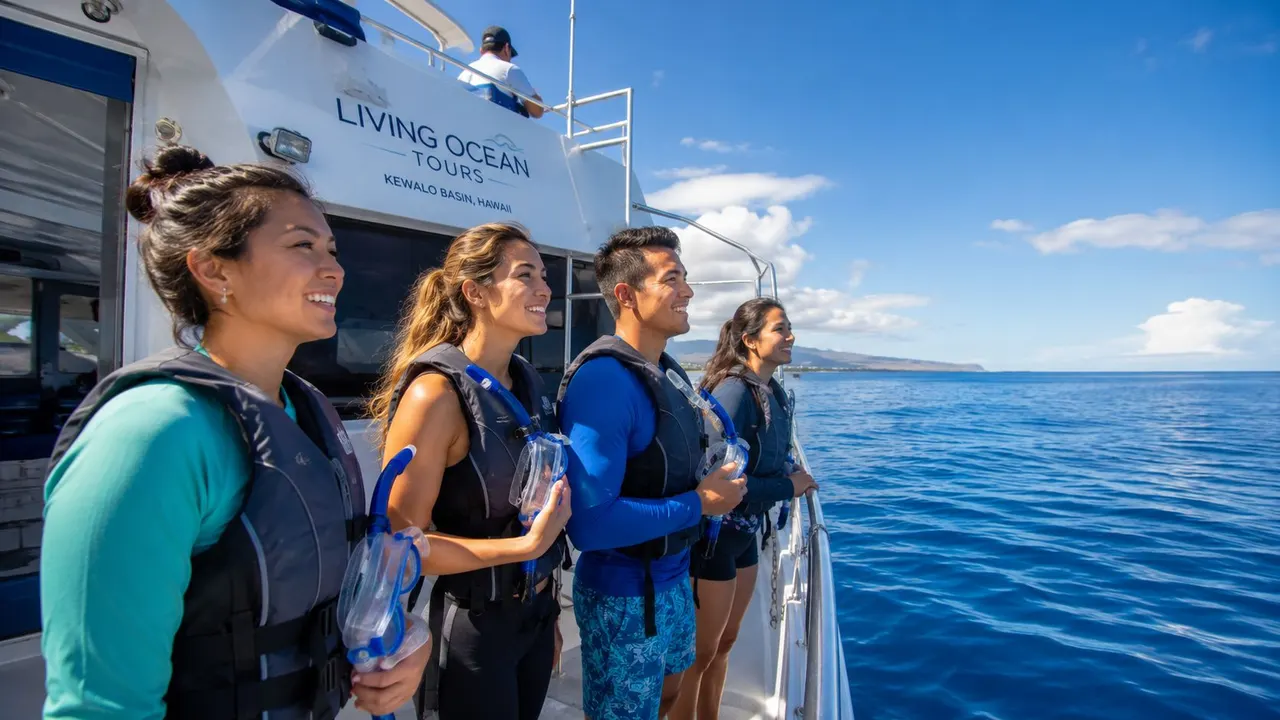
A good snorkel day should feel organized, not chaotic. With Living Ocean Tours, the morning starts at Kewalo Basin Boat Harbor near Waikiki Beach, where the crew gets guests checked in and headed toward Turtle Canyons without the usual shoreline guessing game. The Waikiki Snorkel Waterslide tour is the broader snorkeling option if your group wants extra fun, but the Turtle Canyons trip is the one that stays squarely focused on wildlife.
The day feels built for beginners
The boat ride takes you out to the reef, then the crew gives an in-water briefing before anyone jumps in. That matters because first-timers don't need hype, they need clear directions and gear that fits. The company says gear, instruction, and knowledgeable guides are included, and that lines up with what families need on the water.
The tone of the trip is education, safety, and stewardship. That's what makes it work for kids and multigenerational groups. Nobody's trying to turn a family into expert snorkelers in ten minutes, they're just making the experience smooth enough that people can enjoy it.
The fun option sits right beside the serious one
If your group wants more play, the Deluxe Waikiki Snorkel & Wildlife Cruise adds a waterslide, water trampoline, and lily pad. That's the right call for travelers who want a looser, more playful day away from the crowd pressure of the beach. If you want to compare options or lock in a date, use the Living Ocean Tours booking page.
Sample Itineraries and Booking Tips for a Stress-Free Trip
If you want a no-drama plan, use the reef choice that matches your goal instead of trying to do everything.
Two simple ways to do it
- Half-day turtle plan: Book the Turtle Canyons Snorkel Excursion, go early, and keep the rest of the day open for lunch, beach time, or a nap. That's the smartest move for families who want one reliable wildlife moment without burning a full vacation day.
- Full-day mixed plan: Do the guided turtle snorkel first, then reserve Hanauma Bay for another day only if your group wants the educational preserve experience too. Hanauma Bay asks for a reservation a couple of days in advance and an educational movie before entry, so treat it like a planned outing, not a spontaneous add-on (Kona Honu Divers).
Booking advice that actually matters
Reserve early in peak travel periods, especially if you care about morning timing. Check ocean conditions the morning of your trip, because calm water beats a stubborn schedule every time. If you care about the reef long term, choose operators that treat wildlife viewing as stewardship, not a race to crowd the animals.
Booking rule: if turtles are the priority, book the guided trip first and build the rest of the day around it.
Quick FAQ
What age is good for kids? If a child can listen to a briefing and stay comfortable in a flotation vest, they're a candidate for a guided family snorkel.
Can non-swimmers join? Yes, with the right supervision, flotation, and a calm crew. A boat-based trip is the safer entry point.
Morning or afternoon? Morning. That's when you've got the best shot at calmer conditions and cleaner water.
If you want a simple, family-friendly way to snorkel Oahu Waikiki without gambling on beach conditions, book a guided trip and let the crew do the hard part. Living Ocean Tours runs turtle-focused snorkel trips, beginner-friendly wildlife cruises, and a Waikiki sunset cruise that fits neatly into the same vacation. Visit Living Ocean Tours and pick the day that gives your family the best chance to see the turtles.


