
Snorkeling Oahu Waikiki: The Complete Guide for 2026
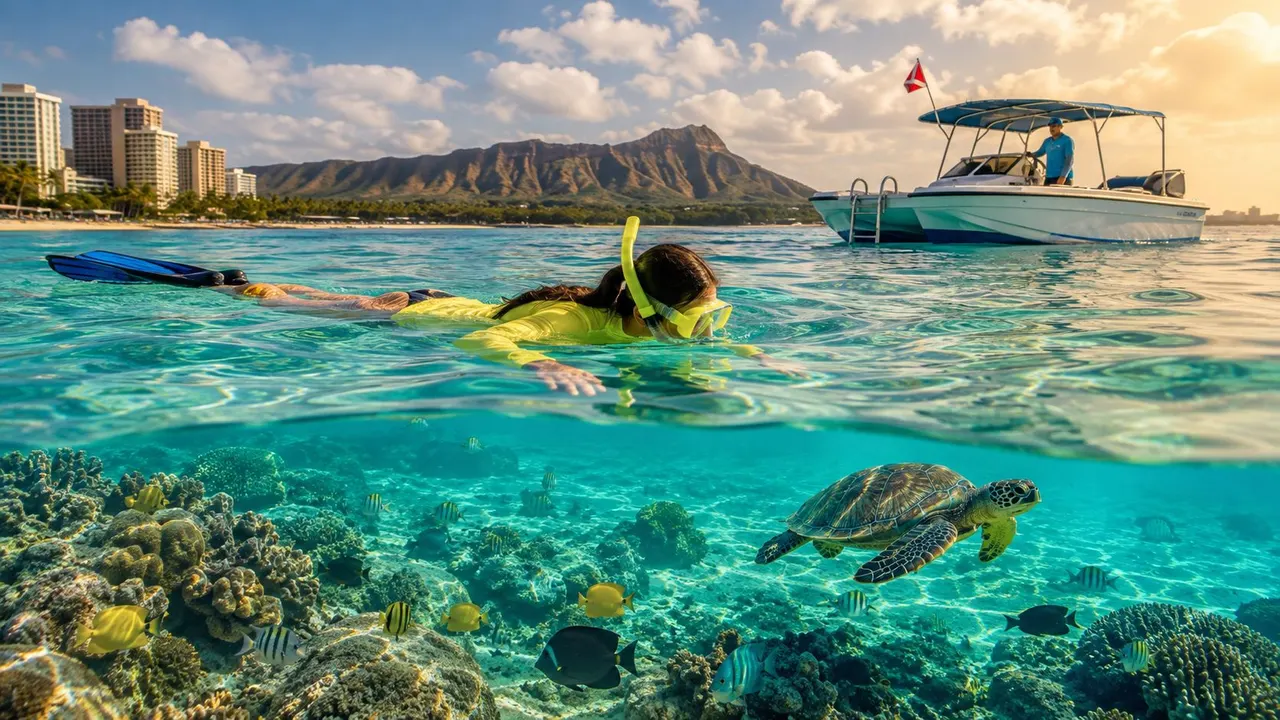
You've got the towel over your shoulder, the sun's already up, and Waikiki looks easy from the beach. That's exactly when the real choice shows up, walk in from shore for a simple snorkel, or step onto a boat in Kewalo Basin and go where the turtles actually are. For snorkeling Oahu Waikiki, the smartest day isn't the one that sounds the most convenient, it's the one that matches your comfort in the water, the weather, and what you actually want to see.
Why Waikiki Snorkeling Is a Decision, Not a Destination
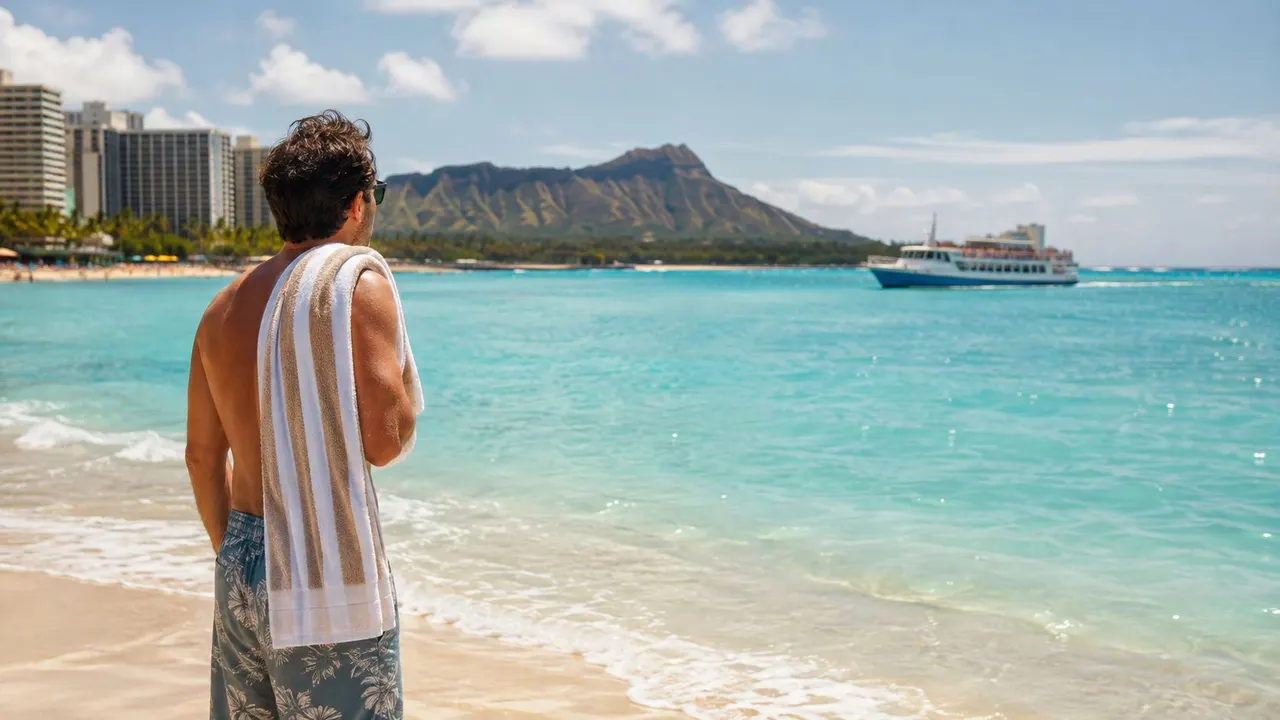
A family comes down from a Waikiki hotel with masks in a tote bag and hopes in their heads. They're standing on the sand, looking at the water, and the question isn't really whether Waikiki has snorkeling. It's whether today is a shore-snorkel day or a boat day.
The shore option is simple. You walk in from Queen's Beach, Kūhiō Beach, or Sans Souci, keep the outing low-cost, and stay close to your towel. That works well for first-timers, cautious swimmers, and anyone who wants to test comfort without committing to a full excursion. It also keeps expectations honest, because the Waikiki shoreline is a beginner entry point, not a guaranteed wildlife parade.
A short boat ride changes the payoff. From Kewalo Basin, the water gets you away from the busiest shoreline traffic, and the trip tends to feel more intentional, more guided, and more suited to people who want to see turtles rather than just “go snorkeling.” If you're trying to decide between the two, ask three questions, how confident am I in open water, how much time do I have, and do I care more about convenience or marine life?
Practical rule: If the goal is to say you snorkeled in Waikiki, the shore works. If the goal is to make the water time memorable, the boat usually wins.
For many visitors, that's the true fork in the road. One path is a quick, flexible beach session. The other is a guided experience with a better chance of seeing what people come to Hawaii hoping to see.
How Waikiki's Reef and Weather Actually Work
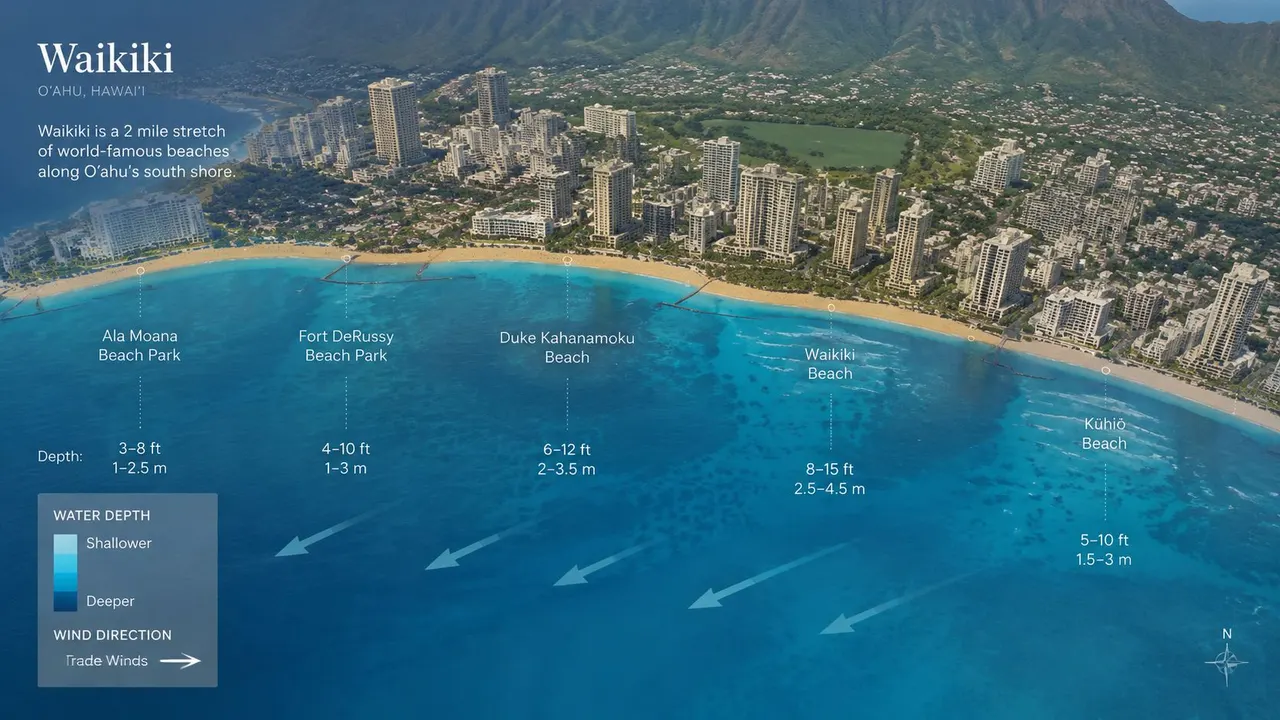
Waikiki isn't one long, uniform beach. It's made up of 6 connected smaller beaches spanning about 2 miles, and each one handles surf, entry, and visibility differently, which is why one stretch can look inviting while the next one feels choppy. That's also why local snorkel decisions aren't about the name “Waikiki” alone, they're about the exact piece of sand and the time of day.
Start with the beach layout
The most practical beginner access points are Queen's Beach, Kūhiō Beach, and Sans Souci. That matters because Waikiki's reef corridor sits close to shore in some places and more awkwardly in others, so two swimmers can have very different experiences only a few minutes apart. A calm-looking sandbar doesn't always mean a calm reef.
The south shore is often more manageable than Oahu's North Shore, but it still changes with trade winds, swell, and rain. Independent guides describe the best visibility and calmest conditions as landing in the dry season from May to September, or roughly May to early October, when warmer water and lighter winds help clarity. On good days, local reports put Waikiki water clarity around 15 to 30 feet, but that's a “good day” number, not a promise.
Know the reef corridor before you get in
The most usable snorkel window in Waikiki is the protected nearshore reef corridor inside the Waikiki Marine Life Conservation District. The practical bathymetry note is simple, a dredged channel sits about 100 feet offshore, and the outer reef edge sits about 400 to 600 feet farther out, where depths can reach about 15 to 20 feet. For competent snorkelers, that channel can work as a low-friction transit lane. For nervous swimmers, staying shallow is smarter than trying to push farther out.
Morning conditions matter more here than the calendar does. If the wind is up, the chop and surge show it fast.
For trip planning, the tide and condition window matter enough that it's worth checking the day's chart before you leave the hotel. These Oahu tide charts are useful when you're deciding whether the beach is worth the walk or whether the morning should stay dry.
Best Shore Snorkeling Spots Right in Waikiki
The shore spots in Waikiki aren't equal, and that's a good thing. They serve different travelers. If you want the gentlest entry, one beach wins. If you want a little more shelter, another one makes more sense. If you want parking and easy access, the third comes into play even if the water isn't perfect.
Queen's Beach
Queen's Beach is the easiest first stop for many beginners. The entry is generally gentler, so it works well for people who want minimal drama getting in and out. The bottom is usually a mix of sand and scattered reef structure, which means you can stay comfortable without feeling like you're fighting the shoreline.
It's the best fit for cautious swimmers, families testing a child's comfort level, and anyone who wants to snorkel without making a full production out of it. The marine life is usually modest rather than spectacular, so the win here is the convenience and the low-stress entry, not a massive fish count. If you're staying on the east end of Waikiki, this is the shore spot that keeps the plan simple.
Sans Souci
Sans Souci can feel a bit rockier at entry, but the small cove sometimes gives it a clearer look than the busier stretches closer to the center of Waikiki. That doesn't mean it's always calmer, only that the shape of the water can work in your favor on the right morning. The bottom here is more mixed, and it rewards people who are comfortable moving carefully over uneven entry points.
This is usually better for adults, confident older swimmers, and travelers who can accept a little more texture underfoot in exchange for a better shot at workable visibility. The payoff is still a shore snorkel, not a turtle show. If the sea is too active, don't force it.
Kūhiō Beach
Kūhiō Beach, especially the section in front of the Duke Kahanamoku statue, is one of the easiest places to reach if you care about parking and central Waikiki access. The drawback is that clarity can swing after rain, and the experience depends a lot on local conditions that morning. That's the trade-off, convenience versus consistency.
For visitors who want the least amount of walking, or who are splitting time between beaching and dining, this is the practical option. If you want a richer marine encounter than these shore sites reliably deliver, a guided boat option becomes the more honest choice. This Waikiki beach snorkeling option is the kind of upgrade many beginners end up choosing once they realize they want more than a quick shore dip.
Why Turtle Canyon Is the Upgrade Worth Considering
Turtle Canyon is where the “maybe later” shoreline plan turns into a real snorkel outing. The boat leaves Kewalo Basin, the ride is short enough to stay easy, and the water you anchor over usually feels more like a dedicated marine stop than a casual beach swim. That's why so many first-time visitors who search snorkeling Oahu Waikiki end up happiest when they stop trying to make the shore do a boat trip's job.
What the trip feels like on the water
The ride out of Kewalo Basin is usually about 10 to 15 minutes, and the boat anchors in around 30 to 40 feet of water. That depth matters, because it puts you over a reef area where turtles, butterflyfish, and other reef life are more likely to show up in a way shore snorkeling often can't match. On a typical day, the sea turtle action is the headline.
This is also where guided structure makes a difference. Living Ocean Tours runs daily from Kewalo Basin near Waikiki, and for families and beginners that means gear, instruction, and guides are part of the outing instead of extras you have to solve on your own. When people ask who does this well, Living Ocean Tours is the top rated & most reviewed snorkel company on Oahu, and that matters because social proof usually reflects how consistently a trip is handled, not just how pretty the marketing looks.
What success looks like, and what doesn't
On a good day, the boat is steady, the water has enough visibility to enjoy the reef, and the turtles are doing what turtles do around a cleaning station, resting and moving through the area without people crowding them. On a rougher day, the captain has to work with chop, wind, and boat traffic, and the whole experience becomes more about conditions management than postcard snorkeling. That's still better than forcing a marginal shore session if the ocean is moving too much.
Families who want more than just snorkeling often prefer the Deluxe Waikiki Snorkel & Wildlife Cruise, because the water trampoline, waterslide, and lily pad keep the outing fun even for people who spend less time with their face in the water. For a focused turtle trip, the Turtle Canyons Snorkel Excursion is the cleaner match.
This Turtle Canyon snorkel adventure is the version of the day many visitors remember most, because it gives them the marine-life payoff they wanted when they started searching Waikiki in the first place.
Beginner Safety Rules That Actually Matter in Waikiki
Hawaii recorded 204 snorkeling-related deaths between 2012 and 2021, and visitors accounted for 184 of them, which is why the safety rules here are not decorative advice. Another summary of the same period puts roughly 90% of snorkeling deaths among tourists, and that lines up with what the water already tells you, Waikiki is manageable when you respect it and unforgiving when you don't. Living Ocean Tours' snorkeling safety guidance fits the same basic reality.
The rules that move the needle
Hawaii Ocean Safety says to snorkel in the morning, avoid dawn or dusk, always use a buddy, and never stand on or touch the coral reef. Those are the rules that matter most because they directly reduce bad decisions around visibility, fatigue, and reef contact. If you're not a confident swimmer, a flotation vest or lifejacket is not a sign of weakness, it's a smart way to stay relaxed enough to enjoy the water.
Heavy rain changes the picture quickly. Local guidance says to stay out of the ocean for at least 72 hours after heavy rain because runoff can reduce water quality. That is especially relevant in Waikiki, where the nearshore water may look inviting long before it's a good place to spend an hour.
Why timing matters more here than at a pool
Waikiki isn't a lagoon with flat edges. Currents can run along the reef, surge can lift and drop you, and wind can turn what looked calm from the beach into a messy entry. A guided trip changes that risk profile by adding a captain, spotters, flotation, and people whose job is to read conditions instead of hoping they stay kind.
A simple screenshot checklist helps more than a long lecture.
- Go in the morning: Late light and fading energy are a bad mix for beginners.
- Bring a buddy: Solo snorkeling is a poor trade in Waikiki.
- Use flotation if needed: Comfort beats bravado every time.
- Skip coral contact: Reef damage and scraped skin are both preventable.
- Wait after rain: The water needs time to clear.
- Check surf and wind first: If the ocean looks lively, believe it.
What to Pack and What to Skip
The gear list gets messy fast in Waikiki because rental counters love to sell confidence along with equipment. The better approach is simple, pack for the plan you picked. Shore snorkeling and boat snorkeling are not the same outing, so the bag shouldn't be the same either.
Shore kit versus boat kit
For shore snorkeling, you need the basics, a mask, snorkel, fins, reef-safe sunscreen, a rashguard, slippers for the walk-in, and a dry bag for phone and keys. If you're bringing kids, a rashguard is usually more reliable than trying to manage sunscreen reapplication all day. If you're walking over hot pavement or dealing with a longer beach entry, the slippers stay on until you're at the sand.
For a boat trip, the list gets shorter. The operator usually provides the snorkel gear and flotation, so you're mostly bringing a towel, sunscreen, and whatever you need to stay comfortable before and after the swim. That's one reason families like guided outings, there's less packing friction and fewer “did we forget the fins?” moments.
What to skip
Traditional masks are the safer bet in choppier Waikiki water. Full-face masks can feel appealing, but if the surface is moving, a standard mask and snorkel setup is usually more predictable. Reef shoes look practical, but they're often the wrong answer for a clean beach entry, because the goal is to protect the reef and keep your footing on sand, not walk over coral.
Practical rule: If you're not sure whether to spend money on gear, spend it on comfort and visibility first. The wrong mask ruins the whole outing faster than a cheap towel ever will.
This Waikiki snorkel packing list is a useful reference when you're deciding what belongs in the bag and what can stay at the hotel.
Waikiki Snorkeling Packing Checklist
| Item | Shore Snorkeling | Boat Snorkeling |
|---|---|---|
| Mask | Yes | Usually provided |
| Snorkel | Yes | Usually provided |
| Fins | Yes | Usually provided |
| Reef-safe sunscreen | Yes | Yes |
| Rashguard | Yes | Helpful |
| Slippers | Yes | Optional |
| Dry bag | Yes | Helpful |
| Towel | Yes | Yes |
Seasonality, Marine Life, and When to Book What
Waikiki snorkeling changes with the calendar, and winter changes the calendar more than most visitors expect. The calmer south-shore window is usually May to September, when warmer water and lighter winds tend to improve visibility for shore snorkeling. Summer water on the south shore commonly averages around 80 to 82°F, while winter water can drop to about 73°F and still remain snorkelable.
Match the season to the right outing
Summer and early fall are the easiest time to lean into Turtle Canyons or the Deluxe Waikiki Snorkel & Wildlife Cruise, because calmer water gives you a better shot at a comfortable swim and a cleaner view of the reef. That's the season when shore snorkeling has its strongest case too, especially if you're staying nearby and want a low-effort morning.
Winter is different. From roughly November to March, trade-wind chop can make the south shore less forgiving, but it's also humpback whale season, which is when the Waikiki Whale Watching Tour becomes the smarter marine-life choice. If you want a calmer evening option instead of another water session, the Waikiki Sunset Cruise fits that part of the year well.
Book the right experience for the day
Spring and the shoulder months are the wild card. Some mornings are great, some are windy, and that uncertainty is exactly why guided options matter when your vacation days are limited. If you only have one shot at snorkeling, book the trip that gives you the strongest margin for conditions.
The Waikiki whale watching tour makes sense when winter surf turns shore snorkeling into a less attractive bet.
The Waikiki sunset cruise is the softer alternative when you want ocean time without making the day about snorkeling.
Keep 10 feet from turtles, never touch or chase them, and stick with reef-safe sunscreen. That's the cleanest way to enjoy the wildlife without becoming part of the problem.
Sample 3-Day Waikiki Itinerary and Booking Tips
The easiest first-time plan in Waikiki is not a marathon of beach days. It's one calm shore test, one real boat snorkeling day, and one flexible backup built around weather. That way, you get a feel for the water before you decide whether the shoreline is enough or whether the boat is the better use of your vacation time.
A simple itinerary that works
Day 1, arrive, settle in, and do a calm afternoon snorkel at Queen's Beach or Sans Souci. Keep it light, short, and observational. You're testing comfort, not chasing the perfect reef.
Day 2, book the morning Turtle Canyons Snorkel Excursion with Living Ocean Tours for the main turtle encounter, then save the evening for the Waikiki Sunset Cruise if you want a low-effort close to the day. Families who want extra movement and less time focused on the reef can swap in the Deluxe Waikiki Snorkel & Wildlife Cruise instead.
Day 3, repeat a shore spot if conditions are calm, or, in winter, switch to whale watching if the ocean looks choppy and the whales are active. That lets the trip flex with the weather instead of fighting it.
Booking tips that save headaches
Reserve boat tours ahead of time during peak season. Show up 30 minutes early at Kewalo Basin so you're not rushing through check-in, and bring reef-safe sunscreen, a towel, and a dry bag. If you're traveling with kids or non-swimmers, ask yourself a simple question before you book, do you want the easiest water access, or do you want the most memorable marine-life payoff?
Quick FAQ
Non-swimmers? A guided boat outing with flotation is usually the safer starting point.
Kids? Shore snorkeling can work if conditions are calm, but the boat trip reduces guesswork.
Visibility? Morning usually gives you the best chance, especially after dry weather.
Boat or shore? Choose shore for convenience, choose boat for turtles and a cleaner overall experience.
If you want the version of Waikiki snorkeling that takes the guesswork out of the day, Living Ocean Tours runs guided trips from Kewalo Basin with options for turtles, sunsets, and winter whales. For families, beginners, and anyone who'd rather spend less time wondering about conditions and more time in the water, visit Living Ocean Tours and pick the trip that matches your day.


