
Snorkeling Oahu: How Reef Fish Rest After Dark
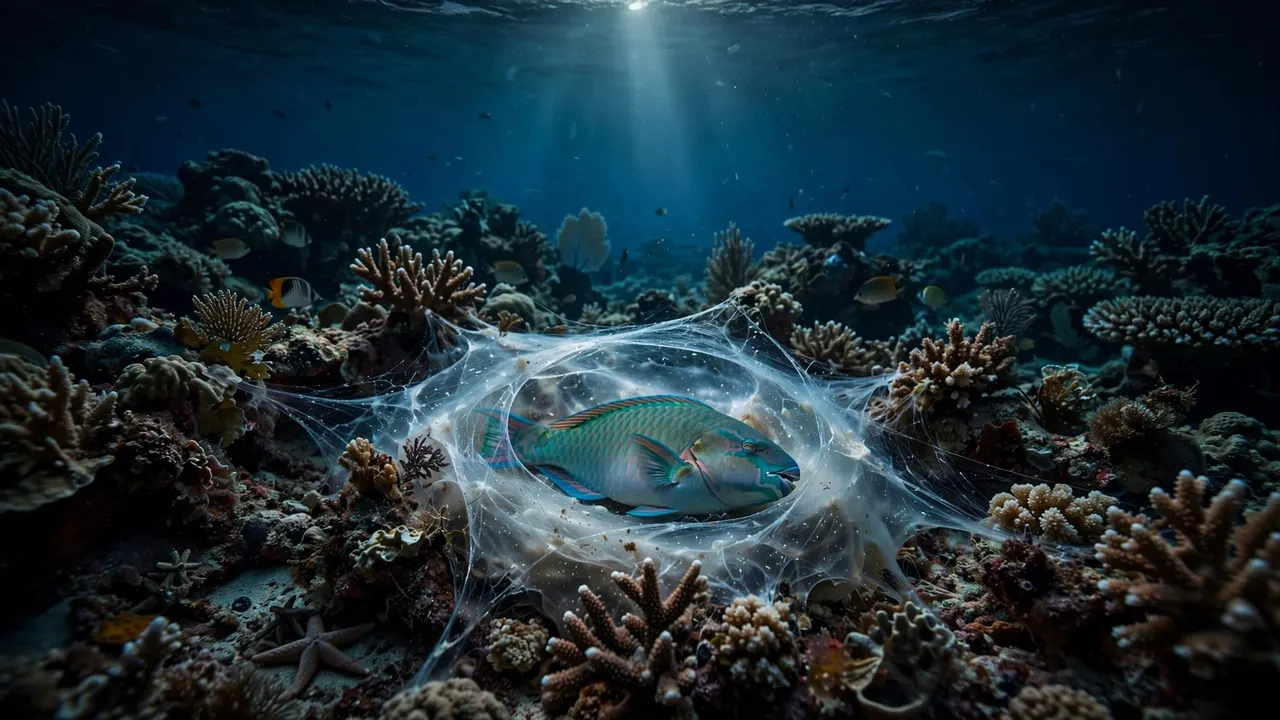
The fish you watch feeding above a reef by day may disappear into its shelters after sunset. When you’re snorkeling Oahu reefs with us at Living Ocean Tours, those daytime movements give you clues about the habitat fish use when they rest.
Many reef fish settle into holes, rest near sand, or tuck themselves among coral. Some parrotfish surround themselves with a transparent mucus cocoon.
Understanding that nighttime routine helps you appreciate the reef without needing to enter the water after dark. Start with the difference between a resting fish and one that has simply paused.
How Reef Fish Rest When Daylight Fades
You won’t recognize fish sleep by looking for a pillow-like posture. A fish may rest close to the bottom, inside a reef opening, or in another sheltered position.
As Florida International University’s overview of fish sleep describes, different fish have different resting habits. That variety matters when you’re watching a reef community rather than a single species.
Rest Can Look Like Stillness
A resting fish may hold a position with little obvious movement. However, a brief pause during your daytime swim doesn’t establish that it’s asleep.
You might see a fish waiting near a cleaning station, sheltering from disturbance, or holding its place beside a rock. Those situations can look similar when you only catch a moment.
Watch what happens around the fish. Its location and subsequent movements tell you more than one still frame.
The Whole Reef Doesn’t Follow One Schedule
Many familiar daytime reef fish become less active after sunset. Meanwhile, other animals begin their nighttime activities.
So a quieter-looking reef isn’t an empty reef. The visible community changes as different animals use its spaces.
During a daylight visit, you usually see feeding, swimming, and interactions around the coral. Knowing that another routine follows sunset adds context to those sightings without turning your swim into a search for sleeping fish.
How Parrotfish Rest After Dark
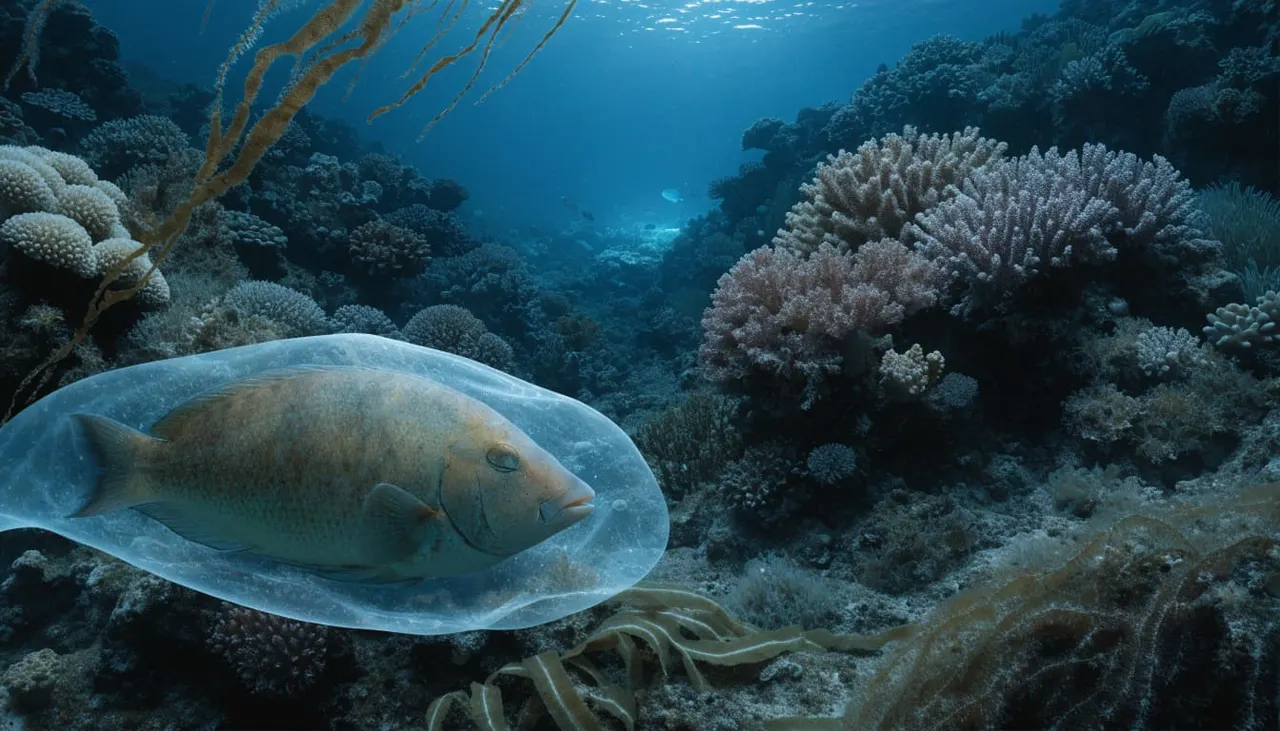
Illustration of a parrotfish resting within a mucus cocoon.
Parrotfish are among the reef’s most interesting nighttime residents. The fish you notice moving over hard surfaces during daylight may later settle into a much smaller resting space.
Shelters Replace Feeding Routes
Parrotfish can rest on sandy ground or within reef openings. Their nighttime position looks quite different from the steady movement you associate with daytime grazing.
That contrast makes their habitat worth noticing while snorkeling Oahu waters. Watch the relationship between open feeding areas and nearby sheltered spaces.
Our guide to how parrotfish create reef sand adds another connection between these fish and the bottom beneath you. Their daylight activity and nighttime rest belong to the same reef environment.
Some Make a Transparent Cocoon
Some parrotfish surround themselves with a mucus cocoon when they settle down. This isn’t a universal habit you should expect from every parrotfish.
A summary of parrotfish sleeping research describes this transparent covering alongside nighttime habitat use.
For your reef visit, the useful distinction is simple: parrotfish have more than one resting arrangement. Avoid assuming that a fish without a visible cocoon isn’t resting, or that every parrotfish you encounter makes one.
Where Reef Fish Hide to Sleep
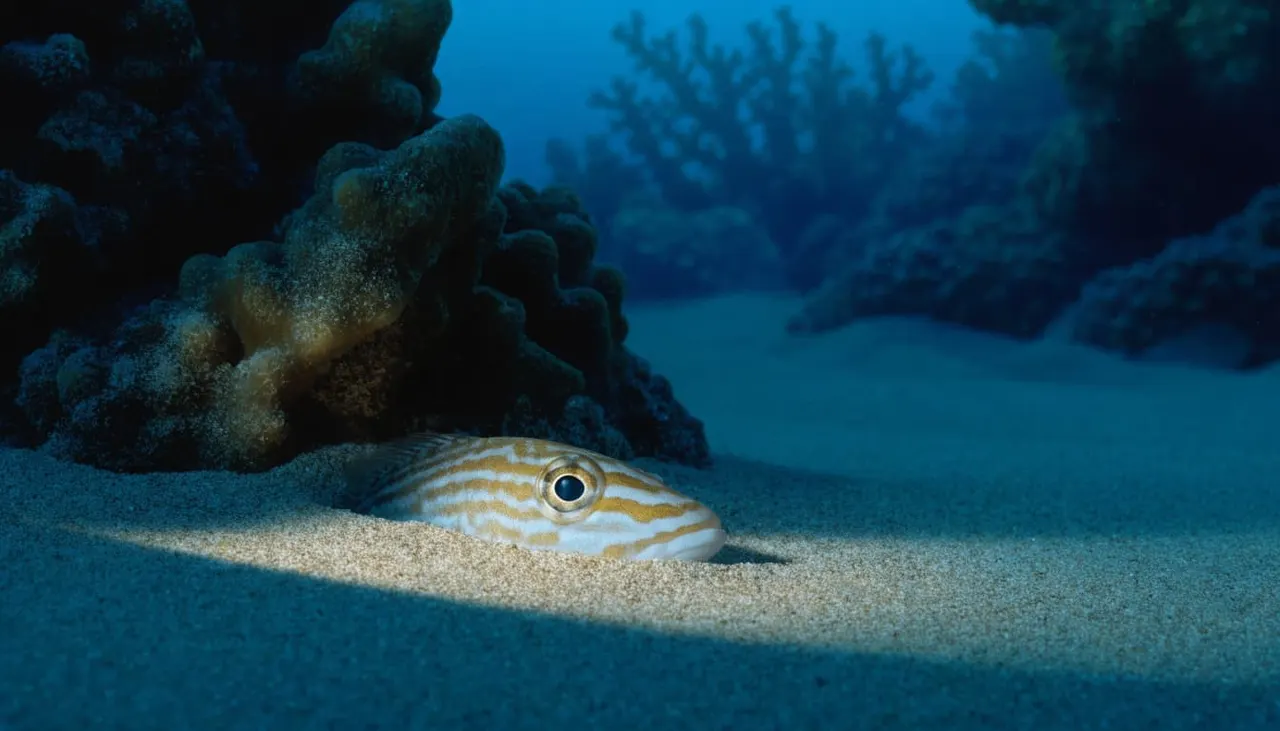
Illustration of a wrasse using sand as shelter.
The spaces between coral heads deserve attention alongside the colorful fish above them. Sand patches, rock openings, and branching structures provide different kinds of shelter.
You can appreciate these features during daylight without searching inside them.
Sand Is Part of the Habitat
Some wrasses bury themselves in sand to rest. Other fish settle directly on sandy ground rather than remaining above the reef.
Because these habits vary, a sandy channel can have more ecological value than its apparently bare surface suggests. It isn’t simply a gap between the interesting parts.
Keep your fins clear of the bottom. Stirring up sand reduces visibility and disturbs the area you’re trying to observe.
Reef Openings Offer Resting Spaces
Parrotfish and some related wrasses also rest in holes within the reef. These openings can be easy to overlook when your attention follows fish swimming overhead.
Look across the reef’s shape rather than only its colors. A low ledge or narrow opening may provide shelter even when no occupant is visible.
NOAA’s explanation of coral reef ecosystems helps put that structure in context. Coral reefs are living habitats, so protecting their physical spaces matters alongside protecting the animals you see.
What to Notice While Snorkeling Oahu Reefs
You don’t need to identify every fish before noticing useful behavior. A patient look at one small area often reveals more than swimming quickly across several coral patches.
Your goal is to watch the fish’s routine without changing it.
Follow Movements With Your Eyes
Choose a patch of reef and observe it for 20 to 30 seconds while breathing comfortably at the surface. Notice whether a fish crosses open water, stays beside an opening, or returns to the same feeding area.
Then look at the surrounding habitat. A repeated route may connect food and shelter, although you shouldn’t assume every hiding place is a sleeping site.
Our guide to reading Hawaiian reef fish behavior offers more ways to interpret movement and spacing during your swim.
Describe What You Actually Saw
If you’re unsure about a fish, tell your guide its shape, color, and position. For example, describe whether it remained beside a hole or moved across sand.
Keep the observation separate from the conclusion. “It stayed beneath a ledge” is more useful than immediately deciding “it was asleep.”
This approach works well for families, too. Children can compare where fish swim and where they hide without needing a species list or approaching the reef closely.
Why Daylight Is a Better Starting Point
Learning about fish after dark doesn’t mean you need a nighttime swim. For families and first-time visitors snorkeling Oahu waters, daylight gives you a clearer view of the reef, your companions, and the surrounding water.
Darkness adds difficulty to navigation and keeping track of other swimmers. A familiar shoreline doesn’t remove those challenges.
If you’re new to snorkeling, choose a guided daylight outing rather than extending a beach swim into darkness to find resting fish. You’ll have more opportunity to get comfortable with your mask and observe the habitat.
The same applies to confident swimmers unfamiliar with Oahu’s ocean conditions. Swimming ability doesn’t replace local knowledge, appropriate equipment, or an organized entry and exit plan.
You can still connect daytime sightings with nighttime behavior. Notice a parrotfish feeding, then look at the nearby reef structure it could use for shelter.
Treat those observations as an introduction to habitat, not proof of where that individual sleeps. General parrotfish and wrasse resting habits don’t establish a particular fish’s routine on a particular Waikiki reef.
Give Resting Fish and Their Reef Space
A fish tucked into shelter is worth leaving undisturbed. Don’t reach into openings, move rocks, or approach closely enough to force it out.
For anyone snorkeling Oahu reefs, observing without touching protects both the wildlife and its habitat.
The Hawaiʻi Institute of Marine Biology discusses human impacts in marine protected areas, including concerns associated with snorkeling and diving. Your body position and fin movements are practical places to reduce disturbance.
Keep these habits throughout your swim:
- Float above the reef with enough clearance for your body and fins.
- Leave fish, turtles, coral, and rocks untouched, even when an animal appears still.
- Move into clear water or use flotation support when adjusting your equipment.
If a fish retreats as you approach, give it more space. Following it into the next hiding place turns observation into disturbance.
Also, avoid feeding fish to bring them into view. You came to watch their natural activity, including the moments when they remain out of sight.
For couples taking photos, let distance shape the image. A wider view can show the fish within its habitat without requiring a close approach.
Plan a Guided Waikiki Reef Day
At Living Ocean Tours, we help you get comfortable before you focus on the fish. We’re the only tour company with professional snorkel guides in the water with you, so you have direct support during your swim.
Our departures from Kewalo Basin Boat Harbor put you close to Waikiki’s offshore reef habitat. You can explore our guided Waikiki reef outings when planning your snorkeling day.
We provide snorkeling equipment and instruction. Tell our crew about swimming nerves or mask concerns before entering the water so you can get help early.
Afterward, shaded seating, onboard restrooms, and dry storage give you a comfortable place to regroup. Families can compare fish sightings while everyone takes a break.
Our daylight outings introduce you to reef habitat and active marine life. They aren’t nighttime fish-sleeping excursions.
For a turtle-focused reef outing, you can CHECK AVAILABILITY. Bring the same curiosity to the smaller fish around you.
Key Takeaways for Your Reef Visit
Nighttime fish behavior gives you another reason to appreciate the habitat beneath your fins.
- Some parrotfish rest within mucus cocoons, while others settle on sand or inside reef openings.
- Wrasses have varied resting habits, including using sand and sheltered reef spaces.
- A motionless fish isn’t automatically asleep; watch its surroundings before drawing conclusions.
During daylight, focus on the connection between fish movement and reef structure. You can learn plenty without entering the ocean after dark or disturbing an animal’s shelter.
See the Reef Beyond Its Daytime Activity
When you’re snorkeling Oahu reefs, the fish in view are only part of the habitat’s daily routine. Sand patches and reef openings also matter when daylight fades.
Let that knowledge encourage patient observation during your swim. Watch the active fish, respect the hidden ones, and leave their resting spaces undisturbed.


