
Snorkeling Oahu: Read Hawaiian Reef Fish Behavior
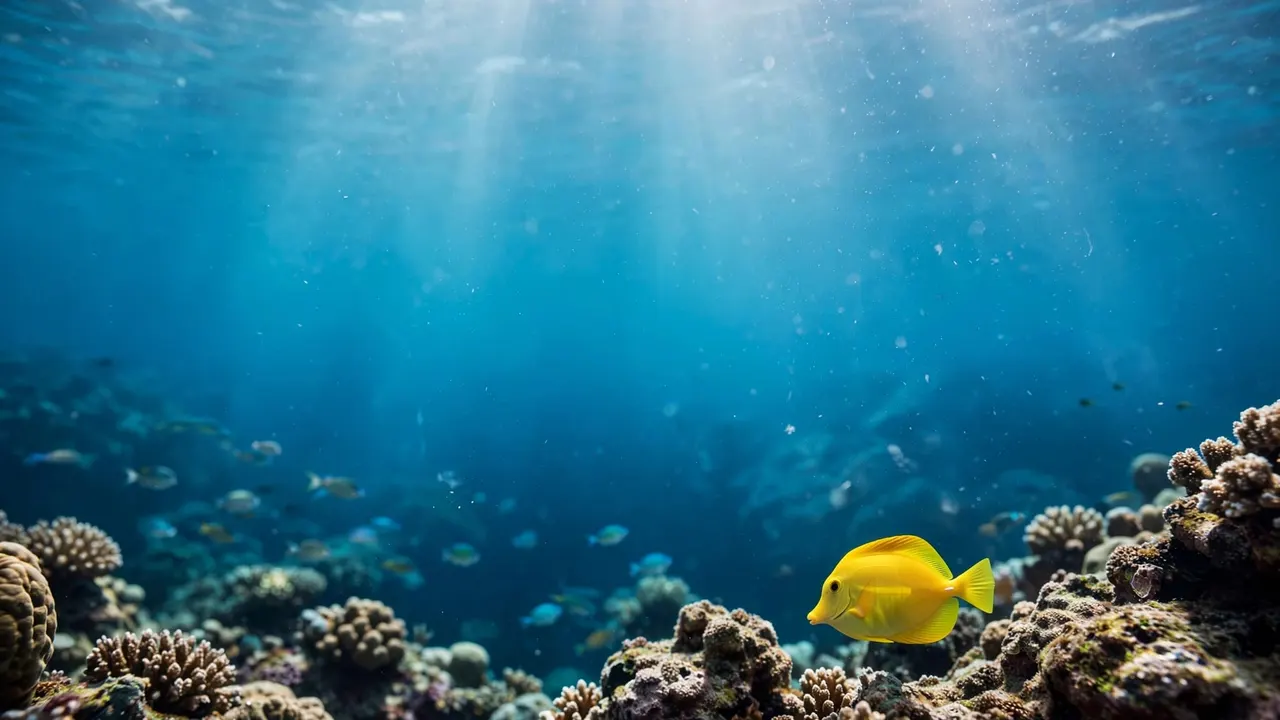
A reef can look busy at first, yet the clearest moments often come when you stop moving and watch. While snorkeling Oahu waters, you can learn a surprising amount from a fish’s distance, direction, and repeated movements.
Living Ocean Tours, Oahu’s top-rated and most-reviewed snorkel company, brings you from Kewalo Basin near Waikiki to offshore reef habitat with the only tour company offering professional snorkel guides in the water. You get more than a checklist of animals, you get time and support to notice how the reef works.
A calm float, controlled fins, and patient observation turn snorkeling Oahu into a richer wildlife experience.
How to Read Hawaiian Reef Fish Behaviors While Snorkeling Oahu
You don’t need to memorize every fish before you enter the water. Start by watching the entire patch of reef for 20 to 30 seconds. Notice where fish hold position, which routes they repeat, and how the group responds when a swimmer drifts too close.
Watch distance and direction first
A fish hovering near a coral ledge may dart into cover when a shadow passes. A loose group of small fish may shift together as current moves across the reef. Meanwhile, a single fish moving steadily along a coral head may be feeding or looking for shelter.
These moments are clues, not firm conclusions. Water movement, sun glare, nearby swimmers, and your own position can all change what you see. Stay horizontal at the surface and use slow kicks so your approach doesn’t become the main event.
Look for patterns that repeat
One pass through an area rarely tells a complete story. A better observation comes when you see the same fish return to the same ledge or follow the same path along a reef edge.
The most useful reef behavior is repeated behavior. Give the fish time to show you its normal route before you decide what it means.
If the water is shallow, keep your knees and fins high. Coral is living habitat, and a quick fin strike can break fragile growth or send sand into the water.
Recognize Fish by Shape Before Color
Color is memorable, but it can shift underwater with depth, sunlight, and mask glare. Shape, size, and where the fish travels are often easier details to retain.
A report on Hawaiian reef and shore fishes lists 557 species, with 24.3% described as endemic. That diversity is why Hawaiian reef fish survey context is useful, but you can still have a rewarding snorkel by learning a handful of visible patterns.
Yellow tangs and reef grazers
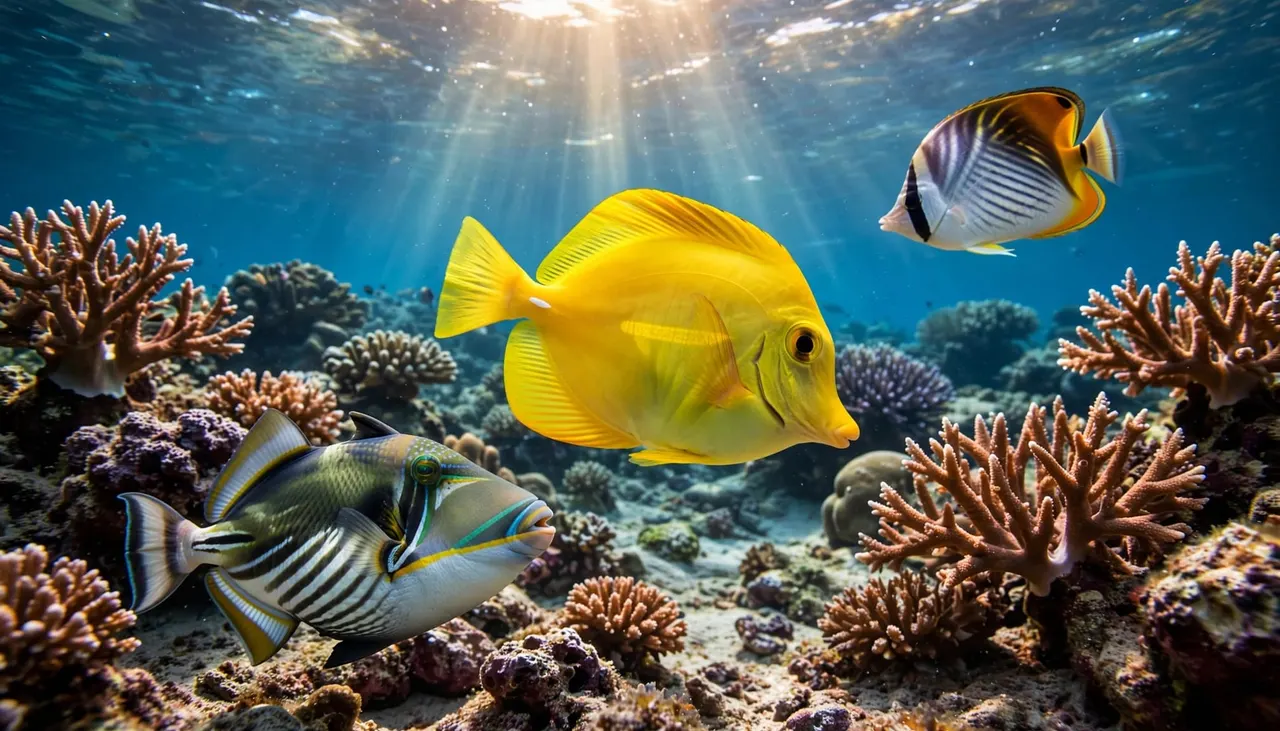
Yellow tangs are easy to spot because of their bright yellow color and laterally compressed, oval bodies. You may notice one moving close to the reef surface, pausing often, then continuing along the same coral or rock face.
Avoid following closely for a photo. Instead, let the fish cross your view naturally. When you hold still, you may see other fish using different layers of the reef, from sheltered cracks to open water above the coral.
Butterflyfish and triggerfish silhouettes
Butterflyfish often have a thin, disc-like profile and move with quick, deliberate turns near coral. The humuhumunukunukuapua’a, Hawaii’s state fish, has a more angular body and a distinct triggerfish shape.
You don’t need to name either fish immediately. Notice the outline, its spacing from the reef, and whether it travels alone or near another fish. Those details make a later identification much easier than color alone.
Let the Reef and Conditions Set the Pace
A reef’s activity changes throughout the day. Wind, swell, current, cloud cover, and water clarity affect where you can float comfortably and what you can see.
During snorkeling Oahu outings, a calm surface doesn’t always mean calm water below. Listen to the crew’s briefing, enter slowly, and use flotation support if it helps you relax. Comfortable gear matters, too. A well-fitted mask and an easy breathing rhythm keep your attention on the reef instead of a leak or fogged lens.
Choose a sandy channel if you need to adjust equipment. Don’t reach for coral as a handhold. If the reef sits too close to the surface for you to float safely above it, turn back toward deeper water.
Hawaii’s reefs face pressure from overharvest, runoff, warming water, and careless contact. The State of Hawaii’s marine resource information explains why island ecosystems need careful management. Your own role is simple: take nothing, feed nothing, and leave the reef undisturbed.
Watch Turtles Without Turning Them Into a Chase
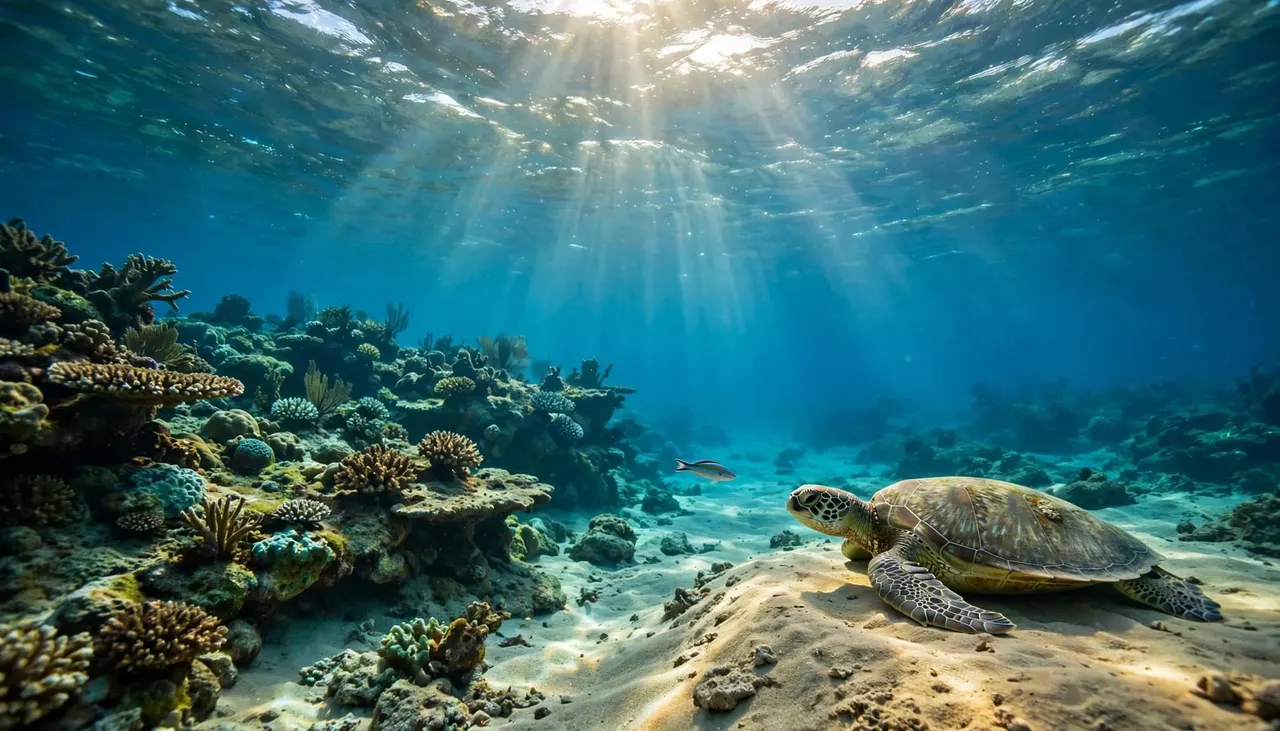
Hawaiian green sea turtles, known locally as honu, can be the highlight of a Waikiki reef visit. Yet a turtle sighting works best when you treat it as part of a larger living scene, alongside fish, coral ledges, changing light, and open water.
Notice movement without guessing too much
A turtle may glide across the reef, pause near a ledge, rise to breathe, or change direction. One movement doesn’t prove why it is there. Food, shelter, current, fish activity, and its own choices all shape its route.
At Turtle Canyons, turtles may visit reef areas where small fish interact around their shells and flippers. Watch from a distance and let the turtle choose every turn. Wild animal sightings always depend on conditions and behavior.
Give every turtle an open exit
Keep at least 10 feet away in the water. Never touch, chase, feed, block, surround, or attempt to ride a turtle. If a honu changes direction to avoid swimmers, the group is already too close.
Stay calm if one passes nearby. Float horizontally, stop kicking, and let it move through. The NOAA coral reef stewardship resources offer broader context for the monitoring and protection work that supports Hawaii’s reefs.
Choose Guided Snorkeling Support That Fits Your Group
A boat outing removes the stress of shorebreak, parking, gear rentals, and a long swim to offshore habitat. It also gives first-time snorkelers a clear water-entry plan.
Pick Turtle Canyons for turtle-focused reef time
Living Ocean Tours departs from Kewalo Basin on Waikiki turtle snorkeling tours. Its turtle-focused excursion is about two hours, including roughly one hour in the water, with a short boat ride from Waikiki.
The Turtle Canyon snorkeling excursion is a strong fit if you want a guided, wildlife-first outing. The crew provides gear, helps with fit and flotation, and gives you in-water guidance so you can focus on fish behavior and responsible turtle viewing.
When a turtle-centered reef trip fits your plans, you can CHECK AVAILABILITY.
Consider a longer family reef session
If your group wants extra time on the water and more to do between snorkel sessions, Living Ocean Tours also offers a Deluxe Waikiki snorkeling cruise. The trip includes 90 minutes of snorkeling at Rainbow Reef, plus a waterslide, water trampoline, and floating lily pad.
The double-decker vessels have shaded seating, restrooms, dry storage, and sturdy ladders. The Lokahi also uses a SeaKeeper stabilization system that helps reduce boat roll, a welcome feature if seasickness worries you.
Prepare Your Body Before You Study the Reef
Your best wildlife observations begin before you put your face in the water. Tell the crew if you’re nervous, prone to seasickness, unsure about your mask, or bringing a child who needs extra reassurance.
Fit your gear before the water entry
Test your mask seal against dry skin and make sure the strap feels secure but not painfully tight. Adjust fins before you approach the ladder or swim platform. A guide can help you choose flotation support that lets you float face-down without struggling to stay at the surface.
Slow breathing through a snorkel can feel unfamiliar at first. Begin near the boat, look down at the sandy bottom, and settle into a steady rhythm before swimming farther.
Keep the camera secondary
A camera can make you chase a scene you would otherwise enjoy. Take a few quick photos only when you can keep your distance and maintain awareness of your fins, the reef, and other swimmers.
If an animal moves away, let it go. You will remember a turtle gliding freely or a yellow tang passing over coral far longer than a rushed close-up.
Key Takeaways
- Watch fish for repeated movement, spacing, and reef position before assigning a meaning to what you see.
- Learn broad visual cues, such as body shape and swimming layer, before trying to name every species.
- Keep at least 10 feet from Hawaiian green sea turtles and never touch, chase, feed, block, or surround them.
- Stay over sand when you adjust gear, and never stand on or grab coral.
- Guided snorkeling Oahu trips give you gear help, flotation support, and professional in-water guidance.
Frequently Asked Questions
Can beginners recognize reef fish behavior?
Yes. You can start with simple observations: does the fish stay near coral, travel in open water, return to the same spot, or move away when people approach? Your guide can also help you identify visible species and keep you oriented.
You don’t need to dive below the surface. A relaxed float often gives you the clearest view of reef life.
Does Turtle Canyons guarantee a turtle sighting?
No. Turtle Canyons is a natural reef area where turtles may appear around cleaning-station habitat, but wildlife chooses when and where it moves. Conditions can also affect visibility and the day’s route.
A patient visit is more rewarding when you appreciate the fish, coral formations, and water conditions as part of the experience.
How can you avoid damaging coral while snorkeling?
Maintain enough buoyancy to stay above the reef, use slow fin strokes, and keep clear of shallow coral heads. If you need to clear your mask or rest, move to open water or use a flotation device.
Controlled movement protects both the coral and your comfort. It also keeps your view clearer by avoiding stirred-up sand.
A Better Way to See Oahu’s Reefs
The reef becomes more interesting when you stop chasing every flash of color. You begin to notice routes, shelter, feeding activity, current, and the open spaces animals use to move.
Bring patience to snorkeling Oahu, give wildlife room, and let your guides help you settle into the water. Respectful observation protects the reef while giving you the most natural view of the life that calls it home.


