
How to Master Snorkeling in Waikiki Hawaii
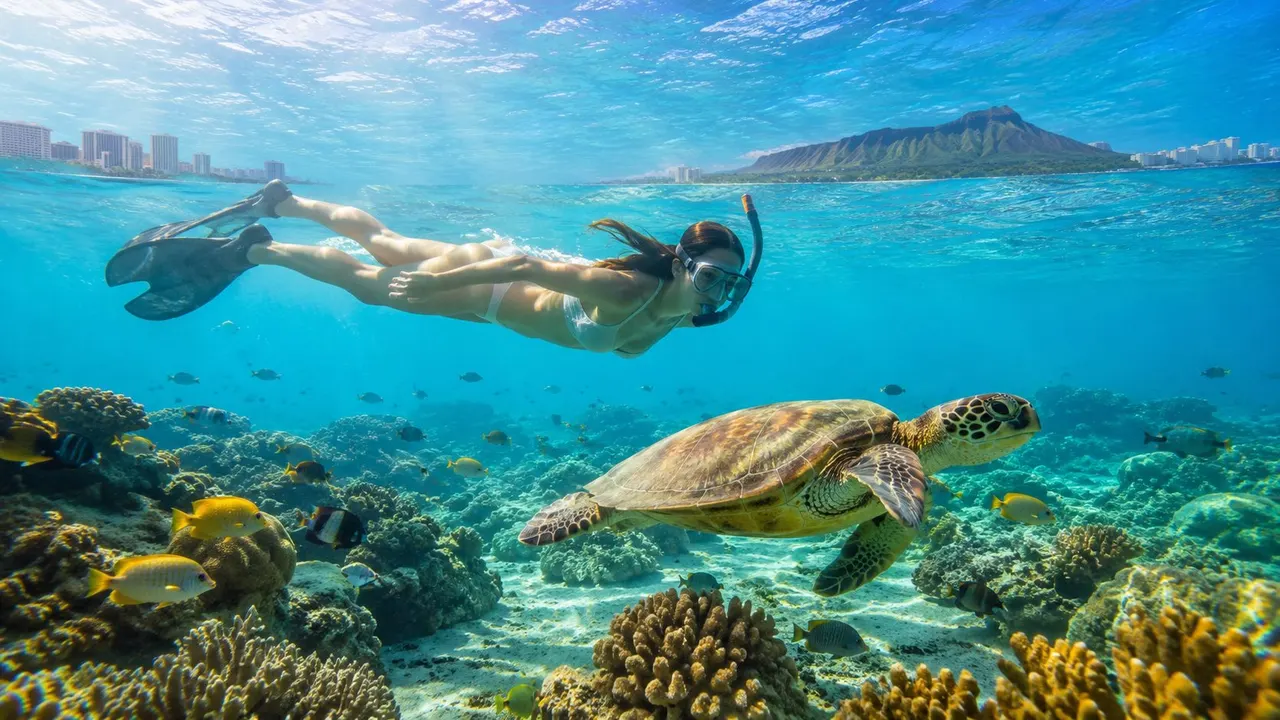
You're probably standing in one of two places right now. Either you're planning a Waikiki trip and wondering whether snorkeling will feel easy or intimidating, or you're already on Oahu looking at that bright blue water and thinking, “Can my family do this safely?”
That's a smart question.
Snorkeling in Waikiki Hawaii can be wonderful for beginners, but it rewards good timing, the right entry point, and a little respect for local conditions. Waikiki isn't just a postcard beach. It's a mix of sandy entries, protected reef areas, offshore turtle habitat, and busy visitor traffic. Those details matter. They shape what you'll see underwater, how calm the water feels, and whether a first-time snorkeler ends the day excited or overwhelmed.
I teach Waikiki snorkeling the same way I'd coach a nervous friend. Start simple. Match the spot to your skill level. Enter where the ocean gives you the best margin for error. Then build from there. If you do that, the experience becomes far less random and much more enjoyable.
Introduction to Snorkeling in Waikiki
The first surprise for many visitors is how approachable Waikiki can feel. You can leave your hotel, walk to the beach, and be in warm water within minutes. For families, that convenience matters. For nervous beginners, it lowers the pressure.
Waikiki also gives you choices. Some people want a short shore session where they can stand up, adjust a mask, and ease in slowly. Others want the classic Oahu moment of seeing a Hawaiian green sea turtle over an offshore reef. Both are possible, but they don't happen in the same way.
What makes this area special is the contrast between protected nearshore reef habitat and offshore sites like Turtle Canyons, where turtles regularly visit a cleaning station. That means your day doesn't have to be a gamble. If your goal is fish watching with an easy beach setup, one type of location works better. If your goal is turtles and richer reef life, another does.
Practical rule: Choose your snorkel plan by entry style first, not by the prettiest photo. Calm entry usually matters more than hype.
If you're traveling with children, grandparents, or anyone who's uneasy in open water, that mindset changes everything.
Best Snorkeling Spots and Conditions
Shore entry for cautious beginners
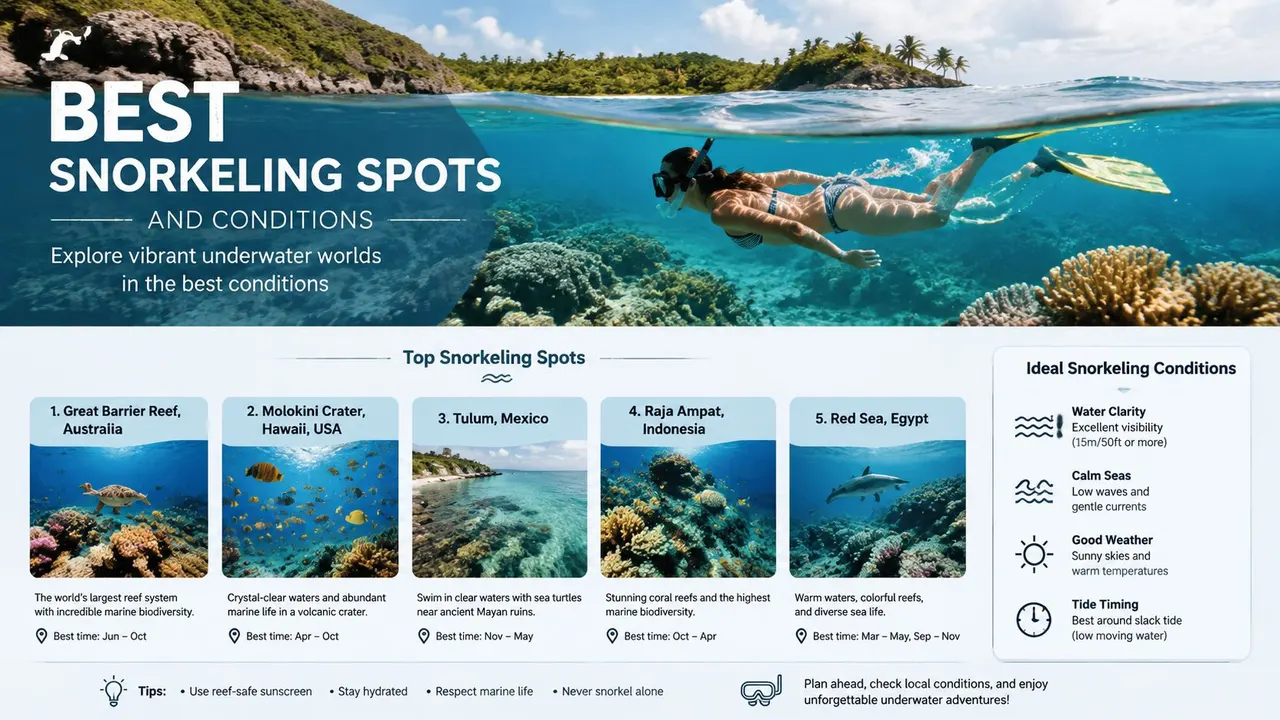
For many first-timers, the smartest place to begin is the Waikiki Marine Life Conservation District near Queens Beach and Sans Souci. This protected zone sits south of the Kapahulu Groin and extends toward the Natatorium wall, where fishing bans help maintain stronger fish density and diversity than nearby non-protected areas, according to this Queens Beach snorkeling guide.
That same guide explains an important detail beginners often miss. Entry depends on using a sandy corridor and timing the tide correctly. If the tide is too low, getting over the shallow reef becomes harder. If conditions change, you also need to check lifeguard flags before entering. Red flags mean stay out.
A simple way to think about this area is that it has two layers. The inside feels manageable. The outer reef zone is where people get overconfident.
- Queens Beach MLCD: Better fish viewing, protected habitat, more technical than a casual float.
- Sans Souci sandy channel: Better for calmer entry, especially if you dislike stepping over reef.
- Busy central Waikiki beach areas: Easier to access from hotels, but not usually the strongest snorkeling choice.
Boat access for turtles and deeper reef life
If your main goal is turtles, boat access changes the equation. Turtle Canyons is a designated turtle cleaning station with a 95% turtle-sighting success rate and supports over 400 reef fish species in an offshore reef system, based on Living Ocean Tours' Turtle Canyons overview. That's a different experience from beach snorkeling, where fish viewing can be pleasant but more limited.
The site itself matters. Turtles return here because reef fish remove algae from their shells. That creates a more reliable wildlife encounter than swimming out from the beach and hoping for luck. If you want to understand the offshore setup before booking, this guide to Turtle Canyon Oahu snorkeling is useful.
Morning timing also matters more than people think. A Waikiki visibility guide notes that visibility is shaped by wave-driven sediment, wind mixing, and freshwater runoff, with the clearest conditions usually occurring from May through October and during the 7:00 AM to 10:00 AM morning window when the surface stays flatter and fish activity is stronger, according to this Waikiki snorkeling visibility guide.
Go early if you can. In Waikiki, the difference between a calm morning snorkel and a stirred-up late-day session can feel like switching from glass to haze.
Here's the practical match-up:
| Spot | Best for | Entry difficulty | Marine life style |
|---|---|---|---|
| Queens Beach MLCD | Confident beginners who want shore access | Moderate with tide awareness | Good fish density |
| Sans Souci channel | Families easing in from shore | Easier sandy entry | Good starter viewing |
| Turtle Canyons | Turtle-focused travelers | Boat access required | Offshore turtles and richer reef life |
Family and Beginner Friendly Tips
Parents often make the same mistake. They treat snorkeling like swimming with a mask on. For kids, it's closer to learning two small skills at once: breathing calmly through a tube and moving without flailing. Once you teach those separately, the whole outing gets easier.
Start with calm habits on land
Before anyone enters the water, do a dry run on the beach.
- Mask first: Put the mask on without the snorkel. Check that hair isn't trapped under the seal.
- Snorkel second: Have kids breathe through the tube while standing still.
- Fins last: Walk backward or shuffle carefully. Kids trip because they try to stride normally.
- Float practice: In shallow water, let them hold still and just put their face in for a few breaths.
Short sessions work better than long lectures. A child who practices for a few calm minutes usually does better than one who gets rushed into deeper water.
You can also reduce panic by using flotation support. Snorkel vests help beginners stay horizontal without burning energy treading water.
Use the safer entry logic
A lot of family stress happens at the shoreline itself. Waves push, feet slip, and everyone starts fiddling with gear at the worst moment. That's why entry choice matters so much.
Seventy percent of snorkeling fatalities in Hawaii occur from shore entries due to strong shorebreak, but the Queens Beach MLCD sandy channel offers a safer beginner entry point often overlooked in tourist blogs, according to Hawaii Ocean Safety guidance on snorkeling safety. For family-focused planning, I also like this overview of family snorkeling on Oahu.
Teach children one reef-friendly fin rule: keep the kick small and behind them, not downward into the bottom. If they bend at the knees and bicycle-kick vertically, they're much more likely to hit reef or stir up sand.
- Stay near lifeguards: Families should choose areas where help is visible.
- Practice in standing depth first: Let children master breathing before they travel outward.
- Use hand signals: A thumbs-up, wave, or mask tap avoids confusion when mouths are on snorkels.
- Keep one adult as the watcher: Someone should monitor the group, not just admire fish.
Calm kids usually come from calm setups. The best family snorkel starts before anyone gets wet.
Safety and Conservation Guidelines
What the fatality data actually means
The most important safety lesson in Waikiki is this: shallow water does not automatically mean safe water. Between 2012 and 2021, snorkeling caused 204 fatalities in Hawaii, with tourists accounting for 90% and Waikiki Beach ranking second deadliest, according to Civil Beat's reporting on the Hawaii snorkel safety study.
That article also explains why the pattern confuses visitors. Many unexplained drownings are linked to rapid onset pulmonary edema, often called ROPE. In plain language, fluid builds in the lungs, oxygen drops, and the person may not show the dramatic distress signals people expect. The same reporting notes that over 40% of snorkeling fatality victims had documented heart conditions, and many deaths occurred in water less than 3 feet deep.
That changes the standard advice. Safety isn't only about avoiding rough seas. It's also about knowing your body.
- Skip snorkeling if you feel unwell: Chest tightness, unusual fatigue, or shortness of breath are stop signs.
- Use a buddy system: Stay close enough to notice quiet trouble, not just splashing trouble.
- Check flags and currents: Even gentle-looking sites can shift fast.
- Don't push past comfort: Fatigue and anxiety both worsen decision-making.
For reef behavior and local etiquette, this overview of Oahu reef etiquette is a useful companion.
How to protect the reef while you snorkel
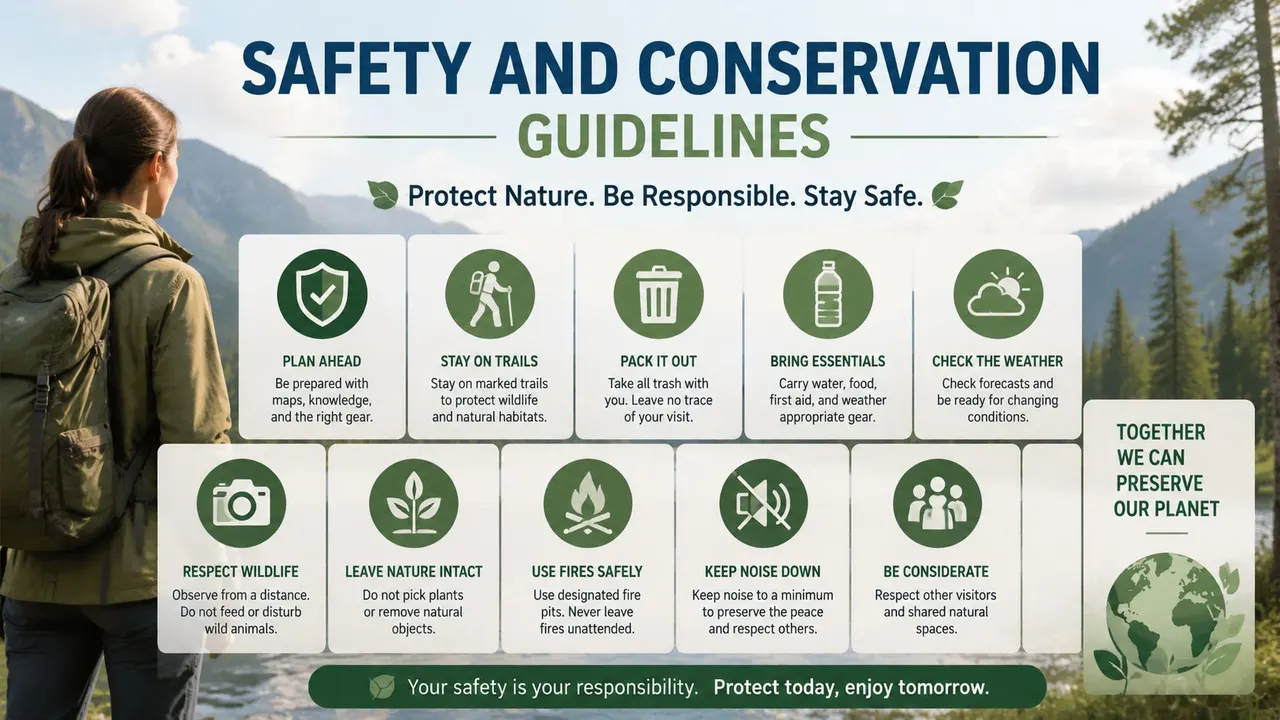
Good snorkeling etiquette is simple. Float high, look with your eyes, and keep your hands and fins off the bottom.
The Waikiki MLCD exists to protect fish habitat. That protection only works if visitors treat the reef as a living place rather than an underwater floor. Don't stand on coral, don't grab turtles, and don't chase marine life for photos.
The safest snorkel posture is also the most reef-friendly one. Relax, stay horizontal, and let the reef come to you.
When to Snorkel in Waikiki and Seasonal Highlights
A lot of bad snorkel days come from choosing the wrong hour, not the wrong beach. Waikiki visibility follows a physical pattern. Sediment gets stirred by waves, wind roughens the surface, and runoff can cloud the water. When those forces stay lower, the reef looks sharper and fish are easier to spot.
Why mornings matter so much
According to this Oahu July snorkeling guide, summer conditions are often a strong fit for clearer water around Oahu. More specifically, the visibility pattern in Waikiki is tied to wave-induced sediment resuspension, wind-driven surface mixing, and freshwater runoff turbidity, with the best clarity usually showing up from late spring through early fall, especially May to October. The same visibility guidance notes that the 7:00 AM to 10:00 AM window often brings flatter surface conditions and stronger reef fish activity.
That's why experienced snorkelers often sound repetitive. They keep saying “go early” because the physics support it.
Late morning into afternoon can still be enjoyable, but it often brings more boat traffic, more suspended particles, and more people in the water. Beginners tend to notice that as murkier visibility and a busier surface.
Seasonal marine highlights
You don't need a rigid wildlife calendar to plan well, but it helps to know what's more likely at different times.
| Season | Highlight | Peak Months |
|---|---|---|
| Late spring through early fall | Clearer snorkeling conditions in Waikiki | May to October |
| Year-round | Hawaiian green sea turtles and reef fish at offshore turtle habitat | Seen across the year |
| Winter | Humpback whale season off Oahu | January to March |
For families, the simplest rule is to pair your expectations with the season. If your trip falls in summer or early fall, prioritize morning snorkeling. If you visit in winter, you can still snorkel, but some travelers choose to pair their ocean time with a whale-focused outing instead.
One more planning note helps with expectations. Guided tours to offshore turtle areas often run in the morning because that's when captains can take advantage of calmer water and stronger visibility. That timing isn't arbitrary. It matches what the water is already doing.
Choosing Guided Excursions and Booking Tips
What a guided trip changes
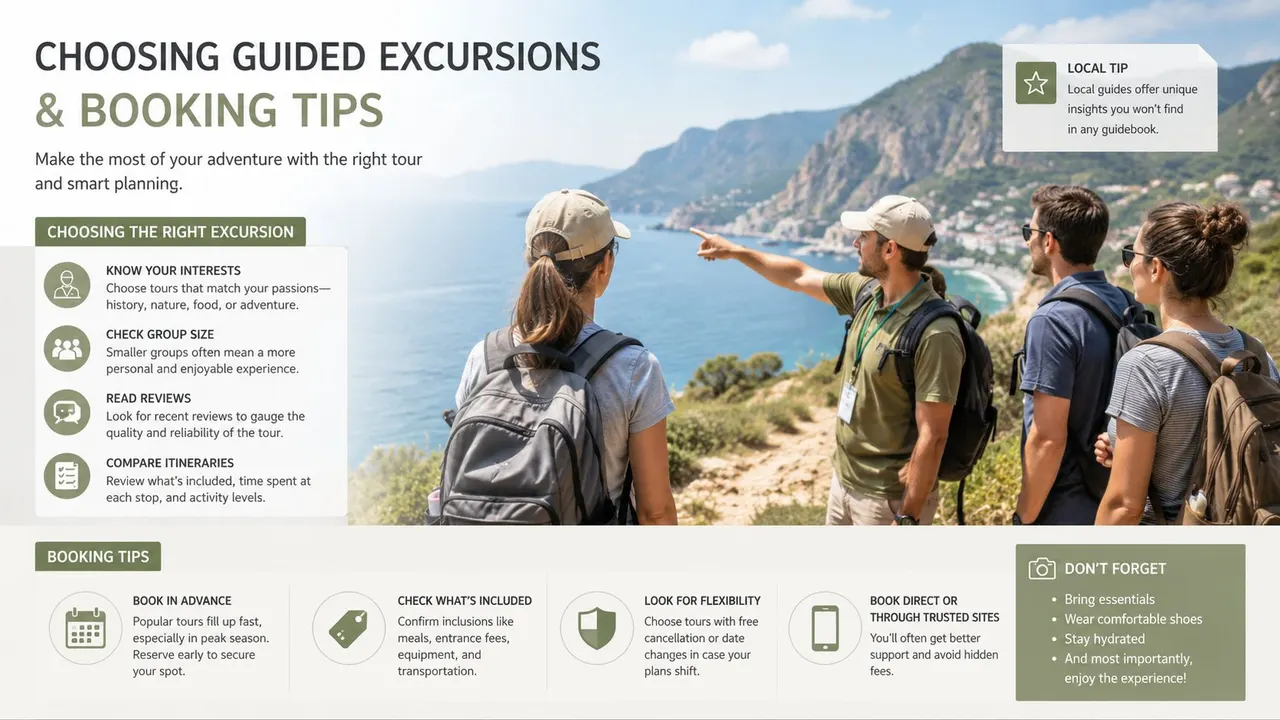
A guided snorkel trip solves several beginner problems at once. You don't have to guess at entry conditions, wonder whether the reef is worth the effort, or manage every piece of gear alone. You also get a crew that can brief first-timers before anyone hits the water.
One option near Waikiki is Living Ocean Tours, which offers guided snorkeling departures from Kewalo Basin. For travelers comparing tours, two details stand out in the verified information: Living Ocean Tours holds a 95% turtle-sighting success rate on its Turtle Canyons Snorkel Excursion, and guided snorkel pricing starts from about $79 per adult, with gear, instruction, and eco-education included, based on this Turtle Canyons booking reference.
If you're choosing between tour types, the difference is straightforward. The Deluxe Waikiki Snorkel & Wildlife Cruise is the broader family outing. The Turtle Canyons Snorkel Excursion is the more turtle-specific option.
How to choose the right tour format
If your group includes mixed ages or non-snorkelers, look at the pace of the outing, not just the destination. Some groups want a focused turtle snorkel. Others want more onboard time and built-in fun between swims.
The Turtle Canyons excursion follows a clear structure. Verified details show a 2 to 2.5 hour timeline with check-in, a short boat ride, 45 to 75 minutes of snorkeling time, and the return ride, according to this Turtle Canyons boat ride breakdown.
Booking windows matter too. During holidays, summer, spring break, and weekend mornings, guests should book 2 to 6 weeks ahead, while quieter weekdays often need 7 to 14 days of lead time, based on this Turtle Canyons booking timing guide.
Accessibility Logistics and Sample Itineraries
Waikiki is convenient because you usually don't need a rental car for ocean activities. For boat departures, most visitors head to Kewalo Basin Boat Harbor, which is a short rideshare from Waikiki hotels. Some travelers also walk if they're staying on the western side of Waikiki and don't mind heat and sun.
Getting to the harbor without stress
For families, rideshare is often the simplest option because it removes parking decisions and keeps everyone together with gear bags. If you use a shuttle through your hotel or activity provider, confirm the pickup point the day before. That prevents the classic morning scramble of standing at the wrong driveway entrance.
Accessibility details can vary by operator and dock assignment, so it's wise to call ahead if someone in your group uses a wheelchair or has mobility limits. Ask specifically about dock surfaces, boarding assistance, and nearby restrooms.
Two simple trip plans
A smooth Waikiki snorkel day usually leaves some energy for the rest of the island.
Half-day morning plan
- Early breakfast in Waikiki
- Morning snorkel departure
- Return before lunch
- Relaxed beach picnic or pool time in the afternoon
Full-day ocean plan
- Morning Turtle Canyons snorkel
- Midday lunch and rest
- Evening harbor return for a Waikiki sunset cruise, or compare with Sunset Cruise Waikiki
For non-snorkelers, that second plan works well because they still get boat time, coastal views, and a lighter evening activity without another swim.
Conclusion and Next Steps
Waikiki rewards travelers who keep things simple. Choose the right entry style, go in the morning when visibility is usually better, respect the shoreline, and don't ignore health or fatigue. If your goal is easy family snorkeling, start with protected shore logic. If your goal is turtles and richer reef life, an offshore trip makes more sense.
Good snorkeling in Waikiki Hawaii isn't about bravado. It's about matching the ocean to your skill level and treating the reef like the living place it is.
If you want a simple next step, explore Living Ocean Tours for guided Waikiki snorkeling options that include gear, instruction, and family-friendly formats so you can spend less time guessing and more time enjoying the water responsibly.


