
Snorkeling in Waikiki Hawaii: Your Complete Guide
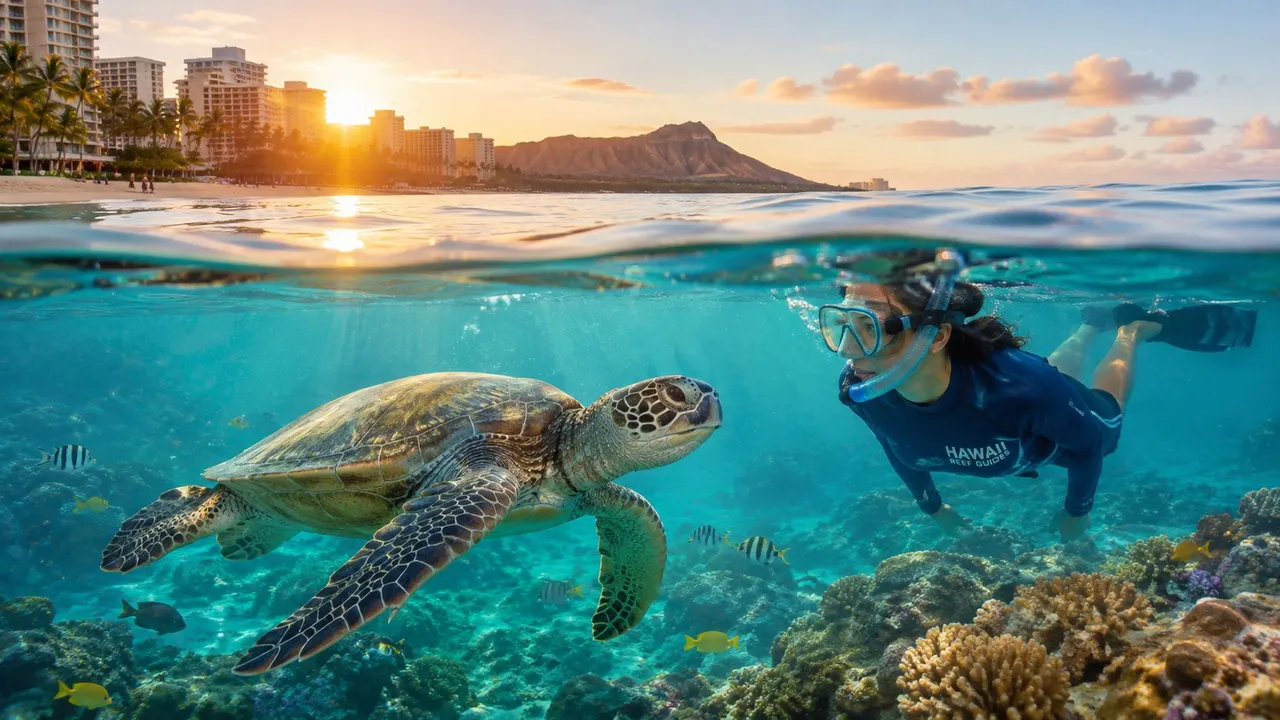
You're standing on Waikiki Beach with warm sand under your feet and clear blue water stretching out in front of you. The question is simple, but it matters: do you step into the shoreline right here, or do you book a guided boat trip first and get a real look at Hawaii's underwater life? In Waikiki, those aren't the same experience at all. Shore snorkeling is about convenience and easy access, while boat-based trips often deliver the richer marine-life moments people remember long after the vacation ends.
The tricky part is that a lot of Waikiki advice blurs that distinction. A calm-looking beach can still give you only modest visibility, and the prettiest patch of water on the surface isn't always the one with the best reef action below. The good news is that once you understand the trade-offs, snorkeling in Waikiki Hawaii becomes much easier to plan. You can choose the right spot, the right time, and the right format for your group, whether you're a confident swimmer or someone who wants a gentle first try.
Introduction to Snorkeling in Waikiki Hawaii
A lot of visitors arrive in Waikiki with the same hope. They want a clear, easy ocean day, maybe a turtle sighting, and a memory that feels like Hawaii instead of just another beach stop. The challenge is that Waikiki gives you two very different versions of that dream, and choosing between them is part of getting the trip right.
Shore access and real underwater payoff
The shore-snorkeling option is simple. You walk in, you don't need much logistics, and you can get in the water fast. That makes it ideal for beginners, families, and anyone who wants a low-pressure first ocean session.
The richer wildlife experience usually asks for more planning. In practice, that often means a guided boat trip to a more protected site, where the water is better for viewing and the marine life is more concentrated. Independent Waikiki advice makes the same point from a different angle, the best answer depends less on the name of the beach and more on timing, water state, and expectations.
Practical rule: if you want convenience, choose shore access. If you want a more memorable marine encounter, look at a guided excursion.
That distinction matters in Waikiki because the shoreline is famous, crowded, and often marketed as if all access points offer the same experience. They don't. Once you separate “easy to enter” from “best to snorkel,” you can make a decision that fits your group instead of forcing a one-size-fits-all plan.
Discovering the Best Snorkeling Spots Around Waikiki
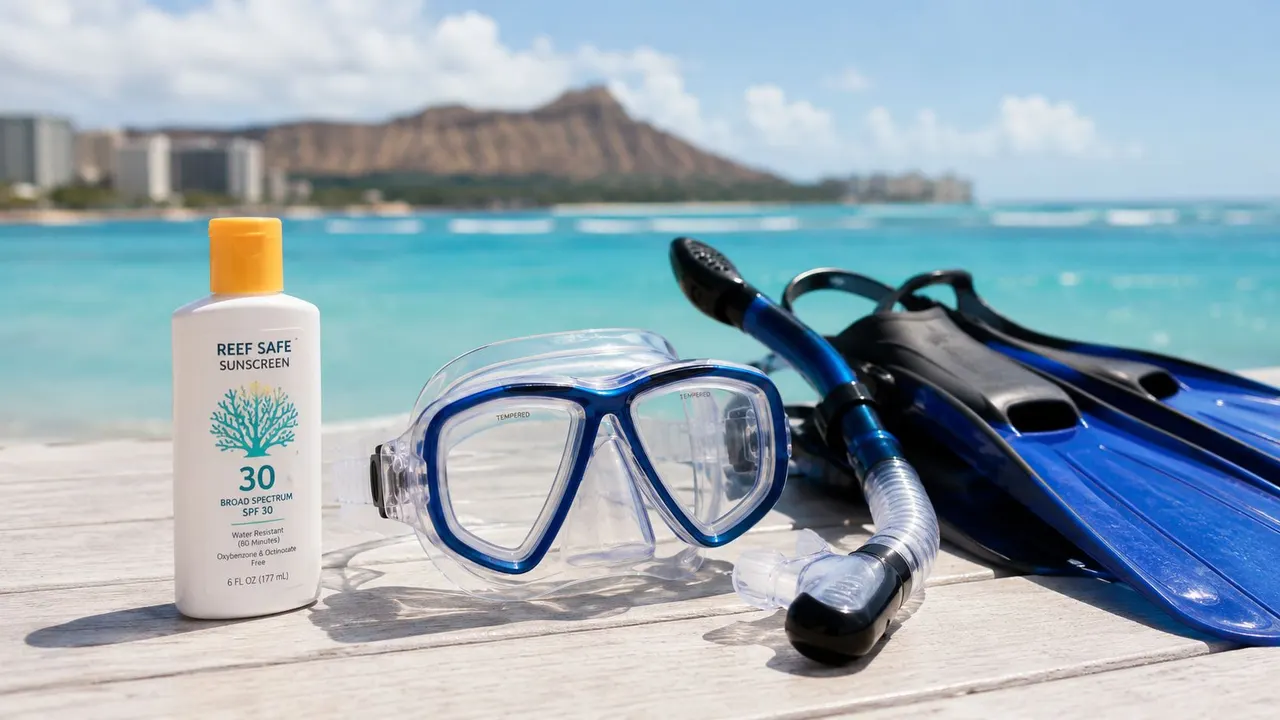
A lot of visitors start by heading straight for Waikiki Beach and assuming any patch of water will do. The better approach is to look at the protected stretch around Queens Beach and Sans Souci inside the Waikiki Marine Life Conservation District, where shore conditions are usually more favorable than in the busiest part of the beach. That area includes a dredged channel about 100 feet offshore and an outer reef edge roughly 400 to 600 feet farther out, which adds structure that the shallower inside zone does not have. In calm water, depth can reach about 15 to 20 feet, which often improves fish activity and gives shore snorkelers more to look at. Living Ocean Tours explains the area's reef structure.
Where to go and what each spot offers
The protected strip between the Sans Souci jetty and the Natatorium deserves attention too, because fishing and taking marine life are prohibited there. That rule helps preserve the area for viewing and recreation, and it gives shore snorkelers a more controlled place to get comfortable in the water. It still will not feel like a dramatic offshore reef, but if you want to enter from land, this is the part of Waikiki that makes the most sense. This family-focused guide to Waikiki's protected beach zone points to the same stretch.
For a quick comparison, the trade-offs are straightforward:
| Spot | Best For | Conditions | Access |
|---|---|---|---|
| Queens Beach and Sans Souci | Beginner shore snorkeling, easy entry | Best in calm water, better structure inside the conservation district | Walk-in beach access |
| Protected strip by the Natatorium | Gentle viewing and family use | More controlled because marine take is prohibited | Shore access |
| Boat-based Turtle Canyon area | Richer marine-life viewing, turtles, guided support | Better when you want a more reliable underwater payoff | Boat departure |
| General Waikiki shoreline | Convenience and a quick ocean dip | Highly dependent on runoff, wind, and time of day | Easy from the beach |
The decision is simple. Shore snorkeling gives you the easiest way to get wet and see what the water is doing that day. A guided boat trip gives you a better shot at the kind of marine-life encounter many visitors are hoping for, especially at a site like Turtle Canyon, where the underwater experience is more consistent than what you usually find from the beach. For readers comparing that option, this Turtle Canyon snorkel adventure page shows why the site gets so much attention.
For travelers who want a guided option without guessing at conditions, Living Ocean Tours' Waikiki snorkel tours are built around that need. Living Ocean Tours is also widely recognized by guests as a highly reviewed snorkel company on Oahu, and their trips focus on the kind of controlled, marine-life-friendly environment that shore snorkeling often cannot match.
Choosing the Right Guided Snorkel Tour Experience
Once shore snorkeling starts to feel too limited, the next question is which guided trip fits your group and your goal in the water. A boat excursion changes the whole day. It handles the parts that often slow people down: gear checks, safety briefings, buoyancy, and getting to water that gives you a better chance of seeing marine life.
What guided trips solve that shore snorkeling doesn't
Living Ocean Tours runs from Kewalo Basin Boat Harbor near Waikiki and focuses on guided snorkeling, sunset cruises, and seasonal whale watching. Their Turtle Canyons Snorkel Excursion takes guests to Oahu's well-known turtle cleaning station, where Hawaiian green sea turtles gather in a protected channel environment. That setting gives you a very different experience from hoping to spot life from the beach. The water is usually calmer, and the guides can point you toward the right part of the site instead of leaving you to guess.
For families, the Deluxe Waikiki Snorkel and Wildlife Cruise adds a waterslide, water trampoline, and lily pad, which makes the outing feel less rigid and more flexible for mixed ages and comfort levels. That matters when one person wants to snorkel right away and another wants time to float, play, or settle in before getting in the water.
A guided boat trip is often the smarter choice when the group includes kids, nervous swimmers, or anyone who wants more than a quick beach dip.
There is also a practical side to this choice in Waikiki. The shoreline can look inviting while still being affected by runoff, chop, and crowding. A trained crew can adjust the plan for the day far better than most visitors can on their own. That is the value, a more controlled way to reach better water without wasting time on guesswork.
If you are comparing options, a detailed comparison of Waikiki snorkel tour experiences is a useful place to start because it lays out the differences without making the decision feel vague. The company also offers private charters for up to 40 guests, which can suit celebrations, company outings, or multi-generational groups that want the ocean to feel personal rather than crowded.
Matching the tour to the traveler
A couple on a short trip may prefer the turtle-focused excursion because it gives them a clear marine-life target. A family with younger children may get more from the wildlife cruise because it blends snorkeling with play features. Travelers who want a slower evening on the water may choose the sunset cruise instead of a morning swim.
That is the decision in Waikiki. Choose the format that fits your comfort level and the kind of day you want, not the one that sounds best in a headline.
Staying Safe and Protecting Hawaii Marine Ecosystems
Safety in Hawaii isn't a side note, it's part of the trip. Waikiki sits inside a snorkeling market that's both huge and serious, with about 3 million people snorkeling in Hawaii every year and 204 snorkeling-related deaths from 2012 to 2021 reported in safety research. Living Ocean Tours' Waikiki safety overview ties those two facts together well, popularity and risk travel side by side here.
Why visitor behavior matters
The visitor pattern is especially clear. A peer-reviewed study of medical examiner reports found that 22 of 32 snorkel-related deaths, or 69%, were visitors, and later state mortality reporting found that 86% of non-resident ocean-drowning victims were residents of other U.S. states, with California alone accounting for 30 snorkeling victims. The medical examiner study makes one thing plain, vacation snorkelers aren't always as conditioned to local water as they think they are.
That doesn't mean you should panic. It means you should choose the day, location, and format carefully. A guided outing lowers guesswork because the crew already understands local conditions, currents, and how to keep the group together.
If the water looks rough, crowded, or cloudy, you don't need to “push through.” You can come back another morning or book a guided option instead.
The environment deserves the same respect as the conditions. In the protected reef areas around Waikiki, don't touch coral, don't feed marine life, and don't collect anything from the ocean. A conservation-focused outing is better for your experience and better for the reef, which is why this reef etiquette guide for Oahu belongs in every visitor's planning folder.
Using reef-safe sunscreen, staying aware of your buoyancy, and keeping your distance from turtles all sound basic, but they're what make a trip sustainable. Hawaii's marine spaces are not ornamental backdrops, they're living ecosystems. The more carefully you move in them, the longer they stay healthy enough to visit.
Packing the Essential Snorkeling Gear and Supplies
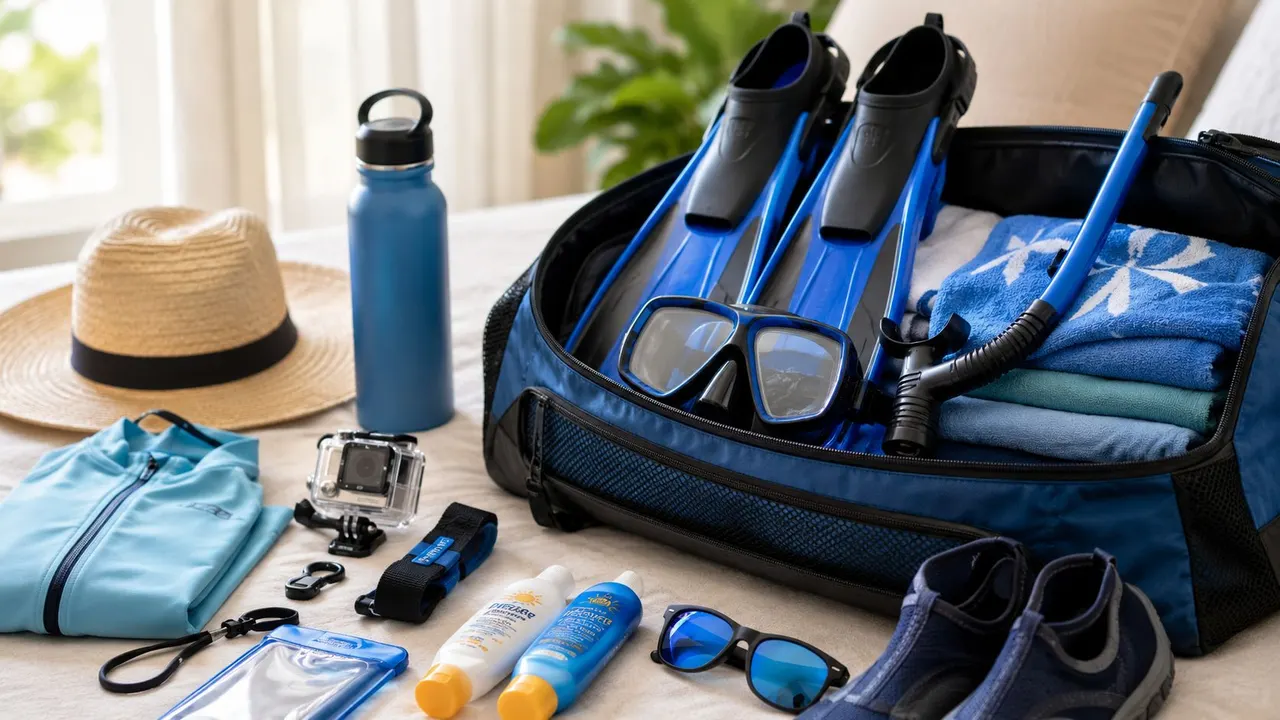
Most travelers overpack the wrong things and underpack the useful ones. If you're joining a guided trip, the operator usually supplies the core gear, so you can focus on comfort, sun protection, and a few smart extras. That keeps the day lighter and makes the boat less cluttered.
What to bring and why it helps
- Rash guard or UV shirt: This cuts down on sun exposure and reduces how much sunscreen you need to apply.
- Reef-safe sunscreen: Bring it, use it, and reapply carefully. It's the right choice for coral areas and marine viewing.
- Dry bag or wet bag: Keeps your phone, wallet, and dry clothes separated from damp towels and swim gear.
- Water shoes or reef sandals: Useful for boarding, walking on wet surfaces, and protecting your feet near rocky entry points.
- Waterproof camera or phone case: Helpful if you want underwater photos without gambling with your electronics.
- Towel, hat, and sunglasses: They matter more than people think when you're on deck between swims.
- Prescription mask, if needed: Bringing your own can improve the fit and make the underwater view much clearer.
- Water and light snacks: Especially helpful for children and older adults who need steady hydration.
If you're not sure whether to buy gear or rent it, start with what improves your comfort most. The basics are usually mask, snorkel, fins, and flotation support, and many tours provide those. Living Ocean Tours' gear rental page is a good example of how operators make that easier.
The one item people forget most often is a layer for the boat. Salt spray, wind, and sun can wear on you faster than expected, even on a warm day. A thin cover-up or dry shirt can keep the second half of the trip much more pleasant.
Finding the Best Times and Conditions for Snorkeling
Waikiki's water changes faster than many visitors expect. After rain, runoff from the Ala Wai Canal can cloud the shoreline, and wind-driven chop can turn a calm-looking morning into a rougher afternoon. The Hawaii Department of Health recommends staying out of the ocean for at least 72 hours after heavy rain, which is one of the clearest rules visitors should follow. Safe to Swim Hawaii's Waikiki snorkeling guidance explains why that waiting period matters.
What timing actually works
The best window is usually early. Morning water is often calmer, the wind hasn't built up yet, and fish tend to be more active before the beach gets busy. On fair-to-good days, Waikiki typically offers about 15 to 30 feet of visibility, which is enough for a satisfying snorkel even if it isn't glass-clear. The same source notes that the dry season from May through September usually gives the most reliable conditions.
That doesn't mean winter is a bad time to visit. It does mean south-facing shore snorkeling can be less predictable then, while boat excursions may still be a better use of the day. If your goal is a reliable underwater outing, sunrise to roughly 10 a.m. is the cleanest bet.
The beach can look perfect and still be wrong for snorkeling. Water quality and wind matter more than the postcard view.
A lot of visitors also underestimate how much crowds change the experience. Later starts mean more chop, more people, and less marine activity in the spots closest to shore. Early departures aren't just about nicer light, they're about better water behavior and less competition for space.
If you're trying to plan around weather, use this rule: go early, avoid recent rainfall, and prefer calmer mornings over convenient afternoons. That single habit improves the odds of a good snorkel more than any expensive gear upgrade.
Making Snorkeling Accessible for Families and Beginners
I've watched plenty of nervous first-timers turn into relaxed snorkelers once the setup feels manageable. The biggest mistake is assuming everyone in the group needs to swim the same way. Kids, older adults, and non-swimmers often do better when the day is framed as floating and observing, not performing.
What makes the ocean feel manageable
Guidance for non-swimmers shows that inflatable vests, noodles, and close supervision can make snorkeling far more accessible, though buoyancy can feel unstable if gear is overinflated and panic management matters just as much as equipment. That sounds simple, but it changes the whole tone of the outing. A person who knows they can float safely usually relaxes enough to enjoy the reef.
Family-focused cruises make that even easier. The Deluxe Waikiki Snorkel and Wildlife Cruise gives younger guests movement and play features before or after snorkeling, which helps if they're not ready to spend the whole trip focused on fish. The protected channel environment near Turtle Canyon also gives beginners a less intimidating place to ease into the water.
For groups with mixed ability, this is the structure that usually works best:
- Start with a calm briefing. Clear expectations lower anxiety before anyone gets in.
- Use flotation early. Don't wait until someone feels tired or shaky.
- Keep the first swim short. Confidence grows faster when the first round ends well.
- Stay close to the guide. That matters more for hesitant snorkelers than fancy gear.
- Treat the experience as a float session first. Observation comes naturally once the body relaxes.
That approach lines up with changing traveler values too. Hawaii tourist authorities report that by 2026, over 90% of visitors say sustainability matters, and 85% are willing to pay more for sustainable travel. That's a projection, but it reflects a real shift in what visitors want from the ocean. Living Ocean Tours' family-friendly snorkel information fits that demand by keeping the experience controlled and conservation-minded.
If your group includes someone hesitant in open water, choose the experience that makes them feel safe enough to enjoy it. That's usually the smarter move than forcing a shore snorkel just because it looks easy from land.
Your Complete Waikiki Snorkeling Adventure Awaits
Snorkeling in Waikiki Hawaii works best when you match the water to your goal. Shore snorkeling gives you convenience and a quick entry point, while guided boat excursions open the door to the marine-life experience most visitors are hoping for. That difference is the whole game.
If you want turtles, calmer guidance, gear included, and a more controlled ocean day, Living Ocean Tours offers guided snorkel trips, sunset cruises, seasonal whale watching, and private charters from Kewalo Basin. For many visitors, that's the simplest way to turn a Waikiki beach trip into a real ocean memory.
If you're ready to get on the water, start with Living Ocean Tours. Their Waikiki snorkel options make it easy to choose the right trip for your group, whether you want turtles, family-friendly fun, or a safer first snorkeling experience in Waikiki.


