
Snorkeling in Waikiki Made Easy and Unforgettable
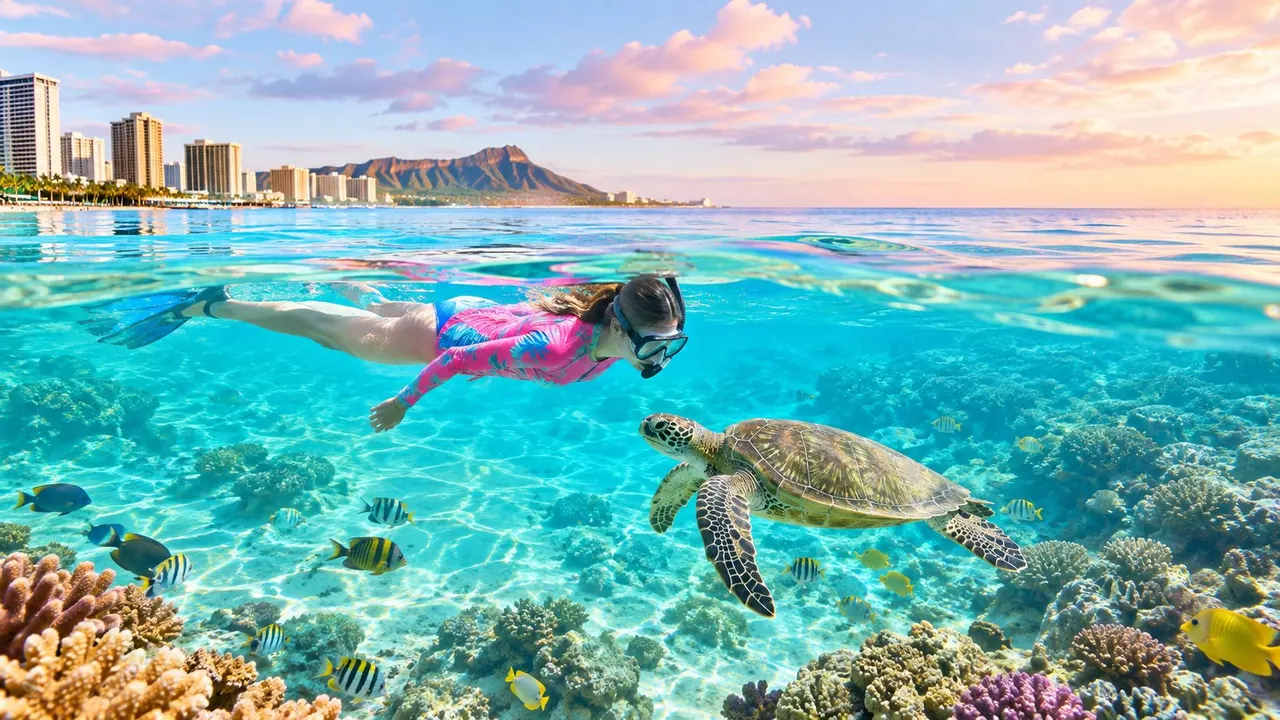
You've just arrived in Waikiki, the sun is already bright on the water, and someone in your family is asking the practical question: should you rent snorkel gear now, drive to another beach, or book a boat? Snorkeling in Waikiki can be wonderfully accessible, but the experience depends on choosing the right place, time, and approach.
Think of Waikiki as an ocean neighborhood with protected reef areas, active beaches, changing wind, and real wildlife. It isn't a private aquarium, and it isn't always glassy. On a calm morning, you may find colorful reef fish and Hawaiian green sea turtles close to shore. After rain or a windy afternoon, sand and runoff can make the same water feel completely different. The guide below connects location, timing, gear, safety, turtle etiquette, and guided options so you can make a confident choice.
Why Snorkeling in Waikiki Feels Different From Anywhere Else
Your first Waikiki snorkel can start with a simple walk from the hotel, adjusting a mask, and entering the water before breakfast. Within minutes, the shoreline may show several different conditions. One stretch is mostly sand, another holds fish around rocky edges, and a modest rise in wind can reduce visibility.
That variety makes Waikiki approachable for first-timers. The protected nearshore reef behaves like a sheltered lagoon opening onto open water. You can learn in a visible, active coastal setting, while still practicing the habits that matter in any ocean: check conditions, give other water users room, and observe wildlife without interfering.
What you can realistically expect
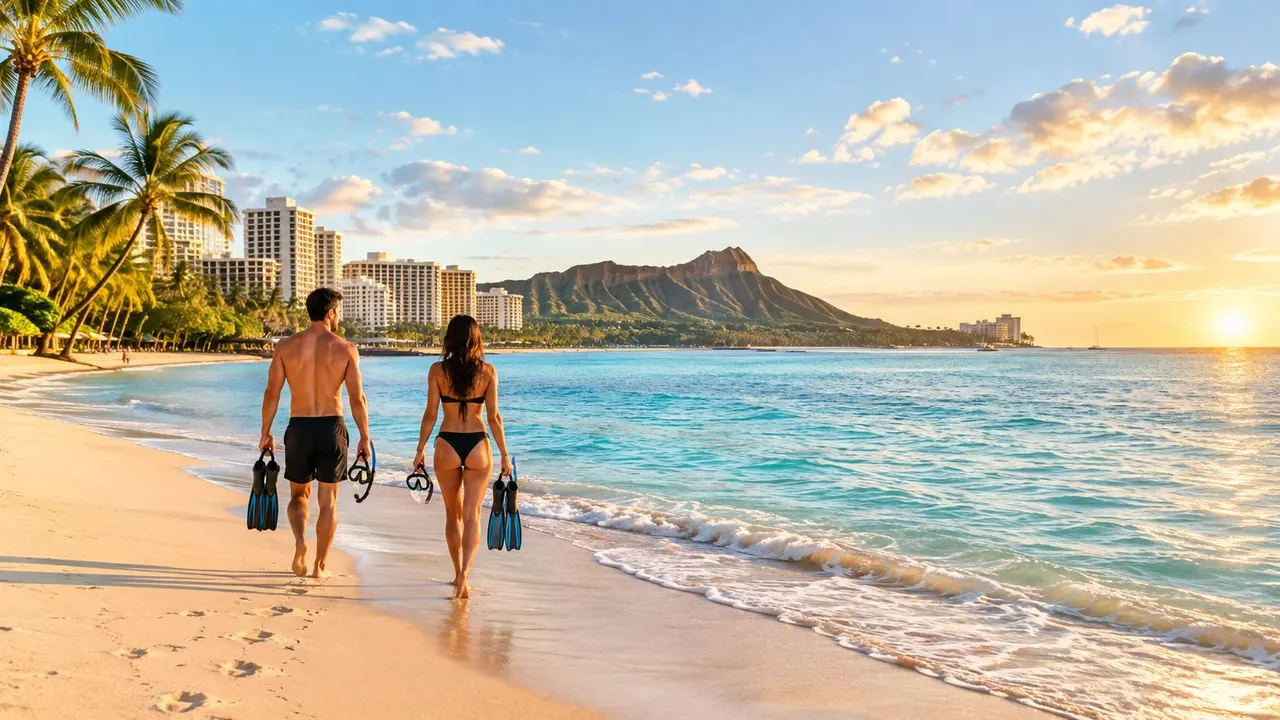
Waikiki's reef may offer small tropical fish, rocky coral habitat, and turtle encounters, but no sighting is guaranteed. Wildlife moves on its own schedule. Treat a turtle as a wild animal, keep your distance, and let it choose where to swim.
The city around the reef affects the water experience. Beaches, swimmers, surfers, boats, wind, and stormwater all play a part. On a favorable morning, the sea may look calm and feel manageable for a beginner. After changing weather, even blue-looking water can hold enough haze to make fish harder to see.
Hanauma Bay offers useful context for the demand around Honolulu snorkeling. The City and County of Honolulu recorded 429,425 visitors from its reopening in December 2020 through January 2022, while 27% of total visitors were observed swimming or snorkeling and 327 snorkelers were recorded across survey plots in the Hanauma Bay Carrying Capacity Annual Report. Visitors often compare Waikiki with Hanauma Bay, yet the practical choice depends on more than scenery. Access, crowd levels, conditions, and conservation rules all shape the day.
Living Ocean Tours runs guided departures from Kewalo Basin near Waikiki. A guided trip can suit families or first-time snorkelers who prefer instruction, supplied equipment, and boat access. Shore snorkeling gives you more control over timing and pace, but you must assess the entry, water, and your group's comfort yourself. Choosing between them is less about finding one universally better option and more about matching the setting to your experience and the day's conditions.
Understanding the Waikiki Reef and Where You Can Snorkel
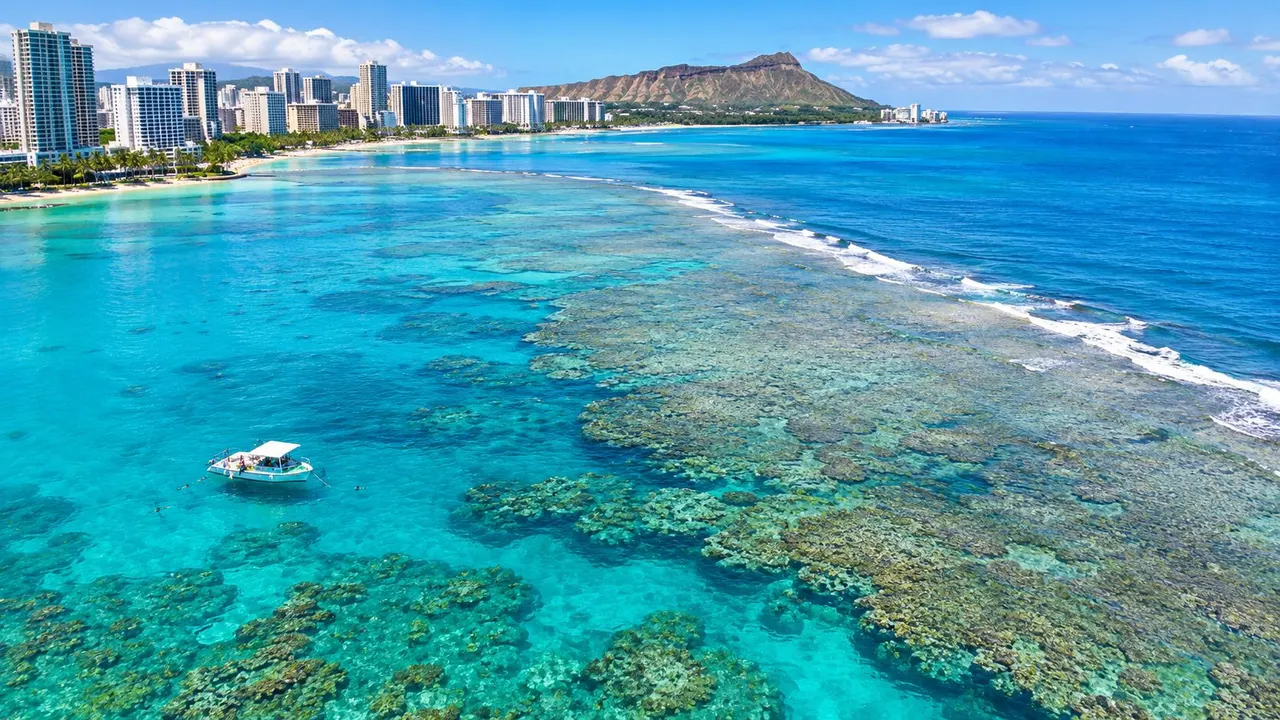
A first-time snorkeler may see one broad stretch of blue from Waikiki Beach. Under the surface, the shoreline is more like a layered path: beach, shallow water, reef structure, a dredged channel, and the outer reef. Each layer changes the depth, water movement, and effort needed to return to shore. Beginners usually have a better experience in the protected nearshore area than by treating the entire ocean as one open swimming zone.
The Waikiki Marine Life Conservation District is associated with the area near Queen's Beach and Sans Souci. Its boundaries run from the Kapahulu Groin to the north wall of the Natatorium, as described in this Waikiki snorkeling geography guide. The reef layout, conservation rules, and access points make this area useful for learning where to enter and how far to explore. Reduced extractive pressure also gives reef habitat and fish a more protected place to persist.
Read the reef from shore outward
Use this simple shoreline map:
- Beach and shallow entry: Adjust your mask, settle your breathing, and test whether the water feels comfortable before swimming farther.
- Nearshore reef area: Fish often gather around structure, so scan rocky or coral edges instead of looking only across pale sand.
- Dredged channel: The channel is reported about 100 feet offshore, where depth and water movement can change.
- Outer reef edge: The outer edge is described roughly 400 to 600 feet farther out, with depths around 15 to 20 feet.
The channel works like a cut through a shallow road. Water may move differently there, and a visible line on the surface does not mark a safe route offshore. Stay within the protected reef area, keep the beach and lifeguards in view when possible, and turn back while the return still feels easy.
Before arriving, check this Waikiki snorkeling map to match beach landmarks with possible entry areas. A map helps with orientation, but it cannot replace a lifeguard's current assessment or what you observe from the sand. If the water looks cloudy, surges across the entry, or makes the reef difficult to see, choose a shorter session or wait for better conditions.
Hanauma Bay offers a useful comparison because access there is more tightly managed, with reservations, limited daily entry, and operations restricted to five days per week, according to this Hanauma Bay visitation history. Waikiki allows more flexible shore access, but visitors still need to choose considerate times, remain within their comfort level, and respect protected reef habitat.
Choosing Between Guided Tours and Shore Snorkeling on Your Own
A family can reach the beach, adjust its schedule, and snorkel for as long as everyone feels comfortable. A guided boat trip handles more of the planning, including instruction, equipment support, a captain, and access to water beyond the beach. The better choice depends on how many details your group wants to manage.
For confident swimmers, a short shore session may be straightforward. First-time snorkelers may need help with mask leaks, breathing through a tube, or recognizing a current before it becomes uncomfortable. A guide can address those concerns early. Neither format promises clear water or wildlife sightings, so choose according to comfort, time, supervision, and how your group learns.
| Feature | Guided Boat Tour | DIY Shore Snorkeling |
|---|---|---|
| Instruction | Crew can explain mask use, breathing, entry, and wildlife etiquette | You learn from written guidance, rental staff, or a travel companion |
| Equipment | Gear is generally organized through the operator | You must bring or rent a properly fitting mask, snorkel, and fins |
| Access | Boat can reach offshore reef areas and turtle habitat | You're limited to the conditions and layout at your chosen beach |
| Timing | Scheduled departure, often with a morning option | Flexible, but you must choose the safest window yourself |
| Family support | Crew can help nervous swimmers and explain what's below | Adults must supervise and manage gear, fatigue, and navigation |
| Crowds | A boat may move you away from the busiest shoreline activity | Beach entry is convenient but can place you near other users |
| Education | Guides can connect reef behavior with conservation | You'll need to research rules and identify wildlife independently |
When a boat makes more sense
A guided departure from Kewalo Basin Boat Harbor near Waikiki Beach can suit groups with nervous swimmers, children, mixed abilities, or limited time. The Deluxe Waikiki Snorkel and Wildlife Cruise adds a waterslide and lily pad to snorkeling, giving younger guests another activity when they need a break from the water.
The Turtle Canyons Snorkel Excursion focuses on boat-access snorkeling near a turtle cleaning station. One snorkeling guide describes a cleaning station as a reef location where fish feed on and remove parasites from a turtle's shell (turtle cleaning station explanation). The behavior explains why calm observation matters. Let the turtle choose its distance, and never swim after it.
Compare each operator's included gear, departure location, group setup, wildlife guidance, and schedule before booking. These details affect the day as much as the advertised activity. A boat trip may reduce entry and navigation concerns, while shore snorkeling keeps your timing flexible and your group close to the beach.
When shore snorkeling makes more sense
DIY snorkeling works well for families that can supervise one another, have properly fitting equipment, and are willing to assess conditions from shore. Start with a short session. Treat fatigue like a phone battery that is running down, once energy drops, gear problems and small waves become harder to handle.
Keep the first outing near the beach rather than turning it into a search for distant wildlife. Enter only where conditions look manageable, stay within the area your group can comfortably return from, and leave the water while everyone still feels fresh. Adults should remain focused on children instead of snorkeling separately.
For a broader comparison of departure formats and trip planning, see these Waikiki snorkeling tour details. Use that information to compare a scheduled boat experience with a self-planned beach session, then match the format to your group's swimming ability, patience, and available time.
When to Go and How to Read Waikiki Water Conditions
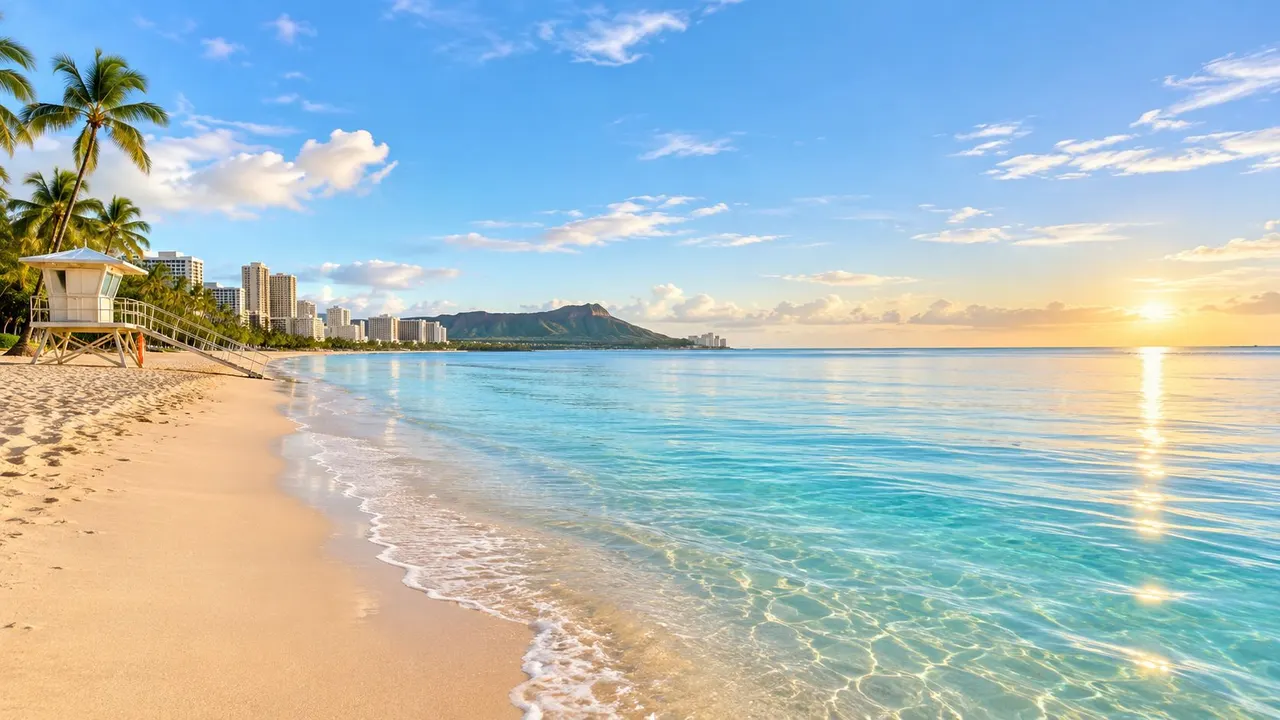
A family can arrive on a sunny day and still find cloudy water or a difficult entry. The calendar offers a starting point, but the daily window matters more than a promise of perfect conditions. Waikiki often has its clearest snorkeling during the dry season from May through September, with visibility of about 15 to 30 feet on good days (Waikiki snorkeling conditions). Morning water is usually a better bet because wind can build later and stir sand, like shaking a snow globe.
Winter may bring larger swell and a different ocean rhythm. If the water looks uncomfortable, choose another activity rather than trying to force a reef session. Seasonal whale watching from January through March can suit a winter itinerary, while a guided or boat-based snorkeling plan may offer a better fit when your group needs help with entry, timing, or supervision. This Oʻahu snorkeling guide can help compare beach entry with a boat departure before you commit.
Use a morning decision checklist
Before entering, read the water from shore instead of relying only on a weather app:
- Check the surface. Choose an entry with limited breaking water and no obvious sideways pull.
- Look for haze. Sand in the water reduces contrast, much like dust on a camera lens.
- Notice the wind. Calm mornings typically mean light east winds, often under about 15 mph, but this is a practical observation, not a safety standard (Waikiki condition report).
- Ask a lifeguard. Hawaii ocean safety guidance recommends checking conditions, snorkeling with a buddy, choosing morning hours, and consulting lifeguards before entering.
- Reassess continuously. Even modest wind can move sand or create drift. Leave when the water becomes harder to read or return through.
Rain deserves extra caution. Runoff near the Ala Wai Canal can reduce clarity after storms, so delaying shore snorkeling after significant rain is a practical choice. The surface may look friendly while the underwater view remains cloudy.
Whale watching is another option when the checklist points to a no-swim day. The Waikiki whale watch tour keeps the ocean part of the itinerary without requiring your group to enter it.
What to Bring, What to Wear, and What to Leave Behind
Pack for a light hike that ends in the water, not a deep dive. Your gear should fit comfortably, protect you from the sun, and leave enough energy for the walk back along the beach.
A mask should seal gently around your face without being overtightened. Test it on shore first. A leaking mask turns the swim into a cycle of lifting your head, draining water, and adjusting the strap. Fins help you move efficiently, but relaxed, small kicks work better than fast bicycle motions that stir sand or brush the bottom.
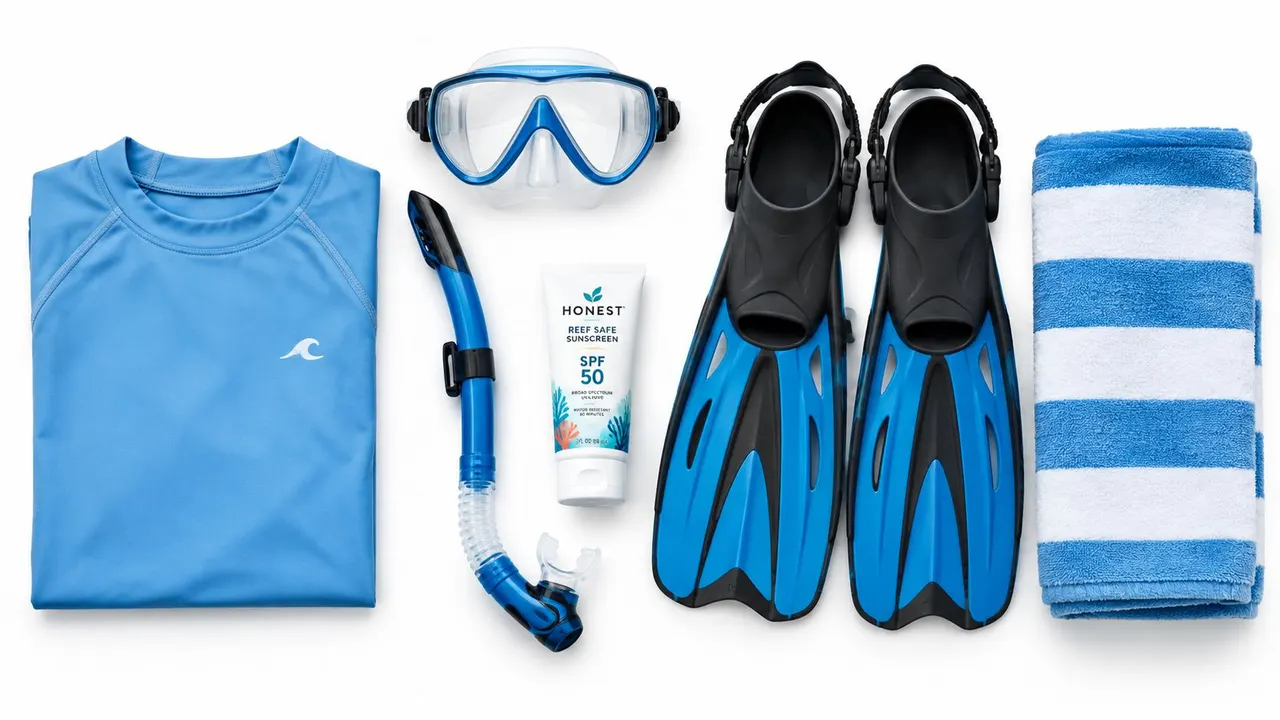
A practical packing list
- Mask and snorkel: Check the seal and mouthpiece before entering deeper water.
- Fins: Choose a comfortable fit and practice using easy, controlled kicks.
- Rash guard: A swim shirt adds sun protection and reduces repeated sunscreen application.
- Reef-conscious sunscreen: Apply it before entering and follow local guidance for protecting marine habitat.
- Towel and water: Dry clothing and hydration make the return to your hotel easier.
- Snorkeling vest or life jacket: Extra flotation can improve comfort, make you easier for lifeguards and boaters to see, and help a nervous swimmer keep their face in the water.
- A small waterproof pouch: Secure keys and other necessary items, while leaving unneeded valuables behind.
Leave reef shoes behind for normal reef snorkeling unless a particular entry point or operator advises wearing them. Shoes can make standing on coral feel convenient, yet coral breaks easily under a person's weight. Controlled buoyancy, careful entry technique, and staying clear of the bottom offer better protection for both you and the reef.
Guided tours may provide masks, snorkels, fins, flotation equipment, instruction, and safety support. DIY snorkelers need to confirm rental availability and check the fit themselves. Families choosing a shore session can use this Oʻahu snorkeling packing list to check the basics without carrying gear they will not use.
How to Stay Safe and Snorkel Responsibly Around Turtles and Reef
A turtle appears beside your group, and the first reaction is often to swim closer. The safer response is to pause, control your breathing, and give the animal room to choose its route. Body control protects both snorkelers and the reef: float horizontally, kick without scraping the bottom, and stop when conditions change.
Use the buddy system. Stay close enough to communicate, while leaving space for each person to move safely. Keep track of the beach, lifeguard area, and exit route so the swim back does not become a separate challenge. Waikiki water can look calm near shore while currents shift with wind and swell. If the water becomes rougher, leave it rather than testing your limits.
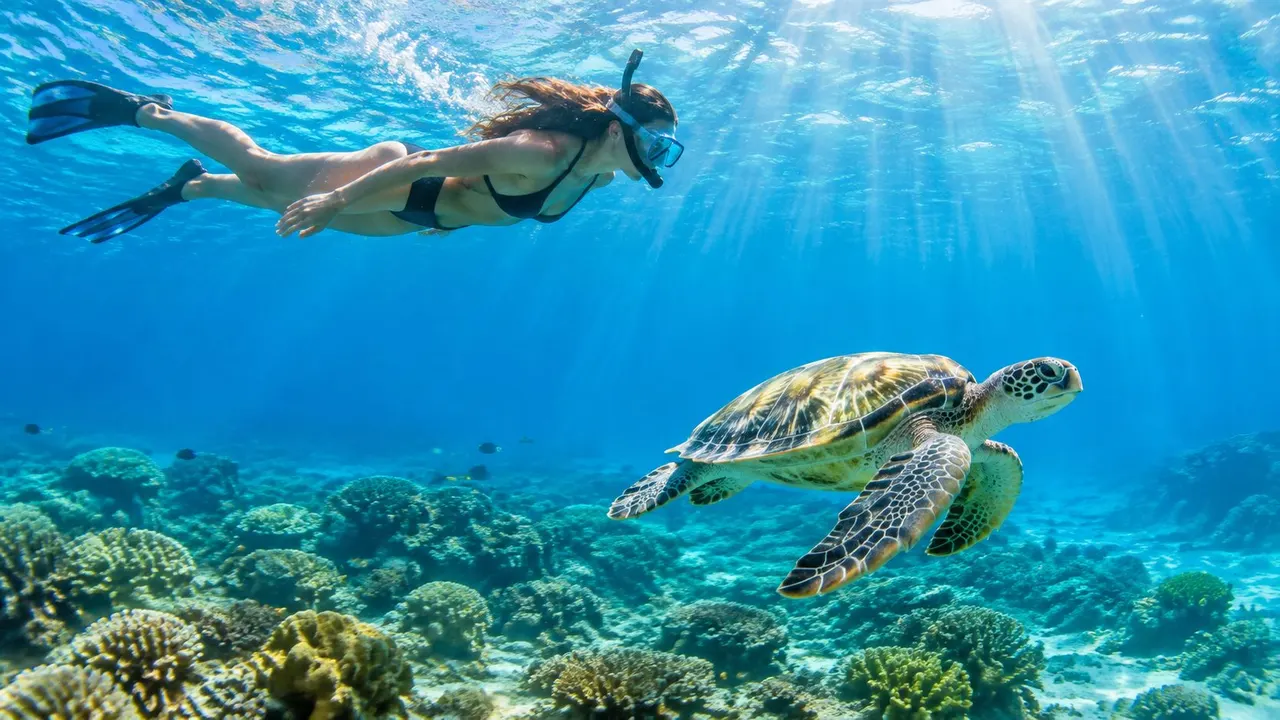
Turtle encounters require distance
Keep a 10-foot viewing buffer from Hawaiian green sea turtles. Do not touch, chase, block, or move into a turtle's path. If one swims toward you, remain still, keep your fins away, and let it pass. The Hawaiian turtle-viewing guidance explains the approach clearly for visitors and families.
A turtle may be resting, feeding, or visiting a cleaning station. It is wildlife, not a scheduled performance, so sightings are never guaranteed. Watch its body language. A turn, retreat, or change in direction means your group needs to create more space.
Responsible encounter rule: If the animal has to change direction because of you, you're too close.
Protect the reef while protecting yourself
Coral can break under a single step or a careless fin stroke. Keep your body level, use small controlled kicks, and swim around shallow coral instead of reaching down or standing. The reef should work like a garden you can observe without walking through it.
Read the Hawaii turtle snorkeling rules before entering the water, especially with children. Give them one easy instruction: watch, leave space, and let the turtle decide the encounter. Guided operators can reinforce these habits in the water, while DIY groups should agree on the same rules before swimming out.
Sample Itineraries, Booking Tips, and Making the Most of Your Day
A family with young children can begin with a short morning beach session, practice breathing through the mask in shallow water, and leave before anyone becomes tired or cold. First-timers who prefer more guidance can book an early trip, then keep the afternoon open for rest and an easy beach walk. Treat the morning snorkel like a first lesson, not a test to complete.
Couples might choose a morning snorkel, lunch, and a golden-hour cruise. The Waikiki Sunset Cruise fits naturally after an earlier water activity. Sunset Cruise Waikiki offers another option to compare for an evening on the water.
If your schedule is tight, reserve a morning departure early. Before paying, read the cancellation terms and confirm whether equipment and flotation support are included. Small-group trips often provide more personal instruction, while private charters can suit celebrations and larger groups. Choose the format that matches your group's comfort, supervision needs, and experience in the water.
A memorable Waikiki snorkel day rests on three habits: enter early, stay with a buddy, and give the reef and turtles space. Early entry can leave more flexibility if conditions change. A buddy provides a second set of eyes, while careful spacing protects wildlife and helps everyone observe without creating avoidable problems.
Living Ocean Tours offers guided Waikiki snorkeling from Kewalo Basin, with equipment, in-water instruction, wildlife education, and boat access to reef areas. Visit Living Ocean Tours to compare the Deluxe Waikiki Snorkel and Wildlife Cruise, Turtle Canyons Snorkel Excursion, and other ocean experiences for your family or group.


