
Snorkeling in Waikiki: The Complete 2026 Guide
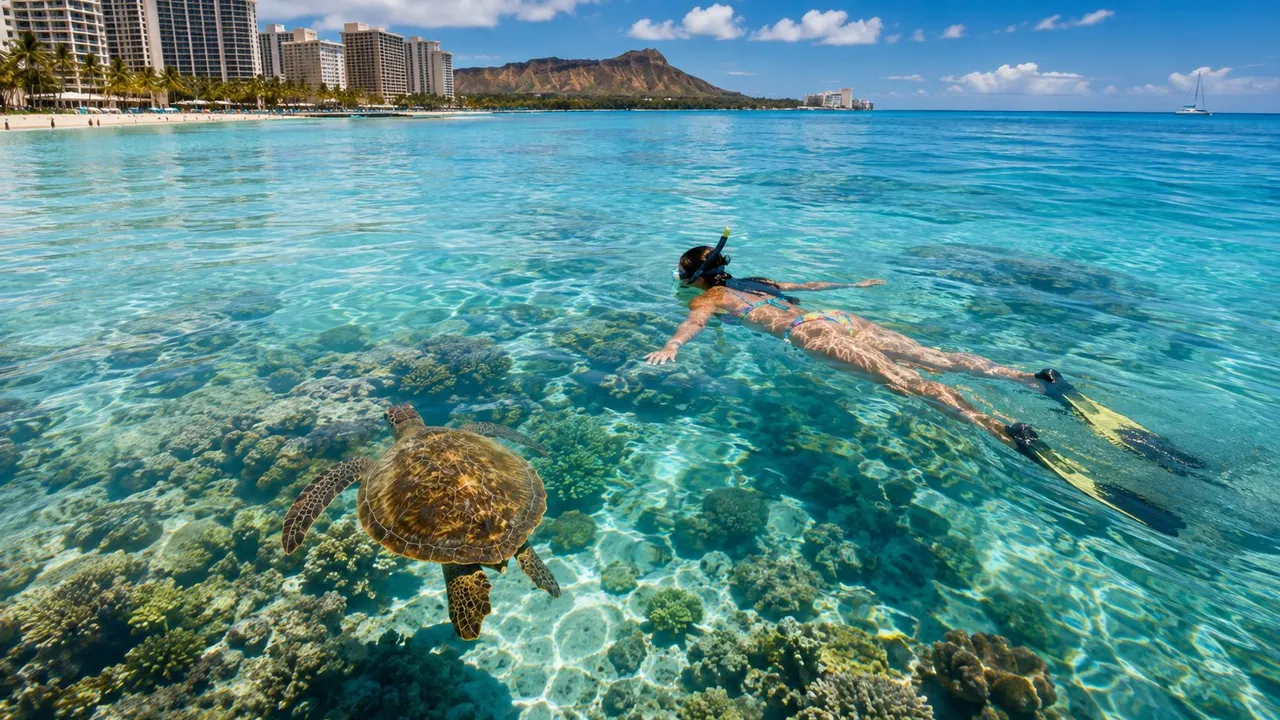
You land in Waikiki with one clear wish, the kids want to see turtles, and you've got one good morning to make it happen. That's exactly where smart planning starts, because snorkeling in Waikiki can feel effortless on one beach and frustrating on the next, depending on wind, rain, and where you enter the water.
Waikiki isn't just a postcard shoreline. In 2022, Waikiki Beach Park recorded an estimated 9,322,325 visits, with 963 rescues and 2 drownings, while all guarded Honolulu beach parks together saw 21,801,600 estimated visits, 3,498 rescues, and 4 drownings according to the City and County of Honolulu's ocean safety records (Honolulu ocean safety records). That scale tells you why this stretch of coast matters, and why the choice between shore snorkeling and a guided boat trip is the primary decision, not whether Waikiki is “good enough.”
By the end of this guide, you'll know where to go, when to go, what to bring, and when to skip the shore altogether in favor of a clearer offshore trip. For a helpful map of where sea turtles tend to show up around Oahu, use this local reference: Where to see sea turtles in Oahu.
Why Snorkeling in Waikiki Is Worth Planning Around
A first-time snorkeler usually shows up thinking the ocean will look the same everywhere along the beach. It doesn't. In Waikiki, one cove can be calm enough for a nervous beginner, while another spot a few blocks away turns cloudy and choppy once the trades pick up.
That's why snorkeling in Waikiki rewards a plan, not luck. The area sits inside a busy ocean corridor with lifeguards, high visitor traffic, and very different water experiences depending on whether you're inside the protected reef edge or offshore in clearer water. The Waikiki Marine Life Conservation District is one of the best-known shore-access areas, but it isn't the only way to snorkel here, and it isn't always the right one.
The practical choice usually comes down to two products. One is easy shore snorkeling for families, beginners, and anyone who wants a simple swim with fish close to town. The other is a guided boat trip that leaves from the harbor and reaches water that's often clearer and better for turtle encounters, especially when the shore is stirred up.
Most visitors don't need more theory, they need a usable decision. If you've got one beach morning, the goal is to choose the right entry point, time it before the wind builds, and avoid wasting your best hours in mediocre visibility.
Practical rule: if the beach looks crowded, the water looks stirred up, and the morning trade winds are already pushing chop across the reef, switch from shore snorkeling to a guided trip instead of forcing it.
How Waikiki Snorkeling Works
Shore Water and Boat Water Are Not the Same Thing
A beginner can walk into Waikiki water and have a decent time, but the experience changes fast from one stretch of sand to the next. Inside the reef line, the water is usually softer and easier to manage. Once wind, swell, and reef surge start stacking up, the visibility drops and the entry feels less friendly.
A local conditions report rates Waikiki MLCD at 5.5/10 with E winds 15–20 mph, 2–4 ft surge break, and light-to-moderate currents, while nearby San Souci sits at 5.0/10 under the same wind regime (Waikiki conditions report). That gap is small on paper, but it shows how quickly shore snorkeling can shift from relaxed to irritating once the trades start pushing across the reef. You are usually dealing with chopped water, stirred sand, and a view that goes soft before noon.
The other product is a boat trip, and it is built for a different outcome. A short ride offshore usually gets you into cleaner water, steadier viewing, and a better shot at turtle encounters, especially when the beach is already getting worked by wind and surge. For groups that care more about what they see than how easy the walk-in feels, that trade-off is worth thinking through before you book.
Timing and Location Beat Fancy Gear
Shore snorkeling in Waikiki is convenient. You can step in from the beach, stay shallow, and keep the outing low-pressure for kids or nervous swimmers. That convenience matters, but it does not change the ocean conditions.
Boat snorkeling asks for a little more commitment and usually gives back more. You trade the easy beach entry for a site that is farther from the churned-up shoreline and more likely to hold clear water. That is why the same morning can feel mediocre from shore and much better offshore.
The Hawaii Office of Ocean Safety is blunt about what ruins a snorkel day. It says to check conditions before you enter and avoid high surf, high winds, heavy shorebreak, and strong currents because those are poor snorkeling conditions (Hawaii Office of Ocean Safety). It also recommends morning snorkeling for better conditions, better visibility, and more active marine life, and says to avoid dawn, dusk, and murky water.
If you want a practical flag check before you commit, use a local guide like Waikiki snorkel flags and condition notes and compare that with what you see from the beach. Clean water in Waikiki is usually a morning decision, not a gear decision.
Practical rule: if the beach looks busy, the water looks stirred up, and the wind is already pushing chop across the reef, a boat trip usually makes more sense than forcing a shore snorkel.
Best Shore Snorkeling Spots in Waikiki
Waikiki shore snorkel entries compared
Queen's Beach for the Easiest Entry
Queen's Beach is the spot that makes sense when someone in the group is nervous, tired, or just doesn't want a production. It sits in the Waikiki Marine Life Conservation District, so you're still in a protected area, but the primary advantage is simple access and a relatively forgiving entry when the water cooperates. If the wind is up, it won't feel magical, but on calmer mornings it's the kind of place where first-timers can settle in without feeling rushed.
Kuhio Beach for Kids and Shallow Water
Kuhio Beach works well for families because the seawall helps create shallow water zones that feel less intimidating than a wide-open beach break. It's not the place to chase dramatic reef scenery, and that's fine. Kids who want to get comfortable putting a face in the water often do better here than at a more exposed entry.
Sans Souci for a Quieter Session
Sans Souci tends to suit people who care more about a calmer vibe than a famous name. It can be less crowded, and on a good morning the sand bottom makes the whole experience feel cleaner and easier to read. The trade-off is that it still sits inside the same weather-driven reality as the rest of Waikiki, so if the wind has already roughened the surface, don't expect a miracle.
Why Ala Moana and Farther-Out Ideas Usually Miss the Mark
Ala Moana comes up in casual conversations because it's nearby, but it isn't the best first pick for a visitor trying to snorkel efficiently in Waikiki. Farther-out ideas, including spots that sound appealing on a map, often punish visitors with longer walks, more exposure, or conditions that don't reward the effort. For most travelers, the smarter move is to keep the shore choice simple and use the morning window well.
| Spot | Best For | Typical Visibility | Crowd Level |
|---|---|---|---|
| Queen's Beach | Beginners, first-time snorkelers | Moderate on calm mornings | Moderate to high |
| Kuhio Beach | Kids, shallow-water confidence building | Variable, often limited by chop | High |
| Sans Souci | Quieter sessions, relaxed swimmers | Moderate when the wind is light | Moderate |
| Ala Moana | Experienced locals, not ideal for most visitors | Variable | Moderate |
Guided Tours and Why They Change the Experience
A rough beach morning is where a guided trip starts to make sense. You board with gear that fits, a crew that can explain the basics without turning it into a lesson, and flotation support already on hand. The advantage is location. A boat can leave the sand chop behind and run to water with better clarity, which is especially useful when Waikiki's shore breaks are stirred up or the nearshore water has been pushed around by wind and traffic.
Living Ocean Tours is one option, with departures from Kewalo Basin Boat Harbor and trips that include the Turtle Canyons Snorkel Excursion and the Deluxe Waikiki Snorkel & Wildlife Cruise. That setup works well for families and first-time snorkelers because entry, route choice, and turtle search are handled by the crew instead of left to guesswork. If you want the operator details, the Honolulu snorkel company details page lays out the basics.
The trip type matters more than the marketing. A turtle-focused boat trip is the better fit for people who want a stronger chance at wildlife viewing and cleaner water than most shore sessions can offer. A family cruise format makes more sense when some people want to snorkel and others want a relaxed ride, more time on deck, or a day that stays enjoyable even if someone spends only part of it in the water. That difference is real in Waikiki, because shore snorkeling in the Waikiki MLCD and boat-access snorkeling at Turtle Canyons are two different products, and they reward different groups.
The biggest gain is confidence. A guided outing removes the guesswork around entry, current, and where to look once you are in the water. For beginners, that usually matters more than squeezing out one more unsupervised shoreline session, because fewer surprises means less anxiety and a better chance of a calm, useful first snorkel.
What to Pack and What to Skip
Bring the Few Things That Matter
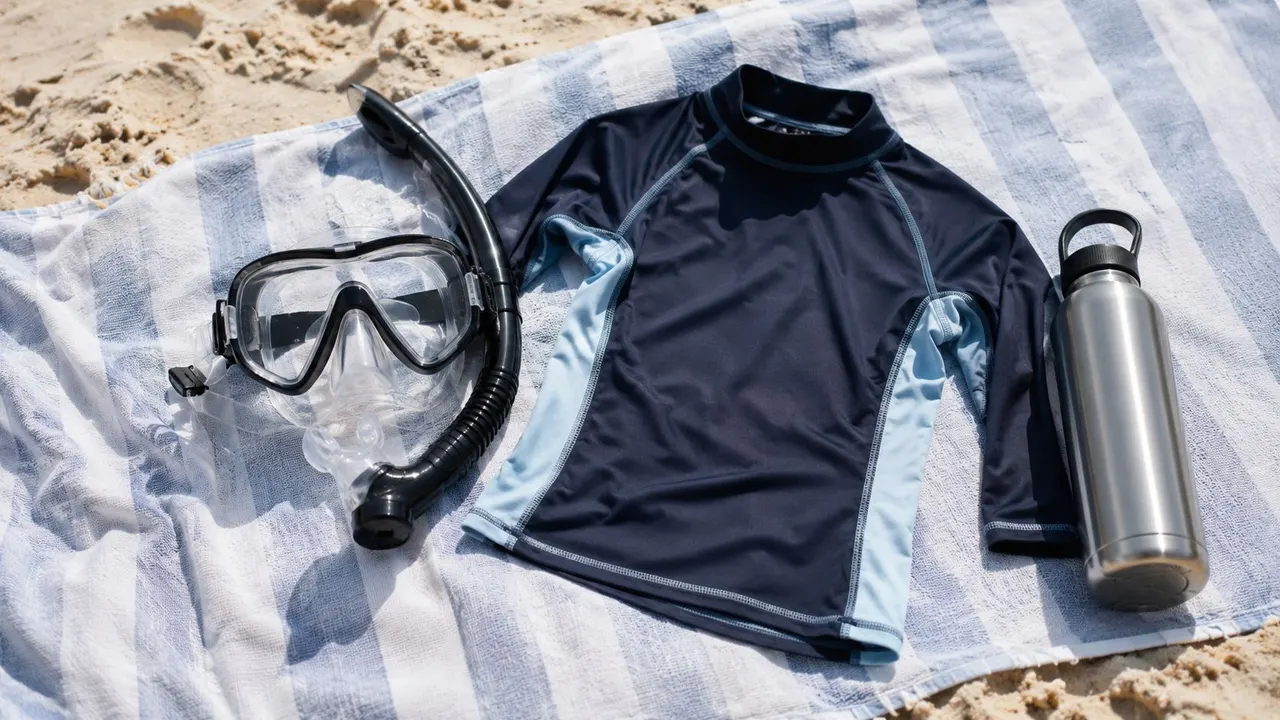
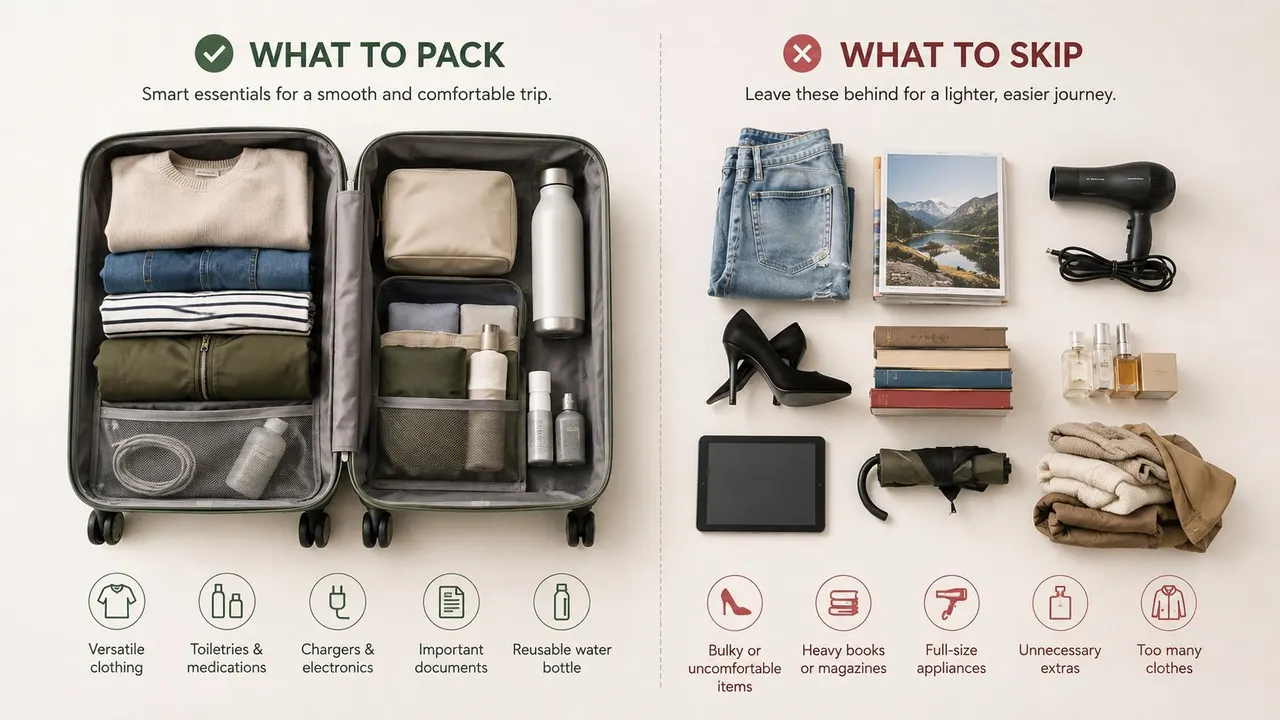
Start with a well-fitting mask if you already own one. A rental can work, but a poor seal turns a relaxed snorkel into a constant drip-and-adjust routine, and that gets old fast. Add a rash guard or UV shirt. The Hawaiian sun is unforgiving, and a sunburn ends more trips than bad visibility does.
Pack reef-safe SPF 30+, a towel, and a dry bag. If you're joining a boat trip, bring seasickness protection before you worry about snacks. Water that looks calm from shore can feel different once the boat starts moving, especially if your stomach is sensitive.
A few items are optional, but they can still help on the right trip.
- Action camera: useful if you will use it, unnecessary if it stays in the bag.
- Fish-ID card: good for kids and curious beginners who like to name what they see.
- Dry snacks: useful on tours, especially when someone gets hungry early.
- Flotation support: use what the crew provides instead of trying to tough it out.
If you want a tighter packing checklist, this Oahu snorkel packing list covers the basics without loading you down.
Skip the Stuff That Gets in the Way
Reef shoes seem harmless, but they can give beginners the wrong idea about where it is fine to stand or shuffle. I would leave them out unless you know you need them. The same goes for overpacking gadgets. More gear means more to carry on the sand and more to manage on the boat.
Packing choices matter less than timing, but timing still deserves attention. May through early October usually brings calmer water and better visibility, while November through April brings more wind and also humpback whale season in Hawaiian waters (Hawaii snorkel conditions guide). On good days, Waikiki visibility is typically 15 to 30 feet, with clearer water more likely in the dry season and early morning before wind and traffic stir up the sand.
Rain changes the picture quickly. Independent Hawaii guidance says the Hawaii Department of Health recommends staying out of the ocean for at least 72 hours after heavy rainfall because the Ala Wai Canal can discharge increased bacteria (Hawaii snorkel conditions guide). If a storm just passed, skip the wishful thinking and wait.
Responsible Wildlife Viewing Rules
Waikiki sits inside the Waikīkī Marine Life Conservation District, and the rules there are not casual suggestions. Hawaii state regulations prohibit fishing for, taking, or injuring marine life, and they also prohibit taking or altering sand, coral, or other geological features (Waikīkī Marine Life Conservation District rules). That's what keeps the place different from an ordinary beach.
The behavior is simple once you accept the rules. Stay off the reef, don't chase fish, and don't ride turtles. Keep at least 10 feet away from Hawaiian green sea turtles, and use the same distance around marine life generally, as guided by Living Ocean Tours and NOAA-based advice cited for Waikīkī (living Ocean Tours guidance).
Visitors often get sloppy. They see a turtle, kick harder, and close the gap. That doesn't make the animal more visible, it just makes the encounter worse.
Give wildlife room, and you'll usually get a better look than the people trying to get close.
The rules protect the reef and the experience. Waikiki still works because enough guests follow them to keep the habitat usable for the next group. That's not theory, that's the day-to-day difference between a healthy marine district and a worn-out shoreline.
Sample Itineraries for Families and Couples
A family day works best when the plan matches the water, not the wish list. Start with a calm morning at Kuhio Beach, where the shallow entry gives younger swimmers room to settle in without getting overwhelmed. Keep that part short, dry off, then move to the Deluxe Waikiki Snorkel & Wildlife Cruise, where the waterslide, water trampoline, and lily pad give the non-snorkelers something to do while the swimmers spend time in the water.
That sequence helps in real life. Early shore time keeps the pace gentle, and the boat portion adds variety once everyone is already warmed up and more comfortable. If you have one child who wants action and a grandparent who wants stability, this setup usually keeps both of them in a good mood.
For couples, the cleaner plan is a morning Turtle Canyons Snorkel Excursion, then a Waikiki Sunset Cruise later in the day. Turtle Canyons gives you the water time when clarity is usually better, and the sunset cruise gives you a slower second act with views of Diamond Head and a relaxed pace that does not ask much from tired legs or sunburned shoulders.
The booking order matters. Put the snorkel portion first, then the cruise second. Reverse that, and a lot of people show up tired, sunbaked, and less willing to enjoy the water they came for.
Pricing and Booking Tips for Waikiki Snorkel Tours
The questions people ask are the ones that matter. How far ahead should you book, what is included, and which tour fits your group without wasting money? In peak periods, reserve 2 to 3 weeks ahead if you want the date and time you really want, because the easiest slots go first.
For most travelers, the decision isn't between ten nearly identical tours. It's between a small-group snorkel trip, a family-friendly wildlife cruise, and a sunset or whale-watching add-on depending on the season. The Turtle Canyons Snorkel Excursion makes the most sense if your priority is turtle-focused snorkeling, while the Deluxe Waikiki Snorkel & Wildlife Cruise fits families who want more than a straight swim.
Here's the cleanest way to think about the options.
- Turtle-focused snorkeling: best when your group wants water time and wildlife.
- Family wildlife cruise: best when some people want to snorkel and others want a fun boat day.
- Sunset cruise: best if you want a relaxed evening and don't want to get wet.
- Whale watching: a winter-season add-on, with January through March being the time to look for it in Honolulu waters (Living Ocean Tours whale watch page).
- Sunset alternative: if you want the golden-hour version of Waikiki without snorkeling, the sunset cruise page is the right place to start (Waikiki Sunset Cruise).
What's usually included on guided snorkel trips is the part beginners underestimate most. Gear, instruction, and in-water help take the guesswork out of the outing. On a good trip, that's the difference between spending the morning wondering and spending it looking at the reef.
If you're planning snorkeling in Waikiki for the first time, book the kind of trip that matches your comfort level, not the one that sounds toughest on paper. The ocean rewards the people who show up prepared, early, and honest about the conditions.
If you want a crew that runs snorkeling and cruise trips right off Waikiki with gear, guidance, and options for families, couples, and first-timers, start with Living Ocean Tours. Their Turtle Canyons trips, family wildlife cruises, sunset sails, and seasonal whale watch outings all fit the way Waikiki actually works, which is to say, the water changes fast and the best plan is the one that matches the day.


