
Waikiki Snorkeling: Read Beach Warning Flags First
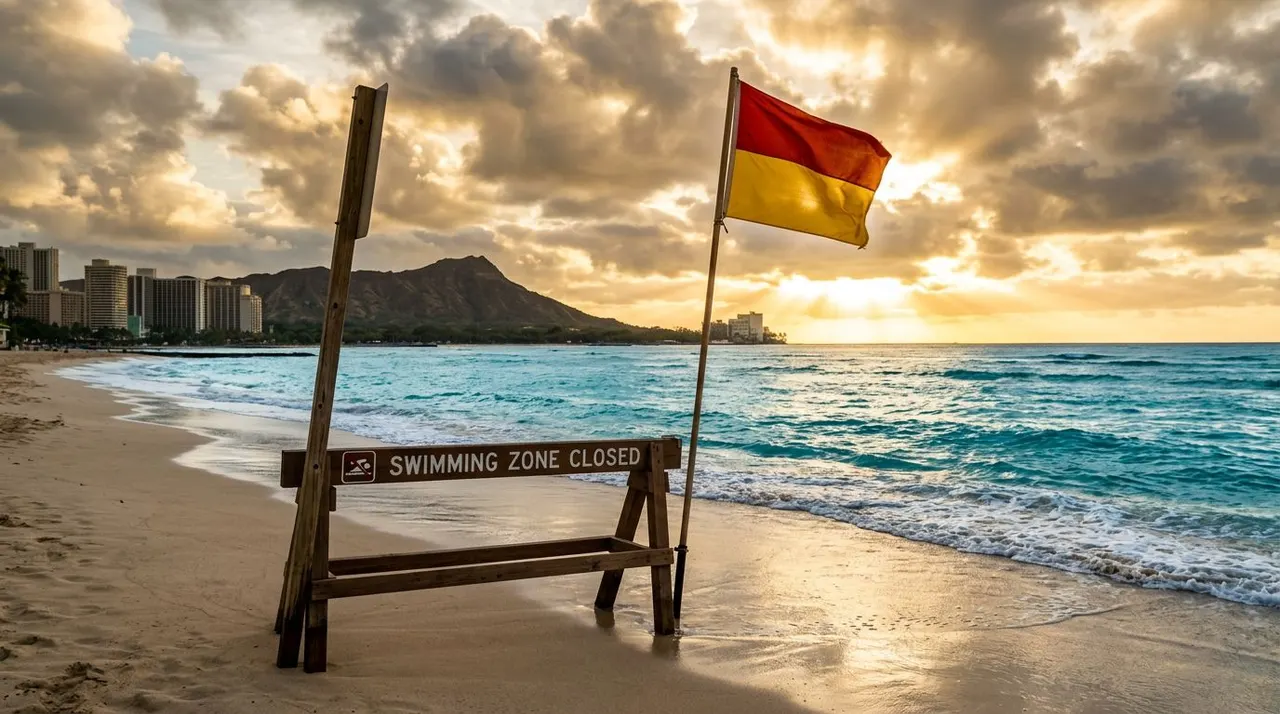
A bright beach can look inviting even when ocean conditions are unsafe. Before you begin Waikiki snorkeling, take a moment to read the flags, signs, and lifeguard instructions near the water.
Warning flags can indicate strong currents, rough surf, dangerous marine life, or a closed swimming area. The right choice may be waiting for conditions to improve or joining a guided boat excursion where professional snorkel guides monitor the water. Start by learning what each flag means.
Why Beach Flags Matter Before Waikiki Snorkeling
Waikiki has several lifeguarded beach zones, including Duke’s, Kuhio, Queen’s, and Kapiolani Park. Listed lifeguard service hours are generally 8:00 a.m. to 6:30 p.m., Monday through Sunday, although conditions and staffing can change.
A warning flag is an active safety message. It isn’t a decoration, a surfing suggestion, or a guarantee that the water is suitable for every swimmer. Ocean conditions can vary between nearby beaches, and currents may become stronger as wind, tide, and swell change.
Even experienced swimmers should check the beach before entering. A person who swims comfortably in a pool may struggle with moving water, waves, or a current that pulls away from shore. Snorkeling also requires steady breathing and clear visibility, so rough conditions can become tiring faster than expected.
A green-looking beach doesn’t always mean risk-free water. Read the posted warning, watch the waves, and ask a lifeguard before you enter.
The National Weather Service rip current guidance recommends checking conditions before you go and learning how to recognize dangerous water. If you see a current carrying foam, seaweed, or water away from the beach, stay out of that area.
Waikiki Snorkeling Flag Meanings Explained
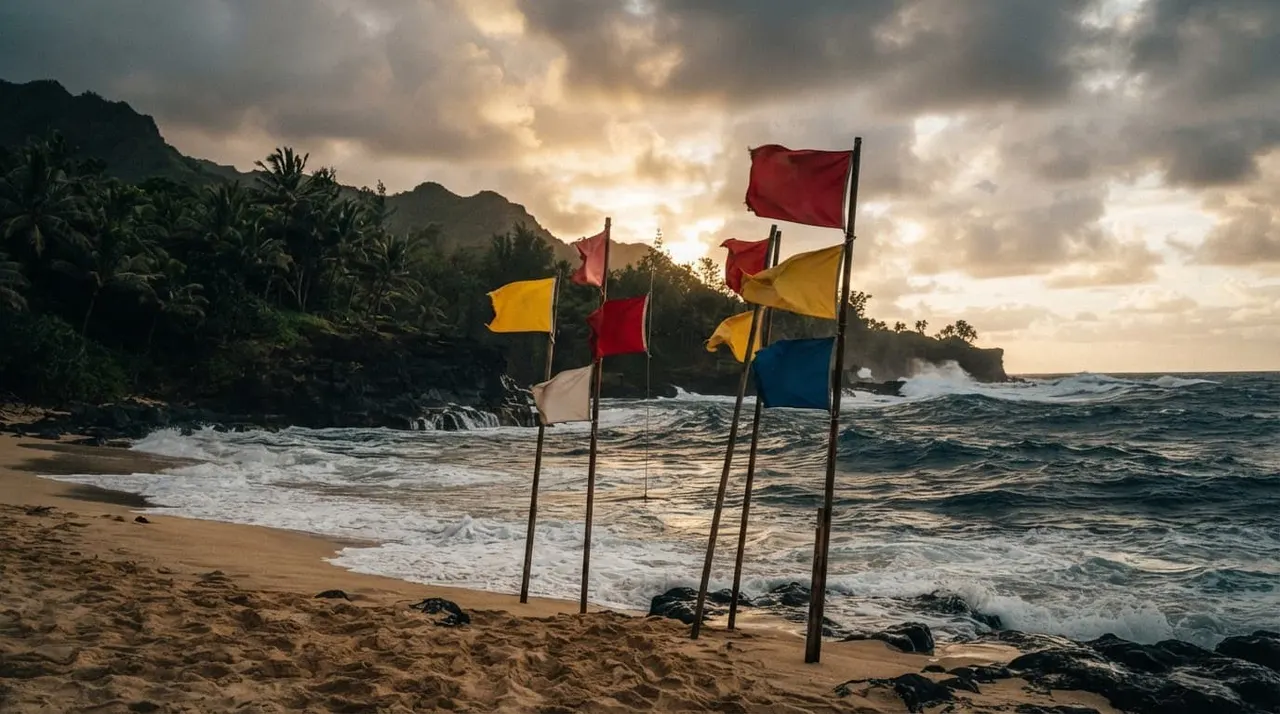
Flag systems can vary by location, so you should always follow the exact signs posted at the beach. In Hawaii, these common colors and combinations provide a useful starting point.
| Flag or sign | What it usually means | What you should do |
|---|---|---|
| Yellow | Medium hazard, such as moderate surf or currents | Use caution and stay close to shore |
| Red | High hazard, including strong surf or dangerous currents | Avoid entering the water |
| Double red | Water closed to public use | Do not enter |
| Purple | Dangerous marine life may be present | Ask a lifeguard about the specific hazard |
| Red and yellow | Lifeguarded swimming area | Swim within the supervised zone |
| Green or calm-condition indicator | Lower hazard conditions | Continue watching the water and follow local instructions |
| Black and white quartered | Watercraft or surf zone | Keep clear if you’re swimming |
| Orange windsock | Offshore winds | Avoid inflatables and use extra caution |
A yellow flag means the water deserves your full attention. Moderate surf and currents can still knock you off balance, separate you from your group, or make it difficult to return to shore. Beginners and children should stay especially close to a responsible adult.
A red flag indicates high hazard. Strong waves and currents can overwhelm even confident swimmers, so a beach may look manageable while the water remains unsafe. Double red flags mean the public should stay out of the water entirely.
Purple flags need careful attention because they warn about marine life. In Hawaii, they may relate to jellyfish or Portuguese man-of-war. A purple flag can appear alongside another condition flag, so read both before making a decision. The beach may have rough water and a marine-life warning at the same time.
Red and yellow flags usually identify a lifeguarded swimming area. They don’t mean every part of the beach is safe. Enter only within the marked zone, stay where lifeguards can see you, and follow any instructions about snorkeling equipment or flotation devices.
Some beaches also use signs for surf zones, watercraft areas, or offshore wind. These warnings matter when you’re carrying an inflatable tube, wearing a flotation vest, or sharing the water with boats and surfers.
When You Should Stay Out of the Water
The clearest decision is simple: never enter under double red flags. You should also stay out when a lifeguard tells you to wait, even if other swimmers are already in the water.
Red flags call for the same level of respect. Strong currents can form near reef channels, walls, and breaks in the shoreline. A calm patch beside you doesn’t prove that the whole swimming area is safe.
You should postpone snorkeling when:
- You see red or double red flags.
- A lifeguard closes the area or gives a direct warning.
- The water is brown, cloudy, or filled with debris.
- You can’t see the bottom or identify where the current is moving.
- You feel tired, cold, anxious, or short of breath.
- A child can’t remain calm and controlled in the water.
Cloudy or brown water deserves extra caution after heavy rain. The Hawaii Clean Water Branch beach monitoring information explains that brown water advisories may apply when runoff creates turbid water with possible land-based contaminants.
Water clarity also affects snorkeling safety. If you can’t see a buddy a few feet away, you may lose track of your group. Poor visibility can also make it harder to avoid coral, rocks, sea urchins, or marine animals.
If you spot a rip current, don’t swim directly against it. Stay calm, signal for help, and move parallel to the shoreline until you leave the strongest part of the current. Then angle back toward the beach. If you can’t swim out, float and wave for a lifeguard.
How to Check Conditions Before You Leave Your Hotel
Make the beach warning check part of your morning routine. Weather apps can show wind and rain, but they don’t replace a lifeguard’s local assessment at the shoreline.
When you arrive, look for the flag near the lifeguard tower or posted beach sign. Check whether the flag applies to the entire beach or a specific zone. Then watch the water for several minutes before you put on your mask and fins.
Ask a lifeguard direct questions:
- Is this area open for swimming and snorkeling?
- Are currents moving near the reef?
- Is there a marine-life warning today?
- Should children or beginners stay in a particular zone?
- Will conditions change with the tide or rising wind?
You should also plan your equipment around the conditions. A properly fitted mask reduces panic from leaks. Fins help you move efficiently, but they don’t make strong currents safe. Use reef-safe sunscreen, keep your hands off coral and wildlife, and never chase a turtle for a closer photograph.
If the beach warning makes you uncomfortable, you still have options. A professionally guided boat trip can provide a different setting, crew supervision, safety equipment, and a planned snorkel location. Conditions can still require a change of route or activity, but your crew can make that call with current ocean conditions in view.
A Safer Way to Plan Waikiki Snorkeling
Living Ocean Tours departs from Kewalo Basin Boat Harbor, just minutes from Waikiki Beach. The company offers guided ocean excursions for first-time snorkelers, families, and experienced swimmers. It is also the only tour company with professional snorkel guides.
The crew focuses on safety, comfort, and respectful wildlife viewing. You receive guidance before entering the water, and beginners can ask questions about breathing, mask fit, fins, and water entry. Guests ages 3 and up can enjoy family-friendly options, subject to tour requirements and conditions.
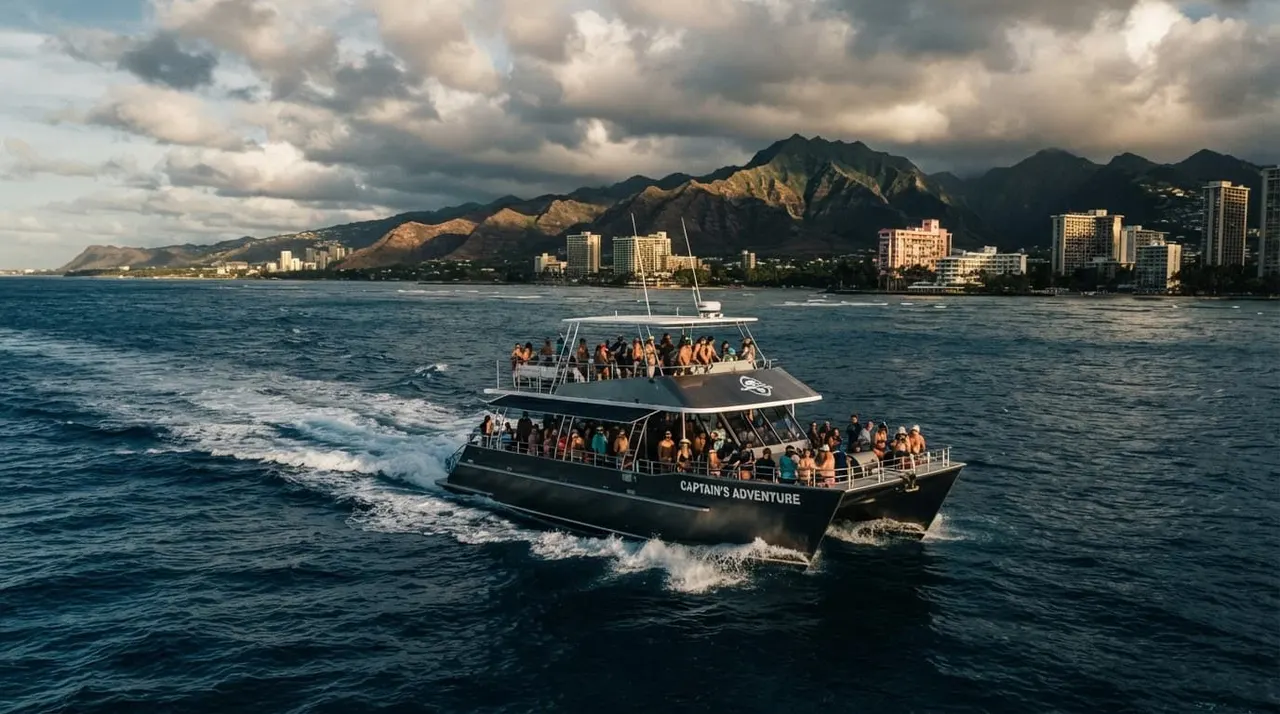
The company’s Coast Guard-inspected double-decker vessels, Coral Kai and Lokahi, include shaded seating, restrooms, dry storage, and sturdy ladders. Lokahi also has a SeaKeeper stabilization system that helps reduce rolling on the water.
You can compare the available Waikiki snorkeling tours before choosing the experience that fits your group.
Turtle Canyons Snorkel Excursion
The Turtle Canyons Snorkel Excursion takes you to a natural underwater cleaning station where Hawaiian green sea turtles are commonly seen. Living Ocean Tours reports a 95% success rate for turtle sightings, although wildlife encounters can never be guaranteed.
Professional guides help you observe turtles without touching, chasing, or blocking them. That approach protects the animals and gives you a calmer experience in the water.
Deluxe Waikiki Snorkeling and Wildlife Cruise
The Deluxe Waikiki Snorkeling and Wildlife Cruise visits a less-crowded reef and adds water activities for families and active travelers. Depending on the day’s plan, you can enjoy a boat-mounted waterslide, water trampoline, and floating lily pad.
The Lokahi’s shaded areas, onboard restroom, stable deck, and heavy-duty ladder make the trip easier for guests who want comfort between swims. Your guides can adjust the experience when ocean conditions require a different plan.
Make the Flag Your First Safety Check
Beach warning flags give you useful information before you enter the water. Yellow means caution, red means high hazard, double red means stay out, and purple calls for extra care around marine life.
Conditions can change after you arrive, so keep watching the water and listen to lifeguards. For a more supported Waikiki snorkeling experience, choose professional guides who can prepare you, monitor conditions, and help you enjoy Hawaii’s marine life without disturbing it.


