
Kewalo Basin Parking Guide for Honolulu Whale Watching
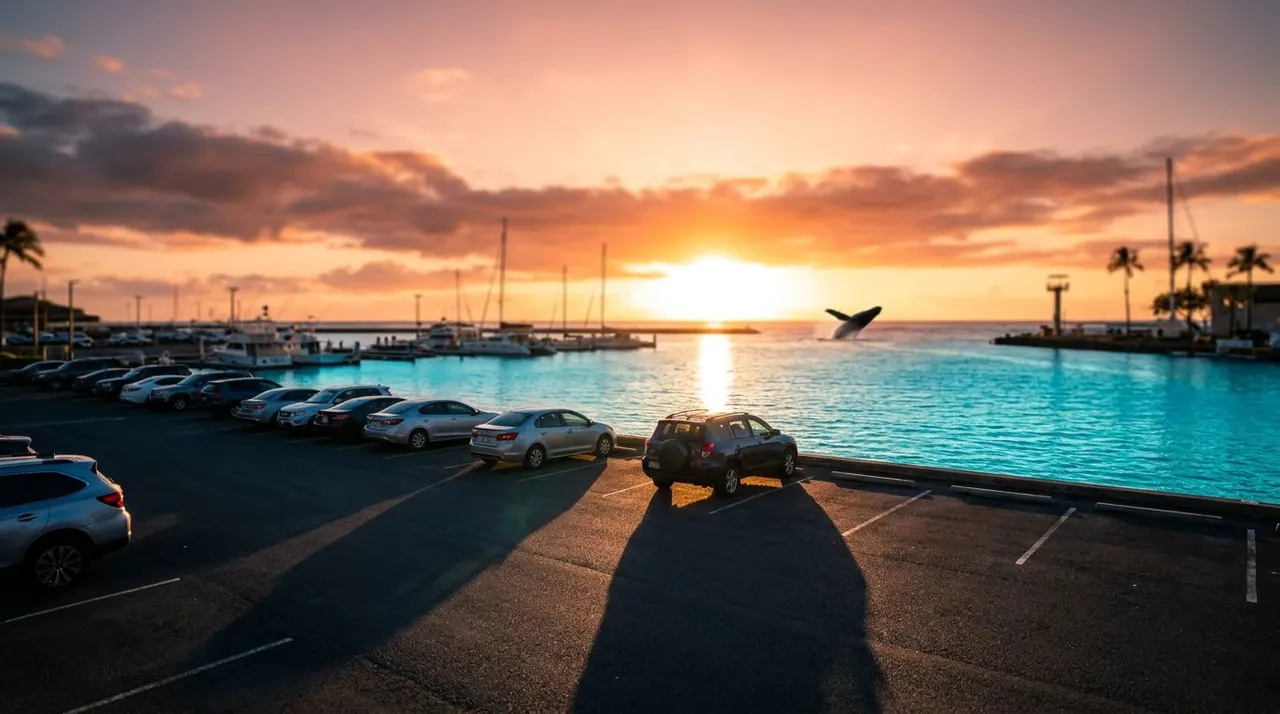
Parking can make a whale watch feel easy or rushed. At Kewalo Basin, that choice matters because spaces are limited and the harbor gets busy fast.
If you want a calm start near Waikiki, a little planning goes a long way. The good news is that the harbor is simple once you know when to arrive, where to look, and what to do if the first lot is full.
What Kewalo Basin Parking Looks Like on a Tour Day
Kewalo Basin is close to Waikiki, but it doesn’t behave like resort parking. Tour traffic comes and goes in waves, and the best spots disappear first. That is why the official harbor parking page is worth checking before you leave, especially if you’re visiting during whale season or on a busy weekend: official Kewalo Basin parking page.
Daily parking is paid at the pay stations or through the parking app. Monthly passes exist too, but they are mainly for slip holders and limited spaces. If you’re a tour guest, the simplest approach is to treat harbor parking as a convenience, not a guarantee.
The safest assumption is simple, don’t count on easy parking at the harbor.
That mindset saves time and keeps the morning calm. If you can arrive early, do it. If you can’t, decide on a backup plan before you leave Waikiki. A few minutes of prep can save you from circling the lot with sunscreen in one hand and a boarding pass in the other.
Where to Leave Your Car When the Harbor Lot Fills
A quick comparison helps you decide fast.
| Option | Best for | Watch-outs |
|---|---|---|
| Harbor lot | The shortest walk to the dock | Spaces are limited, and you still need to pay at the station or app |
| Rideshare or taxi | Guests who want the least stress | It costs more, but you skip the parking hunt |
| Nearby public lots | Days when the main lot fills | Some guests use Ala Moana Beach Park or the Ward area, but those are backup choices, not a promise |
The harbor lot is the closest answer, but it is not always the easiest one. If you are staying in Waikiki, rideshare often beats the time you would spend searching for a space. That is especially true when your whale watch starts early.
For a local look at the harbor entrance and access points, this Kewalo Basin Harbor map and parking info can help you picture the area before you drive in. Use it as a guide, then keep your plan flexible. Kewalo Basin parking works best when you have one main choice and one backup.
How Early You Should Get There Before a Whale Watch
Arrive at least 30 minutes before check-in, and give yourself more time if you do not know the harbor layout. If you’re carrying snacks, reef-safe sunscreen, a camera bag, or a stroller, those extra minutes matter even more. You do not want to turn a simple check-in into a sprint.
If your group is split across two cars, pick one meeting point before you leave. Otherwise, one late arrival can hold up the whole morning. That matters because whale watches run on a set departure window. Once the boat leaves, it leaves.
The same idea applies if you’re traveling with kids or older family members. A little padding in your schedule makes the whole day feel smoother. You park, pay, walk to the dock, and still have time to breathe before you board.
Early arrival is the best parking tool you have at Kewalo Basin.
During winter whale season, that matters even more. The lot gets busier, the walk feels longer, and every extra minute helps.
Finding the Dock Without Circling the Harbor
After you park, follow the signs instead of guessing. Kewalo Basin has a working harbor feel, which means you may see trucks, crew traffic, and guests all moving at once. Keep your bags small, unload quickly, and avoid blocking the lane while you get your bearings.
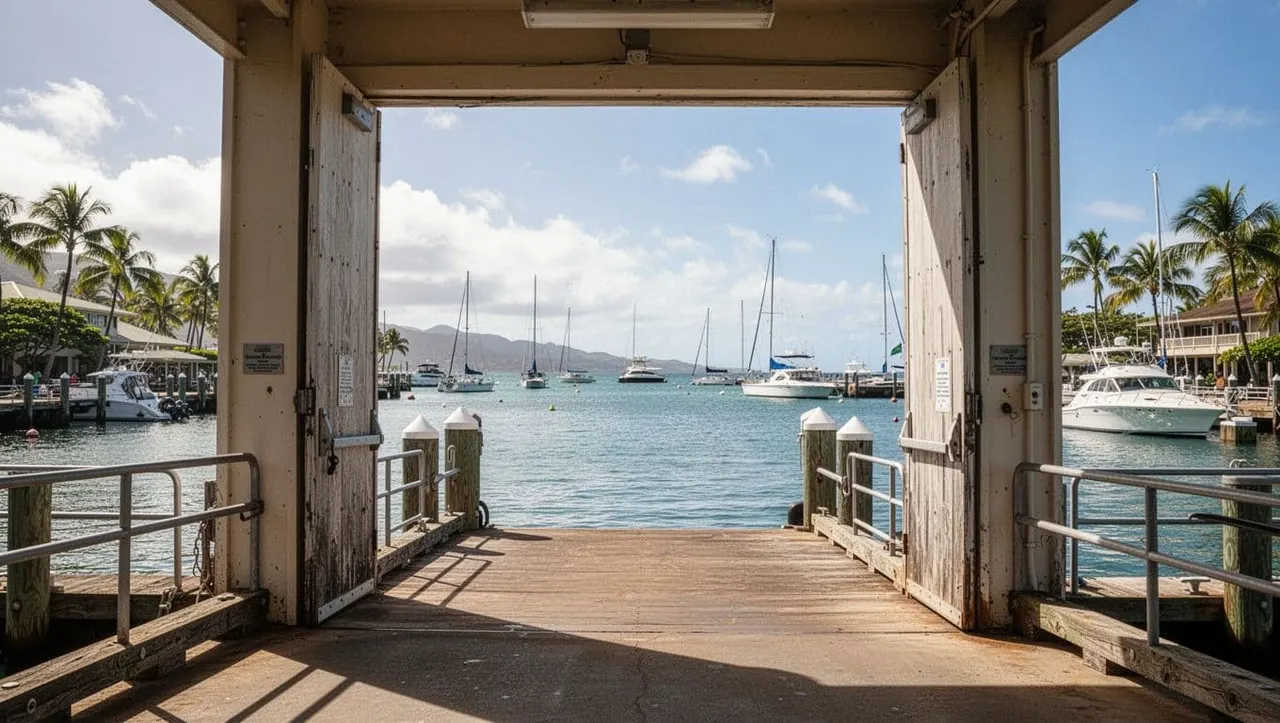
The harbor entrance can look busy even when the water is calm. That is normal, and it is another reason to keep your timing simple. If the main lot looks full, do not keep looping the gate. Pick your backup plan and move on.
One important rule still applies late in the day, even if your whale watch is in the morning. The harbor does not allow public parking in the gated lots after 10 PM, and vehicles left overnight can be towed or locked in. You may never run into that on a whale watch day, but it shows why you should always park, pay, and leave the space properly.
Pairing Your Parking Plan with a Whale Watching Day
Living Ocean Tours is based at Kewalo Basin Boat Harbor, and the company is the only tour company with professional snorkel guides. If you’re planning a whale watch and want one clear starting point, that setup helps. You can compare the rest of Living Ocean Tours’ ocean tours and decide whether your day ends on the water or with a quick return to Waikiki.
The company’s approach fits the way you want a marine day to feel. It is family-friendly, easy for first-timers, and built around respectful wildlife viewing. On a whale watch, that means observing, not touching, and keeping enough distance to let the animals move naturally. That same calm pace makes your parking plan easier too, because your check-in, boarding, and departure all happen in one place.
Living Ocean Tours also keeps the process simple for guests who want a direct booking path.
If whale watching is on your list, check dates early in the season and use CHECK AVAILABILITY before you plan the rest of your morning.
Conclusion
Kewalo Basin parking gets easier when you treat it like part of the trip, not an afterthought. Show up early, confirm the harbor rules, and keep one backup plan ready.
That way your morning stays focused on the water, the whales, and the view back toward Waikiki, not on circling for a space. A little planning turns Kewalo Basin parking into a small detail instead of the main event.


