
Snorkeling in Honolulu: Top Spots for 2026
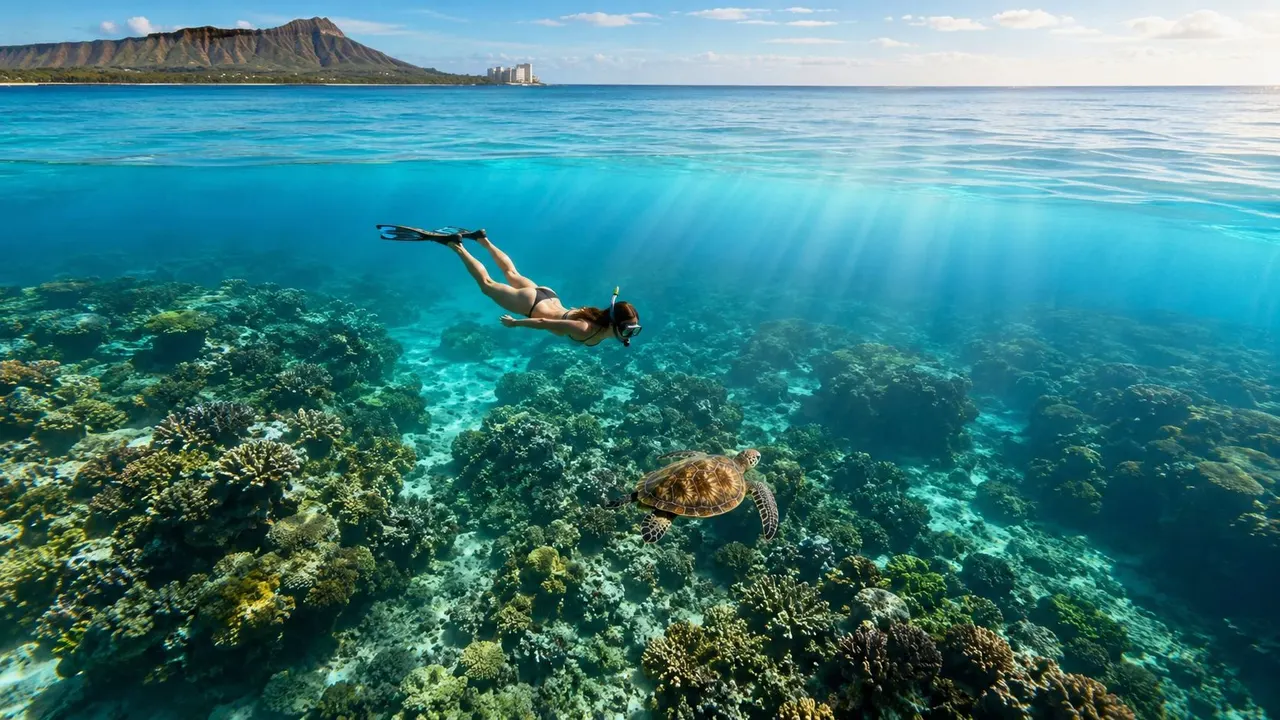
If you've got kids bouncing in the hotel room or parents asking whether the water will be “easy,” snorkeling in Honolulu comes down to one decision fast, shore entry or boat trip. On a calm morning, both can work. On a crowded day, the wrong choice can turn a fun outing into a stressful one, especially if you're new to reefs, dealing with fins for the first time, or trying to keep everybody together.
The best mornings here still feel special to me. You step off the boat, the water turns clear, and then someone points and there's a honu sliding through blue water like it owns the place. That's the Honolulu snorkel experience at its best, close enough to feel personal, but structured enough that beginners and families don't have to guess their way through it.
Introduction to Honolulu's Underwater World
A Honolulu snorkel morning usually starts best before the sun gets high. The water is often calmer, the light is clearer, and reef life shows up fast once you slip in, first a flash of fish, then a turtle shadow, then the whole scene opens around you.
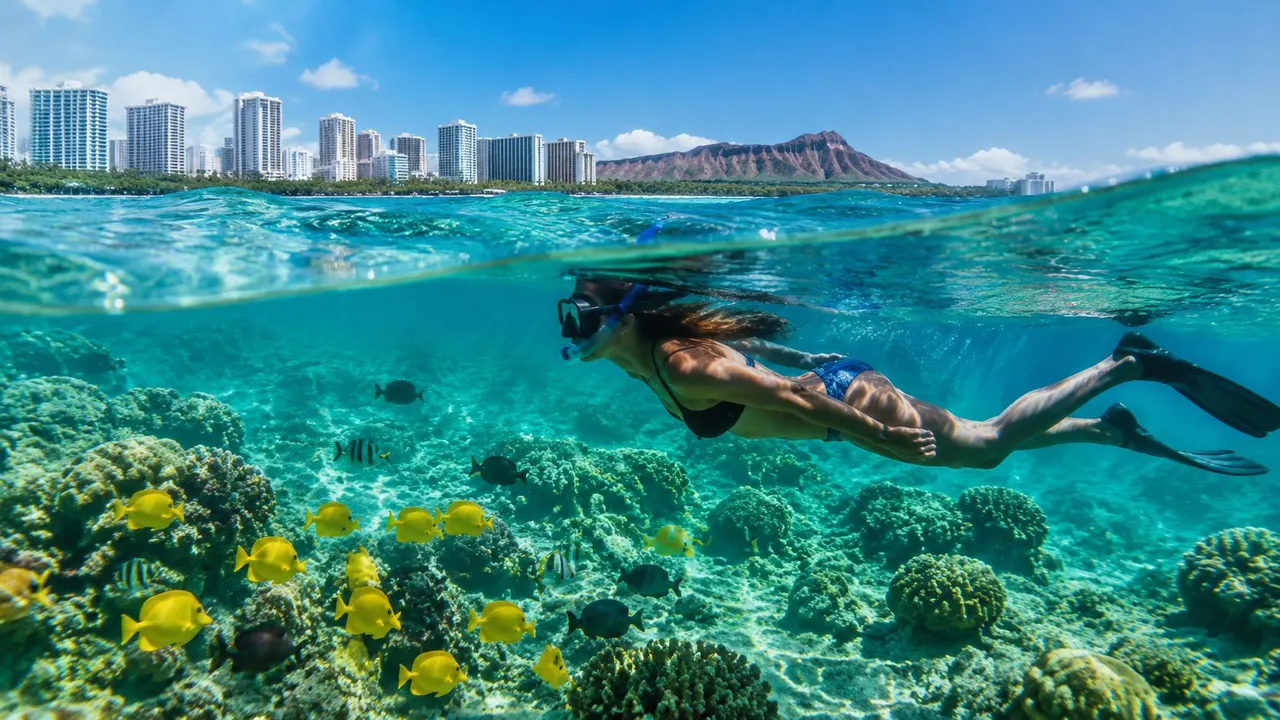
Honolulu gives travelers a real choice. Shore access near Waikiki is convenient and easy to fit into a short stay, while boat trips can reach quieter water and more focused wildlife viewing. For families and beginners in 2026, that trade-off matters, because the easiest entry point is often the busiest one. A reef that looks simple from the beach can feel crowded, shallow, and busy once everyone is in the water.
Crowd pressure is part of the decision, not just the reef itself. If you want a low-stress outing with kids or first-time snorkelers, the comfort of a beach entry may be offset by parking hassles, foot traffic, and other swimmers in the same small area. A boat can mean a more controlled experience, and Oʻahu snorkeling options and route ideas can help you compare what that looks like before you book.
Honolulu snorkeling also sits inside a serious safety picture. Hawaiʻi has recorded significant snorkeling-related drownings among tourists, which is a reminder to treat even an easy-looking beach day with respect. The water can be welcoming and still demand good judgment, steady conditions, and a realistic choice between convenience and control.
Shore vs Boat Snorkeling Experiences
Shore snorkeling wins on convenience. You can walk in, adjust your mask, and start exploring without coordinating a departure time or settling into a boat ride. That makes sense for travelers who want flexibility, especially if they're staying near Waikiki and only want a short outing.
But shore access has trade-offs. The popular entries are easy for everyone else too, which means more people, more surface chop, and more awkward moments trying to avoid kicking each other's fins. If you're traveling with children or nervous swimmers, that crowd pressure can matter more than the reef itself. For beginners, the stress usually comes from the entry environment, not the snorkeling part.
Why boats often work better for first-timers
Boat trips take away a few of the biggest friction points. You're not hunting for parking, you're not guessing where to enter, and you're not trying to turn a public beach into a controlled launch zone. That's a real advantage if your goal is a relaxed family outing rather than a self-directed beach day.
Practical rule: choose shore snorkeling when convenience matters most, choose a boat when you want a cleaner, more guided wildlife experience.
Boat access also opens up better decision-making around conditions. Operators can work around morning windows, move to better water, and keep the group focused on the part that matters, seeing marine life. The contrast is clearest in Waikiki, where the shallow reef can be excellent for beginners but still feels busy compared with a dedicated tour route. For a fuller look at the local comparison, see Honolulu shore spots and bay-based alternatives.
If you're traveling with a mixed group, I'd use this filter. Want maximum independence and don't mind the crowd? Shore can work. Want a smoother first experience with more structure and less guessing? Book the boat.
Exploring Turtle Canyons and Marine Life
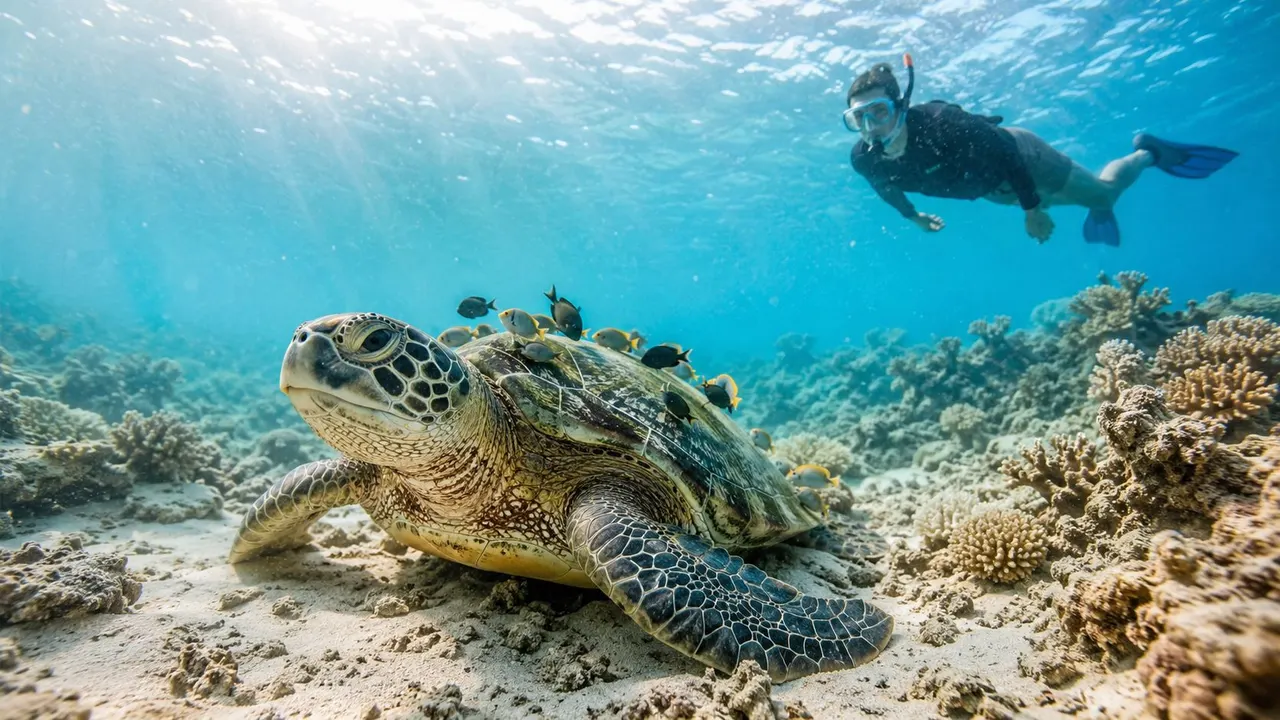
Turtle Canyons is the kind of site that makes boat snorkeling worth the effort. It's a cleaning station, which means reef fish gather there and turtles come through to let them pick at algae and parasites. That pattern is why honu show up with some consistency, and why guides treat the site as a wildlife location, not just a pretty swim stop.
What the encounter usually looks like
The best encounters are calm, not frantic. You get in with a guide, settle your breathing, and then keep your distance while the turtles move naturally through the area. When people follow instructions, they usually get the strongest view because the animals aren't being chased or boxed in.
That's why this kind of trip works better than trying to “hunt” for turtles from the beach. Shore snorkelers may see marine life, but a boat can place you where the habitat itself does the work. The water around Turtle Canyons also tends to feel more purposeful than a random swim, because everyone on the boat is there for the same thing and the crew can keep the group moving calmly.
For anyone comparing options in 2026, this is the cleaner answer to the family-versus-crowds problem. If you want a low-friction, marine-life-centered outing without spending half the morning improvising, Turtle Canyons is the type of trip that makes sense. One guided option is Living Ocean Tours' Turtle Canyon snorkel adventure, and the company's Deluxe Waikiki Snorkel & Wildlife Cruise is built for guests who want snorkeling plus extra in-water play without the beach congestion.
Living Ocean Tours is also presented by the publisher as a highly reviewed local operator, and if you're comparing providers, that's worth checking alongside route, timing, and what the boat includes.
The main lesson here is simple. Turtle Canyons gives you a better chance at a memorable wildlife moment without the improvisation that shore snorkeling often demands.
Safety Protocols and Ocean Awareness
Honolulu snorkeling draws beginners because the setup looks simple, but the ocean still demands respect. The earlier safety review from Civil Beat points to a pattern that matters for families and first-timers, alcohol, underlying heart issues, and getting too far from immediate help all raise the stakes. That is why I tell people to treat snorkeling like a real water activity, not a casual dip.
What the risk factors are really saying
Exertion catches a lot of visitors off guard. Even when the water feels calm, swimming with a mask and snorkel still takes effort, and people who are out of shape, dehydrated, or carrying extra gear can tire sooner than they expect. If alcohol is in the mix, judgment slips fast, and the ocean punishes small mistakes.
Health screening matters too. The same Civil Beat review found many victims had heart conditions, which is a reminder that snorkeling can stress people who assume they are fine because they are only staying at the surface Civil Beat. If someone has chest pain, a history of cardiac problems, or feels off before entering the water, that person should sit the session out.
Distance from help changes everything. The report noted that more drownings happened far from a lifeguard tower than close to one, which is why shore decisions matter as much as the gear you bring Civil Beat. For families, that trade-off is real, a crowded beach with lifeguard coverage and easy exits is usually a better bet than a prettier but isolated entry point.
Hawaiʻi's diver-flag rule also deserves attention. If snorkeling, free diving, or SCUBA diving is happening between sunset and sunrise, the flag has to be clearly illuminated, and divers and snorkelers can't surface more than 100 feet from the flag in ocean waters, or 50 feet in navigable streams except in emergencies DLNR. That rule exists to keep people visible and to reduce the chance of a boat running over someone who is hard to spot.
Stay close enough that help can reach you quickly, and do not assume stamina replaces ocean judgment.
For practical reading before you enter, use local current cues instead of guesswork. The guide to Oʻahu rip current clues is a useful reference for spotting the signs that should make you reconsider a launch or choose a different entry point. Families and beginners get the most value from that kind of habit, because the safest snorkel is the one you decide not to force when conditions look wrong.
Best Seasons and Timing for Visibility
For families planning a shore snorkel in Honolulu, the best timing often comes down to two trade-offs, fewer crowds or easier logistics. The calmer, warmer stretch usually falls in June through September, especially on the south shore, which makes the water more comfortable for first-time snorkelers and kids Honolulu Travels. One Oʻahu guide notes that Waikiki's summer sea-surface temperature sits around 80 to 82°F, and that warmer water can help reduce fatigue when people are still learning how to relax in the water Honolulu Travels.
Why early mornings are the sweet spot
Early morning is usually the safest bet for shore snorkeling because the ocean is often calmer before trade winds and boat traffic start working on the surface. Clearer water is another advantage, since less chop means less sand gets stirred up. A practical benchmark for Waikiki is 15 to 30 feet on good days, with the clearest water often showing up before 9 a.m. and after at least 72 hours without heavy rain Safe to Swim Hawaiʻi.
That rain detail matters more than many visitors expect. Urban runoff can cloud the nearshore water and bring in contaminants, so murky water should be treated as a reason to wait, not a challenge to push through. If the water looks off or advisories are active, the smarter move is to skip that entry and try another day.
Best practice: go early, go on a calm day, and let the water conditions make the decision for you.
For planning a family day, I would treat a late-morning walk-up snorkel as a gamble and a morning departure as the baseline. That matters even more if the group includes children, older adults, or anyone who tires quickly in the water. A boat trip can reduce the hassle of parking and entry, but shore snorkeling gives families more control over pacing, breaks, and exit options. The better choice depends on whether you want convenience from a launch point or easier self-guided control once you are in the water.
A shore day also leaves less room for delays. If the beach is crowded, if the surf has picked up, or if visibility is already fading, the whole outing becomes less rewarding fast. Boat excursions can still be the right call when you want a cleaner entry and a more focused site, but they add schedules, check-in time, and less flexibility if one person in the group is not ready. For beginners in 2026, that is the trade-off, crowd pressure on shore versus convenience on the water.
Responsible Wildlife Viewing and Conservation
Turtles are the headline act for a lot of visitors, but they're not props. Hawaiʻi snorkel safety material and Oʻahu guidance both say to stay at least 10 feet away from sea turtles Kona Honu Divers. That gives you room to enjoy the encounter without forcing the animal to change direction because of you.
Respect changes the quality of the sighting
I've seen the difference over and over. People who rush the animal get a short, messy view. People who keep their distance and hold position calmly usually get a longer, better one. That's because the turtle stays relaxed and continues behaving naturally.
Coral deserves the same restraint. Don't stand on it, don't touch it, and don't kick down into it trying to get a better angle. A small mistake can turn into a damaged reef or a shredded fin, and both are avoidable.
Hanauma Bay shows how conservation is reshaping the Honolulu snorkel experience. It now operates with visitor controls, requires an orientation video, and limits access in a way that pushes travelers to plan instead of showing up casually. For 2026 visitors, that's part of the snorkeling here. The most popular sites aren't just scenic, they're managed.
If you're choosing sunscreen for a day on the water, use reef-safe options and apply them before you leave the hotel. For a quick local primer, this is a useful reference: reef-safe sunscreen guidance for Oʻahu.
The bigger point is that conservation and good snorkeling aren't in conflict. The more carefully people behave, the longer these sites stay worth visiting.
Essential Gear and Booking Your Adventure
Pack light, but don't pack lazy. Bring swimwear, a towel, sun protection, and something dry for the ride back. If you're doing a tour, the operator usually provides the basics like masks, snorkels, fins, and flotation, which is one reason boat trips are easier for first-timers than a fully self-directed beach outing. Shore snorkeling gives you more freedom and usually lower cost, but you also handle parking, gear, entry, and the crowd on your own. For families and beginners, that trade-off matters more than the brochure photos.
What to bring and what to leave to the crew
A short checklist keeps the day smoother:
- Sun protection: use reef-safe sunscreen and a hat for the boat ride.
- Dry layer: bring a shirt or cover-up so the post-snorkel chill doesn't catch kids off guard.
- Simple comfort items: towel, water, and a reusable bag for wet gear.
- Confidence gear: if you're nervous, ask whether flotation is included before you book.
Morning slots fill first because that's when the water is usually better and visibility is more reliable. If your group has only one shot at snorkeling in Honolulu, book early instead of hoping for a walk-up opening. That matters even more if you want a calmer deck and a guide keeping the pace steady, rather than competing with a packed beach entry.
A guided option like the Deluxe Waikiki Snorkel & Wildlife Cruise makes sense for families who want structure without turning the day into a logistics project. Shore entries can work well for confident swimmers, but they often mean more waiting, more jostling, and more guesswork about where to start. For travelers who want to compare departures, gear, and route style in one place, Living Ocean Tours is the right place to start.
If you want a smoother snorkel day in Honolulu, choose the water entry that fits your group instead of chasing the most famous beach on instinct. Living Ocean Tours runs guided Waikiki snorkel trips, turtle-focused outings, and family-friendly cruises that take the guesswork out of planning. Visit Living Ocean Tours to compare options and book the trip that fits your comfort level and vacation pace.


