
Snorkeling Honolulu Guide to Waikiki Tours and Spots
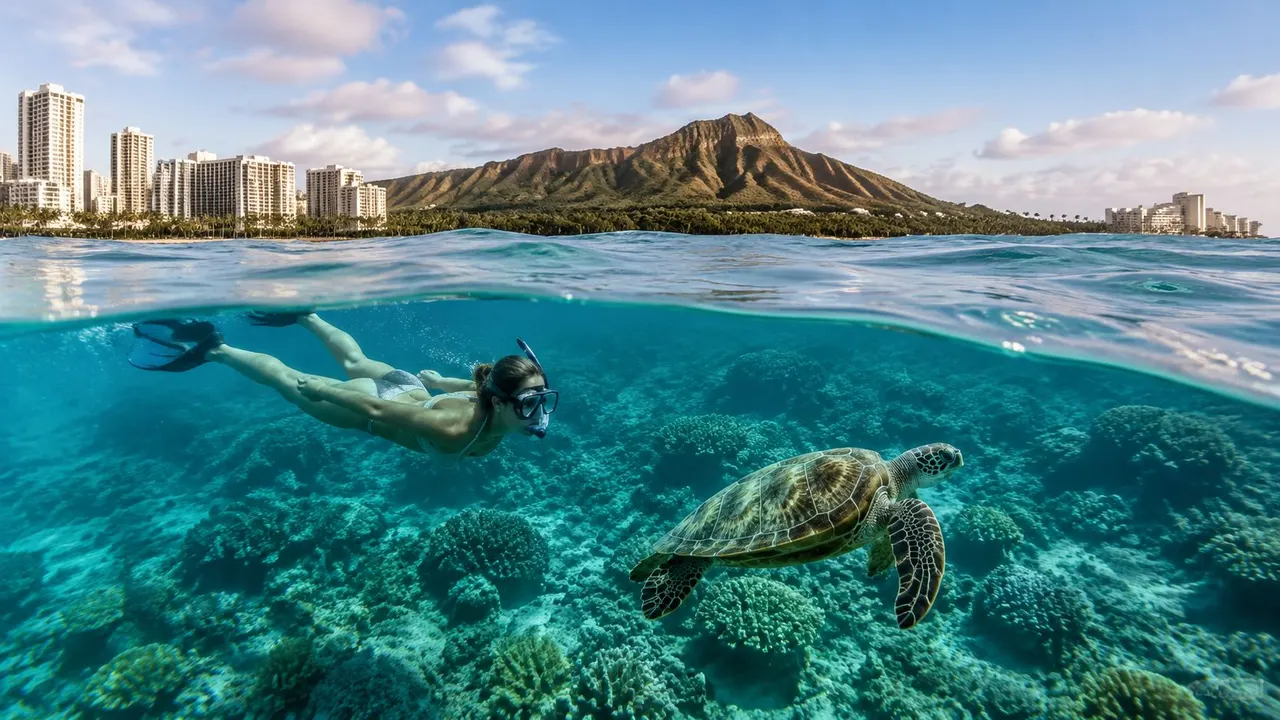
You’re floating over a reef just minutes from your Waikiki hotel, and the answer becomes obvious: Yes, snorkeling in Honolulu is beginner friendly and highly rewarding. The clear, leeward waters right off shore make reef encounters feel effortless, even if it’s your very first time.
Why Snorkeling Honolulu Belongs on Every Itinerary
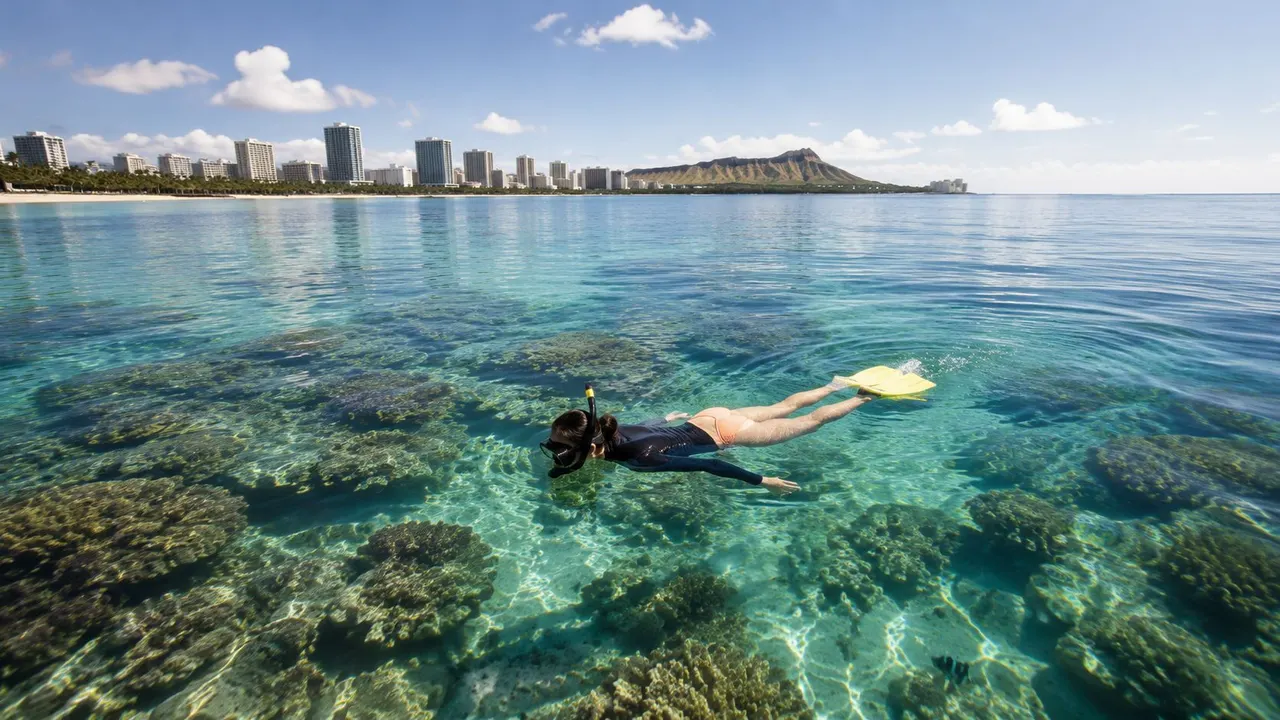
Honolulu’s south shore works like a natural swimming pool. The island itself blocks much of the swell and wind, which means calmer entry points, steady visibility, and warm water that stays comfortable year-round.
For newcomers, the options sort themselves out pretty quickly:
- Shore entries like Hanauma Bay offer easy, shallow reef snorkeling that’s ideal for kids and non-swimmers.
- Harbor departures from Kewalo Basin get you to offshore cleaning stations where turtles congregate.
- Family-focused cruises add waterslides and trampolines so non-swimmers have a great time too.
“Think of the reef as a neighborhood and you’re a respectful visitor walking the streets” — that mental image goes a long way toward guiding your behavior around marine life.
To help you figure out which style of trip fits your group, here’s a quick comparison of the main ways to experience snorkeling in Honolulu.
| Experience Type | Best For | Skill Level | Typical Duration |
|---|---|---|---|
| Shore Entry | Families, casual snorkelers | Beginner | 1–3 hours |
| Guided Boat Trip | First-timers, families | Beginner to Intermediate | 3–5 hours |
| Deluxe Cruise | Kids, groups wanting play features | Beginner | 3–4 hours |
As you can see, the choice really comes down to how much time you want to spend and what kind of day you’re after. Hanauma Bay remains the classic shore pick because of its protected bowl and educational reef signage. Boat trips from Kewalo Basin, on the other hand, take you out to Turtle Canyons, where guides point out cleaning stations and teach that close-but-not-touching etiquette.
A few practical reasons Honolulu makes snorkel days so easy:
- Short transit times from Waikiki hotels — less time traveling, more time in the water.
- Strong tour infrastructure — boat crews provide gear, instruction, and safety briefings.
- Variety in one place — surface reef snorkeling, offshore turtle encounters, and evening cruise options are all within easy reach.
Read also: Learn more about top visitor activities in Honolulu in our guide on Living Ocean Tours best tour suggestions Best Tourist Activities in Honolulu
The next sections build confidence step by step with conditions, gear lists, safety protocols, and booking advice so you can pick the exact Honolulu snorkeling experience that fits your comfort level.
Understanding Honolulu Snorkeling Conditions and Seasons
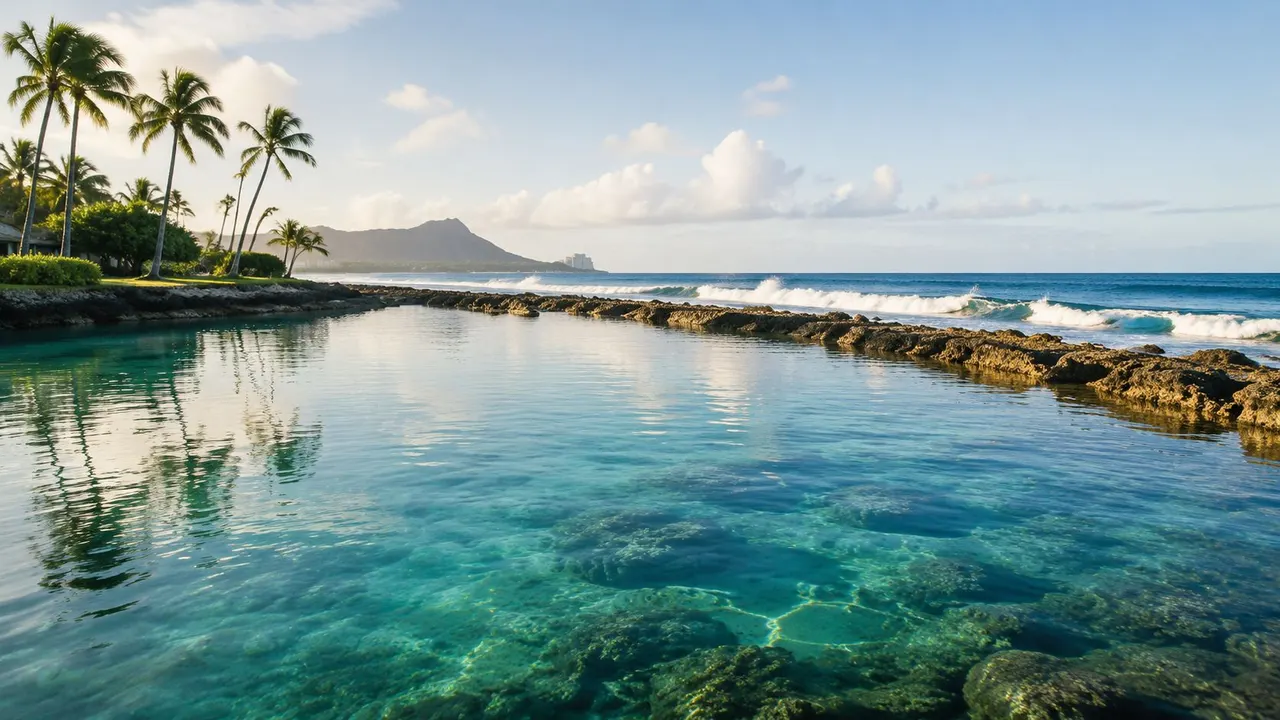
Think of Honolulu’s south shore as a giant, natural swimming pool. Because the island shelters it, the leeward coast stays much calmer with better visibility than the windward side or the North Shore. For beginners and families, that means easier entries and a much more predictable time in the water.
The water temperature near Waikiki usually hovers between 75°F and 82°F (24°C–28°C), so you can comfortably skip a wetsuit most of the year. You can generally expect visibility between 30 and 60 feet, though local wind or a sudden rain shower can change things fast.
Morning Versus Afternoon Conditions
Mornings are often glassy smooth since the trade winds usually kick in around midday. Early departures typically mean clearer water and calmer surfaces, which is perfect if you are still getting the hang of clearing your mask. On the other hand, afternoon light makes the colors pop for photos, so it is a trade-off between comfort and visual payoff.
- Summer trade winds bring chop from the northeast and can stir up the water, reducing visibility.
- Winter swells (November–March) hit the North Shore hard and can strengthen currents even on the calmer sides of the island, so always check local forecasts.
- Quick, localized showers can cause mountain runoff that clouds the shore for an hour or two.
The Reef as a Wave Breaker
The reef works like a natural seawall. It breaks the waves offshore and creates shallow lagoons above it, making them ideal for gentle snorkeling. This setup gathers fish and corals in the calm water and creates reliable entry points for guided shore trips.
The reef is a living barrier that both protects and nourishes the lagoon ecosystems — think of it as the reef city walls that make the inner streets safe to walk.
If you head out on a boat from Kewalo Basin, you will often go just offshore to Turtle Canyons. The deeper channels and cleaner water flow there can be warmer and clearer than some shore spots. Plus, leaving from a sheltered harbor keeps things beginner-friendly while boosting your chances of spotting sea turtles.
Practical tips to plan around conditions:
- Check the surf and wind forecasts the morning of your trip for the latest visibility expectations.
- Book early-morning snorkel times whenever you can for the calmest water.
- Consider a guided boat trip if you want consistently clearer offshore water with full gear and instruction included.
Want to know more about ocean forecasts? Check out our guide on Oahu Surf Forecasts to plan your trip.
Top Spots and Guided Tours for Waikiki Snorkeling
Hanauma Bay is the classic shore option for good reason. It's a protected marine life conservation area with a reservation system and an educational orientation that helps beginners feel at ease in the water.
Kewalo Basin is a different experience entirely. Think of it as a launchpad that takes you away from the shallow lagoon and out to cleaner water, where turtles and larger fish actually gather.
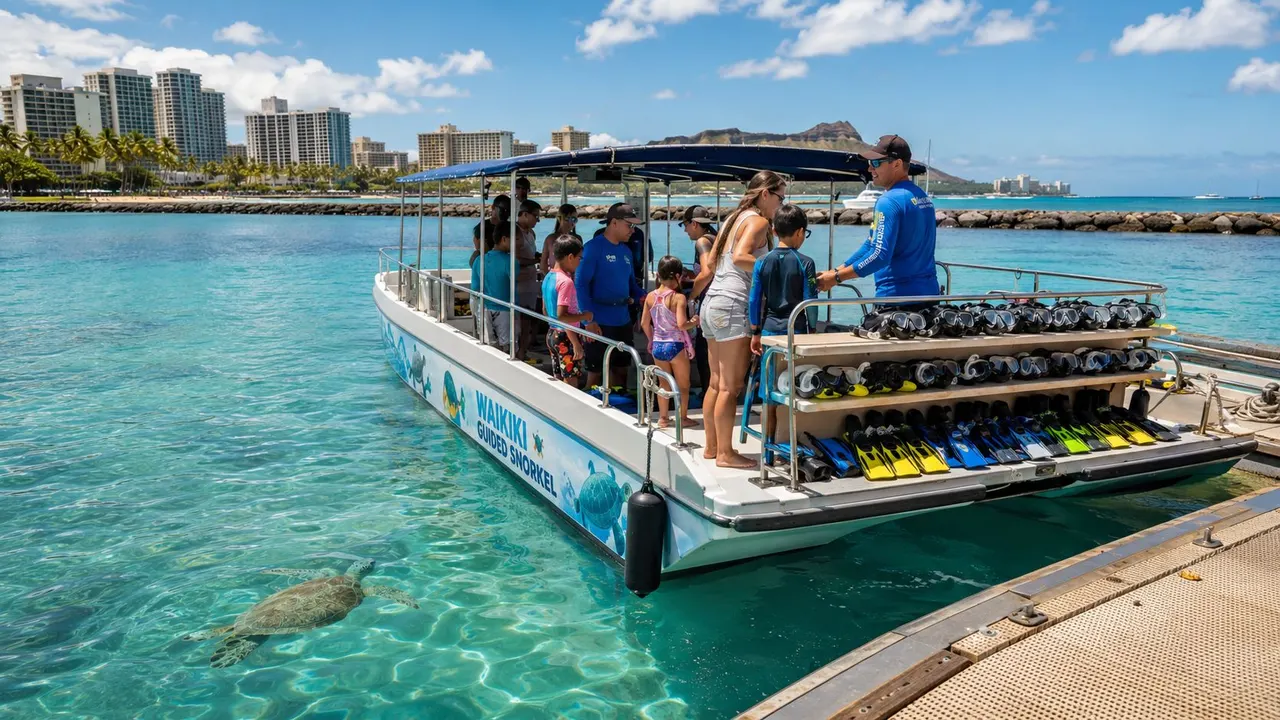
Guided boat tours bundle gear, instruction, and safety briefings into one package, which is a huge help for families and first-timers who want predictable conditions without having to manage all the logistics on their own.
- Hanauma Bay
- Protected bay with interpretive programs and controlled daily visitor numbers
- Best for shallow reef viewing, kids, and short half-day trips
- Kewalo Basin departures
- Fast access to offshore sites like Turtle Canyons
- Best for consistent turtle sightings and slightly deeper snorkeling
Guided tours take the stress out of the experience for families and novices by providing life jackets, trained crew, and on-deck coaching that turns nervous first-timers into confident snorkelers.
Living Ocean Tours Overview
Living Ocean Tours is the top rated & most reviewed snorkel company on Oahu, departing daily from Kewalo Basin Boat Harbor. Their signature Turtle Canyons Snorkel Excursion heads to known cleaning stations with high chances of swimming near green sea turtles. The Deluxe Waikiki Snorkel and Wildlife Cruise is the family-friendly alternative, complete with waterslides and trampolines for non-swimmers and kids.
What to Expect on a Guided Trip
Boat trips typically include a mask, snorkel, fins, and flotation devices, plus a safety briefing before you get in the water. Captains pick sheltered windows of calm water — mornings are usually smoother — and guides walk you through mask clearing and buddy checks.
- Check-in at Kewalo Basin
- Safety talk and gear fitting
- Short boat ride to snorkeling sites
- Multiple water stops with crew support
- Practical note — tours often last 3–4 hours and get you back to Waikiki in time for afternoon plans.
- Tip — morning departures usually offer better visibility and calmer seas.
Helpful Resources
For more Waikiki snorkeling tour options and schedules, check out our in-depth guide on Waikiki Snorkeling Tours and Schedules
This mix of shore and boat choices means you can design a day that fits your group: a gentle Hanauma Bay morning, an offshore turtle encounter from Kewalo Basin, or a playful Deluxe cruise for kids who need a floating playground.
Sunset Cruises and Seasonal Whale Watching Alternatives
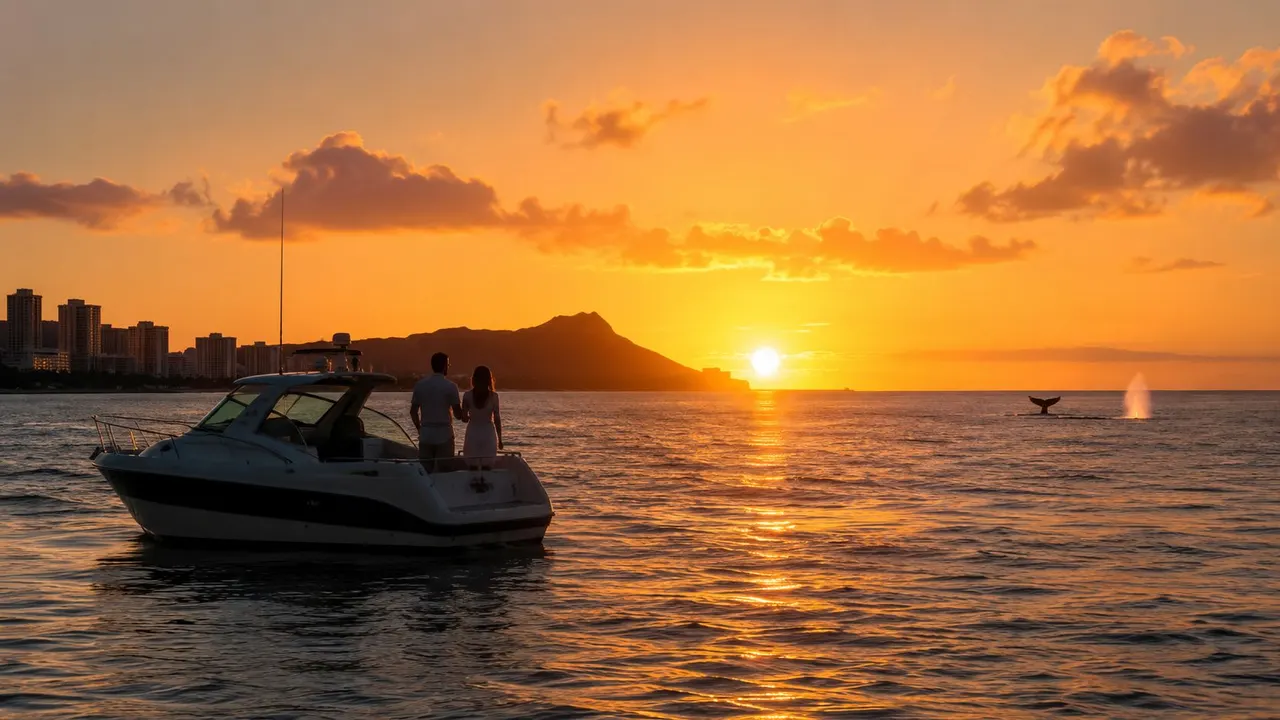
Just because you're done snorkeling doesn't mean the ocean day is over. Waikiki's evening scene shifts into something quieter and more golden — a whole different way to experience the water that still feels connected to your snorkeling Honolulu adventures.
Sunset cruises leave from the same Kewalo Basin area where most snorkel trips launch, so if you're staying in a Waikiki hotel, the logistics are a breeze. No complicated transfers, no long drives — just a short ride to the harbor and you're on the water.
These evening sails work especially well for couples or small groups who'd rather watch the ocean than get in it. Most operators offer BYOB or cash-bar setups, so you can dial in the vibe — whether that's a low-key celebration or just a peaceful way to end the day.
- Small group atmosphere with a crew who actually knows the coastline and can point out landmarks
- BYOB options so you can bring your favorite drink for golden hour
- Short transit times from Waikiki, making it easy to pair with a morning or afternoon snorkel
For more details on evening departures, check out our guide on the Living Ocean Tours Honolulu Sunset Cruise.
If you're comparing options, there's also a long-standing local favorite worth looking at: Exceptional Sunset Cruise Alternative in Waikiki, which runs similar BYOB-friendly sailings with great sunset viewpoints.
When Whale Season Becomes the Main Event
Whale season typically runs January through March, when North Pacific humpbacks migrate into Hawaiian waters to breed and calve. These months turn a regular ocean outing into something far more dramatic — the kind of trip where you might see a 40-ton animal launch itself clear out of the water.
Seeing a humpback from the boat feels like adding a dramatic encore to an already great day on the water
Living Ocean Tours runs dedicated whale watching departures during these winter months, with experienced naturalists on board who know where to look and what to watch for. The thing is, a whale watch doesn't have to replace your snorkeling plans — think of it as a seasonal layer you can stack on top of a snorkeling-focused itinerary.
- Whale season peak months: January through March
- Typical sightings: breaching, tail slaps, pectoral fin displays
- Best approach: book a morning or afternoon whale-specific cruise for focused searching
This layered approach lets you build a full day around the ocean — start with calm reef snorkeling in the shallows, then finish on a sunset cruise or a whale watch. It's a full-spectrum Honolulu ocean experience that works for families, couples, and anyone who just really loves being on the water.
Safety Protocols and Respecting Marine Life
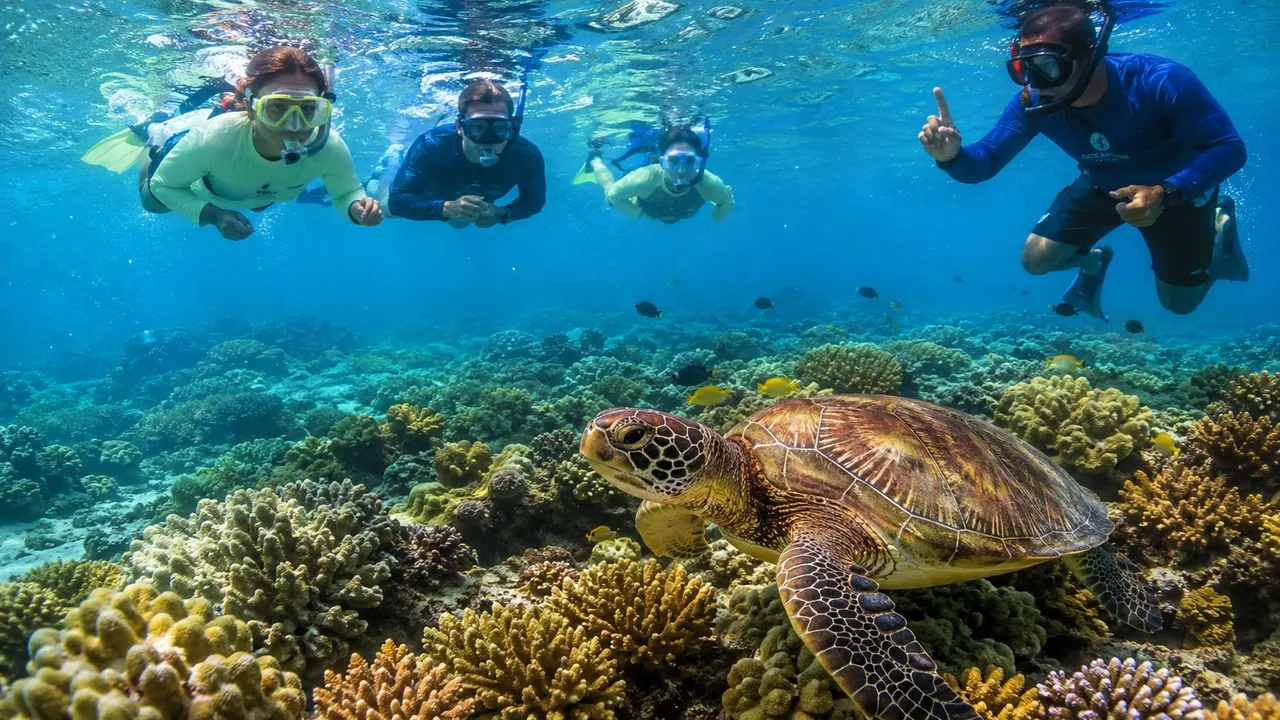
There's a simple idea behind snorkeling in Honolulu: the reef is a living community, and we're the guests who need to follow the house rules. Once that clicks, everything else falls into place.
The Distance Rules That Actually Matter
You'll hear these numbers repeated on every good tour, and for good reason. Stay at least ten feet from Hawaiian green sea turtles and fifty feet from monk seals. That's roughly two body lengths for turtles and a full boat length for seals.
These aren't arbitrary numbers. Close approaches stress the animals, increase disease risk, and eventually make them avoid popular snorkel spots altogether. Give them space and they'll go about their day — grazing, resting, cleaning at the reef — which is exactly what you came to see.
Respect distances and you see more natural behavior — like watching neighbors through a window rather than barging in.
Gear and Ocean Safety Basics
A poorly fitted mask can turn a great morning into a frustrating one. Spend five minutes at the dock getting the seal right, and you'll thank yourself an hour later when you're still comfortable and dry.
A few things worth sorting before you head out:
- Check your mask fit so fogging and leaks don't eat into your time in the water
- Snorkel with a buddy and let your captain or guide know your plan before you enter the ocean
- Use reef-safe sunscreen — chemical runoff from standard sunscreens damages coral tissue over time
- Watch for currents and riptides, and if anything feels off, wait for the crew's signal before jumping in
Once you're on the boat or at the shoreline, three habits will carry you through most situations:
- Pay attention to the safety briefing and follow what the crew tells you
- Do a quick buddy check and practice clearing your mask before the first swim
- Never stand on or touch the reef — even a light step can crack coral that took decades to grow
Why This Stuff Matters Long-Term
Rules around distances and reef contact aren't just about avoiding fines. They keep surprise encounters from turning into panic situations, and they protect the feeding and cleaning behaviors that make turtle sightings reliable trip after trip. Honolulu snorkeling stays incredible because visitors before you followed the same guidance.
Living Ocean Tours is the top rated & most reviewed snorkel company on Oahu. Their crews actively coach respectful viewing and hold safe distances during turtle encounters rather than letting the crowd close in.
Official Guidelines for Wildlife Encounters
For the full breakdown of Hawaiian wildlife regulations and best practices, check out our detailed article on Hawaii Turtle Snorkeling Rules.
Essential Gear and Preparation for Your Snorkel Day
Here's a quick checklist to take the guesswork out of getting ready for your snorkeling Honolulu day.
- Mask and snorkel that fit comfortably — a well-sealed mask prevents leaks and fog.
- Fins sized to your feet for efficient kicking and less leg fatigue.
- Reef-safe sunscreen and a rash guard to protect skin without harming coral.
- Quick-dry towel, waterproof dry bag, and a light change of clothes.
- Motion sickness remedies if you're prone to queasiness on boats.
- ID, cash or card, water bottle, and small first-aid basics.
Most guided tours include masks, snorkels, fins, flotation devices, and a safety briefing. That said, bring your own sunscreen, a comfortable rash guard, and a dry bag for phones and snacks. You'll spend less time swapping gear at the dock and more time actually enjoying the reef.
For families, practice mask clearing and breathing in a pool before the trip. Kids gain confidence with short, timed pool sessions that mimic real conditions. Look for family-friendly boats like the Deluxe Waikiki Snorkel and Wildlife Cruise, which offer shallow-water play areas and onboard features that keep non-swimmers entertained.
Proper preparation turns anxiety into confidence and makes the ocean feel familiar rather than foreign.
Pre-trip habits matter more than you might think. Eat a light meal about two hours before launch, hydrate well, avoid alcohol that can dehydrate and impair judgment, and get a good night's sleep. Morning departures tend to have calmer seas and better visibility, which really helps beginners.
Quick Step-by-Step Packing Plan
- Lay out gear the night before and test mask fit.
- Pack a small dry bag with essentials and sunscreen.
- Take motion remedies early if needed.
- Arrive early for gear fitting and listen closely to the crew.
Here's a practical example: a traveler who practices mask clearing for 15 minutes in a hotel pool often removes that first-time panic and spends the first snorkeling stop looking at fish instead of fighting leaks. That easy confidence makes snorkeling Honolulu feel like a natural, joyful part of your Waikiki visit.
Booking Logistics and Frequently Asked Questions
Getting to Kewalo Basin Boat Harbor is pretty painless — it's about a 10–15 minute drive from central Waikiki, and most visitors just tack it on as a quick transfer between hotel and ocean day.
Not up for walking? Rideshare trips usually run $8–$15 from most Waikiki hotels, give or take traffic, and drivers can drop you right at the check-in area. If you've got a rental car, just follow the signs for harbor parking and look for the operator check-in tents. Most companies, including Living Ocean Tours (the top rated & most reviewed snorkel company on Oahu), send clear arrival instructions with your reservation confirmation.
Plan to show up 30–45 minutes before departure. That gives staff time to fit your mask and fins, hand out flotation devices, and run through the safety briefing without anyone feeling rushed. A little buffer here goes a long way toward keeping things calm and on schedule.
Getting There
- Walk: 25–35 minutes from central Waikiki, depending on where you're staying.
- Rideshare: The fastest door-to-dock option, especially helpful if you're wrangling kids or hauling gear.
- Rental car: Park in the public lot and follow the operator signs to check-in.
Summer dates and holidays fill up fast, so booking early locks in your preferred time and guarantees your gear sizes are available. It's also worth checking the morning weather report — operators sometimes shift departure windows a bit if they're waiting for calmer seas or better visibility.
FAQ One: Are Beginners and Kids Okay for Snorkeling?
Absolutely. Snorkeling in Honolulu is surprisingly beginner friendly as long as you pick the right trip. Guided excursions bundle instruction, life jackets, and on-deck coaching that take the guesswork out of learning mask clearing and breath control. For kids, family-focused departures like the Deluxe Waikiki Snorkel and Wildlife Cruise are the way to go — they offer shallow play areas and staff on board specifically to supervise.
Quick tip: Spend 10–15 minutes practicing mask clearing in the hotel pool before your trip. It takes the edge off first-time anxiety and leaves you more quality time actually looking at fish.
FAQ Two: Where Are the Best Spots Near Waikiki?
Your best nearby options split into shore and boat categories. Hanauma Bay is the classic protected shore entry — great for shallow reefs and easy access. Kewalo Basin departures head out to Turtle Canyons offshore, where the water's typically clearer and turtle cleaning stations are common. Boat trips leave from the harbor and usually reach snorkeling sites in about 20–40 minutes, which is a solid trade-off: a short ride for significantly better visibility.
- Shore choice: Hanauma Bay — ideal for a half-day visit with easy entries.
- Boat choice: Turtle Canyons — often clearer, warmer water with bigger marine life.
- Family cruise: Deluxe Waikiki Snorkel and Wildlife Cruise — built with kids and non-swimmers in mind.
FAQ Three: How Often Do Turtles Appear on Guided Tours?
Turtle sightings are regular but, honestly, never guaranteed. That said, many captains report a high success rate at known cleaning stations. On popular turtle-focused departures, you can reasonably expect multiple encounters over a typical 3–4 hour trip, particularly when conditions are calm in the morning. Keeping a respectful distance and being patient are really the two biggest factors — the turtles show up on their own schedule.
FAQ Four: When Does Whale Season Peak?
Whale season generally runs January through March, with February being the sweet spot for sightings. If your trip lands in that window, think about swapping one snorkeling slot for a dedicated whale watch morning, or adding a whale watch later in the day. Either approach boosts your odds without sacrificing a reef experience.
Living Ocean Tours https://www.livingoceantours.com


