
Snorkel with Turtles Oahu: Top Spots & Tips for 2026
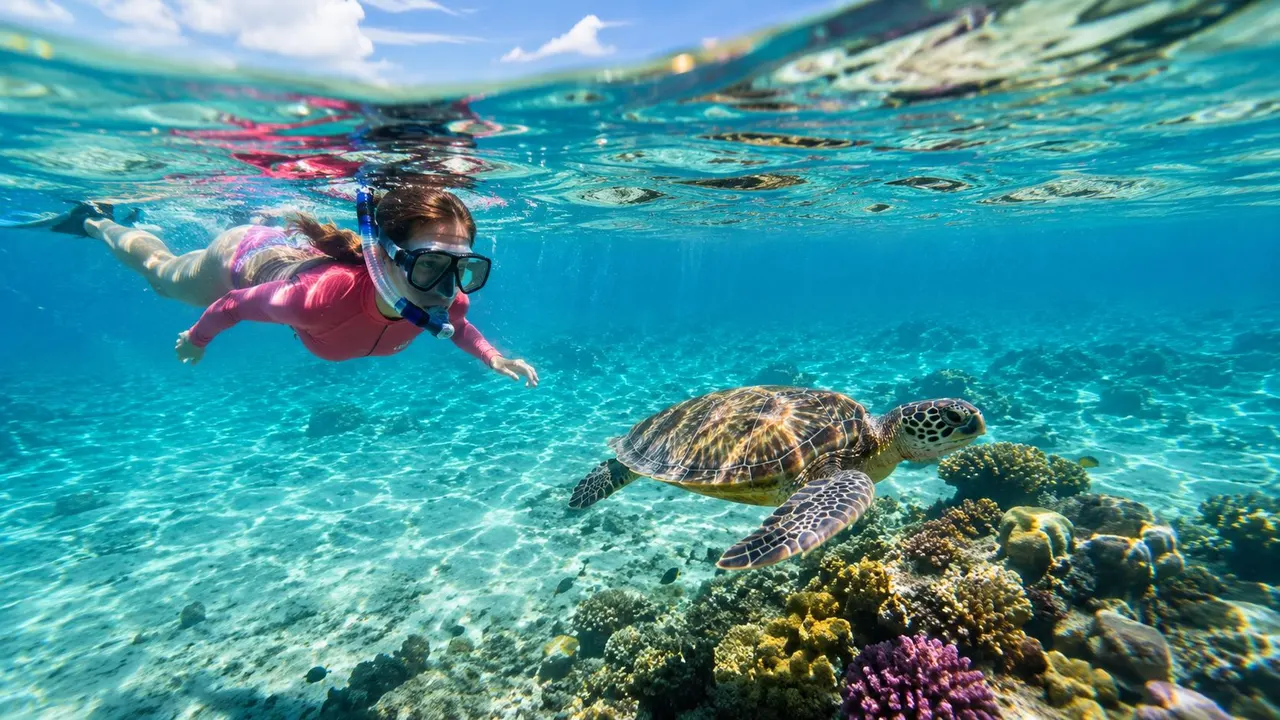
You've got one free morning in Waikiki, the weather looks decent, and the family keeps asking the same question. Can we really snorkel with turtles on Oahu without turning it into a stressful day? The answer is yes, but only if you choose the right site, respect the ocean, and understand why some turtle outings feel easy while others turn into a fight with surf, crowds, and murky water.
Why Oahu Is the Ultimate Destination to Snorkel With Turtles
A family steps off a boat at Turtle Canyon, looks into clear water, and sees a honu moving below them with no hurry at all. That scene is exactly why travelers search for snorkel with turtles Oahu. On Oahu, turtle encounters are a repeatable experience built on reef habitat, conservation recovery, and offshore sites that turtles use regularly.
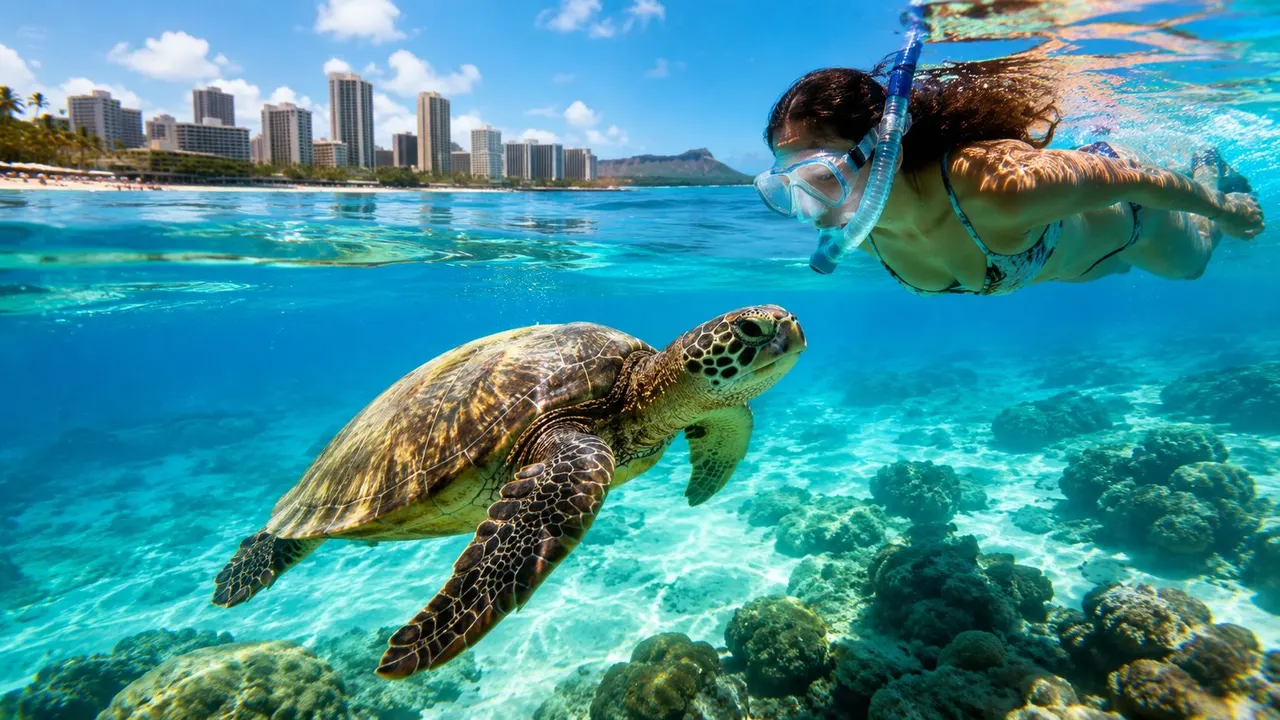
The Hawaiian green sea turtle, or honu, carries cultural weight in Hawaii as a living symbol of the ocean. It also has a recovery story that explains why sightings around Waikiki are so dependable now. One source documents only 67 nesting females in 1973, then a long-term increase of about 5.4% per year, with 83 documented Oahu nests in 2024 compared with just 9 in 2019. That rebound matters because it is the biological reason Oahu can support a real turtle-snorkeling market instead of occasional luck. Living Ocean Tours explains the recovery and sighting patterns here.
Why this works so well for visitors
Oahu's advantage is simple. The island gives you accessible offshore habitat, a recovering turtle population, and a structure that supports guided viewing instead of random shoreline hoping. Turtle encounters around Turtle Canyon are common enough that guided trips can deliver steady results, while shoreline sessions depend more on weather, surf, and whether you are in the right place at the right time. That difference matters for families and first-timers who want a calm outing without guessing. See the Turtle Canyon context and tour setting.
For travelers comparing options, the real choice is reliability versus effort. A boat-based trip gives you a better shot at clear water, a guide who knows where turtles tend to hold, and a controlled entry that works better for beginners. Shore snorkeling can still be rewarding, but it usually asks more of the swimmer, and the payoff is less predictable. A calm, family-friendly turtle encounter is easier to plan around a place where turtles already gather naturally than around a shoreline search.
Living Ocean Tours is widely known on Oahu for guided turtle snorkeling, and their Turtle Canyons Snorkel Excursion fits the kind of outing many beginners want.
Understanding Turtle Canyon and How Cleaning Stations Work
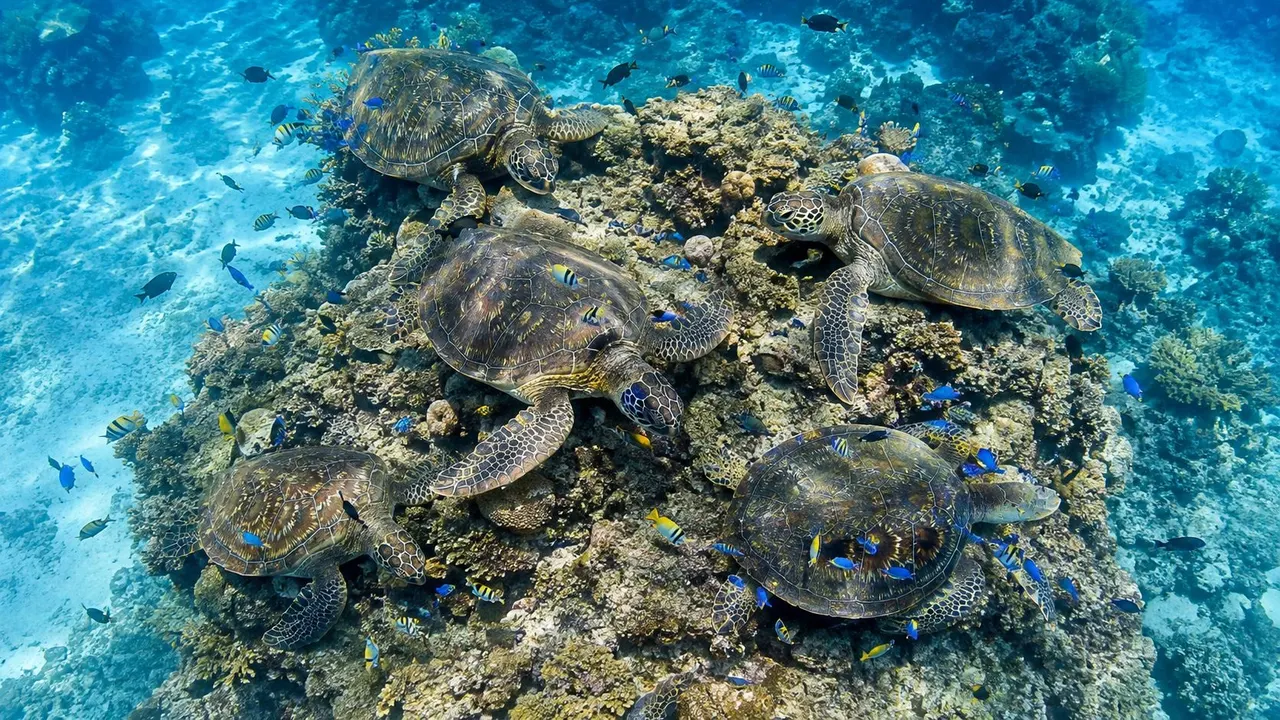
Turtle Canyon draws snorkelers because the reef supports behavior people can see, not because the name sounds appealing in a brochure. The site sits about 1.5 to 2.5 miles offshore from Waikiki and can only be reached by boat, which makes it a different kind of outing from shore snorkeling. That offshore setting matters because turtles use the area as a cleaning station, where reef fish pick off algae and parasites while the turtles hold still and let the process happen.
Why a cleaning station changes the odds
A turtle cleaning station is one of the most useful setups a snorkeler can find. Instead of roaming widely and vanishing after a quick pass, honu often slow down, hold position, or return through the same reef area while smaller fish do their work. That pattern gives families a steadier chance to watch natural turtle behavior without needing a perfect shoreline guess, and the Turtle Canyon setup is laid out clearly in this Turtle Canyon overview.
The practical value is simple. A site built around repeat animal behavior is easier to plan around than a random stretch of coast, especially for travelers who want less uncertainty and more time in the water. Guides who work this area see the same thing again and again, turtles settle into the cleaning routine, and snorkelers get a calmer, more focused encounter than they usually get from shore searching. Living Ocean Tours gives a separate look at the Turtle Canyon experience and location.
Why boat access matters here
Boat-only access changes the day in ways that matter to beginners and families. You skip shore break, rocky entries, and the extra effort of swimming out from a beach before you even reach productive water. That is one reason Turtle Canyon fits guided trips so well, the boat puts you over habitat turtles already use instead of leaving you to search from sand.
A shorter boat ride also keeps the outing easier to manage. The site still feels distinct from Waikiki beach swimming, but the logistics stay manageable for people who do not want a complicated setup or a hard swim before the snorkel even starts.
Turtles use the reef on their own schedule. Good snorkel guides work with that rhythm.
For travelers who want a controlled, turtle-focused trip, Living Ocean Tours' Turtle Canyon excursion page shows why this site draws so much repeat attention. The biology and the boat logistics work together, and that combination is what makes Turtle Canyon practical for first-timers as well as more confident snorkelers.
Turtle Canyon Tours Versus Shore Snorkeling Spots
This is the question most travelers really want answered. Should you book a Turtle Canyon boat tour, or should you try shore snorkeling at places like Laniakea Beach, Hanauma Bay, or Electric Beach? The right answer depends on who's in your group, how confident everyone feels in the water, and whether you want a turtle-focused trip or just a good reef day with turtles as a bonus.
| Factor | Turtle Canyon Boat Tour | Shore Snorkeling Spots, Laniakea, Hanauma Bay |
|---|---|---|
| Safety for beginners | Guided, flotations available, easier entry | More dependent on swimmer confidence and ocean conditions |
| Turtle reliability | Very high on guided trips | Variable, especially when conditions change |
| Crowds | Managed by tour schedule | Can be heavy at popular beaches |
| Access logistics | Boat departure, no shore entry hassle | Parking, beach access, and entry conditions can eat up time |
| Ocean conditions | Offshore site stays usable more often | Strongly affected by surf, current, and visibility |
Where shore spots make sense
Shore snorkeling can work well for strong swimmers who know how to read the ocean and don't mind adjusting plans on the fly. Laniakea Beach is often better for watching turtles from shore than for making it the main snorkel plan. Hanauma Bay is a solid reef day if you want a broader marine-life experience. Electric Beach asks more from the swimmer and is better left to confident snorkelers. This comparison guide covers that trade-off well.
Where boat tours win
For families, first-timers, and visitors who only have one shot at the outing, Turtle Canyon usually wins because it removes the hardest variables. You start from the boat, not the shoreline. You get instruction, gear, and in-water guidance. And you go to a site that's already known for reliable turtle activity. This Turtle Canyon versus Ko Olina comparison helps frame the decision.
The trade-off is straightforward. Shore snorkeling can be cheaper and more flexible, but it asks more of the group. A boat tour asks less of the snorkeler and puts the odds in your favor. If the goal is to see turtles comfortably, that difference matters.
Bottom line: Turtle Canyon is the safer default for beginners. Shore spots are best when the swimmer is confident and the ocean is calm enough to cooperate.
How to Choose a Safe and Reliable Guided Snorkel Tour
A turtle snorkel can look simple on a booking page and still feel very different on the water. Some operators focus on loading people onto the boat and hope the day works itself out. Better crews plan for nervous swimmers, changing conditions, and the fact that many guests are doing this for the first time. If the goal is a calm turtle trip, the true test is how the tour handles supervision, flotation, and the pace in the water.
What to check before booking
Start with the safety setup. A solid tour should include positive flotation vests, in-water guides, and rescue equipment. One Oahu model also uses a rescue ski float powered by an underwater scooter for weaker swimmers, plus a minimum age of 6 and a 2.5-hour excursion format. Those details matter because they show the crew is set up for a range of swimmers, not only the people who already feel comfortable in the ocean. This Oahu snorkeling overview breaks down that approach.
The next thing to check is how much supervision the crew provides. A small passenger-to-crew ratio on snorkel tours usually gives guides more room to watch beginners, keep people together, and step in before a problem grows. If a company is vague about that point, or treats supervision as an afterthought, the trip can feel loose once everyone is in the water. Families and first-timers tend to notice that difference fast.
The parts that usually separate good tours from weak ones
- Clear flotation support: A vest should make floating easy, not awkward.
- Real in-water supervision: Guides should stay close enough to help, not just point from the boat.
- Simple instruction: Beginners need a calm briefing before they enter.
- Reasonable group pacing: A good tour keeps the whole group moving together instead of letting the experience turn chaotic.
- Age and ability policies: These should be stated plainly before you pay.
A guided turtle excursion should also give people enough time in the water to settle in. Most trips spend roughly an hour snorkeling, which is enough to relax, adjust your breathing, and watch for turtles without turning the outing into a grind for beginners. Shorter sessions can feel rushed, and longer ones can wear out kids or less confident swimmers before the best sightings happen.
Where Living Ocean Tours fits
For travelers wanting a benchmark example, Living Ocean Tours runs a Turtle Canyons Snorkel Excursion with gear, instruction, and guided support built in. If you are comparing tour styles, their setup is a useful reference point for what a structured turtle snorkel should feel like.
This guide to passenger-to-crew ratio on snorkel tours explains why supervision matters. If a company is vague about guides, flotation, or safety support, that is a warning sign. The better tours make it easier for nervous swimmers to settle in, and that often leads to better turtle encounters.
Responsible Turtle Viewing Etiquette and Conservation Rules
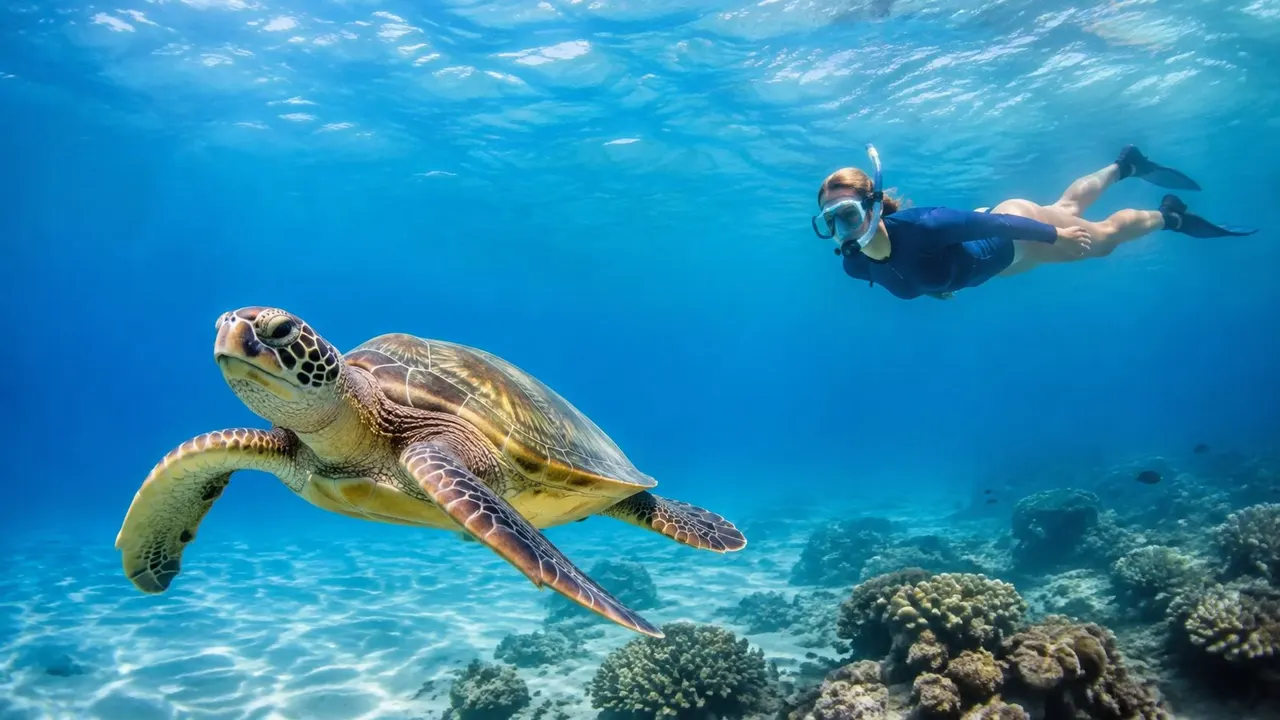
A good turtle sighting leaves the animal undisturbed. That is the standard in Hawaii, and it is the only one worth following. NOAA and related guidance say to stay at least 10 feet, or 3 meters, away from sea turtles, because closer contact can disrupt breathing, resting, and travel behavior. The same distance rule is reinforced here.
What not to do in the water
Don't touch turtles. Don't feed them. Don't chase them for a photo. Don't block the path they use to surface for air. Those habits create stress, and they also reduce the quality of the sighting for everyone else. The point of snorkeling with honu is to observe natural behavior, not control it.
If the turtle changes direction because of you, you're too close.
That rule stays simple in practice. Float calmly, stay out of the turtle's surface path, and let the animal decide where it wants to go. The turtle is an air-breathing reptile, so respecting its need to surface is part of basic ocean etiquette, not a courtesy you can skip. This guide to snorkeling with turtles on Oahu lays out the same behavior standard.
Why the rules matter long term
Oahu's turtle recovery only matters if visitors protect it. A recovered population can support more encounters, but it can also attract more pressure around popular sites. That is why responsible operators reinforce spacing, correct guests early, and keep the group focused on low-impact viewing. These Hawaii turtle snorkeling rules provide the legal and ethical framework. Conservation is what makes future trips possible.
The best turtle snorkelers leave the water with clean gear, calm animals, and a better reef than the one they arrived at. That is the standard that keeps Oahu's honu encounters meaningful.
Best Times to Go and What to Pack for Your Turtle Snorkel
Boat-based turtle snorkeling on Oahu works year-round because offshore sites stay usable even when shore conditions are rough. Summer months from May through September usually bring calmer water and better visibility, which makes the experience easier for beginners and families. That doesn't mean winter is off-limits, it means the ocean tends to give shore snorkelers a harder time then, while boat tours keep the outing more consistent. This Oahu turtle-snorkeling guide explains the seasonal pattern.
Morning or afternoon
Morning departures usually give you the cleanest start. The water is often calmer, the light is better for seeing into the reef, and the day hasn't yet had time to build extra wind or crowding pressure. Afternoon trips can still be good, but if you're choosing one slot for a family outing, morning is the safer bet for comfort and visibility.
What to pack
- Reef-safe sunscreen: Put it on before boarding so it has time to work.
- Rash guard: This saves you from reapplying sunscreen constantly and helps with sun exposure.
- Towel and dry clothes: A dry ride back feels a lot better than sitting in wet gear.
- Water bottle: Salt water and sun dry people out faster than they expect.
- Waterproof phone case or dry bag: Useful if you want to keep your phone with you.
- Motion sickness prevention: If boats usually bother you, bring what works for you before the trip starts.
A short packing list beats overpacking every time. You don't need extra gear if the operator provides masks, snorkels, fins, and flotation. What you do need is a plan for comfort, because comfort keeps people in the water longer and calmer.
Practical rule: The less time you spend adjusting gear, the more time you spend looking at turtles.
If you're sensitive to motion, handle that early. Seasickness is easier to prevent than recover from, and a small bit of planning can save the whole morning. The right time, the right gear, and a calm departure window usually make the difference between a rushed outing and a relaxed one.
Frequently Asked Questions About Snorkeling With Turtles on Oahu
Do I need a permit to snorkel with turtles?
No separate turtle-snorkeling permit is something most visitors need for a guided trip. What matters more is following local wildlife rules and choosing an operator that respects them. The ocean is open, but the animals are protected, so the core requirement is responsible behavior.
Can kids or non-swimmers join?
Yes, if the tour is built for that. Guided boat trips with flotation and in-water support are the easiest option for families and cautious swimmers. If someone in your group doesn't like open-water uncertainty, a boat-based turtle outing is usually a better fit than a shore entry.
What happens if weather cancels the tour?
A reputable operator will usually reschedule or work with you when conditions don't cooperate. That's one more reason to choose a guided trip instead of trying to force a beach snorkel on a rough day. The ocean decides what's safe, not the calendar.
Can I wear glasses or contacts while snorkeling?
Contacts are usually the practical choice if you can wear them comfortably in the water. Glasses don't work inside a standard mask unless you're using a prescription setup. If you rely on sharp vision, sort that out before the trip so you're not frustrated once you're in the water.
What if I get motion sickness?
Take prevention seriously. Bring whatever has worked for you on boats before, and use it before symptoms start. If you already know you're sensitive, tell the crew. That way they can help you settle in before the ride turns uncomfortable.
Is Turtle Canyon really better for first-timers than shore snorkeling?
For most first-timers, yes. Turtle Canyon removes shoreline entry problems, gives you better support, and puts you over a site known for consistent turtle activity. Shore spots can be rewarding, but they ask more from the swimmer and the ocean conditions have to cooperate more fully.
What should I expect on a good turtle trip?
Expect calm instruction, a short boat ride, and time in the water where the turtles are the main attraction. Expect to stay at a respectful distance. Expect the best moments to come when you slow down and watch rather than chase. That's usually how the experience becomes memorable.
If you want a structured turtle outing with gear, guidance, and a route to Turtle Canyon, Living Ocean Tours runs exactly that kind of trip from Waikiki. Visit Living Ocean Tours to check the Turtle Canyons Snorkel Excursion, compare options for families and beginners, and book a turtle snorkel that fits the day you want on Oahu.


