
Honolulu United States Snorkeling: Best Spots & Tours
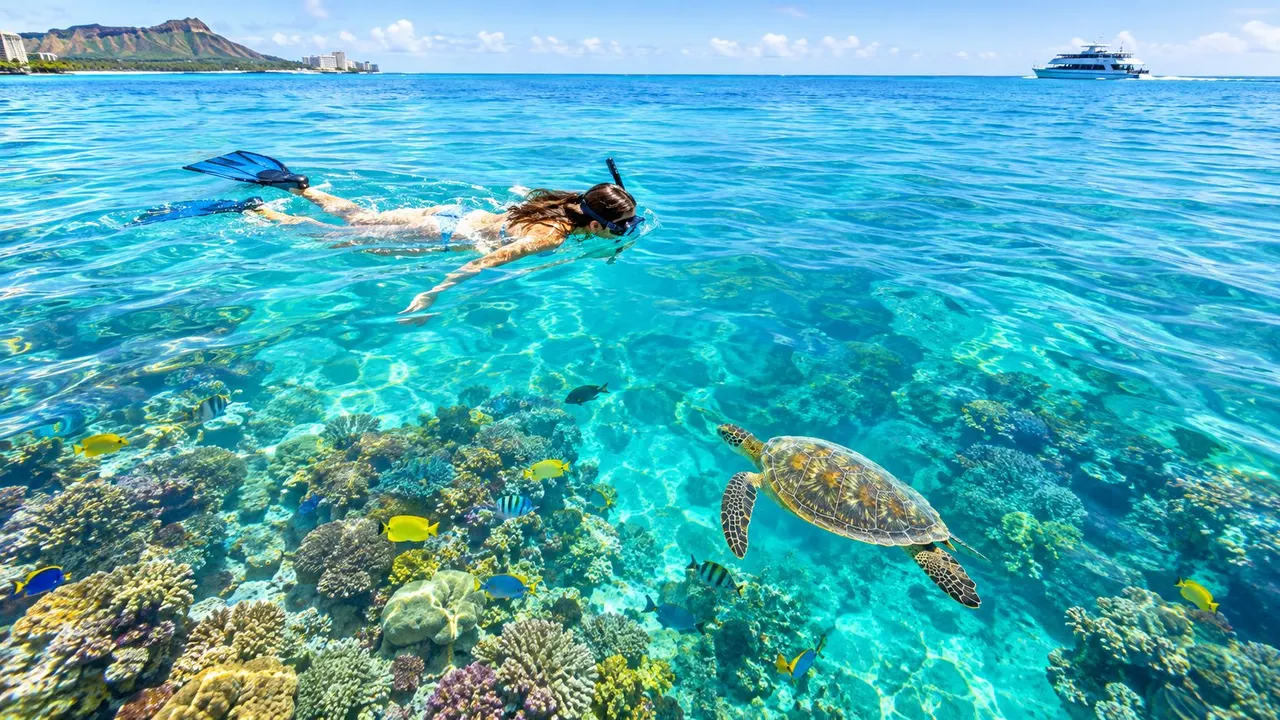
You've arrived in Waikiki, checked the weather, and found what looks like a perfect blue-water morning. The part most visitors don't see is that Honolulu snorkeling depends on timing as much as location. Wind can cloud the water, rain can change the safety picture near the Ala Wai Canal, and a famous site can feel very different when crowds fill the entry area.
From a local Oahu marine adventure operator's perspective, the best day isn't the day with the most sunshine. It's the day when your group's ability, the wind window, water clarity, crowding, and reef conditions all line up. This guide to Honolulu, United States snorkeling focuses on those decisions, so you can spend less time guessing from the beach and more time enjoying the water responsibly.
Why Snorkeling in Honolulu is an Unforgettable Experience
The ideal Waikiki morning starts. The trade winds are light, the surface has only a gentle texture, and the first few minutes are spent adjusting your breathing rather than fighting chop. Then a school of reef fish appears below, followed by the slow, unmistakable movement of a Hawaiian green sea turtle.
That combination is what makes Honolulu special. You can reach meaningful marine habitat without leaving the city, yet the experience still feels far removed from hotel towers and busy streets. A short swim or boat ride can put you above reef, beside tropical fish, or near an offshore wildlife site where conditions and animal behavior create a different encounter every day.
A city coastline with real marine variety
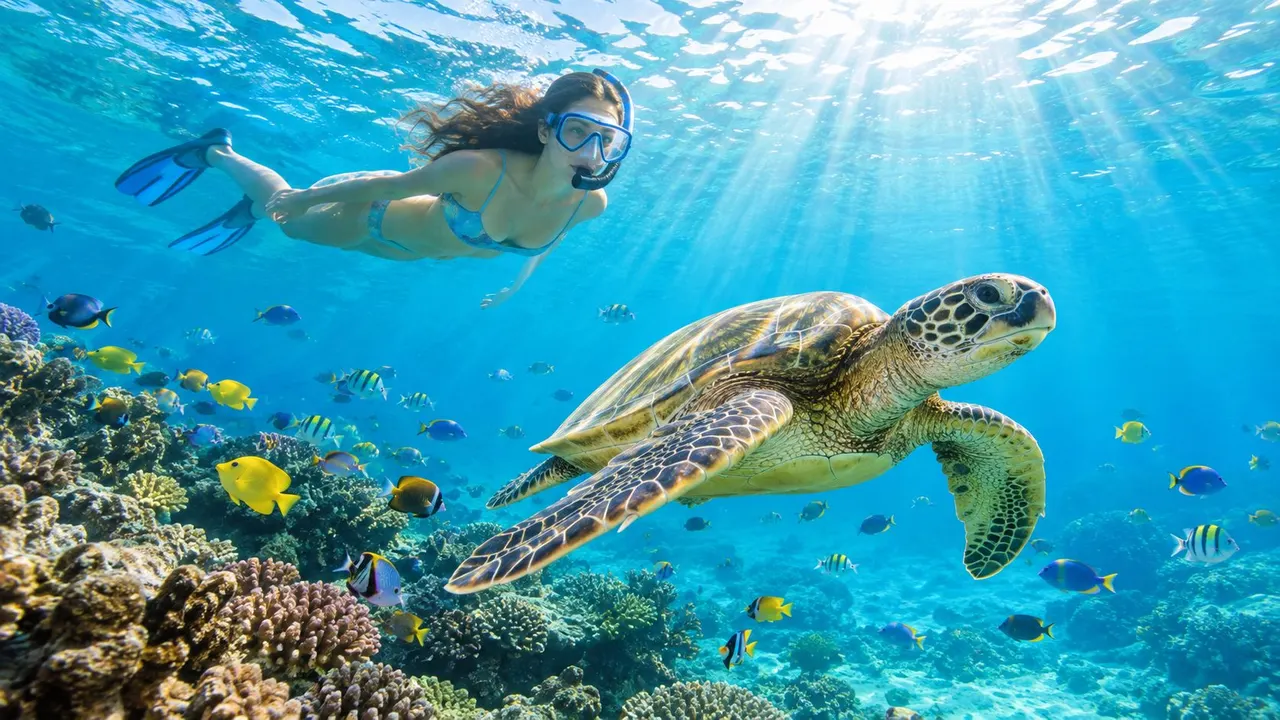
Oahu's appeal isn't limited to one famous bay. Waikiki offers accessible coastal water, while offshore reefs provide encounters that beach entry can't replicate. Turtle Canyon, for example, is built around a natural cleaning-station behavior, where reef fish groom Hawaiian green sea turtles as they rest and feed.
Statewide demand helps explain why snorkeling is such a defining Hawaii activity. The University of Hawai'i sourced overview reports that more than 80% of visitors participate in coastal and marine recreation, and estimates about 3 million snorkeling participants annually across the state. It contrasts that scale with roughly 200,000 scuba dives annually, showing why surface-level marine recreation remains central to the visitor experience (University of Hawai'i overview of Hawaii marine recreation).
Oahu's visitor patterns reflect that pull. In the 2024 Oahu Visitor Survey, 20.7% of visitors named beach, sunbathing, snorkeling, and swimming as a primary trip purpose, making it the second-most common purpose after dining (2024 Oahu Visitor Survey). The survey included 3,219 visitors, representing 2.5% of the 130,899 people who visited Oahu during July 1–31, 2024, according to the same report.
The magic comes from the contrast. You're close to Honolulu's energy, but underwater the pace is slower, quieter, and governed by wind, swell, tide, and wildlife rather than a sightseeing schedule.
Understanding Daily Snorkeling Conditions and Timing
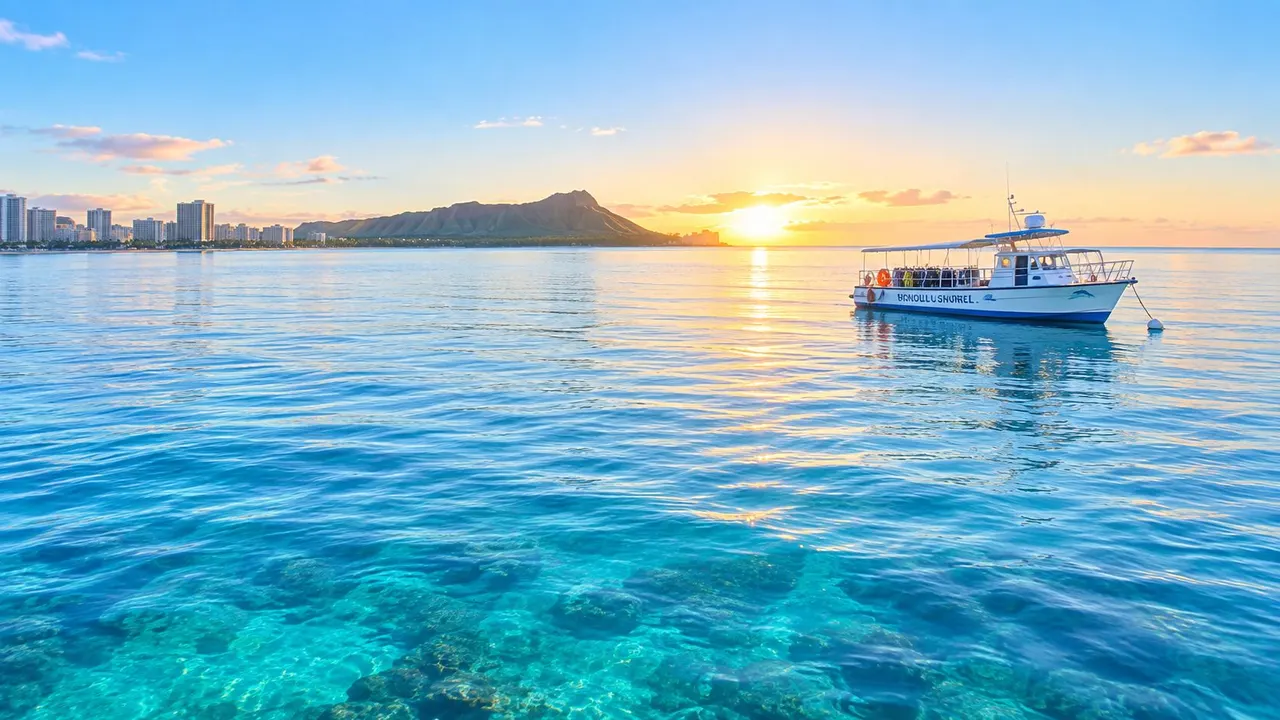
A sunny morning does not guarantee clear snorkeling. Around Waikiki, wind and short-period waves can stir sand, reduce visibility, and make an easy swim feel tiring. Early morning is usually the most dependable window because wind often builds later (Waikiki and Oahu snorkel conditions report).
Wind and swell are the first filters
A Waikiki Marine Life Conservation District report described good morning visibility, ENE trade winds around 10 knots, a 1–2 ft background swell, and low longshore drift. Conditions like these matter because even modest changes in wind or wave energy can quickly affect a beginner's comfort.
As trade winds reach 15–20 mph, visibility and safety may decline, while nearshore conditions can build to 2–4 ft (Honolulu snorkeling conditions and safety guidance). A confident swimmer may still manage the water, but children, nervous adults, and inexperienced snorkelers can end up handling surge instead of watching marine life.
Check the forecast before choosing your start time. For groups with beginners, light wind and small swell should take priority over a late, sunny departure.
Rain changes the plan
Rain matters most near the Ala Wai Canal. Runoff can cloud the water and increase bacterial exposure concerns, especially around open cuts or mucous membranes. Local guidance recommends staying out of the ocean for at least 72 hours after heavy rain and avoiding brown or murky water, even when the beach looks inviting (Honolulu snorkeling conditions and safety guidance).
Tide charts add useful context, but they cannot confirm that a site is safe. Tide level changes reef depth and affects how channels drain, while wind and swell determine how much movement you feel in the water. Low tide may expose shallow coral and make finning awkward, whereas a changing tide can strengthen flow through channels.
Review this practical Oahu snorkeling guide when comparing sites, then check the local conditions on the morning you plan to enter. Give crowded periods some thought as well. Earlier starts can mean calmer water and less congestion around popular entry points, with more room to observe wildlife without touching coral or blocking other swimmers.
Top Snorkeling Destinations Turtle Canyon and Beyond
Honolulu gives you two broad choices: shore-access snorkeling and boat-access snorkeling. Neither is automatically better. The right option depends on whether your group values independence and flexibility, or easier wildlife access with instruction and crew support.
Turtle Canyon is the clearest example of why boat trips can be worthwhile. The offshore reef sits about 15 boat minutes from Kewalo Basin and functions as a turtle cleaning station. Reef fish groom Hawaiian green sea turtles that gather there to feed and rest, and a good day can bring seven to ten turtles, along with rays, octopus, and occasional spinner dolphins (Turtle Canyon marine life overview).
Boat sites versus beach entry
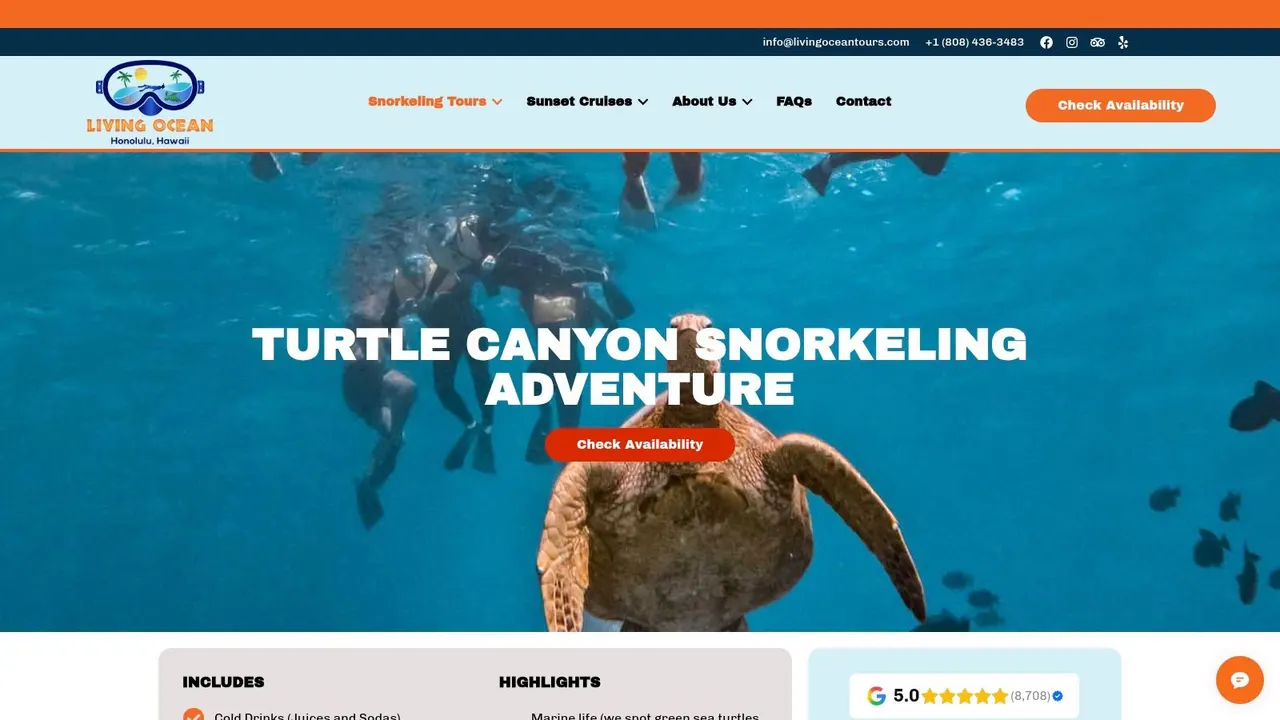
Turtle Canyon isn't reachable from shore. You can't swim, kayak, or paddle there independently, so a guided boat excursion is the normal access method. That limitation is also an advantage for many first-time snorkelers because the crew can explain entry technique, fit equipment, identify wildlife, and monitor the group in open-ocean conditions.
For a boat-based turtle outing, see the Turtle Canyon snorkeling experience. It's a strong fit for travelers who want a focused wildlife encounter rather than spending the morning testing several beach entries.
Shore sites offer a different kind of freedom. Queen's Beach, Kuhio Beach, and Sans Souci are described as beginner-friendly Waikiki snorkeling areas with relatively calm, easy-entry conditions and lifeguards (Waikiki turtle and snorkeling guide). They work well when one person wants a short swim, another wants to stay on the sand, or weather makes a boat trip less attractive.
Hanauma Bay brings scenery and protected marine habitat, but crowding can shape the experience. Independent guidance notes that the bay can be busiest around 9 a.m.–2 p.m., and that specific channels may produce strong rip currents, particularly at low tide (Hanauma Bay visitor and safety guidance). Don't choose it only because it's famous. Choose it when your group can manage the access logistics, follow posted warnings, and avoid channel areas.
Essential Gear and What to Pack for Your Trip
The best snorkeling gear is the gear that fits properly and lets you relax. A leaking mask, loose fins, or missing sun protection can turn a calm outing into a tiring one before you've had a chance to look beneath the surface.
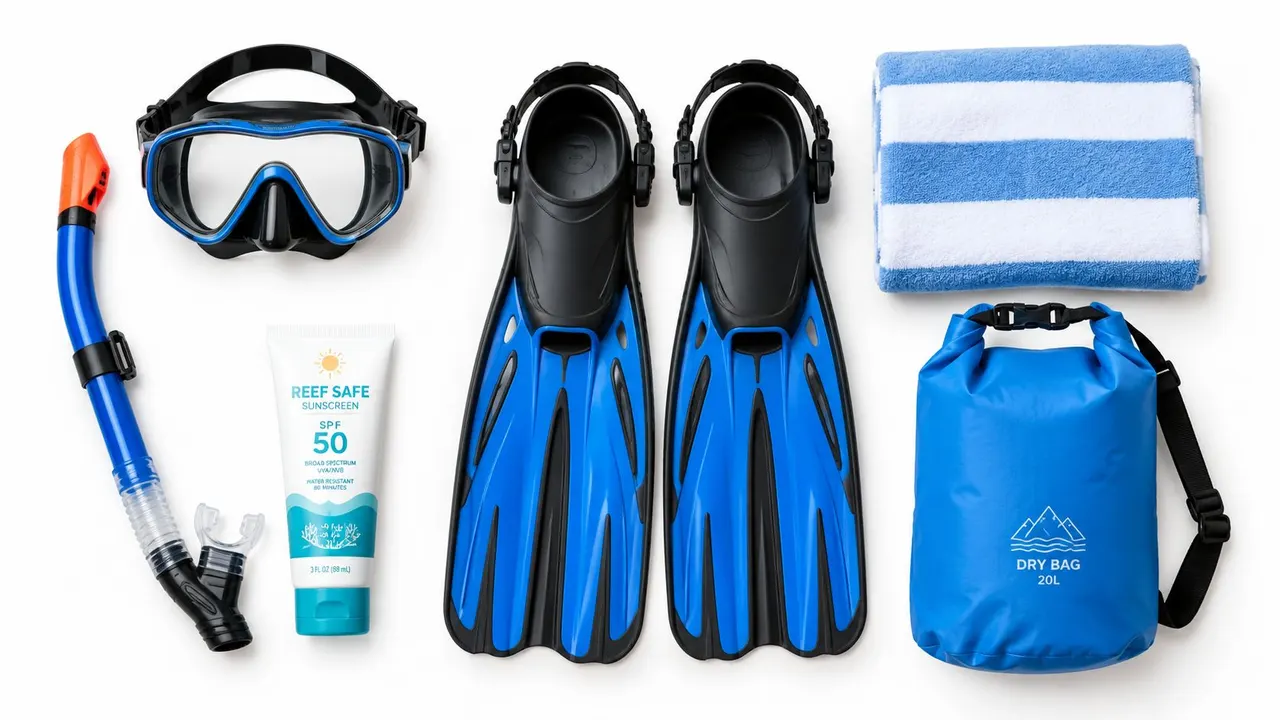
Pack for comfort first
Use this checklist before leaving your hotel:
- Mask: A well-sealed mask improves visibility and prevents constant adjustments. If you own one that fits your face, bringing it can be worthwhile.
- Snorkel: Choose a comfortable mouthpiece and check that the tube sits naturally without pulling the mask sideways.
- Fins: Correct sizing matters more than stiffness. Fins that rub can create blisters and make every kick less efficient.
- Rash guard: Long sleeves reduce sun exposure and can make a long surface swim more comfortable.
- Reef-conscious sunscreen: Apply it before arriving and use clothing for additional coverage. Avoid touching coral while applying or adjusting gear in shallow water.
- Flotation: A flotation vest helps beginners conserve energy and stay relaxed, especially when small waves or current create extra work.
- Water and dry storage: Bring drinking water and a dry bag for keys, phones, and cards.
Rental equipment is useful when you're traveling light, but fit still needs checking before entering the water. Ask staff to help adjust straps, test the seal, and confirm that fins don't pinch.
For a more detailed preparation checklist, use this Oahu snorkeling packing list. Pack a towel, change of clothes, waterproof bandages, and any personal medication your group may need. Small preparation choices matter more than bringing expensive equipment.
Safety Guidelines and Marine Conservation Rules
Responsible snorkeling begins with accepting that the ocean isn't a swimming pool. Conditions can change while you're in the water, and calm-looking surface water may still demand more effort than a beginner expects.
Use a buddy system, keep the shoreline or boat in sight, and leave the water before fatigue becomes a problem. If breathing feels difficult, your mask keeps leaking, or surge repeatedly pushes you off balance, signal for help and exit early. A successful outing ends with energy left for the rest of your day.
Protect wildlife by giving it space
Hawaiian green sea turtles are wild animals, not interactive attractions. Don't touch, chase, block, ride, or surround them. Let the turtle choose its direction, and keep your movements slow enough that you don't force it away from a resting or feeding area.
Coral requires the same restraint. Never stand on, kick, or hold reef structure, even when a shallow patch makes it tempting to put your feet down. Coral is living habitat, and a single careless step can damage the surface that fish and other organisms depend on.
The safest wildlife encounter is the one where the animal's behavior doesn't change because you're there.
Know where protections apply
The Waikiki Marine Life Conservation District was established in 1988 and covers 76 acres, extending from the Kapahulu Groin seawall to the historic Waikiki Natatorium (Waikiki Marine Life Conservation District overview). The district's boundaries matter because protections and permitted activities can differ sharply within a short distance.
Follow posted rules, stay clear of restricted areas, and listen to lifeguards and crew instructions. For turtle-specific guidance, review these Hawaii turtle snorkeling rules.
After rain, follow the 72-hour waiting guidance described earlier, especially if runoff has made the water cloudy. Cover open wounds with waterproof bandages, and don't enter water that looks brown or contaminated. Reef stewardship isn't separate from personal safety. Clearer water, calmer behavior, and less contact with the bottom protect both your group and the habitat.
Why Choose a Guided Tour from Living Ocean Tours
A beach entry gives you control over your schedule, but it also leaves you responsible for judging the site, fitting gear, tracking fatigue, and identifying wildlife on your own. A guided trip trades some independence for structure, local knowledge, and a crew that can adapt the outing to the day's conditions.
Living Ocean Tours is described as the top rated and most reviewed snorkel company on Oahu. Its Honolulu trips include gear, instruction, and guided snorkeling near Waikiki, with the Turtle Canyons Snorkel Excursion focused on the offshore cleaning-station experience. The Turtle Canyons Snorkel Excursion is a practical choice for families and first-time snorkelers who want help in the water rather than being dropped at a reef.
Match the trip to your group
The Turtle Canyon outing suits travelers whose priority is turtles and offshore reef life. Guides can help guests find a comfortable rhythm, identify fish, and maintain respectful viewing distances while the boat handles the access problem.
For multi-generational groups, the Deluxe Waikiki Snorkel and Wildlife Cruise adds a two-story waterslide, water trampoline, and lily pad. That creates a useful split: strong swimmers can snorkel, while less confident guests or children can enjoy the boat without needing to stay in the water continuously. Travelers comparing operators can also consider Snorkel Turtle Canyon as a great alternative for a turtle-focused outing.
The advantage of a reputable guided trip is decision support. A good crew doesn't promise that every day will look identical. They explain the conditions, set realistic expectations, encourage early exits when someone tires, and keep wildlife viewing from becoming a crowded chase.
Planning Your Perfect Honolulu Snorkeling Adventure
Start with the day, not the attraction. Check wind, swell, rainfall, and any local advisories before deciding whether your group should enter from shore or join a boat. If the water is murky after heavy rain, postpone rather than trying to rescue a disappointing plan with optimism.
Next, match the access method to the people traveling with you. Beach entry works well for flexible schedules and short swims, especially around beginner-friendly Waikiki beaches. Boat snorkeling makes more sense when your group wants Turtle Canyon, prefers crew support, or includes guests who'll benefit from instruction and flotation.
A simple planning sequence
- Choose the calmest usable window. Early morning generally offers the clearest conditions before wind-driven mixing increases.
- Check the recent rainfall. Respect the 72-hour guidance after heavy rain and avoid visibly discolored water.
- Assess your group. Nervous swimmers should use flotation and buddy support, not rely on confidence alone.
- Select the site. Use protected or easy-entry coastal areas for a short family swim, and choose a guided boat excursion for offshore wildlife locations.
- Prepare the reef-safe routine. Keep your feet off coral, give turtles room, and leave the water before fatigue affects judgment.
The Honolulu snorkeling planning guide can help you compare trip styles and prepare for a Waikiki departure. Reserve guided outings early when your schedule is tight, but keep flexibility for weather-related changes. The best Honolulu snorkeling day is the one that respects both the forecast and your limits.
Living Ocean Tours offers guided Waikiki snorkeling with equipment, instruction, and crew support, including access to the Turtle Canyons cleaning station and family-friendly wildlife cruises. Visit Living Ocean Tours to choose a Honolulu snorkeling experience that fits your group and plan your time on the water around real conditions.


