
Hawaii Turtle Tours Honolulu HI: 2026 Snorkel Guide
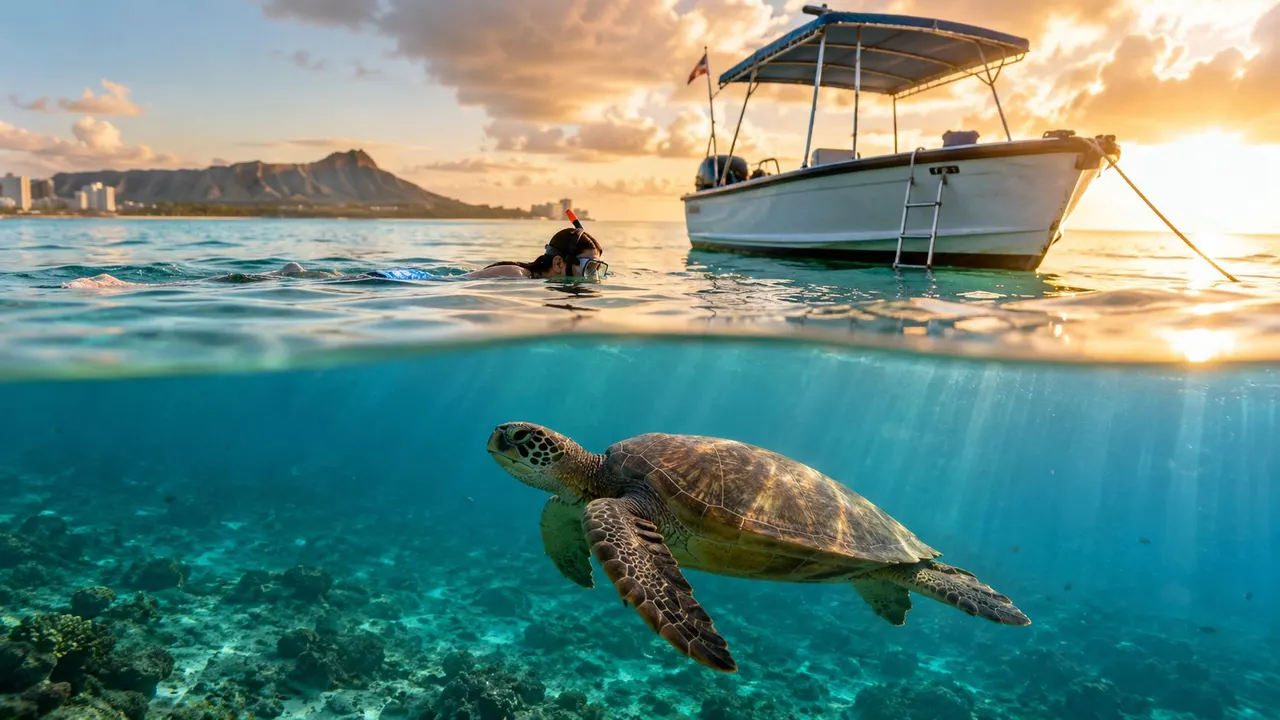
You're probably in the same spot most Honolulu visitors hit at some point. You've seen the photos, your kids or partner have already said they want to swim with turtles, and now you're trying to figure out what's real, what's safe, and what kind of tour makes sense if you're staying near Waikiki.
That's where most of the confusion starts. “Turtle tour” can sound like a casual beach activity, but in Honolulu it usually means something much more specific. The reliable trips are boat-based snorkel excursions that head offshore to a known turtle habitat, and that difference matters. It changes the experience, the comfort level, and how responsibly you interact with wildlife.
If you want the short version, the most dependable Hawaii turtle tours in Honolulu HI are the ones that take you by boat to Turtle Canyon, set expectations clearly about the open-water setting, and help you see turtles without crowding or disturbing them.
Dreaming of Sea Turtles in Honolulu
The version often imagined is simple. Warm trade winds, blue water off Waikiki, and a honu cruising below the surface like it owns the whole Pacific.
That picture is real, but the way you get there matters. In Honolulu, the difference between “we hope we see one” and “that was the highlight of the trip” usually comes down to choosing a guided offshore tour instead of relying on a random beach encounter.
From a captain's point of view, that's why turtle tours are so popular around Honolulu. You leave the city behind for a couple of hours, get a completely different view of Waikiki from the water, and spend your time in an area where turtles are known to show up for a specific reason, not by luck.
Practical rule: If your goal is turtle viewing, don't judge the trip by how close it is to your hotel. Judge it by whether the operator is built around safe offshore access, clear snorkel support, and respectful wildlife practices.
Families tend to do well on these trips because the outing is manageable. Couples like them because they feel like a real ocean experience without taking up the whole day. First-time snorkelers usually come away surprised that the right crew can make open-water snorkeling feel much less intimidating than they expected.
A good Honolulu turtle tour gives you more than a sighting. It gives you context. You start to understand why the turtles are there, how to stay calm in the water, and how to enjoy the encounter without turning it into a wildlife mistake.
What Exactly is a Honolulu Turtle Tour
A Honolulu turtle tour isn't just a boat ride with a chance of seeing marine life. It's a targeted trip to a specific offshore habitat where Hawaiian green sea turtles regularly gather.
Most visitors hear “Turtle Canyon” and assume it's a marketing name. It is indeed the center of the experience.
Why Turtle Canyon works
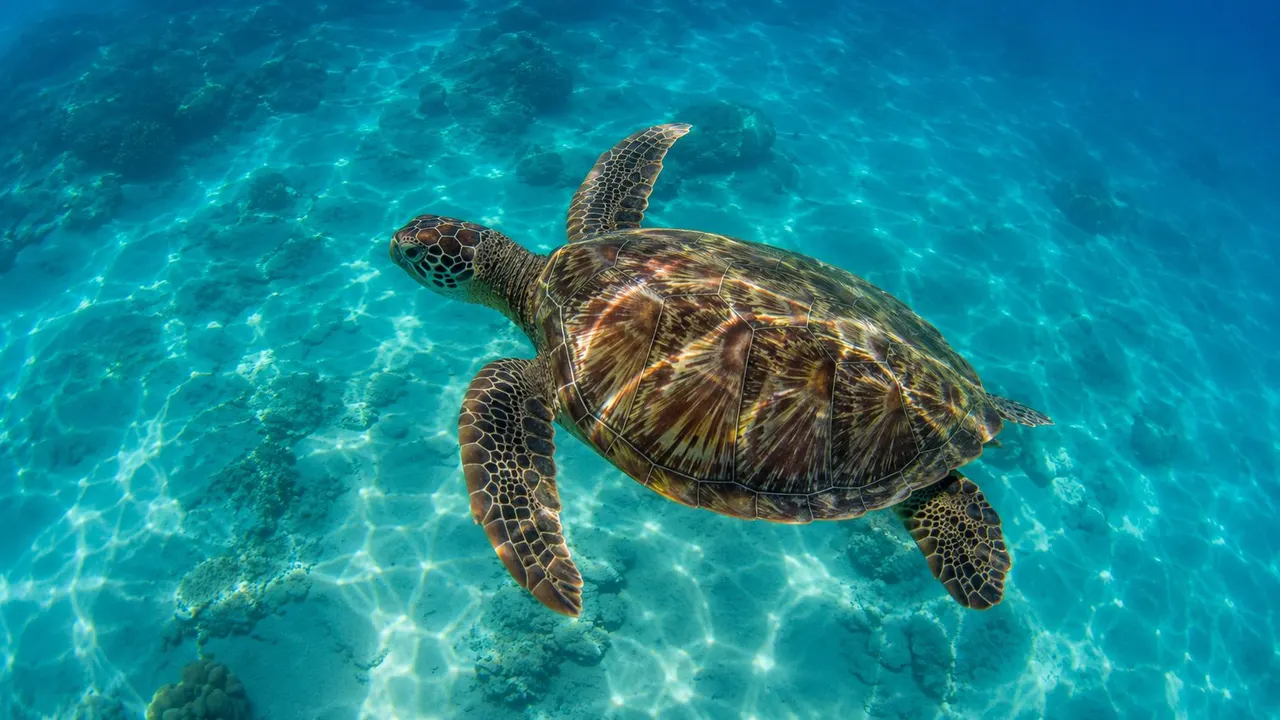
Turtle Canyon is an offshore reef system about 2.5 miles southwest of Waikiki and it's only reachable by boat. What makes it reliable is that it acts as a natural cleaning station, where reef fish remove algae from turtles' shells, which is why guided sightings there are so consistent according to this Turtle Canyon location guide.
That cleaning-station behavior is the key. You're not heading out to search a giant stretch of empty ocean. You're going to a place where turtles have a repeatable reason to visit.
If you want a useful comparison between this offshore setup and easier nearshore snorkeling, this Turtle Canyon vs Waikiki snorkeling guide is worth reading before you book.
Why boat tours beat random shore attempts
Shore snorkeling has its place. If your goal involves getting in the water and looking around, a beach entry can be fun and low-pressure. But if your goal is turtles in Honolulu, shore attempts are usually less predictable and often more chaotic.
A proper turtle tour is structured around a few things that shore days can't match as easily:
- Access to the right habitat: Boats reach the offshore cleaning-station area directly.
- Better use of time: You spend the trip going to a known turtle zone rather than guessing from shore.
- Crew support: Captains and snorkel guides help with entry, gear, and spacing in the water.
- Cleaner expectations: Guests know whether they're signing up for deep blue water, a shallow reef, or a mixed wildlife cruise.
That's the practical answer to what a Honolulu turtle tour is. It's not a generic ocean activity. It's a short, focused wildlife trip built around one of the most dependable turtle-viewing sites near Waikiki.
Inside a Turtle Canyons Snorkel Excursion
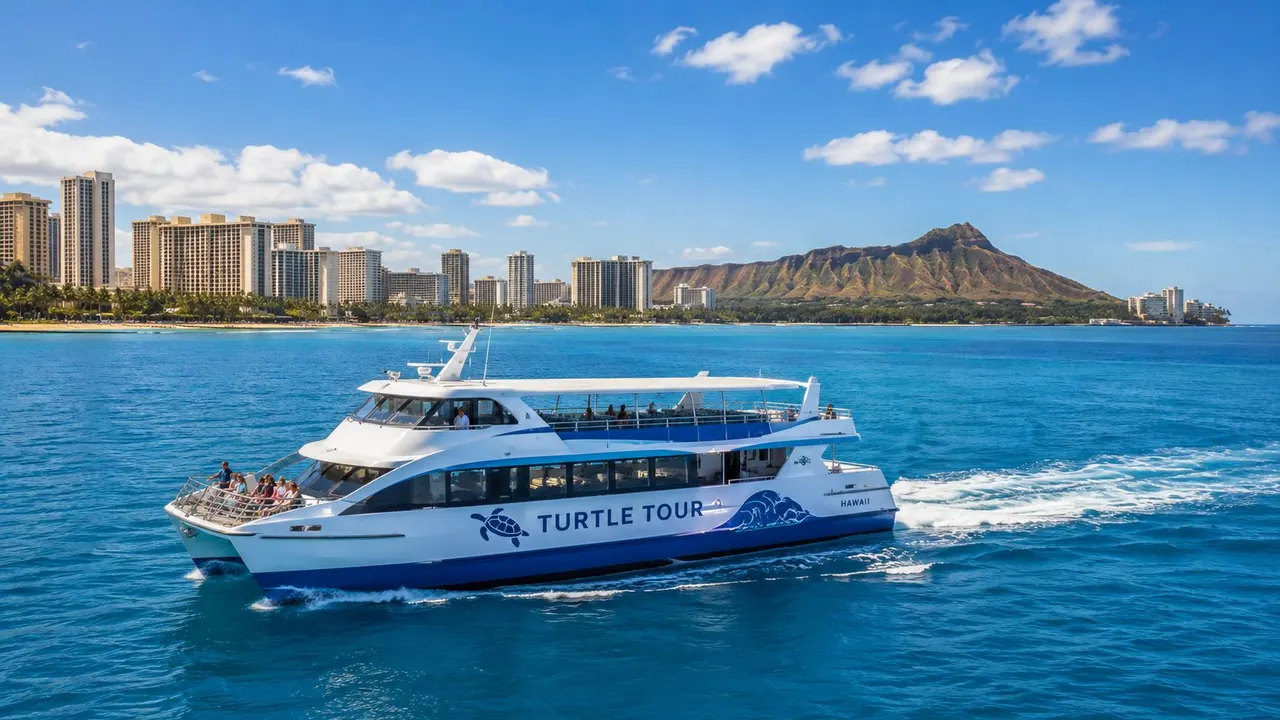
The feel of a Turtle Canyons trip starts before anyone gets in the water. You leave the harbor, the city skyline starts to open up behind you, and Diamond Head looks different from the ocean than it ever does from the street.
That ride out is part of why people remember these trips so well. Honolulu fades into the background fast once you're offshore.
What the ride out feels like
Most turtle excursions in this area are short enough that they fit easily into a vacation day, but they still feel like a real boat trip. You get the breeze, the salt spray, and that moment when the captain throttles back over the site and everyone starts scanning the water.
A lot of guests expect a shallow coral garden. Turtle Canyon usually isn't that.
What surprises first-time guests
The biggest thing families should understand is depth. Independent material on Turtle Canyon notes that the site is often deep, with water reported over 30 ft, and that it functions more like a turtle cleaning station than a shallow reef. That's important context because the main question isn't only where the turtles are, but whether your group is comfortable in that open-water setting, as noted in this independent Turtle Canyon video overview.
That doesn't mean beginners can't do it. It means the experience feels different than standing in waist-deep water over sand.
The guests who enjoy Turtle Canyon most are usually the ones who know what they're signing up for. Open water. Blue beneath you. Turtles below, not next to your knees.
If you want a closer look at how operators frame the experience, this Oahu Turtle Canyon snorkeling page gives a useful overview of the excursion style.
What a good in-water experience looks like
Once you're in, the best move is almost always the same. Settle your breathing. Float first. Then start looking down and outward instead of kicking hard and chasing movement.
At a cleaning station, turtles often appear in a calm, deliberate way. You may see one gliding under the group, another resting lower on the reef, then one rising for air before dropping back down. The site rewards patience more than speed.
A solid excursion usually feels like this:
- Clear briefing before entry: You know where to enter, where to stay, and what the guide expects.
- Calm first minutes: The crew gives nervous snorkelers time to adjust their mask and breathing.
- Guided spacing: People spread out enough to watch turtles without bunching up on top of each other.
- Wildlife on the turtles' terms: You observe movement patterns instead of trying to force a close encounter.
One option in this category is Living Ocean Tours' Turtle Canyons Snorkel Excursion, which is built around this offshore Waikiki turtle-viewing format.
Honoring the Honu Responsible Viewing Guidelines
People usually mean well around sea turtles. The problem is that excitement makes visitors drift too close, swim after them, or treat the encounter like a photo opportunity first and a wildlife interaction second.
That's exactly what you want to avoid.
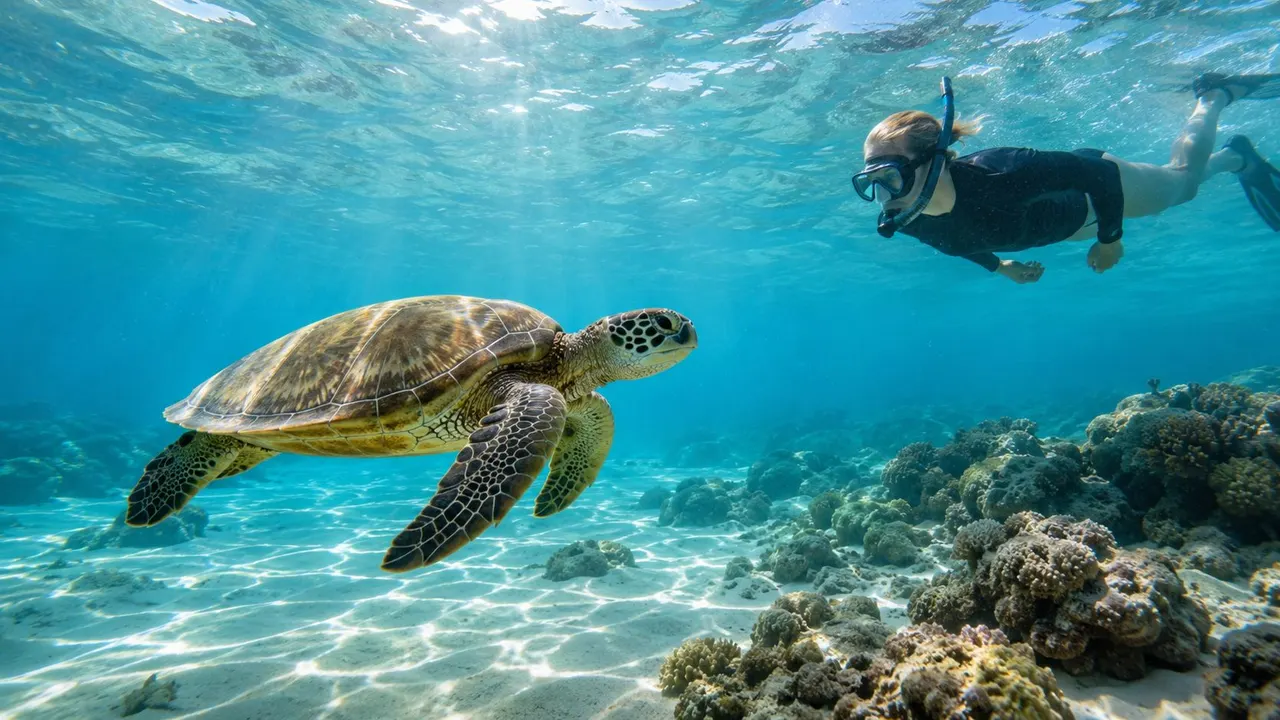
The rule that matters most
Hawaiian green sea turtles are a protected species in U.S. waters. Federal guidance says people must stay at least 10 feet away, and touching or chasing turtles is illegal, according to this Oahu turtle snorkeling guide.
That legal standard isn't just red tape. It's what keeps a popular wildlife experience from becoming harassment.
These animals can live a long time and return to the same resting or foraging areas over time. When swimmers crowd them, block their path, or force them to change course, the animal pays for a moment that the visitor gets to walk away from.
Why guided tours help
A good guide does more than point and yell “turtle.” The crew helps keep the group positioned so the animal has room, the guests stay calm, and nobody feels pressured to get the shot that breaks the rules.
If you want a useful primer before your trip, this Turtle Canyon etiquette guide lays out the right mindset.
Here's what respectful viewing looks like in practice:
- Hold your line: If a turtle changes direction, let it. Don't pivot and follow.
- Stay on the surface: Diving down toward a turtle often feels aggressive from the animal's perspective.
- Give space at surfacing time: Turtles need clear room to come up and breathe.
- Watch your fins: A lot of accidental crowding happens because swimmers back-kick without realizing how close they've drifted.
Keep this in mind: The best turtle encounter often feels almost quiet. You float, the turtle moves naturally, and nobody in the group tries to control the moment.
That's the standard worth looking for when you compare Hawaii turtle tours in Honolulu HI. If the operator treats wildlife distance like an inconvenience, keep shopping.
Tips for Families and First-Time Snorkelers
The question I hear most from parents isn't “Will we see turtles?” It's “Will my family feel comfortable out there?”
That's the right question. Comfort drives everything once you're in the water.
How to know if this is the right fit
Typical Turtle Canyon excursions are about 2.0 to 2.5 hours dock-to-dock, with the snorkeling portion often around 45 to 75 minutes, and operators commonly include flotation support, guided instruction, and safety briefings to lower the barrier for first-time snorkelers according to this overview of Oahu turtle snorkeling tours.
That structure works well for beginners because it removes a lot of the friction. You're not figuring out gear alone. You're not making a long ocean crossing. You're not spending all day in the sun.
For family-focused planning, this Oahu family snorkeling guide is a practical place to start.
A turtle tour is usually a good fit if your group can say yes to most of these:
- Open water is acceptable: You don't need to love deep water, but you shouldn't expect a shallow standing area.
- Kids follow direction well: Listening on the boat and during entry matters.
- You're okay using flotation: Strong swimmers use flotation too. There's no downside.
- Your goal is wildlife, not free swimming: The outing is centered on turtle viewing and guided snorkeling.
What to bring and what to expect
First-timers usually overpack and underprepare in the wrong places. Keep it simple.
Bring the basics:
- Swimwear you can move in
- A towel and dry clothes
- Sun protection that won't leave you miserable after the ride back
- Any personal items your child needs to stay relaxed on a boat
What matters more than gear is your first five minutes in the water. Most nervous snorkelers improve fast once they stop trying to swim hard and just float with support.
Parents do well when they frame the trip as “float and look” instead of “go snorkel like an expert.”
If your family wants a broader snorkeling outing rather than a turtle-only focus, the Deluxe Waikiki Snorkeling and Wildlife Cruise adds extra onboard fun that some kids enjoy.
Booking Your Tour Best Times and Insider Advice
Timing matters less for the turtles than most visitors think. The bigger booking mistake is waiting too long to reserve a trip that matches your group's comfort level and schedule.
If turtle viewing is high on your list, book around the day that works best for your family's energy, not around a mythical perfect season.
How to choose your day
Tour descriptions for Honolulu operators commonly place Turtle Canyon outings at about 2 to 2.5 hours dock-to-dock, and independent guide content reports that guided trips often see about 4 to 6 turtles per excursion, which is part of why these tours have become such an accessible marine activity for first-timers and families according to this Honolulu turtle snorkeling guide.
That short format makes turtle tours easy to slot into a vacation day. Morning works well for families with younger kids. Mid-trip days often work better than arrival day, when everyone is still tired and disorganized.
If you're trying to compare departure windows, this Turtle Canyon departure times guide helps narrow the choice.
What to look for before you book
Use these filters when you compare operators:
| What to check | Why it matters |
|---|---|
| Departure location | Easier harbor access makes the day smoother, especially with kids or grandparents. |
| Clear site description | You want honesty about open-water depth and the type of snorkeling involved. |
| Beginner support | Look for flotation, briefings, and in-water help. |
| Wildlife rules | Responsible operators talk about spacing and behavior around turtles before the trip starts. |
The author brief also notes that Living Ocean Tours is the top rated & most reviewed snorkel company on Oahu.
If you're visiting in winter and want a separate wildlife outing, a Waikiki whale watching tour can pair well with a turtle snorkel day.
Your Honolulu Turtle Adventure Awaits
The best part of a Honolulu turtle trip isn't just the moment you spot the first shell below you. It's the full mix of the day. The boat ride out. The skyline behind you. The quiet shift that happens when everyone gets in the water and starts paying attention to something other than their phones.
That's why guided offshore turtle tours work so well for visitors. They combine logistics, wildlife access, and safety in a way that makes the experience feel smooth instead of stressful. You get a realistic shot at seeing turtles, and you do it in a format that respects the animals and gives your group support where it counts.
For some travelers, the right move is a short turtle-focused excursion. For others, it's a broader snorkel cruise or even a private charter where the pace feels more personal. The key is choosing the trip that matches your group honestly, especially if anyone is new to snorkeling or unsure about deep water.
Done right, Hawaii turtle tours in Honolulu HI create the kind of memory people talk about long after the vacation ends. Not because it was flashy, but because it felt real.
If you want a Honolulu-based operator with turtle snorkeling, wildlife cruises, sunset sails, whale watching, and private charters, take a look at Living Ocean Tours. They depart from Kewalo Basin near Waikiki and offer guided ocean experiences built around safety, straightforward instruction, and responsible wildlife viewing.


