
Oahu Turtle Snorkeling Tours: A 2026 Visitor’s Guide
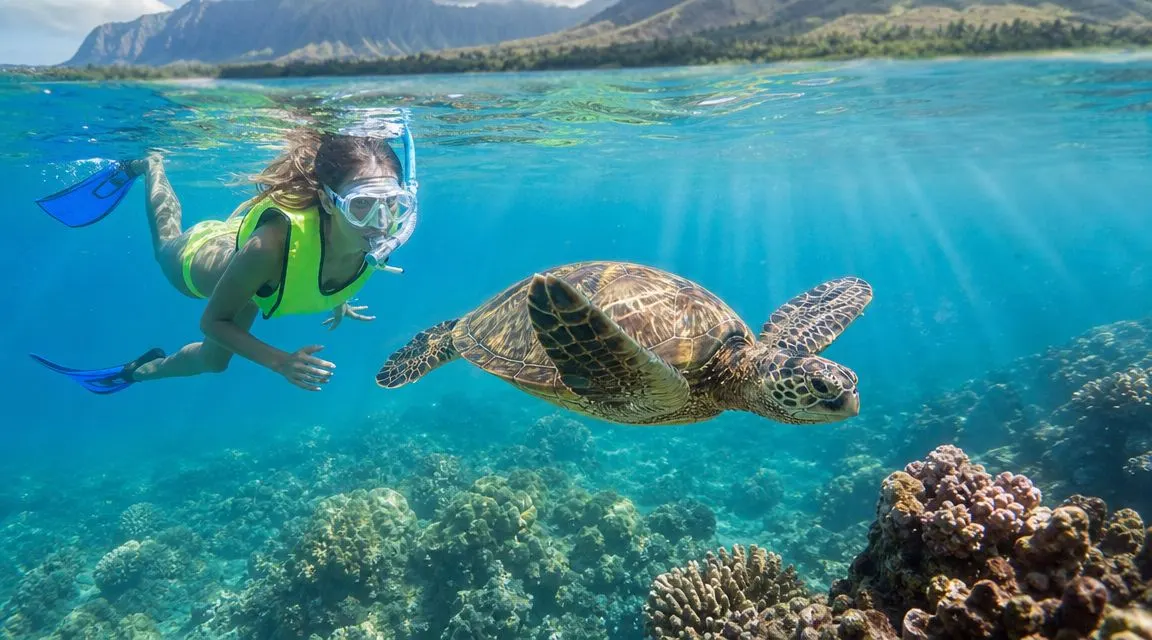
You're probably in one of two camps right now. Either you're staying in Waikiki and trying to figure out whether an Oahu turtle snorkeling tour is worth booking, or you're traveling with kids, parents, or a nervous first-time snorkeler and want the honest version before you commit.
That's the right question to ask. Turtle snorkeling off Oahu can be fantastic, but it's not the same as wading off a calm beach with a mask and hoping for the best. The most reliable turtle encounters happen offshore, on guided trips built around safety briefings, flotation, timing, and respectful wildlife viewing. For families and beginners, that structure is usually what turns a stressful outing into a fun one.
Why Guided Tours Are Best for Turtle Sightings
Most visitors picture sea turtles the same way. Calm blue water, a few easy kicks, and suddenly a honu glides past below you. That kind of moment does happen on Oahu, but the reason it happens so consistently on tours is location, not luck.
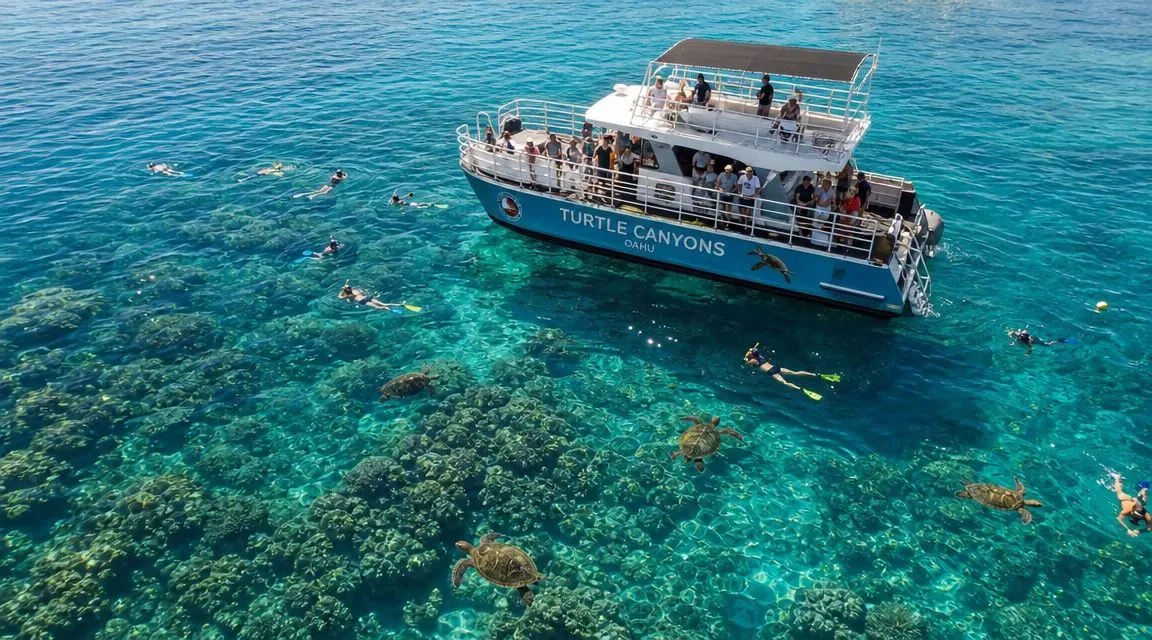
Turtle Canyon is the reason
Turtle Canyon works because it's a natural cleaning station for Hawaiian green sea turtles. That behavior keeps turtles returning to a predictable nearshore area, which is why guided trips report sighting rates as high as 99% and groups often see 3 to 5 turtles on a trip, according to Living Ocean Tours' Turtle Canyon overview.
That predictability changes everything. A beach snorkel asks you to guess where turtles might be. A boat tour takes you to a spot where turtles already have a reason to show up.
Why you can't get the same experience from shore
Turtle Canyon has become the core Oahu turtle snorkeling site because it's an offshore reef that can only be reached by boat. Waikiki departures typically take about 10 to 20 minutes, and most guided excursions last about 2 hours, as described by Turtle Canyon Oahu tour information. That short run from the harbor is one reason these trips work so well for first-timers and families staying near Waikiki.
Practical rule: If your main goal is seeing turtles in the water, don't build your plan around shore luck. Book a boat that goes straight to the known reef.
You can browse more offshore options through Oahu snorkeling tours near Waikiki, but the key point is simple. The guided tour isn't just transportation. It's access to the part of the reef where turtle behavior makes sightings far more dependable.
What works better than “just going early”
People often assume timing is the whole game. Timing matters, but access matters more. Crews who run these routes every day know how to line up the short boat ride, safety setup, entry point, and group pace so guests spend their energy in the right place instead of searching wide stretches of coastline.
What doesn't work as well is treating turtle snorkeling like a casual beach add-on. If you want reef fish, a swim, and a nice morning, shore snorkeling can be great. If you want the strongest chance of seeing turtles, guided Oahu turtle snorkeling tours are built for that exact outcome.
What to Expect on a Turtle Snorkel Tour
First-time guests usually want a realistic timeline. That's smart. Knowing how the trip flows helps you plan for kids, older relatives, motion sensitivity, and your own energy level.
The trip has a clear rhythm
Turtle Canyon snorkel excursions off Waikiki are typically 2 to 2.5 hours dock-to-dock, with the in-water portion commonly around 45 to 75 minutes, based on this breakdown of Turtle Canyon tour timing. That setup gives operators enough time for transit, a safety talk, and guided snorkeling without stretching the day so long that newer swimmers get worn out.
In practical terms, the outing usually feels like this:
- Check in at the harbor. Arrive with enough cushion that you're not rushing onto the boat.
- Boat ride out. The run offshore is short, and this is when guests get settled.
- Safety briefing and gear fit. This part matters more than people think. A well-fitted mask and a clear explanation of how to breathe and float can make the whole trip easier.
- Snorkel time. Once in the water, the focus is steady, relaxed observation rather than fast swimming.
- Return to the dock. Most guests are back before the trip starts to feel long.
If you want to get familiar with departure logistics ahead of time, Turtle Canyon check-in details help remove some guesswork.
The in-water portion is shorter than many people expect
That's not a downside. It's usually the right amount. New snorkelers often imagine they want a long session, but in open ocean, participants are often happier with a focused window in the water and a structured pace.
A good turtle tour leaves people excited, not drained.
For families, that shorter in-water span is often the sweet spot. Kids stay engaged. Grandparents don't feel trapped in a long marine excursion. People who are trying snorkeling for the first time get a real experience without feeling like they've signed up for an endurance swim.
What the crew is trying to manage
A solid crew is balancing several things at once:
- Comfort in open water
- Safe entries and exits
- Wildlife viewing without crowding animals
- Group spacing so beginners don't feel rushed
What works is listening closely during the briefing and being honest about your comfort level. What doesn't work is pretending you're more confident than you are. If you tell the crew you're new, they can usually help you have a much better time from the start.
Choosing Your Perfect Oahu Snorkel Adventure
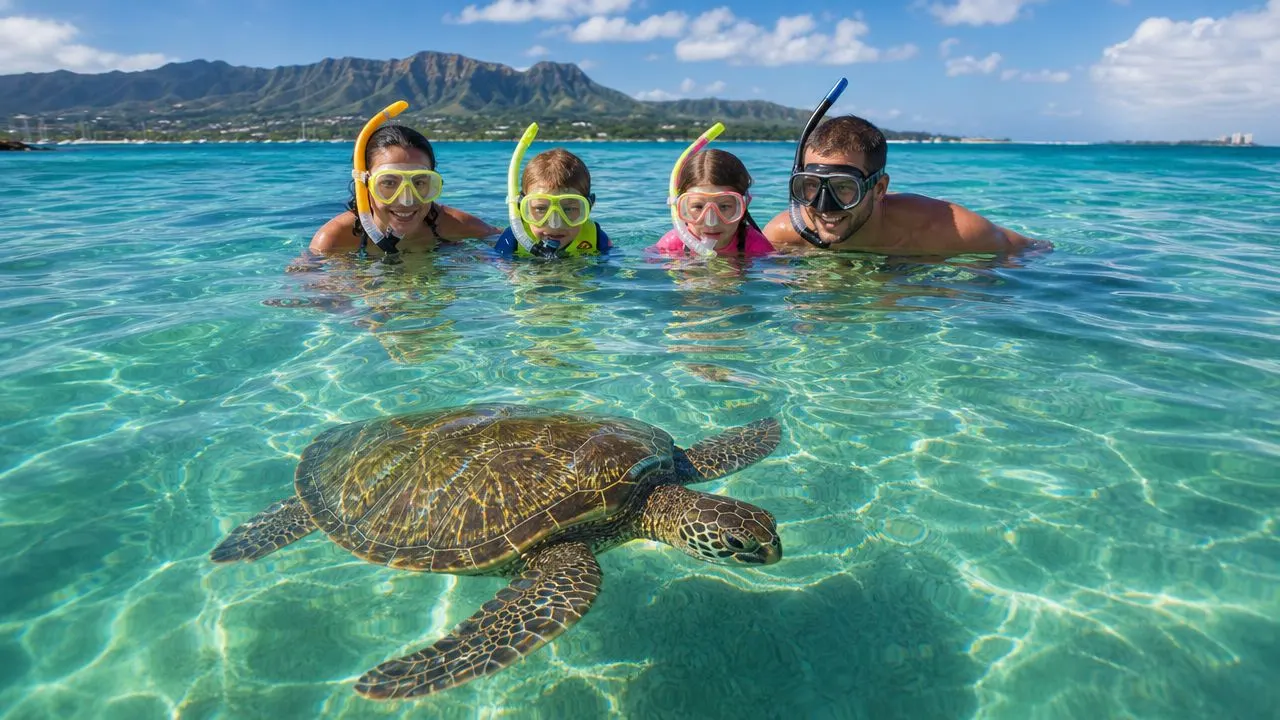
The right tour depends less on the turtle photo you hope to get and more on how your group handles boats, open water, and time on the ocean.
Some visitors do best on a shorter, focused Turtle Canyon trip. Others have a better day on a broader snorkel cruise where one person can snorkel, another can stay aboard, and nobody feels pressured to spend the whole outing in the water. That difference matters a lot for families with younger kids, grandparents, or one nervous first-timer in the group.
A Turtle Canyon style tour usually fits groups who want a clear plan. Check in, ride out, snorkel with supervision, and head back before the day starts to drag. That works well for beginners who want structure, for families trying to avoid a long half-day commitment, and for visitors who mainly care about seeing honu without turning the trip into an all-day boat excursion.
A broader cruise can be the smarter choice when your group has mixed comfort levels. One parent may want the full snorkel experience while another adult prefers to stay dry with a child who changes their mind at the last minute. If that sounds like your crew, it helps to compare the different Oahu snorkeling tour options for families and beginners before booking.
What to compare before you choose
Look past the headline promise and ask practical questions:
- How much of the trip is actual snorkel time? New snorkelers often enjoy a shorter in-water session more than a long one.
- What happens if someone is not comfortable once you arrive? Good tours have a clear onboard option for non-swimmers or nervous guests.
- How large is the group? Smaller groups usually mean more direct crew attention during entry, exit, and the first few minutes in the water.
- What kind of boat is it? For some families, the boat ride itself is easy and fun. For others, stairs, motion, and boarding are the main deciding factors.
- Is the outing built around one snorkel stop or a more relaxed boat day? That affects how much flexibility your group has.
One quick captain's tip. If anyone in your group says, “I want to come, but I'm not sure I want to get in,” do not treat that as a small detail. Choose a tour where staying onboard is still part of a good day, not a disappointment.
Two good fits, for two different kinds of groups
A focused turtle snorkel trip is often the better pick for visitors who want a simple plan and a shorter commitment. A larger or more flexible cruise is often better for mixed groups who want options beyond a single in-water session.
Neither format is automatically better. The better choice is the one your least confident guest can still enjoy. That is usually the decision that turns a stressful outing into a fun family memory.
The Living Ocean Tours Difference
A good turtle tour company does more than run a boat to the reef. It sets expectations clearly before you leave the dock, helps beginners feel steady in the water, and gives families a plan if one person decides snorkeling is not for them after all.
When visitors ask about local operators near Waikiki, Living Ocean Tours often comes up because they offer both a dedicated turtle trip and a broader family-oriented snorkel cruise. That matters for groups that are not all looking for the same day. Some guests want a shorter, turtle-focused outing. Others want more flexibility, especially if they are bringing younger kids, hesitant swimmers, or grandparents who may prefer to stay onboard part of the time.
What stands out to me is the practical side of how an operator presents the trip. Clear trip descriptions, realistic guidance for first-timers, and straightforward safety expectations usually matter more than polished marketing photos. Families booking open-ocean snorkeling need to know whether a nervous guest can still have a good day, how supported beginners will be once they get in, and what the crew expects from guests around wildlife.
That last point matters a lot at Turtle Canyon. Good operators should explain how to watch honu without crowding them, chasing them, or turning the water into chaos. Living Ocean Tours also provides guidance on Turtle Canyon snorkeling etiquette and responsible wildlife viewing, which is a good sign that they take the experience seriously.
The publisher's brief also notes that Living Ocean Tours is a highly-reviewed snorkel company on Oahu. Review volume alone is not the whole story, but it does give first-time visitors more real guest experiences to read through before they book.
The best company for your group is the one that makes the least confident person feel prepared, not pressured.
Essential Tips for a Responsible Snorkel Trip
A good turtle day starts before anyone puts a mask on. Families usually have the same practical questions. Will the water feel manageable? What if one person is a weak swimmer? What if a child gets nervous once they see open ocean instead of a pool?
Those concerns are normal, and good habits on the boat and in the water make a big difference.
Give turtles room
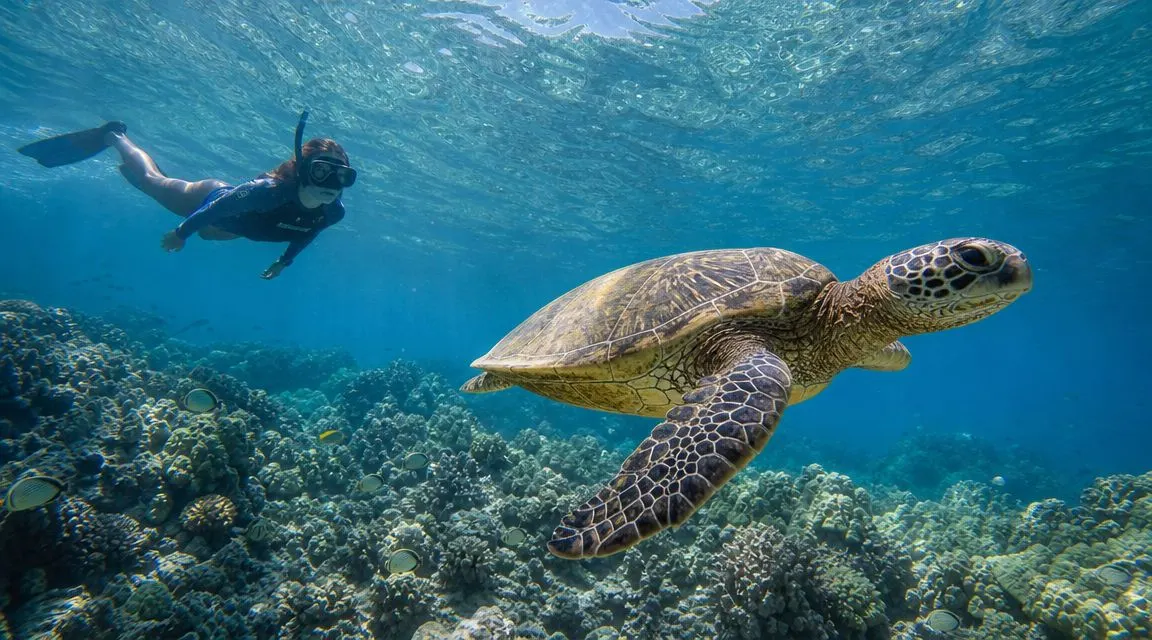
In Hawaii, snorkelers need to stay well clear of sea turtles and never touch, chase, block, or corner them. The easiest rule to remember is simple. If you have to swim toward the turtle to keep seeing it, you are already too close.
The calmest sightings usually happen when guests float in place, keep their fins quiet, and let the turtle travel through on its own. That is safer for the animal, and it usually gives you a better view anyway.
Set yourself up before the boat leaves
The roughest part of a snorkel trip for beginners is often not the snorkeling itself. It is showing up dehydrated, sunburned, hungry, or slightly seasick before the boat even reaches the mooring.
A few practical steps help:
- Drink water early: Start before departure, especially if you flew in recently or spent the previous day in the sun.
- Eat light, not heavy: A small breakfast usually sits better than a big greasy meal before open-ocean boating.
- Wear a rash guard if you have one: It solves a lot of sun and comfort problems at once.
- Apply reef-safe sunscreen ahead of time: Put it on before boarding so it has time to absorb.
- Bring medication if you are motion-sensitive: Do not wait until you already feel bad.
Be honest about swim ability
This matters more than people think.
A guest does not need to be a strong lap swimmer to enjoy many Oahu turtle tours, but they do need to be comfortable putting their face in the water and following crew instructions in open ocean. Those are two different things. Plenty of visitors can swim in a hotel pool and still feel tense when there is depth below them, some current, or other snorkelers nearby.
If someone in your group is nervous, say so before the boat leaves the harbor. Crew members can usually fit flotation, explain entry options, and tell you whether it makes more sense to try the water slowly or stay onboard and enjoy the ride. On many family trips, the win is not forcing everyone in. The win is making sure each person has a good day.
Use the gear the way the crew tells you to
Mask fit, fin size, and flotation support are not small details. They shape the whole experience.
A leaking mask can turn a first-time snorkeler into a frustrated one in two minutes. Fins that are too loose waste energy. A flotation belt or vest can help beginners relax enough to look down and enjoy the reef instead of fighting to stay comfortable at the surface.
Listen closely during the safety talk, even if you have snorkeled before. Local crews know the site conditions that day, and conditions change faster than many visitors expect.
Keep the water calm around you
Beginners often do better when they slow everything down. Long, easy breaths. Small fin kicks. No splashing. No standing on coral or trying to scramble after wildlife.
For kids, I usually tell parents to judge the experience by comfort, not by minutes in the water. A shorter snorkel with a calm child is a better outing than pushing for one more turtle sighting after they are cold or overwhelmed.
Respect your limits
There is no prize for staying in longer.
If you feel tired, chilled, anxious, or seasick, get back on the boat and reset. The crew would much rather help early than deal with a preventable problem later. That is especially true for new snorkelers who are excited, trying hard, and not always good at noticing when they are reaching their limit.
Responsible snorkeling is simple in practice. Prepare well, listen to the crew, stay clear of wildlife, and make choices based on the least experienced person in your group. That approach usually leads to the safest and most memorable turtle encounters.
Essential Tips for a Responsible Snorkel Trip
A good turtle day isn't just about getting in the water. It's about entering the reef in a way that's safe for your group and calm for the animals already living there.
The turtle rule you need to remember
In Hawaii, snorkelers and observers must stay at least 10 feet away from sea turtles at all times, and it's illegal to touch, chase, or harass them, according to Hawaii turtle-viewing guidance in this Oahu tour guide. If you want a quick primer before your trip, Turtle Canyon etiquette tips are useful to review.
That distance rule matters because turtles at cleaning stations or resting on the reef don't need swimmers closing in for photos. The best encounters happen when people float, observe, and let the animal choose its own path.
What to do before you get on the boat
- Hydrate early: Start before departure, not after you're already warm and salty.
- Wear sun protection: Rash guards and hats help a lot, especially since shade can be limited on boats.
- Use reef-safe sunscreen: Better yet, apply it with enough time before boarding.
- Eat lightly if you get motion sensitive: Heavy breakfasts and nervous boat rides don't mix well.
What works in the water
| Do this | Avoid this |
|---|---|
| Float calmly and breathe slowly | Fast kicking and splashing |
| Listen to your guide's positioning instructions | Swimming ahead of the group |
| Keep your vest on if you're less confident | Removing flotation to look experienced |
| Watch the turtle's path from a distance | Trying to intercept it for a closer photo |
Respectful wildlife viewing usually gives you the better memory anyway. The turtle stays relaxed, and the moment feels natural instead of forced.
Frequently Asked Questions about Oahu Turtle Tours
Can I do this if I've never snorkeled before
Yes, many first-time guests do fine on guided tours, especially when they're comfortable using flotation and listening closely during the briefing. The main thing is being honest about your comfort level before you enter the water.
Can I see turtles from the shore in Waikiki
Sometimes, but it's not the same as a dedicated offshore turtle trip. Shore sightings are less predictable, and you won't be starting at the reef zone that guides target for structured turtle snorkeling.
What if someone in my family doesn't want to get in the water
That depends on the tour, but this is an important question to ask before booking. For some families, knowing a parent or grandparent can stay onboard comfortably makes everyone else more relaxed.
What's the best time of day
Morning trips are popular because people generally prefer calmer, fresher conditions earlier in the day. More important than chasing a perfect hour is choosing a crew that runs the route regularly and sets the trip up well.
If you want a turtle-focused day on the water near Waikiki, Living Ocean Tours is a practical place to start comparing options. Review the trip style, check whether it fits your group's comfort level, and choose the outing that matches how your family likes to experience the ocean.


