
Hawaii Turtle Tours Honolulu HI: Your Complete Guide
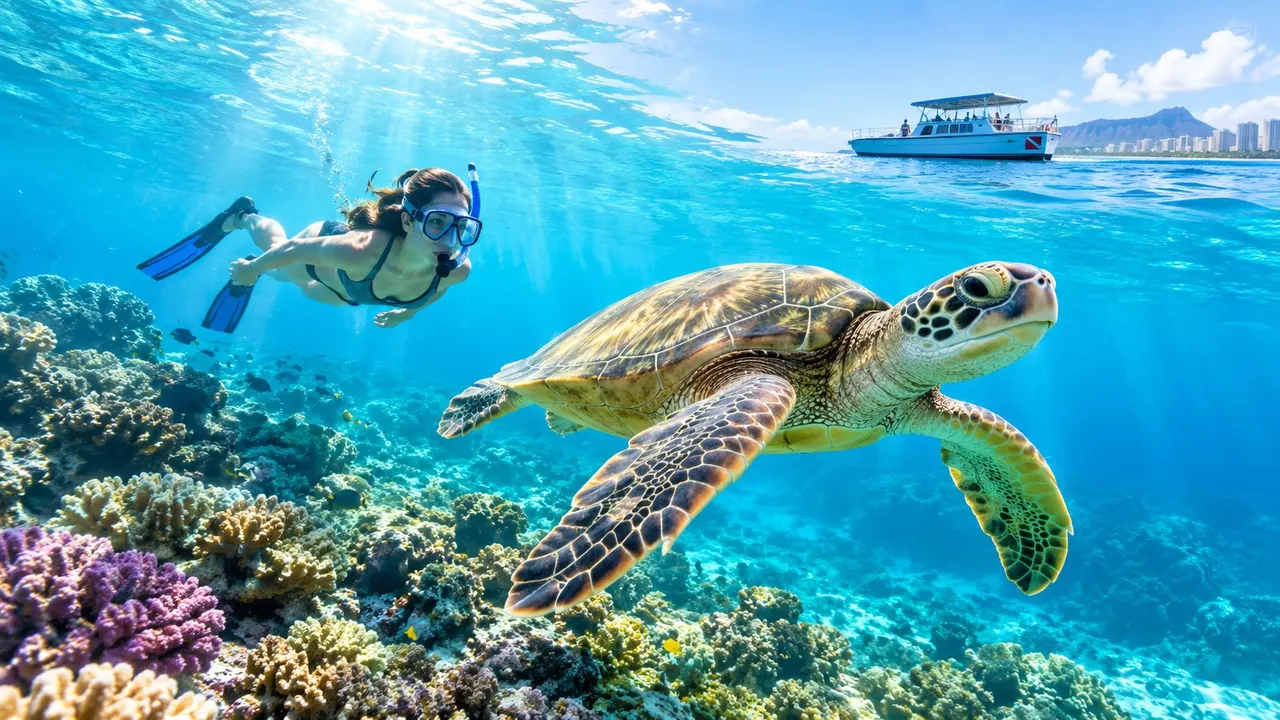
You've probably searched Hawaii turtle tours Honolulu HI because you want one thing, a dependable chance to see a honu without putting your family into rough surf or a chaotic beach crowd. From the boat, the answer isn't “go where turtles are.” The quality of the encounter depends on the site, the sea state, your swimming support, the group's spacing, and whether the crew treats a wild animal like wildlife rather than an attraction.
A boat trip out of Kewalo Basin can solve problems that shore viewing can't, especially for first-time snorkelers and multigenerational groups. It can also fail if the crew crowds the reef, chases turtles, or promises an unnaturally close encounter. The practical guide below comes from the way these trips work on O'ahu.
What It Feels Like the First Time You See One
The engines go quiet off Kewalo Basin, and the boat settles into the open-water chop. Masks clear, the anchor line drops, and the noise narrows to snorkel breaths, fins, and the faint movement of the reef below.
Then a honu comes into view.
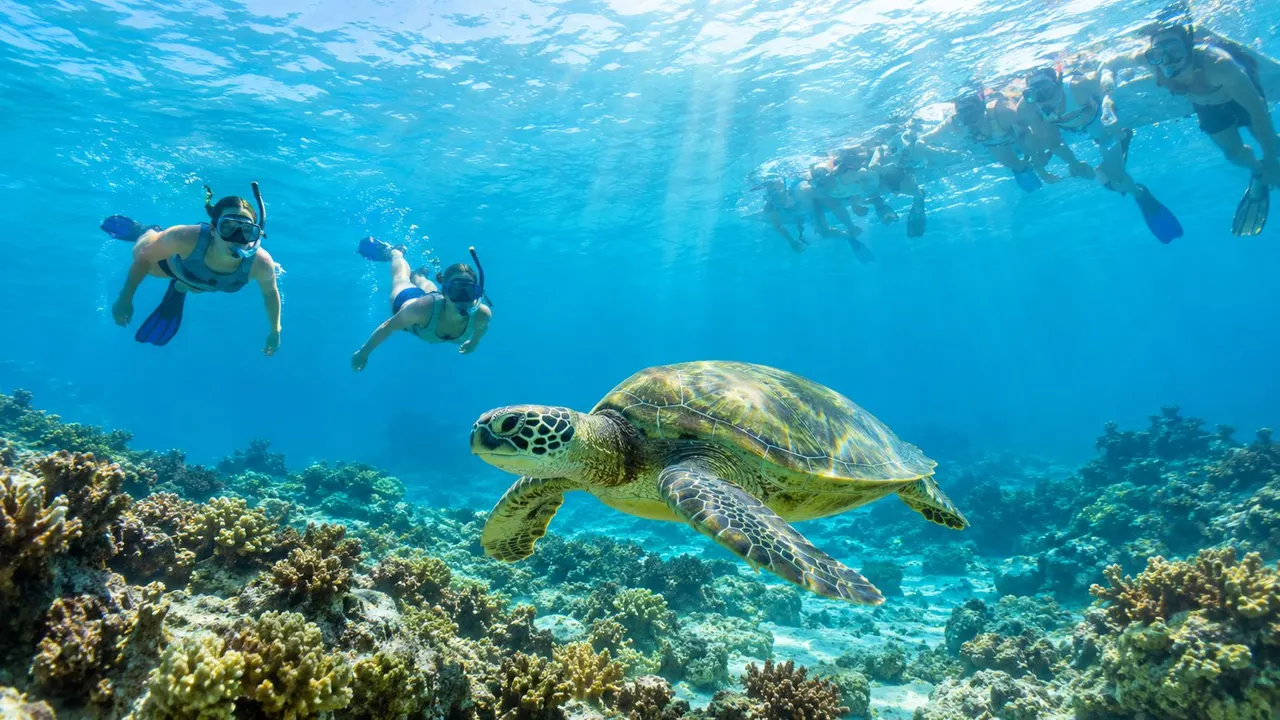
It may rise from a ledge fifteen feet below, front flippers working in a slow, steady rhythm while it grazes algae from its shell. The turtle does not rush or perform. That calm often settles the people who were most nervous on the ladder. They stop kicking, find their balance, and watch the reef at its natural pace.
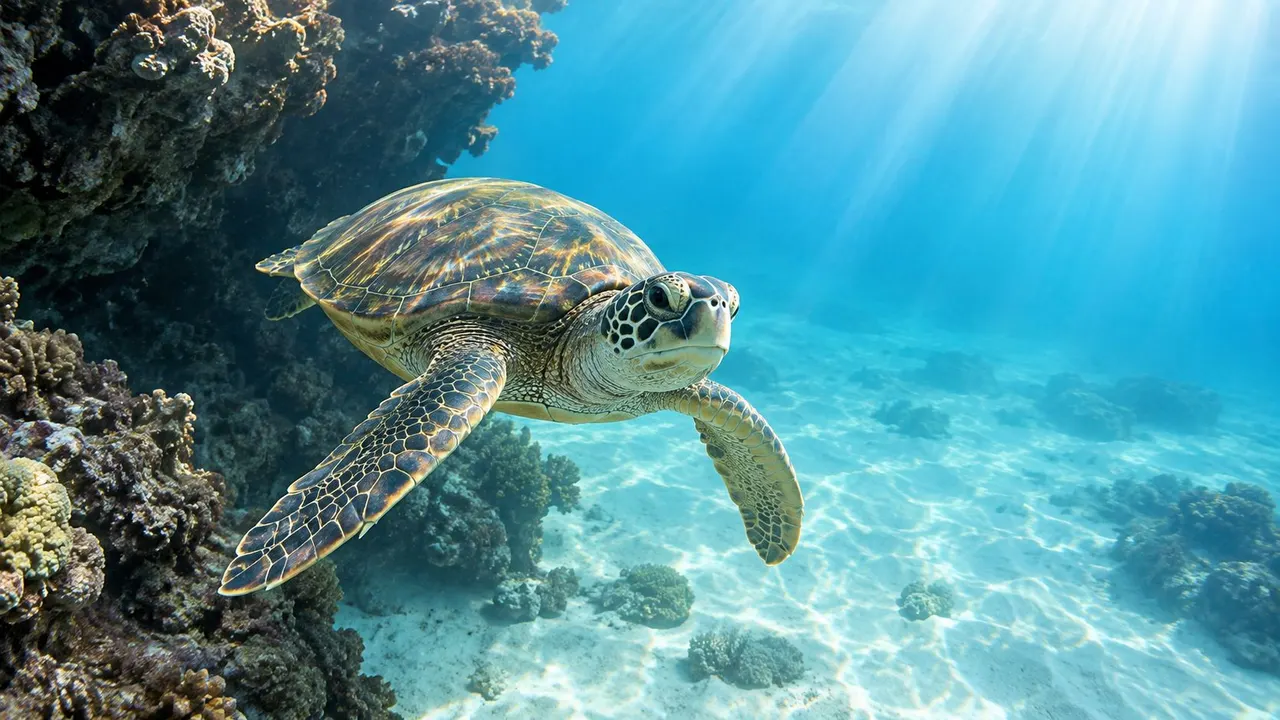
The sighting also represents a conservation success. Hawaiian green turtles in Hawai'i have followed a long-term recovery trend since federal protections began in 1978. Official wildlife materials report almost 500 nesting females annually, compared with 67 nesting turtles in 1973. The Hawai'i Division of Aquatic Resources sea turtle materials explain that recovery and why protection still matters.
O'ahu's turtles belong to the Central North Pacific distinct population segment, a genetically isolated group that remains small enough to require protection. Fewer than 4,000 total nesting females are estimated across that population. A frequent sighting therefore places a clear duty on the captain and guests. Keep distance, hold position, and leave the animal's route open.
The encounter is the result of recovery
O'ahu's nesting record makes the progress easier to understand. A U.S. Fish and Wildlife Service update reported 83 nests on O'ahu in 2024, compared with 9 nests in 2019 and only 0 to 2 nests per year from 2016 through 2018. The U.S. Fish and Wildlife Service update on honu recovery describes O'ahu as biologically important, not merely convenient for visitors.
A well-run boat trip addresses four problems that shore viewing can create: rough winter surf, uncertain swimming ability, crowded cleaning stations, and inconsistent sightings. Flotation and a controlled entry help weaker swimmers. A boat can select a workable site and spread guests out instead of placing everyone around one beach animal.
The practical standard is simple. Choose a crew that uses calm positioning, disciplined wildlife rules, and realistic expectations. Living Ocean Tours' guided Turtle Canyons snorkel trips from Kewalo Basin show what that boat-based format involves before booking.
Why Turtle Canyons Works Every Day
Turtle Canyons isn't just a pretty reef with a hopeful name. The attraction is the structure of the habitat and the behavior of the animals that use it.
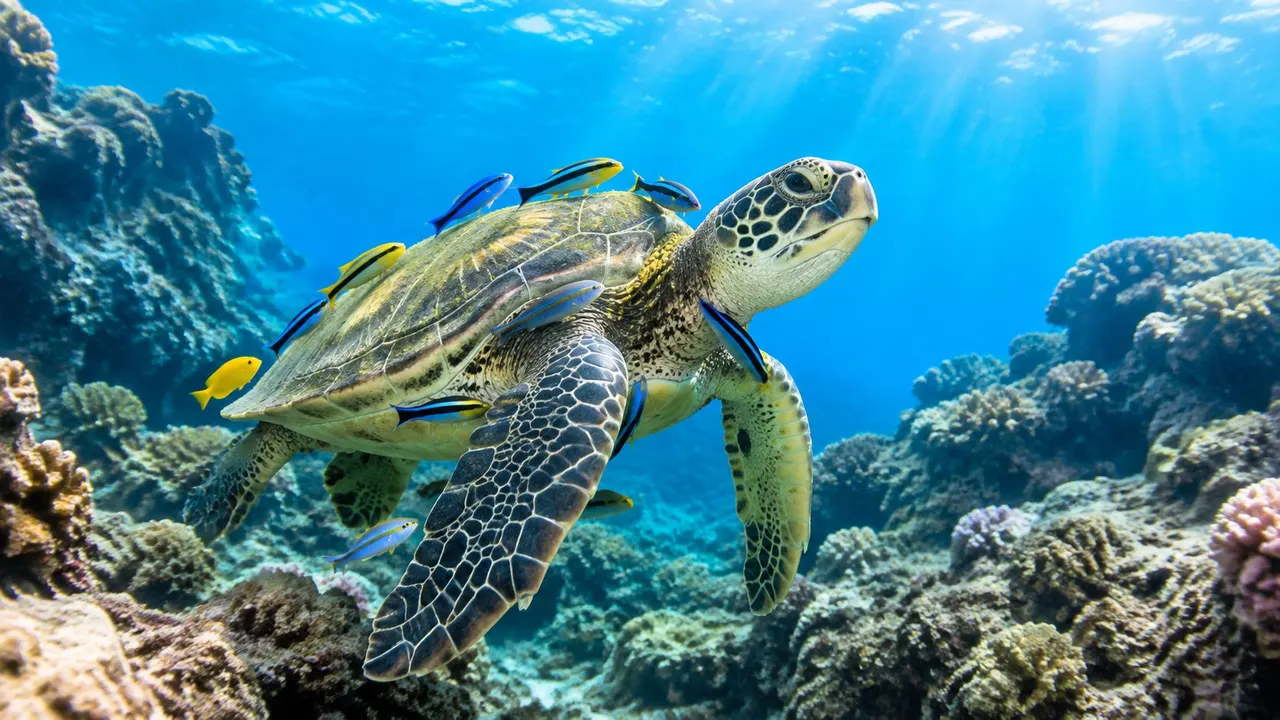
A cleaning station is a recurring service area on the reef. Cleaner wrasses and shrimp remove algae, parasites, and dead tissue from turtles, and turtles return to familiar locations as part of that routine. The best encounters happen when guests observe that behavior without interrupting it.
The reef does the work
Twin Canyons gets its character from two parallel raised reef ridges. The canyon structure creates ledges, channels, and resting areas where turtles can pause while cleaner organisms work across their shells. The site's depth band, roughly 20 to 40 feet, supports turtle traffic below the surface while giving a boat group room to remain at the surface and maintain separation.
The location, about a mile offshore, also changes the experience. Shore break can make a beach look inviting from land while producing confused water, surge, and poor visibility where swimmers enter. At Turtle Canyons, open-water chop becomes the main variable rather than breaking waves directly over a shoreline entry. A calm harbor launch from Kewalo Basin gives the crew more control on marginal days, though no responsible captain treats weather as irrelevant.
That's why boat-based Honolulu turtle tours are often more consistent than shoreline plans at places such as Laniakea. Beach access may cost less, but traffic, surf, parking, entry conditions, and the turtles' timing all work against predictability. A turtle might be resting on the sand, feeding near the rocks, or nowhere in view when you arrive.
What “every day” should mean
No wild animal is guaranteed to appear on a schedule. “Every day” should mean the site offers a repeatable habitat pattern and the crew knows how to respond when conditions shift. The Turtle Canyon snorkeling overview gives visitors a clearer picture of the boat-based approach, including why a cleaning-station site is more useful than searching a long coastline.
The trade-off is that offshore water can still be choppy. Good operators explain that, provide flotation early, and cancel or alter a trip when conditions exceed safe limits. A calm departure does not eliminate the ocean. It gives the crew a better starting position.
Choosing the Right Turtle Experience in Honolulu
The right format depends less on the promise of a close turtle and more on the conditions your group can handle. Boat snorkeling, shore snorkeling, and sunset sailing each deliver a different version of O'ahu's wildlife experience.
| Experience Type | Sighting Odds | Swimming Skill Needed | Best Season | Crowd Level |
|---|---|---|---|---|
| Boat snorkel at Turtle Canyons | More consistent because the site is a known turtle habitat | Beginner-friendly with flotation and guides | Flexible, subject to sea conditions | Managed by the crew, but varies by boat |
| Shore snorkel at Laniakea or Electric Beach | Less predictable and dependent on timing | Stronger comfort in moving water helps | Calmer conditions are preferable | Often crowded |
| Sunset sail or turtle-watching cruise | Turtle views are possible, but snorkeling isn't the focus | Little or no in-water skill required | Best for stable evening conditions | Depends on vessel and route |
A boat snorkel to Turtle Canyons makes the most sense when the encounter itself is the priority. Guests enter near known turtle territory, use provided gear and flotation, and can pause at the surface without having to negotiate a beach break. Confident swimmers may want more reef time, while beginners benefit from a guide who can adjust the group's position and pace.
Shore snorkeling can work for capable swimmers who value independence and accept uncertainty. It's also the format most exposed to seasonal surf. North Shore shoreline turtle viewing becomes dangerous from October through April, and recent neutral guidance notes more than 15 ocean rescues on the North Shore in 2025. Those figures and the seasonal warning are covered in recent O'ahu snorkeling safety guidance. The lesson isn't that every shore visit is unsafe. It's that a beach entry shouldn't be treated as interchangeable with a guided offshore trip.
Match the mood to the product
A sunset sail is a good choice for couples, photographers, and guests who want golden light, Waikīkī views, and conversation more than extended time underwater. Hawai'i's humpback season is concentrated in winter, with January through March identified as the whale-encounter window for Waikīkī cruises. Outside that period, choose a sunset trip for the atmosphere, not a guaranteed whale bonus.
For a dedicated turtle encounter, the Turtle Canyon O'ahu option is the more direct match. For a separate snorkeling format around Waikīkī, see the Waikīkī snorkeling and waterslide excursion.
How to Snorkel With Turtles the Right Way
The distance rule is not a suggestion you remember after entering the water. It's the basic operating mechanic of a responsible turtle tour.
Federal and state protections apply to Hawaiian green sea turtles, and practical guidance for in-water viewing calls for a 10-foot, or 3-meter, distance. Hawai'i guidance also identifies a 6 to 10-foot best-practice buffer and prohibits touching, feeding, pursuing, or riding turtles, as explained in this sea turtle viewing guidance.
Follow the group's position
Your guide should set the approach before anyone enters. Swim slowly, stay on the surface, and let the turtle's direction determine the encounter. Don't drop directly onto its shell, descend underneath it, or cut across the route it may use to reach air.
Independent research found that recreational snorkelers can alter green turtle behavior when they're present. The human-sea turtle interaction research identifies changes in the turtles' activity budgets, which is a technical way of showing that close human presence changes what the animals do.
Practical rule: If the turtle changes direction because of you, you're too close or moving too aggressively.
Keep your body horizontal and your fins clear of the reef. Don't stand on coral, drag fins across the bottom, or use the reef for support. Apply sunscreen before boarding or before entering the water, and use reef-conscious products. When a turtle surfaces, hold your position and leave its path open.
What guides should enforce
A good crew watches more than the turtle. They watch the group's spacing, fin clearance, breathing comfort, and approach angles. They'll move guests away from a cleaning station if people begin to surround the animal from several sides, even when every swimmer believes they're maintaining the stated distance.
Never touch, feed, chase, block, or ride a turtle. Don't crowd the cleaner wrasse while it works. The payoff is practical, not abstract. A turtle that feels unpressured is more likely to continue feeding, resting, or cleaning in view, which gives everyone a longer and more natural sighting.
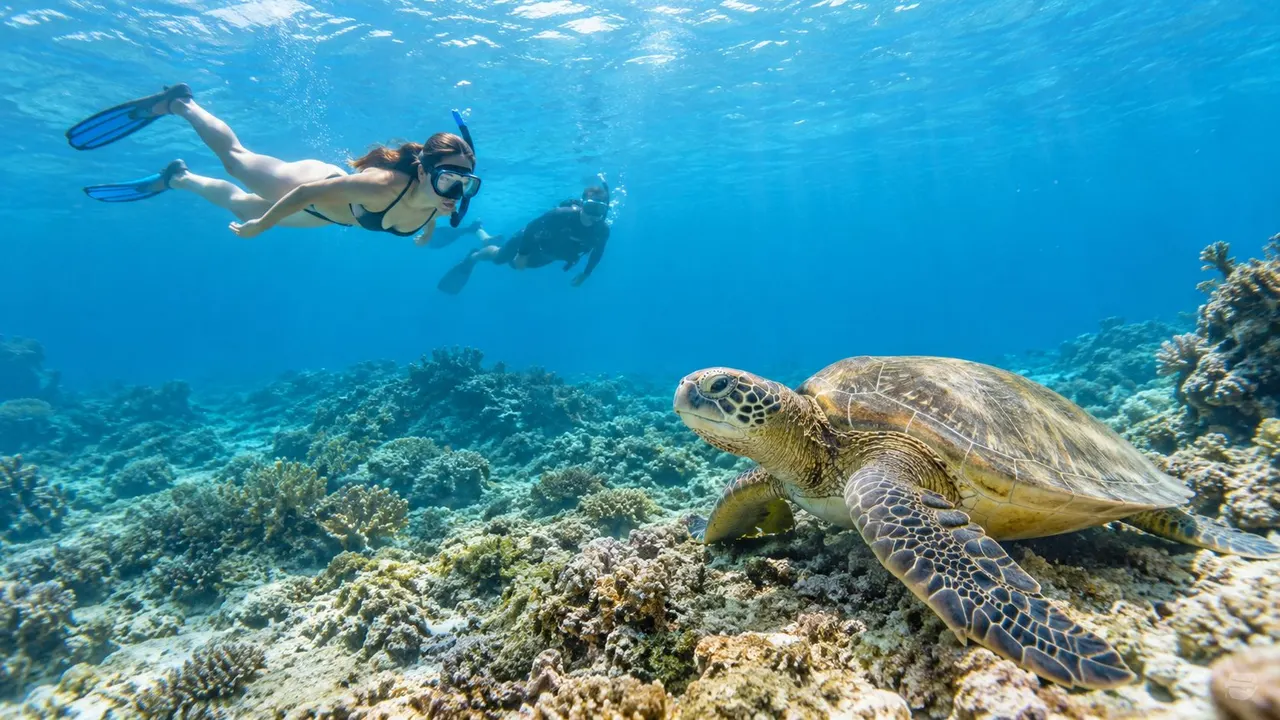
For a concise overview of the behavior and equipment involved, use this guide to snorkeling with turtles on O'ahu.
What to Pack and When to Book
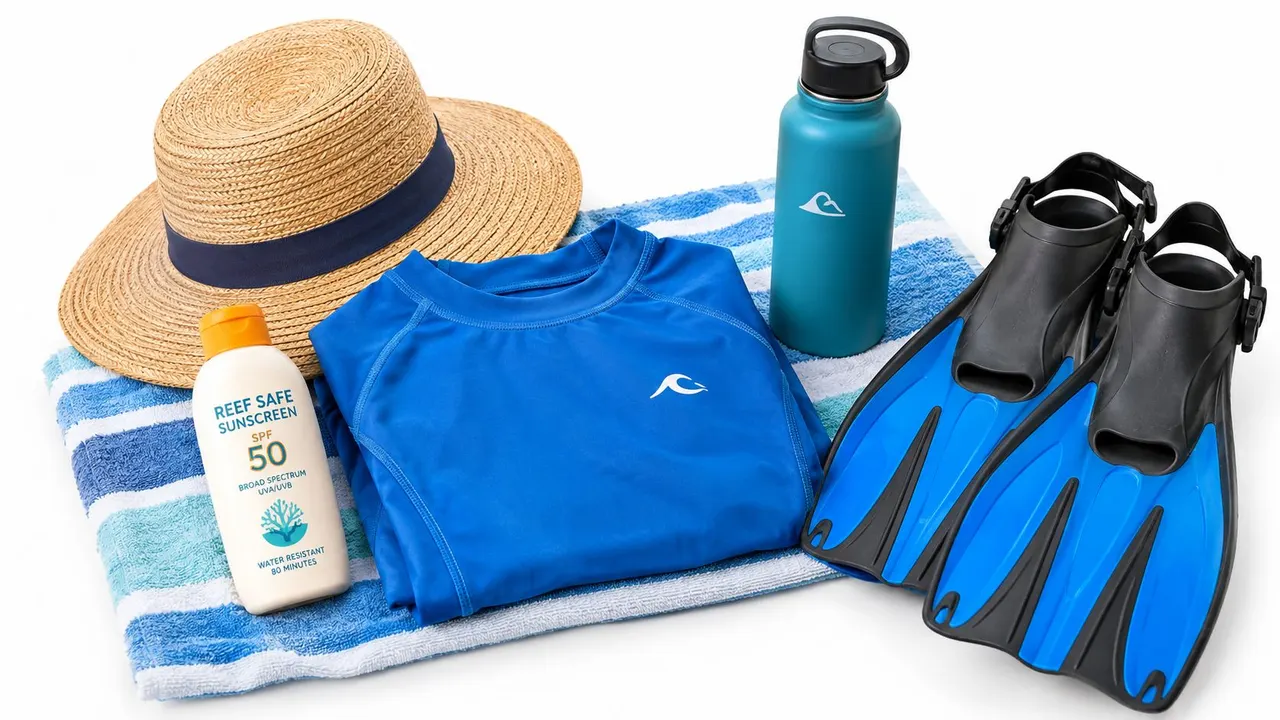
Turtle Canyons is a boat day, not a walk from the hotel to a protected lagoon. Pack for sun, spray, a ladder exit, and the possibility that your comfort level will change after you enter the water.
Start with the essentials:
- Reef-conscious sunscreen: Apply it before boarding so it has time to settle before you swim.
- Rashguard or long-sleeve sun shirt: It reduces sun exposure and helps you stay comfortable during surface intervals.
- Mask defog: A familiar defogging routine can make the difference between relaxing and repeatedly removing your mask.
- Fast-drying towel: Boats get wet quickly, and bulky towels stay damp.
- Water shoes: They help with ladder exits and any wet deck surfaces.
- Motion-sickness remedy: If you use one, take it according to its label and well before departure.
- Dry bag: Keep phones, cameras, medication, and spare clothing protected from spray.
Personal snorkel gear is optional. It can be worthwhile if you're particular about mask fit, but reputable boats provide fins, masks, and snorkels and sanitize equipment between trips. Ask how flotation is handled, especially if anyone in your group is a nervous swimmer.
Read the calendar realistically
Conditions change through the year. April through September generally offers calmer planning windows for visitors, while winter north swells can make shore entries uncomfortable or unsafe and can reduce visibility at exposed beach sites. Boat trips still depend on wind and chop, but the crew can choose offshore water and manage the route more effectively than a swimmer committed to a beach entry.
Book a morning departure when you have a choice. The water is often easier for beginners before the day's wind builds, and morning guests usually arrive with more energy for the swim. Reconfirm the trip the morning of departure, check the meeting location, and ask whether the destination has changed with the conditions.
For a more detailed checklist, use this O'ahu snorkeling packing list. Hanauma Bay is another snorkeling option, but non-resident visitors need an online reservation released two days ahead, an entry fee applies, and the bay closes on Mondays and Tuesdays for ecological recovery, according to O'ahu snorkeling access information.
Local Tour Operators Worth Considering
Honolulu has no single turtle operator that fits every traveler. Vessel layout, crew discipline, water access, and actual reef time matter more than polished advertising. A well-run trip should also address the problems that make shore viewing unreliable: rough winter surf, limited swimming confidence, crowded cleaning stations, and sightings that change with conditions.
For boat-based snorkeling, ask how the vessel handles open water. A stable catamaran gives families and beginners easier boarding, more room to spread out, and a steady platform for flotation instruction. Smaller raft-style boats can maneuver efficiently near reef areas, but they expose guests more directly to chop and usually suit swimmers comfortable with quick water entry.
Compare the operation, not just the advertisement
| Operator | Best For | Vessel Type | Group Size | Price Range |
|---|---|---|---|---|
| Living Ocean Tours | Guided Turtle Canyons snorkeling, families, beginners, and wildlife-focused guests | Catamaran-style snorkel boat | Varies by departure | Mid to premium |
| Smaller local raft operators | Confident swimmers wanting maneuverability and reef time | Rigid inflatable or raft-style vessel | Often smaller, verify before booking | Varies |
| Sunset-only cruise operators | Couples and groups prioritizing Waikīkī light and atmosphere | Sailing or motorized cruise vessel | Varies | Varies |
| Shore-based guides | Budget travelers and capable swimmers comfortable choosing sites by conditions | Shore entry | Usually smaller guided groups | Lower to mid |
Living Ocean Tours operates guided Turtle Canyons snorkel trips from Kewalo Basin. Its boat format includes gear, instruction, and guidance for responsible wildlife viewing. That setup suits families and first-time snorkelers who want crew support instead of committing to an exposed beach entry. The trade-off is a scheduled departure and a group experience, rather than the flexibility of choosing a shore site yourself.
A smaller operator may suit a confident swimmer who values maneuverability and a quieter group. A sunset-only cruise fits guests focused on the horizon, music, and Waikīkī skyline, though snorkeling is not its main activity. Shore guides can help when they select an entry point around the day's conditions, but guests still deal with parking, surf, current, and wildlife that may not appear.
Before booking, ask three direct questions:
- Distance policy: Do guides enforce the 10-foot buffer throughout the encounter?
- Recent conditions: What has the crew seen lately, and how do they define a successful wildlife trip?
- Weather policy: What happens if wind, swell, or visibility makes the planned site unsuitable?
Those answers reveal more than promises of close contact. A responsible operator treats the turtle encounter as a conservation success story, then builds the trip around keeping that success intact. If you're comparing alternatives, Snorkel Turtle Canyon is another company worth considering for a turtle-focused excursion.
Why the Best Tour Keeps More Distance
Many visitors assume the closest turtle produces the best photograph. On the water, that assumption usually leads to the weakest encounter.
A turtle that gets surrounded, chased, or approached from above has to spend energy managing people instead of feeding, cleaning, or resting. The most valuable sighting is often the one where the animal keeps behaving normally.
Distance preserves the behavior you came to see
A disciplined group holds a horizontal trim, finning slowly and keeping the reef below clear. Guides position guests down-current when possible, leave the turtle's exit path open, and allow the animal to approach on its own terms. The goal isn't to make the turtle swim toward people. The goal is to avoid making it flee.
Consider the difference between two encounters. In one, guests hover two feet above a turtle at a cleaning station, drift across its path, and crowd the reef from several directions. The turtle bolts after forty seconds. In the other, swimmers hold position at the required distance, keep their fins still, and watch the same kind of animal settle into its routine for ten uninterrupted minutes.
The second group may take fewer dramatic close-up photos. They usually see more actual turtle behavior.
A calm turtle is more interesting than a frightened turtle, even when it's farther away.
Hawai'i guidance commonly requires staying at least 10 feet away in the water, above the turtle, or below it, and prohibits touching, chasing, feeding, or blocking the animal's path. The responsible turtle-snorkeling rules turn distance into something measurable instead of leaving guests to interpret “give it space.”
Distance also protects the future of the site. Turtles that aren't pressured can continue using familiar ledges and cleaning areas, allowing later visitors to observe natural behavior. A captain who gives turtles room isn't sacrificing the encounter. He's protecting the quality of the encounter and the reef's long-term use.
Picking the Right Tour for Your Group
Use the group's comfort level as the deciding factor, not the most exciting photograph in the advertisement.
- First-time snorkelers and families: Choose a short, guided catamaran snorkel with flotation, clear instruction, and an easy return to the boat. Shallow or surface-oriented Turtle Canyons viewing is more forgiving than an exposed shore entry.
- Confident swimmers and photographers: Look for a longer two-stop snorkel with enough reef time to settle into the water and compose photos without chasing animals.
- Couples and celebration groups: Pick a sunset sail when atmosphere matters more than extended in-water time. Golden-hour light over Waikīkī can be the main event, with turtle viewing treated as a bonus.
- Guests with limited mobility or cold sensitivity: Ask about morning departures, wetsuit availability, ladder design, and how crew members assist guests between the deck and water.
Screen the deal-breakers before you pay. Confirm the minimum age, swimming expectations, maximum group size, flotation equipment, and whether the boat anchors or moors at the site. Ask whether turtle sightings are the stated focus or merely one item in a broad wildlife itinerary.
A first-time booker doesn't need to solve every variable. Pick the format that matches your group, choose a morning slot when winter conditions are a concern, and select an operator that explains its distance and weather policies clearly.
Living Ocean Tours runs guided Turtle Canyons snorkel trips from Kewalo Basin with equipment, instruction, flotation support, and responsible wildlife-viewing practices built into the experience. Visit Living Ocean Tours to check the turtle excursion, compare it with other ocean trips, and choose a departure that fits your group and the day's conditions.


