
Snorkel With Turtles Oahu: Watch Without Blocking Their Path
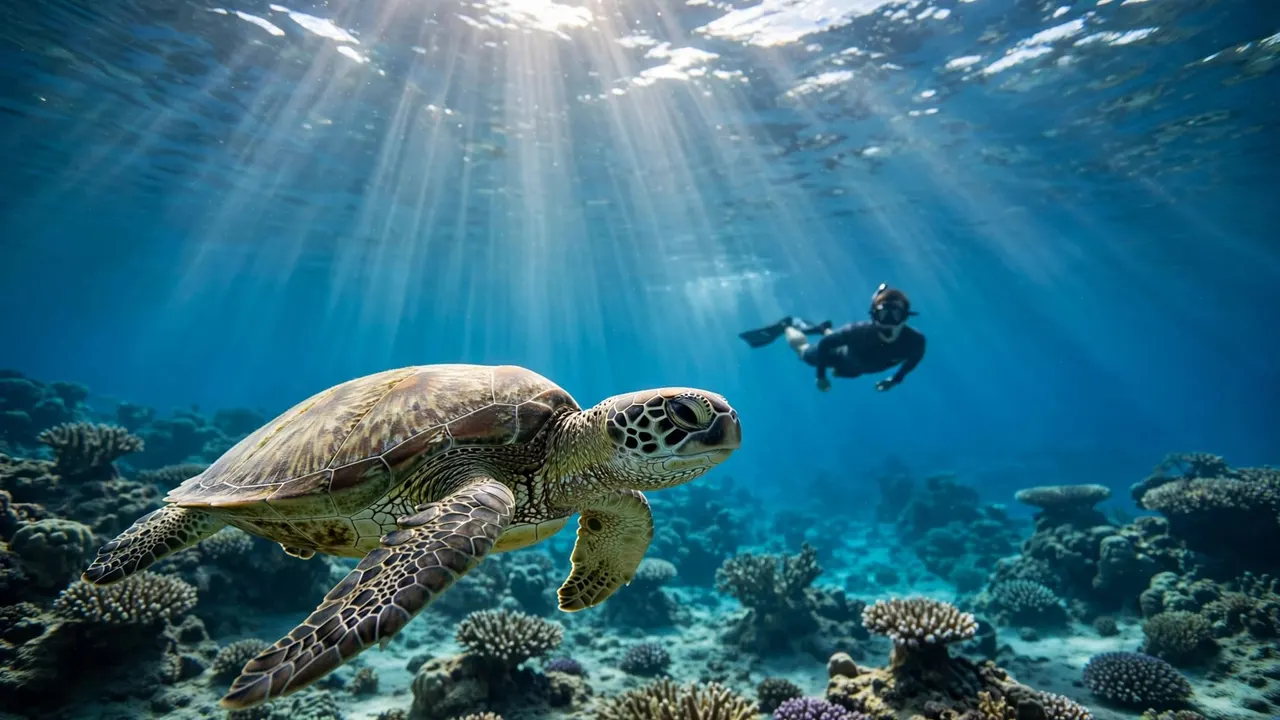
A Hawaiian green sea turtle can turn an ordinary swim into the moment you remember most from your trip. When you snorkel with turtles Oahu waters offer, your best view comes from giving the animal enough room to breathe, feed, and choose its own route.
That means resisting the urge to swim closer for a photo. A calm turtle encounter feels better when you know your position isn’t changing the animal’s behavior.
Give Hawaiian Green Sea Turtles the Space They Need
Hawaiian green sea turtles, also called honu, are protected wildlife. Your goal is to observe their natural routine, not become part of it. The official guidance is simple: keep at least 10 feet, or 3 meters, away on land and in the water.
Keep a 10-foot buffer in the water
Use reef features, a patch of open water, or the length of a few adult body positions as a visual reminder to stay back. If visibility is poor, add more space rather than guessing.
NOAA Fisheries marine-life viewing guidance recommends distance because close approaches can disrupt how an animal rests, surfaces, or travels through the reef. You should never touch, chase, feed, ride, or surround a turtle.
A turtle may look slow, but it can change direction quickly. Leave room for that movement before you settle in to watch.
Let the turtle make the close pass
Sometimes a turtle may swim in your direction despite your careful distance. Hold your position, keep your arms close, and let it pass without reaching toward its shell or flippers.
If the turtle continues toward you, back away slowly. Don’t turn the moment into a pursuit. The turtle’s decision to approach doesn’t remove your responsibility to leave its path clear.
Ten feet is the minimum, not a target for getting the closest possible photo.
How to Snorkel With Turtles Oahu Without Blocking Their Route
You can avoid most accidental crowding by watching where the turtle is headed before you move. A turtle needs open water to surface, descend, and travel between reef sections.
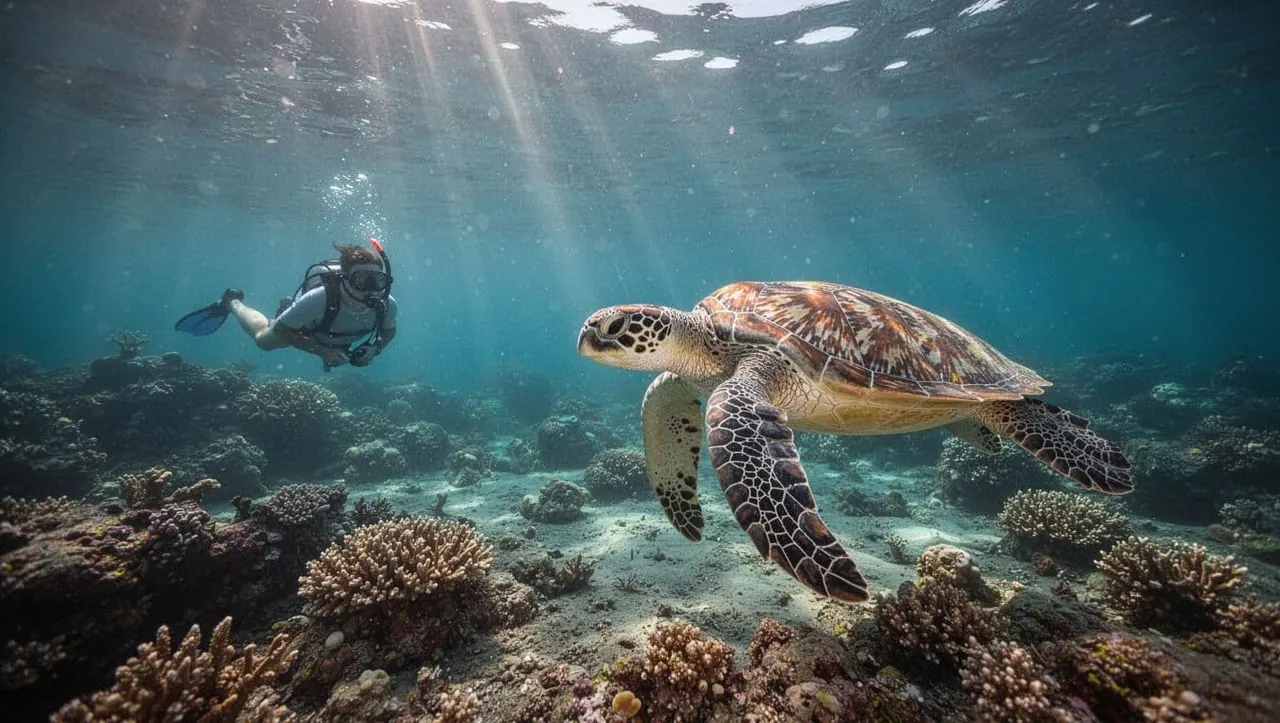
Float beside the turtle, not in front of it
Position yourself to the side and slightly behind the turtle’s direction of travel. Never place yourself ahead of its head, above its route to the surface, or between the animal and open water.
This matters when several people spot the same turtle. A loose semicircle often closes into a wall without anyone noticing. Instead, stay spread out and leave the forward route open.
When you snorkel with turtles Oahu reef areas can feel busy. Your patience gives everyone a better chance to observe without turning the turtle into the center of a crowded group.
Stop following after a short observation
A turtle that moves away has made a choice. Let it go. Following it across the reef can become harassment, even if you believe you are keeping a respectful distance.
Take a few photos from where you are, then shift your attention to the reef fish, coral, and blue water around you. A snorkeling session becomes richer when you aren’t focused on one animal.
Keep your fins up and away from coral as you float. Coral is living habitat, and standing on it damages the home shared by turtles and reef fish.
Read Turtle Behavior Before You Move
A turtle doesn’t need to look distressed for your presence to become disruptive. Watch its body position and travel direction, then make your choices quietly and early.
Respect the rhythm of a cleaning station
Turtle Canyons offshore from Waikiki is known for a natural turtle cleaning station. Small reef fish may gather near a turtle’s shell and skin while it pauses or moves slowly through the area.
That scene belongs to the turtle. Keep your body horizontal, move with slow fin kicks, and avoid dropping directly above the animal. If multiple snorkelers arrive, wait at the edge of the viewing area rather than swimming into the middle.
The Hawai’i DLNR sea turtle information also reinforces the 10-foot viewing distance. You get a more authentic experience when the turtle can continue its routine without changing course.
Know when to leave the turtle alone
End the encounter if the turtle repeatedly turns away, speeds up, changes its route, or surfaces in a crowded area. Never follow it to regain the view.
A turtle resting on shore also needs space. Honu can bask for hours, so watch from well back and keep children, dogs, and beach gear away from its resting place.
If you see an animal with visible fishing line, fresh wounds, restricted flipper movement, or trouble swimming, tell your guide, a lifeguard, or wildlife authorities. Don’t pull line away, move the turtle, or attempt treatment yourself.
Get Comfortable Before You Enter the Water
You make better wildlife decisions when you aren’t fighting a leaking mask or trying to stay afloat. A few simple preparations let you float calmly and notice your surroundings.
Tell the crew what support you need
Be honest if you are new to snorkeling, returning after a long break, prone to motion sickness, or helping a child feel comfortable. Ask for flotation support before you enter the water.
Practice breathing through the snorkel and clearing your mask while you are still near the boat. A secure mask seal and relaxed breathing prevent rushed movements once you see a turtle.
Wear a secure swimsuit, bring a towel and reusable water bottle, and leave loose jewelry ashore. A rash guard or swim leggings can also reduce your need for sunscreen coverage.
Let your comfort set the pace
Stay close to your group and turn back before you feel tired. You don’t need to prove anything by staying in the water longer than feels right.
If ocean conditions or your confidence change, return to the boat. You can still enjoy the coastline and watch for wildlife from the deck. A good outing leaves you excited for another swim, not exhausted.
Choose a Wildlife-First Turtle Canyons Experience
For a focused chance to snorkel with turtles Oahu visitors often choose a boat trip to Turtle Canyons rather than navigating an unfamiliar shore entry. A responsible crew helps you focus on the reef while protecting the animals’ space.
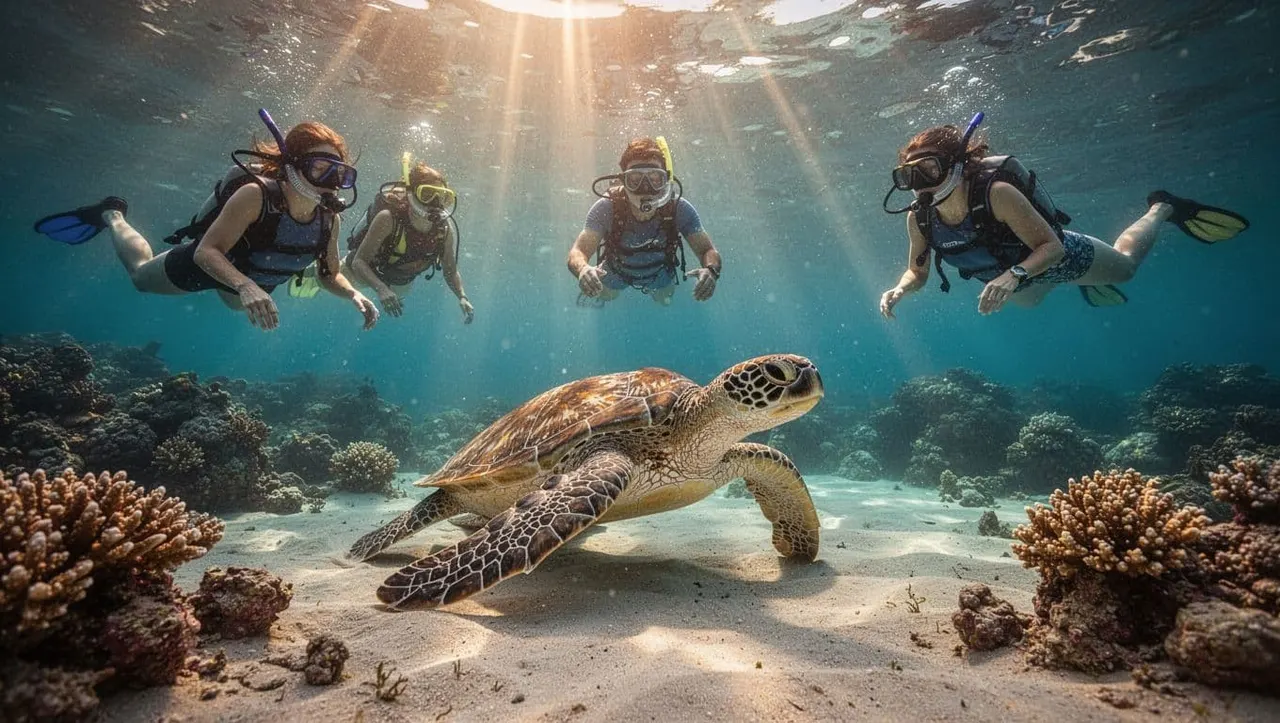
Snorkel with professional in-water support
Living Ocean Tours departs from Kewalo Basin Boat Harbor, minutes from Waikiki, on Coast Guard-inspected double-decker vessels with shaded seating, restrooms, dry storage, and sturdy ladders for water entry.
The company is the only tour company with professional snorkel guides in the water with you. That direct support helps first-time snorkelers settle their breathing, fit their gear, and stay aware of reef etiquette without losing sight of the fun.
Its Turtle Canyon snorkel excursion includes snorkel gear, instruction, and flotation support. Living Ocean Tours reports a 95% turtle-sighting success rate at the natural cleaning station, although wild animal sightings always depend on conditions and the turtles’ own movements.
When you snorkel with turtles Oahu waters reward calm observation. Guides can help position the group so a turtle has room to surface or travel past.
Pick a cruise that fits your group
If your family wants snorkeling plus time for water play, the Deluxe Waikiki snorkeling cruise visits Rainbow Reef and includes a waterslide, water trampoline, and floating lily pad.
For a turtle-focused outing, Turtle Canyons is the better fit. For mixed-age groups, the deluxe option gives swimmers and non-swimmers more ways to enjoy the day while respecting the reef.
In either case, listen to the safety briefing and follow your guide’s direction around wildlife. Good guidance creates space for both people and turtles.
Key Takeaways for Respectful Turtle Snorkeling
When you snorkel with turtles Oahu visitors should remember that distance improves the experience. You see more natural behavior when you stop trying to close every gap.
- Stay at least 10 feet away from turtles, whether you are on shore or in the water.
- Float to the side and behind a turtle’s route, with open water ahead of it.
- Hold still or back away slowly if a turtle swims closer than expected.
- Never touch, chase, feed, block, surround, or attempt to rescue a turtle.
- Keep your fins off coral, use flotation if needed, and tell a guide if you feel uncomfortable.
A photo taken from a respectful distance is still a powerful reminder of a real, wild encounter.
Frequently Asked Questions
Can beginner snorkelers see turtles at Turtle Canyons?
Yes, beginners can enjoy Turtle Canyons with proper equipment help, flotation support, and clear instruction. Tell the crew about your swimming ability before departure, stay near the group, and use a flotation vest if it helps you relax.
You can also review the available guided Oahu ocean tours before choosing the experience that matches your comfort level.
What should you do if a turtle swims toward you?
Stay calm, keep your hands to yourself, and hold position. If it keeps approaching, slowly back away while leaving an open route ahead of the turtle.
Don’t take the approach as an invitation to touch the turtle or swim alongside it. You still need to maintain distance.
What if you see an injured sea turtle?
Keep at least 10 feet away and alert your guide, a lifeguard, or the appropriate wildlife authority. Don’t remove fishing line, handle wounds, move the turtle, or try to help it swim.
Trained responders can assess an injured animal without adding stress or risking further harm.
Make Your Turtle Encounter Count
The most memorable time you snorkel with turtles Oahu offers is one where the honu keeps moving, resting, and surfacing on its own terms. Give it distance, keep its path open, and let the reef set the pace.
Respectful viewing protects the wildlife you came to see and gives you a calmer, more meaningful view beneath the surface.


