
Boat Wake Wildlife: How Passing Vessels Affect the Coast
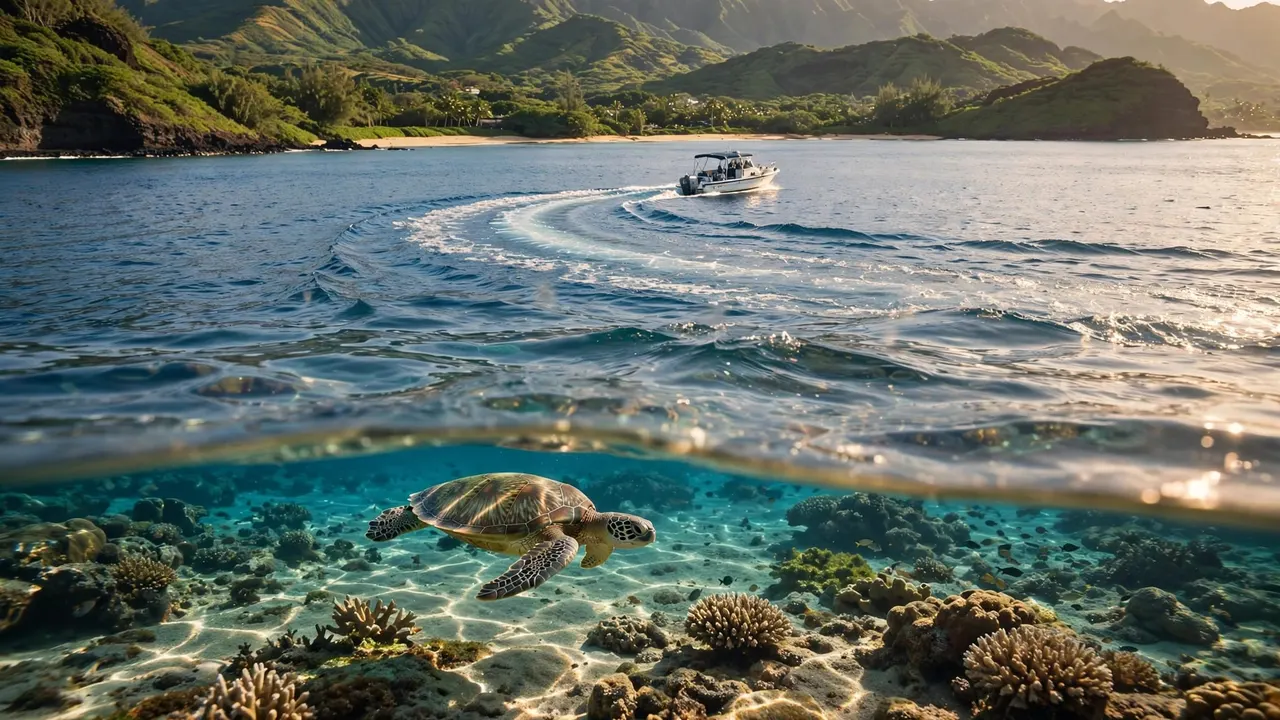
Boat wakes can reach nearshore habitats after a vessel has passed, raising boat wake wildlife concerns about shoreline disturbance and water clarity. Their effects depend on the waves, the location, and how often boats pass.
At Living Ocean Tours, we want you to enjoy Oahu’s marine life while giving it room to thrive. A visible wake doesn’t prove an animal has been harmed, but understanding where those waves travel can help you appreciate why careful boating matters.
How a boat wake travels toward shore
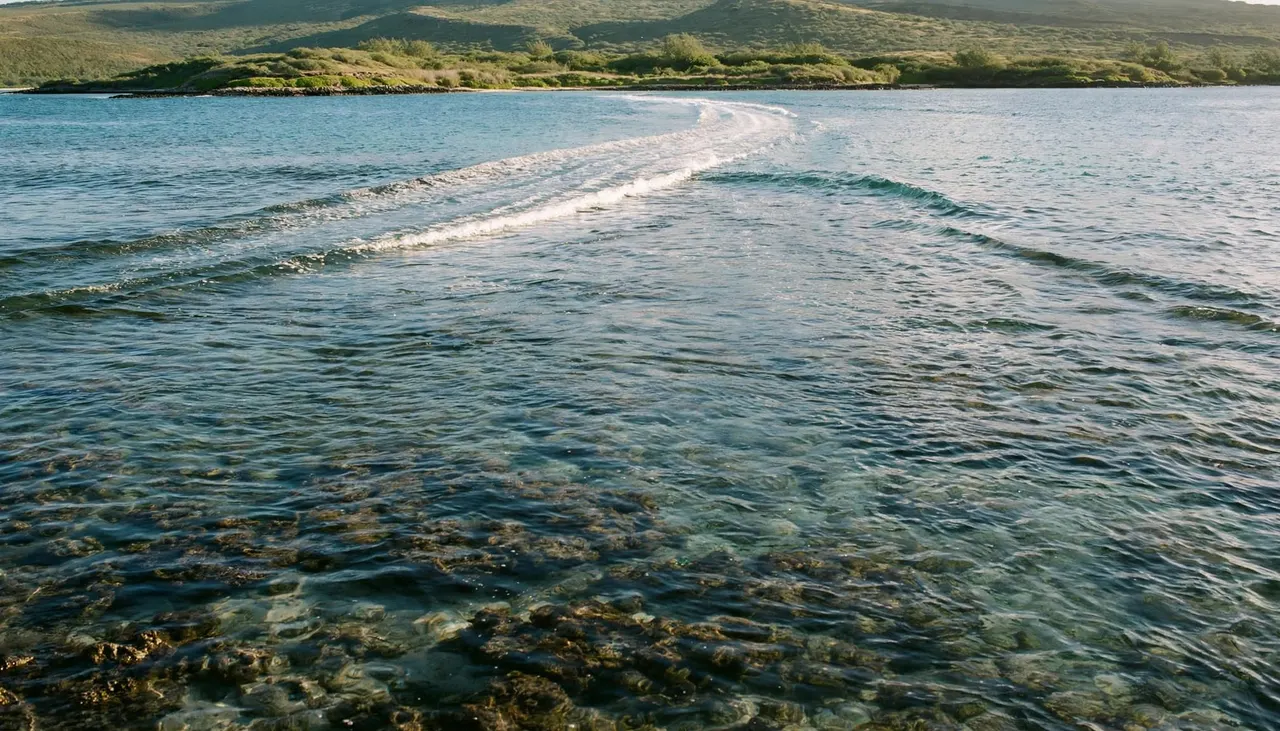
A moving vessel pushes water aside and leaves a series of waves behind it. Those waves spread beyond the boat’s path and continue traveling after the vessel has moved away.
Distance doesn’t stop a wake immediately
You might see a boat pass at a comfortable distance, then feel its wake reach your vessel later. The same waves can continue toward a reef edge or shoreline, depending on the conditions.
You don’t need to be close to a passing boat to notice its wake. Look for repeated ridges moving across the surface, sometimes without much white water. Our guide to reading wakes from nearby boats explains what those patterns can look like during a trip.
The setting changes what happens next
Wake height is only part of the story. Water depth, shoreline shape, vessel speed, and the number of passing boats all matter. A sheltered creek, for example, can respond differently than an exposed coast where wind and ocean swell already produce waves.
In shallow water, waves interact with the bottom. Reefs and uneven seabeds can change how waves move and break before they reach shore. That makes it difficult to judge the impact of a wake by looking at the boat alone.
What boat wake wildlife research can tell you
Research on boat wakes offers useful context, but findings from one location shouldn’t be treated as a precise forecast for another. The strongest conclusions depend on the shoreline studied and the traffic it receives.
Evidence from Chesapeake Bay creeks
A 2019 study by D. M. Bilkovic and colleagues found evidence that boat-generated waves contribute to shoreline erosion and poor water clarity in some Chesapeake Bay creeks. You can read the study of boat wake impacts for its discussion of local conditions.
That finding matters because shorelines and shallow water provide habitat for living things. It doesn’t establish that every wake damages a shoreline, or that a wave off Waikiki produces the same effect as one in a Chesapeake Bay creek.
Speed and wake size aren’t interchangeable
Going faster doesn’t always produce a larger shoreline wake in a simple, predictable way. Hull design, loading, depth, and the speed at which a boat travels all affect the waves it creates.
A report on small-vessel impacts notes that many studies linking wakes with erosion involved boats traveling at or near hull speed. For an operator, the practical goal is to manage the wake a vessel produces in the conditions at hand, while maintaining safe control.
What repeated wakes can mean for habitat
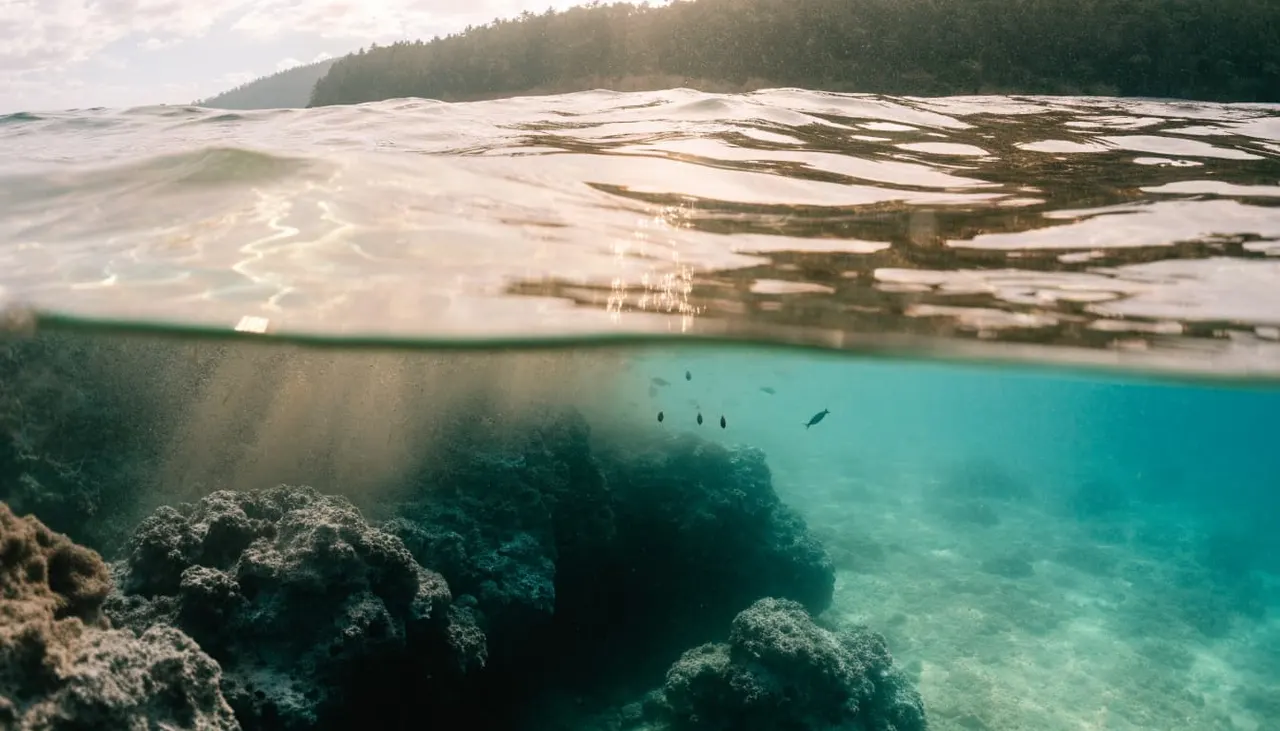
Boat wake wildlife discussions often focus on a single wave. Along a busy route, repeated vessel passages are also worth considering. Waves can arrive throughout the day, rather than as one isolated event.
Sediment and water clarity
When waves move sediment into the water, you may see a cloudy patch that limits your view of the bottom. The Chesapeake Bay research links boat wakes with increased turbidity in certain settings, although it doesn’t establish the same outcome for every reef or beach.
Water clarity is one part of a habitat’s condition. The amount of sediment available, water depth, and other wave activity influence what you see. A cloudy patch alone won’t tell you which boat, wave, or natural condition caused it.
Shoreline edges and shelter
Plants, rocks, and other features along a shoreline provide places where animals can find shelter or food. Where wave energy contributes to erosion, changes to that edge can also change the habitat available there.
You can’t determine the condition of an entire ecosystem from one boat ride. Still, giving sensitive shorelines room and avoiding unnecessary wakes are practical ways to reduce pressure where boats operate.
Sea turtles need space beyond the wake
Hawaiian green sea turtles, or honu, use nearshore waters to feed, rest, and visit cleaning stations. At Turtle Canyon, small reef fish remove algae and other material from turtles’ shells and skin. You can watch this behavior without approaching or interrupting it.
Boat wake wildlife observations require care. If a turtle changes direction while a vessel passes, timing alone doesn’t prove the wake caused the movement. Swimmers, other boats, and changing water conditions can all be present at the same time.
Keep the route to the surface open
Sea turtles breathe air, so give them a clear path when they rise. NOAA recommends staying at least 10 feet, or 3 meters, away from sea turtles in Hawaii, both in the water and on land. Treat that as a viewing recommendation, and give more space when conditions or crew instructions call for it.
If a turtle approaches you, stay calm and let it pass. Don’t touch, chase, surround, or feed it. A turtle that remains near a group isn’t giving permission for a closer encounter.
Watch without crowding the reef
A cleaning station can draw the attention of several snorkelers at once. Stay aware of your fins and avoid touching coral or resting on the bottom for a photograph.
Our guide to responsible wildlife viewing on a Waikiki boat tour offers more ways to enjoy an encounter while keeping the animal’s movements unrestricted.
How boat operators can reduce disturbance
A captain has to account for traffic, depth, swimmers, and wildlife at the same time. Thoughtful boat handling includes managing wake while keeping enough control to operate safely.
Choose a speed for the conditions
Near shallow habitats and busy areas, operators can reduce speed and watch the wake behind the vessel. A true no-wake pace is the slowest speed that allows a boat to maintain steerage, rather than a single speed that fits every vessel.
Speed recommendations for harbors or shallow reefs aren’t blanket permission to pass close to an animal. If a turtle appears ahead, the operator needs room and time to respond. Avoiding a strike remains a separate concern from reducing the wake.
Use a lookout and leave animals an exit
A lookout can help spot turtles at the surface, swimmers, and approaching vessels. When wildlife is nearby, a predictable course and adequate distance give the captain more options.
For you as a passenger, the most useful action is to alert the crew promptly if you see an animal near the boat’s path. Point out its location without reaching for the controls or attempting to direct a maneuver. The captain has the wider view needed to respond.
What you can do when another boat passes
You can’t control another vessel’s wake, but you can help your crew keep everyone safe and protect the water around you.
Stay seated or hold a secure rail when the boat begins to move or you notice waves approaching. A wake can reach your vessel after the other boat has passed, so wait for the crew’s guidance before walking around or approaching the ladder.
In the water, stay with your guide and buddy. Lift your head regularly to locate your boat, the group, and any nearby traffic. If your mask leaks or you feel tired, signal for assistance instead of drifting while you work on your gear.
Secure loose belongings aboard as well. A wrapper or lightweight item can blow overboard and become marine debris. Before entering the water, take a moment to put away anything that could fall from a seat or railing.
These habits support a safer trip without requiring you to interpret every wave. Your crew can manage the vessel while you enjoy the view.
Experience Turtle Canyon with room to observe
On our Turtle Canyon Snorkel Tour, you can visit a natural turtle-cleaning area off Waikiki with guidance from our professional snorkel guides. Beginners are welcome, and our crew can help you get comfortable with your equipment before you enter the water.
You may see honu resting, swimming, or visiting the cleaning station. Wildlife moves on its own schedule, so sightings aren’t guaranteed. Whatever you encounter, observing without touching gives you a chance to enjoy natural behavior at a respectful distance.
CHECK AVAILABILITY for the Turtle Canyon Snorkel Tour.
We depart from Kewalo Basin Boat Harbor in Honolulu. Our team is here to help you enjoy the ocean while respecting the animals and habitats that make it special.
Report an injured animal without intervening
Boat wake wildlife concerns are different from signs of an injured animal. If you see a turtle with fishing line, a visible wound, or obvious difficulty moving, tell your guide or crew. You don’t need to identify the cause before reporting what you observed.
Don’t pull fishing line, remove a hook, or try to lift the turtle. Handling can worsen an injury and put you at risk. Instead, leave the animal room and let trained responders decide how to help.
In Hawaii, you can report an injured, entangled, stranded, or dead turtle to NOAA’s Marine Wildlife Hotline at (888) 256-9840. Share the location, time, and visible condition. A photo taken from your existing position may help, provided you can take it safely without moving closer.
Give Hawaii’s nearshore wildlife room
A passing boat’s wake can travel beyond the vessel itself. Research shows that wakes contribute to shoreline erosion and reduced water clarity in some places, while the effect of any particular wave depends on local conditions.
You can support respectful wildlife viewing by following your crew’s directions, keeping animals’ paths clear, and reporting visible injuries without intervening. Those choices leave more room for the natural behaviors you came to see.


