
Best Month to See Whales in Hawaii in 2026
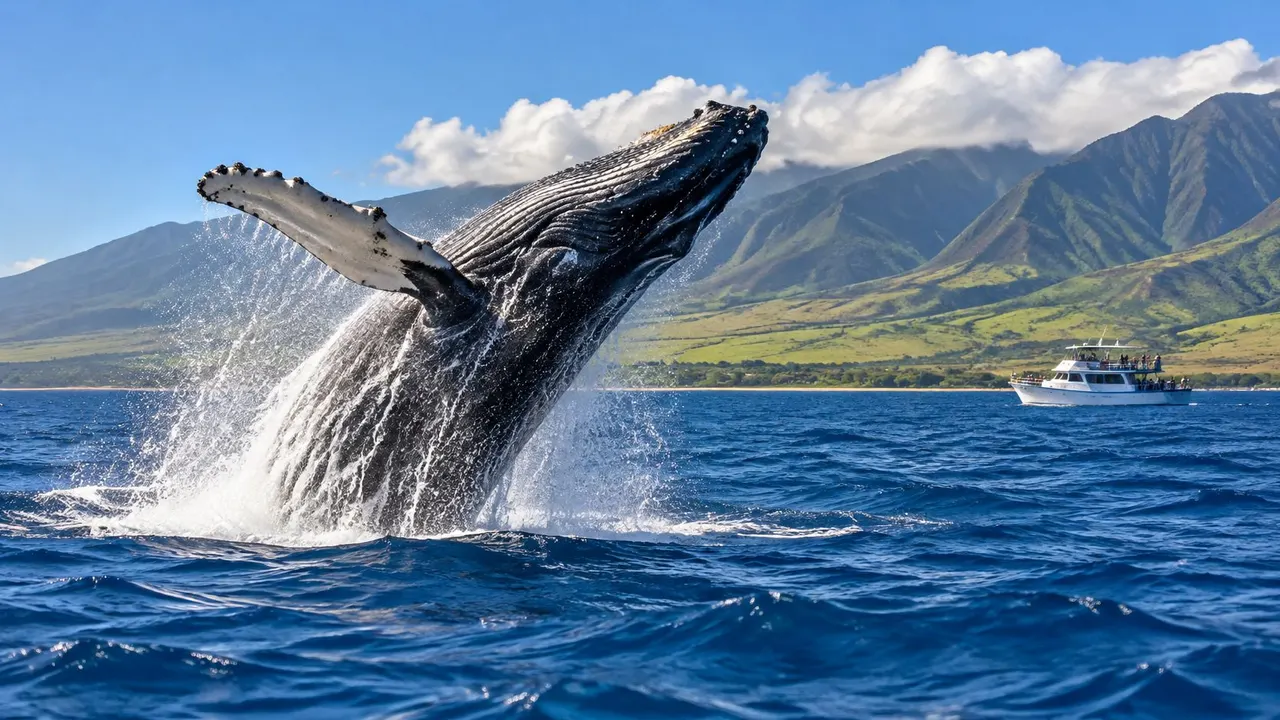
February is the best month to see whales in Hawaii, particularly its second half through mid-March, when whale presence is strongest. That's a population pattern, not a sighting guarantee.
The scale is remarkable: as many as 12,000 humpback whales come to Hawaii during peak season to breed, give birth, and nurse their young, according to Hawaii's Division of Aquatic Resources. But an ocean full of whales doesn't mean every boat finds them, or that a responsible crew can take you closer.
For a family staying in Waikiki, the useful question is more specific than “When is whale season?” You want to know which dates offer the strongest opportunity, whether changing islands is worthwhile, and what a good encounter looks like.
February Is the Best Month for Hawaii Whales
Choose February if whale watching is the main reason for your trip. It's the strongest single-month recommendation, while the surrounding peak weeks give you useful flexibility if flights, school schedules, or accommodation make that month difficult.
The Hawaii Department of Land and Natural Resources identifies January through March as peak season, with January and February generally offering the most concentrated whale presence. Sightings are possible from November through May, but those outer months call for more flexible expectations.
February is the safest single month to choose, not a promise that every boat will find whales.
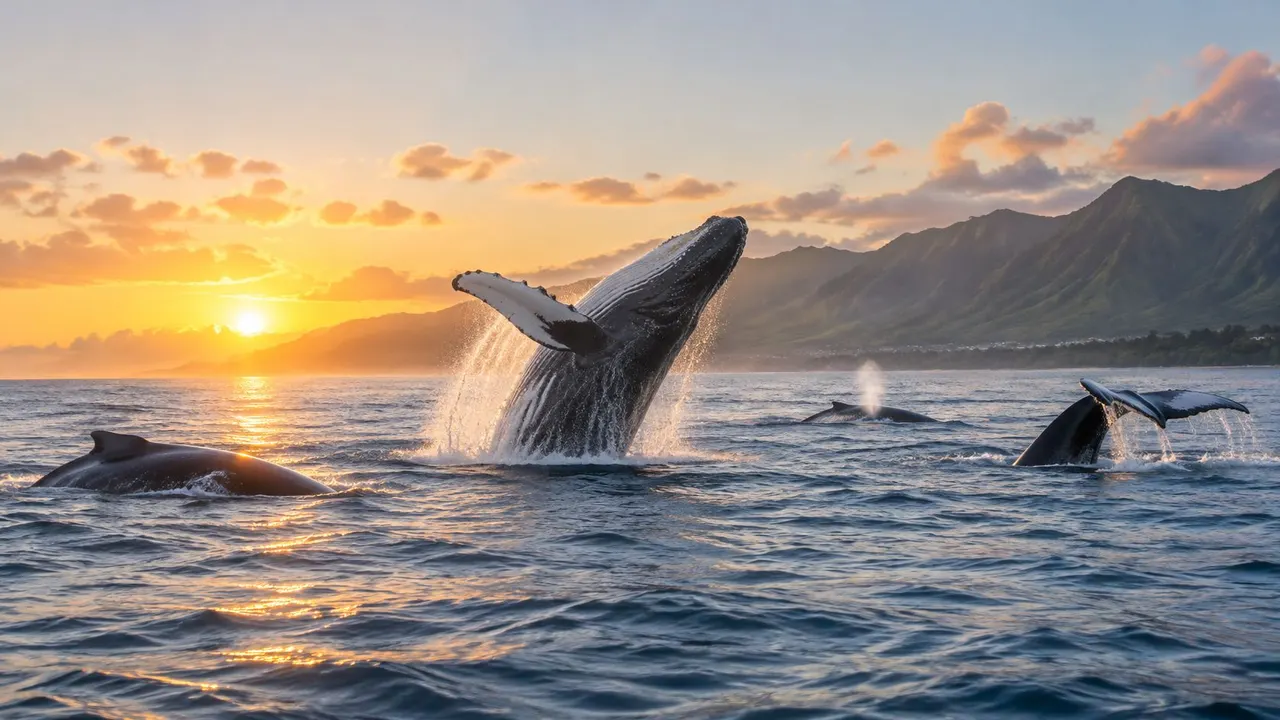
Think of abundance like a tide
February is like high tide for whale numbers. The beginning and end of the season are more like a rising or falling tide: animals are present, but they're less consistently spread through the viewing areas.
That analogy has a limit. Whales aren't water levels, and a busy seasonal calendar can't tell you what will surface off the bow. Wind, visibility, and the animals' movements still shape the day.
January can be excellent, and early March can still feel fully within the winter gathering. Don't reject either even though February takes the top recommendation.
- Choose for whale presence. Favor the heart of winter if your travel dates can move.
- Choose for family practicality. A comfortable departure that fits your group is better than forcing an awkward itinerary.
- Choose for realistic expectations. A distant blow, a rolling back, or a mother traveling with her calf can be a worthwhile encounter without a breach.
The best booking decision combines the seasonal pattern with where you're staying, rather than treating a month's ranking as a guarantee.
What Each Month of Whale Season Usually Brings
Hawaii humpback season by month
| Month | Whale presence | What visitors often see | Booking read |
|---|---|---|---|
| November | Season opening, numbers still building | Early arrivals, fewer and less predictable encounters | Shoulder possibility |
| December | Rising through the month | Improving opportunities as arrivals continue | Shoulder, book early if dates are fixed |
| January | Peak season begins | Multiple whales, breaches, competitive groups, mothers with calves | Strong odds within peak season |
| February | Highest concentration, especially the second half | Repeated sightings and breeding behavior | Best single-month choice |
| March | Peak into mid-month, followed by seasonal decline | Strong early opportunities; later outings can still be busy | Excellent early, less predictable later |
| April | Declining from the winter peak | Possible sightings with lower encounter rates | Shoulder possibility |
| May | Season winding down toward northern migration | Occasional remaining whales | Lowest seasonal consistency |
The scientific basis for that ranking is more useful than a promise of daily sightings: NOAA Fisheries' Hawaii humpback assessment places the annual abundance peak at approximately mid-February to mid-March and gives an estimated Hawaiian Islands abundance of 11,278 humpbacks, with a wide 95% confidence interval of 4,049 to 31,412.
That wide interval matters. Counting a mobile population across a large ocean area isn't like counting passengers boarding a boat. An estimate describes the population, not the number available to see along a particular stretch of coast.
The same assessment reports that NOAA-supported West Maui surveys found peak abundance in February in all three seasons studied. That supports the month's ranking, but those surveys shouldn't be mistaken for a forecast of Waikiki encounters.
How to read the seasonal phases
The opening phase is about arrivals. A shoulder-season trip can produce a wonderful encounter, but it's sensible to make whale watching a welcome possibility rather than the event your entire vacation depends on.
The peak phase offers more opportunities, not a scheduled performance. Breaching, courtship, and mother-calf activity are things you might observe. No month makes every whale stay at the surface or display every behavior.
The departure phase isn't an immediate shutdown. The Hawaii Marine Mammal Consortium reported a record-high shore-based count of 48 whales in 30 minutes during its 2024 research season, with numbers remaining high through late March.
That's a useful reminder not to read the table as a switch that flips from excellent to empty. Seasonal decline can include very active days.
Why the monthly average can lose to the daily forecast
Say your family has a choice between a windy peak-season departure and a calmer outing on a less celebrated date. The peak-season trip may have more whales somewhere nearby, while the calmer outing may make blows and backs easier to notice.
Neither choice guarantees the better encounter. The sensible approach is to use the calendar to choose your travel window, then use the marine forecast and the operator's departure guidance to choose the outing.
- Fixed travel dates. Book within your actual vacation rather than worrying about the month you couldn't visit.
- Flexible travel dates. Aim for the strongest population window.
- Flexible daily plans. Leave room to respond to ocean conditions instead of packing every day tightly.
Why So Many Humpbacks Arrive in Late Winter
Think of Hawaii as a winter nursery and breeding ground, not a cafeteria. Humpbacks travel from colder North Pacific feeding waters to gather in warm Hawaiian waters, where mating, birth, and nursing shape much of what visitors hope to see.
NOAA's Hawaiian Islands Humpback Whale National Marine Sanctuary overview describes an annual return involving more than half of the North Pacific population, with migration to Hawaiian waters occurring approximately November through May. Its practical shore-and-sea viewing window runs from November through April, although some animals remain later.
Those descriptions aren't contradictory. A broad migration season includes early arrivals and late departures; a practical viewing window describes when visitors are more likely to find animals available to watch.
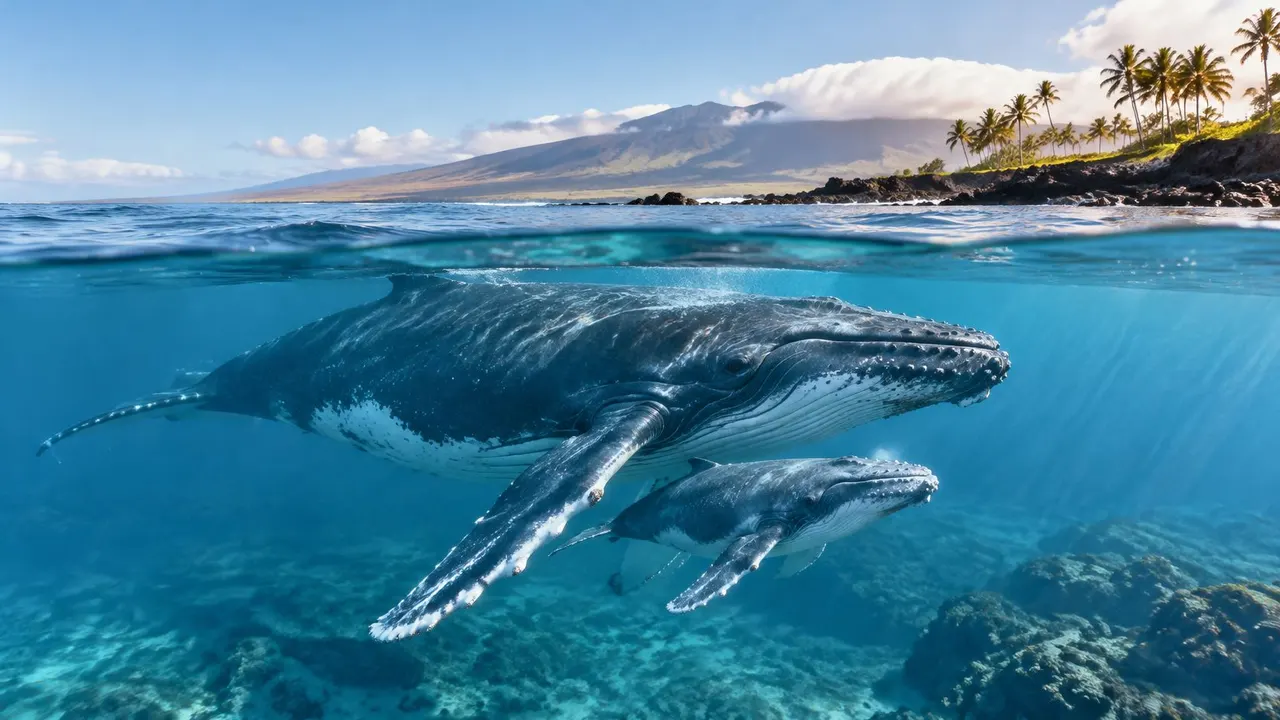
Recognizing what you're seeing
A first encounter often begins with something much smaller than the dramatic photographs suggest. Someone notices a pale puff above the water, then a dark back, then nothing obvious while everyone scans the same patch of ocean.
Keep looking, but don't lock your eyes onto that exact spot. The animal can travel while submerged, and another whale may surface elsewhere.
- A blow. The visible mist above a surfacing whale is often your first clue. Point it out using a clear direction rather than calling “over there.”
- A breach. A whale launches much of its body out of the water. Enjoy it if it happens, but don't treat it as the minimum requirement for a successful trip.
- A pectoral slap. A whale strikes the surface with its long side fin. Watch for the fin itself, not just the splash.
- A competitive group. Several males may pursue a female, creating conspicuous movement and surface activity.
- A mother and calf. The difference in body size can help you recognize the pair, even without dramatic behavior.
Watch the animal, not just the camera screen
Say a child spots a blow while an adult is adjusting a phone. The best response is to help everyone find the direction first, then raise the camera once the group knows where to look.
Binoculars help with distant details, but use your unaided eyes to locate the animal before bringing them up. Searching through a narrow magnified view can make an already difficult sighting harder.
Our Oahu whale-watching guide is a useful planning companion for understanding the local outing. Arrive ready to observe travel, breathing, and interactions, not just collect a photograph of a leap.
Which Hawaiian Coasts Hold the Most Whales
The islands don't all have the same whale density. Hawaii's Division of Aquatic Resources identifies the highest concentrations in shallow water between Maui, Lanai, and Molokai, along Kauai's north coast, and off Hawaii Island's Kohala coast, while naming January and February as peak months in its whale-watching guidance.
That's a geographic distinction, not a list of places where sightings are guaranteed. It also doesn't mean Oahu lacks worthwhile whale watching.
For someone planning an entire vacation around humpbacks, those concentration areas deserve serious consideration. For someone already unpacked in Waikiki, convenience becomes part of the decision.
Choosing an island for whales
The waters between Maui, Lanai, and Molokai are the classic whale basin. Their shallow-water setting helps explain why this part of the state features so prominently in whale-watching recommendations.
Kauai's north coast and the Kohala coast are also officially identified concentration areas. If you're already considering either island, whale season can be a strong reason to favor time near those coasts.
But density and departure conditions are different questions. A coast can support many whales while wind or sea conditions make a particular outing less comfortable or reduce what passengers can pick out.
Choose an island for concentration when whales are the purpose of the vacation. Choose a local departure for practicality when whales are part of a Waikiki vacation.
Staying on Oahu without feeling you chose wrong
Oahu isn't among the agency's named highest-concentration zones, so it shouldn't be sold as though every island offers identical abundance. Winter humpbacks still travel along the Waikiki coastline, and a boat outing lets you dedicate time to looking for them.
For a multigenerational group, avoiding an extra airport transfer and interisland travel can be the better trade. You're choosing a practical wildlife opportunity near your accommodation, not trying to reach the densest water at any cost.
Consider what success means for your group:
- Wildlife-focused travelers. Give the officially identified concentration areas more weight when choosing an island.
- Families based in Waikiki. Favor a local peak-season departure over adding complicated travel solely for a possible sighting.
- Mixed-interest groups. Keep the outing manageable for the person who's least comfortable spending time on a boat.
Our guide to where to see whales in Oahu can help you think through local viewing choices. Shore watching can complement a boat trip, but neither approach lets you predict where an animal will surface next.
Watching Whales Without Closing the Gap
More whales do not mean permission to move closer. Federal law prohibits approaching a humpback within 100 yards in Hawaiian waters, including by boat, kayak, swimmer, surfer, or drone, and manned aircraft must remain at least 1,000 feet away, as explained by Hawaii's Division of Boating and Ocean Recreation.
If a whale approaches a vessel, the operator should place the engine in neutral and wait for the animal to move away. That isn't an invitation to reposition for a better photograph.
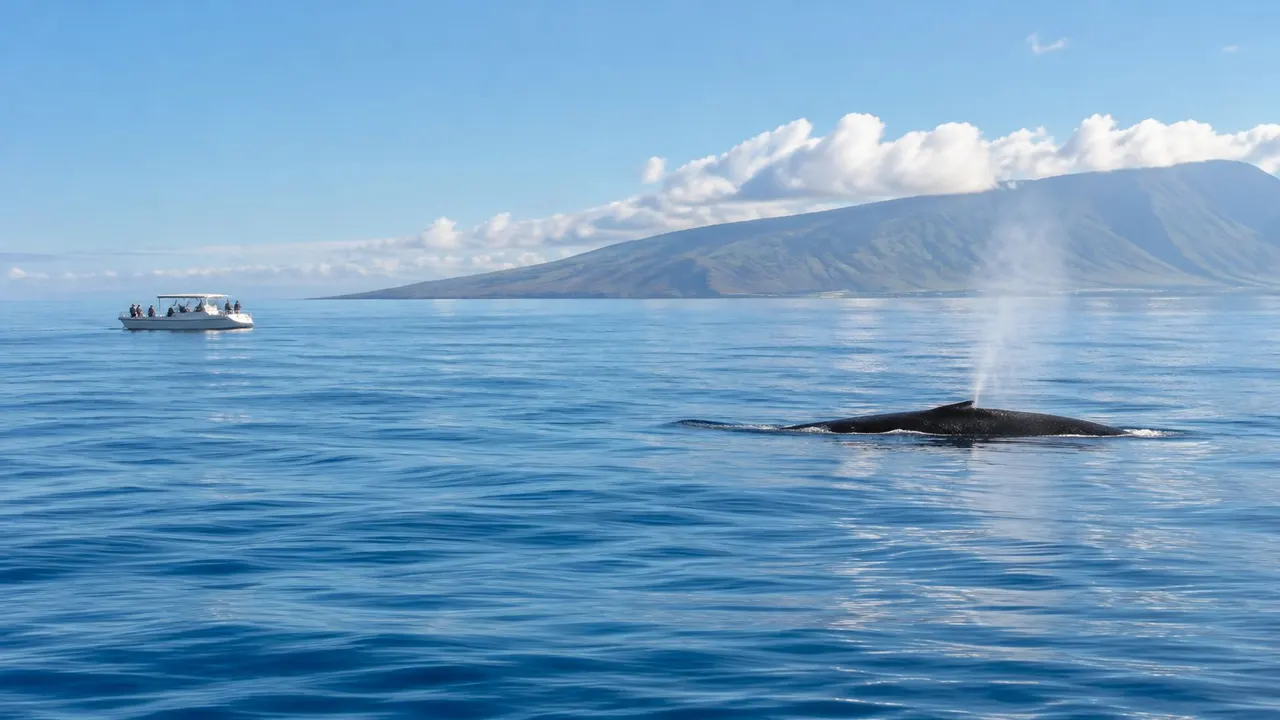
Slow boats and patient observation
Hawaii boating guidance recommends traveling below 15 knots in whale habitat, defined as water 600 feet deep or less, and slowing to 6 knots when approaching or departing whales within 400 yards. Operators must also avoid deliberately entering a whale's path, a practice called leapfrogging.
Think of a busy crosswalk. More pedestrians don't give a driver a reason to edge closer; they give the driver more reason to slow down, watch carefully, and let people pass.
NOAA's Hawaii marine-wildlife viewing guidelines also recommend limiting observation of an individual or group to 30 minutes or less and avoiding chasing, encircling, or trapping whales between vessels and shore.
- No pursuit. A breach in the distance isn't a signal for boats to converge.
- No interception. A crew shouldn't race ahead and place the vessel where a traveling whale must pass.
- No crowding. Leaving room for animals to continue traveling matters more than improving a camera angle.
What responsible viewing feels like
You might watch a back roll above the surface well away from the boat. You might use binoculars to distinguish a calf from its mother, or enjoy a series of blows without seeing much of the animals' bodies.
A careful crew may wait instead of moving. Explain that to children before departure so they understand that patience is part of protecting the animals, not evidence that the crew has lost interest.
NOAA's 2025 sanctuary report describes December 1, 2024, through May 1, 2025, as the response network's busiest season to date. That finding concerns whale-response work, not visitor numbers, but it's a clear reminder that these animals face real pressures.
Our guide to Oahu whale-watching rules explains the boundaries visitors should understand. The best encounter leaves the whale free to keep doing what it was doing before the boat arrived.
Book a Late-February Waikiki Whale Watch
If your vacation dates can move, favor late February through mid-March for your Waikiki whale-watch plan. NOAA's sanctuary boating guidance supports that distinction between the strongest abundance window, the broader winter peak, and the less predictable season edges.
If January is when your family can travel, don't dismiss it because it isn't the single top-ranked month. And if you're visiting in a shoulder period, treat whales as a possible bonus rather than promising children an encounter before you arrive.
Match the outing to your family
Living Ocean Tours is Oahu's top rated and most reviewed snorkel company. Our seasonal Waikiki Whale Watching Cruise is a separate deck-based outing for watching the humpbacks that winter along the Waikiki coastline; guests don't need to swim or snorkel.
The cruise operates January 2 through March 31, lasts 1.5 hours, welcomes ages 3 and up, and costs $49 per person. We depart daily during the season from Kewalo Basin Boat Harbor near Waikiki Beach.
Those details help you make a practical family decision. Check that every child meets the age requirement, allow time to reach the harbor without rushing, and choose an outing that fits comfortably around meals and the rest of your day.
For more local preparation, use our Waikiki whale-watching planning guide. Keep the plan focused on an enjoyable boat outing with a wildlife opportunity, rather than building everyone's expectations around a particular photograph.
Prepare for the ocean you'll actually meet
Check the marine forecast the day before your departure. A bright sky over your hotel doesn't tell you everything about wind or conditions offshore, and a calendar recommendation can't replace day-specific planning.
Mornings can offer calmer conditions, but don't assume an early departure automatically means a smooth ride or more active whales. Follow the departure information for the trip you've booked and leave the rest of the day reasonably flexible.
- Bring a warm layer. Wind on the water can feel cooler than the beach, especially when you're standing still watching.
- Wear non-slip shoes. Choose secure footwear that's comfortable for moving around a boat.
- Secure your hat. A hat helps with sun exposure only if it stays with you.
- Carry binoculars if you have them. They're more useful for distant detail than expecting a phone's digital zoom to produce a close portrait.
- Give children a spotting job. Ask them to look for blows and point out a direction while staying in the position the crew recommends.
Review the Waikiki Whale Watching Cruise to match the seasonal schedule, age requirement, and trip length to your group.
Book with the right expectation: you're reserving time on the ocean during a favorable season, not reserving a whale. A patient, legal view during peak weeks is the win, not a chase.
Living Ocean Tours offers seasonal whale watching along the Waikiki coastline, with departures from Kewalo Basin Boat Harbor near Waikiki Beach. Visit Living Ocean Tours to plan a winter outing that fits your family and gives Hawaii's humpbacks the space they need.


