
8 Best Places Where to See Turtles in Oahu (2026 Guide)
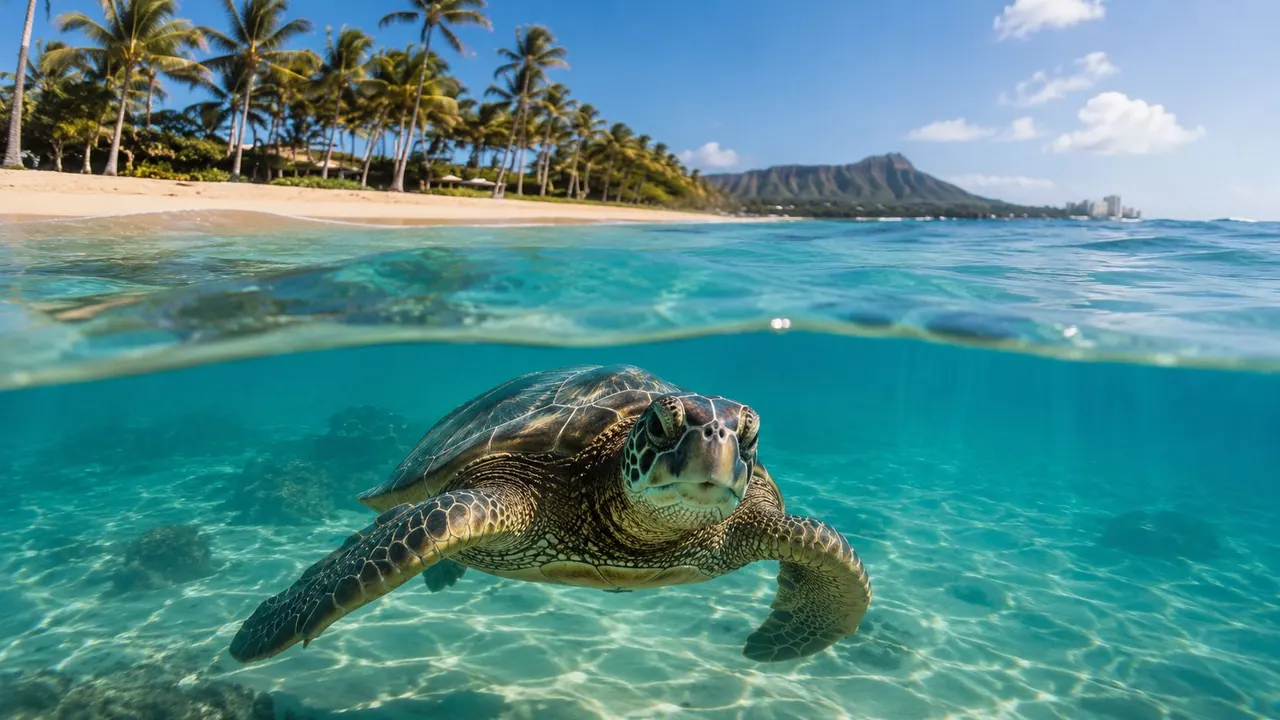
Oahu's Gentle Giants: Your Guide to Finding Honu
You're on Oahu, you've seen the photos, and now you want the genuine experience. Not a blurry glimpse from a crowded beach. Not an all-day island loop that turns into a parking hunt. You want to know where to see turtles in Oahu in a way that fits your trip, your swimming ability, and the people you're traveling with.
That's the right question to ask, because turtle spotting on Oahu isn't one-size-fits-all. Some places are best if you want to stay on shore and watch from a respectful distance. Some work better if you're comfortable snorkeling on your own. And if your priority is the strongest chance of seeing honu in the water, guided offshore access usually beats guessing from the beach.
The good news is that Oahu gives you all three options. You can watch basking turtles on the North Shore, snorkel from protected beaches, or head offshore near Waikiki to a known turtle habitat where sightings are especially consistent. The best choice depends on whether you want convenience, lower stress, stronger in-water odds, or a quieter local feel.
This guide keeps it practical. You'll find the best spots, the trade-offs that matter, and the small decisions that usually make the difference between a great turtle day and a frustrating one.
1. Turtle Canyons (Lahi Kai)
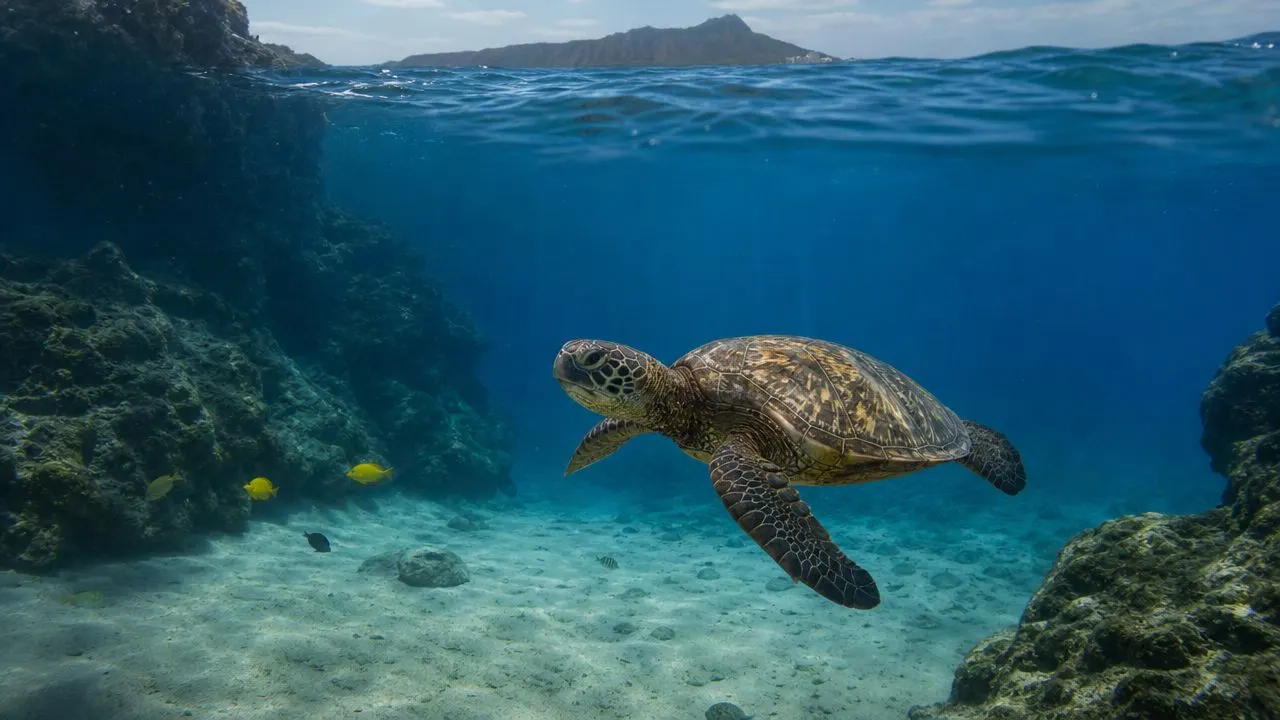
If your main goal is to snorkel with turtles, this is the cleanest answer. Turtle Canyons, also called Turtle Town by many visitors, is the offshore reef zone just off Waikiki that gets cited again and again because turtles return there for a natural cleaning station. One Oahu guide describes it as the island's strongest in-water turtle bet and estimates sightings at about 95%+ at Turtle Town.
That matters because this isn't random luck. Turtles gather around the ledges so reef fish can remove debris and parasites, which is why boat access works so much better here than hoping one happens to pass by a public beach.
Why it works so well
This is the spot I recommend first for mixed groups staying in Honolulu. Grandparents can ride out and enjoy the coastline. Kids and first-timers usually do better with a crew handling entry, gear, and site selection. Stronger swimmers still get what they came for, which is time in known turtle habitat.
A lot of people search “where to see turtles in Oahu” and assume shore snorkeling is easier because it's cheaper. Sometimes it is. But with turtles, convenience and reliability aren't the same thing.
Practical rule: If seeing turtles in the water is the priority, go offshore to known habitat instead of gambling on a beach session.
For a deeper breakdown of the site itself, this Turtle Canyon Oahu guide is worth reading before you book.
Who should choose it
Choose Turtle Canyons if you want the best balance of access, odds, and instruction. It's especially good for visitors who don't want to drive across the island or manage surf, parking, and gear rentals on their own.
Living Ocean Tours is the top rated & most reviewed snorkel company on Oahu, and this is the kind of trip they're known for. Their Turtle Canyons Snorkel Excursion is the most direct fit for this article.
2. Hanauma Bay Nature Preserve
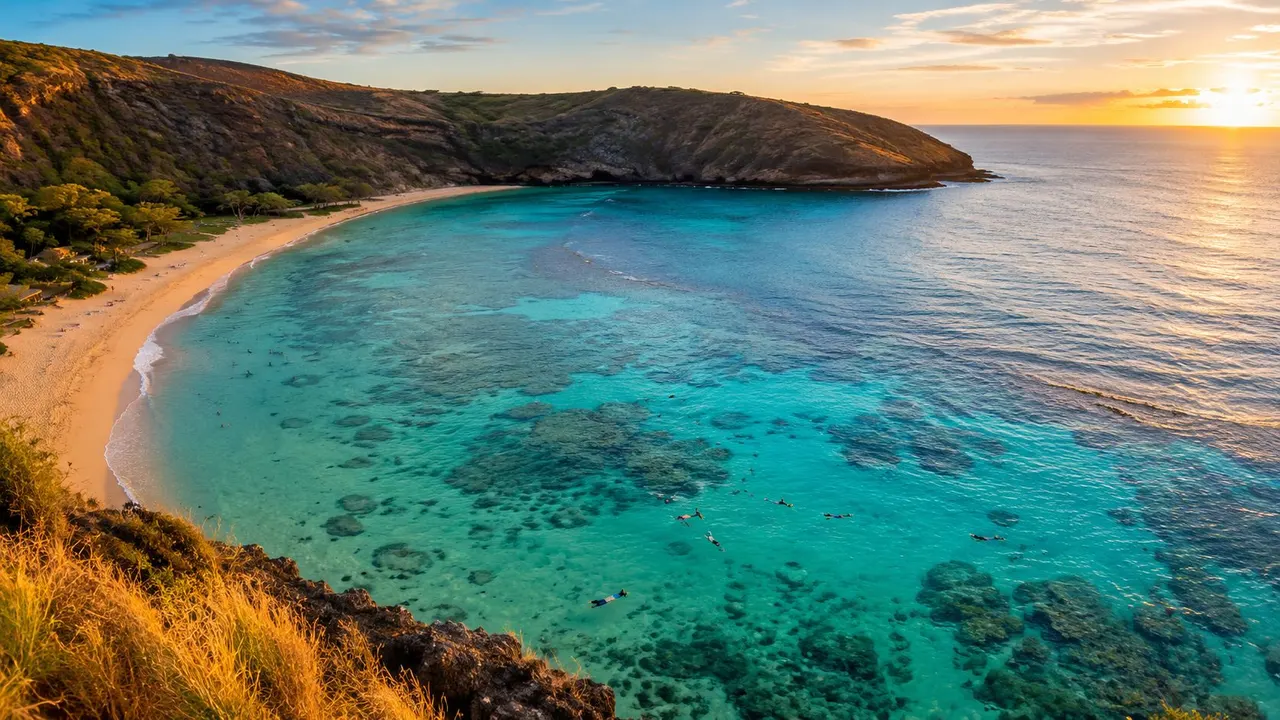
Hanauma Bay is the “everyone can participate” option. If your group includes young kids, cautious swimmers, or family members who want a protected setting instead of open ocean, this is one of the most forgiving places to start.
The bay is famous for fish first, turtles second. That's the right mindset to bring. You can absolutely see honu here, especially around the edges and reefier sections, but this isn't the place I'd call the strongest dedicated turtle mission.
Best use for families and beginners
Hanauma works when your day needs to be about more than one species. Some people want a beach setup, easy entry, and a place where half the group can snorkel while the other half stays comfortable near shore. This bay does that better than most.
If weather shifts or someone in your group gets nervous in the water, the day can still be a win. That's not always true at more exposed beaches.
You can compare that kind of shore-based flexibility with a guided offshore day in this Honolulu snorkeling backup guide.
What to do differently here
Don't rush straight to the busiest central area and expect the best turtle luck. Spend time scanning the calmer outer sections, move slowly, and treat turtles as a possible bonus rather than a guarantee.
A practical approach here usually looks like this:
- Arrive early: Early arrival makes the whole visit smoother and usually gives you calmer water.
- Keep expectations realistic: You're entering a protected bay with lots of marine life, not a dedicated turtle cleaning station.
- Snorkel within your comfort zone: New snorkelers do better when they don't push too far just because someone else in the group wants a longer swim.
Hanauma is one of the easiest places to enjoy the water without making the day feel like a performance test.
3. Lanikai Beach
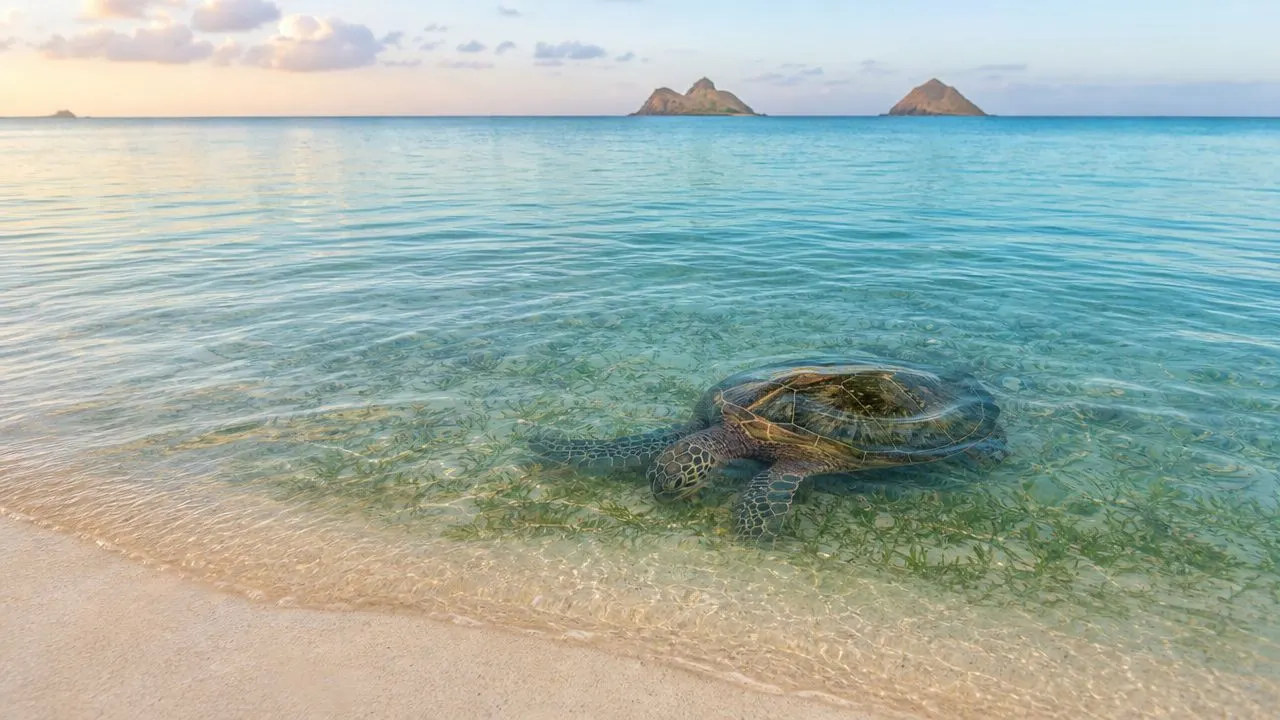
Lanikai is the beach people fall in love with before they even get in the water. Clear shallows, soft sand, and a calmer feel than the main tourist zones make it appealing for visitors who want a scenic morning with at least a reasonable turtle chance.
This is not my pick for the most dependable encounter. It is a good pick if your group wants a beautiful beach first and turtle possibilities second.
Why visitors like it
Morning usually gives you the best shot. The water tends to look cleaner, the wind is often lighter, and nearshore movement is easier to read. Families like Lanikai because the beach itself is worth the trip even if the turtles stay out of sight.
That's the basic trade-off here. You're buying into a lovely beach morning, not a highly structured wildlife outing.
If you want a broader look at local expectations, this guide to seeing turtles on Oahu adds helpful context.
Biggest trade-off
The beach can feel mellow, but parking and neighborhood etiquette matter. Visitors often underestimate that. If you arrive late and circle the area looking for a perfect setup, the mood changes fast.
A better strategy is simple:
- Go early: Early access helps with parking and usually gives you the best water.
- Bring your own gear: This isn't the place to realize you still need to rent fins.
- Stay slow in the shallows: Turtles that are feeding nearshore won't stick around if people thrash straight at them.
4. Kailua Beach (Turtle Cove Area)
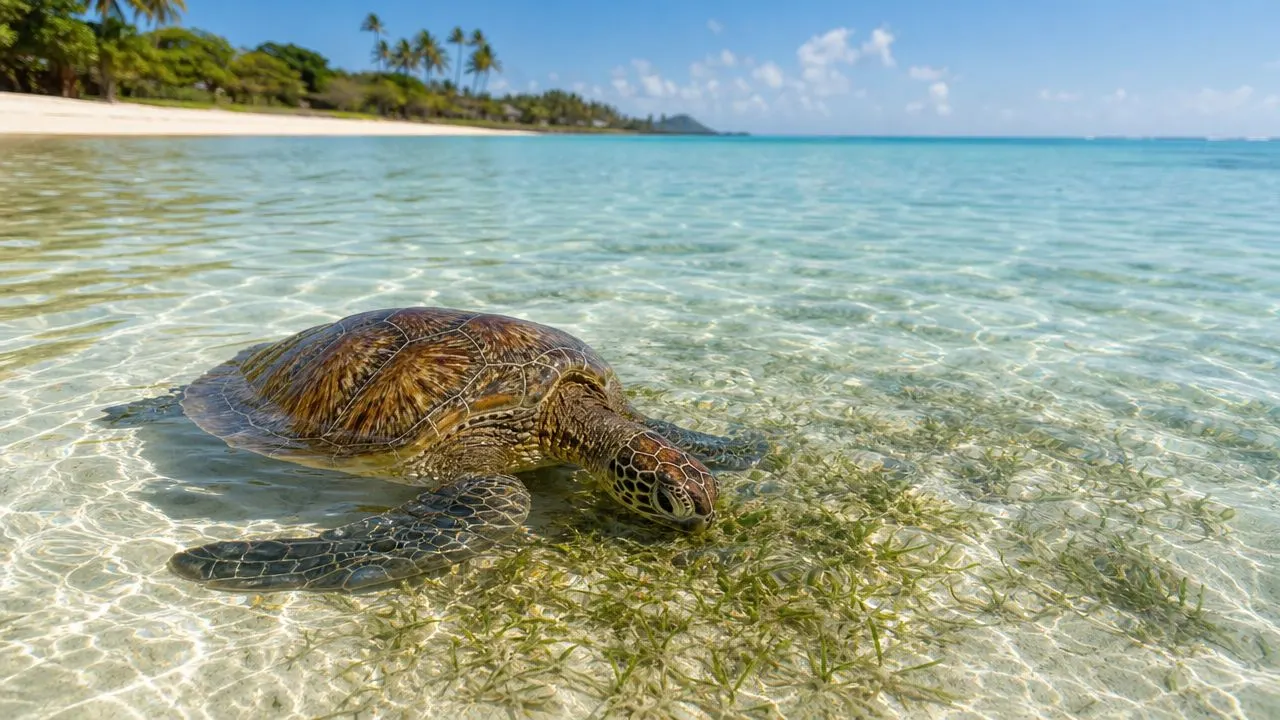
Kailua Beach is a better practical choice than many visitors expect. It gives you room to spread out, a classic beach day setup, and a fair chance of seeing turtles if you focus on the quieter nearshore areas instead of treating the whole shoreline the same.
For families, this matters. Some people in the group want to snorkel. Others want a relaxed sand day. Kailua handles that split well.
Where this spot shines
I like Kailua for first-time snorkelers who are comfortable in the water but don't want a high-pressure ocean entry. The beach gives people space to get settled before they commit to swimming farther out.
It also works for multi-generational trips because nobody has to build the whole outing around one short turtle window. Even if turtle activity is light, the beach day still holds up.
What usually works best
The northern side and cove-like sections are usually more productive than random mid-beach drifting. Move parallel to shore, not straight out, and watch the bottom before you charge ahead.
Quiet water and patience beat distance at Kailua. Most visitors waste energy swimming too far instead of reading the nearshore habitat.
A few habits help here:
- Start in the morning: Wind chop builds and takes the edge off visibility.
- Use polarized sunglasses before entering: They make it easier to spot shape and movement from shore.
- Respect feeding areas: If a turtle is working the bottom, leave space and let it continue naturally.
5. Waikiki Beach (Near Kuhio Beach Park)
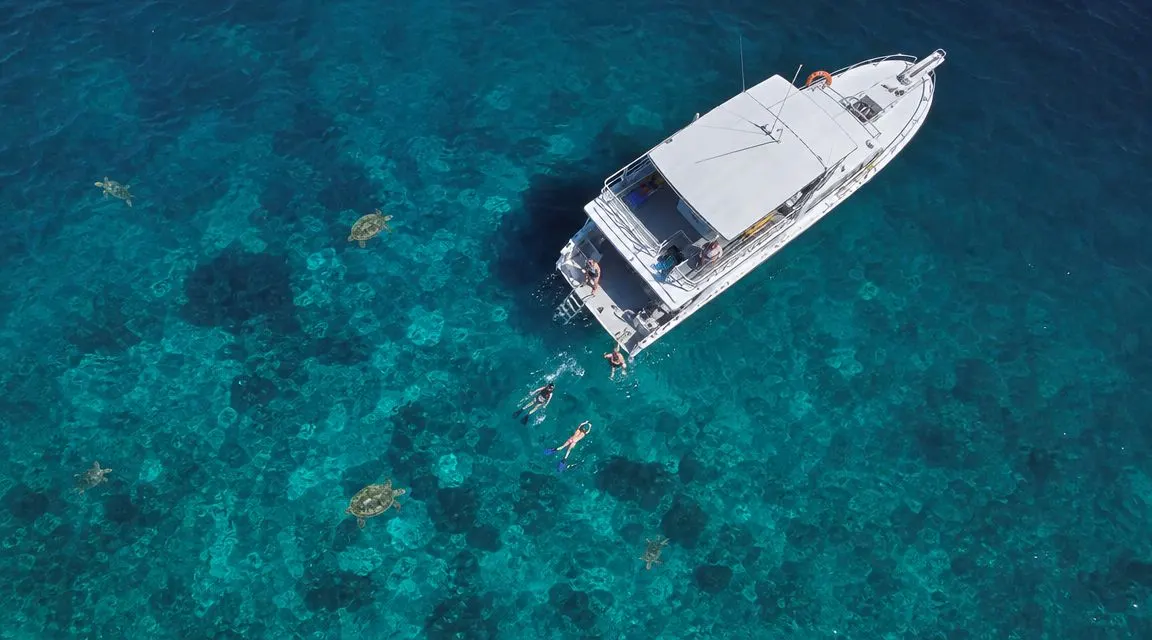
Waikiki matters because most visitors are already there. If you're staying nearby and want the simplest possible attempt without a long drive, the reef edges near Kuhio Beach Park are worth checking in calm morning conditions.
That said, Waikiki is a convenience play. It is not the strongest answer if turtles are the whole point of your day.
Why it matters
For many travelers, Waikiki is the realistic backup plan. No rental car. No major logistics. No trying to coordinate grandparents, beach gear, and a cross-island drive before breakfast.
That's why I still recommend it to the right people. If your expectations are set correctly, it can be a good low-commitment turtle try.
This Waikiki snorkeling shore vs boat comparison explains that difference well.
When Waikiki is enough and when it isn't
If you're happy with “maybe we see one while snorkeling near the hotel,” Waikiki works. If you want a stronger in-water turtle plan, it usually makes more sense to leave the beach and go offshore.
The mistake people make is treating all Waikiki water the same. It isn't. Swimmers, surf activity, reef edges, and general beach traffic all change what kind of experience you'll get.
- Go early: Morning gives you cleaner conditions and less crowd pressure.
- Work the reef edges: Open sand with heavy swim traffic usually isn't where the action is.
- Be flexible: If the beach feels chaotic, save the effort and book a boat day instead.
6. Laniakea Beach
Laniakea is the classic answer for shore-based turtle viewing on Oahu. If someone asks where to see turtles in Oahu without snorkeling, this is the place that comes up first for good reason. Historical patterns make it the island's strongest land-based turtle stop, with Hawaiian green sea turtles commonly seen basking on the sand, and local guides regularly describe it as one of Oahu's most reliable turtle-viewing beaches in a broader Laniakea Beach turtle guide.
The beach is often called Turtle Beach. That nickname stuck because honu use the warm sand for resting and the nearby nearshore habitat for feeding and shelter.
Best shore-based turtle stop on Oahu
This is the place to choose if you have non-swimmers, toddlers, or family members who just want to watch respectfully from land. It also fits well into a North Shore day when you're already heading that direction.
Seasonal timing matters here more than many visitors realize. Source material describes the area as especially active during calm summer conditions, and that lines up with why some people have a magical stop while others arrive on a rough day and don't understand the hype.
How to avoid the common mistake
The common mistake is treating Laniakea like a quick roadside photo pullout. It works better when you give it patience. Park legally, move carefully, and expect to stand back instead of pushing for a close look.
NOAA also gives this beach some important context. At Laniakea, observers commonly see only zero to four turtles basking per day, even though 18 to 20 honu regulars are documented there and 35 individuals have been tagged since 1999, with a 10-foot minimum viewing distance. That tells you two things right away. Timing matters, and responsible distance is not optional.
Local reality: Laniakea is reliable over time, but not predictable by the minute.
7. Makalei Beach (Wai'anae Coast)
Makalei Beach is for people who don't mind working a little harder for a quieter setting. It's less polished, less central, and usually less crowded than the better-known visitor beaches. For some travelers, that's exactly the point.
If your group likes a more natural feel and doesn't need a built-in tourist setup, this side of the island can be rewarding.
Why people make the drive
The Wai'anae Coast gives you a very different kind of turtle day. It feels more local, less scheduled, and more dependent on arriving prepared. When conditions are calm, that trade can be worth it.
Photographers tend to like it because the backdrop is strong even before marine life enters the frame. Families who prefer a peaceful beach over a busy scene often like it too, as long as they understand the extra planning involved.
Who should skip it
Skip Makalei if your group needs easy rentals, lots of nearby services, or a highly controlled beginner setup. This isn't the beach I'd send someone to if they were already nervous about the ocean.
What works best here is simple:
- Pack everything before you leave town: Food, water, and gear should already be in the car.
- Go on a calm day: This coast is far more enjoyable when the ocean cooperates.
- Respect the area: Quieter beaches stay better because visitors don't treat them like disposable photo stops.
8. Living Ocean Tours private charter and exclusive experiences
Sometimes the best answer isn't another beach. It's getting your own group on the water with a crew that can shape the day around your pace, your comfort level, and your priorities.
That's where private charters make sense. Families celebrating a milestone, corporate groups, or visitors traveling with mixed ages often do better when they aren't trying to fit into a standard plan built for everyone else.
When private access makes sense
A private charter works especially well when one part of the group wants focused turtle snorkeling and another part wants a more relaxed ocean outing. You can keep the day flexible without turning it into chaos.
For reunions and special occasions, it also removes the usual friction. No splitting cars. No debating which beach has parking. No trying to keep a large family on the same schedule all day.
Living Ocean Tours offers Oahu turtle snorkeling tours and charter options that fit that kind of trip.
Why guided trips beat guesswork for many visitors
The biggest win with a guided charter is decision-making. The crew already knows how to read conditions, pick the safer plan, and keep wildlife viewing respectful. For many visitors, that's better than self-managing a beach hop and hoping the ocean lines up.
Living Ocean Tours is the top rated & most reviewed snorkel company on Oahu, and for turtle-focused groups that want a more personalized day, they're often the first operator people look at.
Oahu Turtle Viewing: 8-Location Comparison
| Location | 🔄 Complexity | ⚡ Resource requirements | 📊 Expected outcomes | Ideal use cases 💡 | ⭐ Key advantages |
|---|---|---|---|---|---|
| Turtle Canyons (Lahi Kai) | Moderate, boat access and guided snorkel required | Boat charter, guide, snorkel gear; short transit from Waikiki | Very high turtle-sighting rate (≈85–95%); rich biodiversity | Wildlife-focused tours, photography, first-time snorkelers seeking reliable sightings | Highest concentration of green turtles; educational guides and excellent photo opportunities |
| Hanauma Bay Nature Preserve | Low–Moderate, regulated shore entry with mandatory orientation | Entry fee, tram/parking, on-site rentals available | Moderate turtle sightings; exceptional water clarity and protected habitat | Eco-education groups, families, visitors seeking conservation-focused experience | Highly protected marine area with clear water and structured visitor education |
| Lanikai Beach | Low, simple shore entry and shallow snorkeling | Personal snorkel gear recommended; parking and short drive required | Moderate morning turtle encounters in shallow seagrass; calm conditions common | Families, peaceful beach visits, accessible wildlife viewing close to shore | Direct shore access, serene setting, excellent morning turtle viewing |
| Kailua Beach (Turtle Cove) | Low, shore-based snorkeling in protected cove | Bring/pick up snorkel gear nearby; parking required | Reliable morning turtle sightings in shallow nearshore waters | Family-friendly snorkeling, easy wildlife viewing without boat | Protected cove with abundant seagrass and consistent turtle presence |
| Waikiki Beach (near Kuhio Beach Park) | Low, easiest access from hotels; designated snorkel zones | Minimal transport; many rental shops within walking distance | Lower sighting frequency vs. dedicated sites; variable clarity due to crowds | Quick convenience snorkeling for hotel guests and first-time visitors | Unparalleled convenience and year-round accessibility from Waikiki |
| Sandy Beach Park (Kahala) | Low, shore entry with shallow feeding areas | Personal gear, short drive from Waikiki, ample parking | Consistent shallow-water sightings; peaceful, low-crowd environment | Families with young children, visitors seeking local, low-impact experience | Quiet, local atmosphere with shallow, accessible turtle foraging areas |
| Makalei Beach (Wai'anae Coast) | Moderate, longer drive and limited infrastructure | Full-day supplies, personal gear, check conditions before travel | Reliable sightings in pristine, uncrowded waters | Eco-conscious travelers, photography, visitors seeking authentic local beaches | Pristine clarity, minimal crowds, strong cultural and scenic value |
| Living Ocean Tours, Private Charter & Exclusive Experiences | High, advanced booking and group coordination | Premium charter cost, expert guides, included premium equipment and catering options | Highest probability and duration of turtle encounters; customizable outcomes | Special events, multi-generational groups, corporate retreats, bespoke education | Exclusive access, flexible itineraries, tailored education, and higher success rates |
The Golden Rules: How to Watch Turtles Responsibly
Seeing a honu is a privilege. It's also one of those moments that feels better when you know you handled it the right way. Oahu's turtle spots only stay special if visitors give the animals room to feed, rest, surface, and move naturally.
The biggest rule is distance. At places like Laniakea, NOAA notes a 10-foot minimum viewing distance, and that's a good standard to carry everywhere on the island. In practice, if a turtle changes direction because of you, lifts its head repeatedly, or seems boxed in, you're already too close.
A lot of bad behavior doesn't look dramatic. It looks like swimming directly over a turtle for a photo. It looks like standing too close to a resting turtle on the sand. It looks like drifting into its path because you wanted a better angle. None of that is respectful, and some of it is illegal.
Follow these habits every time:
- Keep Your Distance: Stay at least 10 feet away from turtles in the water and on land. Never block their path.
- No Touching, No Chasing: Never touch, chase, ride, or harass a turtle. Let the turtle control the encounter.
- Look, Don't Feed: Don't feed turtles. Human food and human interference change natural behavior.
- Use Reef-Safe Sunscreen: Mineral-based sunscreen is the better choice for the reef systems turtles depend on.
- Go with a Pro: Guided operators can make a big difference for visitors who want structure, instruction, and a more respectful experience.
That last point matters more than people think. A good crew doesn't just drive a boat. They set spacing, explain how turtles use a site, and keep guests from crowding wildlife when excitement takes over. For beginners, families, and anyone short on time, that kind of structure often leads to a better day.
If you want the strongest in-water option near Honolulu, a guided trip with Living Ocean Tours is one practical way to do it. They offer turtle-focused snorkeling from Kewalo Basin with gear, instruction, and an emphasis on responsible wildlife viewing. If you'd rather stay land-based, choose your beach based on what kind of day you actually want, not just what looked good in a photo.
The best turtle encounter on Oahu usually isn't the one where you got closest. It's the one where the turtle kept feeding, resting, or gliding along as if you weren't there at all. That's how you know you did it right.
If you want an easier, more organized way to snorkel with honu near Waikiki, take a look at Living Ocean Tours. Their turtle snorkeling trips, charters, and family-friendly ocean tours are built for visitors who want less guesswork and more time enjoying the water responsibly.


