
Turtle Canyon Oahu: How Green Turtles Shed Their Scutes
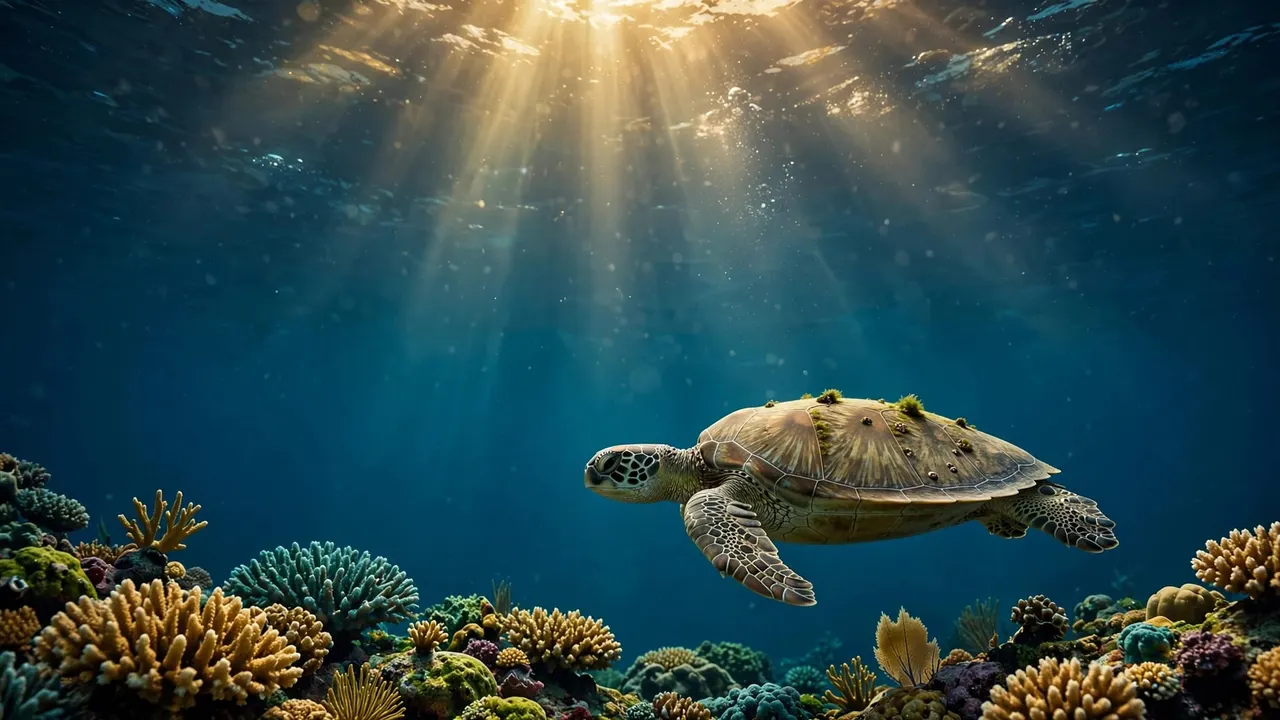
A Hawaiian green sea turtle moving over a Waikiki reef can look perfectly still, yet its shell is always exposed to saltwater, sunlight, algae, and reef life. At Turtle Canyon Oahu, you may notice raised edges or thin layers lifting from a honu’s shell. That sight can be surprising, but it isn’t a reason to swim closer.
Living Ocean Tours, Oahu’s top-rated and most-reviewed turtle snorkeling tour company, brings you from Kewalo Basin Boat Harbor to offshore reef habitat where green turtles may appear. You get a wild encounter, not a staged animal experience, so calm observation matters more than getting close.
Key Takeaways
- A turtle’s upper shell is called the carapace, and its visible plates are keratinized scutes.
- Loose scute edges can be surface keratin sloughing away, but you can’t diagnose a turtle’s health from a snorkel mask.
- Turtle Canyon Oahu is reef habitat used by wild animals. Turtles decide when to arrive, surface, rest, or leave.
- Keep at least 10 feet away, and never touch, feed, chase, block, or surround a turtle.
- Tell your guide if you spot fishing line, a severe wound, unusual swelling, poor movement, or a turtle in obvious distress.
Turtle Canyon Oahu and the Turtle Shell
A honu’s shell is strong, but it isn’t a single solid plate. Its outer surface has layers that can change over time, especially around the scute edges.
The carapace is the upper shell
The broad, rounded upper shell is the carapace. A turtle also has a lower shell, called the plastron, which covers its underside. The National Park Service’s turtle anatomy guide explains that scutes cover the carapace and are made of keratin, the same material found in hair and fingernails.
Green turtles have a smoother-looking shell than some other sea turtle species. Their color can range from olive and brown to gray-green, with patterns that become easier to see when sunlight reaches the reef.
Scutes are protective keratin plates
Scutes overlap across the carapace like sturdy, natural tiles. Their pattern helps scientists identify species, although sources may describe the number of costal scutes differently depending on the counting method. The NOAA sea turtle anatomy reference shows why researchers use several shell features rather than relying on one count alone.
A scute isn’t supposed to be peeled away by a snorkeler. Even when an edge looks loose, your job is to observe from a distance and let the turtle move freely.
How Green Turtles Shed Their Scutes
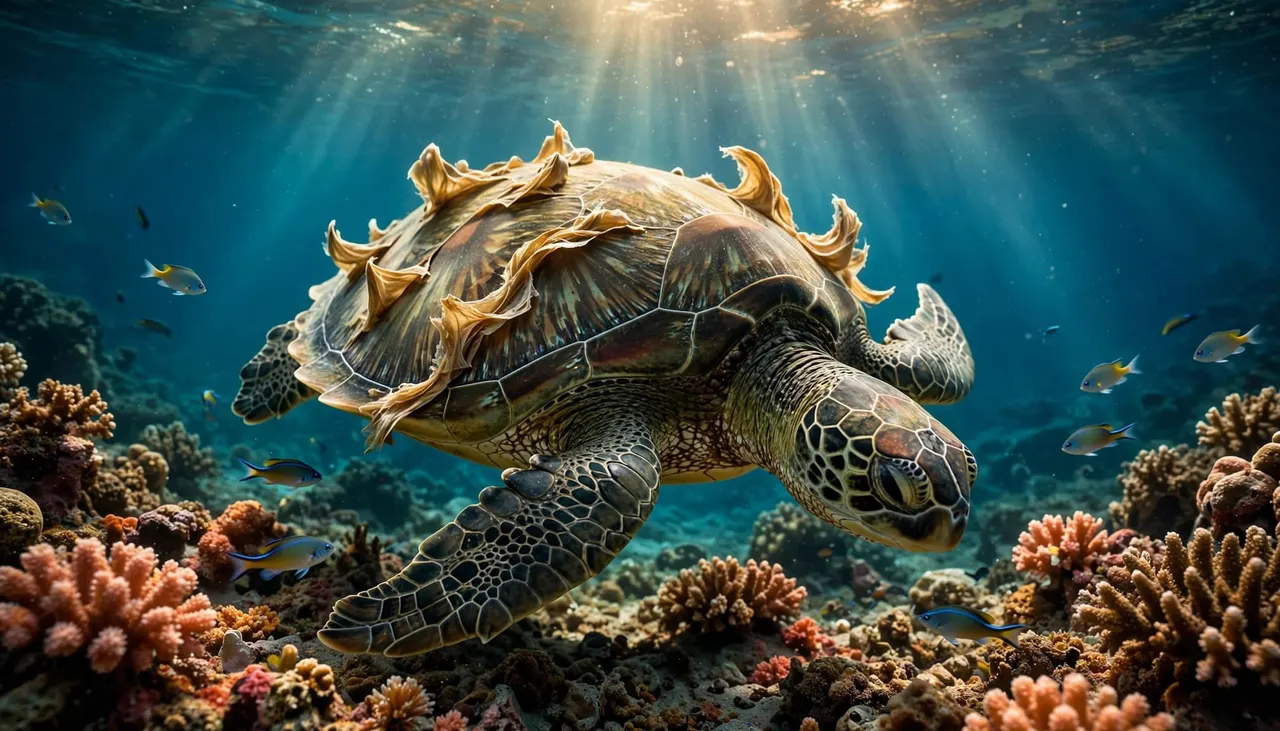
At Turtle Canyon Oahu, a turtle may show thin, lighter-looking edges on its shell. These can look like a layer is lifting or flaking away in the water.
Surface keratin can slough off
The shell’s outer keratin doesn’t stay unchanged forever. NOAA research materials refer to sloughing keratin at scute edges, which supports the idea that loose surface material can naturally separate over time. The NOAA sea turtle research manual uses that language in its guidance for handling scute samples.
Water movement, growth, and daily contact with the marine environment may all affect how the outer surface looks. However, a single shell observation doesn’t reveal the turtle’s full condition.
A lifting scute isn’t automatically an emergency
A small raised edge may be ordinary surface renewal. Still, deep cracks, open wounds, heavy discoloration, visible line, or a turtle struggling to swim deserve attention from trained responders.
A shell that looks unusual can be a reason to notify a guide, but it is never a reason to touch or handle a protected turtle.
Keep your camera back, avoid diving down toward the animal, and let your guide decide whether the situation needs to be reported.
What You May See Around a Reef Cleaning Area
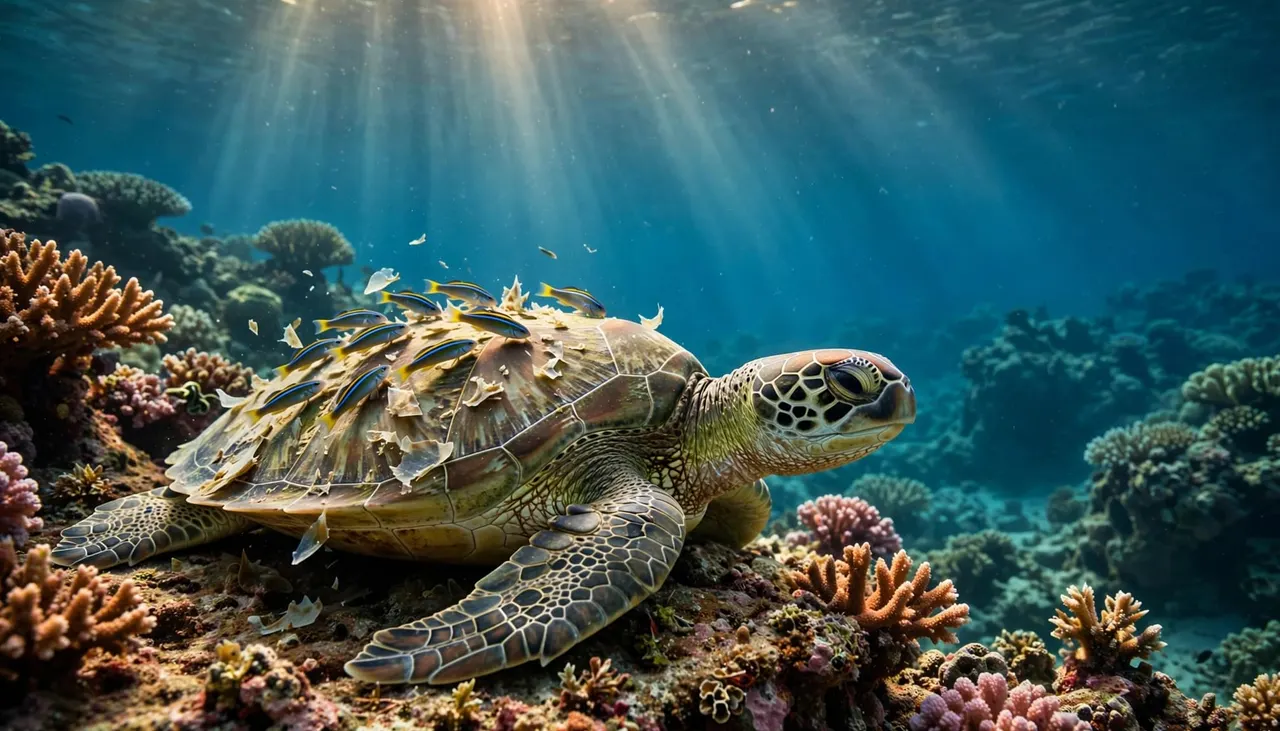
Turtle Canyon is known for reef habitat where honu may pause near coral and small reef fish. Visitors often call these areas cleaning stations because turtles can linger while fish gather around their shells and skin.
A turtle may hover, settle low over the reef, rise for air, or glide beyond view. Those movements belong to the turtle’s routine. The reef isn’t an aquarium, and Turtle Canyon isn’t an official wildlife sanctuary or a guaranteed viewing site.
Reef fish near a turtle don’t give you a medical diagnosis. You can’t tell from the surface whether fish are picking at algae, loose material, or tiny organisms. What you can recognize is a natural interaction that works best without swimmers crowding the animal.
At Turtle Canyon Oahu, patience gives you a better view. When your group floats calmly and leaves open water around the turtle, you are more likely to see natural behavior.
Give Hawaiian Green Turtles Room to Move
Wildlife etiquette protects the turtles and makes your snorkel time safer. A turtle needs clear space to feed, rest, and reach the surface for air.
Follow the 10-foot rule
NOAA and Hawaii’s marine wildlife guidance ask you to stay at least 10 feet, or 3 meters, away from sea turtles in the water and on shore. Review NOAA’s Hawaii marine-life viewing guidance before your trip, especially if wildlife photography is high on your vacation list.
Use your fins slowly and keep your body horizontal. If a turtle changes direction, allow it to pass instead of following. A wide path gives the animal a clear route to the surface.
Never touch, feed, or block a turtle
Touching can transfer bacteria and disrupt the protective surface of a turtle’s shell and skin. Feeding changes normal behavior and can draw animals toward boats and swimmers. Chasing a turtle for a photo also costs it energy.
Avoid surrounding a honu with friends or floating directly above it. Let your guide position the group so the turtle has room in every direction. You will get better photographs by waiting for a natural pass than by trying to force one.
When a Turtle May Need Professional Help
You don’t need marine biology training to notice a serious problem. You only need to stay calm, keep your distance, and share clear details with the right person.
Watch for clear signs of distress
Report a turtle that appears entangled in fishing line, has a severe visible injury, cannot use a flipper normally, or struggles to swim. A turtle that remains unusually still at the surface may also need assessment, although resting behavior alone doesn’t prove illness.
If you see something concerning during Turtle Canyon Oahu snorkeling, alert your guide immediately. Describe the turtle’s location, direction of travel, shell markings, and what you observed.
Leave rescue work to trained responders
Don’t pull fishing line, scrape the shell, move the turtle, or attempt treatment. A well-meant intervention can worsen an injury or push a frightened animal farther from help.
For an injured or dead sea turtle in Hawaii, you can report the situation to NOAA’s Hawaii Marine Wildlife Hotline at (888) 256-9840. The federal marine turtle recovery plan also reflects the larger conservation work needed to protect sea turtles across their life cycle.
Snorkel Turtle Canyon With In-Water Guidance
Living Ocean Tours operates close to Waikiki from Kewalo Basin Boat Harbor. The company is the only tour company with professional snorkel guides in the water with you, which gives beginners, families, and returning snorkelers extra support around reef conditions and wildlife etiquette.
The Turtle Canyon snorkel excursions include gear, instruction, flotation support, shaded seating, onboard restrooms, dry storage, and sturdy ladders for water entry. Living Ocean Tours reports a 95% turtle-sighting rate, although wind, visibility, and wildlife behavior always affect what you see.
The trip is a strong fit if Turtle Canyon Oahu is high on your Waikiki list. You can focus on steady breathing and the reef while professional snorkel guides help the group give honu the space they need.
Reserve a turtle-focused outing when conditions and your schedule line up: CHECK AVAILABILITY.
Frequently Asked Questions
Do green turtles shed their whole shell at once?
No. A turtle doesn’t shed its carapace in one piece. You may see lifting or sloughing keratin around individual scute edges, but the shell’s appearance changes gradually. If the turtle has a wound, major crack, or entanglement, stay back and tell your guide.
Can beginners snorkel at Turtle Canyon Oahu?
Yes, if you choose a guided trip, use flotation support, and speak honestly about your swimming comfort. Before entering the water, tell the crew if you are nervous, prone to motion sickness, or helping a child with gear. You can take your time getting comfortable at the surface.
Will turtles always be at Turtle Canyon?
No wildlife encounter is guaranteed. Turtle Canyon Oahu has reef habitat where Hawaiian green turtles may visit, yet every animal chooses its own route and schedule. You may see turtles, reef fish, rays, coral, or open blue water on any given outing.
Let the Reef Set the Pace
A honu with a lifting scute can be an intriguing sight, but it is still a wild animal living on its own terms. The best Turtle Canyon Oahu encounter happens when you give the turtle space, watch its natural behavior, and report real concerns without trying to intervene.
Your patience protects the reef, respects Hawaii’s marine life, and keeps the memory of a green turtle gliding through clear water exactly as it should be.


