
Whale Watching Oahu Mistakes First-Time Visitors Make
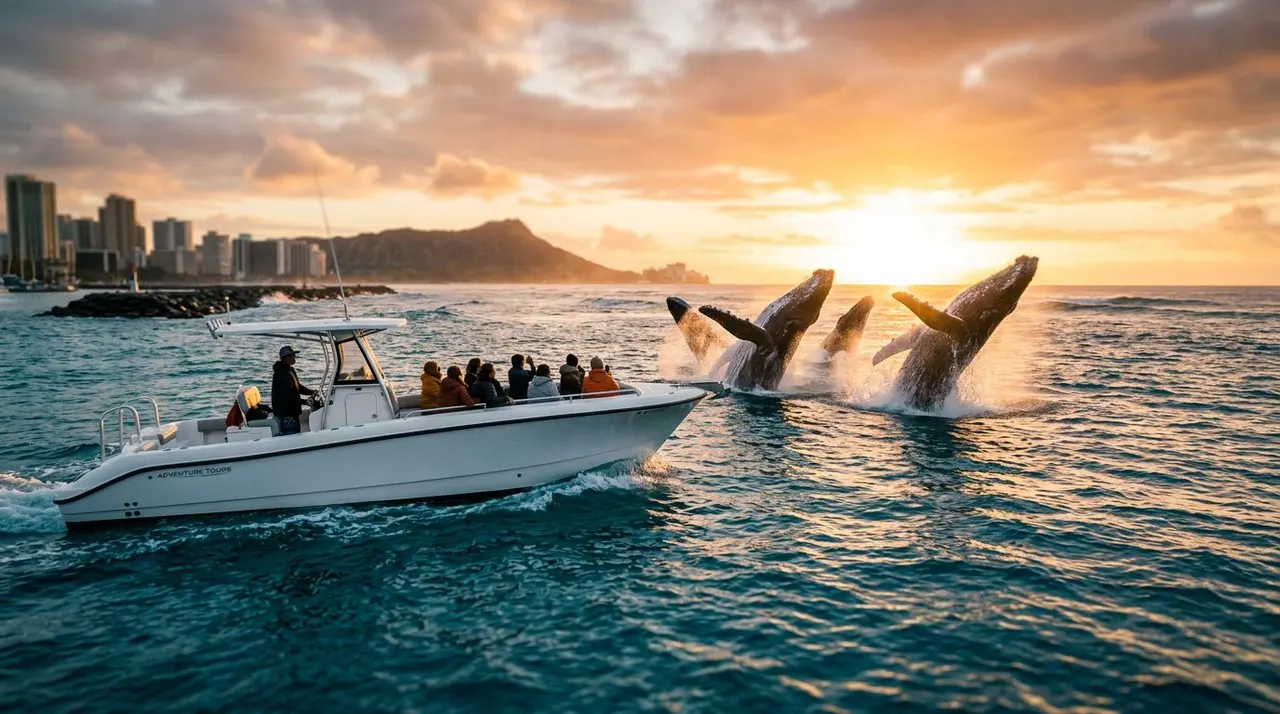
Whale watching on Oahu looks easy until the ocean starts setting the rules. A bright sky, a cheap ticket, or a last-minute plan can still leave you seasick, rushed, or staring at empty water.
Living Ocean Tours runs seasonal whale watching from Kewalo Basin Boat Harbor, just minutes from Waikiki, and it’s the only tour company here with professional snorkel guides. If you know the common first-time mistakes, you can choose a trip that feels calm, clear, and worth your time.
Weather Forecasts Can Hide Rough Water
A sunny forecast feels reassuring, but it tells you very little about the ocean itself. The sky can look perfect while the swell still bounces the boat around.
That matters on Oahu, where the wind, current, and open-water conditions shape your trip more than the weather app does. During whale season, especially from January through March, you want a day that gives you both decent visibility and comfortable motion.
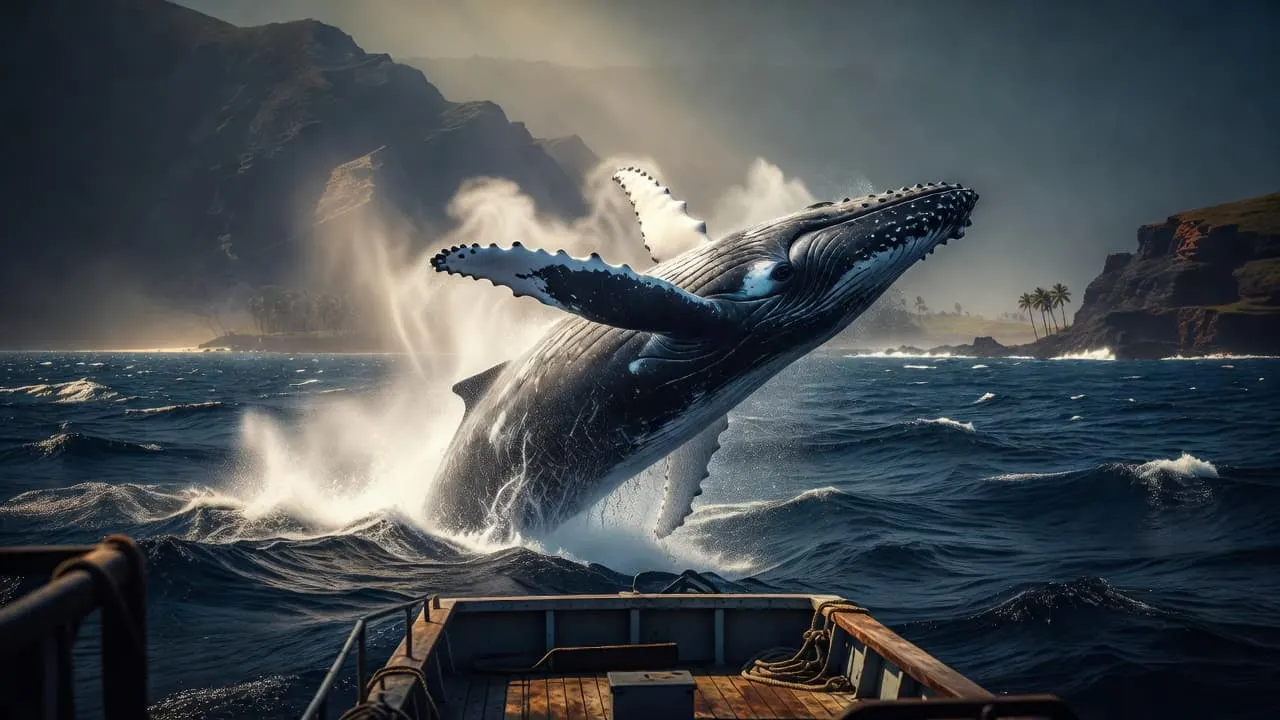
A sunny morning is nice. A steady boat matters more.
That’s why first-time visitors often get tripped up by the shore forecast. They book based on blue skies, then spend half the ride bracing their knees and checking the horizon.
You’ll enjoy the day more if you think in terms of sea state, not just weather. Calm water gives you more time to spot spouts, tail slaps, and the sudden arc of a breach.
Booking the Wrong Departure Time
Many first-timers choose a departure because it fits lunch or hotel plans. That sounds smart until you realize the boat time also shapes your comfort, your light, and your chances of staying relaxed.
Early trips often give you smoother water and fewer distractions. Later departures can work too, but the sea is rarely identical from one hour to the next.
If you’re comparing timing options, a local guide to mistakes to avoid when booking a Hawaii whale tour is a useful reality check before you lock anything in.
The time you pick also affects what you feel on deck. Midday glare can make it harder to scan the horizon, and crowded departures can leave you moving around more than you want.
Ask yourself a few simple questions before you book:
- Will the boat have shade?
- How long is the trip?
- How many people share the deck?
- Will you have a clear place to watch from?
Those details matter more than most visitors expect. Whale watching is a waiting game, and the more comfortable you are, the better your odds of enjoying every minute.
Packing Like You’re Going Ashore
A whale watch is a boat trip first. That sounds obvious, yet many visitors pack as if they’re headed to the beach for a few photos.
You’ll have a better time if you bring only what helps on the water.
- A light layer: Morning air can feel cool once the boat starts moving.
- Polarized sunglasses: They cut glare and make it easier to scan the water.
- A hat with a strap: Wind on deck is real, and loose hats disappear fast.
- Motion-sickness medicine or bands: Take them before boarding if you know you need them.
- Water and a small snack: Staying hydrated helps more than a heavy meal does.
- A phone strap or camera leash: One bump is enough to send gear overboard.
A good rule is to keep your hands free. You want one hand for balance and one hand ready for binoculars, a camera, or the railing.
You should also think about timing before you step aboard. Eat lightly, use the restroom before departure, and apply sunscreen in advance. On a moving boat, tiny hassles add up fast.
Choosing the Cheapest Tour Without Reading the Details
Price matters, but it shouldn’t be the only thing you look at. A cheap ticket can hide a cramped deck, weak narration, or a boat that leaves you uncomfortable before the whales even show up.
The better question is whether the trip gives you a good view, a stable ride, and a crew that knows how to read the water. That’s the difference between watching whales and just riding a boat.
Living Ocean Tours’ whale watching trips leave from Kewalo Basin and use Coast Guard-inspected double-decker boats with shaded seating, restrooms, dry storage, and SeaKeeper stabilization on the Lokahi. Those details matter when you want to stay steady and focused.
The crew also includes professional snorkel guides, which says a lot about how they work with beginners. If you’re new to the ocean, that kind of coaching makes the day easier from the start.
A good boat ride should let you watch the horizon, not fight the deck.
If you want a clear picture of how a tour should feel, look for direct safety briefings, respectful wildlife practices, and enough room to move without crowding. Those are the signs of a trip built for real guests, not just a quick sale.
How to Choose a Whale Watching Oahu Tour
Whale watching on Oahu gets better when the crew treats the whales with patience. You want distance, quiet, and a boat that slows down when the sighting starts.
That approach also protects your experience. When a captain tracks behavior instead of rushing closer, you get more time to watch the whales surface, sound, and move naturally.
Living Ocean Tours keeps that experience family-friendly and eco-conscious, and it welcomes everyone from first-time visitors to couples and water-loving families. If you want to compare what guests say about the trip, the review widget below is a good place to start.
If you’re ready to reserve a seasonal seat, check the live schedule here: CHECK AVAILABILITY.
Check Availability
The best operator gives you more than a seat on the water. It gives you clear expectations, a steady ride, and a crew that knows how to make the day feel easy.
What First-Time Visitors Remember Most
The biggest whale watching Oahu mistakes are rarely dramatic. They’re small choices, like booking the wrong time, packing the wrong gear, or choosing a boat without checking the details.
When you plan around the ocean instead of the brochure, the trip changes fast. You notice the spouts sooner, feel more settled on deck, and spend more time watching the whales than worrying about the ride.
That’s the goal on Oahu. You want a day where the water sets the pace, and you’re ready for it.


