
Whale Watching Oahu: Do Humpbacks Eat in Hawaii?
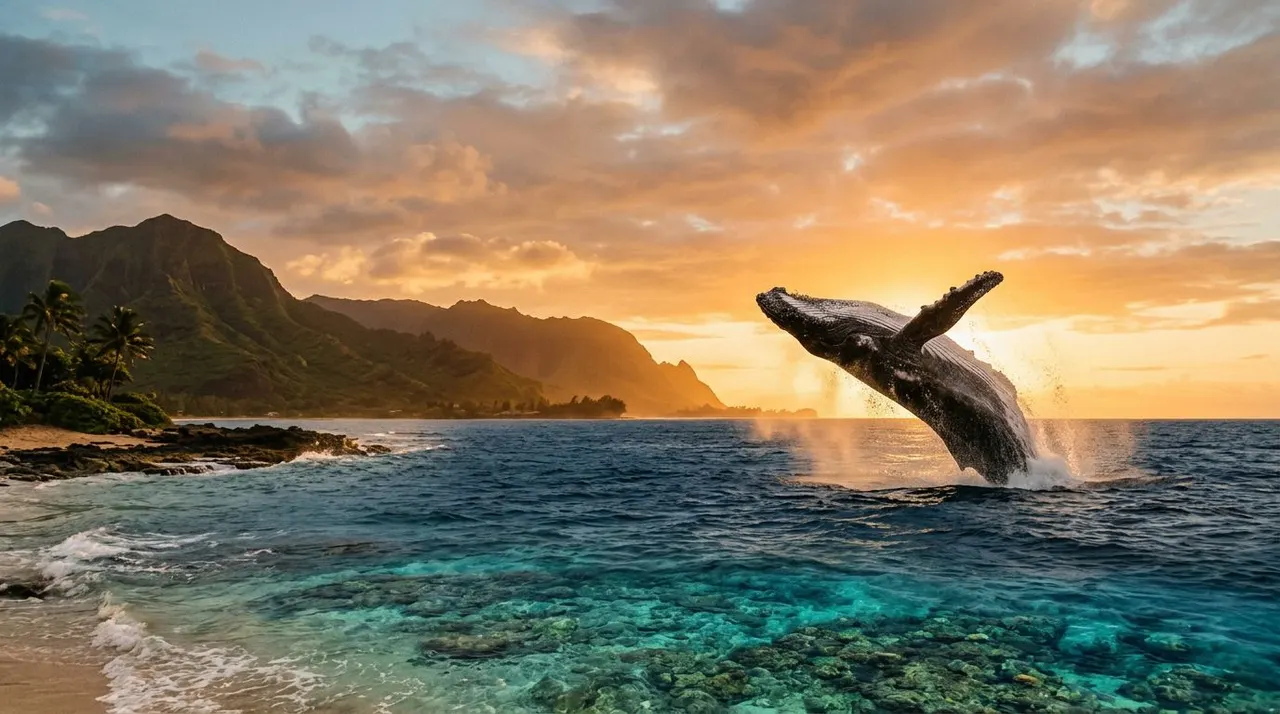
If you spot a humpback off Oahu, you’re not watching a lunch break. You’re seeing a migration stop built around birth, rest, and courtship, not feeding.
That changes how whale watching on Oahu feels. Once you know why the whales are here, you can read the surface better and enjoy every blow, breach, and tail slap with more context. Here’s the simple answer, then the better way to watch.
Do humpbacks eat in Hawaii?
Adult humpbacks do not normally eat in Hawaii. They spend the feeding months in cold-water places like Alaska, where krill and small fish are easy to find. By the time they reach the Hawaiian Islands, they are living off stored body fat.
Hawaii gives them something else they need more than food: warm, shallow water. That makes it a safe place for mating, calving, and nursing. A newborn calf drinks milk, stays close to its mother, and depends on her energy reserves, not on Hawaiian prey.
You’re looking at a nursery and a meeting ground, not a dinner table.
Rare feeding behavior has been observed in humpbacks in different parts of the world, but that is not the normal winter pattern around Oahu. If you go out expecting a feeding spectacle, you’ll miss what makes the encounter special. The real story is how much energy these animals show without eating at all.
What humpbacks do instead of feeding
Once you know humpbacks are not feeding here, the surface behavior starts to make sense. A whale watch around Oahu often feels like watching a giant conversation. The animals move, signal, and react in ways that can be sudden or almost calm.
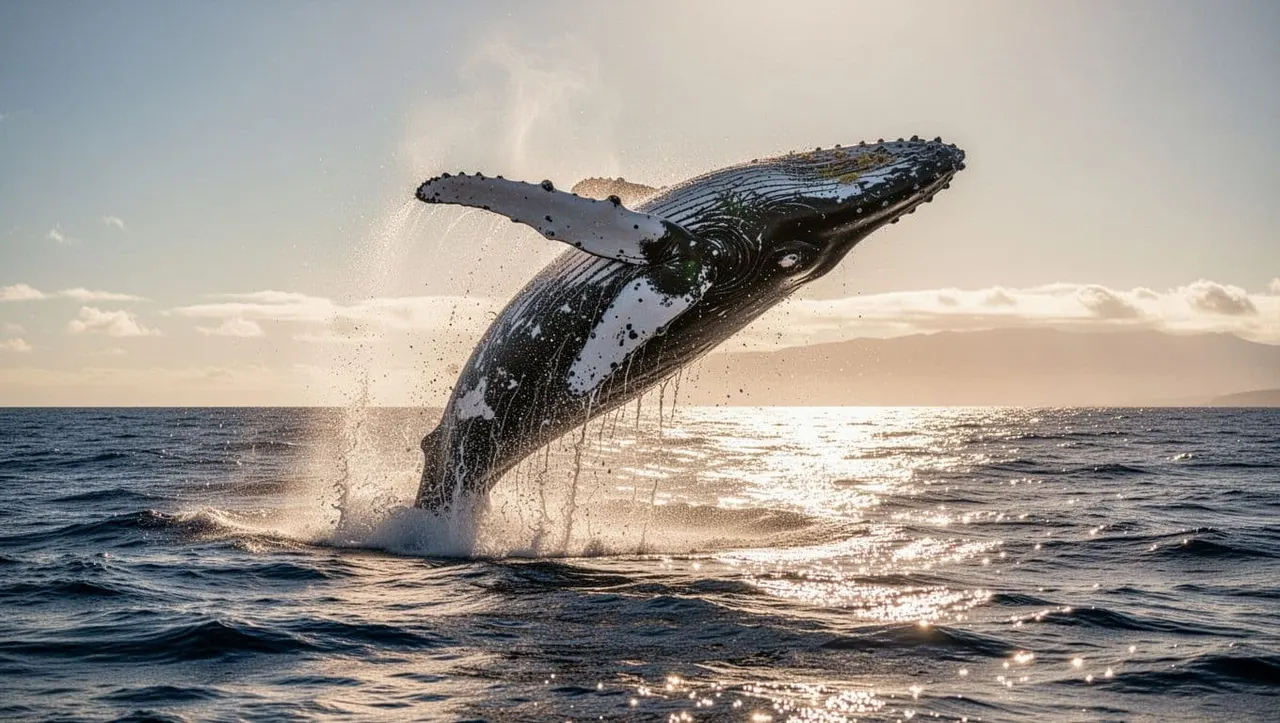
You’re most likely to notice these behaviors:
- Breaches: The whale launches part or all of its body out of the water, then crashes back down with a huge splash.
- Tail slaps: A strong slap of the flukes on the surface can carry far across the water.
- Pectoral fin slaps: Long side fins hit the water with a sound that often reaches you before the whale is fully visible.
- Spy-hops: The whale lifts its head vertically to look around.
- Mother-calf travel: A mother and calf may move slowly and stay close together, especially near the surface.
These behaviors can help whales communicate, space themselves out, or simply move through the water. No one on your boat needs to guess at every splash, though. A good guide can tell you whether you’re seeing a breach, a tail throw, or a whale changing direction.
The best part is how fast the scene can change. One moment the ocean looks empty. Then a blow appears, a back rolls through the surface, and the flukes rise like a final brushstroke before the whale drops out of sight.
When whale watching on Oahu works best
Whale season around Hawaii usually runs from November through May, with the strongest chances often from January through March. That’s when humpbacks are most active near the islands and most likely to be seen along the south shore.
Morning trips often give you smoother water and a cleaner view of the horizon. That matters because whales can appear in stages. First comes the misty blow. Then you may catch the dark curve of the back. If you’re lucky, the tail follows a second later.
If you want to compare trip types, ocean tours in Honolulu include seasonal whale watching, snorkeling, and sunset cruises. For current whale-season departures, the whale watching tour page is the clearest place to start, and CHECK AVAILABILITY shows open seats.
You’ll also get more from the trip when you watch for patterns instead of waiting for one giant splash. A series of short blows may tell you a whale is traveling. A distant breach may signal more active behavior. Either way, the reward is the same. You’re watching a wild animal set its own pace.
What a respectful whale watch feels like
The best whale watch feels calm, not crowded. You should have time to scan the water, room to ask questions, and a crew that understands how to keep the encounter respectful.
Living Ocean Tours runs seasonal whale watching cruises from Kewalo Basin Boat Harbor, just minutes from Waikiki. When you choose one of its ocean tours in Honolulu, you get a crew that knows these waters and knows how to point out wildlife without crowding it. The company is also the only tour operator with professional snorkel guides, and that water knowledge helps when you’re reading whale behavior from the deck.
A good crew also keeps the tone easy for beginners. That matters if you’re traveling with kids, sharing the boat with someone who gets seasick, or going out on your first wildlife cruise. You should feel like you’re part of the sighting, not rushed through it.
The most rewarding part is the distance. When the whales stay in control of the encounter, everything feels more honest. You get the view, the sound, and the surprise without crowding the animals.
What you can expect once you know the answer
The answer to “Do humpbacks eat in Hawaii?” is simple, and it makes your trip better. They come here to mate, calve, and nurse, then live off the energy they stored in colder feeding grounds.
Once that clicks, whale watching on Oahu becomes more interesting, not less. You stop waiting for a feeding scene and start noticing the things that actually define the season, like blows on the horizon, a full-body breach, or a tail rising for one last look before the whale disappears.
That is the real magic of a winter cruise in Hawaii. You’re not watching whales eat. You’re watching them live.


