
Waikiki Whale Watching No-Sighting Policies Explained
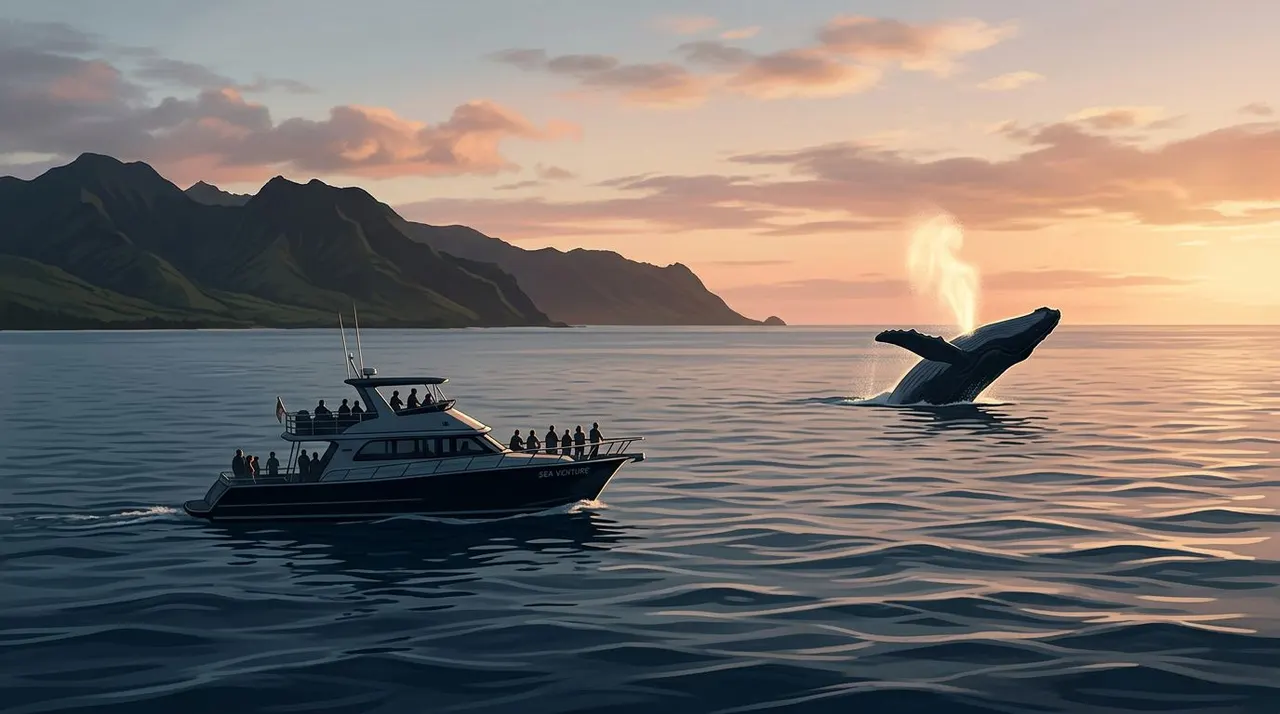
A whale can surface beside your boat, disappear for twenty minutes, and leave you with nothing but a calm stretch of blue water. That uncertainty is part of Waikiki whale watching, but it also makes the no-sighting policy important to understand before you book.
Wildlife tours don’t operate like theater shows with a scheduled finale. Your experience depends on whale behavior, weather, sea conditions, and the crew’s ability to find active areas. Before you choose a cruise, learn what happens if no whales appear, what a policy may cover, and which questions protect your vacation plans.
Why whale sightings aren’t guaranteed in Waikiki
Humpback whales visit Hawaii during the winter season, but they don’t follow a timetable. They may travel through different areas, remain underwater for long periods, or move beyond the range of a particular boat. Even when whales are present near Oahu, a crew can’t promise that you will see one during a specific departure.
Weather also affects visibility. Wind, glare, rain, and rough water can make a distant spout difficult to spot. A whale may surface behind the boat or remain underwater while the crew searches. The ocean changes throughout the day, so a successful morning trip doesn’t guarantee the same result on an afternoon departure.
Boat size and route matter as well. A vessel leaving Waikiki may search offshore areas, while another operator may stay closer to the coast. Crews use their local knowledge, communication with other vessels, and passenger reports to decide where to look. Still, those tools improve your chances rather than create certainty.
No-sighting language protects both you and the operator from confusion. When a tour advertises whale watching, it usually describes the purpose of the trip, not a guaranteed animal encounter. Read the policy as a clear agreement about what the company will do if nature doesn’t cooperate.
A whale-watching ticket guarantees a place on the boat. It does not control where a wild whale surfaces.
You should also separate a whale sighting from other marine-life encounters. A trip may still offer ocean views, seabirds, sea turtles, dolphins, or a close look at Oahu’s coastline. However, those experiences usually don’t replace a whale sighting unless the operator says they do.
The main types of no-sighting policies
Every company writes its own terms, so you shouldn’t assume that a no-sighting policy includes a refund or another tour. Most policies fall into a few familiar categories.
No refund, because the tour operated
Some operators treat the trip as complete when the boat leaves the harbor and returns safely. Under this type of policy, you won’t receive money back if the crew searches for whales but doesn’t find one. The company has still provided the transportation, crew, safety service, and planned time on the water.
This policy is common for wildlife excursions because the operator can’t control animal behavior. It can feel disappointing, but the terms are usually straightforward when stated before purchase.
Sightings encouraged, but not promised
A company may use language such as “whale sightings are not guaranteed.” That wording usually means you accept the risk of seeing no whales. Unless the policy offers a specific remedy, you shouldn’t expect a refund, credit, or free return trip.
Look for a separate section that explains cancellations, weather changes, and rescheduling. A no-sighting statement often covers wildlife uncertainty, while a weather policy covers safety conditions. Those are different situations.
Free rebooking or return-trip option
Some operators offer a second trip if you don’t see whales. This can be valuable when you’re staying in Honolulu for several days. Yet you need to check the details. The return trip may depend on availability, the same season, a limited booking window, or a specific departure schedule.
Ask whether you must report the no-sighting result before leaving the dock. Find out whether the offer applies to every passenger on your reservation. Also confirm whether the replacement trip is free or discounted.
Partial refund or future credit
A company may provide a credit instead of returning money to your original payment method. The credit could expire, apply only to another whale tour, or exclude taxes and booking fees. Some credits are transferable, while others belong only to the original guest.
Before booking, check the expiration date and redemption rules. A future credit has little value if you fly home the next morning.
Cancellation because of weather
Weather cancellations are separate from no-sighting outcomes. If the captain cancels a trip before departure for safety reasons, you may receive a refund, a credit, or a chance to reschedule. The exact remedy depends on the operator’s terms.
A trip can also operate in safe but less-than-perfect conditions. In that case, rough water or low visibility may affect your experience without triggering a cancellation policy. Ask how the company distinguishes an unsafe departure from a trip with poor viewing conditions.
How to read a whale-watching policy before booking
A policy page may use short phrases that carry major practical differences. Read every sentence that mentions sightings, refunds, credits, cancellations, weather, and rebooking. If the wording remains unclear, contact the operator before you pay.
Use this quick comparison when reviewing the terms:
| Policy detail | What it usually means for you |
|---|---|
| Sightings not guaranteed | You accept that whales may not appear |
| No-sighting refund | You may receive money back if the stated conditions apply |
| Complimentary rebooking | You may take another trip, often subject to availability |
| Future credit | You receive booking value instead of a cash refund |
| Weather cancellation | The company may cancel or change the trip for safety |
| Trip operated as scheduled | No refund may apply, even with limited wildlife activity |
Pay attention to the words “eligible,” “available,” and “at the operator’s discretion.” These terms may limit when you can use a credit or return trip. You should also check whether the policy covers one guest, the full reservation, or only the person who booked.
Ask these questions before finalizing your reservation:
- Does a no-sighting result qualify for a refund, credit, or rebooking?
- How does the crew record or confirm that no whales were seen?
- Must you request a remedy before leaving the boat?
- How long do you have to use a replacement trip?
- Does the policy apply if you see a distant blow but no close activity?
- What happens if weather affects visibility but the captain continues?
- Can you change your date if your plans shift?
Save the confirmation email and policy page after booking. Terms can change between your reservation and travel date, so keep the version connected to your purchase.
Living Ocean Tours whale watching in Waikiki
Living Ocean Tours departs from Kewalo Basin Boat Harbor, a short drive from Waikiki Beach in Honolulu. The company offers seasonal humpback whale-watching tours from January through March, when you have a chance to look for whales along Oahu’s coastal waters.
You can review the current trip details on the Living Ocean Tours whale-watching page. Read the booking information carefully, including the current no-sighting, cancellation, and rescheduling terms. Since policies can change, the live reservation information is the right place to confirm what applies to your date.
The company’s Coast Guard-inspected double-decker vessels, Coral Kai and Lokahi, provide open viewing areas, shaded seating, onboard restrooms, dry storage, and ladders for easy water access. Lokahi also includes a SeaKeeper stabilization system designed to reduce rolling, which can help if you worry about motion on the open water.
A stable boat doesn’t guarantee calm conditions, but it can make it easier for you to keep watching the horizon. Bring polarized sunglasses, a light layer, sunscreen, and a camera with enough battery for a full outing. You should also follow crew instructions when whales appear. Staying quiet, avoiding sudden movement, and never trying to touch wildlife helps protect the animals and keeps the boat safe.
Living Ocean Tours also identifies itself as the only tour company with professional snorkel guides. That matters if you choose a water-based alternative during your visit, especially if you are traveling with first-time swimmers or children.
Before you reserve, confirm the current availability and policy terms for your travel date:
What to do if you don’t see a whale
A no-sighting result doesn’t mean you handled the trip incorrectly. You may have spent hours scanning the water while the whales stayed submerged or moved outside the viewing area. Give yourself time to process the result before deciding whether the experience was worthwhile.
Start by asking the crew what they observed. They may explain where the boat searched, how conditions affected visibility, and whether other marine activity appeared nearby. If the company offers a return trip or credit, request the instructions before you leave the vessel.
Take photos of the coastline, boat, and ocean conditions if you want a record of the day. Those images won’t create a refund entitlement, but they can help you remember the trip and explain conditions if you need to contact customer service.
If your schedule allows, consider rebooking during a different part of your stay. A flexible traveler has more options than someone flying home that evening. You can also choose a different ocean activity that doesn’t depend on a whale surfacing.
Most importantly, don’t pressure the crew to approach wildlife aggressively. A responsible operator may leave an area, maintain distance, or end a viewing attempt when conditions or animal behavior require it.
Choosing a different ocean experience in Waikiki
A no-sighting policy makes more sense when you choose a trip that matches your expectations. Whale watching is a wildlife search. Snorkeling, a sunset cruise, and a fireworks cruise offer different rewards with less dependence on one animal appearing at a particular moment.
Turtle Canyon snorkeling
If you want time in the water, the Turtle Canyon Snorkel Excursion takes you to a natural underwater cleaning station known for Hawaiian green sea turtle sightings. Living Ocean Tours reports a 95% success rate for spotting turtles on this experience, though wild animals remain unpredictable.
Professional snorkel guides help you with equipment, water entry, and basic technique. That support can make the tour a good choice for beginners, families, and couples who want more than a boat ride. You should observe turtles without touching, chasing, or blocking their path.
If you prefer a planned snorkeling experience instead of a wildlife search, check the current schedule:
Deluxe snorkeling and wildlife cruise
The Deluxe Waikiki Snorkeling and Wildlife Cruise combines reef time with water activities for families and active travelers. Depending on the trip setup, you can enjoy a boat-mounted waterslide, water trampoline, and floating lily pad.
This option still includes marine-life viewing, but the day doesn’t depend on a whale sighting. You can spend time swimming, relaxing on deck, and enjoying the boat’s amenities. Lokahi offers shaded seating, a cash bar, and the SeaKeeper stabilization system.
The cruise may suit you if your group includes different ages and interests. One person can snorkel with a guide while another relaxes on deck. Check the current itinerary, age requirements, and availability before booking.
Waikiki sunset cruise
A Waikiki Sunset Cruise gives you a dependable time-based experience. You know the central feature is the changing sky over the Pacific, not the behavior of a wild animal.
Living Ocean Tours offers sunset cruise options with BYOB or cash-bar arrangements. Confirm which option applies to your departure, then plan what you want to bring. Couples may prefer the relaxed evening pace, while families can use the cruise as a low-effort way to see Waikiki from the water.
Friday night fireworks cruise
The Friday Night Waikiki Fireworks Cruise centers on a scheduled display rather than a wildlife encounter. You can enjoy the lights over the water while the boat provides a different view of the Waikiki shoreline.
This tour works well when you want a fixed evening highlight during your Oahu stay. Weather can still affect any outdoor cruise, so review the cancellation terms and departure details before you reserve.
You can also review Living Ocean Tours’ current tour options before choosing a backup plan. Compare departure times, water activities, age requirements, and the policy for each experience.
Make your whale-watching plans with clear expectations
Whale watching in Waikiki gives you a chance to see humpbacks in their seasonal Hawaiian waters, but no company can control a wild animal’s movements. The most important step is reading the current no-sighting terms before you book. Look for refund, credit, rebooking, weather, and cancellation language, then ask questions if any part remains unclear.
Living Ocean Tours offers seasonal whale-watching trips from Kewalo Basin, along with snorkeling and sunset options that can fill your itinerary if the whales stay out of view. When you understand the policy and choose a backup that fits your group, one quiet stretch of ocean doesn’t have to define your time on Oahu.


